Tag: hse

  • Galway TD says GP shortages at ‘crisis’ point in rural Ireland  

    A Galway medical centre has stopped taking private patients following the retirement of a local GP. 

    By Rebecca Reilly  

    Photo credit: pexels.com

    Culleen Medical Centre in Headford said the decision was made to temporarily pause the acceptance of new private patient registrations with effect from 7 January 2026. 

    They have received an unprecedented number of enquiries and registration requests from private patients since the retirement of a GP in the community late last year.  

    Under Irish legislation, private patients’ medical records cannot be automatically transferred from one practitioner to another without written consent. 

    In the statement, the centre said: “Such consent must be freely given, specific, informed, and unambiguous. There is therefore no legal basis for the automatic transfer of private patient care or medical records without a patient’s informed consent.” 

    The statement read: “Where patients are not notified of a GP’s retirement promptly, their ability to register elsewhere and provide the necessary consent for records transfer may be significantly constrained.” 

    It is the responsibility of the Health Service Executive (HSE) to ensure the transfer of records for medical card holders and the practice has taken on all medical card holders from the retiring GP.  

    Several private patients have expressed their worry, particularly those with ongoing medical issues.  

    One patient has said: “I am on HRT (Hormone Replacement Therapy), and I have asthma. It’s disgraceful that we are left without. What if a GP dropped dead tomorrow? There needs to be provisions in place for exceptional circumstances like a sudden retirement.”  

    Another man in his 60s said he is seriously apprehensive about managing his diabetes: “How do I fill my next prescription? Does my life mean less because I am a private patient?” 

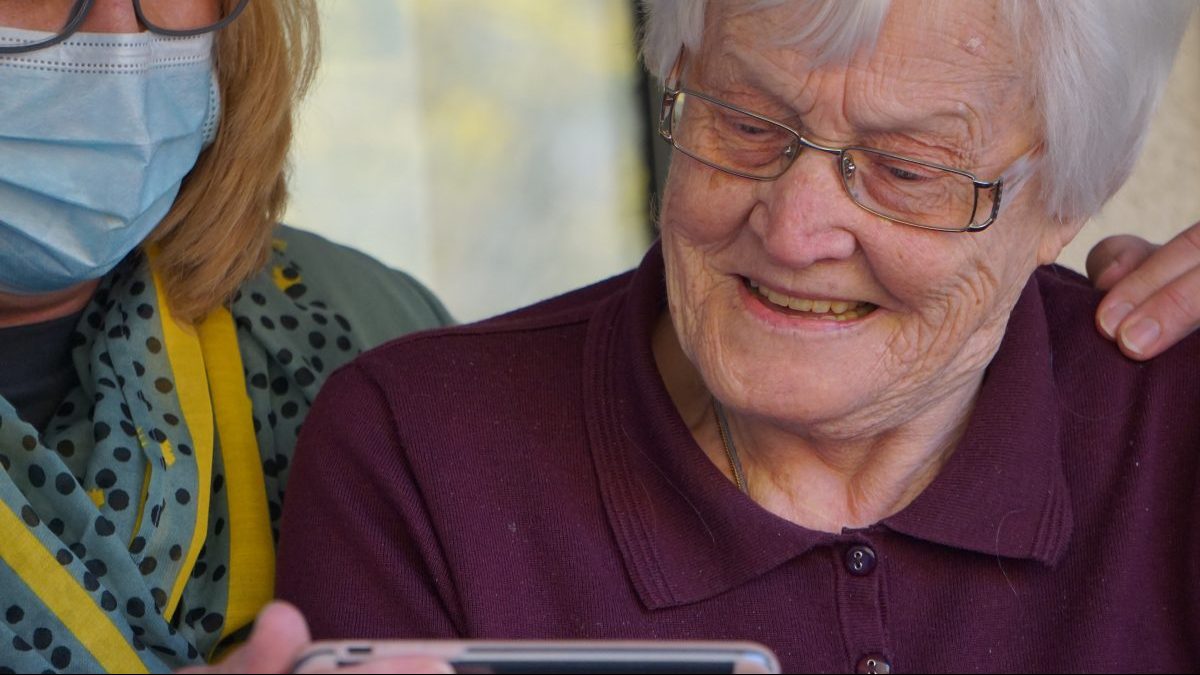
    Photo credit: pexels.com

    Local councillors are hoping to provide relief for private patients.  

    Fine Gael Councillor for the area, Andrew Reddington said that the HSE has informed him that “their duty has been fulfilled. They won’t be advertising for another doctor as all medical card patients have been allocated.” 

    “There is no point in depending on the HSE [….] I won’t be misleading anyone by saying that it will happen and doctors will come – that’s just wrong,” he said.  

    “I am currently trying to navigate the situation and have had success in getting sorted to date, as a doctor clinic contacted me offering help.”  

    Local Fianna Fáil Councillor Mary Hoade said that the country needs more GPs.  

    “In 2024, the Irish College of Surgeons said that of the 2,500 GPs in the country, three-quarters of them were at capacity and not taking new patients. So, this really is a national issue,” said Cllr. Hoade.  

    She has called on the Department of Health and the Minister for Health to address these growing issues.  

    “My concern is to find a GP for private patients who are left without one and to ask the Department of Health to address this, so we don’t ever find ourselves in this situation again.” 

    Fianna Fáil TD for Galway East, Albert Dolan raised the growing problem of GP retention in the Dáil recently.  

    “I believe there is a crisis at the moment in retaining GPs and in terms of our GP capacity in rural locations,” Deputy Dolan told TheCity.ie.  

    “We are hearing across the board that GPs are at capacity and are refusing to take on new patients. This means people are having to travel further to access care,” he said 

     “What’s vital here is that we retain our young doctors coming out of university. Many people are graduating, qualified to the highest level, and are going to Australia and Canada and are serving other systems.”  

    “We need to ensure that young people feel like there are opportunities here for them. We need to improve conditions but also reduce the burden on young doctors,” he continued. 

    While Culleen Medical Centre is hoping to expand its premises, it acknowledged “this is deeply regrettable situation,” and “sincerely sympathises with all those affected.” 

  • Call for changes to the medical rotation to ease pressure on doctors

    By Iqra Siddiqui

    Several Doctors from diverse backgrounds in Ireland said frequent hospital rotations upend their lives, posing commuting challenges and an endless search for accommodation amid the housing crisis.

    According to the HSE rotation scheme, hospital doctors must relocate to a new hospital after three or six months, which some healthcare professionals say can create instability.

    A medical staff member holding a poster, drawing attention to rotation challenges

    One Doctor, who spoke to us on condition of anonymity, works at Naas General Hospital. “I have been working in Irish hospitals for about six months. I did two rotations in Tallaght and the first in Naas,” they said.

    “The scheme professionally helps me understand the different hospital systems and provides a chance to work within multiple teams.”

    “However, when I was coming to Naas, I couldn’t find any appropriate accommodation, so I rented a place in Dublin. Commuting added travel expenses and stress.”

    A doctor also claimed that these commutes can be lengthy for some other medical professionals. “Some travel between Galway and Sligo,” they said. “That’s a long distance, and you can’t commute, so you often need accommodation.”

    Regarding the short duration of these rotations, they highlighted the lack of a chance to settle, as well as the need for support from the Irish Government.

    “It just feels like you just settled in and a month later, you are leaving. It’s a very short rotation.”

    “I think longer rotations would be better. The Government needs to make allowances for travel expenses and accommodation.”

    A doctor based at the Mater Private Network shared this sentiment, claiming that “the Government should extend the rotation period and provide accommodation support.”

    Another doctor at Cork University Hospital said: “It is my 6th rotation and I was not given an extension for more than a year.”

    “It takes three months to adjust, and it’s hard to learn new surgical skills when consultants don’t know you,” they said.

    This is much like the experience of a non-national doctor in Naas, who is on their second rotation within two years.

    “We expect changes; the scheme should introduce more structured plans that lead to progress. We are just working and are obliged to pack bags and move around.”

    “I think we should be given 4 to 5 years for one rotation rather than 6 months or a year to move around,” they said.

    Other doctors said moving with a family to unfamiliar cities is tough. One internationally-trained surgical registrar at Naas Hospital said:

    “Initially, I was not married, so it was not that hard to move, but I am married now, and I have a wife. And relocating with her poses challenges in finding suitable accommodation.”

    He continued: “I believe it should be a doctor’s choice to move to another hospital, and it should not be imposed.”

    A doctor working at Tallaght University Hospital said, “Every time, it is frustrating to figure out how things are done in each hospital.”

    Another doctor at an Irish Hospital also added: “Rotation is something personal, you get experience, but you travel, and you spend a lot of time travelling.

    “When you are on duty until 10:00 late at night and then commute to Dublin, it is very tiring for the next day. It gives you mental pressure,” they said.

    A Psychiatry Registrar details that the social and emotional toll that the rotations can have is often negative.

    “Frequent rotations impact friendships and relationships. But it is less complicated as I have no children or family compared to my colleague, who has,” they added.

    “On top of that, every consultant has their own expectations and working style, so it often takes weeks to understand how to function in a new team, and by the time you fully settle into a job, it’s often time to move to the next rotation,” they said

    These doctors are representative of the larger continuous cycle of healthcare staff relocating from one hospital to another.

    Many doctors continue to urge the authorities to introduce relief plans that extend the rotation period and assist them with housing to combat this ongoing issue.

  • HSE Safe Nightlife programme may be baby steps towards solving an adult problem

    HSE Safe Nightlife programme may be baby steps towards solving an adult problem

    By Chloe Seymour

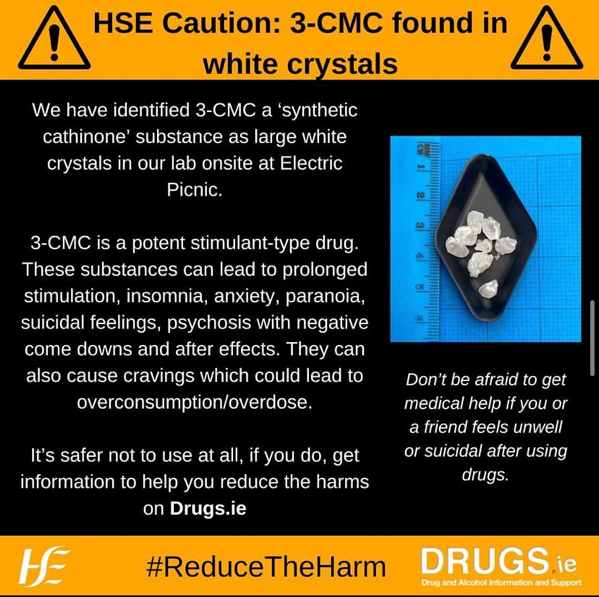
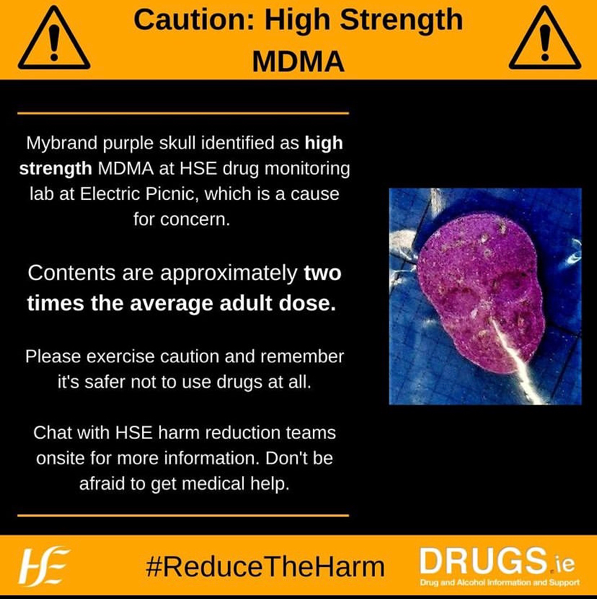
    The HSE Safe Nightlife programme 2022 launched a pilot initiative in September of this year that provided a ‘back door’ drug testing service at the annual Electric Picnic festival in Stradbally, County Laois.


    Pictures courtesy of the HSE.

    This service allowed festival goers to anonymously leave drug samples in at the HSE tent, where the drugs were tested for potentially harmful substances, strengths etc. Any found dangers were published online and across the festival to warn attendees. 

    A subsequent report published by the HSE identified three new types of drugs that were not previously recorded in the country, including a new form of MDMA tablet that is double the recommended strength for a single adult.

    However, the health service’s attendance at Electric Picnic is only the first step in the Safer Nightlife programme, the HSE details further plans towards partnership with more festivals and events to expand their ‘back door’ testing facilities.

    This initiative’s aim is harm reduction when out socialising, be it at a concert or a festival. TheCity.ie spoke to Gerry Carroll from Cuan Mhuire substance abuse centre, Athy, on what he thinks of this new initiative and what he believes should be the Government’s next steps in reducing substance abuse. Mr Carroll works extensively with Cuan Mhuire’s gambling, alcohol and drugs programmes.

    “It’s a good idea, people usually start small with drugs, using things such as hash or marijuana, then they move onto bigger things and it’s all from people they don’t know, and they don’t have any idea what’s in the stuff,” he said.

    He felt that providing information to limit exposure to potentially harmful substances is a good first step in harm reduction, however, Mr Carroll stated that more needs to be done in order for the programme to be a real success.

    Early education on the harm caused by drugs and alcohol is a number one priority for Mr Carroll, who discussed his own initiative when attending schools to educate on the subject. “We have a girl down in a Cork programme for drug abuse, who is only sixteen, her life is destroyed already.” 

    Mr Carroll also discussed how the past rehab programme attendees of Cuan Mhuire give talks to educate those currently in the programme on their experience with substance abuse and recovery.

    Tim Kennelly of Tim Kennelly Solicitors in Naas, focuses mainly on criminal law and has first hand experience with clients suffering from substance abuse issues. He indicated that other decisions by the Government were less forward-thinking in terms of drug reduction.

    Mr Kennelly shared his lack of confidence in the introduction of new legislation to allow cautions for minor possession cases, rather than custody. “What this does is it sends out a message that being caught with drugs is okay to an extent, it’s a removal of the criminal deterrence for small possession matters.”

    Despite this, Mr Kennelly feels that the Government is on the right track, as long as specific steps are taken in order to tackle the problem effectively. He feels that changes such as allowing judges to remand people into treatment centres rather than custody, would be more effective in tackling substance abuse. “If there’s nobody buying drugs, then there’s no drug dealers.” 

    Arguing simple supply and demand and providing real rehabilitation to people moving through the criminal system would help to massively reduce the number of drugs in circulation across the county.

    According to Mr Carroll, there is a good turnout of people attending programmes who don’t return to treatment for substance abuse, indicating the effectiveness of rehabilitation services. “We have a client who was waiting in custody for 6 months to see a drugs counsellor. If someone doesn’t get help with these issues during their sentence, they are much more likely to return back to old habits once they are released,” Mr Kennelly stated.

    While the HSE Safer Nightlife programme has made progress towards combatting drug use, there is a clear consensus that more enforcement is needed to encourage rehabilitation and education and that more effort is needed to provide the necessary services for the same.

  • ID service users and workers continue to  compromise, awaiting clarity on re-opening

    ID service users and workers continue to compromise, awaiting clarity on re-opening

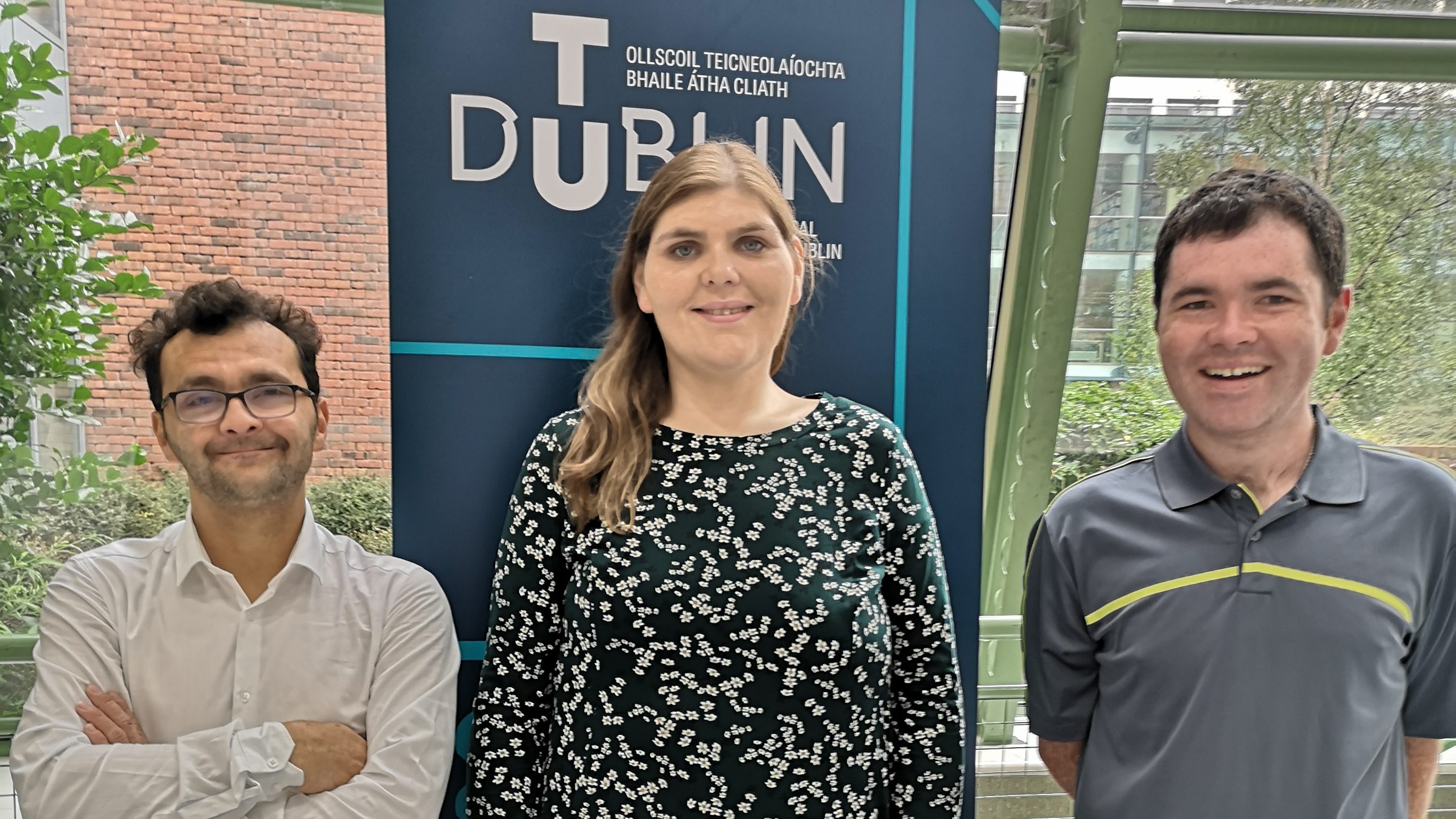
    Tomás Murphy, Margaret Turley, and Chris Byrne spoke to several adults with intellectual disabilities to research the impact of Covid-19 on their lives. Photo courtesy of Harry Browne

    As special schools across the country begin to reopen, many people are still calling for clarification on the status of respite and adult day centres. 

    This comes just a week after 18 new cases were reported in centres for people with disabilities.

    The HSE funds almost 1,000 locations across Ireland, catering to around 19,000 adults with disabilities. 

    Organisations such as CI Dawn in Co Donegal provide day services to adults with mild to moderate intellectual disabilities, and aid young adults in the transition from school to day centres. Service users can choose from up to 30 modules provided by the centre, ranging from art and music to travel training. 

    Dean Larkin from the CI Dawn says that the focus is on community inclusion:  “That’s what we’re here for. We’re out and about a lot, we’ve got work experience. A few of the service users go out on work experience so some of them are maybe in shops, or one person works in a garage. It’s really about providing opportunities for everyone.”

    After initially closing at the beginning of the pandemic, day services throughout Ireland eventually resumed in August 2020, operating at approximately 38% capacity. 

    On 11 November 2020, Minister of State at the Department of Health, Deputy Anne Rabbitte, stated that the objective was to have day services operating at a minimum of 50% capacity.

    At the CI Dawn, there are just two service users out of eight attending the centre at the moment.

    “You’re still keeping in contact with the families and the service users just so they know you’re still there if they need anything”

    Dean Larkin

    A survey conducted by Inclusion Ireland found that only 20% of adults with intellectual disabilities reported feeling happy to stay at home, and many mentioned missing the support from staff at the centres.

    One of the main difficulties, says Larkin, is the closure of many other services in the community:

    “Normally on a Tuesday we would have gone to the gym, Wednesday would have been the swimming pool, on a Thursday we’re doing Discover Donegal. So you’re out and about a lot. But obviously everywhere is closed at the minute, and you don’t want to be in contact with other people, so if service users are in, you’re just limited with what’s happening.”

    A report on the experiences of adults with intellectual disabilities during the pandemic – which was conducted and written by people with intellectual disabilities – highlighted some of the difficulties faced:

    “It was mayhem. We couldn’t get back at all with this Covid-19. I was very panicky, annoyed, upset, anxious – can’t see staff, can’t see friends. It’s lonely, and scary, and worried. I miss my friends, I miss my family, I miss my loved ones.” Said Gary McCabe, a participant in the report.

    There was a general consensus among the participants that the boredom and social isolation was one of the worst aspects of lockdown, and most were eager to return to work or day service.

    “It’s kind of sad not having a reason to get up in the morning, waiting for the bus to come and take us to day service.” Said Peggy McDonnell, another participant.

    Report on the impact of Covid-19 on people with intellectual disabilities in Ireland by TU Dublin

    For people with intellectual disabilities, the uncertainty of lockdown can be quite challenging, and the survey by Inclusion Ireland found that loneliness was a “significant issue” for 56% of respondents.

    To help combat this, many centres are reaching out to service users over the phone and online.

    “We provide an outreach programme. So for service users at home, we send out a pack every two weeks. You’re still keeping in contact with the families and the service users just so they know you’re still there if they need anything. We also call every week to chat to the service users if they want to talk,” says Larkin.

    The centre has also been utilising Facebook, going live and posting interactive videos such as quizzes, live music and even classes like yoga and gymnastics.

    “There’s been no respite at all. Day centres can do bits and pieces online but it’s still not the same”

    Paul Kelly

    Larkin says that the response to the online presence has been positive and one benefit is that the videos are saved to the page so people can watch them in their own time.

    However, for many people with intellectual disabilities, online communication and learning on its own is not a viable long-term solution, and for these people it is important that they are able to access the services they require safely and regularly. 

    Drumboe Respite House in Co Donegal allows people to stay over and go for trips to the cinema, shops, and restaurants. 

    Due to the nature of the service they provide, they are not able to work online and have been closed since the pandemic began, says Paul Kelly, a nurse at the respite house.

    “There’s been no respite at all. Day centres can do bits and pieces online but it’s still not the same. They’re just on a screen all day and when they’ve been doing it for years, they have a routine of getting the bus in. Maybe meeting the busman and going to the shops and meeting other people. Now they’re just at home on a screen and they might find it hard to understand that,” says Kelly.

    With the Covid-19 vaccine being administered to more and more people, disability workers are hopeful that this will speed up the safe reopening of disability services.

    “We’re hoping that both the staff and service users will be vaccinated soon and then it’s just totally up to the service users and their families when they want to come back in. There’s no pressure because their spot is always going to be here,” says Dean Larkin.

  • HSE changes its Covid-19 policy to allow partners to attend 20-week scan

    HSE changes its Covid-19 policy to allow partners to attend 20-week scan

    The HSE has announced updates to their Covid-19 guidelines to allow for partners of pregnant people to be allowed to attend the 20-week scan. The measure that prevented partners from attending the scans were originally introduced as precaution in hospitals. Amber Baxter reports on what this means for those affected.

    Image by parentingupstream on Pixabay

    It is expected the HSE will ask maternity facilities to allow partners to visit for anomaly scans if possible.

    Emails and letters from people and their partners to the government have been released to Aontú leader and Meath West TD Peadar Tóibín following a Freedom of Information request (FOI). He described their content as “harrowing” and “deeply distressing”.

    A letter sent to Taoiseach Micheál Martin which was forwarded to Minister for Health Stephen Donnelly on the 30th of September stated that the Taoiseach asked his colleague if the “points raised could be examined” and if he could “advise me [Martin] of the position”. 

    The letter sent to the Taoiseach was from one woman who said she was left “exasperated” by the restrictions after going through the “heartbreaking, gut-wrenching” event of a missed miscarriage at 8 weeks. 

    The woman wrote in her letter: “Can you please tell me why I am able to eat a meal with women I have not seen in months, but my husband who I live with is not allowed to be there when I am told the most devastating news that a pregnant woman can hear?”

    Under the current guidelines, partners are allowed in for births but not for scans or emergency procedures. The news comes after hundreds of people and their partners wrote to Minister for Health Stephen Donnelly and Taoiseach Micheál Martin. A petition organised against the restrictions by campaign group, Uplift, has gathered 52,000 signatures and was handed into Cork University Hospital last week.

    Tóibín said, “During a six-week period over 170 emails were sent to the Minister for Health, the majority of them from women outlining their shocking experiences in maternity hospitals as a result of the Covid-19 restrictions.”

    He continued, “We must remember that one in four pregnancies ends in miscarriage in this country. No woman should be left to face this bad news alone, in a hospital corridor without a partner to support her.”

    Alan Kelly, Labour Leader, also called on the Government last month to consider modifying the restrictions on partners not being allowed to accompany or visit expectant mothers during and after pregnancy.

    Holly Smith, an expectant mother, told TheCity.ie: “People should be able to support their partners in person. Thankfully I was not in a position where I received bad news on my own but there are hundreds of women who are going to their scans not knowing what will happen.”

    She continued, “Partners and fathers shouldn’t have to receive bad news alone in a hospital car park on the phone.”

    Another of the letters from one woman who experienced a miscarriage read: “I had to sit in a room alone to be told my baby had died. I was sent from this room alone reeling from what I had just heard and left to sit on a busy ward corridor sobbing alone,

    “This is simply unacceptable. At no point was I allowed to have my husband present to provide any sort of comfort. I sat for hours alone and broken in one of your maternity hospitals. Not a single person to offer me the comfort I craved and needed.”

  • Visible litter only means of tracking nitrous oxide use

    Visible litter only means of tracking nitrous oxide use

    The popularity of the use of the drug is measured by the amount of visible drug-related litter left behind. Rebecca Daly investigates this and the problem as a whole.

    The popularity of the use of nitrous oxide is measured by drug-related litter

    The popularity of the use of nitrous oxide as a drug is measured by the amount of visible drug-related litter left behind, the National Planning Specialist department of the HSE has revealed.  

    A Freedom of Information request to the HSE asked for a timeline of the popularity of the use of nitrous oxide. It said, “On review of the Irish situation, reports from community services indicate that nitrous oxide use began emerging in some Dublin communities over the last 18 months to two year period based on visible drug-related litter.”

    In this case, “visible drug-related litter” means small cylindrical canisters or “whippets” used to charge whipped cream dispensers. These whippets are placed into a dispenser to fill a balloon that users can then inhale. 

    A follow-up question about this confirmed that at the moment, the only way the popularity of the use of the drug is measured in Ireland is by the visible litter left behind. 

    A spokesperson from the HSE National Social Inclusion Office said, “At present, nitrous oxide is not represented in traditional data sets such as in the general population survey, treatment data or the national drug-related death index.”

    Drug use behaviour data is usually captured at a national level by the Health Research Board, who conduct general population surveys, collate treatment figures, and gather publications on drug-related deaths. 

    The HSE is also presented with information on emerging trends from hospital presentations, stakeholders, and services. However, in terms of nitrous oxide use in Ireland, community services highlighting visible drug litter is the only method of reporting this issue. 

    “Nitrous oxide prevalence has developed at a slower pace in Ireland compared to European counterparts, who report use over a longer period of time,” the spokesperson said. 

    This method of tracking the popularity of the drug could mean that many issues relating to it could go under the radar – if whippet users correctly dispose of their litter instead of leaving it lying around streets and in parks. 

    Fianna Fáil councilor Shane Moynihan said that the use of nitrous oxide as a drug is a “sleeping issue” in his local electorate area of Palmerstown-Fonthill. 

    As a result of people being confined to their 5km during the first lockdown, the issue came to a head as whippets could be seen discarded in parks and residential areas. 

    “That brought it into focus for people. First of all, asking what they were and obviously people were able to find out effectively that it’s drug taking but also then the dangers inherent to them,” Moynihan said. 

    Whippets are used in catering and because of this, they are easily purchased online by anyone who comes across them. Moynihan said, “There are dealers that are buying bulk packets of these online because they can and masquerading as catering companies and then they’re dealing them out at massive markup.”

    In relation to how the popularity of this drug is traced, Moynihan said, “The issue at hand is because they are legal for use in catering and stuff like that, it’s very difficult. I struggle to think of how else you would track it.” 

    Monitoring the sale of whippets through online platforms is perhaps the only viable way to prevent them from being used for non-legitimate reasons. Without a system to ensure that only catering companies or those who genuinely need to use nitrous oxide can buy them, this is not an easy thing to do. 

    “Unless you’re capturing how much is being bought online, which is pretty difficult, looking at the remnants is probably the best way to do it because you know in those cases that it’s being used for the purpose that they’re not designed for i.e drug-taking,” he said. 

    Sinn Féin TD Mark Ward for Dublin Mid-West agreed with the difficulty posed by this issue and said, “That’s the only way they can trace at the moment because there hasn’t been legislation brought in that can track the nitrous oxide coming into the country.”

    In order to combat people buying whippets for non-legitimate reasons, Ward suggested having registration numbers connected with each box of whippets or shipping of them, as there needs to be “some sort of traceability”.

    “If those canisters are found strewn around the streets, they could be traced back to the supplier that they were meant to come in from. Then there would be cumulative measures taken from that stage,” Ward said. 

  • Agency offering short training course to fill nursing home vacancies

    Agency offering short training course to fill nursing home vacancies

    Major staff shortages have caused issues in nursing homes. Photo: George Arthur Pfleuger

    TheCity.ie’s Ruadhan Jones heard from Tom Lordan, administrator with LHP Skillnet – which is looking to meet some the increased demand for nursing home workers with a three-week induction course for healthcare assistants.

    The difficulties facing nursing homes as a result of the coronavirus has become a story of increasing importance in the past few weeks. Among the issues facing the homes is a shortage of staff, with up to 158 homes without 427 healthcare assistants.

    LHP Skillnet, short for Leading Healthcare Providers, is a training agency and a member of Skillnet Ireland, a national upskilling body that receives funding from the State.

    As part of the grant conditions, many brances of Skillnet Ireland provides a free employment activation program, intended to get people off the live register and into work.

    Speaking to TheCity.ie, Tom Lordan explained that, prior to the crisis, one LHP Skillnet’s central tasks was to run a six-month course activation program in healthcare support.

    “We were doing that major award as our employment activation program,” Lordan said. “Even prior to the Covid–19 crisis, there was a huge demand for trained and competent healthcare assistants. It was a very productive course, getting hundreds of people into safe and professional work.”

    The course is accredited by Quality and Qualifications Ireland (QQI) as a Level 5 major award. It requires participants to take a certain combination of a certain number of modules to get the award, and is, according to Lordan, the industry standard for healthcare assistants.

    “The training requirements of a healthcare assistant may be entry-level but it is one of the most time-consuming roles in the healthcare community,” he said. “While they don’t perform any advanced diagnostic or medical functions, they’re the lifeblood of the nursing home. They deal with all of the fundamental aspects of personal care — no nursing home could operate without them.”

    “Healthcare assistants are crucial in caring for people who are elderly or have disabilities.”

    The course typically last six months, but LHP Skillnet realised that was too long to meet the increased demand.

    “The strain on the industry is significant,” Lordan said, “because of the numbers falling sick in nursing homes or in hospitals. There has been an exponential increase in demand. We partnered with Nursing Homes Ireland (NHI) and the public employment agency Intreo to put together a program for dealing with the deficit right now.

    “Our nurse tutors took the most important elements from the major award in healthcare support and condensed them into a three-week course. We call it the Healthcare Assistant Induction Programme. It was devised to be delivered online via interactive sessions, though we never used webinar software before.”

    The extra workload put a huge burden on LHP Skillnet’s small team. Prior to the crisis, LHP Skillnet had added a new administrator, but this still meant that there were just three administrators and one manager working for the company.

    The NHI have started a recruitment campaign. Photo: NHI website.

    “It’s been incredibly labour-intensive, but it’s been necessary,” Lordan said. “Everyone agreed that it had to go ahead. We went to Intreo and they gave us a list of about 180 people interested in doing healthcare. We sent out emails to confirm their interest, put them into groups and carried on.

    “We were able to use the NHI’s really comprehensive communications network to pass round an online survey which nursing homes could fill out to give us the info we needed. We compiled a database of all nursing homes that have a desperate need of care assistants.”

    At the end of each course, the tutors provide participants with a list of nursing homes in their area and prospective students will make the applications themselves, Lordan explained.

    Though the course won’t be accredited in the same way as the healthcare support, it will be recognised by the NHI, Lordan said.

    “It can’t supplant the major award,” he said, “but it gives individuals the basics they need to go into a healthcare environment and not make mistakes. They’ll know what the key elements of their work will be, and then be trained subsequently.”

    Lordan is hopeful that the changes made to the course will help the NHI meet some of the nursing homes’ needs.

    “The demand is there, and our efficiency has improved,” he said. “In the first week, no one had used the webinar software before. The tutors and administrators had only a short trial. We kept the number of participants small to begin with, but with each passing week we’re able to expand the classes.”

    Anne O’Connor from the HSE confirms that care homes are now being prioritised for PPE.
    Photo: RTE player

    So far, four groups have completed the course, with a further eight groups lined up. In total, LHP Skillnet expect around 300 people to participate.

    Due to the newness of the course, LHP’s Skillnet don’t have figures for those entering employment, but Mr Lordan said that “they shouldn’t have any problems” getting into homes. He hopes that many of the participants will avail of the chance to do the healthcare support course once the worst of the crisis has passed.

    “Anyone who does the induction programme will be offered the opportunity to progress to the major award,” Mr Lordan said. “Not all will want to, but I hope that a lot of them do come back and do the major award. Given the situation, we will most likely do that online as well.”

  • Response time targets not being hit by emergency services

    Response time targets not being hit by emergency services

    By David O’Farrell and Amy Connaughton

    The average response time for National Ambulance Services is under 19 minutes, according to figures released under the Freedom of Information Act.

    The calls are split into two separate categories, echo and delta. Echo calls are in response to patients suffering from a life-threatening emergency such as uncontrolled bleeding or finding it difficult to breath. Delta calls are calls from patients suffering from other non-life-threatening emergencies such as a pulled muscle or a minor cut.

    The response times are split into the four quarters of the year and can be seen in the graph below .

    The best response time on echo calls was recorded in quarter two, from April to June, where North Leinster had an 85.7% on time response. The outliers were the Western Area with 75.3% and the South with 74.3% response times. Meanwhile, the best response time on delta calls was recorded in quarter three, from July to September, where North Leinster once again came out on top at 64%, while the Southern area at 56.1% and the Western area at 61.6% performed the worst.

    On the other hand, the worst response time to echo calls occurred in the first quarter of the year, from January to March, where North Leinster performed best with an 82.4% on time response.

    The Western area at 58% was the outlier. The poorest response times to delta calls also happened in the first quarter with the Western Area and Southern Area performing poorly with a 53.8% on time response, while North Leinster performed best yet again with a 57.8% on time response.

    The average response time to life threatening calls in Dublin is 12 minutes and 41 seconds.

    TheCity.ie spoke to Clare O’Byrne, Media and Stakeholder Relations Manager for the Health Information and Quality Authority (HIQA), regarding the response times: “HIQA has conducted two comprehensive reviews of pre-hospital emergency care over the past number of years, one in 2014 and another follow-up review in 2017.

    “As part of these reviews, a number of recommendations were made to improve services, including measures to improve efficiency within the service to improve response times.”

    She went on to talk about how response times could be improved: “It should be noted that response times are not the only measure of service quality and safety, and HIQA also recommended that the service act to better define and measure other parameters to assure itself around the quality of care provided.

    “Furthermore, parallel to this work by HIQA, the HSE commissioned a review of capacity needs, which identified deficits in ambulance resourcing levels. HIQA is aware that some, but not all, necessary resources have been provided to the ambulance service to address these deficits”.

    It was interesting to compare ambulance response times in Ireland to those abroad. For example, Reuters found out that in America, responders arrived on the scene of emergencies 7.9 minutes after the call was placed on average. In England, the National Health Service set out new timeframes for emergency services to arrive on the scene after a call is placed; their calls are split into four categories.

    Category one calls are life-threatening calls; services expect to be on the scene in seven minutes on average and respond to 90% of category one calls within 15 minutes. Category two calls are emergency calls that require immediate assistance and/or transportation. They are expected to respond to these calls in 18 minutes on average and 90% of category two calls within 40 minutes.

    Category three calls are described as urgent calls and are usually when people need pain relief. They are expected to respond to 90% of these calls within two hours. Finally, there are category four calls which are non-urgent situations but require assessment and potentially transportation. They are expected to respond to 90% of those within three hours.

    Amanda Kenny, Press Officer for the Health Service Executive (HSE) also noted that ambulance response times, while helpful for performance measurement, do not provide a comprehensive picture of modern ambulance service performance if solely relied upon. 

    “It’s not uncommon to wait over an hour with a patient when we could be back out answering calls”

    She said: “Response time performance is being globally reviewed in terms of whether it is the only appropriate measure of patient care. While rapid deployment and timely arrival are accepted, patient outcome indicators are being viewed as a more appropriate measure of patient care and experience.”

    Regarding improving response times, she said: “The National Ambulance Service has recently established a clinical hub to implement the Hear and Treat alternative care pathway for low acuity calls that don’t require the dispatch of an emergency ambulance.”

    A Dublin paramedic, who wishes to remain anonymous, has said that to improve response times there should be less time spent waiting in emergency departments to hand over the care of a patient. He said: “Lack of capacity and staffing in emergency departments results in ambulance crews waiting to handover a patient. This means that it’s not uncommon to wait over an hour with a patient when we could be back out answering calls.”

    This paramedic also suggested that there should be less time spent on non-emergency calls and with patients that can be cared for at home: “A greater number of GP’s are required, particularly in rural areas, who could commence care of a patient at home where appropriate. This would avoid further hospital overcrowding and ambulance callouts. 

    “This also requires a greater number of community nurses to continue the prescribed care plan and assess progress. There is a community paramedic programme in motion that is aimed at filling this void.”

  • Irish healthcare workers react to HSE report focusing on “person-centred care”

    Irish healthcare workers react to HSE report focusing on “person-centred care”

    The HSE has released a new report, which has asked hospital staff to rethink how they refer to patients.

    The report mentions a programme which seeks to personalise the treatment of patients within the healthcare system over the coming months, with eighteen hospitals already committing to the new guidelines.

    “In nursing, it’s more about asking the patient what they want to be called. It’s always been that way,” said Liz Roche, Area Director of Nursing and Midwifery planning and development at the HSE.

    “Some patients want to be called ‘Mr. Bloggs’ rather than by their first names and vice versa some would rather be called by their first name. It all comes under the umbrella of ‘person-centred care’,” Ms. Roche continued. “It also works in reverse – that is us,as professionals, should be introducing ourselves to patients. There is a big drive called #hellomynameis.’

    Amy Mc Grath, 21, is a recently qualified nurse working in Dublin. As a young nurse, she doesn’t predict any personal changes in relation to “person-centred care”.

    “We were taught from the beginning not to be using ‘pet names’ with patients because most of them are so much older than us that it can seem patronising,” she told TheCity.ie. “So, I don’t see it changing how I talk to patients. I think some people will find it difficult but that’s just because it’s in the Irish culture to use ‘lads’ and stuff.”

    According to the report, the HSE’s main aim is “to enable a culture of person-centredness within the health and social care system that positively impacts on [the] experience of people who use services, their families and staff.”

    “Calling someone ‘love’ or ‘pet’ is seen as being not ‘person-centred’ as you can call it to anyone.”

    “People prefer to be called by their own name as they find it more personal and [they feel] that people are trying to get to know them,” said psychiatric nursing student Niall Treacy, 22.

    Treacy believes a “balance” should be achieved as “we can’t look at everything in a clinical matter and some informal language around patients may comfort them rather than the constant professionalism.

    “It’s a career where compassion is the centre force so the clinical language isn’t always needed and people may find it more comforting to be called ‘love’ or ‘pet’.”

  • Ireland ranks highly for skin cancer risk

    Ireland ranks highly for skin cancer risk

    The Public Health (Sunbeds) Act 2014, was signed into law on 24 June 2014 and states that the sale or hire of a sunbed to any person under 18 years-of-age is illegal. The act was introduced to regulate the use of sunbeds by those under 18, in order to reduce their likelihood of developing skin cancer.

    This means that people under the age of 18 can’t use sunbeds while on the premises of a tanning salon and are prohibited to enter areas of the business where they keep their sunbeds.

    It had been known that teenagers are recruited by the HSE to take part in a “test purchase procedure” in which they send teenagers between the ages of 15-17 to go undercover and try buy sunbed sessions from tanning businesses.

    Following a  Freedom of Information request, it has been revealed that there have been 101 occasions in which a teenager (between 15 and 17) has been sent to a sunbed premises by the HSE since the commencement of the test purchasing programme. The FOI disclosed 12 contraventions resulted during these inspections.

    The HSE Environmental Health Service has recorded 62 non-compliances with the age restriction provisions of sunbeds legislation, which is an Act breach under section 4, 5 and 6 of the legislation.  

    A spokesperson for the HSE said: “It is widely accepted that one of the only practicable enforcement options available to control authorities in relation to sales to minors is through a test purchase procedure. Section 18 of the Public Health (Sunbeds) Act 2014 permits the use of test purchase procedures.

    “Test Purchase involves the sending of a volunteer minor aged 15 to 17 years-of-age into sunbed premises for the purpose of the person using, purchasing or hiring a sunbed on those premises. The intention is to ascertain if the owner, manager or employee is complying with the legal provisions regarding the sale, use or hire of a sunbed on a sunbed premises to under aged persons.”

    When asked about the success of the teenage programme, the spokesperson said: “The main evidence to show the success of the legislation, focusing on its primary purpose, protection of minors, can be seen in the reduction in non-compliant outcomes for test purchase inspections while the number of test purchase inspections has increased. The reduction in overall infringements is indicative of an increase in compliance and understanding of the law and the continued enforcement.”

    In 2016, 25 test purchasing inspections were carried out with six non-compliant outcomes. In 2017, 47 test purchasing inspections were carried out with five non-compliant outcomes.

    A person who commits an offence under the legislation is liable on conviction to pay a fine of up to €4,000 or could be imprisoned for up to six months. It was revealed that the HSE inspections have resulted in 23 fixed penalty notices of €300 each, and four prosecutions for not notifying the HSE of operation as a sunbed business. Out of the four prosecutions, only three resulted in convictions with fines of €300, €650 and €250.

    Each sunbed establishment is required to pay a notification fee of €120 to the HSE, and as of September 2018, there are 516 sunbed businesses on the national database. There has been a high compliance rate with the requirement for a sunbed business operator to notify their business to the HSE annually  with less than 2% not notified in 2018.

    There were a total of 489 inspections of sunbed businesses carried out in 2017, compared to 264 in the first six months of 2018. In 2017, 184 infringements of the Act were discovered compared to 121 in 2018 so far.

    In a report from July 2018, it was revealed that Ireland is ranked 14th out of 62 countries on the international skin cancer index, investigated by Derma Plus.

    The report acknowledged that the high levels of UV light exposure, when mixed with a lighter skin tone, led to higher rates of skin cancer.

    According to the World Health Organisation (WHO), regular exposure to UV radiation should not exceed two sessions per week with a max of 30 minutes per session. Sunbeds mainly emit UVA radiation, which activates the melanin pigment already embedded in the upper skin cells.

    There has been significant research on the link between sunbeds and cancer. The Environmental Health Association of Ireland have claimed that 7 percent of the Irish population uses tanning beds and that 3 percent of them use them once a week. The chance of getting melanoma is increased by 75 percent when someone under the age of 30 uses a sunbed.

    Figures from the HSE show that there are approximately 8,000 cases of non-melanoma skin cancer every year and 800 cases of malignant melanoma.