The Irish Times print facility. Photo: Ruadhan Jones
Irish newspapers have a great history, but 2019 was a shock year for the industry, with mass redundancies and shrinking sales. So what does the future look like?TheCity.ie’sPaul Caffrey, Kim O’Leary, and Ruadhan Jones went behind the scenes at The Irish Times print facilityto assess the state of the industry
For anyone working in newspapers, 2019 was one shock after another. The crisis was a long time coming. Sales and readership figures of printed papers have been in steady decline since 2007 as digital options have developed more and more.
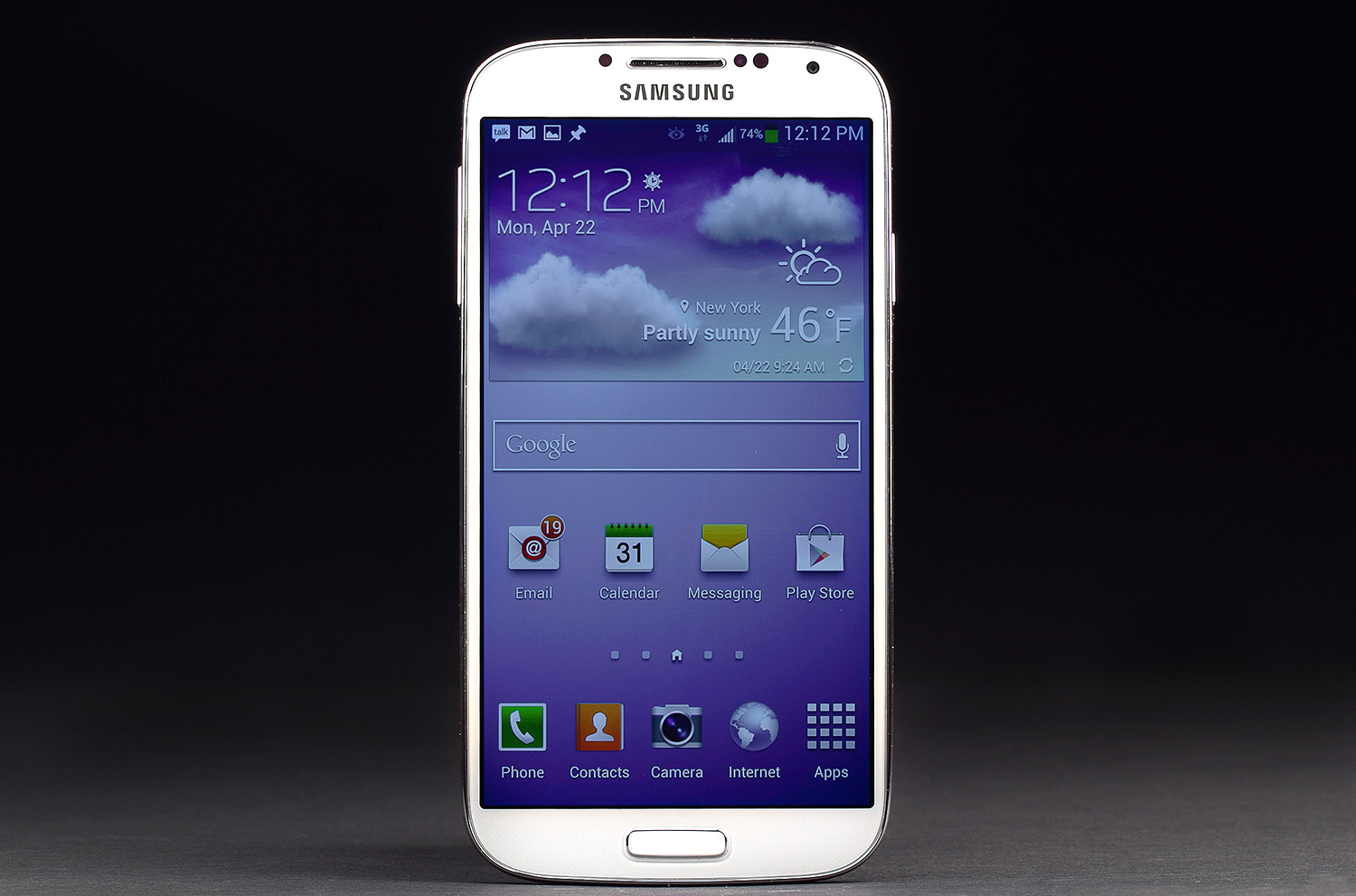
Many seasoned print journalists feel the rise of internet-enabled smartphones since the early 2010s have done the most damage to the profits of printed publications.
In the second half of 2018, sales of daily national papers in Ireland plummeted by 10%; the Sunday market fell by 9%. And 2019 was the year of mass redundancies in Ireland’s newsrooms.
We asked Campbell Spray, motoring editor and former executive editor of the Sunday Independent, and Fran Walsh, circulation director at The Irish Times, to give us the inside story.
“Syrians have come to believe that the world knows what’s happening to them and just doesn’t care.”
Two leading journalists in the field of war corresponding and foreign affairs were in Dublin last night to speak about the conflict in Syria and the challenges of reporting it. The Guardian correspondent Martin Chulov and freelancer Rania Abouzeid were the guest speakers at a From the Frontline talk hosted by the Clinton Institute, UCD in partnership with the Irish Times.
The civil war in Syria is almost 3 years old and both journalists spoke eloquently of the way the story has failed to galvanise popular opinion and the role of journalism in combating this.
“It is getting harder to get stories published”, said Abouzeid, “there is this emotional fatigue people have. The rising doesn’t seem to invoke the same passion. We haven’t seen any popular mobilisation and I don’t know what as a journalist to do about it.” She went on to recount that Syrians have become more reluctant to talk to journalists as the conflict has worn on, “the Syrians have come to believe that the world knows what’s happening to them and just doesn’t care.”
As the war has dragged on so have the dangers in reporting it increased. Some 56 journalists have been killed and over 30 kidnapped. Both speakers recounted how their ability to report had been curtailed by the difficulty of gaining entry to Syria. Ramia Abouzaid told how, barred from getting a visa, she must smuggle herself across borders, substantially increasing the dangers she is exposed to.
“The issue of safety has become so vexed, especially in the last 6 months”, said Chulov.
Both guests had interesting and challenging things to say on the issue of social media and its role in journalism.
“Twitter can be useful…but it is also a bubble which some people tend to live in instead of the real world…there is no substitute to being there” said Abouzeid.
Martin Chulov sounded a similar note of caution,
“Twitter can be an echo chamber. It’s a value add but must be handled with care. It’s easy to get burnt if you rely on it.” In a succinct summing up he said “social media is information and journalism is what you do with that.”
Neither journalist had any optimism that there was any end in sight to the civil war or the suffering of the Syrian people. Martin Chulov was particularly downbeat in his analysis,
“There is a real danger of a potential Balkanisation of the region, with divisions along sectarian lines and that is the nightmare scenario…something simply must be done.”
Smartphone apps are fast becoming the easiest way to source news.
Twitter is fast becoming an important figure in the world of journalism. The social media website is at the heart of breaking news thanks to its quick and easy
Speaking to Twitter.com, Andrew Miller, CEO of the Guardian Media group said “Twitter is the fastest way to break news now.10% of our traffic now comes from social media, and Twitter is central to its efforts”.
There are an estimated 21 million active twitter users throughout the world. According to a survey carried out by Pew Research Centre, one in 10 American adults gets their news from twitter.
However, the social media site still lies in the shadow of Facebook particularly here in Ireland where 49% of the population over 15 are on Facebook compared with just 11% of the population who are on twitter.
We here at the city decided to do a survey of 100 people between the ages of 15-60, to find out if the people of Dublin use twitter on their smartphones to source news, and if not what news apps do they use.
Of the 100 participants 25% claimed to have a twitter account which they used to get their news. 35% said that they got news from social network site Facebook, while the Journal.ie proved to be the most popular news app between the groups as 44% said they got their news from the Journals news app.
Of those surveyed twitter was most popular for those aged 25-40 with 58% of that age group claiming to use twitter for news. Other popular news apps for this age group included the Daily Mail, Sky Sports News, Sky Sports and the Independent.
18% of those aged between 15-25 used twitter to get news, with most claiming Facebook was their main source. Reddit, Sky Sports news and the Daily Mail proved popular amongst this age group also with 15% admitting to getting their news from Reddit while 35% used Sky Sports news and 28% using the Daily Mail.
Twitter was least popular within the 40-60 age groups with only 2% sourcing their news from the social media site. Popular news apps among these individuals included the Irish Times, Irish Independent, RTE and the Journal.ie.
The city.ie also took to the streets to find how the general public gather their news.
Credits
Reporter: Stephanie Quilligan
Surveyors: Sara Dalton, Niamh Casey, Keelin Riley, Stephanie Quilligan




You must be logged in to post a comment.