Tag: NTA

  • “I’ll take the bus,”- increased taxi fares for Ireland 

    “I’ll take the bus,”- increased taxi fares for Ireland 

    By Amy Murphy

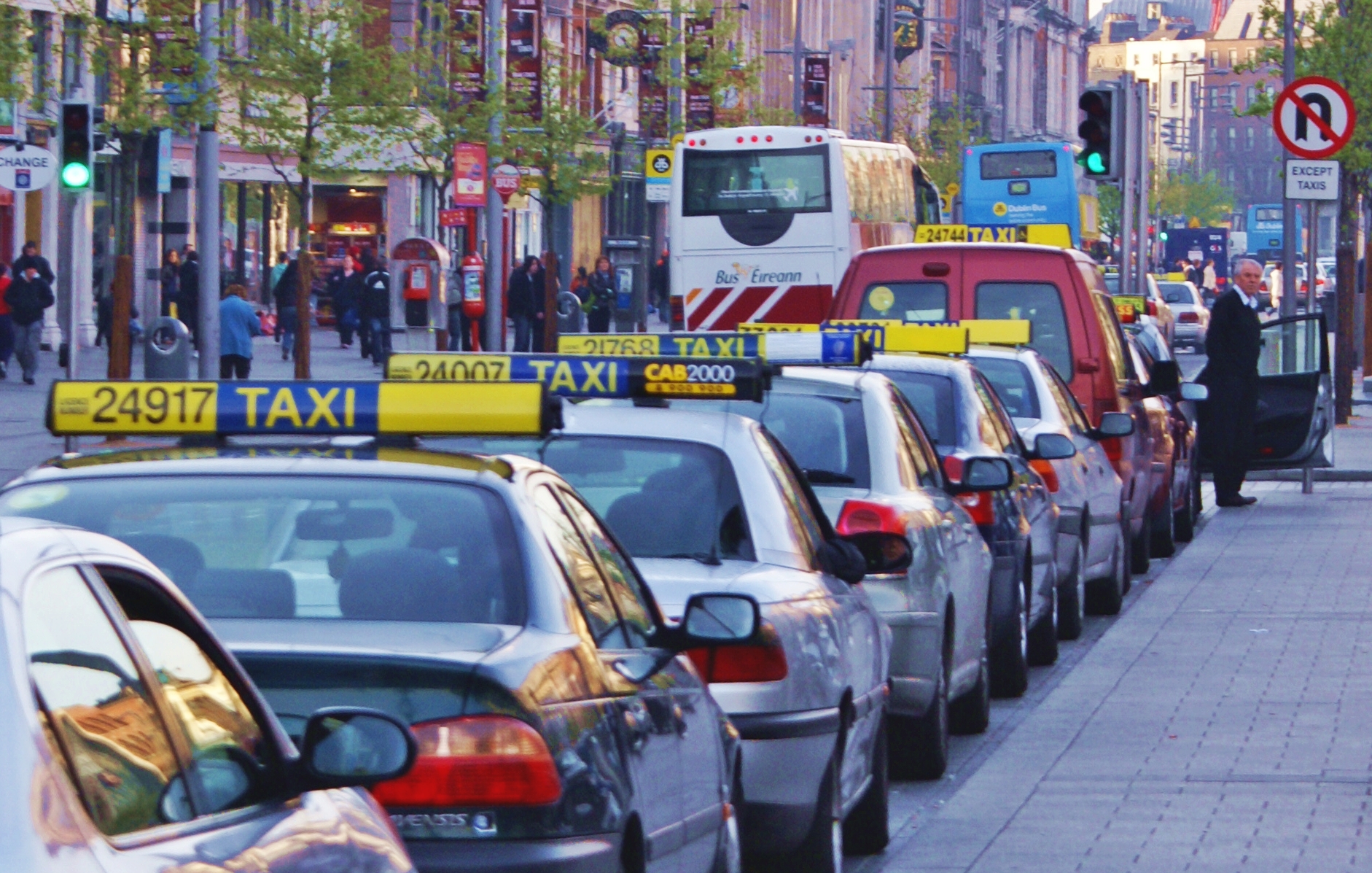
    The National Transport Authority (NTA) has approved a nine per cent increase in the National Maximum Taxi fare. This increase is due to take effect from the 1st of December.  

    This adjustment is to ensure that taxi fares reflect the rise in inflation and costs of operating a taxi service in Ireland.  

    “I’ll just take the bus, I have a 24-hour bus that I can get home after being out, but for people who don’t, it’s just going to break their banks,” said Niamh Linnane, a 22-year-old student.   

    “The cost of a taxi in Ireland is extortionate if you aren’t sharing with people,” said Linnane.  

    We will also see a change to the ‘Special Rate’, which a rate charged only for journeys taken between Christmas Eve, Stephen’s Day, New Year’s Eve and New Year’s Day during unsocial hours.  

    The Special Rate will now cover the weekend peak hours from midnight to 4:00 AM on Friday night into Saturday morning and Saturday night into Sunday morning, year-round. The fare will be higher rate, and this change aims to encourage more drivers to support the nighttime economy.  

    There also will be an increase in pre-booking fees. During weekend peak times it will rise from €2 to €3.

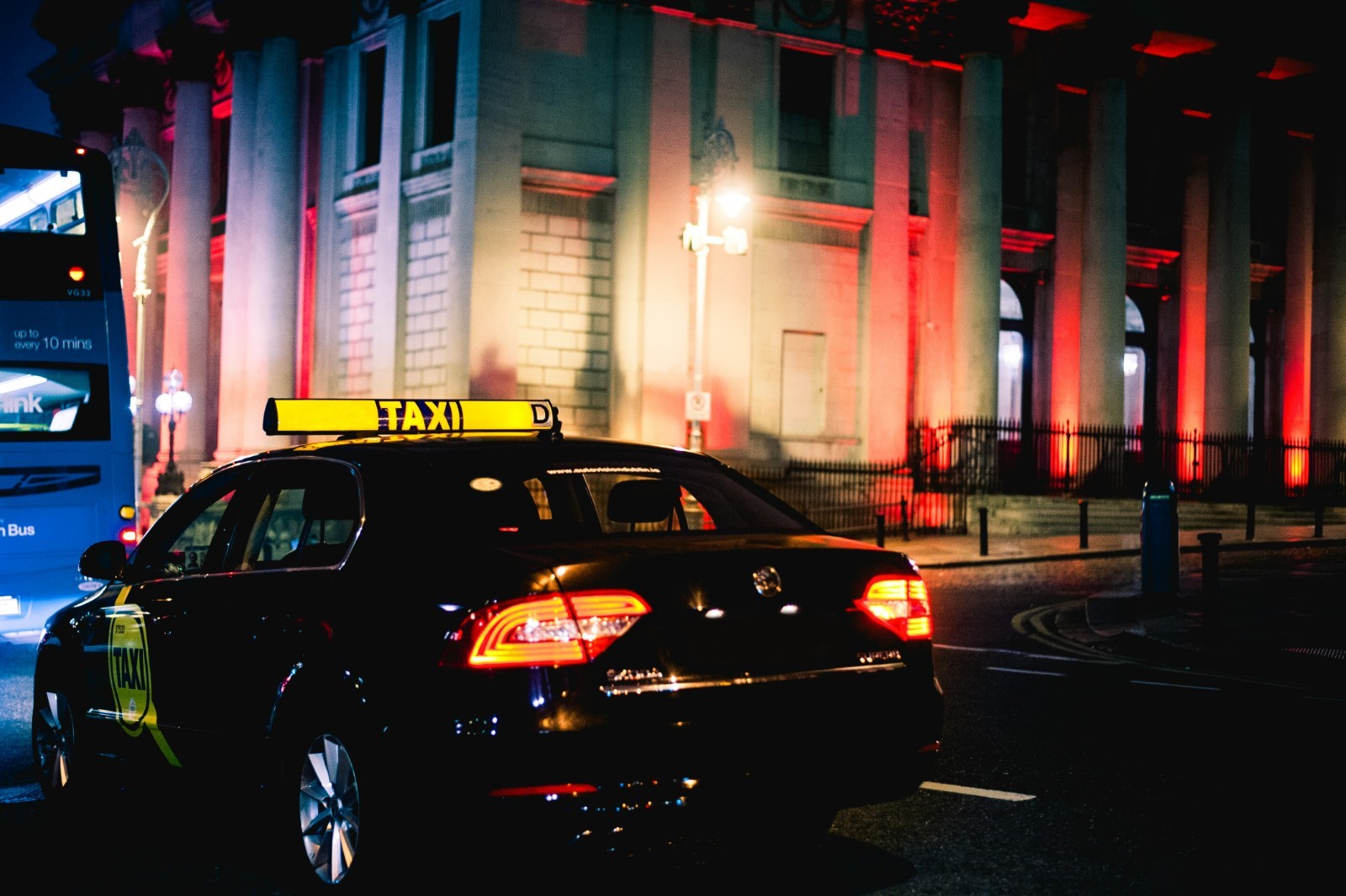
    Photo by Naseem Buras / Unsplash

    “With the cost of petrol, diesel and all that goes into owning a car, never mind a taxi, I am happy to see this fare increase,” said Paul Murphy, a taxi driver of nearly 20 years.  

    “I know it sounds bad to customers but with the cost-of-living crisis it’s just something that needs to happen,” said Paul Murphy. 

    This National Maximum Taxi Fare Review takes place every two years to ensure the fares match the costs of maintaining a good quality taxi service and the cost of living within Ireland.  

    The 2024 Review, published in July, revealed that taxi operating costs increased by approximately 9-11% between 2022 and 2024. Following public consultations regarding these rising costs for taxi drivers, the Taxi Regulation (Maximum Fares) Order 2024 implemented an average fare increase of nine per cent, adjusted across different time bands and distances. 

    ‘Numbeo’ has ranked countries in order of the highest fare of a taxi per kilometer. Switzerland was ranked 1st with the average fare per kilometer being €4.15. According to ‘My Swiss Company’ the average salary in Switzerland is relatively high, reflecting the country’s strong economy, with figures around CHF 78,000 per year as of 2024, which is equivalent to around €83,000.  

    Ireland placed 13th out of 97 countries with an average of €2 per kilometer. 

    Taxi fares should reflect the country’s cost of living. Given Ireland’s cost of living crisis and high inflation, this has led to the increase on the taxi fares.  

    However, with the inflation rate falling to 1.7% in the month of August, figures from the Central Statistics Office (CSO) have shown. This is the first time the inflation rate has lowered since June 2021.  

    Despite this, The Budget 2025 informed us that the rate will increase from €56 to €63.50 for petrol and diesel. This means an extra €1.20 per full tank for motorists. Potentially meaning this increase taxi fare will not be changed. 

    “This increase will be in place for the next two years, if inflation continues to decline, then it will be considered and there may be a decrease in taxi fares, but it must match the cost of living at that time,” said The NTA press office.  

    Photo: Amy Murphy

  • Taxi numbers up for the first time in ten years

    Taxi numbers up for the first time in ten years

    The number of valid taxi driver and vehicle licences have been steadily declining in Ireland, but are now starting to increase, according to the latest information from the National Transport Authority (NTA).

    Small Public Service Vehicle (SPSV) licences are up for the first time in ten years and SPSV driver licences are up for the first time since 2010, according to the latest statistics from the NTA.

    Since 2008, SPSV licences have been steadily declining each year, with 27,429 overall SPSV licences a decade ago. This figure had dropped to 20,581 by last year.  According to the statistics published by the NTA in September, the number has risen very slightly to 20,621.

    Since 2010, SPSV driver licences have decreased every year up until this year.  In 2010, there were 42,605 active SPSV driver licences and this number had dropped to 26,012 by last year.  As of September this year, active driver licences have increased to 26,255.

    Dublin Taxi Drivers, a Facebook page for taxi news, lost property and traffic reports, said: “Insurance is too expensive. To make a good wage drivers have to work unsociable hours and the job itself is dangerous.”

    At the start of the year, the NTA launched a campaign to recruit an additional 1,600 taxi drivers. The Authority wish to attract drivers into the industry and provide positive taxi experiences to the travelling public.  

    The NTA CEO Anne Graham said: “There are about 26,000 drivers licenced to drive a Small Public Service Vehicle in Ireland.

    “That might sound like a lot, but they are not all available all of the time, which means there can be shortages at certain periods particularly at peak hours and weekend nights.”

    Mytaxi Ireland now has over 11,000 drivers in its fleet, which is more than every other taxi company in the country combined.  

    Aidan O’Connor from mytaxi Ireland said: “1,744 new drivers have joined the mytaxi taxi fleet so far this year in response to the various incentives and bonuses we have been offering.  We are also offering €1 million in incentives to the first 500 drivers who pass the National Transport Authority’s (NTA) SPSV (small public service vehicle) test using mytaxi’s manual training platform, with 320 already passing in this way.  The platform is a free online learning tool that helps potential drivers pass the NTA’s challenging SPSV entry test and enter the taxi industry.”

    Aidan said that mytaxi has more drivers than ever before and that they are always looking to recruit. While the NTA has found that between 2008 and 2017 the total number of SPSVs, in particular taxis, declined by 24%, mytaxi has been expanding its fleet and trying to incentivise new entrants into the industry. Aidan said: “We are making progress in this respect with the 1,744 new drivers that have joined our fleet so far this year. The NTA has also recognised that the SPSV test was excessively complex and last year reduced the required passing grade from 80% to 75%. This was a welcome change and we’re now starting to see an improvement in the number of drivers entering the industry.”

    Aidan said driver recruitment will remain a top priority for mytaxi going forward as part of the drive to meet surging customer demand.

  • OPINION: Is Dublin Bus a reliable service?

    OPINION: Is Dublin Bus a reliable service?

    According to the National Transport Authority’s (NTA) quarterly figures, less than 5% of Dublin Bus services have been more than five minutes late for scheduled departure times between January 2012 and May 2013.

    On its website the NTA, which publishes performance reports on all public sector transport under its remit, officially states that “Dublin Bus are required to report quarterly on their performance” to the authority. When asked by TheCity.ie how exactly these figures are collated and whether or not the process is self-regulatory, as is indicated in the aforementioned statement, the NTA refused to comment.

    So, we want to know what service users from across the capital think.

    Do you believe the figures? Take part in our online interactive poll below and watch the reactions of the Dublin’s commuters as we ask them whether Dublin Bus can be relied upon to get them from A to B.