
By Niamh Dobbs
The number of hospital admissions for eating disorders amongst under-18s in Ireland has increased by 121%, from 170 in 2018 to 375 in 2022, according to The Health Research Board (HRB).
What is an eating disorder?
The HSE defines it as ‘a mental health condition where you have an unhealthy attitude towards food.’
There are numerous types of eating disorders, including anorexia nervosa, bulimia nervosa, binge eating disorder, avoidant restrictive food intake disorder, and other specified feeding or eating disorders.
What are the causes?
Ellen Jennings, communications officer of Bodywhys, the national volunteer organisation that supports people affected by eating disorders and their families, says that with eating disorders, there’s no one cause.
“There are a multitude of different risk factors that vary from person to person,” said Jennings. “Now, having said that, we are seeing an increase in people presenting with eating disorders in Ireland, and particularly in young people.”
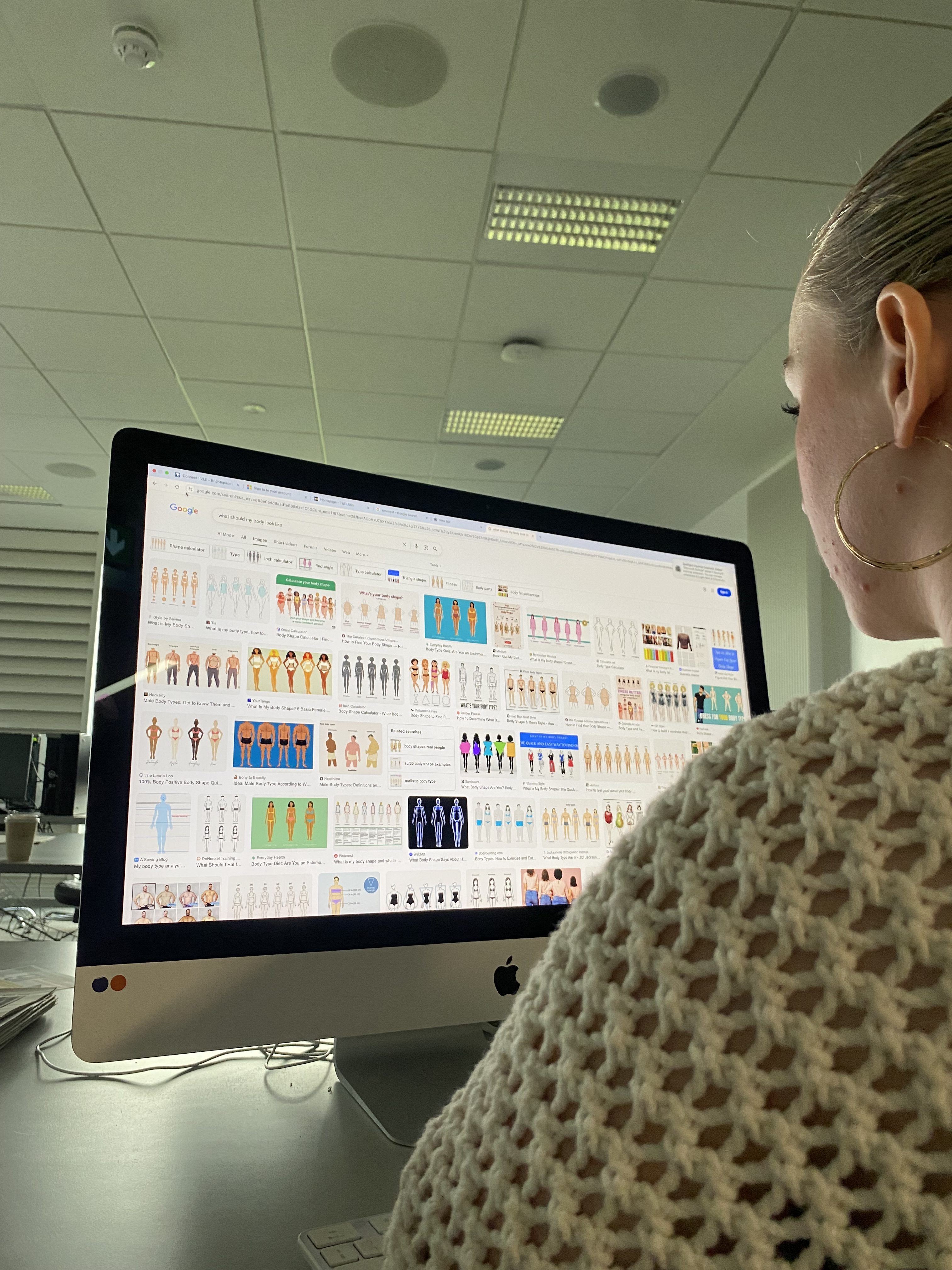
With the continuous ongoing rise of the digital world, is social media a factor in the rise?
A research paper published by Frontiers in Psychiatry, ‘Social media use among adolescents with eating disorders: a double-edged sword, ‘offers some insights.
According to the paper, “The unsupervised sharing of social media content can have drastic consequences on the physical and psychological well-being of youth, which often takes the form of ‘thinspiration’ or ‘fitspiration’.
“This probably serves as a trigger for those already struggling with eating disorders. In addition, there is a lack of awareness among youth and adults on ideal knowledge-sharing practices related to an eating disorder.”
The research also estimates that over 90% of adolescents have at least one social media account.
“When we think about the role of external factors like social media and the world around us, and how we relate to the world around us. You know, social media can be a part of that picture, particularly when it comes to a person’s relationship with their body and their body image,” said Jennings.
“We do a lot of work with young people around supporting positive body image, because we know that body image dissatisfaction is one of the key risk factors for the development of an eating disorder.”
The study by the HRB said that there was a significant peak in hospital admissions during Covid-19.
“We think of what we saw around that time, particularly in 2021, just after the after Covid, kind of in the middle of Covid, I suppose, because we had those lockdowns, lockdowns for people who were already experiencing an eating disorder, you know, it really intensified things for them. And then we did hear of people who were in recovery, going through periods of relapse at that point as well, and also people who may have been vulnerable to developing an eating disorder,” said Jennings.
She added that, “there are two sides to what we saw during COVID. I think that increased presentations definitely felt across our services and across what we were seeing at hospital levels as well. So that was really concerning. I suppose things have kind of levelled out a little bit in the past two years in that our services are kind of back to more kind of pre-pandemic levels.”
Jennings explained that eating disorders come in many forms, and it is crucial that we are educated about their seriousness.
“It’s not just the person themselves that’s impacted by the eating disorder. It’s everyone in their life. And it’s important that people are aware of how to both support someone and how to recognize signs in those around them and in themselves. You know, full recovery is absolutely possible with the right support and treatment. And I think that that’s a really important thing to hold in mind as well.”
If you are struggling with an eating disorder or know someone who is, regardless of a diagnosis below, there are sources linked, including Bodywhys, that are available for your support.
“You don’t need a diagnosis. You don’t need to be sure that something is wrong. You know it’s more that a person feels that they can reach out and talk about any concerns that they might have, and we’re here to listen,” said Jennings.
Support:
https://www2.hse.ie/conditions/eating-disorders
Eating Disorders Awareness Week 2025 – St John of God Hospital
You must be logged in to post a comment.