By Rían Cahill
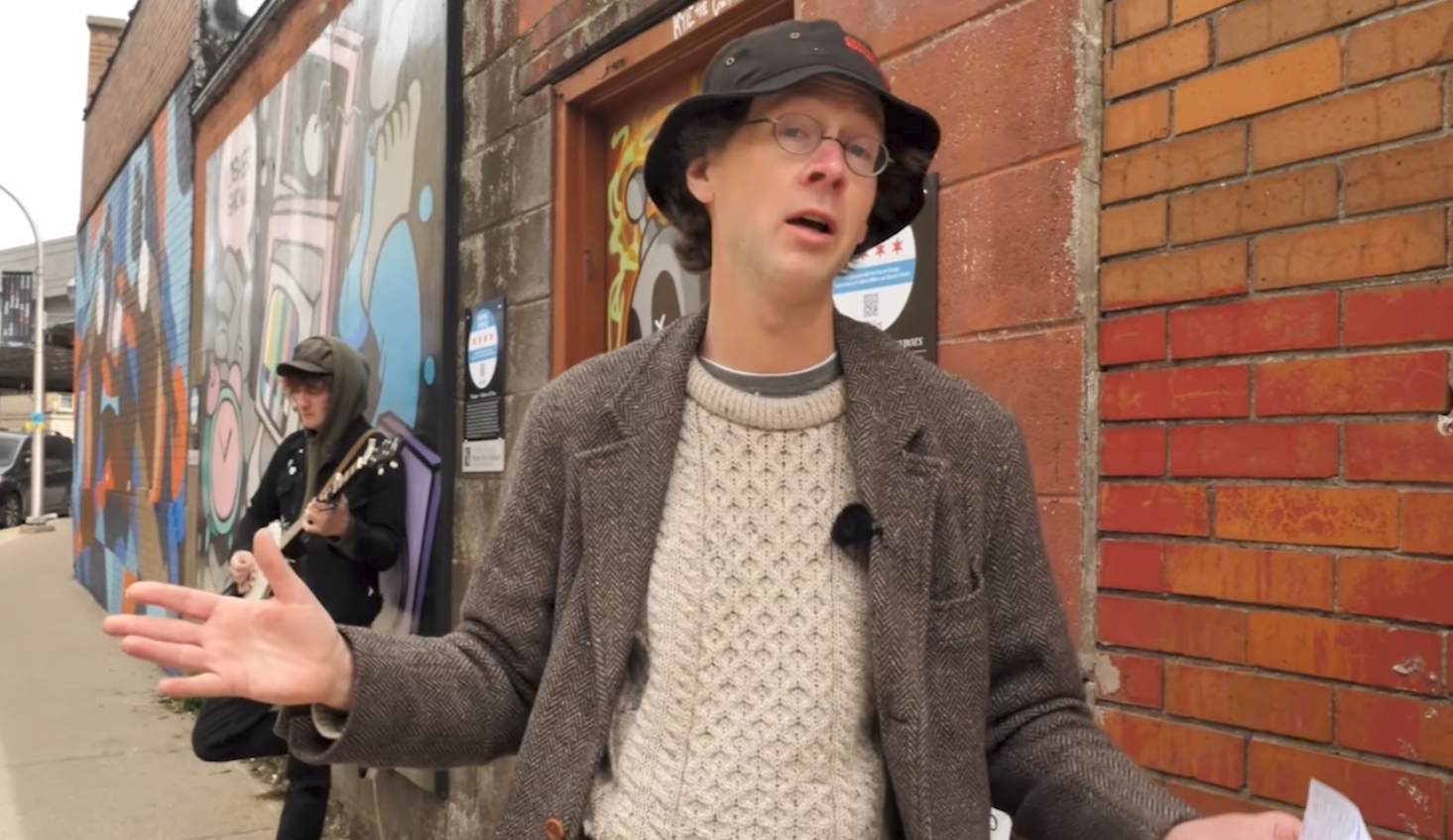
Aobh Magan, Niece of the late Irish author, and documentary maker Manchán Magan has raised nearly €800 for Breakthrough Cancer Research Ireland in honour of her Uncle.

By Rían Cahill
Aobh Magan, Niece of the late Irish author, and documentary maker Manchán Magan has raised nearly €800 for Breakthrough Cancer Research Ireland in honour of her Uncle.
Caulstown Christmas Tree Farm is a family run business located in Dunboyne, Co. Meath.
Their current owner Gráinne took over the business from her dad 6 years ago, and made the farm her own.
Gráinne made great additions to the farm, from the Christmas shop to the alpacas, Caulstown has really expanded since the baton was passed to Gráinne.
Gráinne was gracious enough to give The City an inside perspective as to just what goes into running the farm, and her thought process behind the expansion.

Rory O’Connor, better known as Rory’s Stories, is a content creator, best-selling author, and stand-up comedian. The 34-year-old didn’t accomplish that status overnight. In this article, O’Connor reveals his struggles with gambling and anxiety and his journey to overcome them, leading him to a full-time career as “Rory’s Stories.”
O’Connor’s social media journey started in 2013 with a blog called ‘Rory’s Stories’ with content about day-to-day life and O’Connor’s own life experiences. In 2014, he began posting videos on Facebook, mainly GAA sketches, before starting a Facebook page specifically for his content.
The Rory’s Stories Facebook page immediately took off, with the page getting over 100k likes in 6 months. O’Connor recalled the fond memory, saying his first reaction was “That’s more people than can fit in Croke Park!”
O’Connor revealed that although he always had a passion for creativity and is a natural storyteller, what led him to lean into his social media career in the beginning was a gambling addiction; social media became his getaway. “I got help. I remember my counsellor at the time talking about channeling your addiction in a different direction, so this [social media] became my coping mechanism,” he said.
Although O’Connor’s content is usually lighthearted and on the comedic side, he has also been a huge advocate for mental health and really tapped into his emotions online. He also admits a lot about his own struggles in his book ‘Rory’s Story.’
O’Connor described himself as an “open book” and shared that his content around his mental health wasn’t overly challenging for him to post. “I think people don’t want to play the ‘poor me’ card and look for sympathy, but I always say, it’s a sign of strength to be able to admit you’re struggling and talk about it”. He also acknowledged the positive reaction he was met with. “I actually had so many people say ‘fair play’ and relate to it and telling me they read the book and what it meant to them so we’re changing the stigma and it’s definitely getting easier to talk about.”

O’Connor explained that he finds it easy to achieve that balance between lighthearted and deep within his content, as he feels it reflects him as a person. “I think I just am that way. I’m a man for the craic but I can be emotional and deep, and I can lean into that side of myself. I think most of my content and work is balanced like that and that’s way it works. My books, my talks, my content. Half of it will make you cry but the other half would make you laugh.”
In the most recent half of his career, O’Connor has been extremely open about his son’s autism diagnosis. O’Connor explained that although it’s a personal family matter, he felt it was important to share online in a positive light in order to encourage other parents to encourage kids to be themselves and support kids struggling with autism and similar diagnoses. “More and more parents are becoming aware of it and I know people aren’t willing to talk about it and don’t want to admit their kids are anything out of the norm. But I think there’s so much stigma around it because even our generation were told you had to be a certain way and fit into a certain line and that had an effect on a lot of our mental health. So, what I’m trying to do is just let them be who they are and embrace that.”
O’Connor’s ability to be relatable in both a lighthearted, funny way while also being relatable through real-life challenges and experiences has undoubtedly been the key to his success. Not to mention his bravery to kick start his career as a content creator before there was such a thing. If he continues to put himself out there in such a creative and inspiring way, he will no doubt continue to prosper.

Last weekend, on November 1, well-known DJ Fredrick Gibson, or more commonly known as ‘Fred Again’, surprised Irish fans by playing his final European show of his 10-week pop- up tour in Dublin.
The English DJ held 5 pop up gigs across Europe over the last 5 weeks to celebrate the launch of 10 new songs. Gibson didn’t reveal what city he was in until the week before the show, with the tickets going on sale on the week of the event.
After much speculation, it was revealed that the final show would take place in the RDS. The musician took to Instagram to announce it, saying that his final European show was “always going to be Dublin.”.
The show took place in the Silo at the RDS. The capacity was 3,500 people and tickets sold out in minutes, causing many fans to be left disappointed. To combat the disappointment, Gibson played a second pop-up gig in the Button Factory. The link to tickets was sent to any fans that signed up for the original sale but were unsuccessful.
Gibson reassured the RDS crowd, telling them he will “always come back to Dublin.”
Gibson was joined on stage by several guest acts including Dundalk rapper ‘Reggie’, to perform their brand-new song “Talk of the Town.” The event opened with Fontaines DC, DJ Caolan Ryan, and EMA. The three Irish acts played from 4:30pm to 7pm, allowing Gibson 3 hours to play, his longest set throughout this tour, with the gig finishing at 10:30pm.

In the hours leading up to Gibson taking the stage, the DART was filled with excitement.
Photographed: Will Lanigan and Ben Fraser

The sign at the entrance to the concert, the same sign used to announce each city. “10 Weeks, 10 Songs, 10 Cities”
.

Gibson had requested no phones be used throughout the concert ahead of time, to achieve a sense of “togetherness.” Fans were given a sticker to cover their camera on entry. The request was respected in the beginning, but as fans got increasingly excited, there were inevitably videos and photos taken throughout.

Gibson is known to have a fantastic light show to accompany his music and the Dublin show was no different.


Alongside his opening acts, Gibson also brought out many artists during the show.
Rappers Travvy and Reggie accompany Fred Again on stage.


Gibson had a fabric instillation overhead at all ten shows, made by Boris Acket. Gibson said the visual goal behind this piece was to have something “sorta intricate and living almost but could still work in these warehouse ravey spaces.”


Gibson also often requested throughout his shows for people to “get up on shoulders” and Dublin didn’t disobey.
Bottom photo: Ben Fraser and Liam Kelly


Gibson closed out the show with his song “See Yourself In My Eyes”, featuring none other than Dermott Kennedy.

Swarms of fans still filled with adrenaline following the concert, exited the RDS and made their way down Marrion Road.
By Niamh Dobbs
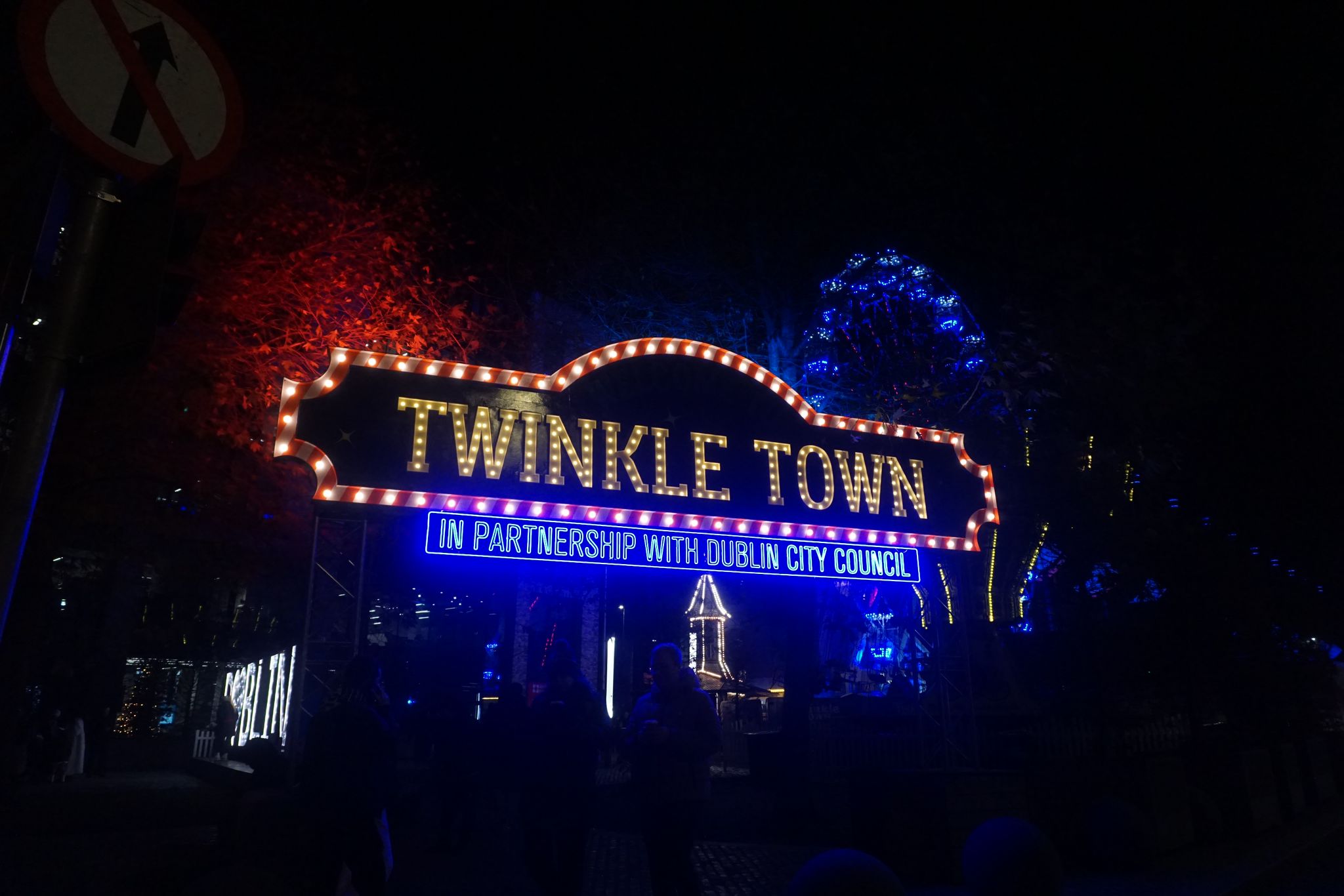
The festive market, located in Smithfield Square, opened its doors on November 28th and will run until January 4th.


The hustle and bustle of the market really only begins after dark. With big crowds walking through the little square.
The Christmas Market is in partnership with Dublin City Council.
As you take a stroll through the Market, you will be met with lots of festive activities. The Market offers ice-skating, Santa Panto, an Ice rink, a Spiegeltent, a Ferris wheel, plenty of food and drinks, and of course, small gift stores alongside the chaos.


By Seán Kavanagh
A vote to rename Herzog Park in Rathgar was withdrawn from the Dublin City Council’s agenda on Monday Dec. 1 as it was deemed not “legally sound”.
Chaim Herzog was an Irish-born Israeli soldier, lawyer and politician who served as President of Israel from 1983 until 1993, and the Dublin park was renamed in his honour in 1995.
The campaign to remove his name from the park was launched in early 2024 by Irish Sport for Palestine as they believed that “the legacies of Chaim Herzog and his family should not be associated with a public park in Dublin.”
“After consultation with Dublin City Councillors, we submitted a motion to the Council to ‘Remove the name Herzog Park, located in Rathgar, Dublin 6 and rename the park to Gaza Park’,” Rebecca O’Keeffe, a spokesperson for Irish Sport for Palestine, said.
The proposed renaming of the park caused great controversy amongst Jewish leaders around the world and many deemed the proposal to be “antisemitic”.
“The attempt to erase the name of a Jewish person from a public space is something that happened thousands of times in Nazi Germany,” Rabbi Elchanan Poupko, host of The Jewish World Podcast, said.
“In the broader context of the war being waged on the Jewish people today around the world, removing Herzog’s name is deeply unsettling,” Poupko added.
Taoiseach Michéal Martin echoed Poupko’s sentiments in a press release and urged Dublin City Council to reconsider their “divisive” proposal.
Irish Sport for Palestine strongly rejects the idea that the name change is antisemitic and says that many Jewish communities support their proposal, including Irish Jews for Palestine.
“We would like to point out the claims and accusations that have been made as part of the backlash are false and dangerous. Anti-Zionism is not antisemitism and equating the two is wrong. We reject this conflation and refute these accusations in the strongest manner,” O’Keeffe said.
Irish Sport for Palestine also claim that the backlash from Irish, Israeli and US governments were a “blatant and coordinated attempt to undermine due process” by interfering with the Councils vote.
“Renaming the park is not erasing history, rather it is refusing to honour and commemorate the violent colonial legacy of Chaim Herzog and his family. We believe our motion is a chance to promote a much more inclusive, representative and accurate view of history,” O’Keeffe said.
Members of Dublin City Council’s Commemorations and Naming Committee agreed to the removal of Herzog’s name in July and Dublin City Councillors were set to vote to confirm or reject the name removal on Monday.
The process of approving name changes in public parks was amended following a legislation change in 2019, and Councillors must now agree to all name changes via a ballot.
According to Minister for Housing and Local Government, James Browne, the regulations that govern this ballot have not yet been implemented and thus Dublin City Council currently does not hold the authority to authorise name changes
Despite this setback, Irish Sport for Palestine said that they will continue to fight to have Herzog Park renamed.
“We will absolutely continue our campaign to Rename Herzog Park. We maintain that a park in Dublin being named after a man who engaged in a campaign of colonisation as a part of the creation of the Zionist state is wholly wrong and inappropriate,” O’Keeffe said.

By Sean Kavanagh
The Irish Government has announced that they will provide €154 million in contributions to fund a new pension scheme named My Future Fund, beginning in 2026.
This initiative will offer many young people their first opportunity to start saving for retirement, and those who aren’t focused on retirement planning can withdraw all contributions to the fund following the six-month minimum participation period.
Employees will have until the end of August 2026 to inform their employer that they wish to withdraw their funds and upon doing so, all contributions will be returned to them through their paycheck, minus tax.
“I never really thought about [saving for a pension], but it’s nice to have and even in a few months’ time if I need the money, I’ll just take out what I’ve saved,” Adam Drea, a 22-year-old student and barista, said.
Employees aged between 23-60, who earn €20,000 or more annually and are not already contributing to a separate pension scheme, will be automatically enrolled in the program, with auto-enrollment beginning Sept. 30, 2025.
Those who do not meet the criteria will still be able to partake in the program but will have to ask their employer to enroll them in the scheme.
Employees will pay 1.5% of their total income into the fund, and that money will be matched by their employer. The government will also contribute an additional 0.5% to the personal savings plan.
For example, if an employee pays €30 per week into their personal savings plan, their employer will be obligated to also contribute €30 and then the state will provide €10 to the fund, leaving the employee with a total weekly contribution of €70.
“Contributions are beginning at the low level of 1.5% for employees to ease the cost of the introduction of My Future Fund and give them opportunity to budget for contributions,” a spokesperson from the Department of Social Protection said.
While the scheme will have a minimum contribution of 1.5% of a person’s income in 2026, this figure will increase incrementally over the next decade, eventually capping at 6% in 2026.
This low minimum contribution in the early stages will also give small businesses an opportunity to prepare for an increase in their wage bill.
“Any additional cost to the business is always a challenge, especially in the current environment, and it is certainly a significant factor for 2026 costs and by extension, the available budget for salary increases,” Fergal O’Connor, CEO of Buymedia, said.
Employers will be expected to inform all of their employees on the implementation of My Future Fund and any business owner that attempts to hinder their staff from enrolling in the program may face a fine or imprisonment.
A key difference between My Future Fund and other government pension schemes is that it is not tied to a specific employer, so if you decide to change jobs, your contributions will continue to be added into the same fund when you start your new role.
The fund will be managed by the National Automatic Enrolment Retirement Savings Authority (NAERSA), a new state agency that has been established to implement the scheme.
Employees will be given the choice of whether they want their money invested in low, moderate or high-risk investment strategies.
Those who do not choose a specific investment strategy will have their savings invested in the ‘default’ strategy.
“The default risk strategy operates on a life cycle basis that de-risks as participants move towards retirement, taking advantage of higher risk growth in younger years and the stability of lower risk the closer they get to retirement,” the Department of Social Protection said.

When the Irish first came to New York, they brought more than just hope of finding a better life – away from famine, rebellion and civil war. They brought with them their religion, their industriousness, their warmth – remnants of home that made their way across the Atlantic. Walking through New York City today, their presence can still be felt – in the foundations of buildings and bridges, in the stained glass of cathedrals, in the green glow of Irish pubs. This is a journey through the streets of New York, tracing the echoes of Ireland that can still be heardin this sprawling metropolis.

Photo by Luke Flanagan
The Statue of Liberty – The first sight of ‘The Land of Opportunity’ for many immigrants arriving in New York for the first time, including millions of Irish. A beacon signalling the beginning of their new life in America.

Photo by Luke Flanagan
St. Patrick’s Cathedral – The Irish in New York played a major role in the building of St. Patrick’s Cathedral, found among the chaos of Fifth Avenue. It was Archbishop John Hughes, an Irish immigrant himself from County Tyrone, who decided that the growing Archdiocese of New York needed a large cathedral. Much of the labour force that built the cathedral were also Irish immigrants.

Photo by Luke Flanagan

Photo by Luke Flanagan
The Empire State Building and Chrysler Building – Irish immigrants made up a significant portion of the workforce that built the Chrysler Building, which was the tallest building in the world when it was completed in 1930. Only a year later it was overtaken by the Empire State Building – the construction of which also included many Irish immigrants – which was the tallest in the world until 1970.

Photo by Luke Flanagan

Photo by Luke Flanagan

Photo by Luke Flanagan
Gibney’s, Connolly’s and O’Donoghue’s Irish Pubs – Like walking through a portal back to Ireland, hearing familiar accents and music. You won’t walk for 5 minutes in New York without seeing at least one Irish pub. Sanctuaries set up by the Irish miles and miles away that make them feel like they never left home.
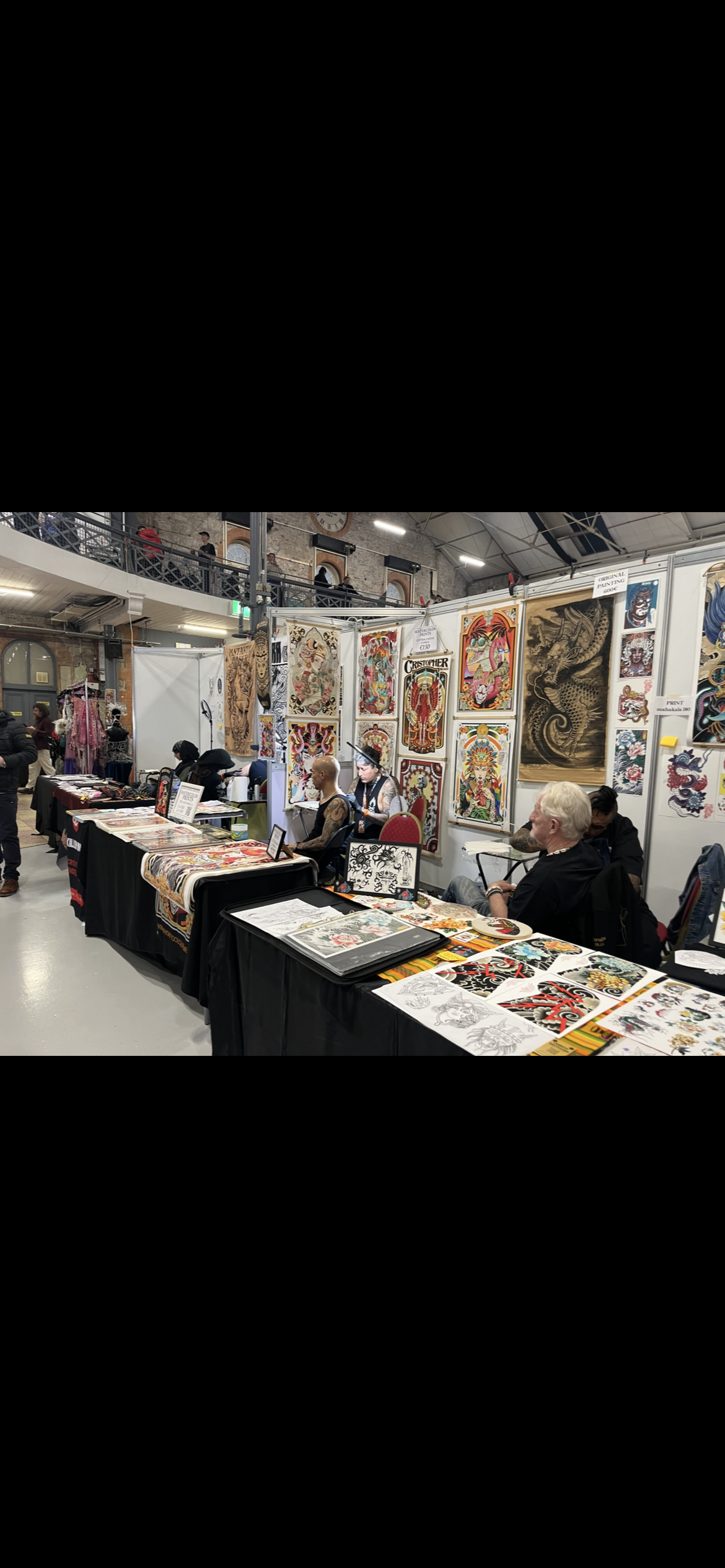
Since it’s change of ownership in 2021, the Dublin Tattoo Convention has expanded to showcase over 250 artists from all across the globe.
Taking place from Oct. 24 to Oct. 26 in the RDS Main Hall, the convention hosted thousands of visitors and had a variety of live performances, competitions and art displays.
By Niamh Dobbs
The number of hospital admissions for eating disorders amongst under-18s in Ireland has increased by 121%, from 170 in 2018 to 375 in 2022, according to The Health Research Board (HRB).
What is an eating disorder?
The HSE defines it as ‘a mental health condition where you have an unhealthy attitude towards food.’
There are numerous types of eating disorders, including anorexia nervosa, bulimia nervosa, binge eating disorder, avoidant restrictive food intake disorder, and other specified feeding or eating disorders.
What are the causes?
Ellen Jennings, communications officer of Bodywhys, the national volunteer organisation that supports people affected by eating disorders and their families, says that with eating disorders, there’s no one cause.
“There are a multitude of different risk factors that vary from person to person,” said Jennings. “Now, having said that, we are seeing an increase in people presenting with eating disorders in Ireland, and particularly in young people.”
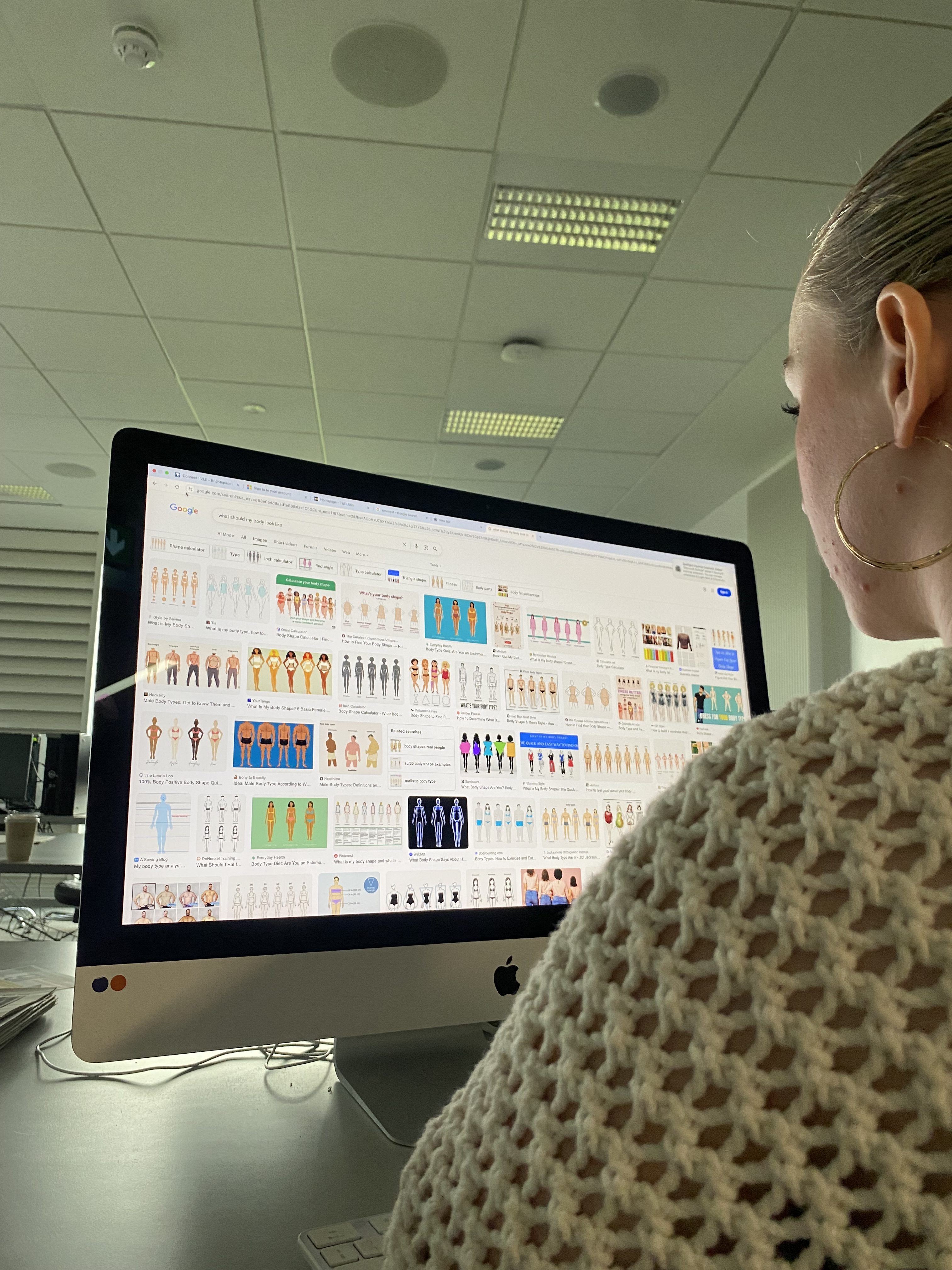
With the continuous ongoing rise of the digital world, is social media a factor in the rise?
A research paper published by Frontiers in Psychiatry, ‘Social media use among adolescents with eating disorders: a double-edged sword, ‘offers some insights.
According to the paper, “The unsupervised sharing of social media content can have drastic consequences on the physical and psychological well-being of youth, which often takes the form of ‘thinspiration’ or ‘fitspiration’.
“This probably serves as a trigger for those already struggling with eating disorders. In addition, there is a lack of awareness among youth and adults on ideal knowledge-sharing practices related to an eating disorder.”
The research also estimates that over 90% of adolescents have at least one social media account.
“When we think about the role of external factors like social media and the world around us, and how we relate to the world around us. You know, social media can be a part of that picture, particularly when it comes to a person’s relationship with their body and their body image,” said Jennings.
“We do a lot of work with young people around supporting positive body image, because we know that body image dissatisfaction is one of the key risk factors for the development of an eating disorder.”
The study by the HRB said that there was a significant peak in hospital admissions during Covid-19.
“We think of what we saw around that time, particularly in 2021, just after the after Covid, kind of in the middle of Covid, I suppose, because we had those lockdowns, lockdowns for people who were already experiencing an eating disorder, you know, it really intensified things for them. And then we did hear of people who were in recovery, going through periods of relapse at that point as well, and also people who may have been vulnerable to developing an eating disorder,” said Jennings.
She added that, “there are two sides to what we saw during COVID. I think that increased presentations definitely felt across our services and across what we were seeing at hospital levels as well. So that was really concerning. I suppose things have kind of levelled out a little bit in the past two years in that our services are kind of back to more kind of pre-pandemic levels.”
Jennings explained that eating disorders come in many forms, and it is crucial that we are educated about their seriousness.
“It’s not just the person themselves that’s impacted by the eating disorder. It’s everyone in their life. And it’s important that people are aware of how to both support someone and how to recognize signs in those around them and in themselves. You know, full recovery is absolutely possible with the right support and treatment. And I think that that’s a really important thing to hold in mind as well.”
If you are struggling with an eating disorder or know someone who is, regardless of a diagnosis below, there are sources linked, including Bodywhys, that are available for your support.
“You don’t need a diagnosis. You don’t need to be sure that something is wrong. You know it’s more that a person feels that they can reach out and talk about any concerns that they might have, and we’re here to listen,” said Jennings.
Support:
https://www2.hse.ie/conditions/eating-disorders
Eating Disorders Awareness Week 2025 – St John of God Hospital
You must be logged in to post a comment.