
Photo credit: Pexels
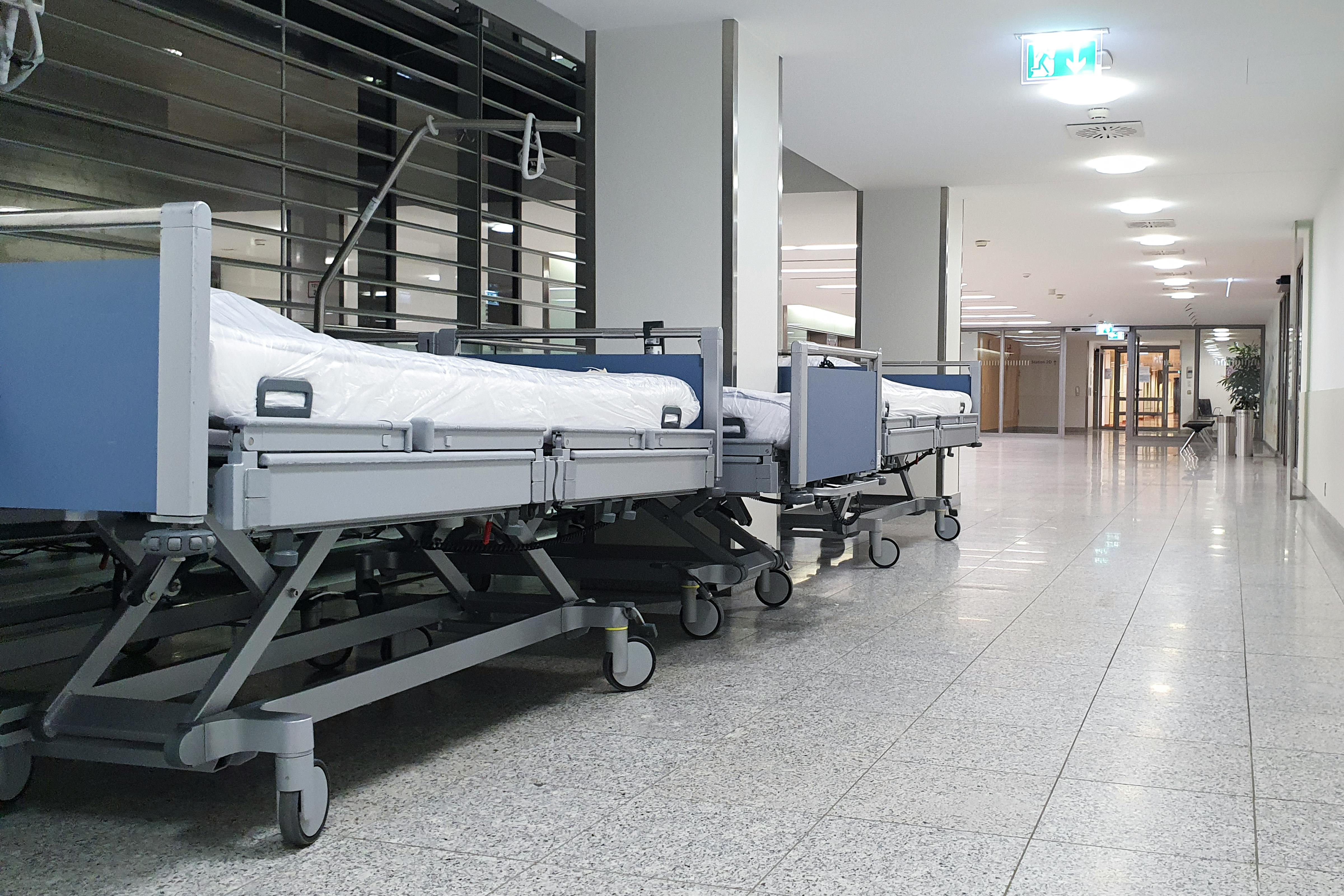
In Irish hospitals, discharged patients aged over 75 often have nowhere to go, adding to pressure on medical staff to manage their care.
By Iqra Siddiqui
Delays in the discharge of older patients are putting huge pressure on hospital beds, according to the patient flow and bed management team in an Irish hospital, which TheCity.ie, spoke to on condition of anonymity.
“Discharged Patients have nowhere to go. It undermines the treatment of new patients,” the staff reports.
The team members told TheCity, “It can take weeks or months to find suitable places for discharged patients, especially older ones requiring rehab, community support, or facing housing issues. These delays block new admissions and increase staff workload.”
“There is also an issue that can delay the patients’ leaving the hospital. They are likely to pick up infections while waiting to go somewhere else.”
Delays in finding appropriate places for discharged patients disrupt patient flow.
This kept most beds occupied, preventing doctors from admitting new patients and increasing operational strain.
One clinical director and consultant at an Irish hospital, who spoke to TheCity on condition of anonymity, said: “Doctors don’t have space to examine new patients because beds are occupied by patients who are over 75.”
“It overcrowds ED (emergency departments); there are no beds for patients. If your patient should be admitted, the patient’s flow must arrange a bed on the ward,” they said.
Delays increase doctors’ workload, expose patients to infection risk, and make safe discharges more difficult.
“We have patients with the flu and other diseases. If the discharged patients get in touch with those patients, they are likely to catch viral infections,” they said
The consultant added: “Even after classifying patients as discharged, we still have a duty to ensure their safe transfer.”
“The nurses in the ED stick to the care of all these patients. It means they are also not able to attend to new patients,” they said
The waiting time for patients to move home increases the workload for medical staff.
A member of the patient flow team called for urgent support and resources from authorities to address the bed shortage and delays in patient discharges.
“We need additional beds and community resources,” said a member of staff who deals with patient flow.
“With a nearby step-down unit, we could automatically transfer discharged patients there,” they said.
“This would free up beds and move care out of acute settings,” they added.
Staff proposes additional step-down units to speed up patient discharges, allowing hospitals to treat new patients more efficiently.
“It is also saddening for patients,” said the staff member. “There are sometimes barriers with families.”
“Families change their minds about home or nursing home options day-to-day,” they said.
“Excuses or unavailability can further delay transfers,” they explained.
“We involve social work, arrange home care, and select the safest transfer options.”
Patients can become institutionalised and confused, making relocation difficult. “Many grow attached to staff and make friends, which affects their desire to leave,” they said.
They also mentioned the “charity Alone and the health programme ICPOP, which assists these patients. “Some patients are simply very reluctant to leave,” they said.
“We have a man here. He does not want to go anywhere. He told us last year that I would be living here till Christmas, and he did. And he is still here. If someone refuses, we cannot force them to leave,” they said.
“There is no longer a bed charge, so we cannot use fees as a discharge incentive. If step-down units were available, transfers could be mandatory rather than optional.”
This is a systematic issue that should be addressed to resolve the bed and patient discharge problem,” they said.
“This is happening everywhere, but Dublin hospitals are most affected,” they said.
They urge immediate action on additional step-down facilities to resolve the bed crisis.
“Step-down facilities play a crucial role in the healthcare system, helping patients move safely from hospital to community care”, the HSE has said.
“They help ensure patients are safely transferred from hospitals, reducing the risk of readmission and supporting a better recovery.”
“According to HSE, to reduce the delayed transfers of care, it provides temporary financial support packages for patients.”
“Patients may often not leave the hospital despite being clinically discharged. This can be because they are waiting for home support or a care facility, or have complex medical or legal needs,” the HSE said.
The HSE continues to progress between hospitals and community services to improve patient flow and ensure timely and safe discharges.

You must be logged in to post a comment.