Plastic is embedded in everyday life, shaping how people shop, consume, and dispose. But refill shops are emerging as an alternative, offering a way to cut down on single-use packaging. But higher costs and convenience barriers continue to influence consumer behaviour. Experts suggest it could help reduce plastic waste. However, the question remains whether initiatives or costs can shift habits and reduce plastic dependence.
Founded in 1985, Swans on the Green is expanding to keep pace with Naas’s growing cafe culture and changing customer demand.
By Iqra Siddiqui
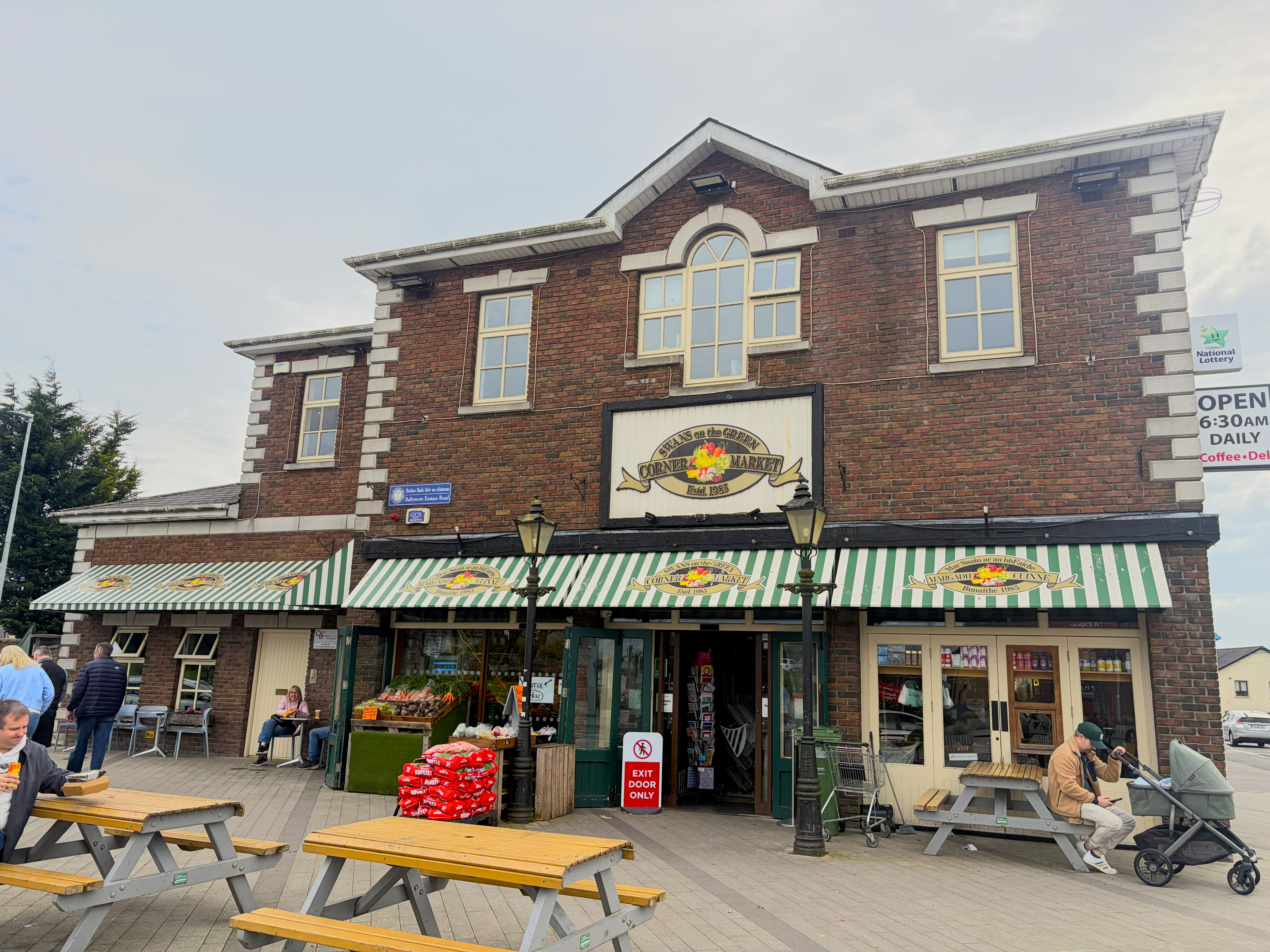
Three weeks ago, Swans on the Green opened its expanded seating area, adding approximately 100 sq/m to accommodate a growing number of customers.
The newly expanded seating area at Swans on the Green. Photo Credit: Iqra Siddiqui
The cafe is located at Kilcullen Rd, Naas East, Naas, Co. Kildare. The recent expansion has added a new rear section to the cafe, increasing seating capacity. The layout of the extended area has been adjusted to support smoother movement within the space, making it easier for both staff and visitors during busy periods.
The extension reflects the cafe’s response to growing demand and to improve the overall customer experience.
“It is an important place for people. As a family business, we’ve seen customers return over the years as they have watched us grow and change,” the owner, Larry Swan, said.
“The space is kept simple, with a concrete floor and basic furniture. Seating is a key to a cafe like this,” he said.
“The new space, he says, increased footfall and brought in a wider range of customers. It attracts more people to the cafe.”
Before the extension, Swans on the Green had a more compact seating arrangement, but a hub of conversation, community, and new expansion continues to provide a welcoming environment with increased capacity.
The cafe seating area before the new extension. Photo Credit: Iqra Siddiqui
“People of all ages gather here to socialise,” Swan said. With the new space, people can continue to socialise and now have more room to enjoy.
Over the years, Swans on the Green have embraced growth and change. “We were originally a grocery store with the emphasis on fruit and veggies,” the owner recalled.
Swans on the Green in its early days. Photo Credit: Iqra Siddiqui
While talking to TheCity.ie, Larry Swan reflected how the cafe has adapted over time. “That has all changed over the last 15 years. Like any business, we evolve to meet new demands,” he said.
“People’s requirements are very different now, especially with younger customers interested in coffee culture.”
“We started with a small seating area, maybe 10 seats,” he said.
Swans on the Green kept up with the evolving trends and the pressures of the pandemic in 2019. The owner told TheCity.ie, “The cafe introduced new offerings, including baked goods, ice cream, cakes, and other products.”
This shift allowed the business to diversify its products despite the challenges caused by the pandemic.
Photo Credit: Iqra Siddiqui
“This space was reconfigured during the pandemic to meet changing customer needs and introduced new products to the shelves,” Larry Swan Said.
However, businesses continue to face challenges within rising trends and changing customer behaviour, even if they meet growing demand. The cafe has recently extended its seating area, but competition from big giants has put pressure on it.
“Our business was being eroded because of the advent of the big multiples-Aldi, Lidl, and Tesco,” he said.
Larry Swan explained the financial pressures of competing with large retailers:
“It was putting our core business in challenging positions. How can I sell the same product that Aldi or Lidl sells for 49 cents? For me to buy it would cost €1.”
“We had to adapt and come up with a different business model.”
“The only way to do this was to get into the food area, to specialise in sit-down and takeaway food in a nice environment.”
“When we got into the business of food and coffee, there was an increasing demand. We offer a good product, a good price, and a nice environment with good staff. That’s the way we went; that’s the way it evolved.”
Customers are placing orders at Swans on the Green. Photo Credit: Iqra Siddiqui
“The trend is moving towards food-to-go and food to sit in and eat on the premises. We adapted and created more seating within the cafe,” Larry Swan said.
“We keep adapting our model to grow. As the business grows, the staff level has also increased, allowing us to create more jobs.
Looking ahead, Swans on the Green continues to evolve, with the latest addition of more seating marking its adaptation to customer demand and market trends.
Quotes are displayed inside the old seating area of the cafe. Photo Credit: Iqra Siddiqui
The clothing brand Sui Dhaghaa is the story of Poojan Mahajan’s journey of creativity and resilience. When Mahajan moved from India to Ireland for her studies, she never imagined she would build a clothing brand that blends South Asian traditions with a new country.
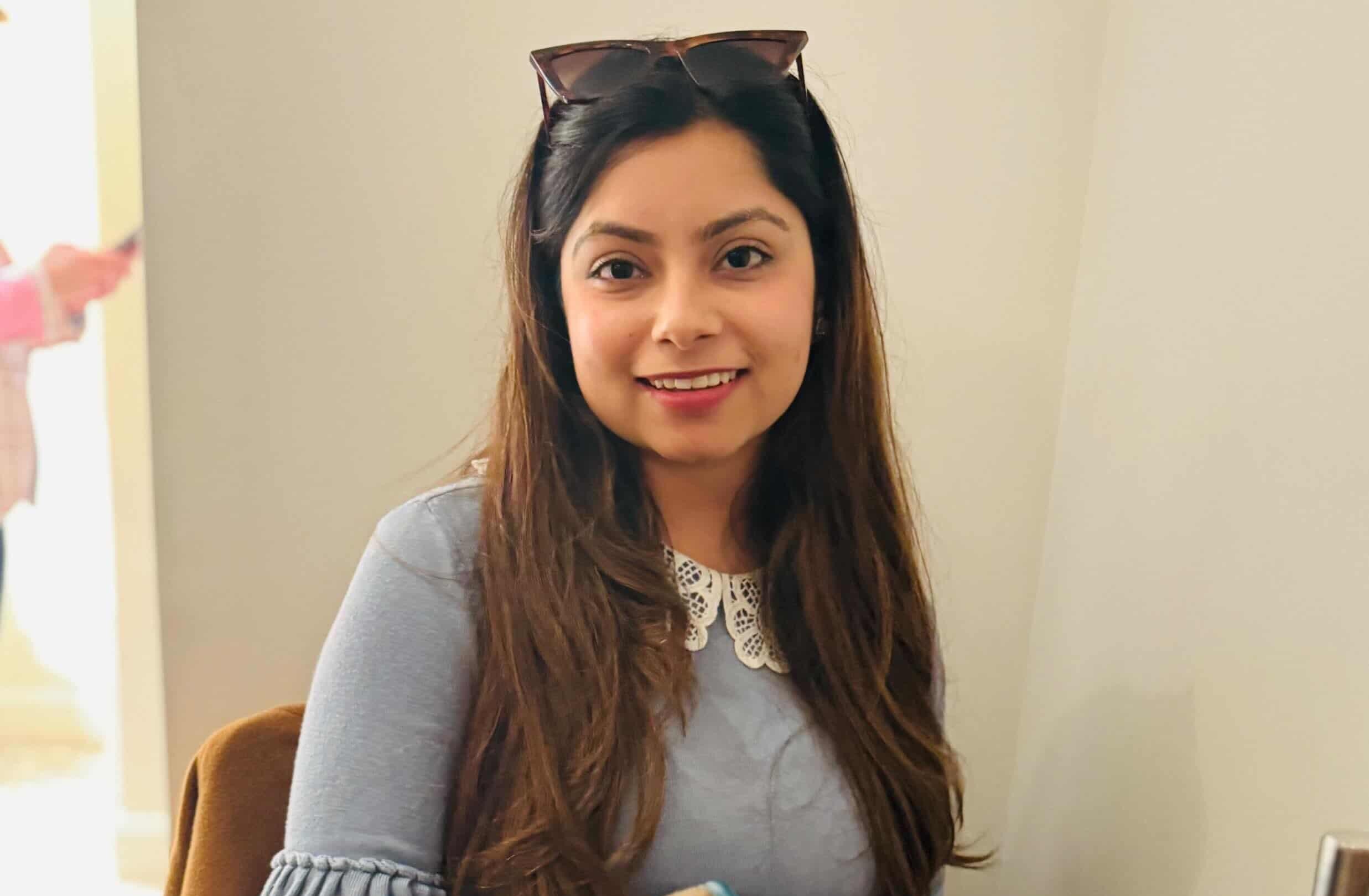
Poojan Mahajan in a Sui Dhaghaa outfit. Photo Credit: Poojan Mahajan
“I was having an Indian Masala Tea and thought I needed to do something to feel more confident, not lost in life. I wanted a pathway to success,” she said
With ambitions in her suitcase and uncertainty in her heart, she arrived in the unfamiliar streets of Ireland in 2018 and navigated emotional challenges. “I did not have a plan to start a business here. I finished my master’s in international business at the University of Limerick, landed a new job, and once you have a job, it feels like you have a stable career, but I was not happy. I was doing marketing in a construction company,” she said.
Thousands of miles from home, Poojan Mahajan was often shadowed by the sense of not belonging. “I was in a foreign land, but still missed home. I missed the feeling of belongingness,” Mahajan said, “I realised I need to build something for myself; I am the one who will be recognised. This is how I thought of starting the Sui Dhaghaa.”
Mahajan’s Sui Dhaghaa- meaning needle and thread – symbolises connection and simple tools that stitch pieces of fabric together. “I want to connect it back to my origin. And if you tell someone in English that it means needle and thread, they will connect as well. To me, needle and thread stress the meaning of boutique,” she said.
For Poojan Mahajan, it has become a way of bridging cultures in Ireland, keeping traditional roots alive. “I noticed the local community wanted to find out about Indian wear. People could not travel back to India that often, so that’s where I see a huge demand, but there was no supply,” she said. “I do stitch here; get dresses altered, but get my raw materials from India because you cannot get that clothing in Ireland.”
Mahajan believes that not every passion is taught; some are passed through inheritance. “It is not always what you studied; sometimes it is what you inherited from your parents. In India, my mother and my father run a clothing business. I have seen my parents since childhood working on it, so I know how to do it. I know the basics; I need to upskill and learn how to do business.”
Turning the idea into reality comes with a set of emotions, doubts, and determination. “I first started to build Sui Dhaghaa in 2023, but at the beginning, I feared judgment and how the public would respond. That was the first question,” Mahajan said, “and the second was how I would even start. I did not have a team. I had to do everything on my own. I have experience in International Business, and I know tricks and ways that I could facilitate building a brand.”
Despite her doubts, Mahajan’s idea began to take shape in Lucan, Dublin. “In a foreign land, it was challenging to start; how to comply, how to really start. I just took a leap of faith and opened an Instagram page. I come from marketing; I know that social media would help reach a mass audience and could save huge amounts on advertising.”
The challenge, she says, was straightforward. Building something from scratch comes with some hurdles. “Operating a business in a foreign land is very different,” she said, “I face the challenges in the supply chain, with logistics proving the complicated part. If you ship something from India, it takes much longer. The expected time could be 10 to 15 days; realistically, it could take a month.”
For Mahajan, some challenges are unavoidable and are a part of the process. “In this situation, there is not much you can control; you must give it time.”
With hard work and dedication, Mahajan began to earn customers’ trust. “I now have more than 500 clients, and we are currently delivering all over Ireland. It’s not only the Indian diaspora. But now Indian and Irish weddings are becoming more popular. The people were delighted that they didn’t have to travel to the UK to buy dresses for such events now.”
“I remember the milestone in this journey when I prepared dresses for 11 bridesmaids, and it was a life-changing experience and gave me confidence to do a job for someone,” she said
Through Sui Dhaghaa, Mahajan created a space for women to bring their own vision of clothing to life. “I realised it was a means for women to customise dresses as they like. It gives women the freedom to bring their own fashion ideas to life,” she said.
Photo Credit: Poojan Mahajan
Mahajan’s little wins and passion aim to expand her business. “I am trying to make efforts to extend it to larger audiences. I am also trying to get on Amazon.”
Looking back on her journey of Sui Dhaga, she carries a simple message, “Until you don’t try, you don’t realise your potential. Initially, it does not have to be perfect. At least put yourself out there, be vulnerable, and have a zeal to learn. It is only about taking a leap of faith in yourself because if you don’t, no one else will.”
Inspired by the ancient civilisation of Mohenjo-Daro, Moenjo restaurant blends its centuries-old traditions with contemporary dining in Rathmines, Dublin.
By Iqra Siddiqui
Irish customers outside the restaurant are reading about Pakistani traditional cuisine, drawing attention to the Moenjo as a cultural bridge between Pakistani Cuisine and Irish dining culture. Photo Credit: Iqra Siddiqui/TheCity.ie
Moenjo Restaurant officially opened in Dublin on 9th February 2026. Founded by entrepreneur Afkar Ahmed, the halal Pakistani restaurant draws inspiration from the Indus Valley Civilisation. Serving traditional dishes prepared with authentic spices and recipes that bring the essence of Pakistani heritage to the plate.
“To me, Moenjo feels like Munjho- in Sindhi language, it means mine,” owner Afkar Ahmed said. “It feels like my own. It’s personal.”
The owner, Afkar, stands in front of the traditional poster of the Hallmark of Mohenjo-Daro, inside the restaurant. The vibrant pattern reflects the heritage of Sindh and the ancient city of Mohenjo- Daro. It inspired the restaurant decor and menu. Photo Credit: Iqra Siddiqui/TheCity.ie
“I wanted to show where I am from, who I am, who this culture belongs to, how long it has existed, what these people do, what their contributions to the world are, because it seems like all the world has forgotten about it,” he said to TheCity.ie
A traditional poster hangs on the wall of a restaurant. Photo Credit: Iqra Siddiqui/ TheCity.ie
A traditional piece of cloth, “Ajrak”, is hung on the wall. Ajrak is a block-printed textile pattern. It represents a rich cultural and artistic ancient tradition. Photo Credit: Iqra Siddiqui/ TheCity.ie
“We come from a huge legacy and history behind it. It is just a means to share the culture,” Afkar said.
“Ajrak patterns are inspired by the designs seen on artefacts uncovered at Mohenjo-Daro by British archaeologists. In our culture, it is used to honour guests to show a respectful gesture,” he said.
A framed piece of cloth representing the linguistic identity of the Sindh region, the archaeological site of Mohenjo-Daro. Photo Credit: Iqra Siddiqui/TheCity.ie
“Bringing in the colours of Sindh, calligraphy, and a different wall art that tells you about the culture and history of a place,” owner Afkar said.
This corner of the restaurant features the prominent figure of Mohenjo- Daro and antiques. The painting of Priest King reminded one of the prosperous years of the Indus Valley civilisation. And the bronze Dancing Girl reflects the artistic expression and sophistication of the ancient city of Mohenjo-Daro. Decorative clay pots and handmade Pindi reflect the heritage and provide insights into the domestic household. The display revives long-standing cultural practices. Photo Credit: Iqra Siddiqui/TheCity.ie
The beauty of this landscape developed a culture of harmony and peace. This map traces the cradle of civilisation, telling how the Indus River connected the Himalayas to the sea, which historically enabled the city to thrive. Before it was ruined, the city was engaged in trade and counted among the world’s earliest cities to have proper infrastructure. Photo Credit: Iqra Siddiqui/TheCity.ie
“These people were Buddhist; these people were Hindus. People live there in peace and harmony, that’s what we wanted to show.”
These were not technical achievements but a route to cultural integration, where daily life, work, and culture brought the community together.
“This is the way to keep my culture alive. This is close to my heart. This is my soul on the walls. This is me on the wall,” Afkar said.
Inside the restaurant, the ancient city speaks, a place where cultures blend; people share a sense of belonging, and the restaurant embraces diversity. Photo Credit: Iqra Siddiqui/TheCity.ie
“The idea is to make this place a hub for cultural enthusiasts, so people come in and experience a new culture,” the owner said.
“A lot of Irish people, people from Pakistan and India, and a mix of different cultures are coming to taste the food and experience the newness of the place.”
“The Irish people have been extremely supportive. John Stephens was here, the Deputy Lord Mayor, to open the place,” he said
Chef Abid places the spice-marinated plump pieces of chicken onto a skewer, bringing the flavours of tradition to life. Photo Credit: Iqra Siddiqui/TheCity.ie
“It is more than work, but a way to connect with people,” Chef Abid said.
The Clay oven is the secret ingredient to keep the tradition alive. This traditional oven tells a story of fire and flavours. This illustrates the culinary heritage of people in Mohenjo-Daro and other Indus cities. Photo Credit: Iqra Siddiqui/The City.ie
“Everything about this place refers back to the Indus Valley Civilisation,” Afkar said.
Sindhi Chicken Karahi, Roti, and Biryani serve the taste of homes miles away. The rich colour, spices, and the smell of food are a way to touch cultural roots. Photo Credit: Iqra Siddiqui/TheCity.ie
“This place is not just about food; It’s about storytelling,” the owner said.
In Irish hospitals, discharged patients aged over 75 often have nowhere to go, adding to pressure on medical staff to manage their care.
By Iqra Siddiqui
Delays in the discharge of older patients are putting huge pressure on hospital beds, according to the patient flow and bed management team in an Irish hospital, which TheCity.ie, spoke to on condition of anonymity.
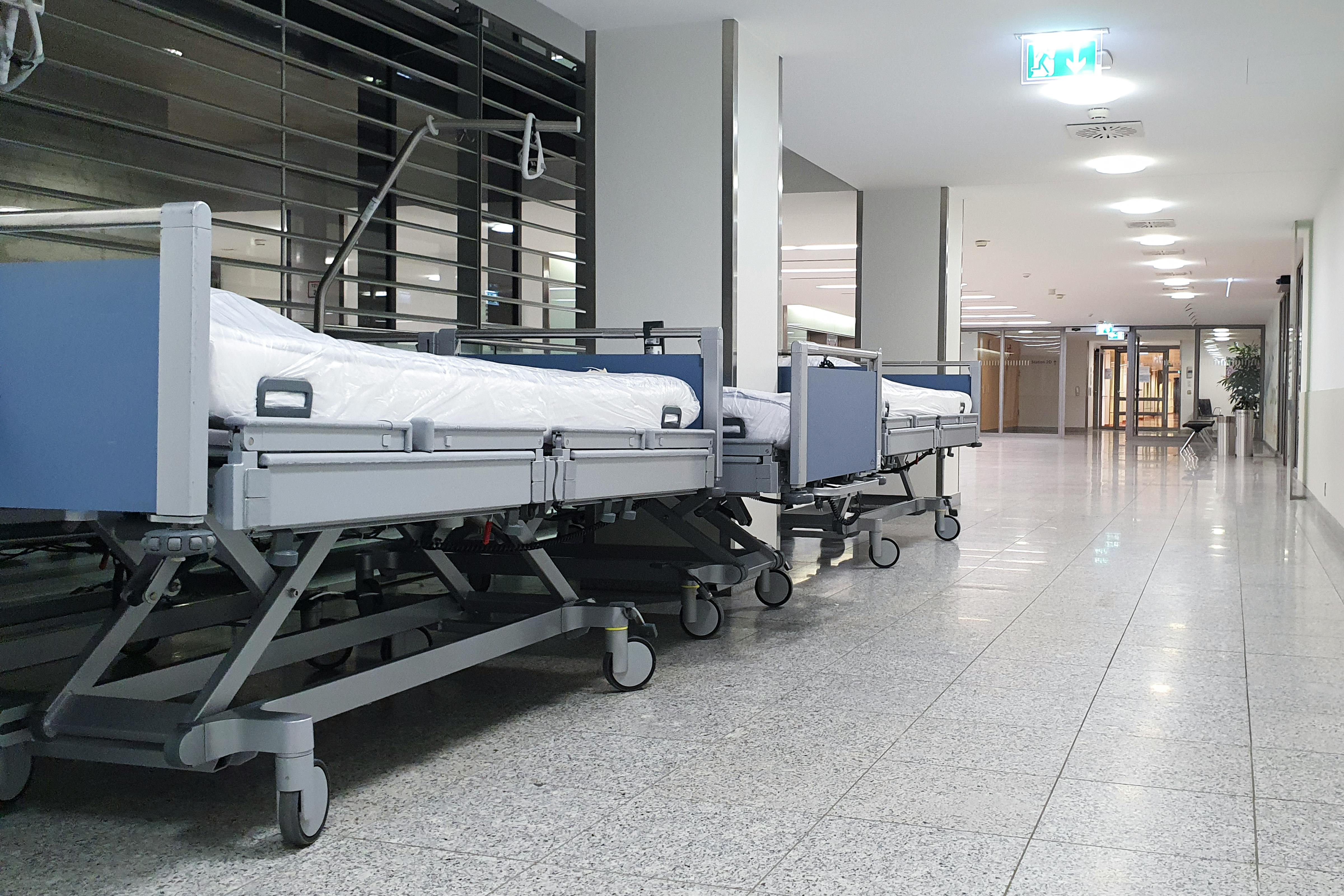
“Discharged Patients have nowhere to go. It undermines the treatment of new patients,” the staff reports.
The team members told TheCity, “It can take weeks or months to find suitable places for discharged patients, especially older ones requiring rehab, community support, or facing housing issues. These delays block new admissions and increase staff workload.”
“There is also an issue that can delay the patients’ leaving the hospital. They are likely to pick up infections while waiting to go somewhere else.”
Delays in finding appropriate places for discharged patients disrupt patient flow.
This kept most beds occupied, preventing doctors from admitting new patients and increasing operational strain.
One clinical director and consultant at an Irish hospital, who spoke to TheCity on condition of anonymity, said: “Doctors don’t have space to examine new patients because beds are occupied by patients who are over 75.”
“It overcrowds ED (emergency departments); there are no beds for patients. If your patient should be admitted, the patient’s flow must arrange a bed on the ward,” they said.
Delays increase doctors’ workload, expose patients to infection risk, and make safe discharges more difficult.
“We have patients with the flu and other diseases. If the discharged patients get in touch with those patients, they are likely to catch viral infections,” they said
The consultant added: “Even after classifying patients as discharged, we still have a duty to ensure their safe transfer.”
“The nurses in the ED stick to the care of all these patients. It means they are also not able to attend to new patients,” they said
The waiting time for patients to move home increases the workload for medical staff.
A member of the patient flow team called for urgent support and resources from authorities to address the bed shortage and delays in patient discharges.
“We need additional beds and community resources,” said a member of staff who deals with patient flow.
“With a nearby step-down unit, we could automatically transfer discharged patients there,” they said.
“This would free up beds and move care out of acute settings,” they added.
Staff proposes additional step-down units to speed up patient discharges, allowing hospitals to treat new patients more efficiently.
“It is also saddening for patients,” said the staff member. “There are sometimes barriers with families.”
“Families change their minds about home or nursing home options day-to-day,” they said.
“Excuses or unavailability can further delay transfers,” they explained.
“We involve social work, arrange home care, and select the safest transfer options.”
Patients can become institutionalised and confused, making relocation difficult. “Many grow attached to staff and make friends, which affects their desire to leave,” they said.
They also mentioned the “charity Alone and the health programme ICPOP, which assists these patients. “Some patients are simply very reluctant to leave,” they said.
“We have a man here. He does not want to go anywhere. He told us last year that I would be living here till Christmas, and he did. And he is still here. If someone refuses, we cannot force them to leave,” they said.
“There is no longer a bed charge, so we cannot use fees as a discharge incentive. If step-down units were available, transfers could be mandatory rather than optional.”
This is a systematic issue that should be addressed to resolve the bed and patient discharge problem,” they said.
“This is happening everywhere, but Dublin hospitals are most affected,” they said.
They urge immediate action on additional step-down facilities to resolve the bed crisis.
“Step-down facilities play a crucial role in the healthcare system, helping patients move safely from hospital to community care”, the HSE has said.
“They help ensure patients are safely transferred from hospitals, reducing the risk of readmission and supporting a better recovery.”
“According to HSE, to reduce the delayed transfers of care, it provides temporary financial support packages for patients.”
“Patients may often not leave the hospital despite being clinically discharged. This can be because they are waiting for home support or a care facility, or have complex medical or legal needs,” the HSE said.
The HSE continues to progress between hospitals and community services to improve patient flow and ensure timely and safe discharges.
Several Doctors from diverse backgrounds in Ireland said frequent hospital rotations upend their lives, posing commuting challenges and an endless search for accommodation amid the housing crisis.
According to the HSE rotation scheme, hospital doctors must relocate to a new hospital after three or six months, which some healthcare professionals say can create instability.
A medical staff member holding a poster, drawing attention to rotation challenges
One Doctor, who spoke to us on condition of anonymity, works at Naas General Hospital. “I have been working in Irish hospitals for about six months. I did two rotations in Tallaght and the first in Naas,” they said.
“The scheme professionally helps me understand the different hospital systems and provides a chance to work within multiple teams.”
“However, when I was coming to Naas, I couldn’t find any appropriate accommodation, so I rented a place in Dublin. Commuting added travel expenses and stress.”
A doctor also claimed that these commutes can be lengthy for some other medical professionals. “Some travel between Galway and Sligo,” they said. “That’s a long distance, and you can’t commute, so you often need accommodation.”
Regarding the short duration of these rotations, they highlighted the lack of a chance to settle, as well as the need for support from the Irish Government.
“It just feels like you just settled in and a month later, you are leaving. It’s a very short rotation.”
“I think longer rotations would be better. The Government needs to make allowances for travel expenses and accommodation.”
A doctor based at the Mater Private Network shared this sentiment, claiming that “the Government should extend the rotation period and provide accommodation support.”
Another doctor at Cork University Hospital said: “It is my 6th rotation and I was not given an extension for more than a year.”
“It takes three months to adjust, and it’s hard to learn new surgical skills when consultants don’t know you,” they said.
This is much like the experience of a non-national doctor in Naas, who is on their second rotation within two years.
“We expect changes; the scheme should introduce more structured plans that lead to progress. We are just working and are obliged to pack bags and move around.”
“I think we should be given 4 to 5 years for one rotation rather than 6 months or a year to move around,” they said.
Other doctors said moving with a family to unfamiliar cities is tough. One internationally-trained surgical registrar at Naas Hospital said:
“Initially, I was not married, so it was not that hard to move, but I am married now, and I have a wife. And relocating with her poses challenges in finding suitable accommodation.”
He continued: “I believe it should be a doctor’s choice to move to another hospital, and it should not be imposed.”
A doctor working at Tallaght University Hospital said, “Every time, it is frustrating to figure out how things are done in each hospital.”
Another doctor at an Irish Hospital also added: “Rotation is something personal, you get experience, but you travel, and you spend a lot of time travelling.
“When you are on duty until 10:00 late at night and then commute to Dublin, it is very tiring for the next day. It gives you mental pressure,” they said.
A Psychiatry Registrar details that the social and emotional toll that the rotations can have is often negative.
“Frequent rotations impact friendships and relationships. But it is less complicated as I have no children or family compared to my colleague, who has,” they added.
“On top of that, every consultant has their own expectations and working style, so it often takes weeks to understand how to function in a new team, and by the time you fully settle into a job, it’s often time to move to the next rotation,” they said
These doctors are representative of the larger continuous cycle of healthcare staff relocating from one hospital to another.
Many doctors continue to urge the authorities to introduce relief plans that extend the rotation period and assist them with housing to combat this ongoing issue.







You must be logged in to post a comment.