Just like a Christmas dinner, you may enjoy getting a little blitzed, canned, stewed, pickled, tanked, steamed, and/or sauced at this time of year. So as my good deed to the masses, I have asked the people of Dublin; what is the best hangover cure for those less than merry morning afters?
The cure is no longer a thing of urban legend. Thousands will rejoice, Sunday will be spent actually praising God as this terrible, painful and heart-breaking condition called a hangover is cured.
The signs you are suffering and need the cure are as follows: Head banging, room spinning, bloodshot eyes, dry mouth, ears ringing and a strange complex involving being both sick and starving.
The Top Three Cures:
1. Brown Food
Yes, you heard it here first, make it brown, fried and with no nutritional value. Over half the people asked said the filthier the better. Opinions were divided between the full fry or the chipper. To be safe, I would recommend getting both.
2. Liquid Fizz
Irish people are big fans of the Black Doctor; also know as a can of Coke. However, the big fizzy winner for the morning after is Lucozade. We might not be energetic in body, but in mind we are getting full use of this hydrating sports drink.
3. Hair of the Dog
After drinking, the body goes through a two stage metabolic process to break down the ethanol. Solution – Fill her up again.
Adam Rogers argues in Proof: the Science of Booze that, “The notion is if a hangover is methanol toxicity, you’re going to have another drink and the ethanol displaces the methanol off the enzyme and you will feel better.” To put it simply, a roll over is not reckless; it is essential to your health. Someone named Adam even wrote a book about it.
Disclaimer: A hangover cure might give you back Sunday, but work on Monday is your own battleground.
It might be getting cold outside but in the Irish Museum of Modern Art (IMMA), things are getting all hot and bothered. Clammy palms and rosy cheeks at the ready.
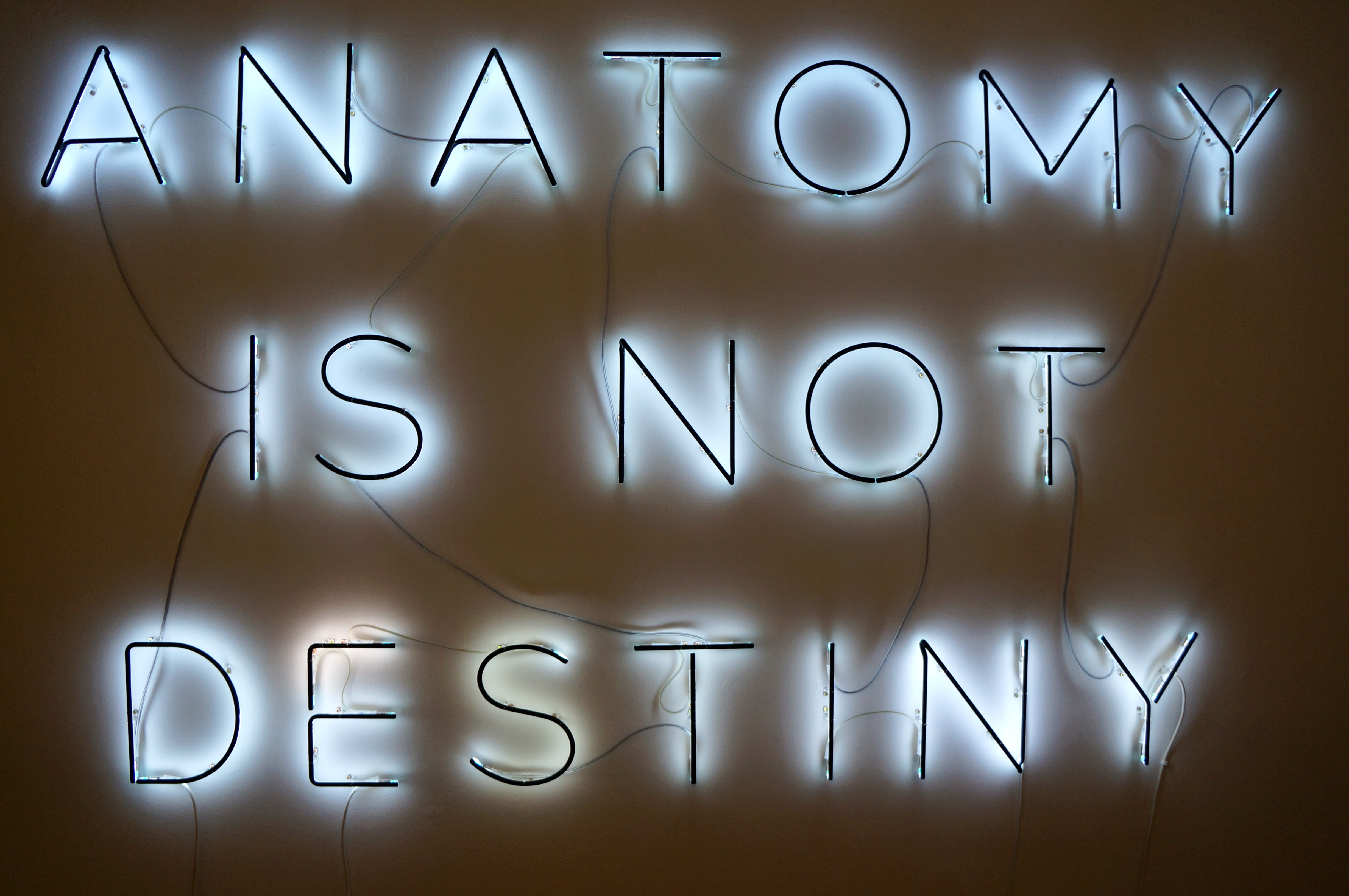
The new exhibition, Primal Architecture, combines works from international and Irish artists exploring sexuality, pseudo-autobiography, identity, power and nostalgia.
It is art so let’s not be immature. I said Art; you know art for arts sake, which explains a room, filled with coloured lumps of clay. But it’s art so therefore it must be brilliant, right?
There is a disclaimer at the door warning visitors and perverts alike that this exhibition contains adult themes and explicit imagery.
However, the warning is a futile attempt in the face of Irish conservatism, which has led to a nation with the sexual maturity of a gnat. That is, a very small and repressed gnat.
With baited breath you cross the threshold. I have read the disclaimer, I’m ready for it.
Entering the exhibition you are met with an assortment of books piled on wooden platforms. After reviewing the first book of poorly sketched vaginas I fell subject to my cultural identity, profusely blushing, with my equally awkward Irish counterparts gazing deeply and thoughtfully at the floor. No doubt wishing it would swallow them up.
The exhibition is split into eight rooms, forming an autonomous sequence of chapters displaying the artist’s interpretations of the human condition.
Borrowing its title from the work of influential American artist Mike Kelley in which he uses sculptural forms to map the history of his personal genealogy.
The highlight of the exhibition was the work of Kevin Atherton. His piece shows the artist arguing and conversing with his younger self on two screens. The double self-reflexive portrait is both amusing and poignant.
Leading to a series of photographs by artist Linder. The images are softly pornographic and to be frank, mundane; naked women with their flowers covered with large flowers.
As a whole the exhibition has the distinct feeling of something too big being pushed into a space too small leading to a disappointing performance and leaving the viewer feeling confused, a little frustrated and waiting for the all important climax which didn’t quite happen. Sigh.
As an art lover, I hate to criticise. It was an interesting exhibition. The name is perhaps too large for the tame portrayal of sexuality; a glimpse of renaissance cleavage or the tiny penises of Roman sculptures are arguably more erotic.
Quite simply, Primal Architecture, did not live up to what it said on the tin – or the disclaimer.
Exhibition runs from November 8th 2014- March 1st 2015. Entry is free.
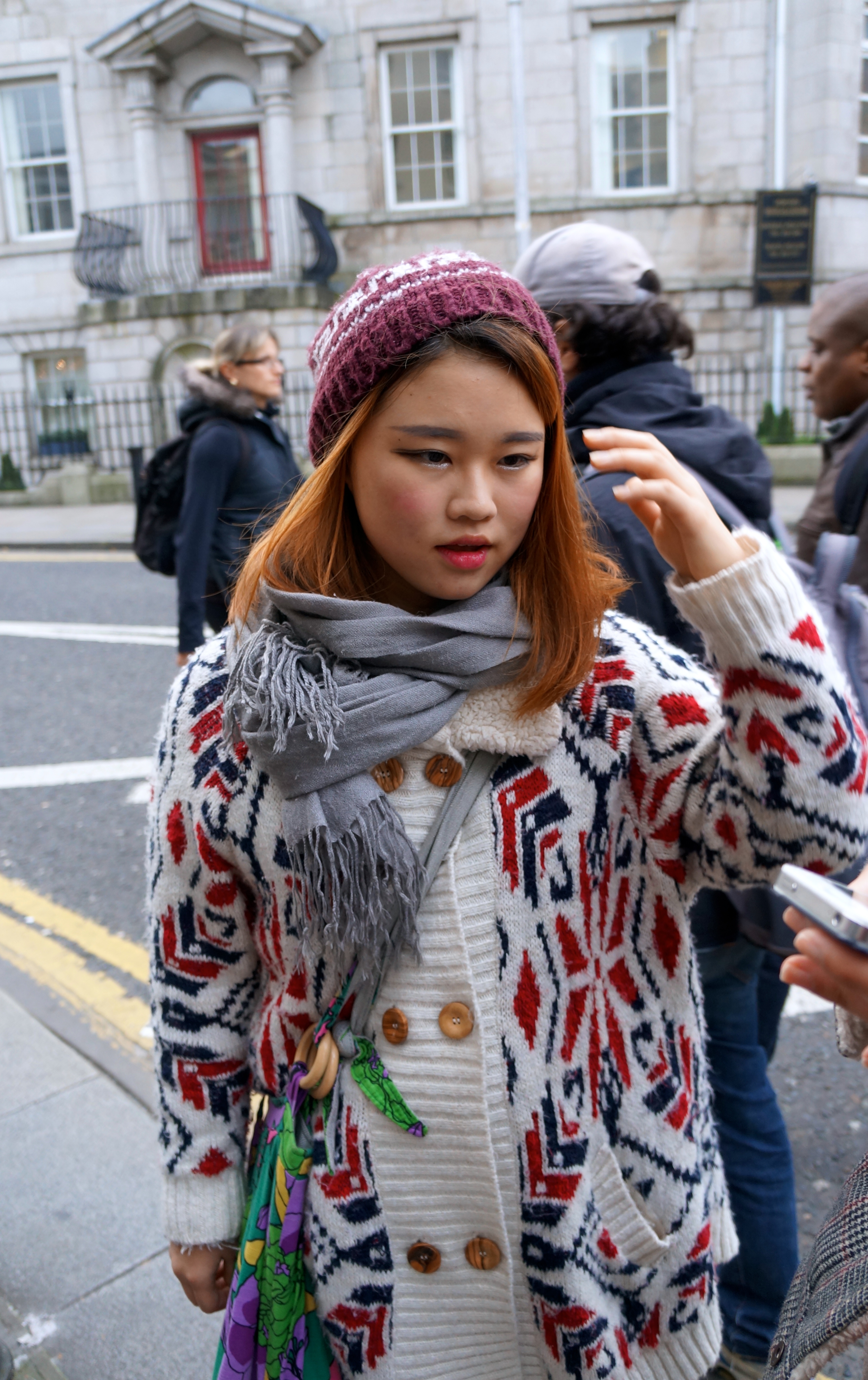
Winter has finally arrived and with it gender-bending fashion is becoming a style staple for how we wrap up. It liberates gender stereotypes and sexuality.
Combining a male and female style aesthetic, androgynous fashion is giving way to a unified gender whose ambiguity defies social and psychological roles within society. A third gender has arrived and “it” is here to stay, (pun intended).
To put it in to context, stylist Louise Cassidy explains the current trend:
“I am a straight female, with a doting boyfriend and a keen appreciation for the female form. Experimentation is so prudish. The niche now is to be ‘blasé’ when it comes to his and hers.
“You love men, loathe boys, and lust after women not girls. I don’t question my sexuality for noticing an ample bosom, nor do I question my femininity for donning a crisp shirt with baggy jeans.
“The crossing between male and female stereotypes is arousing and has opened borders of non-specific sexuality. Androgyny simply allows you to have your cake and eat it in as many different flavours as you can fantasise. So why choose?”
The fashion reins have been loosening; Androgynous styling is continuing to dominate the collections of top fashion houses and the high street has been hot on their heels to follow.
Top Shop released their new AW14 collection; silk shirts, sharp tailored basics, wide legged tuxedos, crushed velvet collars and printed cigarette trousers were all staples of the eagerly anticipated collection.
COS, an independent line from the ever growing H&M group, prides itself on designing collections for the contemporary man and woman. There is uniformity in their androgynous collections, which demonstrate a quintessential retake of the wardrobe basics interchangeable between genders.
Major fashion houses like Helmut Lang and Armani have also featured uni-sex clothing in their recent collections.
While an androgynous aesthetic might be of the moment now, its popularity has remained an undercurrent within the history of fashion.
Emma Mullen is a fashion buyer and has been working in retail for six years; “I hate discussing trends because being trendy is not the same as having style. Style is transcendent of time, like when Coco Chanel designed the iconic Chanel suit, or when Katharine Hepburn became an unconventional icon with her wide legged trousers and oversized blazers. These women were not trying to set trends, they simply had style.”
The 1960’s were the climax of androgynous fashion. Glam rock introduced feather boas, hip hugging jeans, and lavish jewellery as integral items of effeminate dress. This revolutionised sexual and masculine stereotypes. In a stark contrast, models like Twiggy were changing the runways with boyish frames and short hair.
David Bowie in his free spirited reincarnation as Ziggy- hello spandex and glitter and the rise of Grace Jones and Prince paved the way for a new and undefined style, capitalising on their sexual ambiguity.
Padraig Murray is a fashion student at NCAD and outspoken member of the LGBT community. He believes fashion is more than clothes but a representation of the person and a reflection of the society we live in “as we get more liberal with our wardrobes, it seems to mirror society as a whole becoming more liberal”
“Traditional gender roles can be extremely narrow. As a homosexual, growing up I felt restricted to choose between masculinity or femininity, as the only acceptable social norm to follow. Androgyny has opened peoples minds, the LGBT community no longer feel like a misunderstood minority within society.”
“Some see androgyny as a ‘neutered’ nature or existence, having no strict aversion to either sex but masturbation is an androgynous act too, you are playing both roles within the sexual scenario. Would you consider that a neutered experience too? Androgyny open the gates for sexual experimentation and an open platform for self expression.” He said.
In 1994, Calvin Klein released their first gender neutral cologne, CK One. The face of the fragrance Jenny Shimizu became the poster girl for female androgyny with her boyish frame and shaved hair. The 1990’s also saw the arrival of the metro-sexual male as the boy band was born.
Elliot Sailors, Jana Knauer, Stella Tennant, Krisitna Salinovie, and Jamie Bochet are all models known for their androgynous appearances. Hitting the catwalks in 2010 model Patricia Arajo changed the face of androgynous modelling, becoming the first transgender model to break in to high fashion.
Since her arrival, catwalks in London, Milan, New York and Paris have been set alight with androgynous, transgender and cross dressing models. Paul Smith, Marc Jacobs and Jean Paul Gautier have introduced these models in to the mainstream, having them walk in their ready-to-wear collections.
The newest face of androgyny is Andrej Pejic, originally scouted as a girl his long blonde hair and delicate features have seen him in hot demand from all the largest fashion houses.
Today it seems sexual barriers barely exist and gender ambiguity is here to stay. Androgynous fashion is no longer a taboo but a fact of life.
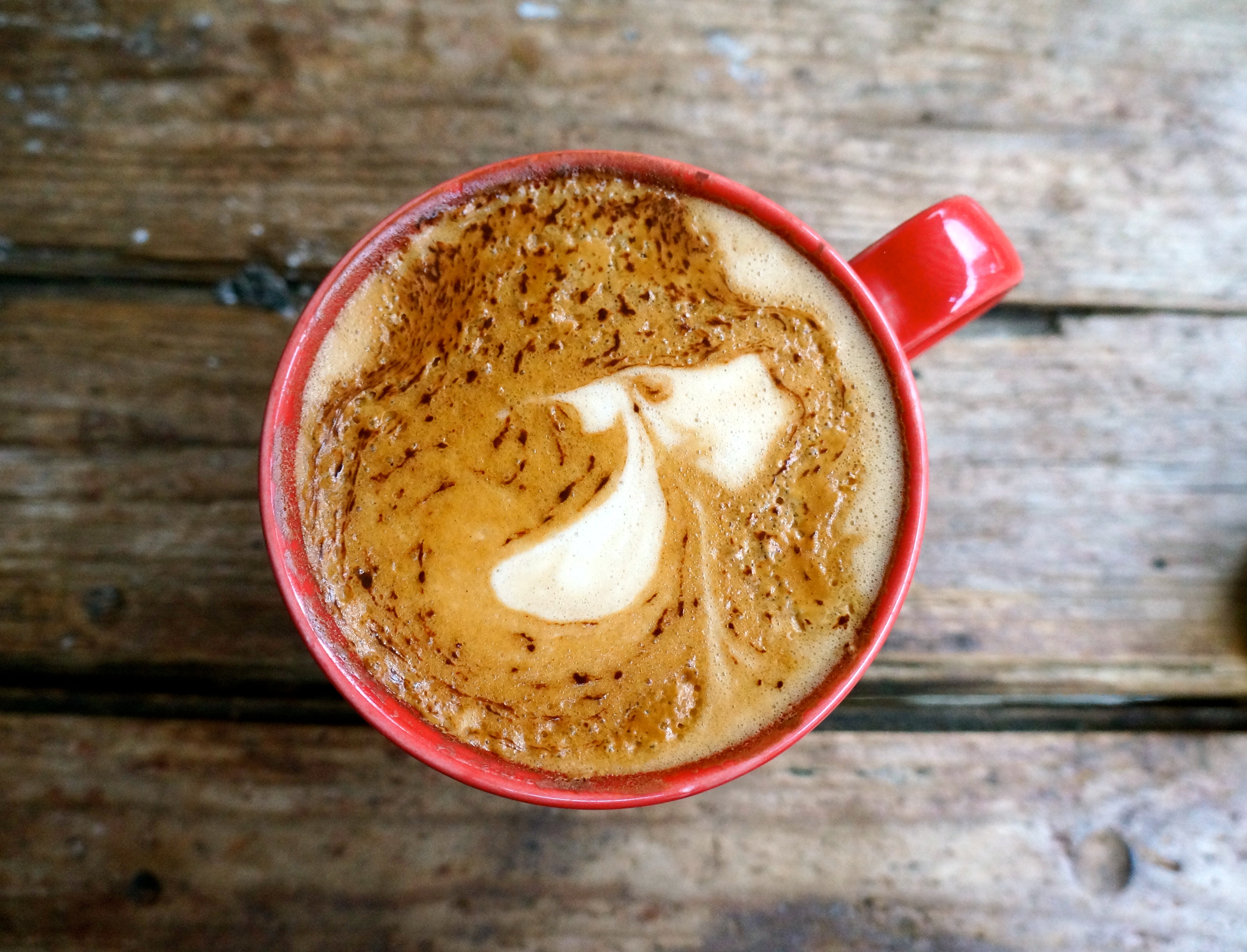
Coffee is an institution, fuelled by busy lives, early morning and Starbucks.
For some it’s their ‘elixir of life’, the only thing that gets them through the day. For others it is the only socially acceptable way to drink pints of cream, and also acts as a gateway drug to all things baked, puffed and sprinkled in sugar.
Once you have become devoted to the black stuff, whatever your reasons, you will quickly notice yourself clocking up hours of waiting in queues for your daily fix. This is when you begin to notice the coffee stereotypes, because how you like it, is a reflection of you.
According to the DeLonghi National Coffee Report what coffee you drink can say a lot about the type of person you are. The report found latte drinkers are high-maintenance, while flat white consumers are plain and boring.
Following from this, an espresso is a reflection of the purist coffee drinker. An Americano is the bread and butter of any coffee enthusiast. Filter coffee is reserved for students; prepare for the sound of cascading coins on the counter.
Soy, chai and matcha are all adjectives reserved for hipsters as they sit endlessly in cafes discussing the ethical ramifications of the Xfactor. As for those that order decaf coffee (cough) enough said; you are unwelcome into our haven of excellence.
Trying to find a great cup of coffee is no easy task. In unfamiliar territory we often find ourselves strolling in to a café, salivating, wide eyed and eager hoping the establishment’s expertise will deliver us from a tired haze into a jittery state of euphoria.
After handing over a few euros we are forced to wait in suspense for the hand-crafted beverage to slide our way; hoping it will tantalise our taste buds on arrival. Often, sadly, we are handed a gut wrenching drink that you wouldn’t serve to your worst enemy.
Coffee chains, like their average aesthetic appeal, provide average coffee. There is no love brewed into your adored beverage, you are a number on a spreadsheet and thanks to your dedication to “the man”, your eighth one is free.
But the people of Dublin are catching on. Take for instance Clement Pekoe on South William Street. All those spotted working here are just too cool and hailing from a genetic disposition that makes them innately more beautiful than you or I, but they pride themselves on good coffee.
3FE, on Grand Canal Street, is another café providing exemplary coffee. Every week they run classes for people who want to learn how to make better coffees at home. Or alternatively they run tastings for groups who want to truly broaden their knowledge and become coffee connoisseurs.
Coffee is a way of life, and in no uncertain terms it is what dreams are made of. So whatever it is that satisfies those coffee loving taste buds, get drinking and enjoy.
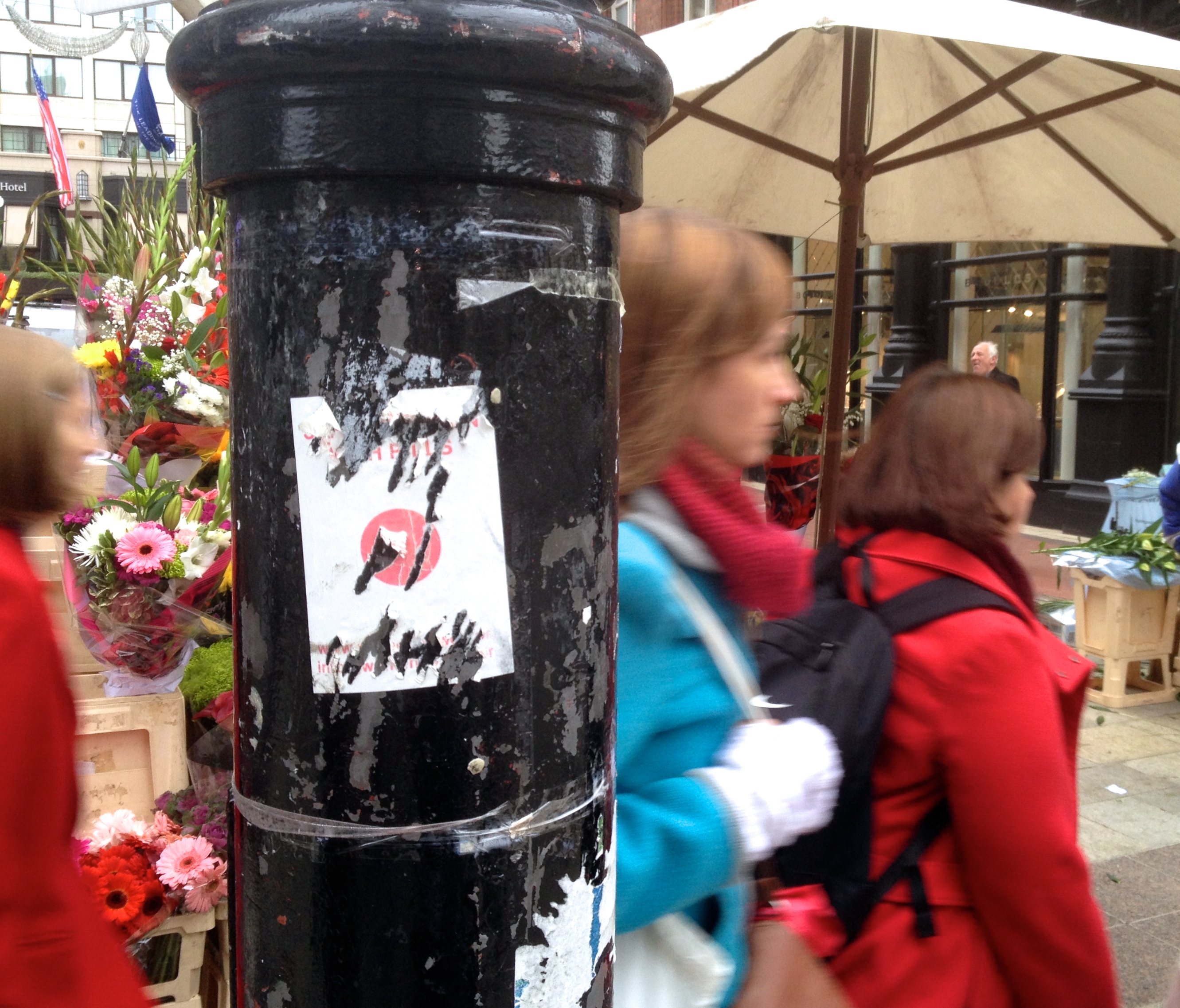
A controversial ad campaign offering “a safe abortion with pills” has been stickered all over Dublin City.
Defaced abortion stickers in Dublin. Photo credit: Sarah Fitzgerald
The campaign is for the online website, Women on Web, which sends abortion pills worldwide to countries where terminations are inaccessible.
Before ordering the pills an online doctors consultation is required. A medical abortion is a termination of pregnancy by using two medicines, misoprostol and mifepristone. The success rate is 98 per cent when taken in the first eight weeks of pregnancy.
Women on Web are a non profit organsiation, for their service, there is a recommended donation of €90.
However, such websites raise serious concerns both for the safety of the woman self administrating and the illegality of obtaining the service.
Speaking to those in Dublin from the 18-34 year old demographic, the response was overwhelmingly pro choice.
Maeve Judge (28), “My own beliefs are pro life. However, I would say that I believe in pro-choice for the nation. As you can live in a pro-choice country, but believe in pro-life and act accordingly. However, you cannot live in a pro-life country and have choice (unless you leave that country).” She said.
“As the Internet has allowed people to educate themselves on medicine, people don’t always have to go to their doctor when something is wrong. So, it makes sense that all sorts of pills will become available online. As long as the pills used for the termination are accompanied with relevant information and guidelines, I do not have any issue with it.”
Matthew Brazel (24) “I am a proud pro choice campaigner. I believe people ordering abortion pills online is unsafe and pushing the problem further underground. This is a reflection of the dangerous consequence of the unfair and oppressive legislation in place surrounding abortion.” He said.
Ashling Durkan (22), “It is disgusting that in the liberal society which we live that some backwards male tyrants are dictating a woman right to choice” she said.
“Forcing a woman to bring an unwanted child in to the world is morally corrupt and a breach of human rights. It is the choice of the mother and that choice should be respected not vilified.”
“However, if I was to get pregnant now, I would have the baby, but that is my choice.” she said.
Jessica O’Sullivan (24), “ I feel that abortion should be legalised in Ireland, however I would consider myself both pro life and pro choice”, she said.
“I do not believe advocating legal abortion makes an individual anti life. The decision to terminate a pregnancy is traumatic enough without the stigma, branding and possible persecution for a woman’s right to her own body and life”
Carina Moran (22) “I am pro choice. I think abortion should be legalised in Ireland but there should be a strict vetting process. It should not be viewed a form of contraception.”
“As for ordering abortion pills online, I think it is highly irresponsible and morally void. While abortion is primarily a physical procedure, the possible mental and emotional implications of such it can be devastating and therefore needs to be managed accordingly by dedicated services.” She said.
In Ireland, legal abortions are only available to women at serious physical or mental distress in cases where their lives are at risk. The current Government have ruled out any new abortion laws in its lifetime, following the introduction of the Protection of Life During Pregnancy Act last year.
In a poll published by the Irish Times, the majority of Irish people (68%), both men and women are in favour of holding a referendum to extend the circumstances in which women can seek abortions.

You must be logged in to post a comment.