Tag: Arts and Culture

  • Hugh Lane Gallery closes for 3-year refurbishment 

    Hugh Lane Gallery closes for 3-year refurbishment 

    By Aidan O’Boyle 

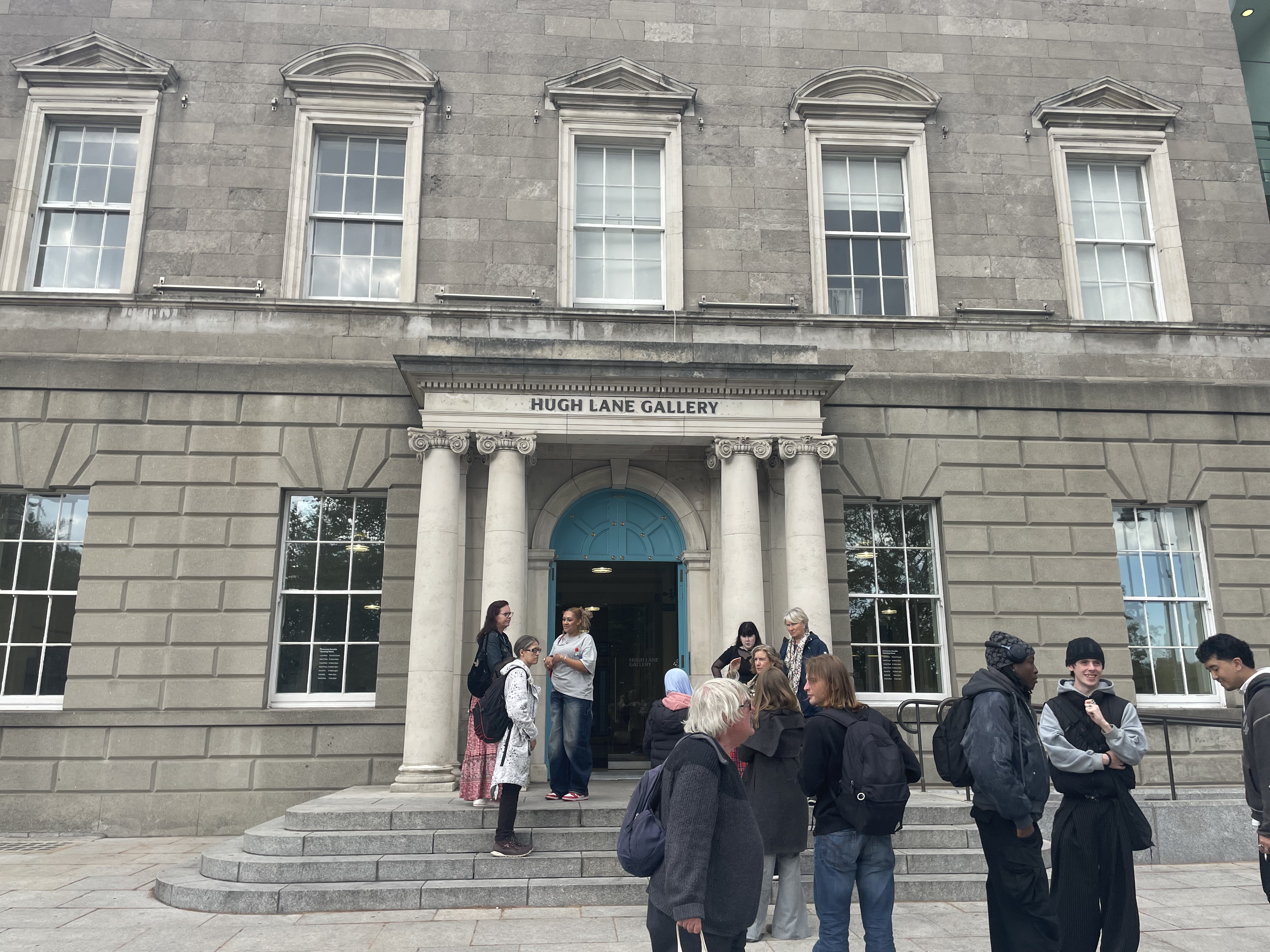
    Hugh Lane Gallery closed its doors last Sunday at 5pm and won’t reopen to the public for another three years. 

    At the end of July, Dublin City Council announced that the beloved art museum would be closing to facilitate the renovation and safe removal of the gallery’s collection. 

    In the statement released by Dublin City Council it said that “the refurbishment will upgrade the gallery’s original 1930s wing to 21st century museum standards of security and environmental controls.”. 

    The statement continued saying that the renovations would “ensure the preservation of the collection for future generations and enhance the gallery’s ability to secure significant international loans.” 

    The cost of the refurbishment is unknown as of now, as the statement read: “The cost of the project will be determined when tender submissions have been reviewed and the contract awarded. It’s expected the tender will be issued in the coming months.” 

    The popular Boghanna Báistí Beaga will reopen when the refurbishment works are completed. Credit: Aidan O’Boyle 

    The refurbishment will also include a direct link between the gallery and the new Dublin City library that is due to be completed in 2029. This is promised to create a unique experience for tourists and locals alike.  

    The library will be popular once opened and Dublin City Council released a statement highlighting what the project will include: “The Dublin City Library Project (Phase 1) will deliver a new 5,500 sqm City Library at Parnell Square North. The project will include a multi-purpose conference centre, spaces to meet, read and study, a café and exhibition areas.” 

    All the paintings and sculptures will have to find new homes for the time being. “A number of important works will be on loan to the National Gallery of Ireland. The Hugh Lane Gallery already has works on loan to the Office of Public Works in Dublin Castle, Farmleigh House and Kilmainham Gaol Museum. The remaining collection will be stored safely in museum standard offsite facilities.” 

    Some of the exhibitions Hugh Lane gallery has had over the years. Credit: Aidan O’Boyle. 

    Most of the artwork will remain in Ireland apart from “the shared paintings from the Sir Hugh Lane Bequest in the National Gallery London. This partnership was signed in 2021 between The National Gallery London, and Hugh Lane Gallery regarding the 39 paintings in the Sir Hugh Lane Bequest, allowing the public in both the UK and Ireland to enjoy these works on a regular basis.” 

    The gallery’s conservation team is now “working hard to safely pack and transport the gallery’s renowned collection to museum standard storage facilities.” 

    Failte le Gra cafe which is situated on the ground floor inside the gallery will also close for the foreseeable future. A notice outside the entrance read “Dear guest, due to the closure of the gallery our last trading day will be the 27th of September. Thank you for all your support over the years and we hope to see you all when the gallery re-opens”. 

    A notice outside the entrance of Failte le Gra cafe. Credit: Aidan O’Boyle 

    Before the gallery closed there was 40 permanent staff members employed. Dublin City Council confirmed that all staff will retain their posts when it reopens.  

    They added that “A certain number of employees will remain operating core aspects of gallery functions including managing the care and conservation of the collection in offsite locations, monitoring environmental controls and daily 24hr security, organising offsite education and community projects and working on future collaborations and exhibitions.” 

    The remaining employees will be redeployed in other jobs throughout Dublin City Council. 
  • Artist Showcase: Tebi Rex

    Artist Showcase: Tebi Rex

    For this Artist Showcase, Eric Ryan speaks with Matt Ó from Tebi Rex about their recent release, Brackets, their debut album, their plans for the future and how they’ve been creating during lockdown.

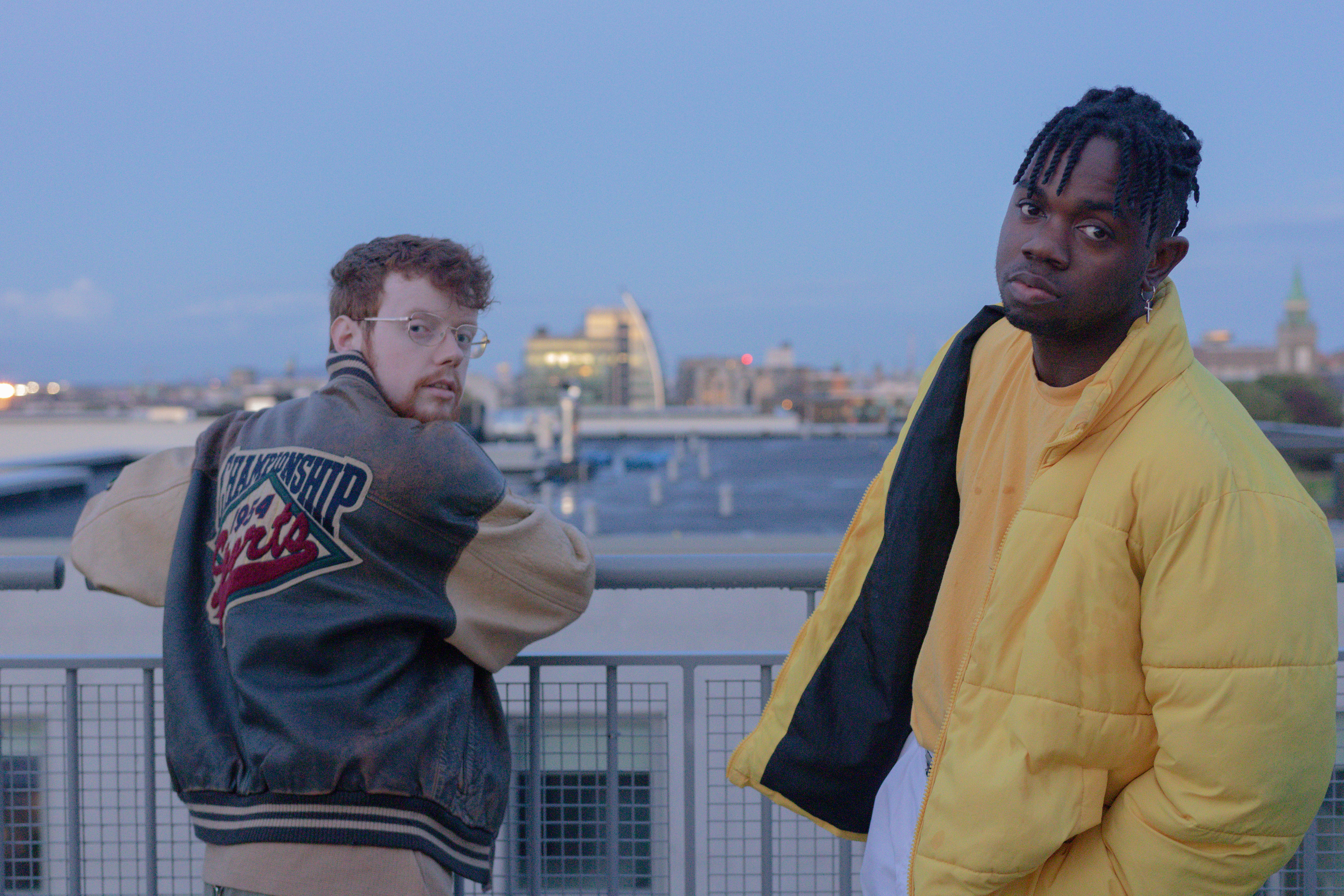
    Tebi Rex duo. Photo courtesy of Tebi Rex.

    For those that don’t know, Tebi Rex are a hip-hop duo from Kildare who have taken to the forefront of the Irish hip-hop scene with their signature blend of catchy hooks and genuine, laid back verses.

    Composed of Max Zanga and Matt Ó, Tebi Rex are a dynamic team that feeds off each other’s energy in every song. Usually, the singing is left to Matt Ó, who’s melodic verses and hooks smoothly combine with Max Zanga’s chic, laid-back, and often introspective lyrics.

    Whether it be a heartfelt, lo-fi alt rap track, a DIY pop banger or a head bopping club rap song about getting drunk and forgetting your own lyrics, it all lies comfortably in their ever-expanding wheelhouse of sounds.

    Although releasing music as early as 2017, it was in 2019 when they established themselves as a real driving force in the Irish hip-hop scene when they released their debut album, The Young Will Eat the Old.

    The Young Will Eat The Old, is a dynamic and cohesive project that’s sound is as intriguing as its themes and concepts. It offers insightful, introspective lyrics about life that draw inspiration and meaning from Greek Mythology, delivered over a range of instrumentals that vary from DIY pop to alternative hip-hop. All neatly wrapped up in a 3-act structure, the stellar release was a major improvement from their 2018 project, Welcome to the Darkest Year of Our Adventures.

    On their debut album, Matt Ó said, “It was an amazingly fulfilling and fruitful experience but don’t get me wrong, it was heavy at times. We were creating some amazing tunes and we would have to cut some out because they just didn’t fit the story we were trying to tell.” 

    Photo courtesy of Tebi Rex.

    For musicians and fans alike, 2020 has been a seemingly never-ending onslaught of doom and bad news, as countless amounts of live shows and projects have been cancelled or rescheduled. But Tebi Rex have managed to buck this trend, and their yearly growth has continued with their latest release, Brackets.

    With Brackets, Tebi Rex took a different approach and dropped some of the key elements that made The Young Will Eat The Old stand out.  While cohesion was still top priority with the EP, it’s a project that centres itself around shorter individual stories, the artists’ personalities and most importantly, having fun.

    Matt Ó drew similarities between the four tracks on Brackets and a group of friends, saying there’s “a messy drunk one, a sincere & romantic one, one who is over the top and one who isn’t quite all there – a fantastic mix”.

    He added: “Each song has its own identity, like how AAAAGH got a groundhog-day style video whereas I Got My Whole got a dreamy Wes Anderson treatment. White Boy Of The Month had a full animation and You Thot didn’t even properly have an ending.”

    One of the standout tracks from Brackets is the drunken and hazy AAAAGH, which is strengthened by the guest feature from Awkward Z, a rapper from Ireland’s south-east whose braggadocious verse fits the track as if he were a third member.

    With that in mind, it comes as no surprise that Matt would choose Awkward Z as his “creative collaborator if Max Zanga were to unfortunately pass away”. And in the case of Max’s untimely passing, it’s the producer of AAAAGH and Burner Records star, Local Boy, that Max Zanga has in line as Matt’s successor. Tebi Rex truly are prepared for anything the future will throw at them.

    The track is a testament to the new, strange times we find ourselves living in, as the boys had to work remotely when collaborating with Awkward Z. Covid-19 restrictions are something that Tebi Rex have taken in their stride, constantly sharing ideas through messenger and mail, and even having mixing sessions over Zoom.

    But despite 2020 being a good year for the duo, it most definitely still had its pitfalls, most namely the lack of live shows. “It has been really tough I won’t lie. It is 1000% the best part of being a musician, and it’s the best way to know if your new music is slapping or not.” said Matt.

    When asked about plans for the future, Matt Ó said: “Hopefully there’ll be live shows, whether they’re socially distanced or ideally vaccinated. We have our first show of 2021 booked in for London in February, and I’m sure there will be plenty of opportunities to watch virtual Tebi Rex shows too.”

    Matt added: “Obviously a new year will mean new music, but I have no idea what it is going to sound like, or when it would see the light of day so can give no hints as of yet – but based on what we’re writing at the moment, it is definitely some of our best ideas to date.”

  • Good Vibrationz continue to operate outdoors as Dublin remains in Level 3

    Good Vibrationz continue to operate outdoors as Dublin remains in Level 3

    Events host and organiser Good Vibrationz are continuing to operate their events outdoors, despite last week’s news that Dublin will remain in Level 3, with the rest of the country joining them and Donegal. Erica Carter discusses with them how they’re adapting to the new restrictions.

    Good Vibrationz Street Walking Tour. Photo taken by Diarmuid Montgomery Clery.

    Based in Dublin, Good Vibrationz are a collective of artists, filmmakers and self-proclaimed “messers”. They are known for their Photo Walks, Drink and Draw classes and Dublin Night Tours. They resumed their photowalk events in July, after being out of action for months.

    “The response has been so good,” said Diarmuid Montgomery Clery, one of the organisers. “Despite the lockdown, it seems people are more eager than ever to get back out there and have fun.”

    In order to comply with public health guidelines, Good Vibrationz have reduced the capacity of their events by 70%, allowing only 15 people on their outdoor photo-walks and tours. “It’s going to be tough but sure look, be grand,” Diarmuid said. Their walking tours are back on every Saturday and Sunday, with a whole host of new themes, including a music based walk, starting in the days of Dublin folk music and ending with the emergence of Irish hip hop. 

    Image courtesy of Good Vibrationz.

    Back in September Good Vibrationz started hosting their events in their new city centre space, the Arts Bar – however mere weeks later they were forced to close their doors as Dublin entered Level 3 restrictions.

    The Arts Bar is a new pop up gallery and events space on Francis Street in Dublin City Centre, above bar Drop Dead Twice. They were operating with a full bar and food menu.  “The new premises is a commission free art gallery and artists are welcome to put on shows and keep all the profits and our team will help with the production free of charge also,” explained Diarmuid. “We’ll be hosting our own events, classes and shows to keep it financially viable.”

    Despite all of these plans, the Arts Bar has had to postpone all of its indoor events. “It’s really hard because we put so much into the project then had to close so soon after,” expressed Diarmuid. “For us it’s about constantly trying to innovate to survive.”

    “For us it’s about constantly trying to innovate to survive.”

    “We know that when this is over the demand for our events will go through the roof. We just need to be able to keep paying all the bills and staying focused – I’ve noticed lots of friends who have been forced to leave the event industry and we don’t want that to happen.”

    Good Vibrationz’s walking tours have proved very popular as an activity people can still partake in safely amid restrictions, but Diarmuid is concerned about the future of the tours as the weather grows colder: “It’s going to become more difficult but it just means we need to be the best we can be,” he asserted.

    If Dublin moves to Level 5, they’re prepared for that scenario too. “We have started virtual walking tours and events through our new brand Alternative Experiences.ie,” Diarmuid explained. “Thankfully we’ve gotten a few bookings from various organisations and previous clients even before we launched so that was a great motivator.

    “We are also launching several more events at home including a Christmas crafts set that people can create at home with our instructor!”

    Businesses have been forced to adapt and get creative during the Covid-19 pandemic, and Good Vibrationz are certainly doing the most to keep going during such a dark time.

  • Merrion’s open-air artists persevere through Level 3

    Merrion’s open-air artists persevere through Level 3

    With Level 3 restrictions ordering galleries to close, Eibhin Kavanagh talks to the artists still able to display their work at the Merrion Square Open-Air Art Gallery.

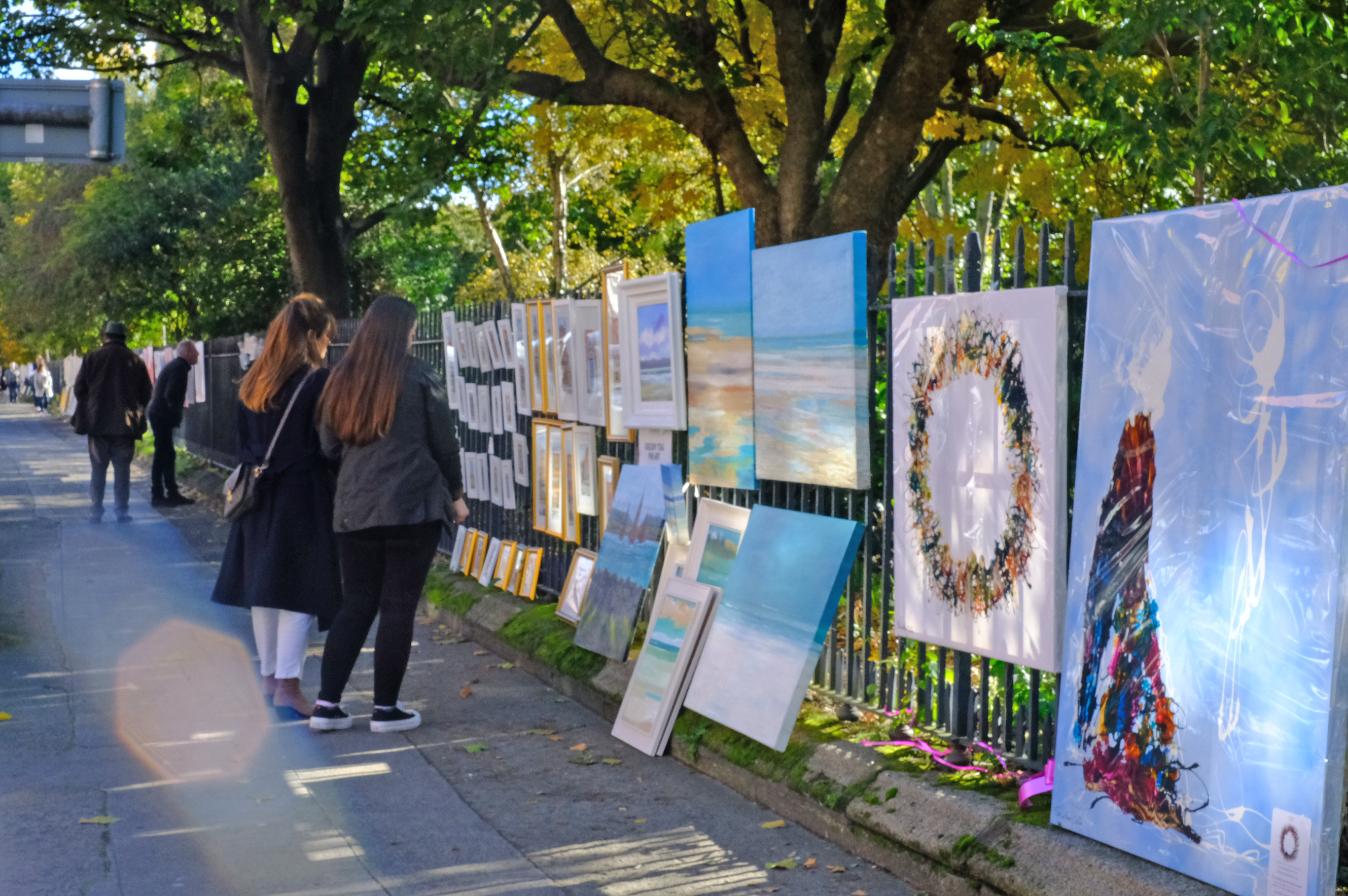
    Artists display their work at Merrion Square every Sunday from 10am until 5pm. Photo by Eibhin Kavanagh

    With the introduction of Level 3 restrictions in Dublin last month, art galleries and other cultural institutions have been forced to close.

    Despite this, the Merrion Square Open-Air Art Gallery has weathered Level 3 restrictions, and every Sunday artists gather in this Georgian garden square to sell their work and bring colour to Dublin City Centre.

    Brendan Higgins has been displaying his art at Merrion Square for over ten years.  He talked to The City about the changes experienced since artists started exhibiting again in the Summer.

    Brendan Higgins at Merrion Square with his artwork. Photo by Eibhin Kavanagh

    “There was a huge drop in footfall,” he said. “It is a business area Monday-Friday and on the weekends, there were a lot of tourists.” he continued: “But business hasn’t been too bad, because people are coming in just to buy paintings.” 

    In regard to the level 3 restrictions, Brendan said: “We’re one of the only open-air events, when the galleries were open as well, they were also attracting people, so the last three weeks with the galleries closed we did notice a drop in footfall.”

    Kevin Sharkey, who has been exhibiting for around five years now, said: “An open-air art market is perfectly suited to deal with the coronavirus because it’s not close contact. I find most people are very relaxed about it when they’re outside and they have space.”

    “The main thing I noticed was that people who before would’ve done things like go to the cinema or go for a meal or whatever, are instead looking for outdoor activities. Merrion Square suits this perfectly.”

    “For the last lockdown, most people were doing two things. They were staying home, and they were decorating. You can only paint so many rooms in your house but at some stage when you want to finish off your design you think, ‘ah we need a nice painting.’ In Ireland, there’s very few places where you can see such a wide breadth of different artistic talents in one sitting, and that is something people who are looking for art want; choice,” Kevin said.

    Artist Kevin Sharkey with his work. Taken by Eibhin Kavanagh

    Peadar Sheerin, who has been displaying his work at Merrion Square for nine years now, said: “Since this is an open-air exhibition it is reasonably safe Covid-wise.”

    Peadar also reflected on how the exhibition used to be: “I miss the American tourists, they were great customers. ‘I like those three honey. Wrap em up’. Also the Germans, French, Japanese, Chinese, and good ole UK, to mention a few.”

    Councillor Cat O’Driscoll, chair of the City Council Arts, Culture, Recreation and Leisure Strategic Policy Committee commented on the importance of the open-air gallery with restrictions limiting arts and culture in Dublin City.  

    “I’ve been inspired by how innovative so many have been to bring arts and culture to everyone safely,” Cat O’Driscoll said.

    “The Merrion Square Open-Air Art Gallery is an institution and it is wonderful to have it while so many other spaces are closed.”

    “It’s important we still get out and about in a safe way to keep well physically and mentally. Weather permitting, a social distanced stroll around the Merrion Square Gallery on a Sunday with a take away hot beverage is highly recommended.”

    She also noted: “Don’t forget your mask.”

    “With Merrion Square, you’re dealing with the artist directly. If I was going out to get a painting, I’d go to Merrion Square before I’d go to a gallery,” Brendan Higgins said.

    “In Ireland there are very few things that you can bring your whole family to that doesn’t cost you anything,” Kevin Sharkey said.

    The Merrion Square Open-Air Art Gallery takes place every Sunday from 10am until 5pm.

    In December the artists will be exhibiting daily.

  • Circa: Terenure restaurant awarded Michelin Bib Gourmand

    Circa: Terenure restaurant awarded Michelin Bib Gourmand

    By Aidan Coyle

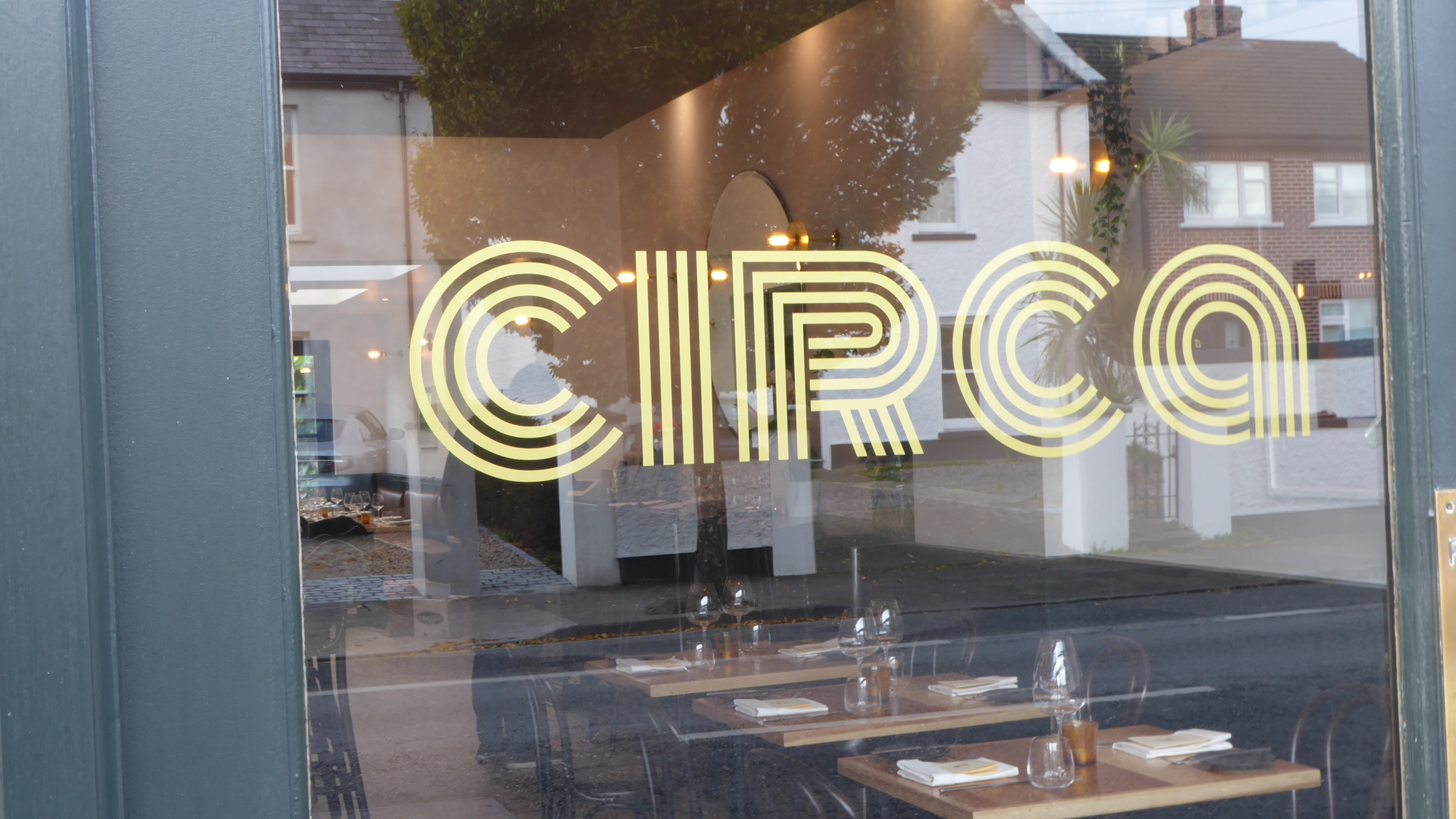
    Just over two weeks ago, the restaurant Circa in Terenure won a Michelin Bib Gourmand award recognising a high quality dining experience at an affordable price. The restaurant only opened its doors in March but while its rise has been rapid, the journey to get there has been far from straightforward.

    The restaurant is co-owned by head chef Gareth Naughton, general manager Ross Duffy and wholesale manager Emmet Murphy. The three friends have a wealth of experience working in pubs and restaurants and had always dreamed of setting up their own place.

    Ross said: “I met Gareth working in 3FE Coffee in Grand Canal Dock. Myself and Gareth just got on like a house on fire. We understood each other and how each other worked. I looked after the floor and he looked after the kitchen. Then we ended up living together and we always said if we got the chance we’d open up somewhere.”

    Gareth Naughton (left) and Ross Duffy (right) at Circa.
    Photo Credit: Aidan Coyle

    When Emmet Murphy agreed to join, the trio was complete. Ross said: “Emmet, our other co-owner, I’ve known since I was a kid. He worked in Celtic Whiskey Shop on Dawson Street as the accounts manager looking after all premium wines and spirits.

    “He took me for a little lunch and he was kind of like ‘Jeez I’d love to do something one day’ so I kind of looped him in on it. I said look you can do the back end stuff, all the wines and beer. I’ll look after the front, I’ll run it and then Gareth would run the kitchen.

    “We just kind of said look, if we ever got a chance, we’d chase it. I suppose the hardest part was just kind of getting the place,” said Ross.

    The men finally got the keys to their restaurant last November but there were problems right from the start.

    “Basically all of our money ran out cause of how long it took us. We painted the place ourselves. We couldn’t afford to get the professionals to do it. We probably should have,”said Gareth.

    “It would have taken a professional like three to four days. It took us 3 weeks. We just couldn’t do it. It looks like such an easy job but it wasn’t. Like corners inside there, you’d be surprised how long that takes to paint,” said Gareth.

     “I’m never doing it again,” Ross added.

    “I’d love to be able to say that’s grand, I’ll spend €5,000 on designer curtains. We have to think about everything we do. Our rent, our staff and our bills”

    Ross Duffy: Circa general manager and co-owner

    Money continues to be an issue for Circa but it’s an issue the owners are managing to navigate.

    “Financially, we’re not backed by money men. Financial constraints are still a major issue for us,” said Ross. “I’d love to be able to say that’s grand, I’ll spend €5,000 on designer curtains. We have to think about everything we do. Our rent, our staff and our bills. That’s always our worry. That’s the priority every week.”

    Gareth added: “We even have to discuss if we want to pay €50. That’s the biggest difference between us and a lot of places.”

    However, despite the pressures and financial constraints, Ross and Gareth always believed the effort they put in would pay off. Ross said: “We work very, very hard. Gareth is here all hours of the morning and all hours of the evening the same as myself and Emmet as well. When you’ve got a chef like Gareth in the kitchen and he’s delivering, then people kind of hear about it anyway.”

    Circa restaurant in Terenure offers a modern Irish menu
    Photo Credit: Aidan Coyle

    Head chef Gareth is relishing the freedom to design and control the menu. The menu is modern Irish and showcases local ingredients.

    He said: “I had a very clear vision on the food. I knew what I wanted in the sense of I didn’t want it to be pretentious and fussy. We wanted it to be casual enough but sophisticated as well. I didn’t expect Michelin level but we wanted it to be that standard but without the fuss really. That was important to me because I hate fussy restaurants.”

    The passion Ross and Gareth have for the restaurant is evident in everything they do. This is their dream job and they are loving every minute of it.

    Gareth said: “I view a restaurant as entertainment as in going to the cinema, going to the theatre or going to a gig. You’re parting with your money for the night so it has to be an experience at some level. That’s how I view it.

    “Want to come in and sit at the bar and have a glass of wine? Perfect. Want to come in and have ten courses and go home? Perfect”

    Gareth Naughton: Circa Head Chef

    “It’s important to give people some kind of experience to get them coming back. That’s the most important thing. We’re not in town. For someone to travel all the way over here, that could be quite out of their way. So give them a reason to travel. You know, nothing worse than them saying ‘that was mediocre, I’m not going back there’,” said Gareth.

    With the restaurant now bustling with business, both Gareth and Ross are in agreement about the importance of looking after everyone who comes in the door.

    “That was a big thing for me from day one,” said Gareth. “Want to come in and sit at the bar and have a glass of wine? Perfect. Want to come in and have ten courses and go home? Perfect. Whatever you want to do, we’re here to accommodate you. We want to be homely, we want to be welcoming.”

  • Talking writing, fantasy and pop culture with author Dave Rudden

    Talking writing, fantasy and pop culture with author Dave Rudden

    As a teen, Dave Rudden used stories and fantasy as a retreat. With his shock of red hair and glasses, he found himself a natural target for bullies. “From the age that people started to bully people I was bullied,” he says. This problem was compounded by issues with anxiety and depression,  and during his teen years he escaped into the literature of writers like Terry Pratchett and Neil Gaiman. And while he wasn’t consciously learning how to write, he was all the time developing his narrative voice.

    “Before I knew what fanfiction was, I was writing out my version of events in video games. I played Baldur’s Gate, this RPG, and I wrote the story for the first few levels. And in my head, this wasn’t fanfiction, I was just bored and lonely. Weirdly, I found later on that I was just training myself to be a writer,” he says.

    But these early building blocks proved the foundation for a bright future. Flash forward to 2013. Dave, now a college graduate, has written his first draft of a young adult fantasy novel called Knights of the Borrowed Dark. On the strength of that draft he has an agent, and on his following birthday, he gets a call saying that Puffin wants to publish his novel.

    That original novel spawned a trilogy that concluded in March of this year, and Dave was recently hired to write a series of short stories based on the dense mythology of Doctor Who called Twelve Angels Weeping. Since the release of the first Knights book in 2016, he has toured over 300 schools doing workshops and masterclasses showing children and teens how to develop stories and characters. “At that age, kids don’t think about genre as much. If a story has magic, or monsters, or grief or divorce or issues, like mental health, they don’t classify them the way adults do. It’s just a story, they’re more open,” he says.

    81GUspMIssL
    Knights of the Borrowed Dark began as one of Dave’s creative writing assignments for his masters // Puffin 

    But the process of creative writing sometimes feels like an intangible skill. Is it divine inspiration that only a lucky few can possess, or is it something that can be built through diligent effort? “Writing is a mechanism, and it is a mechanism you can learn. It’s a skill; the more you do it, the better you get. 80% of writing is this machine, that you feed yourself to, and anybody can learn how that machine works,” though Dave concedes that the writing process can sometimes feel like “genius and gunsmoke”, and other times “like climbing up a hill made of broken glass”.

    Another intangible element of writing, especially in the fantasy genre, is world building. Authors like J.K. Rowling and George R.R. Martin have conjured detailed worlds, complete with diverse characters and dense histories. While the craft of writing can be learned, how does an author weave an engaging and entertaining fictional world? For Dave, the character comes first, namely his Knights trilogy’s main protagonist, Denizen Hardwick.

    “The character is a microcosm of what I want to do with the books. I love middle-grade adventure, but I wanted to dissect it and question some of the tropes that have become really common and overdone. To do that, I would need a character that would provide a lens. So, Denizen stormed onto the page fully formed, and quite pissed off about it all. And I just got to show things to him, and show the tropes to him, and see what he made of them. He arrived first, and the world grew around what I wanted to show him.

    “Every single bit of world building has a specific reason to be there, it serves the story, it speaks to the theme, and they all connect and form a narrative unity,” he says.

    But when the story is finished, does it still belong to the author? In the age of the internet, where there is a seemingly deafening cacophony of differing voices on social media, movies and franchises have become divisive issues. The casting of a character, or a certain creative decision can send a lurking online fanbase into nuclear uproar. The Last Jedi caused an online schism among Star Wars fans on social media, and the casting of an all-female Ghostbusters seemed to raise the ire of certain fans of the original movies. Discussing this modern phenomenon, Dave draws a parallel with the evolution of comic books.

    “When X-Men was being written in the 60s and 70s you’re getting all of these different stories. Then in the 80s and 90s, for the first time, the people who are writing X-Men were fans of it as kids. So you saw a lot of cyclical storytelling, where people were like, ‘I get to tell my version of the Dark Phoenix saga or the Brood war.’ And you’re seeing that now with Star Wars where the people who are making Star Wars would’ve watched it as kids.

    the-forever-court-knights-of-the-borrowed-dark-book-2
    The Knights series is being developed as a TV and anime series // Puffin 

    “Force Awakens was a New Hope fan fiction. It follows the same beats. The prequels were not very good, but full of original ideas, and Force Awakens was so by-the-numbers that it actually suffered. I liked the Last Jedi, but a small, vocal minority didn’t like it. They said ‘this isn’t our Star Wars.’ But Star Wars doesn’t belong to you,” he says.

    For his own take on an established continuity in his Doctor Who anthology, Twelve Angels Weeping, he believes it’s important to respect the world and the history, while also bringing your own creativity to the table. “I made the best effort possible to be accurate to the tone, mythology and the science, such as it is, and the world, but I still wanted to tell a story,” he says.

    His series, Knights of the Borrowed Dark, has been picked up by a production company, with a view to making it into a TV series. And he has also written a script for an anime series set in the same universe which is also being developed. After such success, it’s easy for Dave to look back and wish he could tell his younger self how well everything would turn out. But ultimately, his experiences back then ultimately shaped the person he is today.

    “Terry Pratchett said that once you know how stories work you can tell your own story. And people treat you very differently when you stop calling yourself overweight and start calling yourself a big guy.”

    He continues: “I tell people about what I’ve gone through, because I can always spot the kid like me in every class, and they need to hear that things get better. If I could go back, I’d tell 15-year-old Dave what was coming, but at the same time, he had to go through all that stuff to become me. And I watch too many shows about time travel to want to change that.”


  • Overlord is a ghoulish Nazi horror but feels undercooked

    Overlord is a ghoulish Nazi horror but feels undercooked

    Overlord: a decent action-based horror; a bad horror; an okay movie. It’s exceptionally average in many respects. A soldier named Boyce, portrayed by Jovan Adepo, finds himself a soldier in Operation Overlord and, more specifically, the D-Day landings of World War II. After becoming separated from his fellow troops after parachuting from a flaming plane, Boyce makes contact with three others who had jumped alongside him. One of them is Corporal Ford, played by Wyat Russell. Ford promptly takes control of the situation and the small group are soon being led to a nearby French village by a young French woman named Chloe (who is played by Mathilde Ollivier).

    The central characters mentioned above don’t contribute much more than who they might be described as on paper, Overlord seldom delivers a moment that can be taken very seriously. A plot can be flawed but augmented by interesting characters. However, this isn’t the case in Overlord. Wyatt Russell cast as some kind of commanding force with a touch of rogue just isn’t a good fit. It feels downright contrived every time he attempts to convey stoic heroism.

    Russell might have been suited to the more similar personality of Boyce rather than the Corporal. Having said that, Jovan Adepo did a good job as the innocent Boyce and was probably the most believable character, so realistically, Russell probably just shouldn’t be in this movie.

    MV5BMTg4NzM0OTkxNF5BMl5BanBnXkFtZTgwNTkyMTkzNjM@._V1_SX1500_CR0,0,1500,999_AL_
    Boyce is the young, earnest protagonist who stumbles across the sadistic Nazi experiments // IMDb

    The plot surrounds a subject no one in the world isn’t familiar with: the Nazis are conducting secret, inhumane experiments. And apparently, they’re also doing this near an incredibly obvious point of invasion for the allies. Not that there was any kind of method to gauge the timescale of the movie, but unless the audience was being heavily led astray, the main protagonist jumped from a plane, met three other people and was led to the location of sadistic experiments, which absolutely would hold the potential for turning the tide of the entire war, all on the same night. There’s a thin line for the Nazis between high levels of confidence and stupidity being very fast breached by the front line of the allied forces in this movie.

    Another major quarrel with this film is that as a horror movie, it simply isn’t scary. There’s rarely a moment of tension during any attempt to set up even the most predictable of jump scares, which are usually a poor excuse for not having something scary to begin with. Horror movies are unique in that they can be, in probably too many cases, stripped back to reveal an absurd plot line and sometimes the actors aren’t all that they should be, but given the genre, sometimes people don’t really care about those things because it’s just a thrill to feel freaked out, and that’s fine. The glaring problem here is presenting none of the above, and then failing to do what it says on the spooky tin.

    MV5BMjE5Nzc0NDcyMl5BMl5BanBnXkFtZTgwNDEzMTkzNjM@._V1_SX1500_CR0,0,1500,999_AL_
    Wyatt Russell plays the often cliched Corporal Ford, showing glimpses of his father during the more action-packed scenes // IMDb

    There is definitely some gruesome, unsettling imagery, and this is especially true for the horrific creatures which are seen all too briefly towards the end of the film. But the movie’s failure to capitalise on the creepiest elements is frustrating. It’s a waste of time if the main premise of the film is almost ignored entirely. To top this off, Overlord has too many moments that can only be described as comedy relief. But there is no relief if the audience isn’t tense to begin with. It actually borders on being annoying and ultimately portrays the characters as being less serious. If done right, comedy can be a great way to control the pace of a horror movie and allow the audience a moment to breathe in between scares; it can lure the viewer into a false sense of security only to pay it off by exploiting that feeling later on.

    There’s nothing wrong with simplicity. In fact, it might be an underrated virtue in cinema, but Overlord is a boring movie because it doesn’t cover what makes even a simple story interesting or unique. It takes its time in all the wrong places and, as a result, doesn’t really keep the audience on the edge of their seats long enough to be let down by the horror that never quite makes it onto the big screen by the end.

    MV5BMTk1ODUzMTk2M15BMl5BanBnXkFtZTgwODkyMTkzNjM@._V1_SX1500_CR0,0,1500,999_AL_
    Game of Thrones’ Pilou Asbæk continues his impressive knack of truly immersing himself as a hideous villain // IMDb


  • Fingal outspend neighbouring county councils in public art

    Fingal outspend neighbouring county councils in public art

    Fingal County Council has spent more on commissioned works of art under the Per Cent for Art scheme than any other suburban county council in Dublin in the past five years.

    From 2012 to 2017, Fingal County Council spent exactly €327,474 on funding for commissioned works of art under the Per Cent for Art scheme, according to recently released figures.

    Dún Laoghaire/Rathdown County Council, in comparison, spent €154,384 while South Dublin County Council spent only €34,260 during the same period.

    Under the Per Cent for Art scheme, 1% of the cost of any publicly funded capital, infrastructure and building development can be allocated to the commissioning of a work of art.

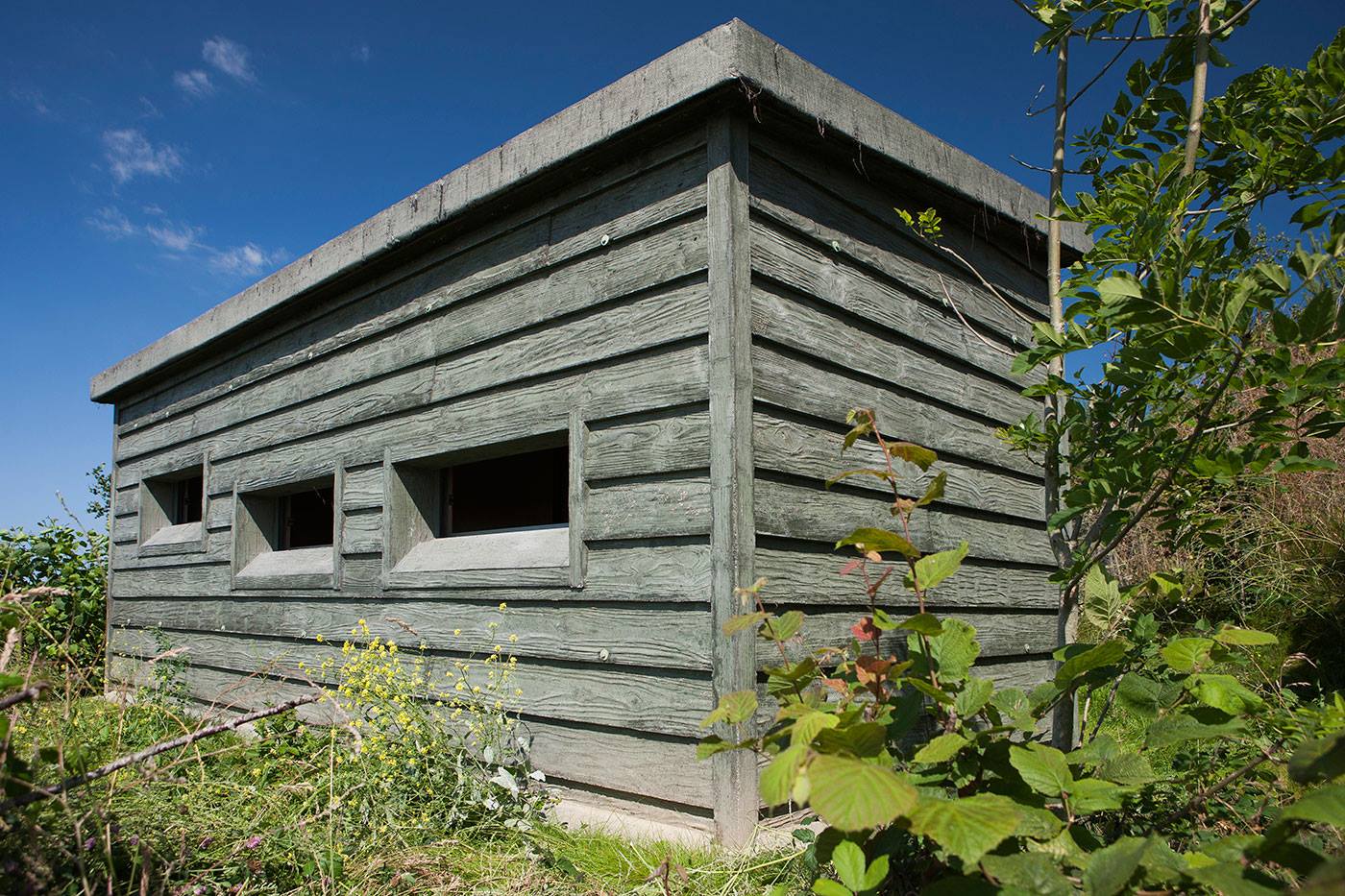
    According to recently released information, the most expensive installation, which was funded by Fingal County Council, was a permanent sculpture located at Balleally Landfill in Lusk as part of The Hide Project. The installation as a whole cost €174,640.

    The sculpture (pictured above) functions as both public art and as a fully functional bird-viewing tower.

    Records released by Fingal County Council also showed that a total of €85,000 was allocated to the commissioning of various 1916 Remembrance installations. This included a statue of Thomas Ashe, a founding member of the Irish Volunteers.

    The most expensive piece of art commissioned by Dún Laoghaire/Rathdown County Council cost €55,500. The same records also showed that a further €12,864 was spent in additional costs including selection processes, events, curation and management costs.

    Records released by South Dublin County Council failed to show individual allocation amounts. However, they did note that no works of art were commissioned between 2013 and 2015.

    By Conor Shields

  • Dude-Fest – Where have all the women gone?

    Dude-Fest – Where have all the women gone?

    We, as Irish people, love a good festival. Every year we wait patiently for the likes of Electric Picnic or Body & Soul to throw out their ever-expanding lists of who’ll be rocking the fields that summer, before spending the equivalent of a month’s rent on tickets, tents and tins of Carlsberg … a typical cycle which we are well accustomed to. However, have we ever stopped to take a critical look at who exactly is playing our festivals? Well of course not, we’re too busy trying to decide which low-cut vests to buy or whether or not Penneys is the best choice for high-quality wellies.

    It’s a sensitive issue and one that has lead to vicious debates on certain online forums, but the notion of a gender gap within music festival line-ups is one that we shouldn’t actively ignore. Are less women being booked to make room for successful male artists? Are festival organisers conscious of this? In order to gauge this accurately, let’s take a look at the line-ups for the past five years of Forbidden Fruit, a popular Dublin music and arts festival which takes place each summer.

    Festival

    After a thorough examination of each year’s line-up, it was concluded that more than 260 male acts were booked for the festival, with only 34 female acts being booked within the same time. Bands and groups comprised of mostly male musicians totalled 19 while two groups which were comprised of mostly female members were booked during the same time period. Groups with a perfect balance of male and female artists came to 14. This shows, as displayed in the graph above, that over 79 percent of acts booked for the festival for the past five years have been solely male while only 10 percent have been female. The question lingers, is this acceptable?

    “As someone who has had experience in working at festivals in Ireland, everything from smaller niche festivals to Electric Picnic, I am not shocked by the current stats on the lack of female performers at festivals,” explained Ellen Clarke, a BA Creative Cultural Industries graduate who has bountiful experience in festival production after working on the likes of Electric Picnic.

    “In my opinion, even the smaller organisations that label themselves as conscious of these recurring issues are still falling into the trap of inviting more well-known male artists to be part of their events because they feel that it will give them the publicity they need. This is creating a vicious cycle which needs to be broken. I am not someone who believes that there should be a 50/50 split in male/female involvement but the representation of the female side is clearly extremely lacking and this, in my view, is not because the right people aren’t available. It’s more about organisers and management overlooking these people,” said Clarke.

    Breaking a cycle such as this one can be a difficult task. Festivals like Forbidden Fruit have been going on for a number of years now, typically run by the same promoters, booking agents, stage managers, etc. What they believe to be the right way of doing things, from booking acts to deciding which style of barriers they’re going to use, will undoubtedly be hard to change. However, we are beginning to see conversation take place surrounding the issue. This can only be positive of course.

    Last March, the popular Irish music blogger Nialler9 publicly voiced his concern surrounding the lack of female artists booked for Higher Visions, a electronic music festival which took place on St. Patrick’s Day in Bellurgan Park, Co. Louth. He openly tweeted his annoyance towards the festival promoters which in turn led to an open online debate with popular Dublin DJs such as DJ Deece and Kaily getting involved. Some praised the blogger for raising the issue, while others were quick to defend the new festival claiming that it wasn’t a conscious decision.

    Recently a local house DJ, Conor Foley, experienced a similar situation when he reiterated Nialler9’s point in the Four/Four music group, an open forum which focuses on Dublin’s nightclub scene, on Facebook. His post wasn’t warmly welcomed and was received with mixed opinions from commenters.

    “From my experience, most promoters are aware of the idea of a gender gap. Some choose to not believe it’s due to anything untoward or in their control such as structural sexism and whether that is due to convenience or not we’ll never know,” explained Foley.

    “Promoters do have a tough job booking the right lineup at the right price as is and often the equality of the lineup is understandably left til the last thought. A booker for the Red Bull stage at Life festival told me recently that one year he had the lineup locked in for the full weekend and only realised then that he hadn’t included a single female, which he regretted deeply,” he continued.

    A similar study was done in the US by Alanna Vagianos of HuffPost where she looked at the gender gap within American music festivals. To quote her, she believes…

    “The root of the disconnect between the number of women on stage and the number of women in the crowd may lie partially in the male-dominated subcultures these festivals were founded out of.”

    Should Ireland follow this example of ignoring the problem and pretend that everything’s all good? For the future of our incredible music scene, let’s hope not.

    By Conor Shields

  • Fingal Graduate Award Winner 2017

    Fingal Graduate Award Winner 2017

    Visual Artist Róisín McGannon has been awarded the Fingal County Council Arts with Block T Graduate Studio Award 2017.

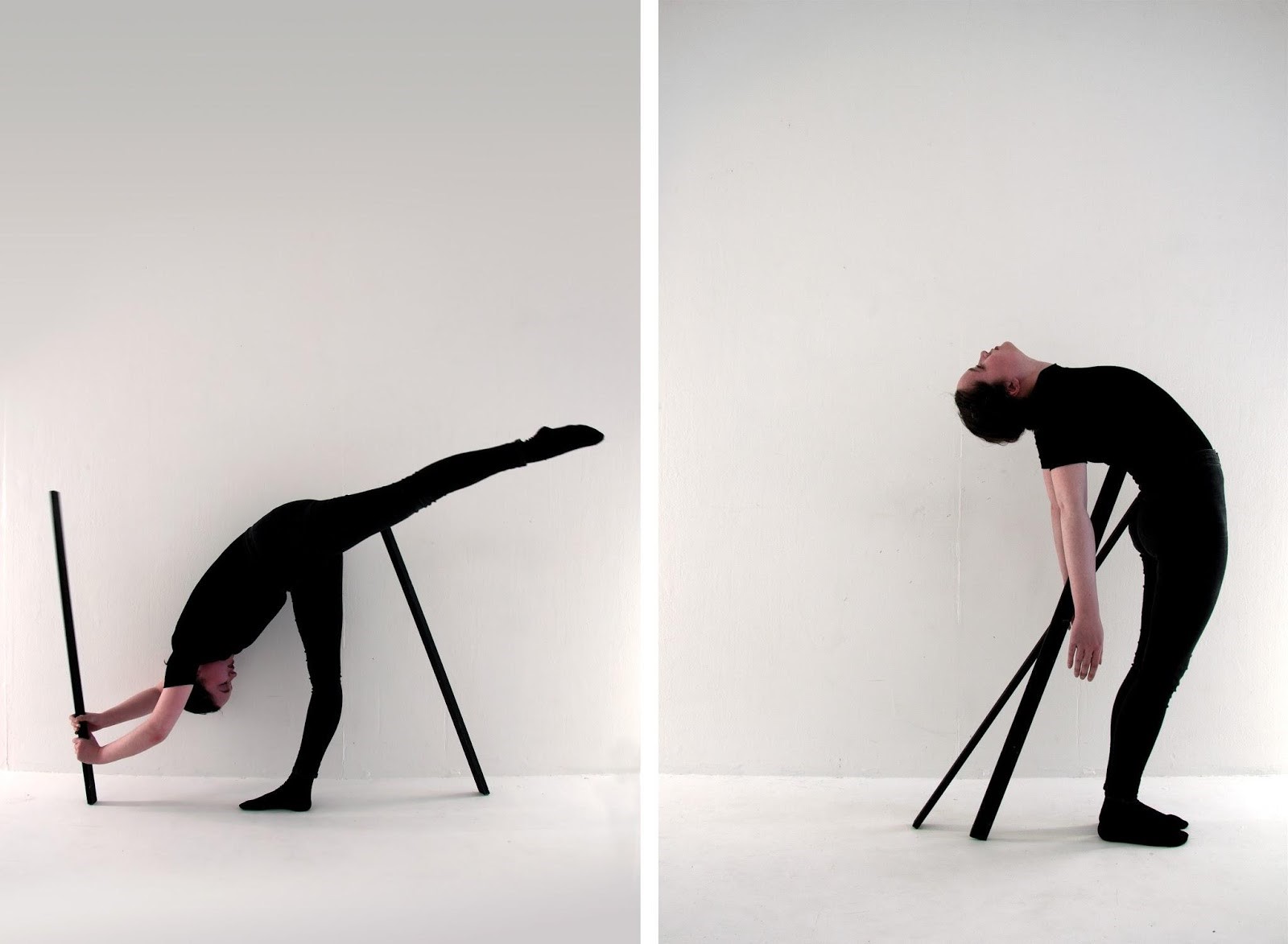
    Róisín McGannon is a visual artist based in Dublin who will be graduating with a First Class Honours Degree in Fine Art from NCAD this month. According to Róisín, her work explores “the acute knowingness we have of our bodies, a causality brought by the activation of the body in space. It attempts to uncover the power balance between the physical and psychological state of being in the body.”

    The Graduate Studio Award winner is awarded with a year’s residence at Block T Studios in Dublin 8, home to many creative events and workshops. Then, at the end of the year, they will have their own solo exhibition; a fantastic opportunity for graduating artists.

    Róisín is determined make the most out of her studio space for the year.

    “It’s one of few opportunities for graduates, so it is very much needed and valued,” she said.

    When asked what her plans will be for the studio space, Róisín said she plans to explore projects she never had the chance to throughout her time in NCAD.

    “My first step is to look back on the work I made during my final year in college, evaluate and critique it, see what worked and what didn’t. I hope to explore thoughts that had to be put on the back burner due to time constraints, to build up a solid body of work. I’ll continue to apply to open calls, hopefully invite curators to discuss my work and bring what I’ve learnt to the show at the end of my time here.”

    The project that won Róisín the award was her degree show in NCAD titled ‘The Insidious Nature of Honey’. The show consisted of an immersive installation made of UV sensitive perspex, a video piece and large scale digital prints.

    Fingal Award 2

    Róisín put an immense amount of time and energy into her show to make it what it was and her efforts were rewarded.

    “I spent the entire year working on a self directed brief. My work is heavily supported by philosophical theory so I spent the first half of the year reading and researching what area of interest I wanted to explore and how to do that in a visual way. The second half of the year was testing and testing, really narrowing things down to be quite specific and then fine tuning that,” she explained.

    When asked for advice for future graduates hoping to win this award or others, Róisín said applying for them all is key.

    “I think when you’re in college you should be aware of the opportunities and awards and definitely apply for them all whether you think you’re able or not, but don’t let them distract or dictate the work. Make the work you need to make, not the work you think you should make. That’s what stands out to people.”

    The Graduate Award is awarded by Sarah O’Neill, the Deputy Arts Officer at Fingal County Council and Chris Cullen, Director of Block T Studios. Graduating artists who live, work, or study in Fingal are invited to apply for the award.

    You can visit Róisín’s website www.roisinmcgannon.com or follow her on Instagram @RoisinMcGannon.

    By Jenna Cox