Tag: dublin

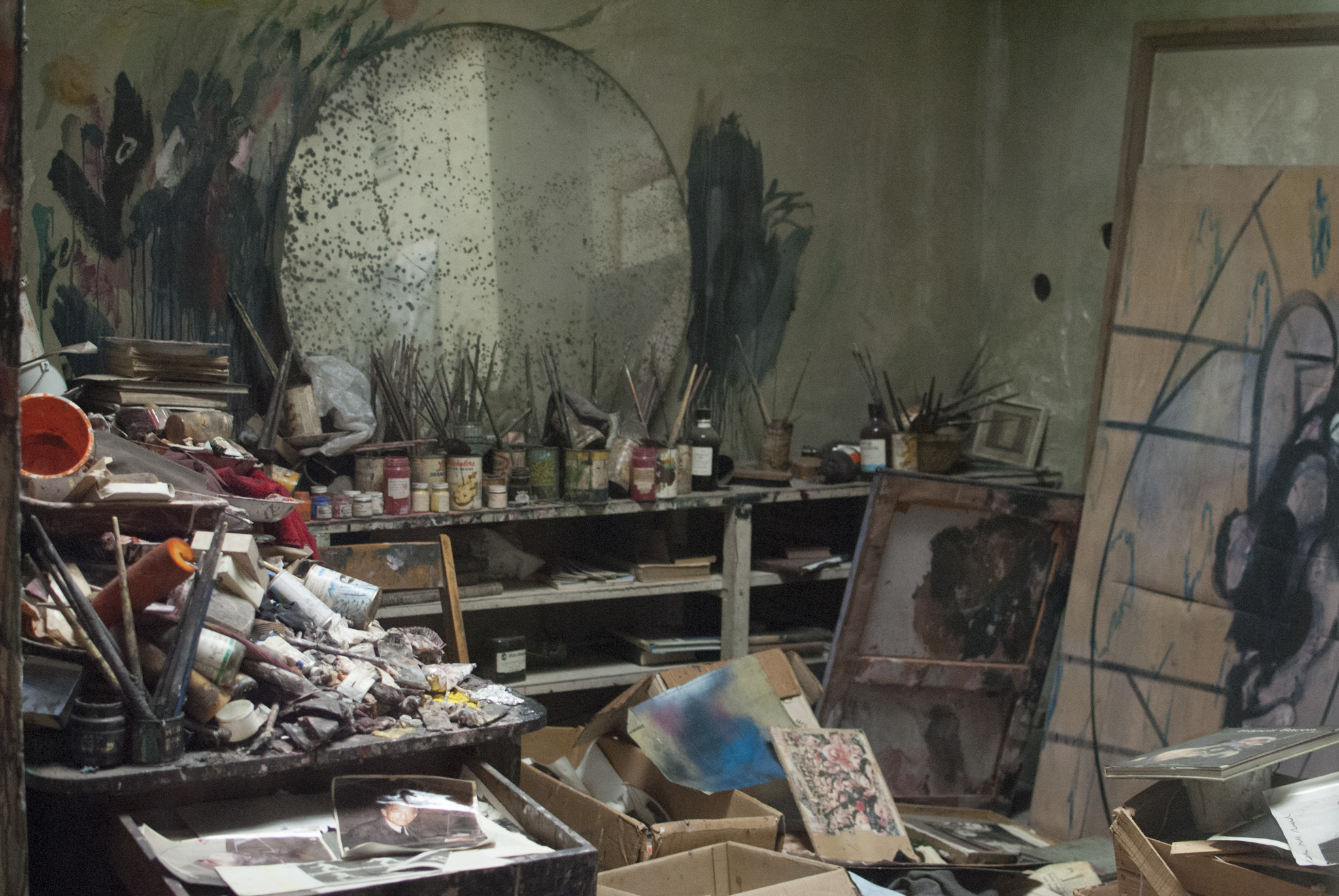
  • An artist’s conception: Francis Bacon’s studio

    An artist’s conception: Francis Bacon’s studio

    This slideshow requires JavaScript.

    Last week, Francis Bacon’s triptych of painter and peer Lucian Freud sold at Christie’s auction house in New York for an astounding $142.4m dollars (€105.8m), breaking the previously held record for most paid for a painting at an auction, Edvard Munch’s “The Scream,” which fetched almost $120m at Sotheby’s last year.

    Francis Bacon is a Dublin born figurative painter whose work is famous for being bold and emotionally raw. Bacon died in 1992, and in 1998 the Hugh Lane Gallery was donated the contents of his chaotic studio in South Kensington, London. The studio was painstakingly reconstructed and opened to the public in 2001.

    In honour of Bacon’s high profile auction sale, Thecity headed to the Hugh Lane gallery, to take a look at the place where the creative process all began.

  • The worst toilet in Dublin

    The worst toilet in Dublin

    The end was near.

    White-hot needles and knives were puncturing my abdomen like a swarm of wasps defending their hive. I had been soldiering on for the past two and a half hours in the confines of public transport but my will was slowly disintegrating; every man has his breaking point.

    I had decided not to avail of the opportunity to relieve myself before I undertook my journey, confident that I could resist the faint urges that my body was whispering to my brain. Besides, I was going to be late for my transport.

    Once we arrived in Dublin my salvation was at hand. I had fallen asleep on the way up and I literally had dreamed of this moment.

    I dreamed of marble floors, golden faucets, silk cloth and porcelain basins.

    What awaited me was more depraved and debased than anything I could have possibly imagined.

    It is said that the lowest circles of Hell are reserved for the violent, the fraudulent and the treacherous. Satan must have forgotten the circle reserved for this toilet when he was drawing up the architectural plans.

    Imagine if you will the most filth-encrusted, degraded lavatory your mind can possibly fabricate, and then multiply it by 52. Even then you probably won’t be able to grasp just how bad this place was. This is the kind of place that homeless heroin addicts avoid out of a sense of self-respect and decorum.

    It almost seemed that the place was alive, its own putridity the lifeblood flowing through its veins.

    Not only that, but that it was proud of how foul it was, and that I wasn’t going to get out of there without leaving a part of my soul behind.

    I felt that I had entered a whole different plane of existence, one where joy and happiness could never exist; a place where the dreams of men crawl into to wither up and die.

    But I didn’t care. I had suffered long enough and my time was running out; armageddon was here and God as my witness I would endure.

    As I entered the cubicle I could almost hear the anguished wailings of the damned howling out of the cistern, begging me to turn back, to avoid the same fate as those foolish enough to have ever considered using this wretched excuse of a public bathroom.

    Ignoring the warnings of the condemned that this infernal lavatory has taken hostage forevermore and never to be released, I concluded my business and hastily made for the sink.

    Looking back, I probably shouldn’t have expected soap considering where I was, but I still did. I was also still disappointed when there wasn’t any in the first, as I should have expected.

    Washing my hands in what was possibly the tears of those who had come before me, I quickly shook my hands and started towards the door.

    The bathroom seemed a lot larger than when I first came in, possibly because in my urgency I didn’t pay much attention to it or possibly because it knew that I wanted to leave and was trying to give itself more time to capture my soul.

    Looking around I saw what suspiciously looked like bloodstains, scraps of tinfoil and in one corner what appeared to be a broken syringe.

    Turning back to the door and pulling on the handle, I discovered that the door was stuck. It wouldn’t open.

    The bathroom wouldn’t let me leave; I was doomed to become another lost soul confined to its decrepit tiled walls. I expected Satan himself to emerge from one of the cubicles with a malicious grin on his face, welcoming me to the secret tenth circle of Hell, found right here in Dublin city centre.

    I tried the door again, to no avail.

    I could feel the damned gathering around me with every second that passed, gloating and laughing at me, laughing at the fact that another poor soul had fallen victim to this infernal place.

    So I tried the door for a final time, opening it with perhaps more force than was necessary.

    Light flooded into the dingy room, vanquishing the shadows dancing with glee on the walls and silencing the cries of the damned. I had escaped.

    To this day I remain terrified of toilets.

    Well, not really.

    But sanitation is pretty important.

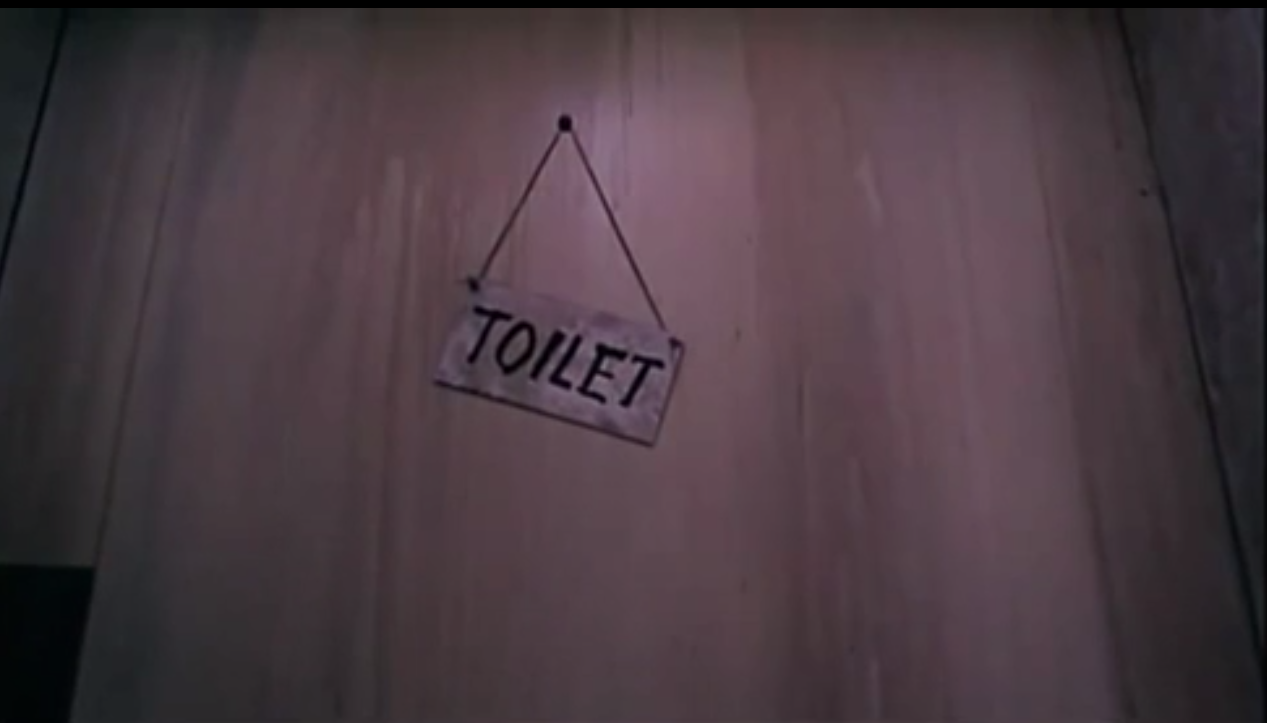
    Screenshot from Trainspotting 1996. © Channel Four Films
  • Festive fun lights up Grafton Street

    Festive fun lights up Grafton Street

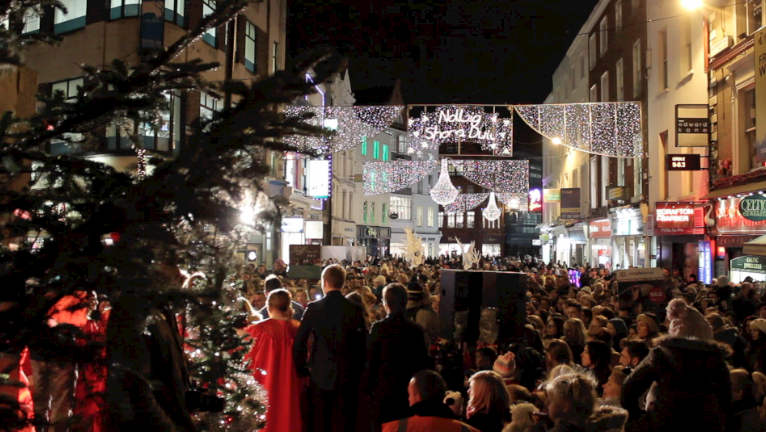
    Spirits were high on Thursday as crowds from all over came out to see the annual turning on of Grafton Street’s Christmas lights.

    This year saw X Factor star Melanie McCabe, along with the Dublin football team lend a hand as the lights were switched on at 5.30pm outside St. Stephen’s Green shopping centre.

    Jack White MC’d the event, while the Hallelujah gospel choir led the crowds in some festive singing.

    A popular tradition among Irish people, previous years have seen Canadian popstar Michael Bublé and Downton Abbey actor Allen Leech do the honors of lighting up one of Ireland’s most iconic streets.

    This occasion marks the beginning of the illumination of Dublin City as Henry Street is set to be lit up on the 17th of November, while O’ Connell Street’s lights will be turned on next Sunday.

    Reporter: Claire Mc Quaid

    Video: Jonathan Crean

    Production: Kay Cairns

  • Falling out of Love/Hate

    Falling out of Love/Hate

    When it ended just before Christmas last year, Love/Hate season three had provided Irish viewers with some of the best television ever produced by the national broadcaster.

    Stuart Carolan had struck gold with his gritty crime drama set on the streets of Dublin.  Drawing in viewers in the hundreds of thousands each week, Love/Hate had the perfect formula.

    Carolan and his team of writers showed no loyalty to characters and were willing to wield the proverbial axe over any star on the show.

    This past Sunday saw the conclusion of season four in the hit drama, and viewers across the country are feeling more than slightly disappointed.

    After the colossal conclusion to season three, fans were expecting another major bombshell this time around.  Unfortunately, this bombshell never came.

    The final episode, as well as the season as whole, is best described as a let-down.  The fourth season followed crime boss Nidge, portrayed brilliantly by Tom Vaughan-Lawlor, as he tries to import a major drug shipment through Dublin port.

    Throughout the six episodes, audiences watched as the Garda drug squad monitored Nidge and his crew.  The stage was set in the final episode for either a major drugs bust which would see Nidge and his “associates” arrested.  When the moment came though, the Gardai, lead by Detective Mick Moynihan (Brian F O’Byrne) made their move to early, and could not pin anything to Nidge.

    Much of the series is based around the importing of drugs through Dublin Port. Image by William Murphy on flickr
    Much of the series is based around the importing of drugs through Dublin Port. Image by William Murphy on flickr

    Many characters throughout the season, who had major roles in the previous season, were brought back simply to play bit parts culminating in them being killed off.  I’m speaking of course of Dano, played by Jason Barry, and Debbie, played by Susan Loughnane.

    In sporting terms, the writers behind season four of Love/Hate bottled it.  They had the potential to create something fantastic, but the series went so slowly, and in such an elongated manner, it suggests that it was written just to set up season five.

    While Carolan and his writers failed to kill off any major characters, the season finale saw two minor characters meet their maker.  Young gun for hire Wayne Cardiff was gunned down by a former friend, while dentist Andrew played by Peter O’Meara was suffocated by Fran (Peter Coonan).

    The deaths of these characters almost make much of the season’s events pointless.  Wayne (Barry Keoghan) spent the majority of the series attempting to hunt down Nidge in order to kill him. However, almost miraculously, all was forgiven and forgotten between the two after a minor run in with the Gardaí.

    O’Meara also had the potential to play a massive role in the outcome of the series, after he agreed to help Moynihan and his drugs squad before being killed by Fran, without the latter even knowing of the dentist’s involvement with Gardaí.

    While the final episode did help to increase the mounting tension between Fran and Nidge, the series never reached the anticipated heights it was believed to be capable of.

  • We’re Not Leaving: Young people rally against austerity measures

    We’re Not Leaving: Young people rally against austerity measures

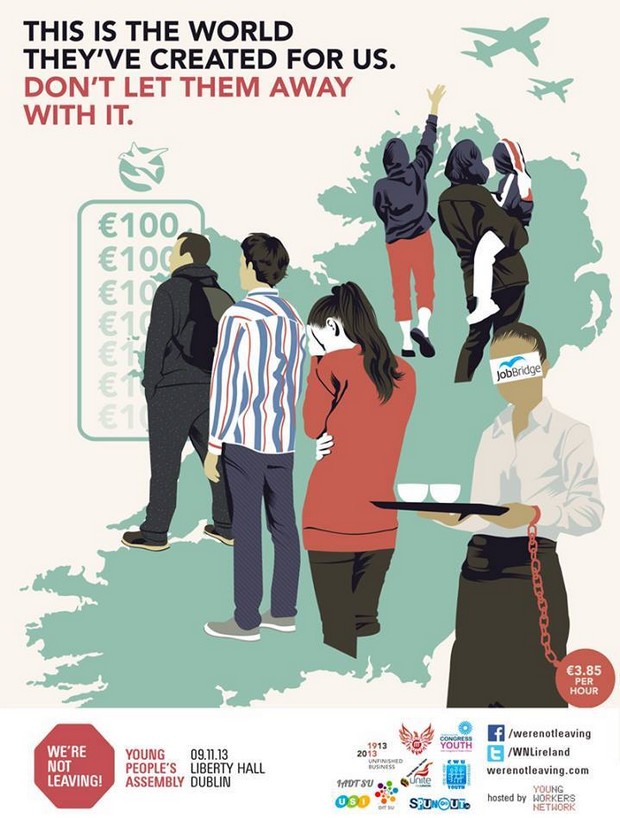
    were-not-leaving-poster

    The ‘Young People’s Assembly’, organised by the We’re Not Leaving initiative and the Young Workers Network, met in Liberty Hall on Saturday to discuss the uncertain future of young people in Ireland.

    The aim of the rally was to draw attention to the plight of those in this country under the age of 25, looking at the impact of fee increases and grant cuts, as well as the problems of housing, mental health and unemployment benefit.

    Nearly 200 people attended the assembly, held between 11am and 5pm and accompanied by the #werenotleaving hashtag, which trended in Dublin and Ireland on Friday and Saturday as word of the event spread.

    Laura McKenna of the Young Workers Network and Shane Fitzgerald from We’re Not Leaving, along with Moira Murphy, opened the debate and called for the youth of Ireland to organise and engage in an attempt to prevent what they see as a concerted attack on young people from those in power.

    “Forced emigration is not a lifestyle choice, it’s a government policy” said Fitzgerald, as letters from the Department of Social Protection advising of jobs abroad were publicly destroyed.

    As well as general debate, there were several helpful talks and inclusive workshops held, the pick of which concentrated on student issues and the raising of third level fees, ran by Joe O’Connor and Patrick Cole.

    The topics of internships and unpaid work-experience were raised, with many of the attendees unhappy with the perceived exploitation of young workers by employers.

    Stronger regulations for landlords were also a main talking point, with those present complaining of exorbitant prices and refusal of rent allowances.

    It remains to be seen what impact, if any, this show of solidarity will have with those who can directly inspire the changes needed.

  • Why save Andy Merrigan?

    Why save Andy Merrigan?

    Every year after the dust settles and the All-Ireland has been won, the attention quickly turns to the Club game.  Local pride, playing with family and friends, the parish team are all at the core of club football, but unfortunately our game’s biggest prize is flawed.

    There are lots of reasons, out of the GAA’s control, that don’t allow the club model to function as well as the county one.  I will look into some of the main reasons why the Andy Merrigan cup is over shadowed by Sam MaGuire.

    Karl Lacey played every single game for club and county in 2012 but only played once in 2013 due to injury .ie
    Karl Lacey played every single game for club and county in 2012 but only played once in 2013 due to injury credit gaa.ie

    1. Staggered championships

    The County Championships are all staggered, depending on when your county exits the race for Sam.  The Louth championship could start in early June whilst the Dublin equivalent won’t begin until late September.  With no fixed start date but a fixed final date it can lead to too many games in short spaces.  When Donegal won the 2012 All-Ireland their club championship was ran off in five weeks, champions St. Eunan’s played eight games in that period.  ‘‘I remember going to games on Tuesday’s and Wednesday’s in the middle of November’’ said Mark Boyle of Ardra.

    2. Bad Conditions

    The club championships are usually played over the winter months, especially the provincial series’.  By playing these games on soft pitches and in desperately cold conditions players don’t get to express themselves as they would do over the summer.  Due to the conditions games are much slower and more players get injured. Leg injuries are ripe in the Provincial Club Championships.

    3. External Commitments

    Should you be lucky enough to prevail in your county and have county players or students on your team, it is nearly a burden.  County players are wrecked after a tough seven months, at least, and both the colleges and schools are just beginning their campaigns.  Also, the selection to play with your province and country are problems as both the Railway cup and the Cormac McAnallen cup squads are being finalised.

    The distraction of playing for your country is hurting the club game. [image: zimbio.com]
    The distraction of playing for your country is hurting the club game. [image: zimbio.com]
    4. Burnout

    A professional Rugby player and/or a professional soccer player gets six weeks off at the end of a season, this time is used to recover and allow the body to relax after a tough season.  The most a club player gets due to one commitment or another is, at the very most, three weeks.  Training for county and clubs starts the first Tuesday in January.  Harry Dawson of Skerries Harps says that he feels mentally and physically wrecked all the time ‘’I find it hard to go training and all I want to do is sleep’’.

    I don’t know whether its a coincidence or a fact,  but if you look at the counties and provinces winning the All-Ireland’s you’ll very quickly see that the club football in those counties is struggling and vice versa.

    The All-Ireland club championship is the pinnacle of every single player’s career but due to the above reasons we are endangering of ruining our game.  The GAA need to reform their fixtures and get a more coherent agenda put in place.

    I have taken the first step by giving GAA president nominee Aogan Farrell a copy of this article.

  • The Dublin Beatles Festival

    The Dublin Beatles Festival

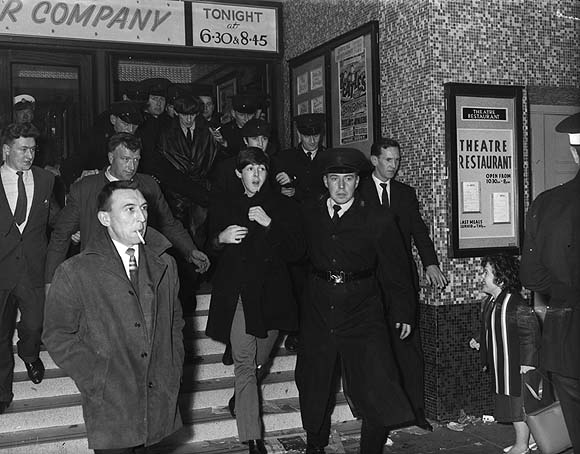
    Strangely, the Beatles managed only one visit to Dublin in their entire career. Credit: National Library of Ireland
    Strangely, the Beatles managed only one visit to Dublin in their entire career. Credit: National Library of Ireland

    The Dublin Beatles Festival will kicked off on the 7th of November for four days of Beatle mania.

    The Festival’s  aim is to celebrate the 50th anniversary of single performance that The Beatles performed in Dublin on Thursday 7 November 1963 at the Adelphi Cinema, Middle Abbey Street.

    The event consists of 20 bands performing over 6 different venues, plus a variety of other Beatles related events.

    Tickets range from €5 to €25 euro for the various different events that are taking place over Dublin city.

    To celebrate the Beatles festival we have complied a list of what we at The City HQ consider the top ten greatest Beatles song of all-time.

    No:10 – I Saw Her Standing There

    No:9 – You Never Give Me Your Money

    No:8 – Rain

    No:7 – I Want You (She So Heavy)

    No:6 – Let It Be

    No:5 – Here Comes the Sun

    No:4 – I Am the Walrus

    No:3 – Twist and Shout

    No:2 – Come Together

    No:1 – While My Guitar Gently Weeps

  • A mature road to recovery

    A mature road to recovery

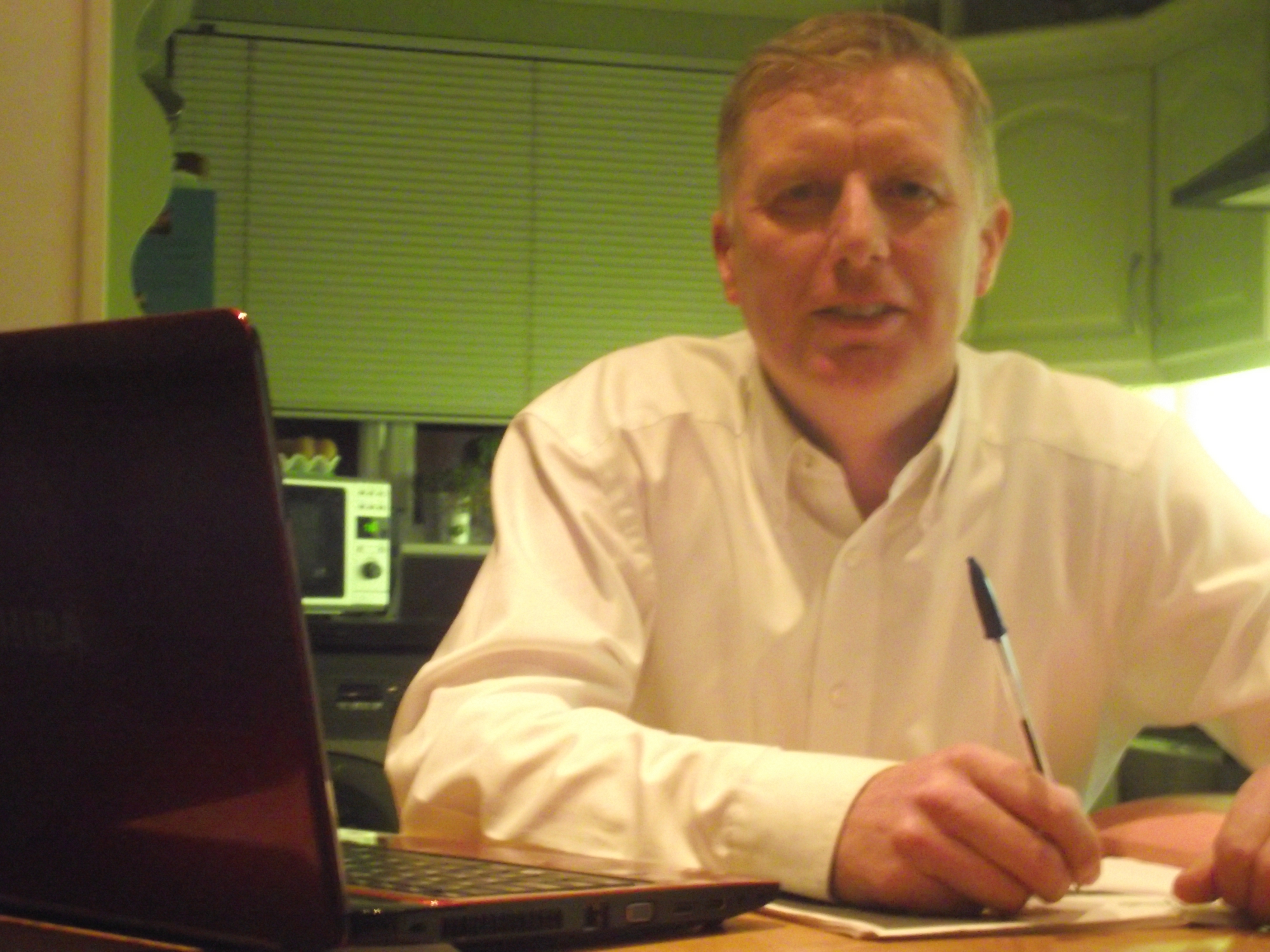
    It’s 6am on a brisk Saturday morning in November, and George Fitzgerald is about to embark on his weekly journey down to Cork from his home in Kinsealy, north county Dublin.

    “When I’ve an assignment due it usually takes up to three or four hours in coursework a night. That’s all on top of the day job, and it’s by no means a 9-5 job either. The hours tend to be very long” says George, as he wrenches open the door of his Audi A4 ahead of another monumental trek south to Cork IT’s Bishopstown campus.

    He’s one of a legion of middle-aged students across the country who are choosing to further their education by enrolling in third-level courses. According to latest Higher Education Authority (HEA) figures, full-time mature entrants now account for 14% of the student body in third-level institutions- nearly 10% more than in 1998.

    DSCF2157
    George attending to some of his college work

    “I could see the need to progress. I was with the same company for 23 years and I’d plenty of in-house training, but for me to progress outside of that I knew I had to get a degree” says George, a customer service manager at Network International Cargo.

    Having completed a diploma in Supervisory Management at Dublin’s IBAT college earlier this year, his workplace is now fully subsidising his current part-time Bachelor of Business in Supply Chain degree course in Cork.

    And he’s not alone.

    According to HEA statistics for the 2011/2012 academic year, 17% of all participants in college courses were classified as mature students (over the age of 23). Of that number, an increasing amount fit George’s description, a fact illustrated by the massive 20% increase in 35-44 year-olds engaged in higher education from 2000 to 2010.

    hea-logo_1

    The accompanying report states that increasing unemployment and vulnerability of employment during recent recessionary times has led to many people who may not fit the profile of a conventional college student to either return to or take up third-level education as a means of bettering their career prospects. That’s definitely how George sees it.

    “It definitely gives you an edge for your career prospects.

    “Not only that, but it’s the stuff you pick up on the course. A lecturer might say something and you can see how that might slot into your own business. Those you’re working for see that you’re not afraid of hard work and putting the extra effort in as well as it being for your own progression.”

    It’s a sentiment echoed by the employers union IBEC, whose recent survey found that 86% of employers involved are providing financial support to staff who are pursuing further education. This is a welcome development as Ireland looks to further solidify its position as a knowledge-based economy, according to Tony Donoghue, IBEC’s Head of Education and Innovation Policy.

    “The only way that Irish standards of living can be maintained into the future is through the development and production of higher quality and more innovative products and services,” said Mr. Donoghue.

    “By 2025, mature students are expected to account for a quarter of all students. The recent economic downturn has highlighted the importance of lifelong learning and workforce development. Jobs are becoming increasingly skill-intensive and this trend is certain to continue.”

    Latest estimates put Ireland 6% above the OECD average of 25-64 year-olds with 3rd level qualifications. HEA Chief Executive Tom Boland said in the organisation’s 2012 report that our colleges are adapting to reflect their changing student body, which George Fitzgerald is most certainly glad to be a part of.

    “I’d definitely recommend for others to do the same as me,” says George. “It’s very intense because I often have assignments due on successive weekends so it’s a difficult workload, but when you know you’re reaching a conclusion and seeing the light at the end of the tunnel, it’s definitely worth it. Just for a personal feeling of achievement if nothing else.”

  • Getting crafty at the Knitting and Stitching show

    Getting crafty at the Knitting and Stitching show

    Last Sunday, the annual Knitting and Stitching show in the RDS came to an end. The Knit and Stitch as it is more commonly known is Ireland’s biggest crafting event and is a must-see for every knitter, sewing and craft enthusiast.

    I have been attending the event since the young age of six and since then it has always been one of the highlights of my year. When the trees began to turn crisp autumn colours and a bitter cold appeared in the air, I knew that this year’s Knit and Stitch was soon approaching.

    It was my talented Mammy who introduced me to the event and she is also the lady who taught me to sew. Every year at the end of October, we would leave Wicklow and head up to the RDS in Dublin. I will never stop being thankful to my Mother for bringing me to this crafty event as it due to her and the Knitting and Stitching show that I am now crazy about crafts. It has influenced every part of my life, even the topics I chose for writing articles.

    There is something magical about the Knitting and Stitching show. I believe the magic is released by the people who showcase their textile art, the skilled crafts people who give classes in their area of expertise and the entrepreneurs who sell supplies from their beautiful shops.

    If it were not for the Knitting and Stitching show, I would have never fallen in love with sewing, learned how to make dolls, clothes, bags and endless creations. I may have never had my eyes open to the art world and began my lifelong love for the arts.

    So now, after spending four proud days working at the event, I cannot help but smile when I see mother’s bringing their children to this wonderful textile show.  Some of these lucky children might just grow up to be Ireland’s next greatest artists.

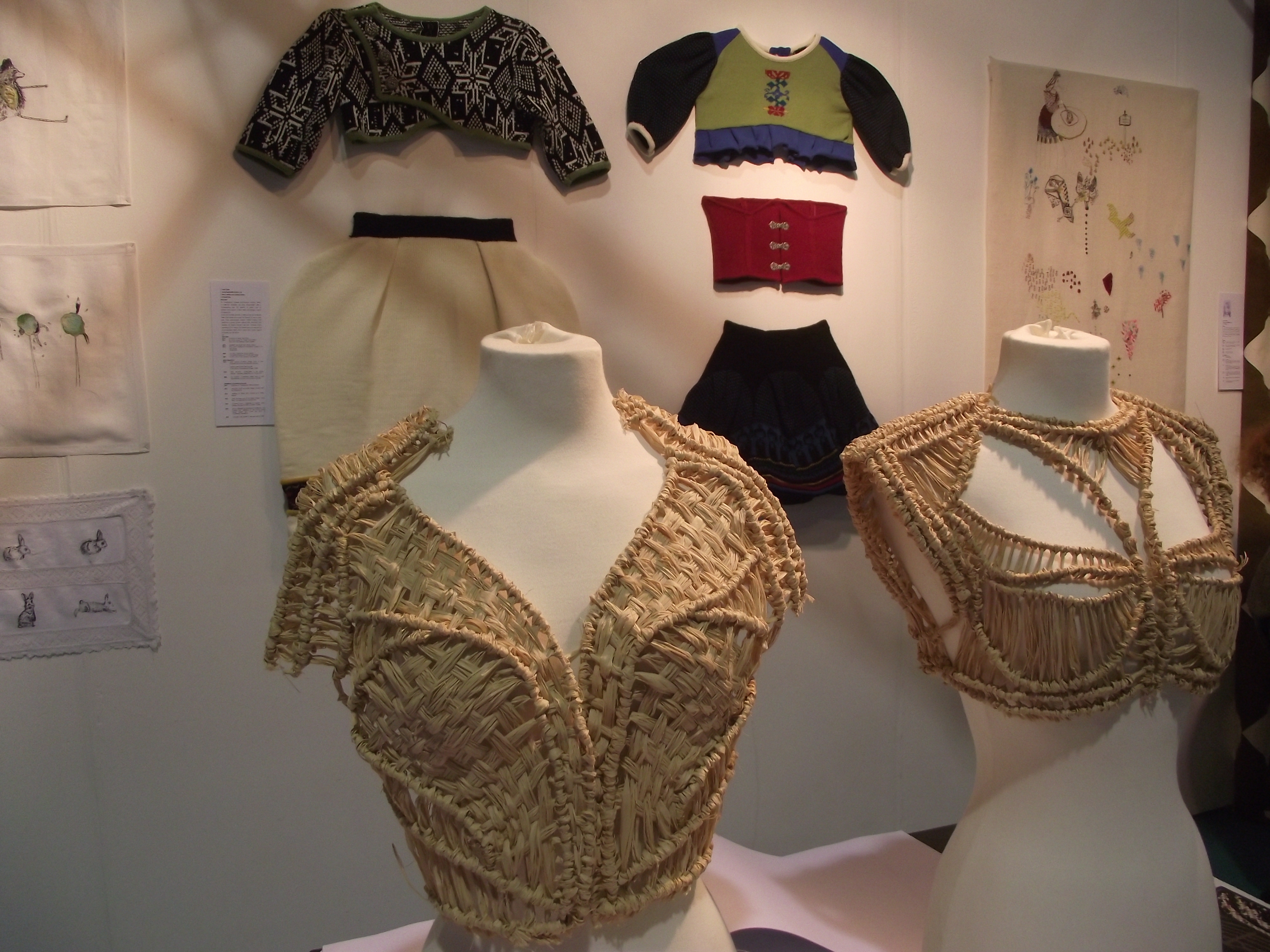
    The City gathered a few pictures Of some of the great art displays and entrepreneurs at this years show.

  • What not to do on Dublin Bus

    What not to do on Dublin Bus

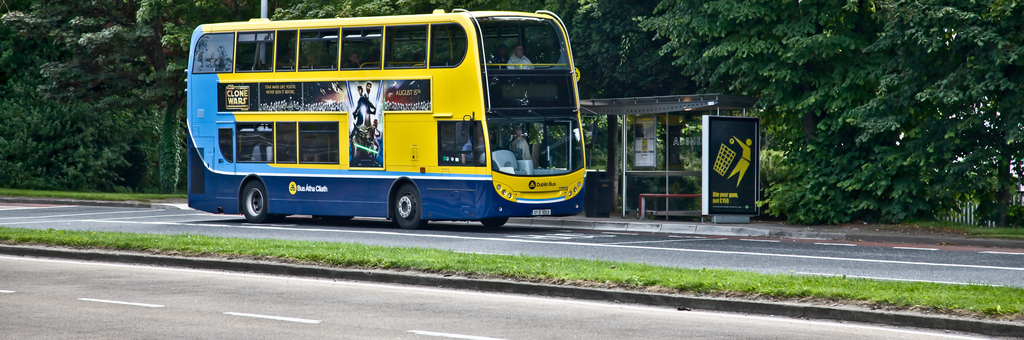
    As someone who takes the bus into the city every day I have grown to adopt certain habits and mannerisms.  I also notice the habits of other people.  I felt it was the right time to compile a list on what not to do when travelling on Dublin Bus.

    1- Don’t play music out loud.

    If you are going to listen to music, make sure to use these. Image by Khairil Zhafri on flickr
    If you are going to listen to music, make sure to use these. Image by Khairil Zhafri on flickr

    If I wanted to listen to music on the bus, I would have brought my own earphones.  A quiet bus is not an open invitation for you to take out your phone or iPod and start playing your music for the whole bus to hear.  Also, just because you are wearing earphones, doesn’t mean you can listen to your music as loud as you want.  If I can hear your music, through your headphones, and even worse, through my headphones, it’s a sign you need to turn it down.

    2- Don’t be obnoxiously loud on the phone.  

    Is it really necessary to be that loud? Image by Martha Soukup on flickr
    Is it really necessary to be that loud? Image by Martha Soukup on flickr

    By all means, have a conversation or phone-call.  No one will have a problem with that.  The problem arises when everyone else can hear every single word you say in this conversation, no matter where they are sitting.  It’s a bus; not O’Connell Street, you don’t need to project your voice.

    3- Don’t take up a full seat during peak times.

    Image by Mark Hillary on flickr
    Image by Mark Hillary on flickr

    During peak times, passengers are usually heading to or from work or college.  Either way, they are probably tired and not looking for hassle.  The majority just want to find a seat and trudge along quietly.  Don’t be the person with your feet up or with your bag beside you on your seat.  The floor is a perfectly fine place to put them.

    4- If it’s cold out, don’t open a window.

    This is not a sign that the window needs to be opened. Image by Susan Sermoneta on flickr
    This is not a sign that the window needs to be opened. Image by Susan Sermoneta on flickr

    It’s a well-known fact that opening the window on a bus does absolutely nothing to cool you down.  However, the passengers in the rows behind you will know all about it. Sitting on a bus with Baltic winds blowing in your face can turn the most upbeat positive people into cynical grouches.  If it is cold outside, or even worse, raining, leave the windows closed.

    5- Don’t light up a smoke.  

    Everyone is trying to get somewhere. Don't be the one who delays them.  Image by DragonLord878 on flickr
    Everyone is trying to get somewhere. Don’t be the one who delays them. Image by DragonLord878 on flickr

    The other passengers don’t care how badly you need it.  Also, don’t try concealing it either.  Firstly, the smell of smoke will give you up straight away, and then, more than likely, the driver will stop the bus until you put it out.  If it’s one thing passengers hate more than sitting in traffic, it’s being delayed by someone on the bus itself.

    6- Try to avoid eating.

    Fight the temptation.   Image by _BuBBy_ on flickr
    Fight the temptation.
    Image by _BuBBy_ on flickr

    I know sometimes it can be hard, but for the sake of the other people on the bus, please don’t eat something.  Now, some foods are acceptable, like sandwiches or rolls, but try not to eat something with a strong aroma (we’re looking directly at you Subway lovers).  The smell just fills the bus and makes everyone else jealous, or angry at you.

    7. Observe personal space. 

    Observe the boundaries at all times. Image by Raúl Santos de la Cámara on flickr.
    Observe the boundaries at all times. Image by Raúl Santos de la Cámara on flickr.

    If you sit down beside someone, remember, you’re sitting beside them.  You’re not sitting on their lap. It is a shared seat, a 50:50 split, not 60:40.