Tag: feature

  • Ashling Nyhan- Balancing Studies and Sports 

    By Kelsey Doogan 

    Photo Credit: Paul Lundy Sports Photography 

    20- year old Dublin Ladies Football star Ashling Nyhan is representing her club, St Brigid’s, at the highest level,all while studying Sports Science and Health at TU Dublin. “From playing myself, I wanted to understand how athletes can get the very best out of themselves physically and mentally,.” said Nyhan.  

    Hailing from Castleknock in Dublin, near Phoenix Park, Ashling told TheCity how she got into sport and what drove her to play at such a high level. 

    “I was kind of nearly forced into GAA when I was younger. I have three older sisters who all play sports and I use to kick around with them in the garden, my oldest sister played underage for Dublin as well. My dad also coached a few underage Dublin teams, and I loved going out to watch their games, that definitely sparked my hopes to play for Dublin.” 

    As children we often brush off memories as our minds are so busy with different thoughts and it’s hard to remember things, but certain memories will live with us forever. Ashling told us about her earliest childhood memories. 

    “My earliest memory is probably playing the Go Games for both the girls and boys teams, I played with my cousin on the boys team which was quite funny as we were very competitive.” 

    The sports stars of today are expected to take on so much in their younger years between representing their school or college, to working a part time job. Playing for their club and doing it all while pulling on the Dublin jersey, and Nyhan is no exception to this trend. 

    “I do find it quite hard to juggle both college and training. Sometimes one has to give for the other to progress. Especially around exam time, I could have a very long training session the night before an exam. Some nights I’id be up late trying to get everything done but it all balances out in the end, so far anyway. I love what I study and the high intensity environment, so it’s worth the balance.” 

    For many of those who are lucky enough to succeed in their sport, it comes at a great sacrifice to their free time. Events and social gatherings often take a back seat as a result. 

    “I don’t really have much free time, but when I do I like to spend it with my family, friends and my boyfriend. I like to try switch my brain off from football the days I have off. I think it’s important to try separate the environments and basically have a life outside of football. I think it helps keep a good mental space for the long season we do end up having.” 

    Photo Credit:  Maurice Grehan 

    The days are long for students like Ashling as they aim to squeeze their busy schedules into a short space of time that comes in a day. Athletes balance more than most adults do in their day- to- day routines. 

    “Typically if I am in season during college, In the morning at 5:45 I work in a gym as a PT so it’s early hours ( I am so bad for early mornings ). I then head into college – the commute isn’t too bad its only around 25 mins to Tallaght. I get home after college around 4/5 and then I head to training around 5/6 ish. Training does go on for quite a while nearly 5 hours sometimes but we’d cover everything from pitch work, gym work, meetings and videos. I normally get home around 10:30pm and then It’s just about switching off and getting ready to go to bed.” 

    Reeping the rewards of a busy life is an amazing incentive to keep going and word through the hard times. 

    “Captaining Dublin at U14 was a really special moment because it was the first time I realised how much I loved leading and being part of something bigger than myself. Making the step up to the Senior panel and pulling on the Dublin jersey at that level was another proud moment ,it’s something I dreamt of as a kid, and to live it is unbelievable and play with some of the girls I looked up to growing up as well was surreal. But I think my proudest was winning the All-Ireland Final this year, I have been to watch the All-Ireland Finals every year, dreaming of doing it myself I never thought it would be possible so to do that with girls I have grown up playing with from u13 was a dream come true.” 

    Photo Credit: Maurice Grehan

    Ashling as achieved so much already in her playing career so we asked her what helped to keep her going and the best piece of advice she ever received from a coach over the years that has stuck with her all this time. 

    “One thing that has stuck to me that coaches have said are “Control the Controllables” –  there’s so much you can’t control in a game or training, but your attitude, your effort, and how you respond to things are always in your hands. I think that helps keep my head when going through the highs and lows of the game.” 

    Life is filled with goals and ambitions. There is life after college and we all take different paths, whether that is continue our studies in another field or gaining a job.  

    “After college I want to do a masters in physiotherapy. Any components of my course that relate slightly to physiotherapy I love and actually understand so well. It has always been an area of interest for me even outside of sports.” 

    Ashling is just one of the thousands of student athletes up and down the country  balancing their busy lives and they are an inspiration to us all.  

    Word Count: 965 

  • How Irish Rugby is Growing Beyond Confines of Dublin’s Private Schools

    How Irish Rugby is Growing Beyond Confines of Dublin’s Private Schools

    By Jamie Ryan

    Rugby is quickly becoming one of Ireland’s most popular sports – but has often been viewed by many as ‘upper-class’.  

    This is because a large majority of home-grown professional Irish rugby players have come up through the school system, which is heavily featured by fee-paying schools – particularly those who rose through the Leinster ranks.  

    The pinnacle of school-boy rugby in the East of Ireland, is the annual Leinster Schools Rugby Senior Cup – which is hotly contested by sixteen teams from across the province.  

    This has been dominated since its inaugural competition in 1887, by Blackrock College with 71 Senior Cup titles respectively.  

    De La Salle Churchtown was the last public school to claim Senior Cup glory back in 1985 – an achievement that has become increasingly more difficult to beat, as private schools have swept up every title since.  

    Back in 2014, the Irish Rugby Football Union (IRFU), appointed former Australian hooker, David Nucifora, as their High Performance Director. Since then, the IRFU have invested heavily in rugby playing private schools across the island with the aim of producing an athlete that is already prepared and has exposure to high intensity and pressure rugby by the ages of 18 or 19. 

    Schoolboy rugby in Ireland has become noticeably more professional in recent years with how these young players are expected to commit, train and diet, while also balancing their education. 

    This has put these players in a great position for when they graduate from schoolboy rugby to adult grades, however, the reason for rugby’s reputation as a posh sport is arguably because of these fee-paying schools having more funds at their disposal to dedicate to their school’s team. 

    This has no doubt played a vital role in many of these schools’ success while also reiterating the belief that rugby is upper-class by many, as the majority of public schools do not have the privilege of this financial backing. 

    European Champions Cup Final 2023 between Leinster V La Rochelle – Photo Credit: Jamie Ryan 

    Ryan McCormack, 18, played rugby right throughout his secondary school days with Temple Carrig, a public school is Greystones, and currently plays club rugby for Greystones Rugby club. “Rugby in private schools is such a culture – the players are given so many resources because they can afford to pump as much money into the sport as they want which adds to the idea that it is a posh sport,” he said.  

    “Blackrock College for example has nine rugby pitches, one of which being an astro turf. They have put so much money into gathering the best coaches and providing players with the best facilities at their disposal. It allows those players to get ahead of the curve but at the end of the day, it is worth nothing unless the player themself is willing to hard work and is determined to make it to the professional rugby scene.” said McCormack. 

    “I have been to many schools’ games with the likes of Blackrock, Clongowes, St Mary’s, and Belvedere and there are always at least three Leinster staff watching out for talent, but for other public schools’ games, there are very rarely Leinster development officers or scouts in attendance. There are far too many exceptionally talented players who have been overlooked due to where they play,” McCormack further explained.  

    While it is difficult to argue against the prioritisation of this focus given the results that have been achieved by the Irish team because of this system, many feel that it can appear from the outside looking in to be elitist and excludes young rugby players from reaching a professional level if they came through the club system or the public school system. 

    While this system clearly produces results for the national squad, it is also heavily catering to Leinster on an inter-provincial front – far more so than Munster, Ulster or Connacht due to the pure quantity of private schools in Dublin particularly.  

    On the island of Ireland, there are 30 private schools that play rugby with 12 of these being in Leinster, 6 in Munster, 6 in Ulster and 3 in Connacht.  

    This rhetoric does, however, seem to be slowly changing slightly in that interest in rugby is at an all-time high in Ireland thanks to the recent success of Irish Rugby in international competitions, but also in club competitions such as the URC, the Champions Cup and also in the AIL (All Ireland League). 

    Jamie Osborne has been one of the most recent examples of a player breaking the mould by rising through the juvenile ranks with his boyhood club, Naas, to now representing Leinster and Ireland but in recent times, playing coming from a non-private school system has been a rare sight.  

    Irish rugby fan Andrew Jones, 23, said: “It kind of sends a message really, doesn’t it? The best way for a player to get to that level is to go to a private school, which is unfair when you consider that where someone goes to school doesn’t tend to be their choice. As soon as that elitist aspect is brought to anything, there can also sometimes almost be a distaste toward the sport itself in certain areas.” 

    Page 19 of IRFU’s Strategic Plan 2018 – 2023: Building Success, Together via IRFU Website 

    The IRFU has over the last number of years, been developing a series of strategic plans to promote growth in the game across the country beyond just the confines of just South Dublin and other surrounding areas’ private schools. 

    The promotion of the game in areas where rugby is not as popular would aid in combatting this ‘posh’ reputation that it currently has, as it would be more freely available for those who want to get involved.

  • Inspection finds warning signs at Cliffs of Moher ignored

    Inspection finds warning signs at Cliffs of Moher ignored

    By Luke Hurson

    An inspection of the Cliffs of Moher walking trail carried out by Sport Ireland has found that some visitors were not equipped for conditions and engaged in reckless behaviour close to the cliff edge.  

    The most recent incident at the cliffs happened on November 9 after a woman’s body was recovered from the base of a cliff in Co Clare following a multi-agency operation. 

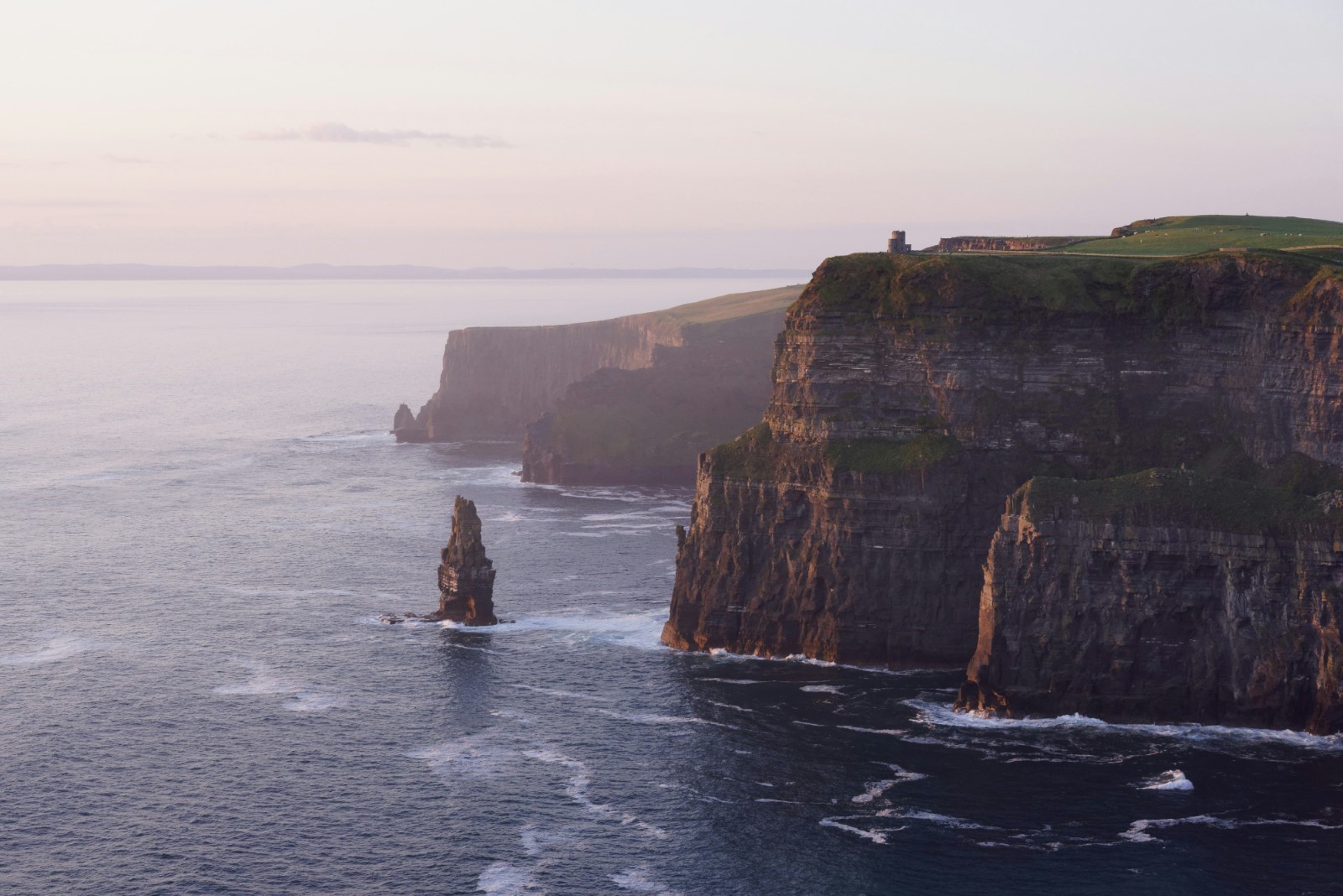
    Featured Image: The Cliffs of Moher. Credit: Unsplash

    Sport Ireland has a responsibility for developing walking trails across the country, and for promoting a variety of outdoor and recreational activities to encourage people to become active outdoors. The organisation conducted the inspection in mid-August. 

    The inspection happened after two young people tragically lost their lives in the area in July. 

    Sport Ireland discovered that a large amount of visitors were choosing to ignore the warning signs and walk dangerously close to the edge.  

    Many of the visitors were straying off the official path due to sections of the walk that were too narrow to cater for the number of visitors walking in both directions. In one case attendees of a humanist wedding were found to be standing close to the cliff edge with their backs to the edge and the water below.  

    The report also found the trail was unsuitable for the type of people it was attracting and that the inspector saw multiple examples of dangerous or risky behaviour. 

    The inspector’s view was that the trail “be closed immediately” to make it safe, according to a copy of the report that was released under freedom of information laws. 

    In a statement sent to The City Sport Ireland said; “Following Sport Ireland’s recent inspection of The Cliffs of Moher Coastal Trail, several safety issues were identified along the trail. 

    In agreement with Clare Local Development Company, which manages the trail, these issues were deemed serious enough to require urgent attention.” 

    The visitor centre at the famous cliffs, along with 800m on either side, is managed by Clare County council, but it does not manage the cliff walk. 

    The coastal walk is managed instead by Clare Local Development Company (CDLC), which is responsible for its maintenance and negotiates with local landowners. 

    Cliffs of Moher. Credit: Pixabay

    Sport Ireland added: “The Cliffs of Moher Coastal Trail is included on the National Trails Register and is on the connected Public Liability Insurance Policy, which is managed by Sport Ireland Outdoors. Sport Ireland Outdoors inspects the trails on the National Trails Register periodically to ensure they continue to meet the required standards. 

    To remain on this register, any safety issues reported during these inspections must be resolved within 30 days of the inspection date. 

    The Cliffs of Moher are a key tourist attraction in Ireland, with the connected coastal trail attracting hundreds of thousands of visitors each year. Therefore, in managing these remedial works, Clare Local Development Company have structured their plans to allow sections of the trail to remain open while other parts are closed for renovations. 

    Clare Local Development Company have successfully addressed all safety issues in the areas of the trail that remain open.” 

    They concluded: “Sections of the trail with unresolved safety issues are now closed to the public until they are addressed.” 

    So how can people be safer when walking along coastal trails? 

    The Royal National Lifeboat Institution (RNLI) is a charity that saves lives at sea in the Ireland and the UK and The City reached out to them for coastal waking advice. 

    A spokesperson from RNLI said; “be wary of all edges around the sea and waterside. Slips and falls happen in all locations; it is not just high cliff edges that are a risk. Always let someone know where you are going and when you expect to be back.” 

    “Take care when walking in dark and slippery conditions. Always take a means of calling for help and always check the weather and tides. Getting cut off by the tide is a common cause of lifeboat launches. Should you get into difficulty or see someone else in trouble, call 999 or 112 and ask for the Coast Guard.” 

    The Irish Coast Guard is another group that saves lives at sea. They are a part of the Department of Transport. The Coast Guard main roles include maritime safety and search and rescue.  

    Below is a clip of the Coast Guard carrying out a rescue on a cliff edge, courtesy of Irish Coast Guard on X:

  • Ireland’s first LGBTQ+ basketball club Shamrock Sióga and its shining light of inclusivity 

    Ireland’s first LGBTQ+ basketball club Shamrock Sióga and its shining light of inclusivity 

    By Gary Petrov 

    Inclusivity and providing a safe space for all participants are core values of sport, especially when it comes to identifying as LGBTQ+. 

    A basketball club in Dublin has been set up this year – aimed at being an inclusive sports environment for members of the LGBTQ+ community, wishing to partake in basketball. 

    The basketball club in question is Shamrock Sióga. Set up in May of this year, it became the first LGBTQ+ basketball club in Ireland. 

    Shamrock Sióga had their first game of the season, last month, against Renegade and won 38-35. 

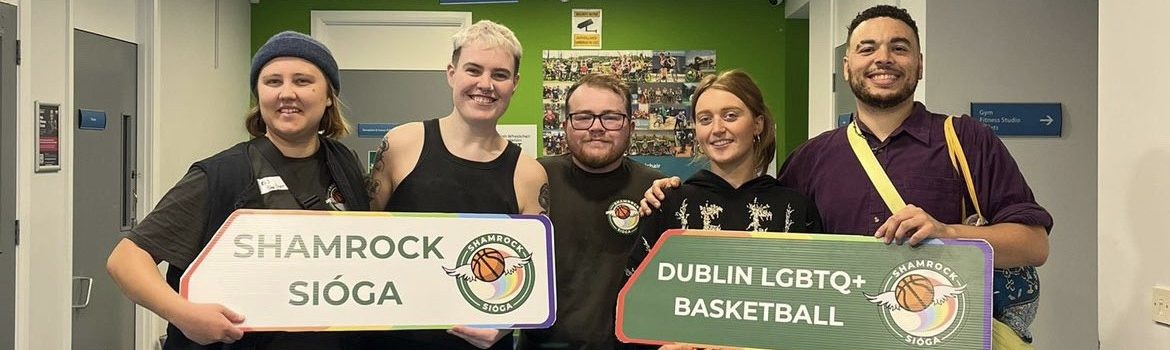
    The Shamrock Sióga team and committee before their first game against Renegades. Photo: @dublinlgbtbasketball 

    Tatiana O’BrienSantos (She/her) is the coach at Shamrock Sióga and gave The City an insight into her experience in the LGBTQ+ inclusive club. 

    “Being the coach of Shamrock Sióga is so rewarding, all of our players are so hard working and give it their all at every session. There is nothing but respect both ways,” she said. 

    Speaking about what Shamrock Sióga means to her, she said, “LGBTQ+ people face their obstacles in life and many times these are in a sports setting. For women and LGBTQ+ people, there is almost always justification needed for their participation and I have felt this personally almost all of my sporting life. I want to eliminate that for everyone.” 

    The coach refers to Shamrock Sióga as the “beginning of history”. She said, “As the first LGBTQ+ basketball club in Ireland, it’s an example – a statement that’s paving the way for all and any LGBTQ+ athletes and any other minority communities, and sometimes you just have to create that space yourself.” 

    Coach Tatiana O’Brien-Santos in her element at a recent training session. Photo: Tatiana O’Brien-Santos 

    When asked about the club’s success since its formation, she said, “Our growth rate and the feedback from our members on how impactful the club has been in terms of helping people feel like they belong and feel confident in a sports context is something I’m so proud that the club has been able to achieve. 

    “We have been featured in national media three times over the last 6 months. We have over 140 people in our club, our followers on our socials have tripled. We played our first ever basketball match and won, we are about to host the first exclusively LGBTQ+ basketball match in Ireland. I couldn’t be happier to see the support we have received. 

    “Being involved in basketball for so much of my life, I wanted to use my knowledge to help fuel growth for the club and get it to where I knew it could be. Within 3 months, we were a fully established basketball club with registered members, a clear structure and a great club culture, something made possible in collaborating so well with the committee of the club who truly work so hard for Shamrock Sióga,” she added. 

    Along with O’Brien-Santos, Shamrock Sióga thrives in its current success thanks to several additional members of a dedicated committee. 

    The Shamrock Sióga committee. Left to right: Kris Kalniņa, Jess Devine, Fionn Collins, Tatiana O’Brien-Santos and Danny Carby-Robinson. Photo: Tatiana O’Brien-Santos 

    Danny Carby-Robinson (He/Him) is the treasurer and registrar at Shamrock Sióga. 

    Carby-Robinson thrives on “connecting with others” and believes in the “power of small-scale community changes – to create a larger impact.”  

    “Being part of Shamrock Sióga has been such a fabulous experience. Having an LGBTQ+ basketball club is super important because it creates a safe and supportive space for people to enjoy the sport without fear of discrimination, judgment or shame,” he said. 

    He believes that everyone brings diverse aspects of being LGBTQ+, which will help ensure their work remains “inclusive, multifaceted, and representative of all walks of life.” 

    He attributes homophobia, transphobia and toxic masculinity in traditional sports environments as factors when considering LGBTQ+ hesitancy with engaging in sport. 

    “As a closeted teenager, I joined a rugby team but quickly became discouraged by the negativity around me during an impressionable time in my life. These experiences left a lasting impact. 

    “Joining an inclusive club has helped me rediscover my love for sports and has shown me the importance of creating supportive environments for LGBTQ+ individuals,” he said. 

    Carby-Robinson hopes for Shamrock Sióga to participate in the EuroGames 2025 in Lyon as the first ever Irish basketball club to do so. 

    “I also want to focus on building a stronger community. I hope to connect more with other queer organisations in Dublin on collaborative events, fostering relationships that strengthen our impact in the broader LGBTQ+ community,” he added. 

    Jess Devine (They/Them) is the club secretary and PR officer at Shamrock Sióga. 

    Devine calls their experience with Shamrock Sióga “life changing”. They said, “It’s a club I didn’t know I needed in my life. Now that I’m part of it, I can’t imagine my life without it. The community that has been built through this club is fantastic. I can’t wait to see this grow and flourish with more LGBTQ+ people.” 

    Speaking about inclusivity in sports, they said, “I think a lot of queer folk in sport would’ve played when they were younger and as they grow up there is no inclusive space for them anymore and they fall out of love with the sport.” 

    “I’ve felt this way in past basketball teams as a non-binary person on a women’s team. I didn’t feel included due to the language, the gendered terms in sport and not feeling safe to come out as non-binary. 

    Devine calls it “crucial” for people to have a safe space where they can be their 100% authentic self, and believes this should apply to sports clubs. 

    Devine’s future hopes for the club are to grow bigger and have an U18s division for queer kids. They’d also “love” to get into “as many tournaments as possible” and represent Ireland. 

    Fionn Collins (He/Him) is the chairperson at Shamrock Sióga. 

    Collins wanted to create a basketball team that “catered for all” in the LGBTQ+ community. He said, “The community we have created is amazing – a safe space for all the community in sports.” 

    Collins feels the club is opening doors for conversations about the LGBTQ+ community in sports. He sees it as a chance to educate people and show that sports is for everyone. 

    In relation to LGBTQ+ people staying away from sport, he attributes this to toxic masculinity – but believes things are “slowly changing” with the help of Sporting Pride and other organisations. 

    Collins believes it’s “super important to have an inclusive sport” – to have “all parts of minority communities” feeling recognised and seen in the sport they want to play.  

    Collins feels that improving inclusion in sports will reduce poor mental health in the LGBTQ+ community. 

    Collins’ future hope for the club is to become as big as other LGBTQ+ clubs in Ireland like Emerald Warriors and Na Gaeil Aeracha.  

    “I want us to also help push policies for our trans siblings within the basketball community, to allow them to be safe and play in the sport,” he added. 

    Kris Kalniņa (She/Her) deals with fundraising and court bookings at Shamrock Sióga. 

    Growing up in Latvia, where the sports culture is “rooted in the rigid traditions of the USSR,” Kalniņa felt isolated there as an LGBTQ+ athlete “as there was little room for openness.” 

    She claims being part of Shamrock Sióga’s committee has been “transformative”. She said, “It’s allowed me to help build a community that prioritises inclusivity and support for LGBTQ+ athletes – fostering connections among diverse individuals who share a love for basketball and sport.” 

    Kalniņa attributes “experiences of exclusion” to LGBTQ+ people avoiding sports and personally felt this way growing up. She said, “The fear of rejection often overshadowed my passion for athletics. Addressing these barriers is essential for fostering acceptance.” 

    “An LGBTQ+ basketball club is crucial for creating a safe space where individuals can express themselves freely while enjoying the sport,” she said. 

    Kalniņa’s future hope for the club is to “challenge the status quo by advocating for inclusivity and equity in sports,” and envisions “participating in competitions, proposing fair rule changes, and inspiring positive change.” 


    _______________________________________________________________

    Coach O’Brien-Santos recently launched Unity Sports, a women and LGBTQ+ sports advocacy organisation. 

    The advocacy group is dedicated to establishing LGBTQ+ and women’s sport through advocacy, education and encouraging attendance.  

    Unity Sports’ logo. Credit: @unitysportsie 

    “It is something I’m incredibly passionate about. My experiences in sport have shown me the power and impact of creating a space where everyone feels they belong,” she said. 

    Unity Sports builds on the basketball coach’s mindset and approach, by “aiming to foster inclusivity and growth in sports,” particularly for women and the LGBTQ+ community. 

    O’Brien-Santos’ plan with Unity Sports is to “provide opportunities for people to be their best selves in sport, and to educate coaches, teams, and organisations on creating environments that truly welcome all athletes – all with the intention to grow the audience of women and LGBTQ+ sports events.” 

    “Whether it’s helping women feel valued in traditionally male-dominated sports or supporting LGBTQ+ athletes who’ve often felt overlooked, we’re focused on building leaders and advocates who can bring real change to sports culture. 

    “I’m creating Unity Sports to break down barriers and reshape what sport can look like for everyone,” she concluded. 

    Shamrock Sióga at a recent training session. Photo: @dublinlgbtbasketball 

    Shamrock Sióga is open to anyone over 18, and welcomes all identities and abilities. 

    You can keep up with everything Shamrock Sióga on their Instagram page here

    Click here to be directed to Shamrock Sióga’s Linktree, where you can access the club’s WhatsApp group or fill out a registration form. 

  • Why are electric car sales continuing to decline? 

    Why are electric car sales continuing to decline? 

    By Luke Hurson

    2024 has been a disappointing year for the electric vehicle market, so far.  

    Latest figures from The Society of the Irish Motor Industry (SIMI) revealed that in September 1010 new electric cars were registered which was a massive 30.8% lower than the 1,460 that were registered in September 2023.  

    16,133 new electric cars have been registered so far, this year, as of the end of September. This is a 25.8% decrease compared to the same period in 2023 when 21,726 electric cars were registered. 

    Brian Cooke the Director General of SIMI commented: “The new electric vehicle segment has experienced another month of decline in registrations, marking the eighth consecutive month of this trend.” 

    “It is vital that we see positive measures from the Government to support the EV project and help reverse this drop in demand for EVs. Reinstating and extending EV supports, as well as investing in a reliable charging infrastructure, can help regain lost momentum in the electric vehicle project. The industry remains committed to supporting the transition to electrification,” he said.   

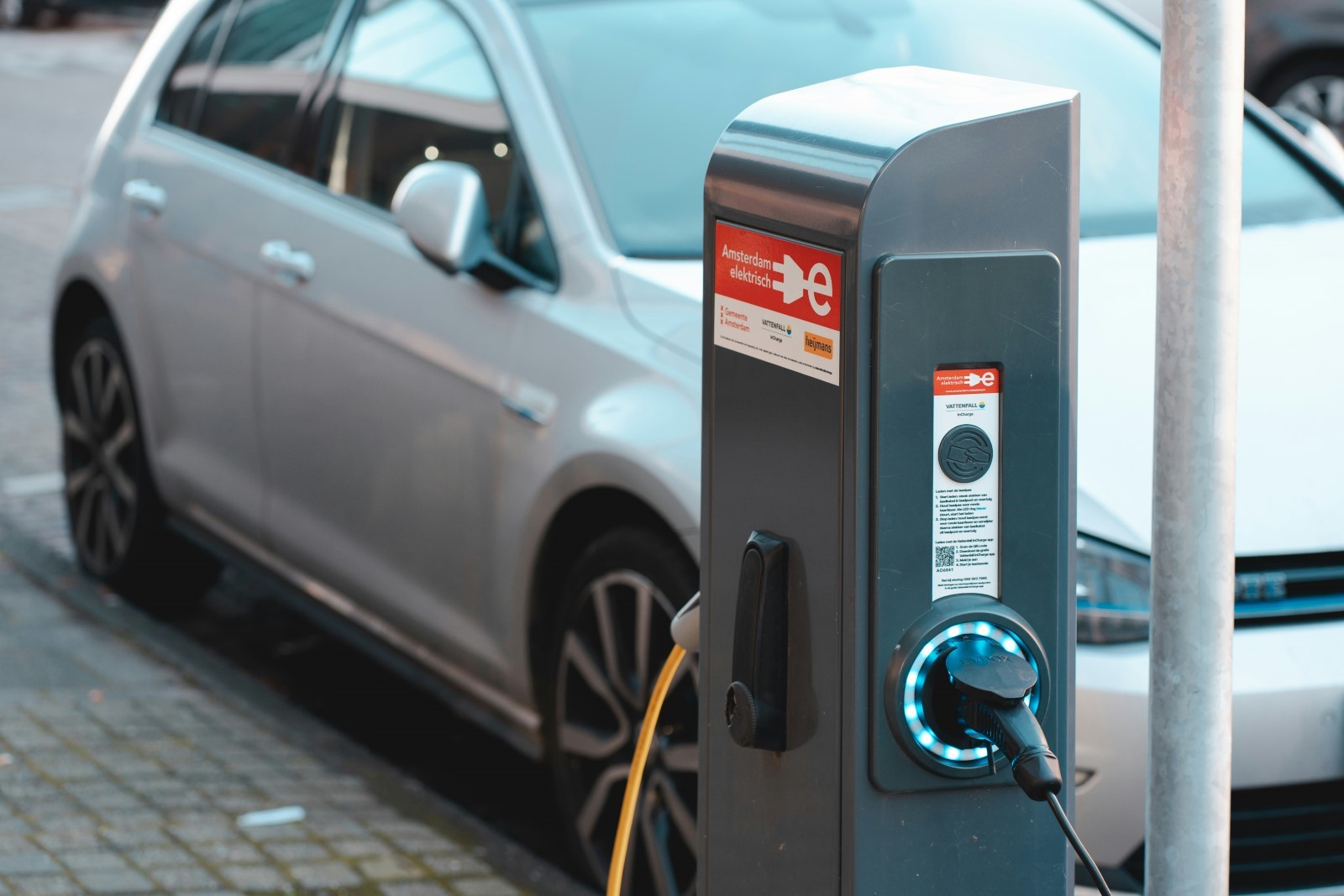
    An electric car charging at a charging station. Credit: Pixabay

    So why has there been such a steep decline this year? 

    In January 2022, the Irish Government got rid of the €2,500 grant for new plug-in-hybrid-electric vehicles (PHEVs). This resulted in a reduction in PHEV sales and an increase in battery electric vehicle sales (BEVs), which was the intention.  

    In July 2023, the Government reduced the grant for new BEVs from €5,000 to €3,500. Although there wasn’t a sudden impact, there is now a slowdown in sales of BEVs, whereas PHEV sales are increasing again. 

    Many people in the EV scene find that it is harder to get the mass market to make the switch to electric compared to the early adopters.  

    The early adopters tend to be more comfortable with risks like range anxiety or queuing at charging points – whereas the mainstream adopters are less likely to be wealthy and are not as comfortable with the same risks. 

    Luke Donnellan, a mechanic for Renault spoke to The City. “A lot of the cars we sell are either hybrid electric or petrol. Not a lot of people are ready to make that change to fully electric yet. 

    “A lot of people are still very reliant on diesel and are very unsure of the range of electric cars, as well, because with a petrol or diesel cars, when they run out of fuel, it’s not a big deal, you can just fill it up and away you go but with an electric car you’re almost stranded. 

    “A lot of people do have that range anxiety and It’s also made harder when there isn’t the infrastructure there to charge all these cars. 

    “A big thing that we’re seeing as well is people trading in their brand-new electric vehicles because they buy the electrics and realise there’s nowhere to charge them and how much it is to charge them. A lot of them realise they can’t charge the cars at work, so then they’re left with these cars where they have to plan everything. You can’t just go do something; you have to plan your entire trip from start to finish and it’s a lot,” he said. 

    An electric car plugged in at an integrated charging station parking space. Credit: Unsplash

    EVs can also provide different mechanical problems to that of a petrol or diesel car.  

    “One thing that we are noticing is because all these electric cars use regenerative braking systems, where they don’t actually use their brakes and they use the slowing down of the wheels to try to charge the battery up – the brakes are getting completely rusted out,” said Donnellan.  

    “Even though they’ve only used 20% of their brake pads, their brake discs are so badly corroded, they need to change their brake pads and discs more frequently than a petrol car, so there’s more maintenance in that sense,” Donnellan added. 

    Hybrid vehicles, however, are rising in popularity. There has been a 12% increase in regular hybrid sales this year, totaling 26,079 new registrations at the end of September.  

    Similarly, there has been growth in plug-in hybrid sales, now amounting to 10% of total sales with 11,766 registrations. 

    Petrol remains the most popular choice for Irish buyers, with 36,339 registrations, followed by diesel with 26,947. 

    More support and infrastructure are needed if the Government has any hope of reaching their target of 845,000 EVs by 2030. 

  • New beginnings for later life: A Dublin nursing home and its journey to maximum resident capacity after nine months in operation 

    New beginnings for later life: A Dublin nursing home and its journey to maximum resident capacity after nine months in operation 

    By Gary Petrov

    As people journey through life, independence can grow and thrive – however, sometimes, in life, and especially as some people get older, independence can unfortunately decline. 

    With a decline in a person’s ability to be independent, comes dependency with everyday issues, that can begin to overpower, to the point where living at home might prove to be unsustainable. 

    Long-term care facilities are a beacon of hope for a person who needs 24/7 care – allowing the person to still be able to indulge in their own life experience, all while in the hands of professional care givers. 

    However, it’s not always an easy journey into long-term care as established nursing homes are more than often full and have waiting lists for potential future admissions. 

    In August 2024, research involving 1000 people was conducted by Coyne Research and commissioned by Nursing Homes Ireland (NHI) and found that six out of 10 people fear for their loved ones being able to find a place in local nursing homes. 

    It was a nursing home in Kinsealy, Co. Dublin, that had the advantage of space and more accessible admissions, for a time – as it was only recently opened, with no waiting list, and with rooms available for anyone in its local community, looking at long-term care options. 

    A short distance from coastal towns, Malahide and Portmarnock, in the tranquil countryside setting of Kinsealy, Woodlawn Manor opened its doors in February 2024 to less than 10 new residents requiring care facilities. 

    The entrance to Woodlawn Manor on the grounds of St. Doolaghs Park in Kinsealy, Co. Dublin. Photo: Gary Petrov 

    With a maximum capacity of 97 residents, Woodlawn Manor had space for new residents for a total of nine months, before reaching its maximum capacity earlier this month. 

    Teagan MacAodhagáin is the Director of Nursing at Woodlawn Manor and has worked exclusively in elderly care since graduating as a nurse, and has been a Director of Nursing since 2018.  

    “We’re very passionate about what we do,” said MacAodhagáin. “The core team, myself, the clinical nurse managers, reception administrators and that – we really live by our motto ‘Care is what we do’.” 

    Teagan MacAodhagáin, Director of Nursing at Woodlawn Manor. Photo: Courtesy of Woodlawn Manor. 

    “I always tell my staff that the standard of care is what you want for the person you love most and anything less than that is falling below the standard that we should have. I think that’s important, that that’s what you aim to deliver – you try and achieve that.  

    “Some days the tea might be cold when it arrives, or the laundry might be a bit delayed. Things will happen with human error and various things, but if you’re aiming for something you would like for the person you love most, then I think you’re going to do a good job, nine times out of 10. 

    “We have filled up remarkably fast. I’ve been involved in a number of new nursing homes, and I would be familiar with nursing homes opening up. It was faster than what would’ve been expected, perhaps, given the number of nursing homes in the locality. What has led to that? Definitely, I think the setting, the setting is beautiful. The countryside and sea-views. Having a brand-new purpose-built facility was also very helpful. That had a big attraction, early on.  

    “Internal factors – assembling a good core team at the beginning. I hired people I was familiar with and people I worked with before – people I knew. It wasn’t a brand-new venture with lots of people pulled into it. It was a team that knew each other and worked together before. We knew one another and knew how we worked together.  

    “Having a dedicated admissions nurse helped, a role I created for the first year – which was really important and instrumental in filling the place up. Someone who was out doing assessments, being a point of contact for all. 

    “It was a little bit daunting to have 97 rooms and the onus to fill them, but not having to have a waiting list, it was really nice. It was great to not have to turn anyone away. To be able to take people for respite, short-term care, to take people who were at the end of life and needed a few days of care while passing. It was nice to be able to do that,” he said. 

    Staff from the dedicated team at Woodlawn Manor. Photo: Courtesy of Woodlawn Manor 

    Since reaching maximum capacity this month, MacAodhagáin discussed the inevitable shift in the admissions process saying that they are starting their waiting list now and new admissions will only be selected from the waiting list when a room becomes available. 

    MacAodhagáin said he must “give credit” to Woodlawn Manor’s admissions nurse Camelia Ganea, who is also a clinical nurse manager in the facility – for her “marvellous” hard work all year as they welcomed their new residents.

    Staff at Woodlawn Manor during a fire brigade visit, where they discussed safety procedures for their residents, in case of emergencies. Photo: Courtesy of Woodlawn Manor 

    Since 2018, at least 77 nursing homes have closed around Ireland. Of that number, 10 closed in 2023 and seven have closed this year to date. Last month, Nursing Homes Ireland said that this is due to a mixture of rising operational costs and Fair Deal Scheme pressures. 

    When asked about the issues and worries surrounding nursing home closures in the country, MacAodhagáin said, “From what I know, the nursing homes that have closed down have been smaller, family-run nursing homes.” 

    “Standalone nursing homes, or the building might be old and isn’t up to the current regulations. Fire regulations and things like that have become, and rightly so, more stringent and more in depth of what’s required. For older buildings, they can be a very large cost implication, to bring them up to the standard that’s required. 

    “I’m also aware of lots of larger companies opening more and more homes or buying homes. I do think there are homes out there, all-right,” he said.

    Woodlawn Manor’s new purpose-built facility was built adjacent to an existing manor on the grounds of St. Doolaghs Park. Photo: Gary Petrov

    Something that can naturally accompany a person being placed into long-term care is the emotional element for their family, ending their chapter of life with their loved one in the family home. 

    Patrick Maguire recently placed his spouse into long-term care and chose Woodlawn Manor. “When the time came to put my wife into long-term care, my family and I, while coping with the emotional aspect of it, feared it would be a race against time with her individual case, to find a nursing home in the local community that tended to her needs, with a vacant room available as soon as it was needed for her,” he said.  

    “With all of the organising and preparing of affairs that comes with this difficult choice of accepting that your spouse can no longer live independently at home, it was daunting for my family and I to go and view nursing homes in my local area and be told that they are currently full and that they have waiting lists that I could add my wife’s name to. 

    “Not everyone has time for waiting lists and we didn’t. Woodlawn Manor was a God send. After enquiring about several nursing homes, my family and I rushed to view it as soon as we were made aware of it having less than 10 residents, at the time. 

    “We were very impressed and acted quickly. We were then able to have my wife in their care within a few days, after the necessary admission paperwork was done. The process worked out well for us in the end, and I say that delicately, because her condition proved for living at home to no longer be an option. However, luck played a huge part as firstly, we liked the nursing home for my wife, and secondly, the nursing home had room. 

    “The difficulty of finding a local nursing home with a vacancy, and one that is suitable for your loved one’s needs, is a task in itself – on top of all of the emotions and pain that comes with accepting the reality of it all. 

    “We were lucky to have a difficult journey made easier with Woodlawn Manor not being full, but when the time comes for people nationwide, not many will find themselves with a new nursing home nearby, full of rooms at their convenience for them or a loved one,” he said. 

    The exterior of the newly built facility in St. Doolaghs Park. Photo: Courtesy of Woodlawn Manor 

    Asking the Director of Nursing what he would say to someone looking at Woodlawn Manor as a long-term care option for a loved one, he referred to their motto and the feedback they have received since opening, and said, “Our motto is ‘Care is what we do’, and I came up with that motto because care is what I’m really passionate about. Firstly, we’ve been told that it’s a very calm and homely environment. Secondly, people most commonly say that the staff really care.” 

    “As the Director of Nursing, it makes me very very proud that people can see that the staff genuinely care about the residents. I think that’s what we have to offer. When you care, you go the extra mile for the residents. This is their home and their time with us is perhaps the last time they’ll have anywhere – and we want it to be good, we want people to feel at home. We want people to be cared for and cared about,” he said. 

    Woodlawn Manor offers residential nursing care, respite care, convalescence care, dementia care and end of life care. 

    Useful resources from Nursing Homes Ireland on choosing a nursing home can be found here

  • From a Motorbike to Medical School – Rashid Omondi’s Remarkable Journey

    From a Motorbike to Medical School – Rashid Omondi’s Remarkable Journey

    By Dearbhla Kiarie

    At just 19 years old, Rashid Omondi is on the brink of fulfilling a lifelong dream—studying medicine at an Irish University, University College Cork (UCC). Hailing from the coastal town of Pangani, Tanzania, Omondi details the inspiring story of not only his personal ambition, but the unwavering support of his community. 

    Omondi’s passion for medicine began at just seven years old, when he witnessed local doctors helping his sister after she suffered a stroke. The young man describes this as “the moment he knew he needed to pursue higher education”. 

    Together with his parents and teachers, Omondi soon discovered that Ireland was the place to be when it came to medical education.  

    “I didn’t know where to start but my teachers told me it would not be easy, especially for someone from my situation,” said Omondi.  

    In fact, the financial burden of moving to Ireland nearly forced Omondi to abandon his dream, but he was met with support from his family.  

    “My father told everyone about our situation and immediately my wonderful community started to help,” Omondi said. 

    Omondi’s family bike. Photo: Rashid Omondi 

    To fund his dream, Omondi made a heart-wrenching decision: he sold his family’s only mode of transport, a beloved motorbike. 

     “It was a tough choice, but my parents knew it was necessary for my future,” he said.  

    For the next two years, his community rallied around him. Friends and family organised fundraisers, offering rides to tourists who were visiting the coastal town, as well as selling handmade jewellery and carved wooden animals. 

    Handcrafted items for sale in Omondi’s town. Photo: Rashid Omondi 

    “The support was and still is incredible,” Omondi says.  As the funds began to accumulate, Omondi worked tirelessly on his studies and became the top-performing student in his region.  

    “When I applied for UCC, I had no idea how it would go,” he said. “I was told not to get my hopes up because there are thousands of smart kids out there. But I believe God was guiding me through.” 

    Omondi explains how he was not accepted into any Irish universities the first 

    time around, but that did not discourage him from applying again: “If anything, it was a relief to know I had some more time to learn about life in Ireland and to raise as much money as possible.” 

    The following year, Omondi’s dream became a reality when he was officially accepted into UCC. 

    The decision to uproot his life was one that took some time and reflection, leading the young student to defer his studies for a year. Until he begins his medical degree in Cork next September, Omondi plans to learn as much about Irish culture as possible.  

    “I felt nervous at first but now I have heard from many of the tourists here that the Irish are very welcoming,” he said. 

    Omondi continues by expressing his gratitude to his friends and family for making his lifelong dream a possibility. “Every class I attend, I will think of them,” he said. “I want to make them proud. My success is their success.” 

    Looking ahead, Omondi envisions a future where he can return to Tanzania, equipped with knowledge and skills to improve healthcare in his community.  

    Rashid Omondi’s story is a powerful reminder of the impact of community, illustrating that with determination and support, anything is achievable.

  • ‘It was amazing and infuriating’: Designing Mark Porter’s Life 

    ‘It was amazing and infuriating’: Designing Mark Porter’s Life 

    by Diana Lazar

    Award winning and one of Europe’s most renown editorial designers Mark Porter lived in Scotland until he was six years old, after which he moved and grew up in the south of England.  

    “I love Scotland and I might move back there one day, but I haven’t lived there since I was very small,” Porter said.  

    His father’s engineering background was one of the reasons Porter got interested in art and design.  

    “Before computers, my father used to do engineering drawings at home. He had a drawing board and technical pens. I started doing drawings using his beautiful pens,” Porter said. 

    A technical pen, also known as a Rapidograph pen. Source: Pexels 

    While at school, Porter worked as a labourer on the construction of a motorway near his home. 

    “We were a middle-class household, so I got to meet different people who I normally wouldn’t have met. It’s made me be grateful for being able to make a living doing what I do, knowing people have much tougher jobs than I do. 

    “I tried to keep it quiet, but it came out that I was going to Oxford, and I thought people might resent that, but everyone was lovely and told me that they’re grateful I’m not going to do what they do for the rest my life,’” Porter added. 

    Porter studied modern languages at Oxford University. He lived in Spain for a year as part of his course, teaching teenagers English.  

    “It was a very small town. It wasn’t glamorous. There were no other British people there and I had to speak Spanish all day, every day, so at that time I spoke fluently. I used to dream and think in Spanish. It was weird,” he said.  

    Porter got his first design job on a magazine about wine, selling advertising to Spanish winemakers.  

    “I hated being a salesman, but I was interested in design. It was a very small magazine, and it was pretty badly designed, so I redesigned it, showed it to the editors, and they decided that they liked it better than what they had. That was just enough to get me a job on a proper magazine,” he said. 

    His next job was for Expression which was a magazine for people with American Express cards.  

    “It was a professional setup with good art direction and good budgets to spend on photography and illustration. When I was there, I was conscious that everybody else had been to art college and I hadn’t, so I had a lot of imposter syndrome. I expected people to say, ‘you’re not a proper designer, get out of here. 

    “I learned an enormous amount there and went on to work on a lot of other magazines, which is how I really learned my trade,” Porter added. 

    Source: Pixabay

    Porter had a personal relationship with The Guardian before his redesign of it got named best designed newspaper in the world.  

    “My dad used to read The Guardian and we would do the crosswords together, so when I came to redesign it, it was quite emotional for me because I had the memories of growing up with my father as a Guardian reader,” he said.  

    When he was younger, Porter looked up to the idea of getting a D&AD (Design and Art Direction) Award.   

    “The awards looked like stubby pencils. My art director from Expression had a few of them in his office and I used to think ‘wow he’s really made it.’ When I was still doing The Guardian magazine, before I took over the whole newspaper, I won a D&AD award. A yellow pencil. That was the moment I thought ‘okay, I can really do this’ because that was the symbol to me of what a proper designer was. 

    “When I did The Guardian redesign, I won a black pencil (the most prestigious D&AD award; reserved for ground-breaking work), which was unusual because they only give out one or two a year. Then, I really thought I had made it. That was probably the most important project of my career because it’s what gave me the reputation and profile which enabled me to do other things,” he added.

    Mark Porter in the TuDublin recording studio. Source: Diana Lazar 

    The rise of digital media has changed his career in more than one way.   

    “I enjoy doing digital designs but it’s a very different kind of challenge. Now that you see everybody’s work all over the world, it’s hard to do something new. With almost everything you do; someone can find some project from Brazil or Vietnam that looks a bit like what you did,” Porter said. 

    Porter had a roller-coaster journey working with the late Tibor Kalman.  

    “It was amazing and infuriating. He was quite a temperamental and difficult guy, like a lot of geniuses are, so he drove me crazy. We had a layout in Colors that we ended up doing 17 different ways because he kept saying we could make it better and, in the end, he concluded that the first one I did was the best. 

    “He was full of brilliant ideas. He changed the ways I thought about design, the way that I judged my own work and the purpose of what I was doing,” he added. 

    Porter shared some of his experiences of working with journalists. 

    “It always amazes me how obsessed journalists are with credit. What they care most is about getting their name at the front of a newspaper. When I was working at The Guardian, most of the journalists cared about what the people at The Times thought about what they’re writing, not what the audience thought. Sometimes, I have to remind people that they’re working for the audience, not for themselves,” he said. 

    Porter had some advice for anyone starting out in the creative media industry. 

    “Be as adaptable as you can and go into things with an open mind. When I started off my career, it was all print and I thought it was never going to change. The other thing is to try to work with the best people that you can because that’s how I built my career. I was lucky as a junior designer to work with great creative directors. I didn’t get my design education in college, but I did in business,” he added.  

  • Diwali- The Indian New Year

    Diwali- The Indian New Year

    Diwali, (festival of lights) is a popular Hindu festival which celebrates the triumph of good over evil is celebrated in conjunction with the Hindu New Year all over the world. 

    By Nimra Ahmed 

    ‘Diwali’ or the ‘festival of lights’ is a religious festival for Hindus and ties in with the Hindu New Year. It is celebrated by Hindus, Jains and Sikhs. Diwali means ‘row of lights’ in Sanskrit. It is a five day festival between October and November depending on the moon sighting. Diwali is generally a time for visiting family and friends, exchanging gifts, wearing new clothes, feasting, feeding the poor, and setting off fireworks. Diwali represents the triumph of good over evil, light over darkness and wisdom over ignorance.

    For the Hindus, it stands for different traditions in various area. In the north of India, it symbolizes the victorious return of Prince Rama with his wife, Sita, and brother, Lakshman, from a 14-year-long exile and war. People of Ayodhya lit lamps along the way to light their path in the darkness. In the south, it is the day Lord Krishna defeated the demon king Narakasura. In western India, the festival is the day that Lord Vishnu, the Preserver (one of the main gods of the Hindu trinity) sent the demon King Bali to rule hell.

    For the Jains, Diwali is the day when the last of the Jain Tirthankaras, Lord Mahavira, reached nirvana, also known as complete knowledge and enlightenment.

    For the Sikhs, Diwali is a story of the struggle of freedom because  it celebrates Guru Hargobind’s, (the sixth guru) victory from Emperor Jahangir, who had him imprisoned and 52 other princes with him, in 1619. Guru Hargobind did not leave the prison for freedom until he was able to take the princes with him.

    Diwali- by Nimra Ahmed.

    Many consider Diwali to be a fresh start, similar to the Lunar New Year in January. Many people clean, renovate, decorate their homes and buy new clothes in preparation for the upcoming year.

    The ‘Tilak ceremony’ is where the hosts apply a red ‘Tilak’ (made of red paste) on the forehead to welcome and honour guests. 

    The colours for Diwali are: Red, Yellow Magenta, Blue . Rangoli’, which means “an array of colours” in Sanskrit. Rangoli is a tradition that dates back nearly 5,000 years to the Aryans. 

    Rangoli has different names depending on the  Indian state and culture. They are usually made outside the main entrance, in the early mornings after cleaning the area as a welcoming gesture to the Gods for good luck. Rangoli designs are bright, colourful and beautiful made using rice, flower petals or coloured sand. Rangoli is intended to welcome Lakshmi (the goddess of wealth and good luck) into their homes and lives. It represents the happiness, positivity and liveliness of a household.   

    During Annakut,  people prepare and offer a large variety of vegetarian food to Lord Krishna as a mark of gratitude. There are 56 different dishes. Annakut means ‘mountain of food’. The story behind it is that Lord Krishna saved the people from torrential rain by lifting Govardhan Hill as shelter, so the ‘mountain of food’ represents the hill and the food represents the people’s gratitude towards Lord Krishna. 

    The national Indian dress for men is Kurta (shirt) and pajama (bottoms). Kurta is a long loose shirt, which falls below or may be just above the knees. It used to be worn by men but now it is a uni -sex dress. For the women it is the sari. There are many other traditional dresses depending on which area of India you belong to. The word ‘sari’ comes from a Sanskrit word meaning ‘strip of cloth’.  

  • World Book Night 2020 — rediscover the power of words during lockdown

    World Book Night 2020 — rediscover the power of words during lockdown

    April 23 marks World Book and Copyright Day – an annual event created by the United Nations Educational, Scientific and Cultural Organisation. TheCity.ie’s Ayumi Miyano took advantage of lockdown to rediscover the power of reading, using solitude as an opportunity.

    In Paris in 1995, UNESCO selected April 23 as World Book and Copyright Day. This date also marks the deaths of prominent authors William Shakespeare, Miguel Cervantes and Inca Garcilaso de la Vega. In Ireland and Britain, ‘World Book Day’ is held on the first Thursday of every March. This year, UNESCO selected Kuala Lumpur as the World Book Capital to maintain the impetus of the Day’s celebrations through its own initiatives. 

    In Britain, World Book Night — run by The Reading Agency — takes place on the same day. Their #ReadingHour event occurs between 7pm and 8pm on the day, used to motivate audiences to read a book at home. 

    “It’s all about encouraging people to slow down, take some time out and just focus on reading, and reading for pleasure — just reading anything that you want to and enjoying the process,” Kathryn Rose, assistant programme manager of The Reading Agency, tells TheCity.ie. 

    Under the current coronavirus lockdown, the inspiration of World Book Night sounds as persuasive as ever. Although it is currently impossible to physically attend the book events due to the pandemic, why not join online book clubs instead? Buy books on virtual bookshops, show support for small businesses in Ireland, or use an Amazon Kindle and you’ll have plenty of time to read by yourself at home during the lockdown. 

    I have been preparing myself for April 23 — I readied some books on my Kindle, and prepared stacks of back-up options in my room. I forced myself to read them. However, at first, my stay-at-home reading trial was not easy. Notifications from social media, online media publications, emails, calendar, to-do lists, banks, and app updates endlessly pull my concentration away from the pages of my books.

    I admit that I used to be a bookworm — it reminds me of commuting to work, back when I was living in my hometown. The metro in Tokyo is normally overcrowded, and quiet. People pretend they are fine when minor or major disasters happen: somebody’s umbrella hits you, a train suddenly stops because the train hit a person at the platform, or a drunk woman suddenly gives you a big hug. No matter what happens, you have to keep yourself cool and relaxed — that is the way of the Tokyo commute.

    To follow this unwritten rule, I always tended to keep a book with me as a shield. Looking at my bookshelf, choosing the one with which I thought I could kick-off my day, was part of my everyday routine. With a book, I could easily distance myself from the outside world and dive into my imaginary world — a different kind of social distancing.

    However, my routine changed after I changed my old mobile phone to a brand-new smartphone. The impact of that transformation was life-changing. I could listen to music from my playlists, read newspapers from all over the world, observe the lives on my friends on social media, and even work from the phone. I knew that all books I loved were always on my shelf, but I no longer starting off my day with five minutes of “book selection” time. My biggest excuse for not reading books was that I could read anything on my phone, despite never actually following through. 

    Photo: Unsplash

    Even before the current version of isolation began, The Irish Times reported last year that Irish people were using their phones for four-and-a-half hours every day, including 64 minutes on social media, 53 minutes on video platforms like YouTube, 32 minutes on browsing the internet, and 20 minutes on sending and reading emails.  

    I think part of it is the distractions we have; from games and phone apps to constant social media attention. One of the main tips we would offer people is to put your phone on silent, or even put it in another room for full solitude.

    Of course, most of the time when we are browsing something on the phone, we are reading — reading newspaper articles, emails, posts and comments on social media — but in a speedy and spontaneous manner. When a notification pings, we tend to multitask checking on our social feed with whatever else we were doing so that we’re never quite apart from what’s going on with the digital world. Twitter, Facebook, Snapchat, TikTok and Instagram notifications plagues us with updates from acquaintances we haven’t spoken to in years, or from total strangers with filtered lives. We are unconsciously and endlessly consuming random information.

    “One of the main tips we would give people is to put your phone on silent, put it in another room,” Kathryn Rose says. “It doesn’t have to be for a long amount of time just maybe 10, 15 minutes, and just set yourself like small goals, say I’m going to read a chapter, I’m going to read five pages — and you can gradually build that up.”

    World Book Night was a great chance to get back to my reading routine. The challenging part was to create spare time without any distractions. Moreover, even when I am reading a book with my phone turned off, a voice is urging me to check the news, to exercise, to open my emails, to observe what my friends are doing online. The biggest distraction was always within my own head.

    “If you’re reading fiction, then that can definitely be an escape from your life. If you’re reading a news article, it’s very much about what’s going on, making yourself think about the world,” says Rose.  

    I have decided to indulge myself in just reading a book on April 23, with no phone notifications, zero work-related worries and no pressure to catch up on information in the digital world. I will allow myself to spend my entire day enjoying the simple act of reading. World Book Night will definitely indulge my rediscovery of words, and their endless power.

    Reading a book is a simple way to escape from the monotonous daily life of quarantine, and maybe even from yourself. You can be somebody else for World Book Night — embodying the true power of books.