Tag: features

  • ‘Food is a uniting force’ – how the Dublin Sourdough Rotation became more than bread 

    ‘Food is a uniting force’ – how the Dublin Sourdough Rotation became more than bread 

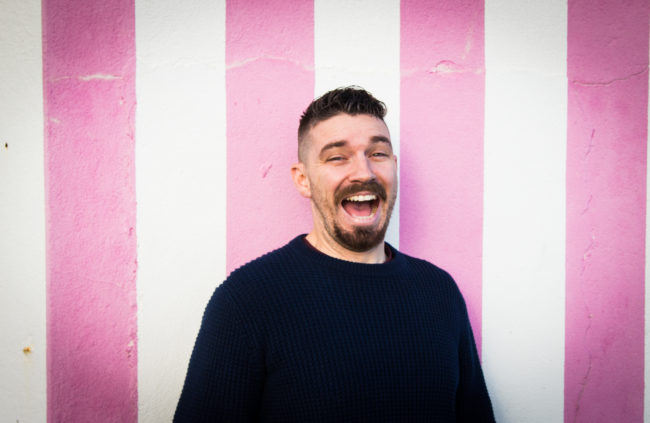
    In a city becoming ever more individualistic, the Dublin Sourdough Rotation is a breath of fresh  bread scented  air for many of its members.  

    Founder Niamh Lacy started the group in 2023, inspired by traditional community values and post-Covid disillusionment.  

    “I was really curious to find out if people would be willing to share food with strangers, and bread was the vehicle for that,” Lacy said.  

    Despite choosing sourdough as the centre of the effort, Niamh admitted she had never baked it before launching the group: 

    “I actually got the initial idea for a community like this about a year or so before I  turned it into something, and sourdough happened to have been pretty trendy during the pandemic. 

    I can admit I didn’t make sourdough before starting the project. I just thought it would be a strong but narrow enough group to start with.” 

    Luckily, she was right, as the community now boasts over 100 members based across Dublin City, with many members saying the project has become a big part of their lives. 

    Derek Kenny, a pharmaceutical quality director based in Dublin 7, joined in the early stages after seeing a flyer in his local café. As an experienced sourdough baker, he was drawn to the idea of finding like-minded people. 

    “I grew up with no real sense of community in Tallaght, so when I moved to Cabra, I found myself getting to know the local butchers, grocers, coffee places,” Kenny said. 

    “So, it was really nice to join an unpretentious, open and friendly community. It is low-stakes. You can challenge your baking, bring something new, and talk about food. What Niamh has built is really great,” he added. 

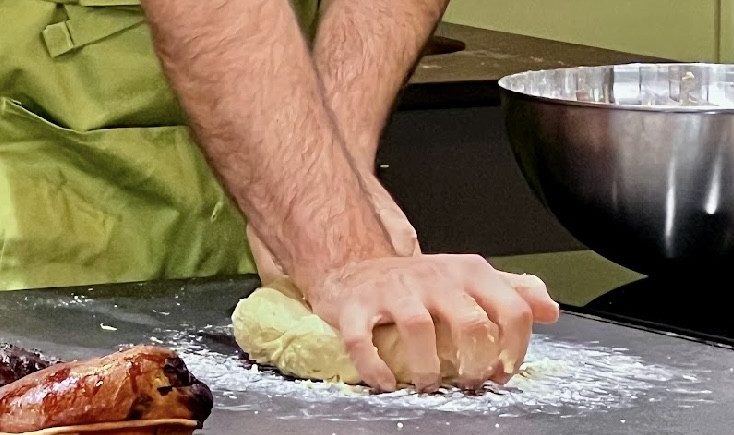
    A loaf baked by long-time member Derek, who is a member of the Dublin 7 rotation. Photo credit: Derek Kenny. 

    Another experienced baker, Pierce Lowe, found himself immersed in the group after leaving his job in Bread 41 to pursue a postgraduate degree. 

    “I really enjoyed getting to meet other people. Even the small exchanges like handing your loaf over to another person, the feeling of anticipation and getting ready,” Lowe said.  

    When asked about the power of food to unite people, he highlighted the world-wide significance of food. 

    “It’s one of the reasons I’m studying for my masters in sustainable development, food and co-ops. We need food to survive. It’s a whole integrated system. It’s a way to show you care about someone internationally. It gets people to socialise, it bridges gaps,” he said. 

    For new member, Mairi Kachur, this couldn’t be a truer statement. As a Scottish American woman who has lived in Germany, France, and Belgium, moving to Dublin was yet another daunting restart. 

    “I moved to Dublin to be with my fiancé and start my PhD in Trinity. Most of my friends were all made through him, so I really wanted to find my own people,” Kachur said. 

    “I had been living in Dublin for just 2 months when my neighbour told me about the group. So, I reached out to Niamh and went to my first group gathering in someone’s house.”  

    “I met my first friend in Dublin, who is now my best friend. It was really nice to make a friend outside of institutions like work or college.” 

    As an immigrant, she highlighted that she has had a very positive experience of meeting people in Ireland, with the group being a key component of it: “It really gave me something to hold onto when I moved to Ireland”. 

    The community has many other members who have come to Ireland over the years, with Kachur’s best friend Isabella also having previously lived in Belgium.  

    Brazilian member Pedro Ragonezi is also a notable figure, with the former baker being renowned for his “iconic” skills.  

    “I raised some money on Spacehive to run some workshops for members, which Pedro led demonstrations to help teach members some more skills,” Lacy said.  

    “He’s passionate about all sorts of dough and I’ve learned a lot while doing the workshops.” 

    Apart from sourdough, the group has also started sharing recipes for kombucha, kefir and many other fermented foods.  

    Lacy hopes to develop more shared ownership of the community in the future. 

    “I’d love each postcode to organise their meetups and schedules as the group grows,” she said. 

    She added that she would love to see people set up similar groups across Dublin, encouraging the return to traditional neighbourly values with a modern twist. 

    “I really hope people can trust each other more in the future,” she said.  

  • “The whole climate and nature crisis, to me, is the reason I’m in politics.” Senator Malcolm Noonan on his political career

    “The whole climate and nature crisis, to me, is the reason I’m in politics.” Senator Malcolm Noonan on his political career

    Malcolm Noonan is someone who is well-known around Kilkenny. He was a member of Kilkenny County Council for almost 15 years and served as Mayor of Kilkenny between 2009 and 2010.  

    He was then elected to the Dáil in 2020, and served as a minister, before becoming a Senator this year. 

    From his office in Leinster House, I sat down to speak with Malcolm about life as a public servant, his experience in the world of politics, and the challenges that politicians face. 

    Politics wasn’t always Malcolm’s calling. Enviromental activism has always been a key tenet of his life. From a young age he was engaging with his local community and the world around him. “I was just interested in nature and the environment,” he said. 

    But politics came knocking when he was approached by the Green Party to run for Kilkenny County Council in the 2004 local elections. “They said, “would you be interested in running?” and I said, “I’m not so sure.” So, I gave it a bit of thought, and then I said, “Sure, what will be the worst thing to happen?” and then the worse thing happened. I got elected.” 

    Malcolm topped the polls in that election, a feeling he describes as “amazing.” Very soon, he began to realise the possibilities of the role, beyond his ideological goals. “It’s funny, when you get elected you actually realise, I can make a difference in people’s lives. I can get a disabled persons grant, I can help someone get a house.” 

    His entry into politics was certainly accidental, least of all did he think he would still be involved in it some 20 years later. Malcolm was very aware of the precarious nature of being an elected official. He studied for a Rural Development degree so that he would have something to fall back on. “When I stood in 2009, the party was in government, and we lost most of our council seats. That made me realise how vulnerable this could be.” 

    In his time on Kilkenny County Council, he was heavily involved in many community initiatives, including forming and chairing the Heritage Forum in Kilkenny, and establishing Kilkenny’s first Integration Forum. “These are refugees brought in by the state from refugee camps in Uganda and South Sudan. They were amazing families.” 

    Integration is something that Malcolm feels is still important today, especially with all of the discussion around immigration online. 

    After 15 years on the council, Malcolm contested the 2020 general election for the Green Party and won a seat for Carlow-Kilkenny, something he didn’t expect. “We went to the count centre, and I looked like I was dead and buried, and lo and behold I got a huge dump of transfers.” 

    As was well documented, the months after the general election were chaotic. The three big parties, Fianna Fáil, Sinn Féin, and Fine Gael were neck-and-neck. And then, just a few weeks after the vote, the pandemic hit. Malcolm initially thought that he would be spending the next five years in opposition, now he felt that his party couldn’t sit on the fence. 

    “The Greens will always go into government,” he said. “We feel we have a duty; we’re a policy driven party, and we should step-up where we’re needed.” 

    Noonan describes his appointment as a Minister with great enthusiasm. 

    “He [Eamon Ryan] called me down to his office and I recall it being like Charlie and the Chocolate Factory.” He was given the portfolio ‘Heritage and Electoral Reform’ (which later became ‘Nature, Heritage and Electoral Reform’), which entailed the National Parks and Wildlife Service, National Monument Service, and all of the biodiversity policy. “My immediate reaction was I skipped up the corridor, clicking my heels. I was delighted with myself. I’ll never forget the day I was appointed.” 

    The term of a government is both very short and very busy. “My legacy from that time was giving a huge uplift to the heritage sector, [and] the biodiversity sector.” 

    But all good things must come to an end, and the 2024 election was looking gloomy for the Green Party. Having lost many of their councillors in the local elections earlier in the year, the mood closer to election day was more sombre. 

    I asked Malcolm whether he felt that his colleagues in the other coalition parties had turned on the Greens, and I was surprised by the honesty of his response. 

    “There was a narrative emerging over time. Some of it was built around Eamon Ryan. It suited some in the media to attack Eamon. It suited some in a ‘business as usual’ agenda to target us. And then, perhaps, there’s an element of our colleagues who say, “all that bad stuff, carbon tax, that’s the Greens.” 

    But he doesn’t put all the blame solely on outside actors, he admits that there were failings in how the Green Party put itself across. 

    “I do feel that we spend so much time delivering, and I don’t think we did a good job of communicating why we were doing this stuff. Behavioural change is really hard.” 

    Malcolm is proud of the things that his party achieved in government, such as cutting public transport fares, expanding the LocalLink bus network, and installing free solar panels on schools, But as someone living in rural Ireland, I could see that the Greens were failing at advertising those achievements to the public. 

    Malcolm said, “I remember a man giving out to me. I was out at an event in a rural village and he was giving out yards about Eamon Ryan, and next thing the 891 (a LocalLink bus in county Kilkenny) passed and he said, “God, isn’t that great!” and I said, “That’s Eamon Ryan for you.” 

    When election day came, and in the days afterwards, it was clear that it was not looking good for the Greens, and Malcolm was knocked out at the 8th count. “You have to dust yourself off and say, “people have voted, that’s the way it is.”” 

    But opportunity came knocking again during the Seanad Elections this year, where Noonan was elected to the Agriculture Panel. Now Malcolm is a Senator, still roaming the halls of Leinster House.  

    I touch upon a serious topic, about the increase in hostility towards politicians, both online and in-person. It is quite shocking.  

    “I’ve had death threats, both in writing and on the street.” he said. “I’ve been physically assaulted; you get verbal abuse.” He says it doesn’t happen often, but it does make him question why he does the job, and why anyone, particularly young people, would want to get involved. “No other workplace would accept the level of abuse that politicians receive,” Noonan said. 

    Away from the politics, Malcolm Noonan is an artist. He paints, he draws, and he plays in a band. Like most people, there is the family side to it all. “Dad taxi”, as he calls it, to football matches. He admits that being in government kept him away from his family, so he’s enjoying having more time with them these days. 

    To finish up, I ask Malcolm what he is most concerned about, and optimistic about, in the future. 

    What he is most concerned about is what he is also most optimistic about: the climate. 

    “The whole climate and nature crisis, to me, is the reason I’m in politics. Every year there’s a COP, and every year they walk away with some kind of agreement on something. At the root of it all is our financial and economic system. I fundamentally believe that we need to move away from our reliance on economic growth as a measure of our progress as a nation.” 

    But it is young people who make him feel optimistic about the climate. The likes of Greta Thunberg, whom he is a big fan of. In a school in Urlingford, County Kilkenny, he tells me that the pupils received a handwritten letter from Sir David Attenborough, telling them to keep going with their Green Schools initiative. 
    “If David Attenborough, the most famous naturalist broadcaster in the world, can take time to handwrite a letter and handwrite an envelope, and send it to a school in Urlingford, County Kilkenny, well, there has to be hope.” 

  • Top tips to stay healthy as winter is upon us

    Top tips to stay healthy as winter is upon us

    Staying healthy during winter- your top tips from TheCity.ie. Photo courtesy of iStock

    By Johnathon Pearl

    Winter is here and exercise is more important than ever, not only for the body but also for the mind.

    With temperatures plummeting and evenings getting darker by the day, many people find motivation to exercise extremely difficult and as a result it simply gets lost in routine.

    Summer months provide people with a lot more freedom to exercise. A December night in Ireland lasts almost 17 hours and the days start about 4 hours earlier compared to the summer months.

    In Winter, particularly on weekdays it can be extremely difficult to get out for a run, go for a cycle and virtually impossible to go for a swim, unless you wanted hypothermia.

    So how do people go about exercising in the Winter?

    Strength and fitness coach Suzanne Flannagan explained just how important it is to keep up a level of exercise during the winter months and how to train efficiently.

    ‘’It is very important for young people to do some sort of exercise at all times but especially in the world we live in right now. 

    ‘’With technology so advanced it is so easy for young people to just sit inside with play stations, which keep them entertained until they go to sleep and not exercise at all.’’

    ‘’We all know it is very difficult in the winter months, (gets dark early) so planning is vitally important. Designate an hour when it is bright to exercise 4 or 5 times a day and it will make you feel so much better about yourself.”

    Suzanne Flannagan

    ‘’Any sort of exercise young people can benefit from, a simple jog out the back of the house, a workout with another family member, whatever people feel comfortable with.”

    Flannagan emphasized the need to plan before exercising.

    ‘’We all know it is very difficult in the winter months, (gets dark early) so planning is vitally important. Designate an hour when it is bright to exercise 4 or 5 times a day and it will make you feel so much better about yourself,” she explained.

    ‘’Plan a time to exercise at the start of the week or even the night before, so that you know its going to be bright while exercising.

    ‘You don’t’ have to go outside to exercise’ remarked Flannagan when asked about the shortened days.

    ‘’Equipment like an exercise bike, a treadmill or even a rowing machine can be used but even getting a matt out in a corner by yourself and doing body weight exercises is perfect. It will give a great boost to your day.

    It is well known that exercise releases happy thoughts in people’s brains. Several studies have been done showing exercising releases happy endorphins which in turn puts people into a much happier place mentally.

    Personal Trainer Gavin McCoy recently moved to Australia to study health and conditioning.

    Speaking to thecity.ie he gave tips for exercising in Winter but also commented on studying the benefits exercise can have on the mind.

    ‘’Exercise is so important, so many studies are done on it, but I still think the majority of people don’t actually realize how valuable it is.’

    ‘’Learning more about mental health over here, (Australia) makes you become such a big advocate to encourage people to have at least one piece of exercise in their daily lives.’

    ‘’A lot of fitness advocates that are big on Tik Tok and Instagram constantly talk about taking rest days, but that doesn’t mean that you can’t do yoga or stretching. I would be really big on doing a piece of exercise a day.

    ‘’Some people might not think it but for an exercise Yoga is probably one of the best things you can do. Especially with the early nights, find a peaceful place in your house bring your mat and do some Yoga, it is brilliant for the mind.’’

    ‘’Of course, running, swimming, cycling help but not everyone likes or can do them, an hour of meditating or stretching are also great ways of feeling better particularly as the days in Ireland are quite short.’’

    Talking about his studies he enlightens us on different ways to feel better about yourself and how different ways of exercising appeals to different personalities.

    ‘’Obviously, exercise is key but some of the ways I have learned that improves your mental health and day to day living are crazy.

    ‘’One of the probably eye-opening things we were told was having a cold shower at the start of every day. It is crazy because it puts you in such a good place mentally. 

    ‘’I know everyone loves a warm shower and they are nice but, the idea of having a cold shower in the morning is that it’s your first challenge of the day, the idea of a shower like that is that it isn’t supposed to be nice and relaxing it’s all about passing the first challenge of the day, it is brilliant.’’

    Gavin also stressed that ‘people should only focus on themselves and not other people.’

    ‘’I get asked about gym membership all the time, and whether or not people have to get gym membership to exercise, which just entirely isn’t the case. A lot of people focus on other people and what they are doing when all that people should be caring about is themselves.

    ‘’Going to the gym and working out with other people can be beneficial to some but it can be also quite daunting. It’s all about yourself and what you prefer, constantly thinking about what others are doing can be really difficult on people’ minds and it won’t allow you to get the best out of yourself.’’

    Exercising is one of the most important things to do in Winter. Whether it is a run, a cycle, yoga or even swimming, every little helps.

  • Support Local with TheCity.ie’s Market Guide!

    Support Local with TheCity.ie’s Market Guide!

    By Sadhbh McDonnell

    Supporting local has never been more important, with an increasing number of small businesses feeling the strain of the current cost of living crisis. TheCity.ie has created a guide to markets happening all over Dublin.

    Munya Market is an up-and-coming late-night market, which takes place in Fegans 1924 on Chancery St. Dublin 7. The late-night market is one of Irelands firsts and started in June this year by Oran Lapettina. 

    Every Thursday and Saturday from 6pm-10pm, the café consists of stalls selling Jewellery, photo prints, crochet pieces and preloved clothes. Flash tattoos from tattoo artists such as big smoke ink, are also available from €30.  The market also hosts open mic and hip hop nights for you to enjoy while browsing the stalls.

    Speaking to Olivia Grimes, a student from Maynooth, she described how helpful the market has been for buying and selling clothes at reasonable prices. “I’ve rented a stall at the market before, and it’s really helped me make and save some money as a student”. She added, “it almost feels like a real life Depop, and there’s always a good atmosphere on the night”.

    A picture containing chart

Description automatically generated

    Via Munya Market Instagram

    Munya Market have recently began collaborating with The Soundhouse Dublin, to host an extended late-night market.  The event is free entry all night and celebrates local talent from tattoo artists to crochet designers. It’s a whole venue takeover, with local DJs playing until 2:30am. Dates for future Soundhouse collaborations can be found on Munya Market’s Instagram.

    If you’re on the hunt for a good Flea Market somewhere in Dublin, The Useless Project, hosts a monthly market in The Workman’s Club located near Temple Bar. The founders, Geraldine Carton and Taz Kelleher, have announced they’ll be hosting a Christmas market on the 18th of December.

    A picture containing text, indoor, closet

Description automatically generated

    Via TheUselessProject Instagram

    They stated on their Instagram it’s their biggest flea market yet, with over 50 stalls taking over three floors. Vintage fashion, candles, homeware, crafts, and prints will be found throughout the market, all sustainably sourced and made. Combined with complimentary drinks and music. 

    The Alternative, a Dublin based cultural hub, are also hosting a Dublin Christmas Flea Market in The Grand Social, on Liffey Street. The market will be taking place from Saturday the 10th of December to Sunday the 11th of December.  From 11am to 4pm, the market will consist of 25+ stalls selling fashion, art, and some fun Christmas décor across all four rooms. The venue is expecting a large turn out so to guarantee entry, event tickets can be found here, free of charge.

    WeloveMarkets is also hosting their annual Dandelion Christmas Markets, every Sunday from the 13th of November to the 19th of December in the Well located near Grafton St. If you’re looking to support local businesses this Christmas pop down between 12pm to 5pm for unique, personal, and handmade gifts with over 60 stalls across the whole venue.  

    Jewellery and accessories all handcrafted by Ciarna Pham are available at her own stall, ‘KIKI NA ART’ at this market. Ciarna specialises in hand painted earrings and necklaces of iconic public figures such as David Bowie, Kate Bush and many more. 

    Via KIKI NA ART Instagram 

    According to her website, “I studied fine art painting and also love photography, so I wanted to find a way to mix my love for fashion, art and photography in a way that was funky and wearable.”

    She added, “I always liked the idea of people wearing religious icons around their neck, however I am not religious myself, so I decided to work on the idea of modern icons.”

    If you can’t make these dates, The Liberty Market takes places weekly in Dublin 8 from 9:30am to 4:30pm every Thursday through to Saturday. It’s one of Irelands’ longest running markets, selling freshly made pastries, cakes, and other sweet treats. 

    If you’re shopping on a budget this Christmas, the market is an ideal alternative to higher end retail shops, offering low prices and great bargains.

    On The Liberty Market website they stated, “we work on tiny profit margins (a fraction of your average shop). We have vastly reduced overheads compared to average shops and the overheads which do apply are shared amongst all the traders”.

    They added, “we simply have no time for overcharging customers.”

    If you can’t find what you’re after there, you can always pop down to the Ha’penny market which takes place every Saturday from 12pm to 6pm.  With no market the same as they rotate stall holders each week.

    The Ha'penny Flea | Collect Ireland

    Via www.thegrandsocial.ie

    With an abundance of markets to choose from you’ll have no trouble finding the perfect Christmas gifts, that won’t break your bank account, whilst also supporting Irish local businesses. 

  • “Looks like all our drivers are busy at the moment”- why is it becomming impossible to get a taxi in Dublin?

    “Looks like all our drivers are busy at the moment”- why is it becomming impossible to get a taxi in Dublin?

    Taxi’s warn that the shortage of drivers will only increase over the
    Christmas period.

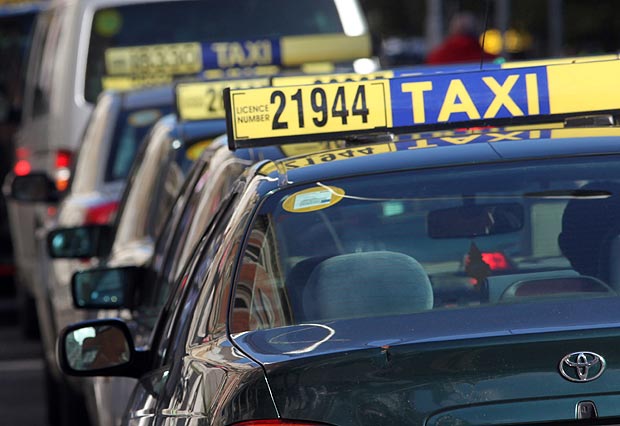
    Taxi rank in the heart of the city.

    By Lucy Harris


    After two years of staying home, Dublin city is slowly starting to return to her old self.

    The beginning of the Christmas chapter only confirms this fact. The streets, now filled with happy shoppers and dotted with musicians give an atmosphere of a pre-pandemic Dublin. December is, without fail, one of the busiest months that Dublin experiences every year.

    But, with the average rent in Dublin City Centre sitting at just over €2000 per month, many locals face the daunting experience of trying to return home after a day in town.
    It’s no secret that Dublin’s transport system is in need of improvement. In comparison to other
    European cities, it rates pretty low.

    Berlin has the U-Bahn, which runs 24 hours, at 15 minute intervals. Paris has the Noctiliens night bus, a series of 47 lines which crisscross the city and outer suburbs of the French capital. Madrid boasts a rate of 89% of its inhabitants living 1 km or less from their nearest station.

    In Dublin, after midnight, the options become very limited. The Luas and train cease running,
    along with the majority of buses. The exception, of course, being the Nitelink, which operates on a Friday and Saturday night with 13 buses running once an hour between midnight and 4am.

    For many people, a taxi is the only course of action. The introduction of apps such as, Free Now and Bolt have streamlined the act of getting a taxi. A quick click of a button and within 3 minutes a taxi will apparate, as if from thin air.

    But it seems that the demand far outweighs the supply. Reports from individuals who have been left wandering the city centre in hopes of flagging down a taxi for hours after their night out finished, are being told on Twitter.
    One user expressed his disappointment in the situation, “I’ve been so frustrated lately living in Dublin. Everything is expensive. On top of that, we have a taxi shortage. I was out last night and although my night ended at 1am, I couldn’t find a taxi for an hour. I felt so helpless”.


    “Covid played a big part for a lot of drivers”, explained David Dunne, local taxi driver in the Dublin 7 area.

    “Before the pandemic, nobody had a second to think, for me anyway I was working over 60 hours a week but then all of a second, I had all of this time.”


    He goes on to explain how during the lockdown he switched nights for daytime work. A sentiment that was reflected in a survey released by the National Transport Authority (NTA) that stated that only 29% of registered taxi drivers in Dublin are currently working on Friday and Saturday nights.
    An element of fear regarding safety also has a part to play for the decreasing amount of taxi
    drivers left on the streets.

    “If a group of drunk people get in the car there’s a way higher risk of something going wrong”, says Dunne. “I’ve had a few cases of people running off without paying or getting sick in the car- if that happens the car is off the road for the night and I’ve lost my income for the week”.


    Dunne also goes on to explain how argumentative people can get late at night, saying how a lot of drivers “just don’t want the hassle of it anymore”.

    Other contributing factors include the rise in the fees that apps like Free Now take from each journey. Free Now increased the fees that they charge drivers to 15% per journey effective from March 2021.

    “When I started it was a 10% fee with Free Now, it keeps gradually getting higher and higher each year”. Dunne also goes on to talk about how, because of these fees, many drivers opt to switch off the app during busy periods and attempt to avail of cash payments.

    So what does the future look like? Well, according to Dunne, the announcement of a 6am closing
    time for nightclubs should ease the load.
    “At the moment everyone in Dublin is looking for a taxi at 3am because that’s when everything
    ends. I’m hoping the new rules give us a bit more of a gradual night of work” ends Dunne.

  • “In Turkey, they treat surgery like a production line” – The rise of cosmetic tourism in Ireland.

    In Turkey, they treat surgery like a production line” – The rise of cosmetic tourism in Ireland.

    By Megan Bell. 

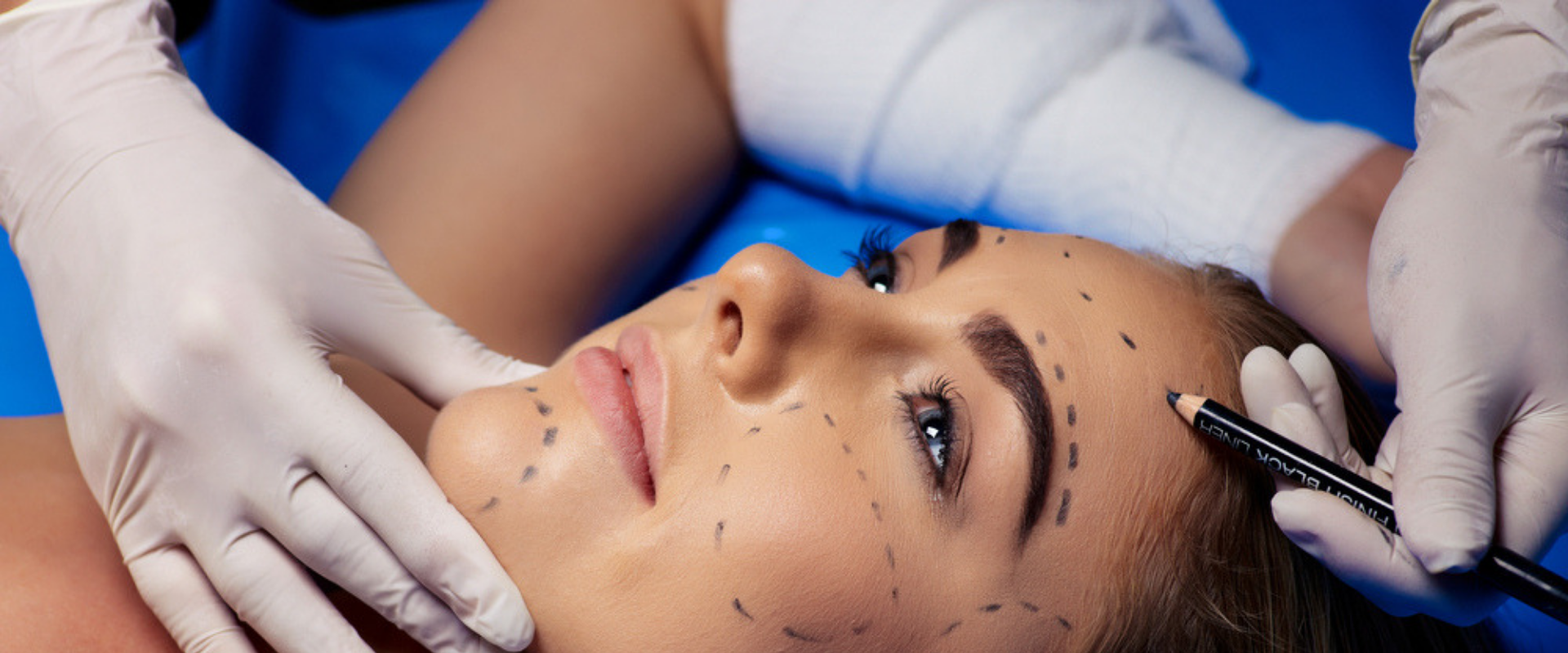
    Image source- Castleknock Cosmetic Clinic.

    The trend for patients to travel abroad to receive cosmetic treatments has been on the rise for the last 10 years. This has been coined as “cosmetic tourism”. 

    Cosmetic tourism is appealing as it is often cheaper to receive these treatments abroad, even when patients take the cost of flights into account. Like all surgery, this does not come without risk, andthe aggressive post-surgery complications of cosmetic tourism have been seen in the Irish health system. 

    But what is cosmetic tourism and what are the hidden dangers? 

    A rise in cosmetic tourism was seen in Ireland throughout the COVID-19 pandemic, as many Irish plastic surgery centres temporarily closed due to restrictions.  

    Last year, a study relating to the burden post-surgery compilations of cosmetic tourism placed on the Irish healthcare system during the pandemic was carried out by Dr Marlese Dempsey at St. James Hospital in Dublin. 

    She found that eight women within four months received treatment in the hospital as a result of complications after receiving cosmetic surgery overseas. All patients were female, aged 18-35. All surgery the women received were in Eastern Europe, mostly Turkey and Lithuania. Most complications were seen as a result of surgical site infection or implant infection. Dr Dempsey also found that the treatment for these women cost the Irish Health System €30,558 (or an average of €3819.75 each). 

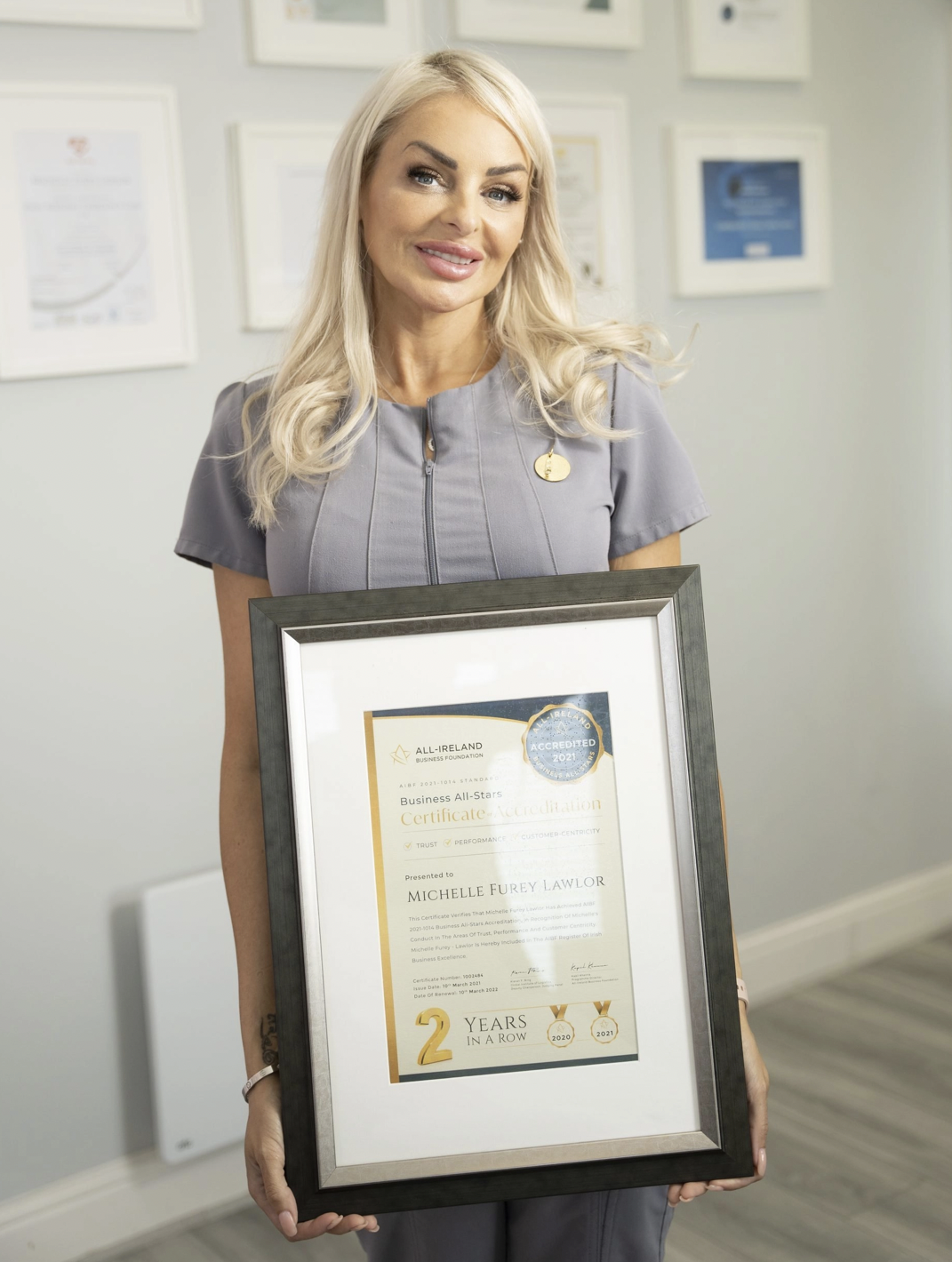
    This is not a new phenomenon, it has been on the rise for years. Michelle Furey-Lawlor, owner of JeJuve Clinic on South William Street in Dublin tells The City about this rise. 

    Michelle Furey-Lawlor is an advanced specialist aesthetician who holds over 50 non-surgical certifications and diplomas in cosmetic surgery. She describes cosmetic surgery as “where individuals travel outside Ireland to have either plastic, dental or bariatric surgeries done”. A rise in recent months has also been seen in surgeries abroad for hip, knees, and other joint replacements as well as women’s treatments and minor surgeries; not just cosmetic surgery. 

    Like many others, Lawlor had her own bad experience with receiving cosmetic surgery abroad. “I travelled to Turkey back in 2018 and had my body botched and destroyed by Turkish doctors when I wanted to have a tummy tuck done,” she says.  

    “I was admitted to St James hospital immediately upon my return to Ireland and received lifesaving surgery.”

    Lawlor was found to have stitches in her mouth, legs, face, and chin. Alongside this, she had 5 litres of fluid removed from the wound of her stomach and voice box damage which led to her being unable to speak for up to 2 weeks. 

    “The Turkish doctors refused to assist the Irish hospital with information about what they had done to me,” she adds. 

    “I had to wait a year for my body to be rebuilt by doctors and surgeons in Lithuania.

    “In Turkey, they treat surgery like a production line. The surgical practice often befriends you on social media. They get your phone number and proceed to organise all the details through WhatsApp. The patient then flies in to receive the procedures and is often released back to their home country after four or five days. 

    “You have no aftercare, you can be blocked on social media by the company if any issues arise, and you can be in medical danger.”

    In 2021, 40 people died from receiving botched surgery outside the EU. Lawlor advises that you ensure the surgeons are registered within the EU, as once they are outside of the EU they have no one to answer to in Ireland. 

    Over the last few years, breast implants and teeth have been the most popular as they follow social media trends. Lawlor offers this advice to anyone looking at travelling abroad to receive any form of surgery: “Do your research and do not go by the advice of influencers, they are paid to entice people in and often make a commission on patients they entice in.

    Michelle Furey-Lawlor, owner of JeJuve Clinic on South William Street. Photo: https://jejuveclinic.com/ 

  • Interview with Brian Kennedy

    Interview with Brian Kennedy

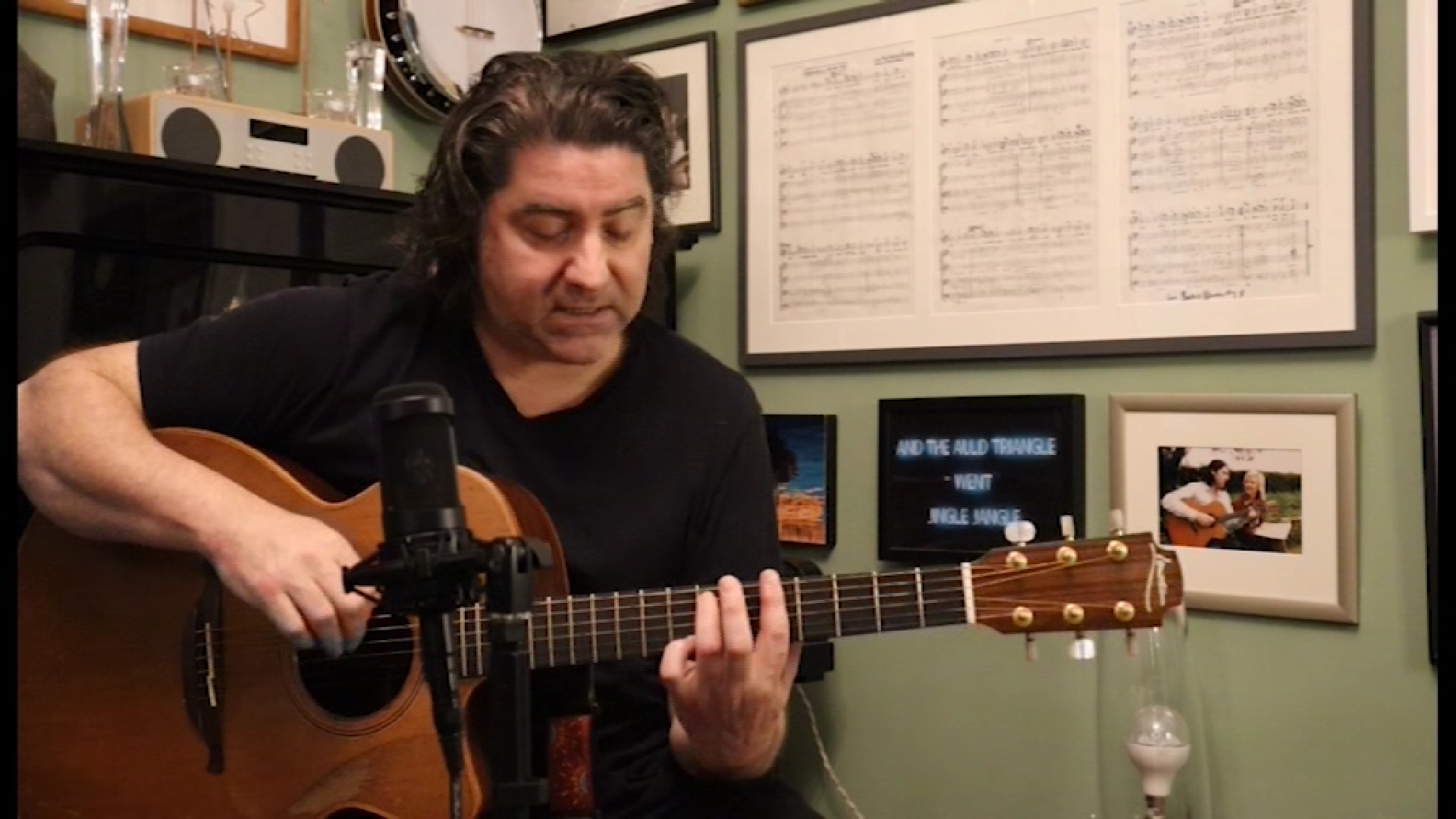
    TheCity.ie paid a visit to singer-songwriter and Irish music legend, Brian Kennedy at his Dublin 8 home. Brian chatted to us about his fascinating career, meeting his heroes, his guitar style, his writing and plenty more. He even gave us a live performance (or two). Ladies and gentlemen, Mr Brian Kennedy…

  • ‘Art and nature can help to erase the stigma associated with addiction,’ says founder of treatment centre

    ‘Art and nature can help to erase the stigma associated with addiction,’ says founder of treatment centre

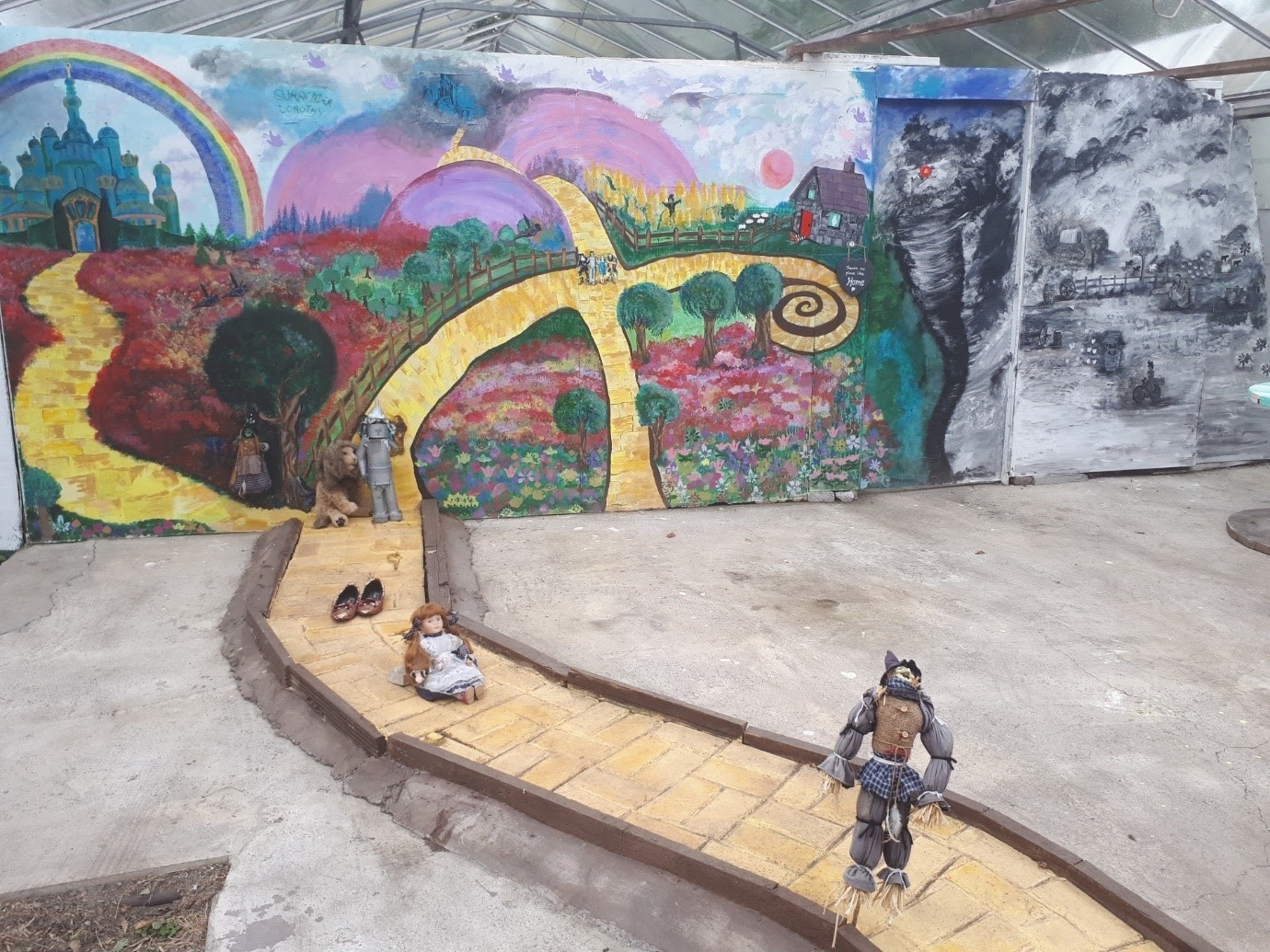
    A ‘Wizard of Oz’ mural in the greenhouse which the members created. Photo: Kim O’Leary.

    The founder of an addiction and mental health treatment centre in Athy, Co Kildare, has said that artwork and a return to nature can help people in their battle against addiction and mental health issues. TheCity.ie’s Kim O’Leary speaks to Declan Nolan, who has seen patients thrive by making art works and gardening, while also helping to bring local communities together.

    Declan Nolan is the founder of Discover Oneself (D1-S) in Athy, set up in the town three years ago. Drug use, he says, is “becoming less hidden and more obvious” there and nationwide as well.

    “It has been bad for years in Athy and people are talking about it now because it’s becoming less hidden and more obvious, it can affect the whole community. People talking about it now also allows those who have struggled with addiction to tell their story. “

    “It’s happening all around Ireland. People are afraid to talk about drugs and other addictions so we have to keep fighting to erase the stigma surrounding addiction and mental health,” explained Declan.

    The current national drug strategy, ‘Reducing harm, supporting recovery: a health-led response to drug and alcohol use in Ireland 2017-2025’, was launched in July 2017 and its main aim is to minimise the harms caused by the use and misuse of substances, and to promote rehabilitation and recovery by supporting the development of a range of treatment, rehabilitation and recovery services using the four-tier model.

    The strategy also recognises the need for timely access to appropriate services for the client. The integrated care pathways model forms the conceptual basis for the National Drug Rehabilitation Framework.

    The Health Service Executive (HSE), which manages Ireland’s public health sector, is responsible for the provision of all publicly funded drug treatment. The management of all drug treatment services falls under the remit of the Primary Care Division, which oversees a number of national care groups. Drug treatment is provided through a network of HSE services (public), but also non-statutory/voluntary agencies, many of which are funded by the HSE. Some private organisations also provide treatment.

    Most drug treatment is provided through publicly funded outpatient services. These include 314 specialised drug treatment centres, 82 low-threshold agencies and 356 specialised general practitioners, which provide opioid substitution treatment (OST) in the community.

    The latest figures from the Health Research Board (HRB) show that, while cocaine is the third most common problem drug reported to the National Drug Treatment Reporting System, its use has risen every year without fail.

    https://www.hrb.ie/data-collections-evidence/alcohol-and-drug-treatment/latest-data/

    The data shows that while problem cocaine use fell slightly between 2011 and 2013, it has risen every year since. The largest increase is from 12.3% in 2016 to 16.8% in 2017 — an increase of 32%.

    A total of 1,500 cases were treated for cocaine use in 2017, almost double the number of cases in 2011 (770 cases). The number of new cases treated has risen from 396 in 2011 to 748 in 2017.

    The HRB data shows that men account for four in every five cases reporting, while the most common additional drugs reported among cocaine cases were alcohol (58%), cannabis (48%), and benzodiazepines (25%).

    A total of 63,303 cases presented for treatment for problem drug use (excluding alcohol) between 2011 and 2017. The number of treated cases increased from 8,361 in 2011 to 9,892 in 2015, and then decreased to 8,922 in 2017.

    Declan said that there has been a surge in the use of cannabis in the last year. “Cannabis is a big problem, the situation is worsening year on year and we have seen this in the latest stats as well as the people we are trying to provide help and detox to,” he explained.

    HRB chief executive Darrin Morrissey said the latest figures show drug use continues to seriously impact people right across Irish society.

    “This is evident in the latest drug treatment data, as well as the HRB’s recent drug-related deaths and alcohol treatment reports,” he said.

    “Over the recent period of economic recovery, drug treatment trends are changing and the data we analyse from the HRB information systems helps to inform health services provision and the health policy responses to problem drug use in Ireland,” he added.

    Photo: Kim O’Leary

    Meanwhile, D1-S Athy also encourages the individuals who receive treatment at their clinic to also participate in art classes and gardening in the greenhouses at the facility, with the aim of re-introducing them to the local community.

    Photo: Pexels

    “The art classes and gardening in the green houses has been positively received, people are really enjoying creating murals and other creative works in our new rooms at the residential treatment centre. We feel that art and nature can help to erase the stigma associated with addiction and mental health because it shows that everyone has a creative side and we’re working hard to encourage people to let their creativity flow,” said Declan.

    In terms of the current situation nationwide, Declan said that much more needs to be done to tackle the cannabis crisis in particular. And he is insistent that art and nature can prove a welcome distraction to those recovering from addiction or even to keep vulnerable people away from drugs entirely.

    “In rural towns like Athy and even the urban cities like Dublin, drugs are rampant and anyone can become addicted. Also, a lot of people have very full, busy lifestyles that can mean their mental health may suffer so we are seeing people coming in more than ever to talk and get help. This is good because it means things are changing but there’s still a lot more work to do locally in Kildare and nationally as well. The government should really try to support local initiatives and programmes trying to treat addiction and mental health issues, it’s something that the new government coming in should consider,” said Declan.

    For more information on D1-S Athy visit www.d1-s.com

  • Stand-up comedy: is it just for laughs or does it have a deeper meaning

    Stand-up comedy: is it just for laughs or does it have a deeper meaning

    The world is suffocating in sad, depressing news at the moment. Another life-wrecking storm, worrying UN reports on climate change and a president in the United States who is a divisive figure, to say the least. How can we keep our spirits up and a smile on our face amongst all this doom and gloom? Is stand-up comedy the answer?

    Connecting comedy to our positive mental health is not something we truly consider. However, watching stand-up can relieve our everyday stresses, pull our attention away from our mobile phones, and let us simply laugh. I spoke to comedians Adam Burke and Marise Gaughan on their distinctive approaches to stand-up, and how it has impacted their positive mental health.

    “I’m not trying to change the world with my comedy,” laughs Irish comedian Adam Burke.

    Burke is currently touring his The Big Happy Head On Ya tour, with shows at the Vodafone Comedy Carnival Galway forthcoming. In the show, Burke jokes about daily anecdotes, but he also talks about positive mental health. Speaking on a personal note, Burke says: “I delve in deep into mental health and comedy and the connection between both, because it’s an area I’m interested in … I’ve written a show that’s loosely based on mental health and that’s why some of our shows have supported mental health charities.”

    Burke, a comedian by night and youth worker by day, shares his opinions on how, or if, stand-up comedy impacts our society and mental health. Burke says: “It [comedy] is just a form of entertainment and light relief … comedy is a form of escapism.” Although Burke does not think comedy impacts our society on a large scale.

    “People should put it [comedy] into their daily routines and regular practices that help them to be happy.”

    Burke has been performing comedy for the past 12 years. As well as stand-up, Burke hosts comedy nights in various comedy clubs around the country.  Burke is also the founder of Hardy Har Comedy Club and co-founder of Bray Comedy Festival. He continues: “It [comedy] hugely impacts my personal life and happiness, most performers will feel the same way.”

    Burke admits he does have good mental health and as material for his show, he explores the little things he does which have positive effects on his outlook. In the show, the comedian covers the five-a-day for a positive mental health, such as physical fitness. He says: “So you are leaving with a little bit of learning without even realising it.”

    On a final note from Burke exploring comedy on a deeper level, he says: “I love when people look at comedy as something more than just someone with a microphone trying to make people laugh.”

    Darkness into light

    “I know it [stand-up] helps me, because if you laugh it makes whatever the problem is a lot easier. But there’s some people that do not find darkness funny,” says Marise Gaughan.

    Screen Shot 2018-10-19 at 16.12.26
    Gaughan’s comedy has a distinctly dark focus // Instagram @mariseg

    Gaughan focuses on dark comedy, her show Drowning shows her truly unique approach to comedy. The show was initially based on her father’s struggle with mental health and suicide, before Gaughan brought herself into the show. “It became more of a show about me and my mental health problems, it is a comedy show with light-hearted parts in it, but in general it’s a very heavy, dark show.” Gaughan performed Drowning at the Dublin Fringe Festival in September and aims to bring it to the Edinburgh Festival Fringe next year.

    Gaughan, a Dublin based stand-up, does not think stand-up comedy impacts our society, she says: “It’s probably the only art that people do not consider, especially in Ireland, people don’t really care about stand-up.

    “All the people that are great comedians in Ireland are barely making a living from it, or are not making a living … I don’t think Ireland respects it as a craft.”

    How has stand-up comedy helped and impacted Marise? “It’s been the best and the worst thing for me, I don’t think it really helps with your mental health exactly because it’s the most rejecting thing you can do … when it’s great, it’s the best thing ever. I don’t think if you have bad mental health you should start stand-up comedy.”

    In comparison to Burke, Gaughan does not think it’s important to explore a deeper meaning in comedy. “Comedy is whatever you want it to be … I don’t think comedy needs to be deeper in order for it to matter. I know I’m doing a show about it [mental health], but people mainly write from their personal experiences,” she says.

    There are some comedians using stand-up to voice political opinions or trying to enforce change. However, it’s refreshing to see Irish stand-ups using comedy to talk about mental health, one of the biggest topics in our country at the moment, and using their craft to benefit their own positive mental health.


  • Ireland ranks highly for skin cancer risk

    Ireland ranks highly for skin cancer risk

    The Public Health (Sunbeds) Act 2014, was signed into law on 24 June 2014 and states that the sale or hire of a sunbed to any person under 18 years-of-age is illegal. The act was introduced to regulate the use of sunbeds by those under 18, in order to reduce their likelihood of developing skin cancer.

    This means that people under the age of 18 can’t use sunbeds while on the premises of a tanning salon and are prohibited to enter areas of the business where they keep their sunbeds.

    It had been known that teenagers are recruited by the HSE to take part in a “test purchase procedure” in which they send teenagers between the ages of 15-17 to go undercover and try buy sunbed sessions from tanning businesses.

    Following a  Freedom of Information request, it has been revealed that there have been 101 occasions in which a teenager (between 15 and 17) has been sent to a sunbed premises by the HSE since the commencement of the test purchasing programme. The FOI disclosed 12 contraventions resulted during these inspections.

    The HSE Environmental Health Service has recorded 62 non-compliances with the age restriction provisions of sunbeds legislation, which is an Act breach under section 4, 5 and 6 of the legislation.  

    A spokesperson for the HSE said: “It is widely accepted that one of the only practicable enforcement options available to control authorities in relation to sales to minors is through a test purchase procedure. Section 18 of the Public Health (Sunbeds) Act 2014 permits the use of test purchase procedures.

    “Test Purchase involves the sending of a volunteer minor aged 15 to 17 years-of-age into sunbed premises for the purpose of the person using, purchasing or hiring a sunbed on those premises. The intention is to ascertain if the owner, manager or employee is complying with the legal provisions regarding the sale, use or hire of a sunbed on a sunbed premises to under aged persons.”

    When asked about the success of the teenage programme, the spokesperson said: “The main evidence to show the success of the legislation, focusing on its primary purpose, protection of minors, can be seen in the reduction in non-compliant outcomes for test purchase inspections while the number of test purchase inspections has increased. The reduction in overall infringements is indicative of an increase in compliance and understanding of the law and the continued enforcement.”

    In 2016, 25 test purchasing inspections were carried out with six non-compliant outcomes. In 2017, 47 test purchasing inspections were carried out with five non-compliant outcomes.

    A person who commits an offence under the legislation is liable on conviction to pay a fine of up to €4,000 or could be imprisoned for up to six months. It was revealed that the HSE inspections have resulted in 23 fixed penalty notices of €300 each, and four prosecutions for not notifying the HSE of operation as a sunbed business. Out of the four prosecutions, only three resulted in convictions with fines of €300, €650 and €250.

    Each sunbed establishment is required to pay a notification fee of €120 to the HSE, and as of September 2018, there are 516 sunbed businesses on the national database. There has been a high compliance rate with the requirement for a sunbed business operator to notify their business to the HSE annually  with less than 2% not notified in 2018.

    There were a total of 489 inspections of sunbed businesses carried out in 2017, compared to 264 in the first six months of 2018. In 2017, 184 infringements of the Act were discovered compared to 121 in 2018 so far.

    In a report from July 2018, it was revealed that Ireland is ranked 14th out of 62 countries on the international skin cancer index, investigated by Derma Plus.

    The report acknowledged that the high levels of UV light exposure, when mixed with a lighter skin tone, led to higher rates of skin cancer.

    According to the World Health Organisation (WHO), regular exposure to UV radiation should not exceed two sessions per week with a max of 30 minutes per session. Sunbeds mainly emit UVA radiation, which activates the melanin pigment already embedded in the upper skin cells.

    There has been significant research on the link between sunbeds and cancer. The Environmental Health Association of Ireland have claimed that 7 percent of the Irish population uses tanning beds and that 3 percent of them use them once a week. The chance of getting melanoma is increased by 75 percent when someone under the age of 30 uses a sunbed.

    Figures from the HSE show that there are approximately 8,000 cases of non-melanoma skin cancer every year and 800 cases of malignant melanoma.