Tag: FOI

  • Animal testing statistics in Ireland unreleased for 2019

    Animal testing statistics in Ireland unreleased for 2019

    Animal testing statistics for 2019 have yet to be released by the Health Products Regulatory Authority (HPRA). Amber Baxter explores what this means.

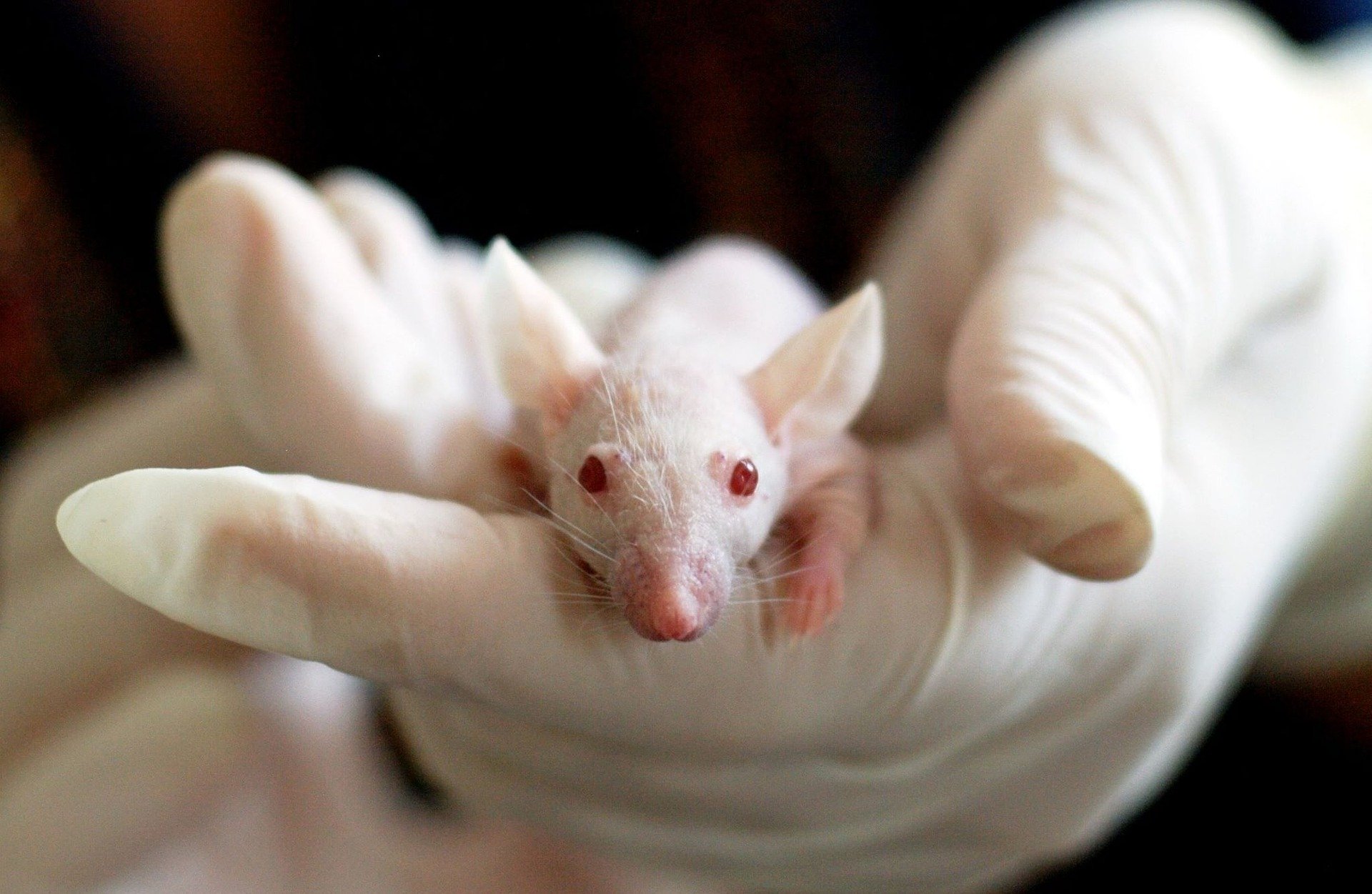
    Picture taken by Tibor Janosi Mozes courtesy of Pixabay

    The Health Products Regulatory Authority (HPRA) is the state agency responsible for regulating human and veterinary medicines, medical devices and other health products. From 1 January 2013, an EU Directive to protect animals used for scientific purposes came into effect in Ireland. In January 2013, the HPRA became the competent authority responsible for the Directive’s implementation. The HPRA has been publishing statistical data on animals used from 2013 onwards.

    The latest statistics released by the HPRA are for 2018 and previous years. It is unclear why the 2019 statistics have not yet been released, Dr Dan Lyons, CEO of Centre for Animals & Social Justice and public policy consultant for Irish Anti-Vivisection Society said “normally 2019 statistics should be out by now”.

    According to the HPRA statistics, in 2018, there were a total of 199,800 uses of animals for procedures, with reuse representing less than 1% of this number. Mice were the most commonly used animal with 75% of the total animal use.

    “This figure may well go up again for 2019 and 2020 because it just depends on how many botulinum toxin [Botox] producers there are in Ireland and how much they are producing each batch is tested on mice using a version of the Lethal Dose 50% test – one of the most severe,” said Lyons.

    One botox producer in Ireland is Allergan. Allergan operates out of Westport Co. Mayo which has been referred to as the ‘botox capital of the world’. Dr Lyons said, “They [Allergan] might be using less animals as they have developed a non-animal alternative for some of their testing. Ipsen is another one. There are probably others but the HPRA won’t say exactly who they are, but you can work it out from whichever companies are in this sector and producing in Ireland.” 

    Of the total number of uses of animals in procedures (199,800), 72% were used for regulatory purposes, which refers to legal requirements to test the safety, quality and potency of medicines for example biological medicines such as vaccines. Out of the total testing, 9,814 involved genetically altered animals, which represents 5% of all animal use.

    According to the HPRA the most common reported actual severity experienced by the animals during their uses in procedures was ‘mild’, at 55%, followed by ‘moderate’, at 27%.

    In 2017, there were a total of 242,302 uses of animals for procedures, with reuse representing less than 1% of that number. Mice were the most used animal this year with 85% of the total animal use.

    Of the total number of uses of animals in procedures (242,302), some 194,816 (80%) were used for biological purposes such as vaccines. Of the total number of uses of animals in procedures (242,302), 7,496 involved genetically altered animals, which represents 3% of all animal use.

    Between 2017 and 2018, there was a decrease of approximately 42,500 in the testing. This was “largely due to a reduction in regulatory testing (-approx 51000)”, said Lyons. These statistics refer largely to testing for ‘Botox’ or similar products, many of which are used for cosmetic purposes despite the ban on animal testing for cosmetic products. 

    “The Govt and HPRA don’t have any strategy or intention to achieve sustained reduction in animal testing and associated animal suffering – they are led by the nose by biotech industry. However, ‘Translational and applied research’ has increased by about 8500 experiments. Much of this is down to increases in the category of research called ‘animal welfare’. In reality this is more about research into farm animal productivity than animal welfare as such.”

    The HPRA works off the ‘Three R’s’: replacement, refinement, and reduction. Replacement involves the development and use of technologies that can be used to address important scientific questions without the use of animals. Reduction refers to methods that minimise the number of animals used per project. Refinement means that the animals used are provided with the best possible care and that suffering is reduced to an absolute minimum. 

     According to the HPRA they “aim to improve the welfare of animals used for scientific purposes and to promote the principles of the 3Rs. Every application received for a project involving animals is subject to a detailed evaluation process based on the 3Rs and requires scientific justification for the research techniques being applied. The likely impact on the animals must be minimised as far as possible by applying refinements and any harms experienced by the animals must be outweighed by the expected benefits of the work,

    “The HPRA considers whether alternative (non-animal) methods are available or appropriate, as alternatives to the use of live animals must be used where possible. In fulfilment of the HPRA’s mandate to promote the 3Rs, in 2018 the HPRA continued its efforts to enhance awareness and utilisation of non-animal alternatives as well as refinements in the conduct of scientific studies in animals through its work, including the regular dissemination of pertinent information to the regulated sector”.

  • How safe is your tap water? The precariousness of the water supply system in Ireland

    How safe is your tap water? The precariousness of the water supply system in Ireland

    Years of shortcomings, delays in planning, crumbling infrastructure, and leaking pipes have left the water supply in Ireland in a bad place. Dhai Almutairi investigates the ramifications of this.

    Last May, the European Commission threatened to take legal proceedings against Ireland for a failure to tackle drinking water issues dating back over a decade. 

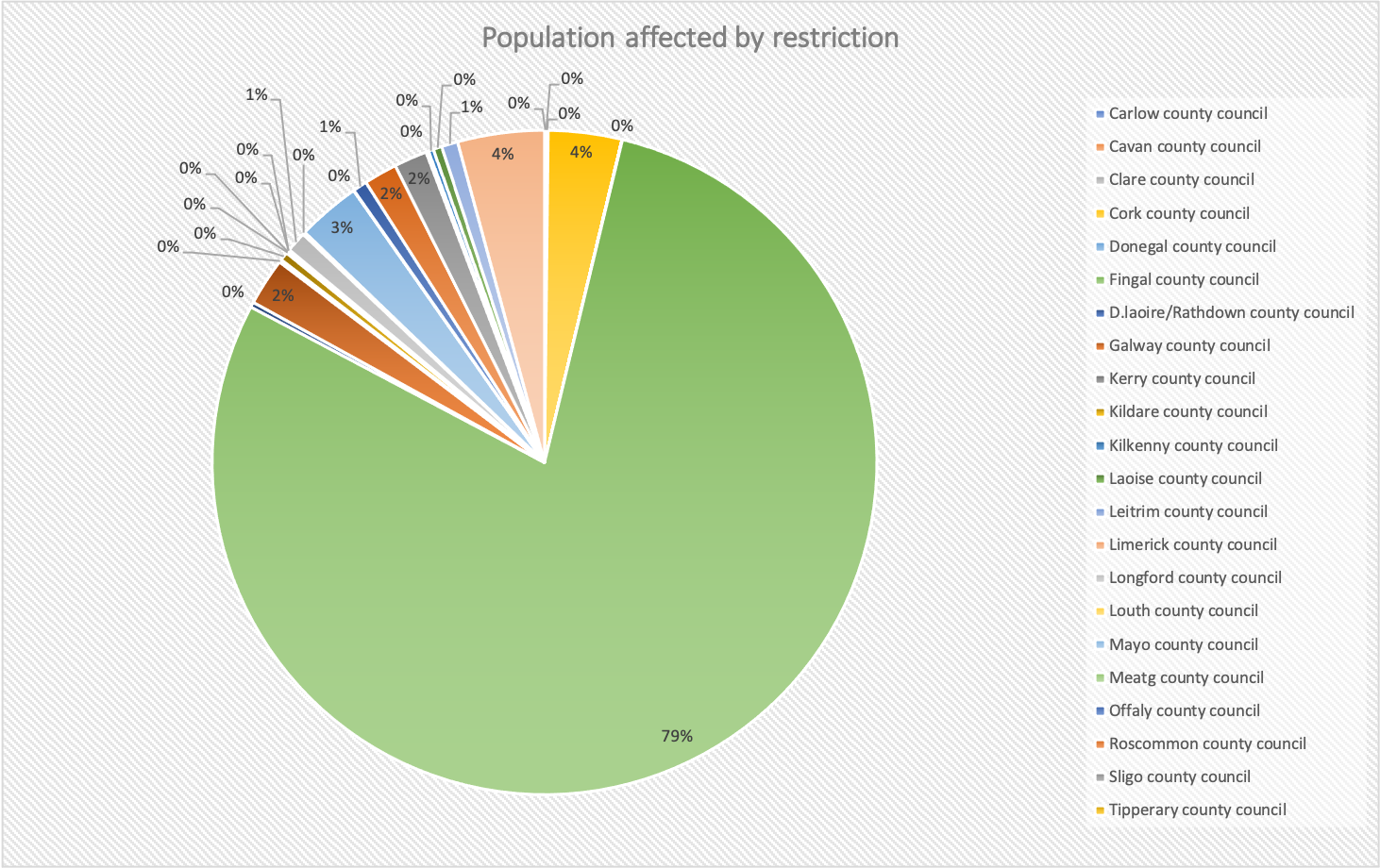
    In recent years, the number of boil water notices issued by Irish Water has greatly increased. 

    Chart, pie chart

Description automatically generated

    The percentage of the population affected by boil water notices in Ireland over the past five years

    Between October and November 2019, two boil water notices were issued for consumers on the Leixlip public water supply. The first notice affected 615,000 consumers across Dublin, Kildare, and Meath, and the second notice affected 657,000 consumers.

    The table shows the Environmental Protection Agency’s (EPA) concerning trends of Boil Water Notices from 2017 to 2019.

    Table

Description automatically generatedImage source: The Environmental Protection Agency  
    Michelle Minihan, the senior inspector of drinking water at the EPA, spoke to TheCity.ie about the increase in water boil notices and the underlying causes for the delays in delivering critical improvements to the water treatment plan in Ireland. 

    “These notices were put in place to protect public health as there was a risk of a breakthrough of Cryptosporidium from the filters at the Leixlip Water Treatment Plant,” she said.  

    The notice was lifted shortly for these areas, but there are areas in Ireland with boil notices that have been still in place for over a year now. There are 27 properties in the Knockadoon water supply zone in Cork, with water boil notices issued on 31st June of last year that are still in place.  

    “The boil water notice in place for 27 consumers of the Knockadoon public water supply is due to inadequate chlorine time for those consumers,” Minihan continued. “This means the water is not properly disinfected as it has not had the required contact time for the chlorine to adequately disinfect the water when it reaches the consumer taps for the affected properties.”

    Irish Water plan to install ultraviolet disinfection for the affected areas and had briefed the EPA that the works are expected to be completed by the end of this year. Once the ultraviolet disinfection has been installed, Irish Water is planning to consult the HSE to agree on lifting the boil water notice. 

    There are 864 sites in the National Disinfection programme, and Irish Water has completed works on 230 sites. However, due to delays in accessing key equipment and delays with contract mobilization, the programme’s completion date has been extended from June 2020 to 2022.

    “The EPA is monitoring Irish Water’s progress in delivering this programme, including high-risk sites identified and prioritized during 2020,” said Minihan. “It is critical that Irish Water ensures the delivery of the disinfection programme is not delayed further.”

    Between July and August of this year, Irish Water received many complaints from consumers relating to the water’s unusual taste and smell. Irish Water investigated the causes of these complaints and sent samples of drinking water to the UK for specialist testing.  Results confirmed the presence of methylisoborneol – a naturally occurring substance produced by algae in lakes and rivers. 

    Irish Water informed consumers of the analysis and reported that the water remains safe to drink as the levels of methylisoborneol found in drinking water in parts of Kildare and Dublin have dropped significantly. 

    Irish Water monitors the drinking water quality on public supplies through its annual monitoring programmes. The programmes ensure that samples are taken at planned times throughout the year at planned locations in the distribution network. These samples are taken from taps in businesses and homes. 

    The EPA inspects Irish Water’s monitoring programmes to ensure that the results are from accredited laboratories. The laboratories analyzing the water samples must meet specific standards in their analysis methods.

    Irish Water planned to remove potentially harmful lead from public supply connections. However, there has been a significant reduction in their work plan.  “There is a lack of urgency in addressing the removal of lead from our network and buildings,” said Minihan. 

    While there was an increase in lead connection replacements in 2018 and 2019, compared to 2016 and 2017, during the four-year period, Irish Water has replaced 17% of service connections and backyard connections.

    Irish Water has now substantially reduced the previously set targets for the 2020-2024 period with a 90% reduction in its target for replacements in 2020 compared with 2019. 

    “Irish Water is highly unlikely to be able to meet its previous commitment in the Lead in Drinking Water Mitigation Plan to remove all public side lead pipework by 2026,” said Minihan.

    The high reports of boil water notice, particularly in Dublin, might indicate that Dublin needs a new water source as its existing sources are considered insufficient.

    “The Greater Dublin Area has been identified as an area where additional headroom is required as the demand for that area does not match the water supply,” said Minhan.

    Meanwhile, Irish Water is examining solutions to identify additional water sources that can be used to meet the demand and ensure a safe supply of drinking water. 

  • Visible litter only means of tracking nitrous oxide use

    Visible litter only means of tracking nitrous oxide use

    The popularity of the use of the drug is measured by the amount of visible drug-related litter left behind. Rebecca Daly investigates this and the problem as a whole.

    The popularity of the use of nitrous oxide is measured by drug-related litter

    The popularity of the use of nitrous oxide as a drug is measured by the amount of visible drug-related litter left behind, the National Planning Specialist department of the HSE has revealed.  

    A Freedom of Information request to the HSE asked for a timeline of the popularity of the use of nitrous oxide. It said, “On review of the Irish situation, reports from community services indicate that nitrous oxide use began emerging in some Dublin communities over the last 18 months to two year period based on visible drug-related litter.”

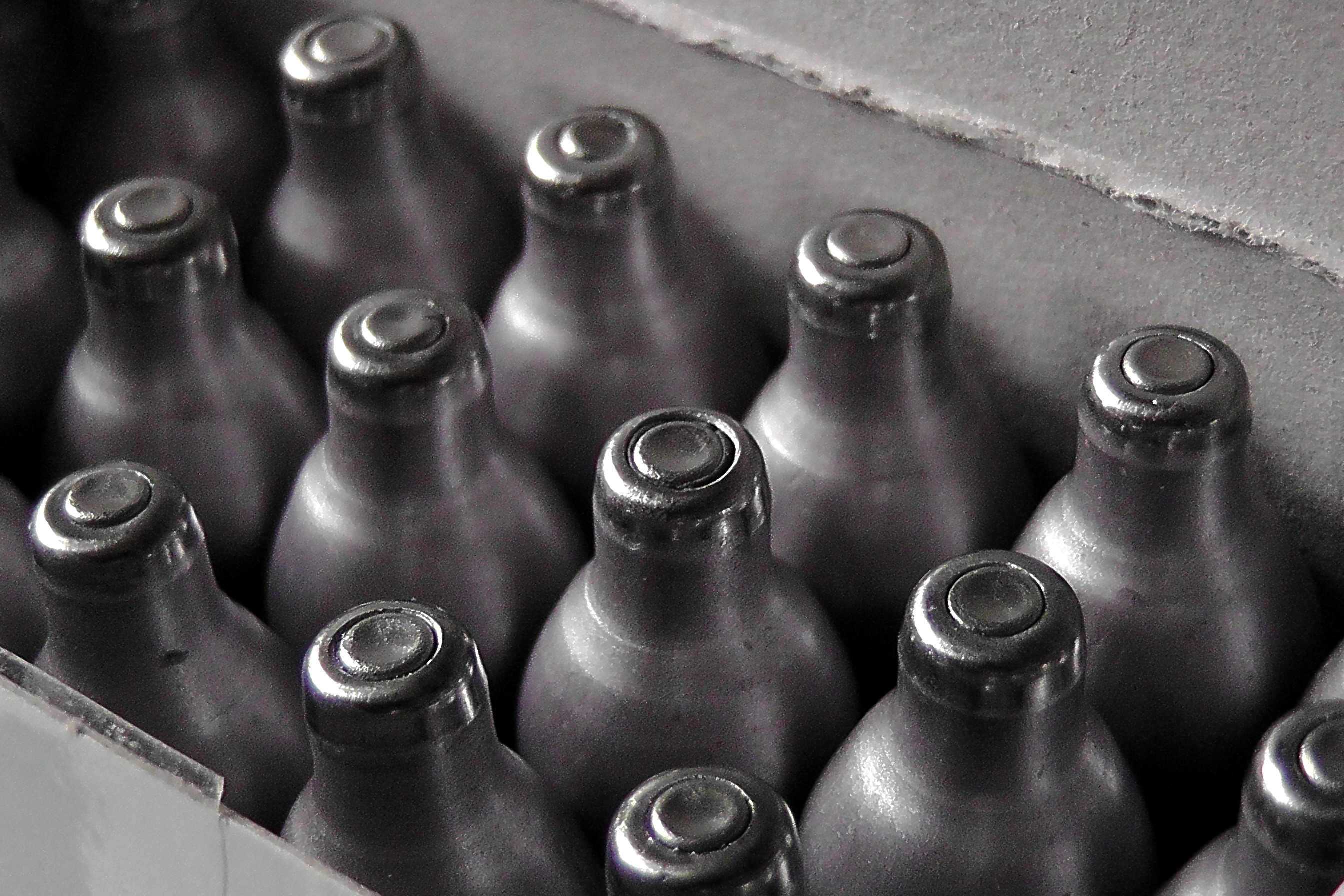
    In this case, “visible drug-related litter” means small cylindrical canisters or “whippets” used to charge whipped cream dispensers. These whippets are placed into a dispenser to fill a balloon that users can then inhale. 

    A follow-up question about this confirmed that at the moment, the only way the popularity of the use of the drug is measured in Ireland is by the visible litter left behind. 

    A spokesperson from the HSE National Social Inclusion Office said, “At present, nitrous oxide is not represented in traditional data sets such as in the general population survey, treatment data or the national drug-related death index.”

    Drug use behaviour data is usually captured at a national level by the Health Research Board, who conduct general population surveys, collate treatment figures, and gather publications on drug-related deaths. 

    The HSE is also presented with information on emerging trends from hospital presentations, stakeholders, and services. However, in terms of nitrous oxide use in Ireland, community services highlighting visible drug litter is the only method of reporting this issue. 

    “Nitrous oxide prevalence has developed at a slower pace in Ireland compared to European counterparts, who report use over a longer period of time,” the spokesperson said. 

    This method of tracking the popularity of the drug could mean that many issues relating to it could go under the radar – if whippet users correctly dispose of their litter instead of leaving it lying around streets and in parks. 

    Fianna Fáil councilor Shane Moynihan said that the use of nitrous oxide as a drug is a “sleeping issue” in his local electorate area of Palmerstown-Fonthill. 

    As a result of people being confined to their 5km during the first lockdown, the issue came to a head as whippets could be seen discarded in parks and residential areas. 

    “That brought it into focus for people. First of all, asking what they were and obviously people were able to find out effectively that it’s drug taking but also then the dangers inherent to them,” Moynihan said. 

    Whippets are used in catering and because of this, they are easily purchased online by anyone who comes across them. Moynihan said, “There are dealers that are buying bulk packets of these online because they can and masquerading as catering companies and then they’re dealing them out at massive markup.”

    In relation to how the popularity of this drug is traced, Moynihan said, “The issue at hand is because they are legal for use in catering and stuff like that, it’s very difficult. I struggle to think of how else you would track it.” 

    Monitoring the sale of whippets through online platforms is perhaps the only viable way to prevent them from being used for non-legitimate reasons. Without a system to ensure that only catering companies or those who genuinely need to use nitrous oxide can buy them, this is not an easy thing to do. 

    “Unless you’re capturing how much is being bought online, which is pretty difficult, looking at the remnants is probably the best way to do it because you know in those cases that it’s being used for the purpose that they’re not designed for i.e drug-taking,” he said. 

    Sinn Féin TD Mark Ward for Dublin Mid-West agreed with the difficulty posed by this issue and said, “That’s the only way they can trace at the moment because there hasn’t been legislation brought in that can track the nitrous oxide coming into the country.”

    In order to combat people buying whippets for non-legitimate reasons, Ward suggested having registration numbers connected with each box of whippets or shipping of them, as there needs to be “some sort of traceability”.

    “If those canisters are found strewn around the streets, they could be traced back to the supplier that they were meant to come in from. Then there would be cumulative measures taken from that stage,” Ward said. 

  • Drug use in Irish Prisons and the challenges it brings

    Drug use in Irish Prisons and the challenges it brings

    Findings from a recent FOI request, along with news of Ireland’s biggest ever prison drug haul, show Mountjoy Prison is continuing to battle the ongoing issue during the pandemic. Gavin Dalton spoke with Michelle Martyn, a representative from the Irish Penal Reform Trust, about their work within the penal system

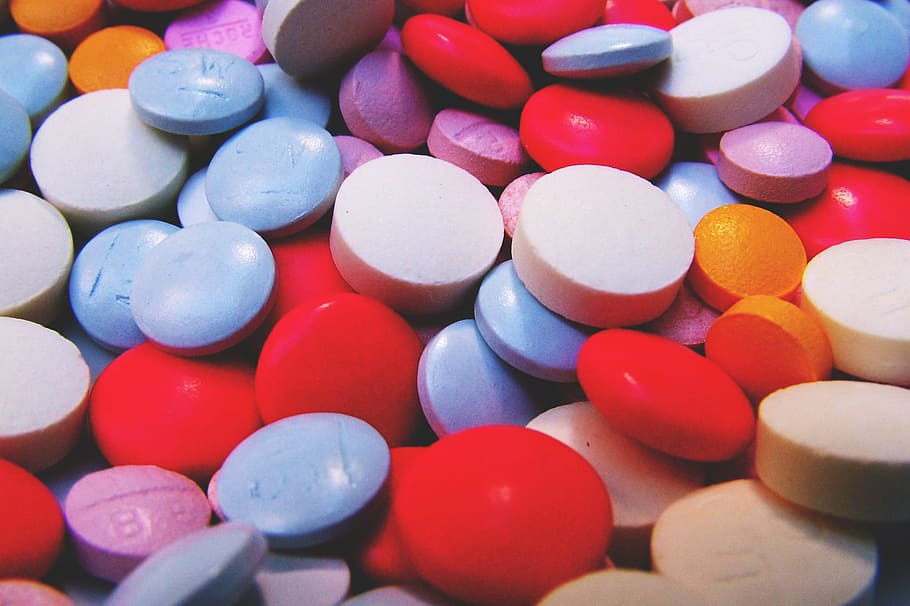
    Copyright free image sourced from Pixfuel

    Findings of a Freedom of Informaion request show the figure and makeups of contraband seized from cells in Mountjoy Prison from January 2020 to the 24th of October 2020. These figures show the number of phones confiscated amassed to 174,  the number of weapons seized read 41, followed by 225 drug seizures, the highest of the three.

    Speaking to TheCity, a spokesperson from The Irish Prison Services said: “Preventing the access of contraband into prisons remains a high priority for the Irish Prison Service. Concerted efforts are made continuously to prevent the flow of drugs into our prisons, by, for example, the installation of IT anti-drone technology, nets over exercise yards, vigilant observation of prisoners by staff, enhanced CCTV monitoring, stricter control of visits and the use of targeted and random cell searches daily.”

    “We have enhanced the fight against contraband entering our prisons by introducing drug swabbing similar to airport-style swabbing for drug residues. The Prison Service is committed to investing in new technology, which will further prevent the access of contraband into prisons.”

    Despite the best efforts of prisons to prevent the flow of drugs into their buildings, the cat and mouse game is an omnipresent feature of prisons, and drugs can pass under the strict security measures and gain their way to prisoners for sale and supply. Drug abuse in prisons will likely continue despite the efforts.

    Drug addiction is a major issue in Irish prisons and its knock-on effects such as mental health problems and violence mean the life of a prisoner is as complex as ever. With such hostility involved with modern-day prisons, the rights of prisoners often come to attention. 

    The Irish Penal Reform Trust (IRPT) is a non-government organisation that advocates for the rights of prisoners. Michelle Martyn, the IRPT’s policy and research manager, spoke with TheCity.ie about the current issues surrounding drug use in Irish Prisons and the work they do.

    “We advocate for the rights of everyone in the penal systems. I suppose our mission is that, wherein possible, prison is used as a last resort. We’re a small organisation, so we try to effect change through our research and advocacy. We do a lot of work in different areas around prison conditions.”

    Speaking of the recent seizure in Mountjoy where it was reported a discovery of cocaine with an estimated value of €140,000, tablets believed to be worth up to €20,000 and €5,000 in suspected cannabis along with a small number of steroids, alcohol, and 30 mobile phones was made, Martyn feels the drug situation in prisons reflects modern-day society. 

    “I know the prison services have a campaign to try to stop drugs and prevent overdoses from happening but it’s still a huge problem for both prisoners and their families.”

    “The latest figure I’ve seen shows that within the prison population, 70% of male prisoners and 85% of the women have addiction issues,” she said

    “There needs to be support in the community to prevent the problem in the first place. Trauma is often the root cause of addiction so until services are there and ready to intervene at a very early age in the community, there’s always going to be that issue,” she said. “The harm that it causes for families is immense. Like everywhere in society, once there are drugs available, there’s demand and if there’s demand then there will be a way of supplying.” 

    In regards to services available to prisoners suffering from addiction, Martyn added how she feels access to services is an issue only worsened by the pandemic. She said: “ During Covid-19 we don’t really know how things have been operating generally, but I would imagine that there have been more issues for people with drugs.”

    Before the pandemic, there would’ve been community based organisations that support people with drug use. However, they haven’t been getting in to support people. There are now telephone calls, but we don’t know how well that’s working. It’s a different approach than talking to somebody face to face about issues of addiction.”

    Martyn also said there’s a need for more support staff within prisons. “For example, in Clover Hill prison, there was one addiction counselor to 400 prisoners with people who have many addiction issues. These ratios are really poor so there is definitely an issue in access to services for people who want to avail of supports.”

    “The services should be there and available for people who are motivated to get support for addictions,” she said. 

    Albeit a challenging situation with answers hard to produce, it’s apparent, work is yet to be done to aid those in our nation’s penal system battling addiction. Perhaps, as Martyn concluded a more “holistic” approach could be looked at.

  • How much does sports contribute to the high COVID case numbers?

    How much does sports contribute to the high COVID case numbers?

    All local sports clubs and gyms are completely closed now, taking away a necessary outlet for exercise and mental health from many nationwide.  Conn McGillion investigates whether sports activities were spreading the Covid-19 virus.

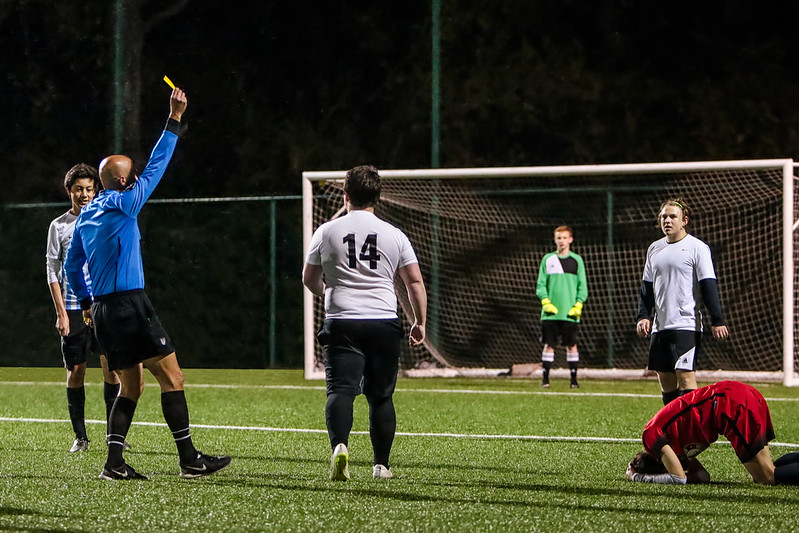
    Photo taken by TLC Photography. Sourced from Flickr.

    From June to August, there have been only fourteen positive cases reported nationwide across all sports clubs within GAA, rugby and football, according to documents received by the HSE in accordance with the FOI (Freedom of Information) act. According to the documents, under five of these cases were reported from within Dublin, and the other nine cases were scattered around the rest of the country. These cases came after all sports clubs had restrictions lifted in June to train in a controlled environment.

    Prior to the second lockdown, diagnosed cases were at an all time high. 1000+ case daily have become the norm from August to September. Only fourteen cases nationwide across three months is indicative that sports clubs, and gyms, are not a primary spreader at all in comparison to the likes of restaurants and factories. In fact, many of those cases come from one isolated incident.

    An example of this would be in the GAA. Claughan United in Limerick had tested a player positive in mid-August, and the safety precautions were immediately taken. The player, who was asymptomatic, was instantly placed in quarantine, along with the entire club and the local rugby club, Shannon RFC. Claughan released a statement at the time, suspending all club activities indefinitely, after careful consideration was given to correct procedures regarding self-isolation and efficient testing.  

    The majority of the cases came from a club in Clare, Cratloe. Cratloe had six players who tested positive for Covid on the 7th of August. While they quarantined those initial positive cases on the day, they initially continued their activities – as the virus began to spread, they were forced to abruptly put a stop to their training. 

    While cases such as these are reckless, they are not indicative of how the majority of sports clubs react – many of the sports clubs are happy to abide by the government guidelines, and adhere to them properly. Sports-related case numbers are not comparable to large outbreaks in the likes of meat factories and pubs. 

    The Health Protection Surveillance Centre (HPSC) has recorded 2,736 outbreaks in other settings such as nursing homes, workplaces and private houses. It is also reported 1,500 cases alone were reported from meat factories. Clusters, which involve more than one outbreak case, are commonplace in these more social areas.

  • Nationalities of international undergraduate students in Ireland’s ‘Big 3’ Universities revealed for academic year 17/18

    Nationalities of international undergraduate students in Ireland’s ‘Big 3’ Universities revealed for academic year 17/18

    University College Dublin (UCD) has 7,869 international undergraduate students, making up 27 percent of total undergraduate student numbers in that college for the academic year 2017/2018.

    The college had another 21,257 Irish undergraduate students in that time.

    Meanwhile, Trinity College Dublin (TCD) has 3,192 international undergraduate students while National University of Ireland Galway (NUIG) has 2,467.

    The figures were obtained via the Freedom of Information Act from the three universities.

    According to the figures, the United States is the country with the most students pursuing undergraduate education in these three universities. TCD has 687 US national students; while UCD has 1,753 and NUIG has 812.

    Students from Britain form the highest numbers from Europe attending Ireland’s top universities. The numbers are 506 in TCD; 579 in UCD; and 172 in NUIG. Canadian, French and German students are also attracted by these universities.

    In Asia, countries like China, Malaysia consistently have the most students coming to Ireland for a university education. Notably however, Singapore, a relatively small country, has 226 Singaporean undergraduate students at TCD, the most amount of Asian students in Ireland’s premier university.

    From the African region, Nigeria is the country with the most students coming to Ireland with TCD (33), UCD ( 64), NUIG (73). Its numbers are significantly higher than other African countries. On the other hand, Australia is the main country representing the Oceania region, with 40 at TCD; 77 at UCD; 35 at NUIG.

    The international undergraduate students that come from South America and Africa and Oceania make up the minority of international students.

    The tables below show the top ten nationalities of international undergraduate students studying at each of the universities for the academic year 17/18.

    TheCity has compiled the data received, and categorised the countries into their respective geographic regions.

    For the convenience of categorisation, we labelled countries that are located in the Caucasian states into the classification of ‘Asia’. The geographic location of Russia meanwhile has been much debated whether it is in Europe or Asia. We decided to categorise Russia to Asia, based on its majority landmass being located there.

    The data compiled shows that TCD has the most international undergraduate students coming from Europe (1,583), followed by North America (839) and Asia (645).  

    UCD, with the highest number of total international undergraduate students, has the most students coming from Europe (2,839), closely followed by Asia (2,418) and North America ( 2075). There are 139 ‘unknown’ students which were not categorised.

    NUIG has the most students coming from North America (975). European (792) and Asian (488) nations are the other main contributors for international undergraduate students in the college.

    TCD said: “We benefit from our international collaborations with universities around the world in developing both research links and opportunities for our students to study abroad during their programmes.”

    On the recruitment of students, NUIG said: “NUI Galway has focused its international recruitment efforts on the US, India, Gulf Cooperation Council (GCC), and South East Asia. We plan to target West Africa and South America as part of our next recruitment drive.

    “International students of which there are 3,000 in NUI Galway represents a significant economic contribution to Galway City and its hinterland. This cohort also adds diversity to the city.”

    UCD has been contacted for comment, but had yet to respond at the time of publication.

    The universities examined here are the highest ranked universities in Ireland, according to the QS World Rankings 2019.

    According to the World Rankings, TCD is currently 104th in the world. UCD is 193rd place while NUIG is 260th place.

    The latest data from the Higher Education Authority (HEA), shows that of the overall international students population in 2017/2018, 41 percent comes from Asia; 29 percent from North America; 20 percent from the EU; and 10 percent from the rest of the world.

  • Former communications ministers receive more than €70,000 in mileage expenses in 30-month period

    Former communications ministers receive more than €70,000 in mileage expenses in 30-month period

    Mileage expenses paid to former Ministers at the Department of Communications, Climate Action and Environment for local travel between May 2016 and October 2018 amounted to €70,972.30, according to figures obtained by TheCity following a Freedom of Information request.

    The politicians are former Minister for Communications, Climate Action and Environment Denis Naughten and Minister Seán Kyne.

    Denis Naughten claimed €14,157.13 for mileage expenses in 2016. The expenses amounted to €18,647.77 in 2017, and €17,311.05 in 2018. In total, the former Minister for Communications claimed €50,115.95 for mileage.

    Minister Seán Kyne served two roles during this period of time. He was Minister of State for Gaeltacht Affairs and Natural Resources for the term May 2016 to June 2017. He then served as Minister of State for Natural Resources, Community Affairs and Digital Development for the term June 2017 to October 2018.

    He claimed €7,498.69 in mileage when he was in the first role; and €13,357.66 in the latter role. This adds up to €20,856.35 for mileage claimed.


    Furthermore, Denis Naughten claimed subsistence which amounted to €1,987.42 for 2016; €2,479.50 for 2017; and €3,276 for 2018. The total subsistence claimed by Denis Naughten tallies up to €7,742.92.

    Minister Seán Kyne meanwhile, claimed €2,470.82 in subsistence when he was Minister of State for Gaeltacht Affairs and Natural Resources. A subsistence figure of €2,302.55 was then paid to Minister Seán Kyne when he was Minister of State for Natural Resources, Community Affairs and Digital Development. These two subsistence numbers add up to €4,773.37.

    According to an information note, ‘Mileage consists of kilometres travelled in Ireland minus 10 percent for personal use and tolls.’ Air travel is not included under mileage expenses.

    TheCity attempted to pursue further information regarding the matters from the Department of Communications, Climate Action and Environment but was denied.

    The press officer for the Department told TheCity to ‘submit a new FOI request for the material now sought’.

    Denis Naughten began his role as Minister for Communications, Climate Action and Environment in May 2016, before resigning in October 2018. He was replaced by Richard Bruton.

    Minister Seán Kyne is currently the Government Chief Whip and Minister of State for Gaeilge, the Gaeltacht and the Islands.

  • Irish prison population decreasing

    Irish prison population decreasing

    7,484 people were committed to Irish prisons in 2017, according to the Irish Prison service, figures obtained under the Freedom of Information Act show.

    The latest figures from the Irish Prison Service show the number of people committed to Irish prisons has decreased significantly since 2014. In 2014 13,408 people were sent to Irish prison. This figure increased to 14,182 in 2015. 2016 saw marked improvement with a drop down to 12,579. While 2017 saw the level almost halve; down to 7,484.

    Of this number, 6,043 were male, with 1,081 females entering prison the same year. Irish men and women make up the bulk of the Irish prison population. In 2017, 882 Irish women and 4,844 Irish men were incarcerated here.

    This was followed by 15 Polish females and 253 Polish males. The third highest nationality in Irish prison was amongst Romanians; with 39 females and 203 males.

    The bulk of the prison population for both males and females is made of persons between the ages of 21 and 40 years. The highest age demographic in 2017 was males and females between 30 and 40 years, with 2,498 men and 2,109 women in this age group committed to prison last year.

    For home address, by county, given by persons committed in 2017, Dublin ranks the highest with 2,490 people. This is followed by Cork with 721 and Limerick on 464.

    For people who stated their chosen religion to the Irish Prisons Service, Roman Catholics made up the largest demographic on 716 in 2017. Overall, 191 practicing Muslims were in Irish prisons in the same year, while Christians made up the third largest religious group on 189.

  • Fitness exam most common cause for failure in Army Reserve

    Fitness exam most common cause for failure in Army Reserve

    The Army Reserve fitness exam was the most common area of failure for applicants over the past four years according to figures obtained under the Freedom of Information Act.

    In order to be accepted into the Irish Army Reserve, candidates must be between the ages of 18 and 35 years, complete a fitness test, interview, medical exam and pass garda vetting.

    *The years 2015 & 2016 were combined. 2016 results are included with 2015 data in the graph.

    The fitness exam is composed of three aspects:

    • A candidate’s Body Mass Index (BMI) is recorded to ensure they are considered healthy and within the required parameters (BMI between 19-24)
    • If successful, they may complete a local muscular endurance test. This consists of candidates performing 20 push-ups and 20 sit-ups within a minute.
    • Next, applicants must undergo an Aerobic Capacity exam which requires them to run 2.4 km in a given time. The maximum time for males being 11 minutes and 40 seconds, while females are given a time of 13 minutes and 10 seconds.

    “Physical fitness is a basic requirement of military life which places unique physical and psychological demands on personnel,” said Captain Paddy Molloy from the Defence Forces Press Office. “In order to be prepared for these demands, regular assessment is required to ensure the standards are being adhered to.”

    Speaking to TheCity.ie, the HSE has commented that “in relation to the general population, the Healthy Ireland Survey highlights that almost two-thirds of the adult population in Ireland are not sufficiently active to meet the national physical activity guidelines. In addition six out of ten adults in Ireland are overweight or obese, with BMI greater than 25.”

    The National Physical Activity Guidelines for Ireland recommend adults should be active at a moderate level for thirty minutes, at least five days a week.

    “The number of personnel failing fluctuates annually, but is assessed as being within acceptable parameters,” said Captain Molloy.

    Statistics showed that last year 20 percent of failures were among female applicants.  

    According to Captain Molloy, “the fitness test makes allowances for age, gender and chronic physical injuries in line with international standards and best practice.”

    Females made up 15 percent of those that have applied in 2018 so far. Last year saw a peak in female applications at 678, while this year saw a record low in recent years with 201 applicants so far.          

    No females have failed the garda vetting in the past four years.

  • 67 people have died in Irish prisons since 2010

    67 people have died in Irish prisons since 2010

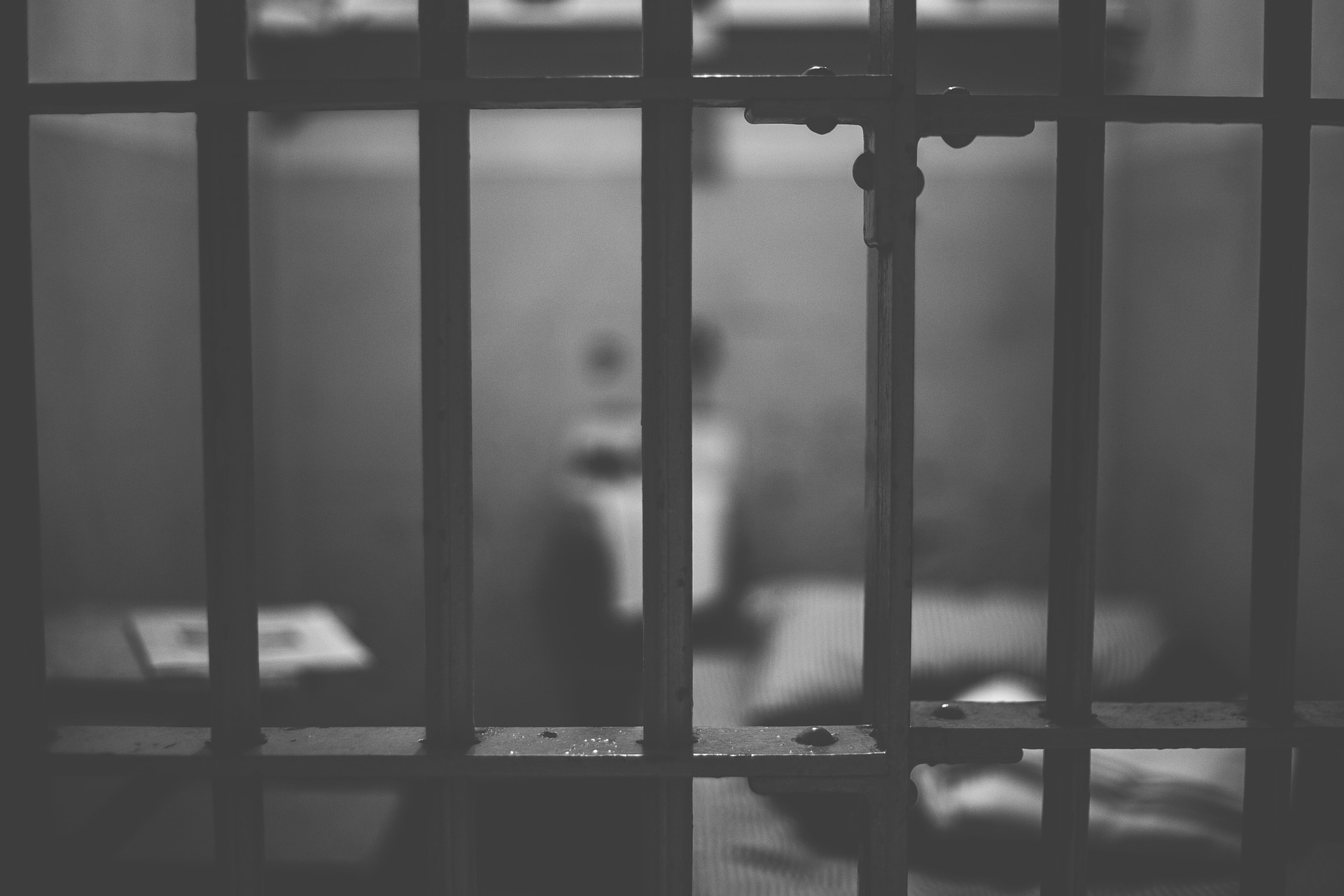
    There have been 67 deaths in Irish prisons between 2010 and 2017 according to figures released under the Freedom of Information Act 2014.

    A high of 14 people died in 2015 while 2012 and 2016 saw the lowest figure since the turn of the decade with just five fatalities. Last year nine inmates died, which was an increase on the previous year.

    In 2010, a total of eleven people died which then dropped by five the following year. Nine people died in 2013.

    Prisonstat

    The most common form of death was misadventure, with sixteen deaths categorised in that way.

    Fourteen people died from natural causes, while the same amount of people died from suicide. A high of three people took their own lives 2013, while a record four died from natural causes in 2015.

    There was one confirmed unlawful killing in 2015, while there are ongoing inquests in relation to twelve incidents since 2010. There are seven active inquests from last year, while two inquests from 2013 are still ongoing.