Tag: FOI

  • Bus Éireann’s five most complained about routes

    Bus Éireann’s five most complained about routes

    Complaints made by Bus Éireann passengers nationwide are growing, according to figures obtained by TheCity.ie through Freedom of Information.

    Since the beginning of 2015, 1,268 complaints have been filed to the National Transport Authority by passengers about the bus service. These figures are rising by the year, too. There were 206 complaints made by passengers in 2015, which would rise to 273 complaints made in 2016.

    Complaint figures then skyrocketed nationwide in 2017 up to 458, in a year that saw Bus Éireann drivers go on strike for a three week period at the end of March into April.

    As of November 2018, 331 complaints have been made about the service so far this year, a significant increase on the number of complaints made in the years 2015 and 2016. However, it is unlikely to exceed the 458 complaint figure of 2017, which were inflated by the strike.

    Number of complaints per year


    So, what bus routes are the primary offenders over the last four years? The top five most complained about are all commuter buses to or from Dublin.

    The 133 service, which serves south County Wicklow, has the fifth highest number of complaints made, with 54 complaints being made about that bus service since the beginning of 2015. The highest number of complaints made in a year about the ‘133’ was 23 in 2017, with 10 being made this year, which has already exceeded the 9 complaints made in 2016 and has a chance of beating the 12 made in 2015. Complaints made by passengers of this route mostly consist of the service being unreliable.

    The 111 service, which runs from Athboy, Co. Meath to Dublin, comes in fourth place in the number of complaints made, with 72 complaints being filed to the NTA since 2015. However, this year the service appears to be running a lot more smoothly, with only two complaints made in 2018, compared to the high of 30 made in 2017 and 29 in 2016.

    The 109/109A/109x services, running from Kells, Co. Meath and Cavan Town comes next, with 73 complaints made since 2015, just one more than the ‘111’ Athboy route has received. There were only 11 complaints made about the service in total between 2015 and 2016, before a massive 52 complaints occurred in 2017. The majority of these complaints were regarding changes made to the service, but a good deal of them consisted of passengers complaining about the service being generally unreliable. The number of complaints in 2018 have fallen significantly to 10 so far this year, but this number still comfortably exceeds the 2015 and 2016 numbers.

    Now to the second highest total of complaints, which have been made about the ‘132’ bus route which runs from Dublin down to Bunclody in Co. Wexford. A huge 118 complaints have been made by passengers of this route since 2015, with the lowest figure for any of these four years being 22 in 2015. The highest number of complaints were made in 2017, with 42, an increase of 16 from 2016’s 26 complaints. So far, 28 complaints have been made about the ‘132’ route in 2018 and that number is expected to rise over the last month of the year. Practically all of the complaints made by passengers of this route surround the buses’ apparently being, “sub-standard”, which features heavily in all four years of data.

    Finally, the bus route(s) that holds the unfortunate honour of having the most complaints made about it in the the last four years, are the 103/103X, which serves Tayto Park and Fairyhouse from Dublin. There have been 124 complaints made in the last four years regarding the 103 services, with a whopping 67 of them occurring in 2016. The majority of the complaints that year were made in response to changes to that route by Bus Éireann. The following year saw 30 complaints to the NTA, with 19 made so far this year, both of these figures considerably higher than the mere eight that were made in 2015. Complaints made in the past two years have varied from buses being late to not showing up at all, with the reliability of the ‘103’ services being questioned.

    Top five most complaints


    The complaints filed by Bus Éireann passengers to the National Transport Authority are unfortunately not a true reflection of the service, as they do not include complaints made by passengers directly to Bus Éireann. However, it is still clear from the log of complaints seen by TheCity that Bus Éireann has reliability issues on multiple services and in the case of the ‘132’ route, some passengers believe buses are not up to standard.

  • DIT’s maintenance bill triples in last three years

    DIT’s maintenance bill triples in last three years

    Dublin Institute of Technology’s (DIT) maintenance bill has inflated to over three times that of what it was three years ago, The City has learned.

    DIT’s maintenance bill has been steadily rising year after year over the last ten years, for the most part. With the 2015 bill at €1 million, followed by €2 million in 2016, then up to €2.3 million in 2017, the maintenance bill finally reached upwards of €3.3 million in 2018.

    “The 2018 [maintenance] budget includes a provision for refurbishments relating to the relocation from Rathmines Road to the 5th Floor, Park House (circa €1,000,000)” said Lisa Saputo, a spokesperson for DIT.


    Screen Shot 2018-11-30 at 21.37.57.png
    DIT’s budget for cleaning and maintenance over the last ten years

    Despite the rising costs of upkeep in the college, the cleaning bill has been going down with €2.4 million spent in 2008 and €1.9 million in 2018. There have been fluctuations on the cleaning bill from year to year but overall it has been declining.

    DIT say the reduction of the cost of cleaning is down to the centralisation of their budget in 2010. DIT spokesperson Lisa Saputo said: “Centralisation, combined with an improved tendering process, reduced cleaning costs in DIT by 10% without a reduction of service levels in the ten-year period from 2008 to 2018. To facilitate the transition to the fully centralised model, a small specific budget allocation was provided to some campuses.”

    Bolton Street campus had a costly year in 2008, with €590,000 spent on cleaning and €389,000 spent on maintenance, amounting to a bill of €980,000.

    Grangegorman’s maintenance costs have gone up considerably in the last few years despite being a new campus. In 2015, DIT spent €24,000 on maintenance, in 2016 it was €57,000, in 2017 it was over €111,000 and then €168,000 in 2018.

    There was considerable fluctuation in the overall budget of maintenance in the years from 2013 to 2018. The 2013 bill was €1.1 million which went up to €2.3 million in 2014, then back down to €1 million in 2015 and up to €2 million in 2016. It subsequently rose again to €2.3 million in 2017, and finally up to a whopping €3.3 million in 2018.


  • DIT Aungier Street suffers the effects of Grangegorman’s development

    DIT Aungier Street suffers the effects of Grangegorman’s development

    The ‘Grangegorman Urban Quarter’ is a proposed education, health and community development by the Grangegorman Development Agency (GDA) for Dublin Institute of Technology and the Health Service Executive. The GDA was awarded funding to begin the construction of the new campus based off the back of the country’s €2.5 billion stimulus package.

    The construction of the new DIT campus began back in 2013, with several listed buildings in need of extensive refurbishment. The buildings listed include those that will now accommodate up to 1,400 staff and students that would have moved into the campus in 2014.

    Integrating over 20,000 staff and students and for the first time having all DIT activities which are currently spread over 39 different buildings into one campus is a long-awaited development. It will make for a much more appealing prospect for Leaving Cert students as they decide on where to undergo their third-level studies.

    However, for those like myself who became a student of DIT Aungier Street back in 2015, it’s fair to say it does leave you feeling a little ‘hard done-by’. My 4 years of studies in DIT will all take place inside the walls of DIT Aungier Street, meaning I will not have the privilege of availing of the modern Grangegorman campus.

    That said, I don’t feel this would be an issue if the facilities in the rest of the DIT locations remained to a certain standard. Especially when you’re forced to pay €3,000 to avail of them. Sadly however, this is not the case. Into my fourth year here in Aungier Street, and still the same problems occur now as they did on my first day attending the college.

    “I attended my first lecture with a great amount of excitement. Sitting in a large lecture hall for the induction day, I expected a similar environment would greet me for each of my classes. However, I didn’t arrive to anything like the induction day. Instead, I arrived at quite a small classroom with roughly 25-30 computers with a seat at each one.”

    Luckily, I was a couple of minutes early for this class because if you arrived on the hour or any time after that, you were left without a seat and had to sit on the ground or stand at the back. Whichever you preferred. Keeping in mind that a full attendance would have meant roughly 60 students were in a room with enough seats for 50% of the attendance, and it’s easy to realise the uncomfortable setting we were in on only our first day.

    In one particular module I took in my 3rd year, there were only 12 computers which have a particular programme which we needed in order to complete our coursework. The problem here is that over 4 different years there are roughly 220 students who can be in need of using these computers at any given time. Particularly when there are deadlines to be met, this can cause quite a lot of unrest as the programme costs over €100 for its most basic package, with prices reaching as high as €2,555 for the more advanced versions.

    This is still a common problem in DIT and the fact remains that most of the classes I have don’t have sufficient seating for the number of students attending the lecture, and even if they are lucky enough to pull a seat from another room, it still leaves them without a desk or computer to work at.

    DIT say that during the period between 2010 to 2015 the state provided no money by way of devolved grant for the maintenance and the upkeep of any of the institute’s properties. As a result, this means that any small essential works were only those that could be funded from recurrent funding.

    On top of the lack of seating, there is a severe lack of computers available in the library which are essential for students in college, especially towards the end of semester. The fact there are only sixty computers available at any given time is extremely disappointing. Even if you are able to find a free computer in the library, which is often full, there is also the chance that the free computer is not working which has been the case on many occasions. It’s extremely easy to feel as if the large fees you pay to attend the college don’t necessarily improve the facilities available for these reasons.

    There is also the fact that our sports teams don’t have any facilities for training or matches on the campus. Instead, they must travel to Grangegorman, where state of the art facilities are now in place.

    Over the last two years, the Department of Education and Skills has reinstated the Devolved Grant. This is limited funding which is provided to maintain all the Institutes of Technology (IOT). IOTs are categorised into three categories based on the number of students attending each IOT. With DIT being in the highest category, it meant that over the last years they have received around €900,000. This money has been more or less evenly split between building fabric (essential maintenance, lifts, fire safety, seat replacement, window blinds, etc.) and computer and ICT upgrades.

    “Aungier Street represents approximately 20% of the total DIT estate and thus has benefitted from a “commensurate, if limited investment”, described as not adequate, as there is a backlog of essential repairs due.”

    It’s quite evident the main authorities are aware that the current state of the DIT Aungier Street campus is not acceptable, and they clearly state that more funding would be required in order for them to maintain the campus at a more reasonable rate. However, it doesn’t take a genius to realise why there is such lack of funding, when there is €47.5M being provided to fund the Grangegorman campus.

    The Grangegorman Development Agency (GDA) is the group responsible for the recent development of the impressive 73-acre site located in the North City Centre of Dublin. The reasoning behind the recently developed campus is to merge all the existing IOTs of this institute into one campus. In September 2014, 1,100 students were relocated to the Grangegorman campus. In September 2019, it is planned that a further 10,000 students will relocate to the campus and it is envisaged that the relocation of all students will be completed by the year 2021.

    The opening phase of the Grangegorman project has been completed, with the institute committed to providing funding totalling €47.5M. Other public bodies have also contributed towards this cost with €11.1M of the total cost amount. In 2014, the institute paid €14.586M towards this total funding, and as of the 31st of August 2015, the institute paid amounts totalling €28.961M to the Grangegorman Development Agency. These payments made toward the GDA have been stated to be treated as “a long-term debtor” by the institute.

  • Visits to Ireland becoming increasingly popular

    Visits to Ireland becoming increasingly popular

    Figures released by the Central Statistics Office (CSO) and sourced by the Dublin Airport Authority (DAA) have shown that Ireland has been getting a steady increase in foreign visitors for the period spanning 2010 to 2017.

    The overall figure has risen from just over 6 million people in 2010 to 9.9 million in 2017, a rise of over 35%. Unsurprisingly, Great Britain sent the most visitors to Ireland over this period with more than 25.5 million people visiting our shores in the eight year period. Conversely, 20 countries from Africa produced only 348,500 people travelling to the country.

    However, it’s when you look at the figures on a year by year basis that you begin to see the trend of the number of visitors rising every year bar a few exceptions. Germany, Spain, The Netherlands, The USA, Canada and Asia (includes 50 countries) all had increases every year without fail.  

    Visits
    Figures show a steady increase of visitors to the country in the last few years // Central Statistics Office

    While some countries and areas had annual decreases here and there, not a single one had lower figures for visitors in 2017 compared to 2010. Again, as you would expect, the majority of visitors were from Europe, but outside of that, the USA dominated with more visitors than Canada, Australia, New Zealand and Other Oceania (31 countries), Africa, Central and South America, Mexico and Asia combined.

    Niall Gibbons, CEO of Tourism Ireland, commented on Ireland’s increased number of visitors for 2018 by saying: “Particularly welcome in today’s figures is the continued strong performance from North America, with an increase of 12.9%. A number of factors are working in our favour, including more airline seats than ever before, from more gateways across the US and Canada.

    Portions

    “We’ve also seen excellent results from Mainland Europe, up 10% on January-September last year, with particularly strong performances from Germany (+20.9%) and Italy (+11.8%). While we welcome the fact that arrivals from Britain are up 1.1%, it is not yet clear if this represents a turnaround in the long-term trend. The impact of Brexit on outbound travel from Britain remains a concern.”

  • Waiting lists for Child and Adolescent Mental Health Services on the rise

    Waiting lists for Child and Adolescent Mental Health Services on the rise

    With public outrage over long waiting lists, Child and Adolescent Mental Health Services (CAMHS) and chaos in emergency departments need to be prioritised.

    However, this importance is not reflected in the number of clinical staff or expenditure put towards mental health services. In 2007, there was a total of €990 million spent on mental health services compared to €917.8 million in 2018. That is a decrease of 7 percent in 11 years.

    Following a Freedom of Information request, it was found that in July 2017, there was a total of 2,419 children and young adults on the waiting list for CAMHS. As of May this year, there are 2,639 children and teens on the waiting list, which shows an increase of 9 percent in ten months.

    In 2017, 218 of those on the list were waiting over a year compared to 319 people as of May 2018, which represents a 46.33 percent increase.

    The HSE management data report for March 2018, revealed that there were 18,489 CAMH referrals, including re-referrals received by the Mental Health Commission (MHC).

    A total of 10,304 of those were seen by mental health services, and 226 of them were admitted to CAMHS acute inpatient units.

    The MHC recently published a report which highlights the issues in mental health services, such as the gaps in service provision and the waiting lists. CAMHS is meant to be a service for young people with acute mental stress. The limited choices medical practitioners have when referring a child to mental health services places more stress on an already overstrained service.

    According to a report, published in the Irish Medical Journal, paediatric services have an increased rate of mental health issues. The report revealed hidden costs in paediatric psychiatry consultation-liaison services (PCPLS).

    The majority of work done by PCPLS involves children with acute or deteriorating psychiatric disorders that co-exist with other physical health conditions, and most of which are previously known to CAMHS.

    In Ireland, there aren’t many options when dealing with PCLS cases in paediatric hospitals. Therefore, almost all of the 61 cases (80 percent) in 2016, as revealed in the report, were discharged to CAMHS.

    The MHC explained in their 2017 annual report that there were 82 admissions of children to 21 adult units in 2017 compared to 68 in 2016. This is a result of bed shortages in dedicated children’s units across the country.

    CAMHS can’t admit patients to out-of-hours care, which means that children seeking help are forced to seek medical attention in adult care services.

    In the absence of CAMHS, due to their out-of-hours services, PCPLS are directed to children who show up to the emergency room with psychosomatic illnesses.

    The MHC report showed that eating disorders were notably the highest mental health issue represented and account for a substantial share of expenditure. The report claims that the annual cost of bed days and one-to-one nursing care for these patients does not feature on any of the HSE CAMHS data records and comes out of hospital funds which means it’s not properly documented.

    Dr Fiona McNicholas, an author of the report, told The City that “there used to be much better detailed data records in previous CAMHS reports. Given there is a large volume of work coming in, and the cost is both in hospital stay, special and manpower, it needs to be added to mental health HSE data, but it is not.”

    Dr McNicholas added: “There is no ring-fenced budget for mental health provision within the paediatric hospitals. Going forward in planning the National Paediatric Hospital, this increasing volume of acute psychiatry that comes to the emergency department (ED) needs to be recognised by the HSE Mental Health Division. It needs to be measured, costed and resourced, so that the children and families in acute psychiatric crisis attending ED feel welcomed and are given a good mental health assessment without a sense that they are taking away specialist consultant liaison time from the children with combined medical and psychiatry issues.”


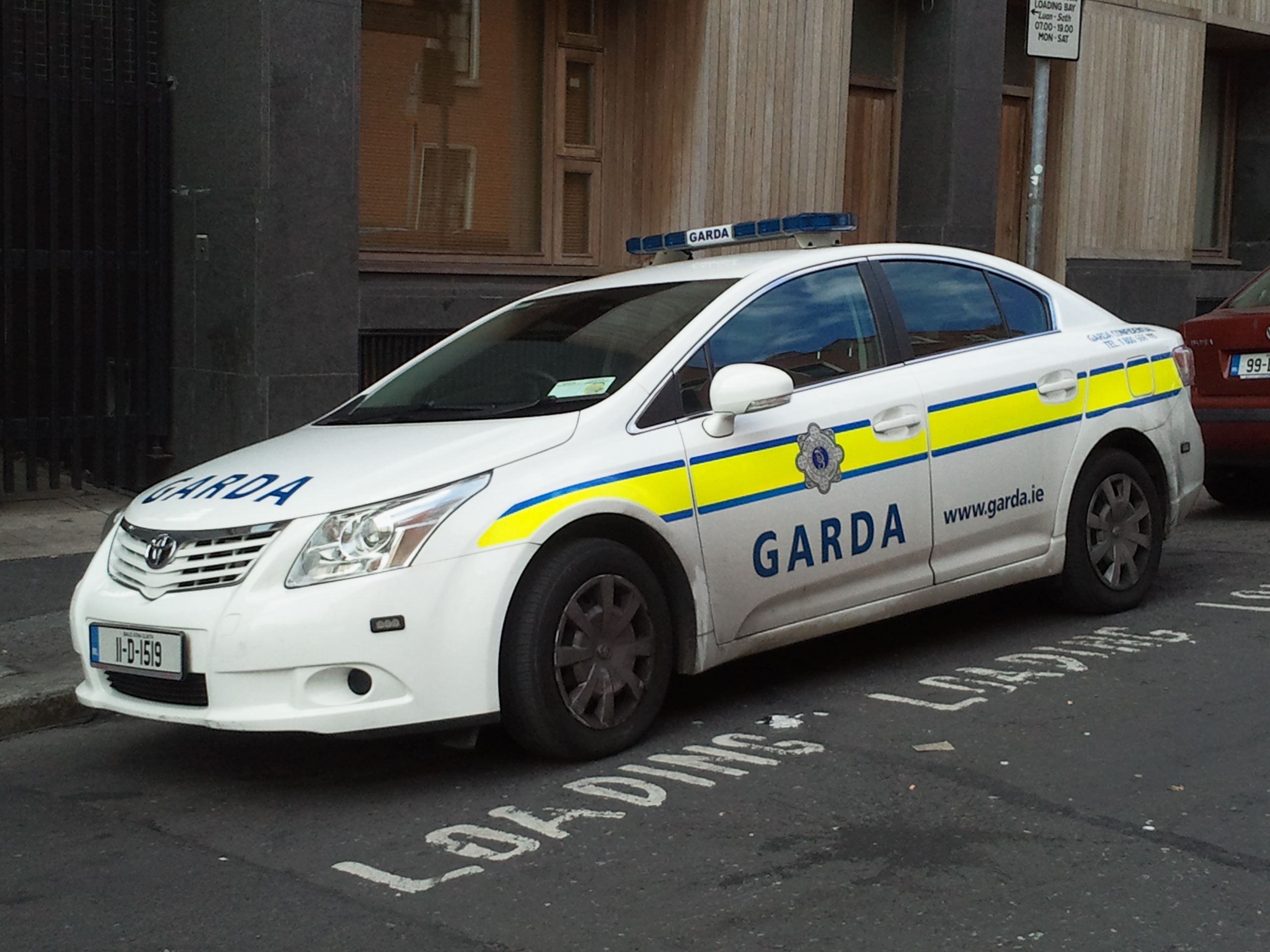
  • The price of peace: statistics from An Garda Síochána reveal the risks members of the force must deal with daily.

    The price of peace: statistics from An Garda Síochána reveal the risks members of the force must deal with daily.

    It is common knowledge that occupational hazards are very much part and parcel of choosing an occupation with An Garda Síochána. The first half of the 2010s it seems however, were particularly dangerous years for members of the force.

    Figures released from An Garda Síochána’s Freedom of Information office have revealed the number of injuries sustained by members of the force since 2008. Most notable of these statistics are the number of assaults on gardaí and the number of road accidents, which have taken place.

    2008 as shown below reveals that the number of recorded assaults on members of the force had begun to see a decrease from 2009 onwards, only to skyrocket in 2013. The figures continue to elevate to just under 300 attacks on gardaí in 2015. Interestingly however, the number eases in 2016 and has reached 153 so far this year.

    image3.png

    On duty members of the gardaí throughout 2010 to 2016 have been involved in a large number of road traffic related accidents, with figures of injuries sustained by gardaí reaching almost 100 per year. 2009 saw a drop by about 22%, only to increase again by another 30% the year after. The trend eases in 2011 to 84, but rises until 2013 to 128 accidents, a spike of 35% in the space of two years.

    This current year, however, the figures for recorded road accidents stand at 61.

    image1.png

    Figures from the garda appropriation accounts of 2016 have shown that the number of garda vehicles damaged over the past eight years have risen substantially. While 2008 saw 482 recorded vehicles damaged in the year, both attributable and not attributable to gardaí, that figure has not once decreased since then.

    The number of damaged vehicles peaks in 2015 at 682, the closest figures to that being 667 damaged vehicles in 2011 and 639 2012. There has however been a somewhat significant decrease in these numbers last year with the number of damaged vehicles totalling 602, an easing of 11.8%.

    image2

    By Henry Phipps

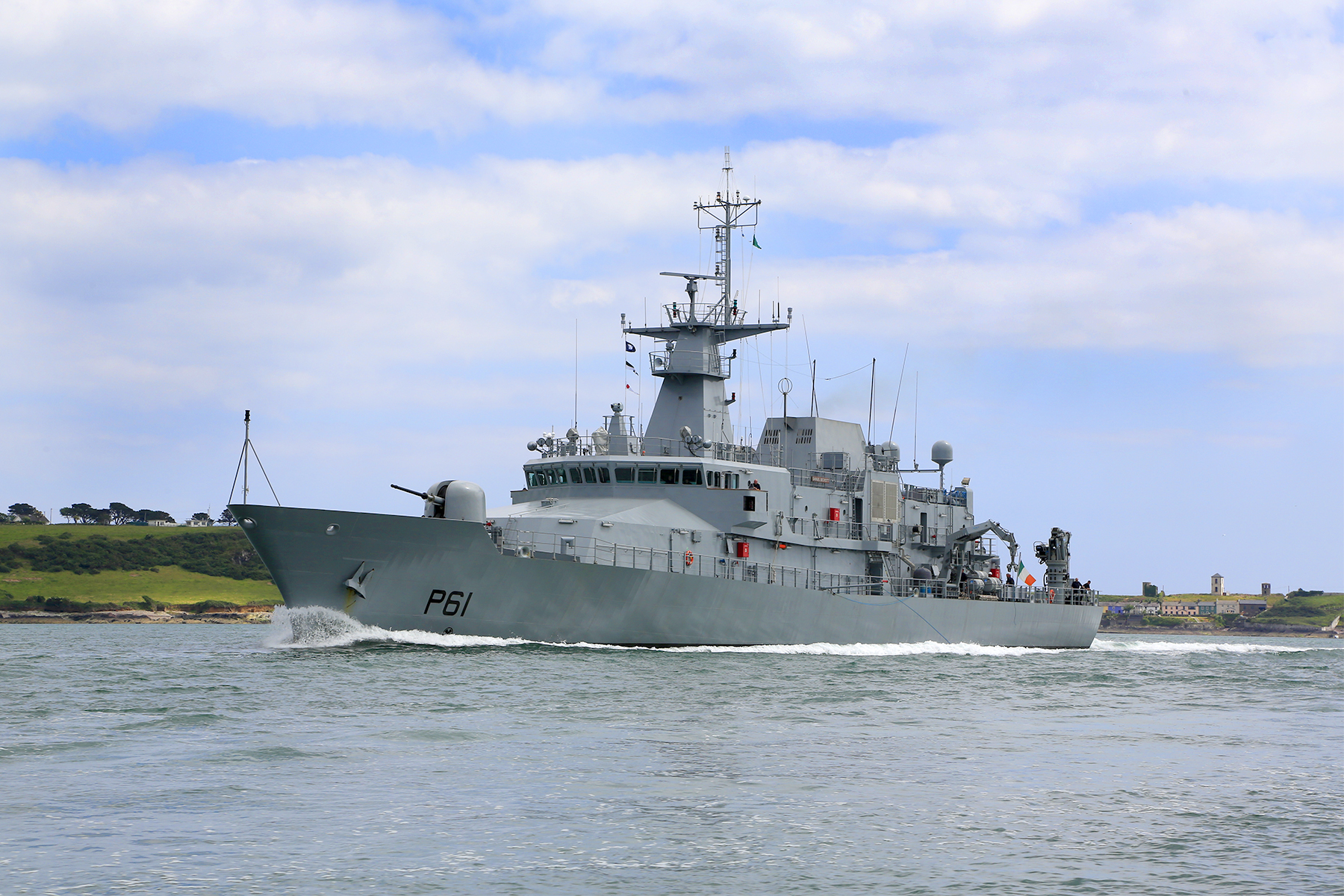
  • Irish Navy spent €1.25 million on Mediterranean mission in 2016

    Irish Navy spent €1.25 million on Mediterranean mission in 2016

    The Irish Navy has been operating military missions in the Mediterranean because thousands of refugees have drowned trying to cross to Europe.

    The well-documented crisis led to the Irish Navy being deployed on a humanitarian mission but that stance has also changed. Ireland is now a part of Operation Sophia, meaning the Navy will now be authorised to stop people traffickers. Operation Sophia is a part of the EU Common Security and Defence Policy mission.

    The operation targets vessels and gangs involved in human trafficking from Libya. Ireland joins Italy, Belgium, France, Germany, Portugal, Slovenia, Spain and the United Kingdom on the operation. Sinn Féin were among those opposed to Ireland joining Operation Sophia as they said it would affect Ireland’s neutrality.

    2016 was an expensive year for the Irish naval vessels located in the Mediterranean. The total cost to the Defence Forces was €1.25 million in 2016 alone.


    Ships LE Roisin LE James Joyce LE Samuel Beckett
    Fuel €305,231 €186,246.43 €344,602.03
    Provisions €36,272.72 €38,413.28 €36,746.70
    Other (Eg Spares) €100,594.90 €75,493.24 €128,392.16
    Total per Unit €442,098.62 €300,152.95 €509,740.89
    TOTAL €1,251,992.46


    The figures above, released by the Defence Forces under the Freedom of Information Act 2014, show over €836,000 was spent on fuel alone for the three vessels. The Irish Defence Forces have rescued over 17,000 refugees since the Navy was deployed to the Mediterranean over three years ago.

    The LE Samuel Beckett was the most expensive ship to fund in 2016, costing over half a million euro for the year. The vessel was launched in November 2013 and cost €71 million. The LE James Joyce was the cheapest to fund for 2016 at €300,000. Each of the three vessels has weapon capabilities.

    Over 2,000 people were saved in total by the LE Samuel Beckett with 50 of those saved in one rescue mission in November of this year as an overloaded rubber boat attempted to make its way from Libya to Europe. This is the second tour of the vessel as it originally began patrol in 2015 before being redeployed this year.

    It is unknown how long the Irish Defence Forces will continue to operate in the Mediterranean or how much it will cost the state to keep the Navy operating in the area.

    By Gavin Hyland & Louise Burne


  • Army numbers decreasing despite recruitment drive

    Army numbers decreasing despite recruitment drive

    Despite a recruitment drive over the course of last year, there are more than 100 fewer Defence Forces personnel now than there were at the end of 2015.

    Following a Freedom of Information request, the Defence Forces released information which shows that 551 people were recruited into the army in 2016. This leaves the Defence Forces with a total permanent membership of just over 9,000, well below the approved establishment strength of 9,500 members.

    The problem, according to Fianna Fáil’s defence spokesperson Lisa Chambers, is down to the slow process of replacing members leaving the Defence Forces. She said: “The recruitment process is fine, it’s constant, we are taking in people but we’re losing people at an even faster rate and we’re not replacing them.”

    These numbers come despite the Defence Forces’ significant recruitment drive over the past two years, as the number of recruits actually brought into the Defence Forces is nearly fifty less than planned for 2016.

    It remains to be seen if the Defences Forces’ original plan of recruiting 1,450 new members from April 2016 will actually come to pass, with Minister Simon Coveney saying that the army will recruit 850 new members in 2017.

    By Sean Meehan

  • Dublin’s parks cost €3 million in 2016

    Dublin’s parks cost €3 million in 2016

    Almost €3 million was spent on the maintenance of Dublin City’s parks in 2016, thecity.ie has learned.

    Over half of the total money was used to maintain the Phoenix Park with €1.57M spent, with costs ranging from pest control to animal welfare to the upkeep of the park’s gardens.

    Over 1.3 million people passed through the Phoenix Park Visitor Centre complex in the last twelve months, and it is estimated that ten million people use the whole park on an annual basis.

    “Our principal objective is to protect, conserve, maintain and present national historic properties while encouraging appropriate public access,” said Niamh Guihen of the Heritage Services.

    A further €630,000 was spent on the maintenance of the National Botanical Gardens, which saw 583,539 visitors in 2016.

    A total of €251,000 and €201,000 was spent on the upkeep of St Enda’s Park and St Stephen’s Green respectively.   There are six hundred trees in Stephen’s Green that need to be managed and maintained.

    The upkeep of the Irish National War Memorial Gardens (€155,000), the Garden of Remembrance (€34,000) and the Iveagh Gardens (€24,000) brought the total amount spent maintaining Dublin parks by the Office of Public Works to €2.86 million in 2016.

    “Some of the costs [included] electricity, gas and water services, oil and diesel services, plants, shrubs and seeds health, safety and first aid repairs, gardening, painting [and] site maintenance,” said Guihen.

    St Stephen’s Green was the second most visited park last year with 4.6 million visitors. The busiest month was August, with 574,726 visitors.

    St Enda’s Park was the least busy with just 70,320 visitors despite the opening of the Padraig Pearse Exhibition in the park museum last July.


    By Andrew Barnes & Jenna Cox

  • Irish secondary schools offering little language choice

    Irish secondary schools offering little language choice

    Less than half the secondary schools in the Dublin area offer a modern European language, aside from French, Spanish, German and Italian, as a Leaving Cert subject.

    According to the Department of Education, out of the 80 secondary schools in the Dublin area, 27 offer only the basics of French, German and Spanish as subjects for the Leaving Cert.

    Latin is taught in half the schools in the Dublin area and is offered in more schools than modern languages such as Chinese, Japanese or Russian, as shown in the table below.


    Ancient Greek 11
    Arabic 14
    Bulgarian 2
    Chinese 31
    Croatian 1
    Dutch 5
    Finnish 2
    Hebrew Studies 5
    Hindi 1
    Hungarian 3
    Italian 53
    Italian (Basic) 4
    Japanese 28
    Japanese (LC only) 28
    Latin 40
    Latvian 4
    Lithuanian 25
    Modern Greek 3
    Polish 26
    Portuguese 5
    Romanian 13
    Russian 16
    Russian (LC only) 23
    Sign Language 2
    Slovakian 1
    Swedish 2

    These statistics are taken over the last five years. In 2012, Ireland was found to have one of the lowest percentages in Europe of citizens who were able to hold a conversation in at least one foreign language – 40 percent compared with an average of 54 percent.

    It was also found in 2014 by EIL Ireland (which encourages intercultural learning) that less than seven percent of Irish 10 year-olds learn a foreign language. The European average is above 70 percent.

    Minister for Education Richard Bruton vowed to address these problems earlier this year with the introduction of new Leaving Cert languages and a promise that all Junior Cycle students would be learning a foreign language by 2021.

    With Ireland lagging so far behind its European counterparts in the teaching of languages it is important that Mr. Bruton’s promises are upheld or else we may find ourselves even further behind the rest of Europe.

    Statistics are over the last five years as provided by the Department of Education.

    By Leo McGuinn