Tag: GAA

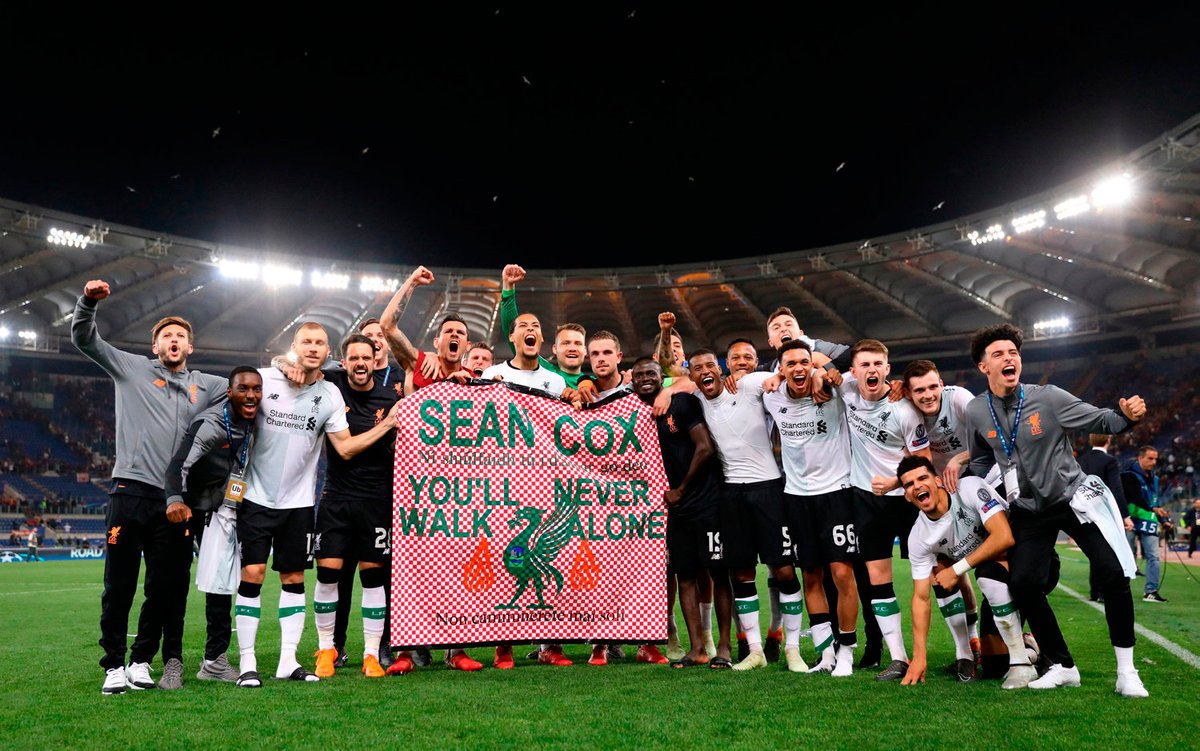
  • Seán Cox Benefit: Dublin vs Meath tickets go on sale

    Seán Cox Benefit: Dublin vs Meath tickets go on sale

    Tickets for the Seán Cox fundraiser GAA match between Dublin and Meath have gone on sale.

    The game is set to take place at Páirc Tailteann in Navan on December 16th in an attempt to raise funds for the rehabilitation of Seán Cox, who suffered life-altering injuries in April. The stadium boasts a capacity of 17,000 people.

    Tickets are priced at €20 for adults and €5 for children, while the tie will commence at 13:30. Cox grew up in Clondalkin, Dublin before moving to Dunboyne with his family where he is heavily involved in St. Peter’s GAA.

    Seán Cox is currently in a rehabilitation centre in Dún Laoghaire and has been showing slow signs of improvement, since the attack outside Anfield over six months ago.

    The Seán Cox GoFundMe page has raised just over €230,000, including donations from Ireland captain Séamus Coleman, David Meyler and Liverpool coach Jürgen Klopp. The current total is still some way off the overall goal of €2 million.


  • St. Finians make history, but they are not done yet

    St. Finians make history, but they are not done yet

    St Finians Newcastle were crowned Dublin Football Junior Champions on Tuesday night, and they have their sights firmly set on Amsterdam GAC in the Leinster Quarter Final.

    The pair face off today in Abbotstown in what is the first time a European GAA club has played a competitive game on Irish soil.

    Amsterdam GAC have played in the Leinster Junior Championship in previous years, but this is whole new territory for St Finians. The small parish club on the outskirts of Dublin, who are celebrating their 75th Anniversary, are looking to add another milestone to an incredible season.

    They have had to wait a long time to win a championship at any grade. Their last triumph dated all the way back to 1949, when the Newcastle men won the Dublin Intermediate Championship, sixty-nine long years before their latest heroics.

    St. Finian’s celebrate their success // St. Finian’s GAA

    Midfielder and Talisman Lar Harney has been in top form throughout Finian’s championship run, which has seen them play three matches in ten days including a replay with Man O War.

    “To play three matches in ten days was tough both physically and mentally. It was tough physically as it included two extra times with the first semi-final and the final and a lot of hard hits in all three matches. Mentally it was tough having such a quick turnaround to both bring yourself down after a match of such importance and then to psyche yourself up to do battle again,” he said.

    “It means everything to the parish really. To see grown men cry on the field after the final says it all really. It is a massive achievement for us as we’re from one of the smallest parishes and clubs in Dublin.”

    And Lar, who has had to couple his love for football and his club with his work commitments in Cork, has put a lot of credit to the mentors and members of the club who devote their time and effort each week to make sure the lads are best prepared for battle.

    Lar, along with his fellow Finians teammates, know the threat that Amsterdam GAC possess, but are fully focused on their own performance.

    “We’re absolutely excited to play in Leinster and represent our county; it’s a great honour for our small parish. As for our goal we want to perform to the best of our ability and represent our parish with pride and see where it brings us with an ultimate goal of winning it but one thing’s for sure we’ll give it everything we have.”

    Conor Spillane, another member of the Finians panel, is excited to play at a stage of the competition that not many players will ever get to.

    “It’s great to say we are playing in a Leinster quarter-final. We are not content with just getting there, but it is a great achievement and a great place to be.”

  • The City Sports Podcast Episode 6

    The City Sports Podcast Episode 6

    This week’s edition sees host Leo McGuinn joined by Shane O’Brien, Daniel Osborne, Sean Meehan, Eoghan McGrane and Scott Howe to look over the weekend’s Premier League action, Cork City’s victory in the FAI Cup final, Slaven Bilic’s sacking by West Ham United and Friday night’s GAA teams of the year.

  • All Star snub for Cluxton for third year running

    All Star snub for Cluxton for third year running

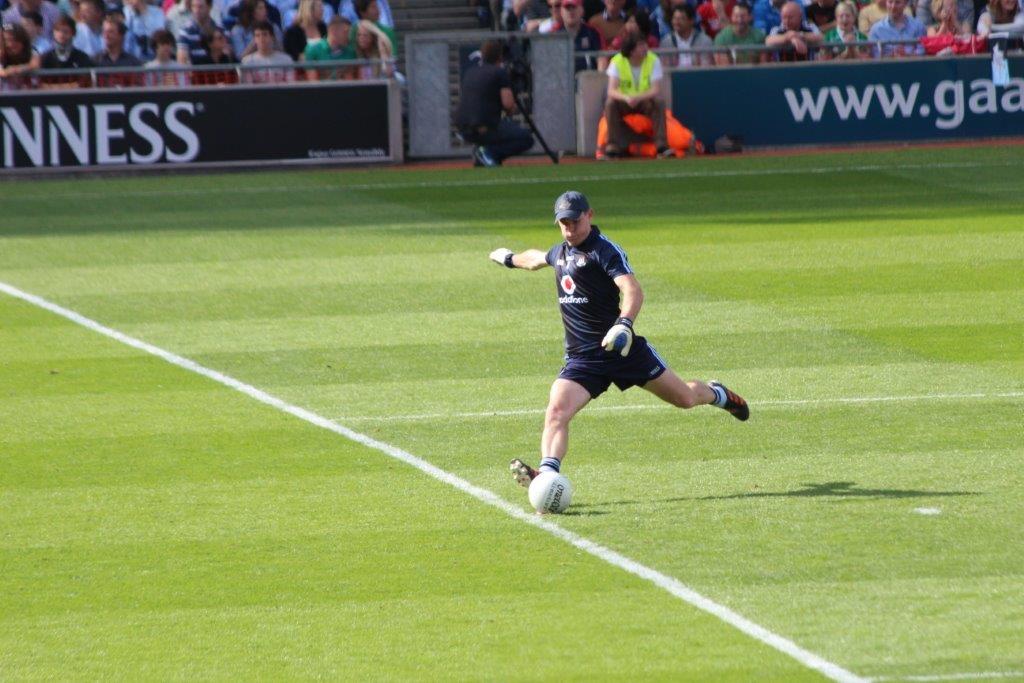
    Dublin’s All Ireland winning goalkeeper Stephen Cluxton has been left out of the end of year All Star team for the third consecutive year, something that is almost unprecedented in All Star history.

    Statistically at the very least, he should have won an All Star over the past three years. Since the inception of the All Star awards in 1971, 19 of the 47 goalkeepers to win an All Star have been from All Ireland winning teams. That accounts for 40% of the awards, or slightly more than one in three goalkeepers.

    Cluxton, however, has now been ignored for the third year running, despite winning All Irelands in each of those three years. Instead Kerry’s Brendan Kealy (2015) and Mayo’s David Clarke (2016 & 2017) have been selected.

    Since the All Stars came into being there have been three teams who have won Sam Maguire three times in a row or more. The Kerry team of 1978-81 and of 1984-86 both had goalkeepers in at least one of the respective All Star teams, Dublin are the only three-in-a-row winning team to have none feature.

    The Galway team that won three All Irelands between 1964-66 also had goalkeepers represented in the Cú Chulainn awards, a predecessor to the All Stars.

    Many felt that Cluxton would take home an All Star this year after his exploits helped Dublin to a third All Ireland title in three years, seeing him become the first captain to lift Sam Maguire three times in-a-row since 1917.

    Cluxton has been integral to the Dublin setup since his debut in 2002, but in recent years he has influenced Dublin’s style of play greatly, with many claiming that he has revolutionised the art of goalkeeping in football.

    This year was no different. His kick outs were unerring and set the tempo of Dublin’s attack throughout the championship.

    Over the course of the summer, the Parnells man kicked 118 kick outs, with 100 finding their man. Off all the kick outs Cluxton kicked within his own 45, not a single one found an opposition player; a statistic unparalleled throughout the country (although a chunk of these would have been short and uncontested).

    The Dublin captain also managed to get the majority of his kick outs off within ten seconds of the ball going out of play. Such speed made it near impossible for teams to get into shape as Dublin began to mount attacks.

    Shot stopping is often overlooked in an intercounty goalkeeper in the modern era because of the emphasis placed on their kicking ability, but Cluxton proved once again that he is not just there to find his teammates by making saves at crucial stages in Dublin’s campaign.

    In the Leinster final, with the game still in the melting pot and Kildare on the charge midway through the second half, Cluxton pulled off a superb save to deny Daniel Flynn a certain goal that would have made the Leinster final a one score game.

    In the All Ireland final Cluxton stood big as Kevin McLoughlin raced through on goal to deny him with a point blank save, with only a point separating the teams at the time. He even saved a Peter Harte penalty in the All Ireland semi final, although the game was well and truly over at the time.

    In all, Cluxton only conceded two goals across six championship games; one against Mayo and one against Kildare deep into stoppage time when the game was petering out. Such statistics are unmatched by goalkeepers across the country.

    Thus, there was mild surprise when Mayo’s David Clarke was given the nod for the number one spot in place of the Dublin net minder.

    Clarke is without doubt an exceptional goalkeeper and made crucial saves throughout Mayo’s run to the final, but to say that he has been better than Cluxton over the past two seasons is difficult to agree with.

    Clarke’s concession rate is far worse than Cluxton, and the Mayo man conceded eight goals across the 10 games Mayo played in 2017. Statistics don’t tell the whole story of course and Clarke was blameless for the most part in the concession of those goals (although he could have done better for Kerry’s second goal in the drawn semi-final).

    However, it is in the kick out that there is a clear difference between both goalkeepers. Clarke has neither the accuracy or the speed to match Cluxton and is not nearly as assured at finding his own team mates.

    People will point to Cluxton losing six kick outs in the first half of the All Ireland final as the reason why Clarke was given the nod in the All Stars, but this is merely Cluxton being a victim of his own success. His standards are so high that a few misplaced kick outs cause raised eyebrows.

    Clarke, on the other hand, misplaced just as many kick outs in the All Ireland final as his counterpart, but this has never been highlighted purely because his standards are lower. Former Tyrone player and Sky GAA pundit Peter Canavan even went as far as saying that Clarke’s kick out directly, or indirectly, led to 1-7 of Kerry’s scores in the drawn semi-final.

    More people will point to Dublin’s lack of competitive games as the reason that Cluxton didn’t get an All Star, but this is a recent folly of the All Star awards. Dublin had no competitive games for a reason; they are the best team in the country and they never fall victim to complacency.

    Three of the teams they beat in their run to the All Ireland final will play Division One football next year and they beat them by a combined total of 33 points.

    Mayo on the other hand, were ousted by Galway in the Connaught championship for the second year running and limped through the qualifiers against Clare, Derry and Cork (all second division teams) before luckily drawing with Roscommon in the quarter finals (another Division Two team).  Only in the quarter final replay did Mayo begin to play well.

    And yet there is a feeling that Mayo players should be rewarded because their mettle has been tested in tough matches, whereas Dublin have had it easy. The only reason their mettle was tested in those matches was because they performed poorly.

    Dublin did not err against lesser teams and this is perhaps a reason as to why Cluxton didn’t get an All Star, even if he is part of the reason that Dublin kept up their ridiculous standards all year.

    At the end of the day, however, a snub at the All Star awards will matter little to the Dublin netminder when he reflects on the year that saw Dublin win their fifth All Ireland in seven years.

    By Shane O’Brien
  • Vinnies reign supreme in the capital once more

    Vinnies reign supreme in the capital once more

    St Vincent’s defeated Ballymun Kickhams in a tightly contested affair last Monday to retain their Dublin Senior Football title.

    The Marino men edged out their rivals by a goal winning on a scoreline of 1-08 to 0-8 in front of a sold out Parnell Park.

    The highly anticipated game boasted some of the finest individual talent in the country, however the standard on show was surprisingly lower than expected.

    St Vincent’s were by far the better of the two sides in the opening half enjoying far more possession. Tomás Quinn had two chances to find the net but was denied by a goal line deflection and the butt of the post respectively.

    Vincent’s did hit the back of the net through talisman Diarmuid Connolly midway through the first half, following an uncharacteristic mistake from Philly McMahon. Lorcan Galvin capitalised and supplied an unmarked Connolly with a pass and the Dublin star slotted a low shot to put his side in the lead.

    Ballymun were far from their best in the first period, dropping several shots short or wide and could be considered fortunate to only trail by a goal with the half time scoreline reading 1-04 to 0-04.

    The second half was more of the same. St Vincent’s controlled the game very well and were more than happy to hold possession for long periods, keeping Ballymun at arms length at all times.

    Ballymun never looked like breaking down Vinnies until a slick hand-passing move saw wing back Carl Keeley go one on one with goalkeeper Michael Savage only to see his shot pushed over the bar. This was crucial as Vincent’s managed to avoid Ballymun gaining momentum as they began to run down the clock.

    Ballymun became increasingly desperate with McMahon and Dean Rock both moving to the edge of the square as the game reached its climax, but in truth Vincent’s were never really troubled in what was a very controlled solid defensive effort.

    By Eoghan McGrane

  • Women in Sport: Lyndsey Davey, Dublin GAA

    Women in Sport: Lyndsey Davey, Dublin GAA

    Picture credit: Brendan Moran / SPORTSFILE
    Picture credit: Brendan Moran / SPORTSFILE

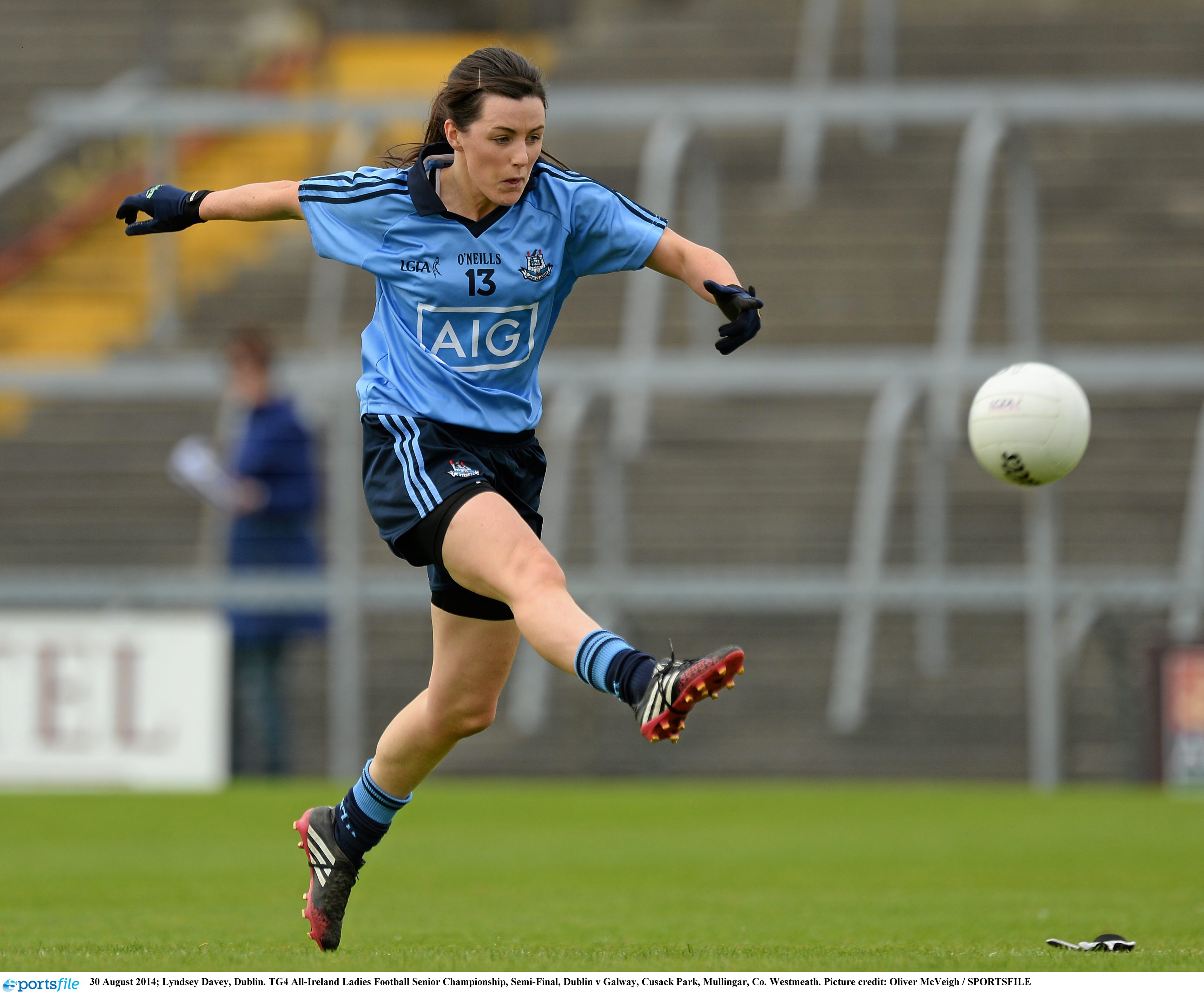
    The City’s Alison O’ Hanlon talked to Dublin Ladies GAA All Star Lyndsey Davey about the commitment of playing for your county and her hopes for the future.

    It’s been a year of highs and lows for Dublin vice captain Lyndsey Davey whose side were beaten by Cork in a one point defeat in this years All Ireland Final.

    Davey also received an All Star award, along with three of her team-mates, for her performances throughout this year’s championship.

    “It was a great honour to have been even nominated and I was very shocked to have won as I was up against some brilliant players. It was a great achievement for Dublin to get 11 nominations and I feel privileged to be one of the four Dublin players to have won an All-Star”, Davey told The City.

    But success like this doesn’t come easy or without commitment. Davey started playing Gaelic at 5 years old for Skerries Harps and progressed on to play with the boys teams until under 14 when a girls team was set up in the club.

    Davey spoke of how much of a commitment GAA players have to give to play county football, but insists that the success is a just reward for the sacrifices she has to make,

    “Players have to give massive commitment when playing county football. The standard of Ladies Gaelic is increasing every year and girls are training like professional athletes while still holding down a full time job or education. Even in terms of nutrition players have to be very disciplined.

    “At times it can be difficult as you can’t be going out at the weekends with your friends when you have training or are playing matches. However, when you get the opportunity to represent your county, especially in an All-Ireland final, it’s an easy sacrifice to make.”

    Given that most GAA players train as much and as hard as many professional athletes, the 25 year old said given the opportunity she would love to play Gaelic football at a professional level, but it’s the love of the game that keeps her going, “I suppose if the option was there then I would but it’s not really something I think about. I play Gaelic because I enjoy it and I love playing for Dublin.”

    “Even if there was a chance to play Gaelic for Ireland I would be interested. There was a female International Rules game a few years ago but unfortunately I was unable to play. If the opportunity was to arise again then I would love to play.”

    Davey also commented on the highly topical area of media coverage that female athletes receive and the coverage gap that seems to be closing in Ireland in the last few years.

    “I think over time that gap is starting to close and female sports are getting increased media coverage. This is helped by the success of Katie Taylor and the ladies Irish rugby team and I think Stephanie Roche being short listed for goal of the year is a massive boost to Irish female athletes. It was brilliant when AIG announced their sponsorship of all Dublin teams, including the ladies, as this has gone a long way in helping to close that gap and I hope other sponsors start to do the same.”

    Although Davey’s September didn’t have quite the ending she hoped for she was honoured when her fellow team-mates picked her as their Player of the Year.

    “I think to win any individual award is always a nice achievement but the players player is definitely a special one to me, as it was my team mates who voted for me. So many Dublin players had a great season this year and I think that was proven when we received 11 All-Star nominations so to have been picked as the players player of the year was a massive honour for me.”

  • The Little Things

    The Little Things

    What are the little things you do when you’re down? For some people it may be going for a walk, or chatting to a friend. 

    The Little Things campaign was set up by the HSE’s National Office for Suicide Prevention to get people talking about the little things they do to feel well again. The City’s Áine Hennessy and Alison O’ Hanlon spoke to young Cavan goalkeeper Alan O’ Mara, who is an advocate for positive mental health, about his involvement in the campaign. They also went out onto the streets of Dublin to ask people what little things they do to pick themselves up when they are feeling down. Check out the video here…

  • International Rules: Star-studded Aussie side prove too good for Ireland

    International Rules: Star-studded Aussie side prove too good for Ireland

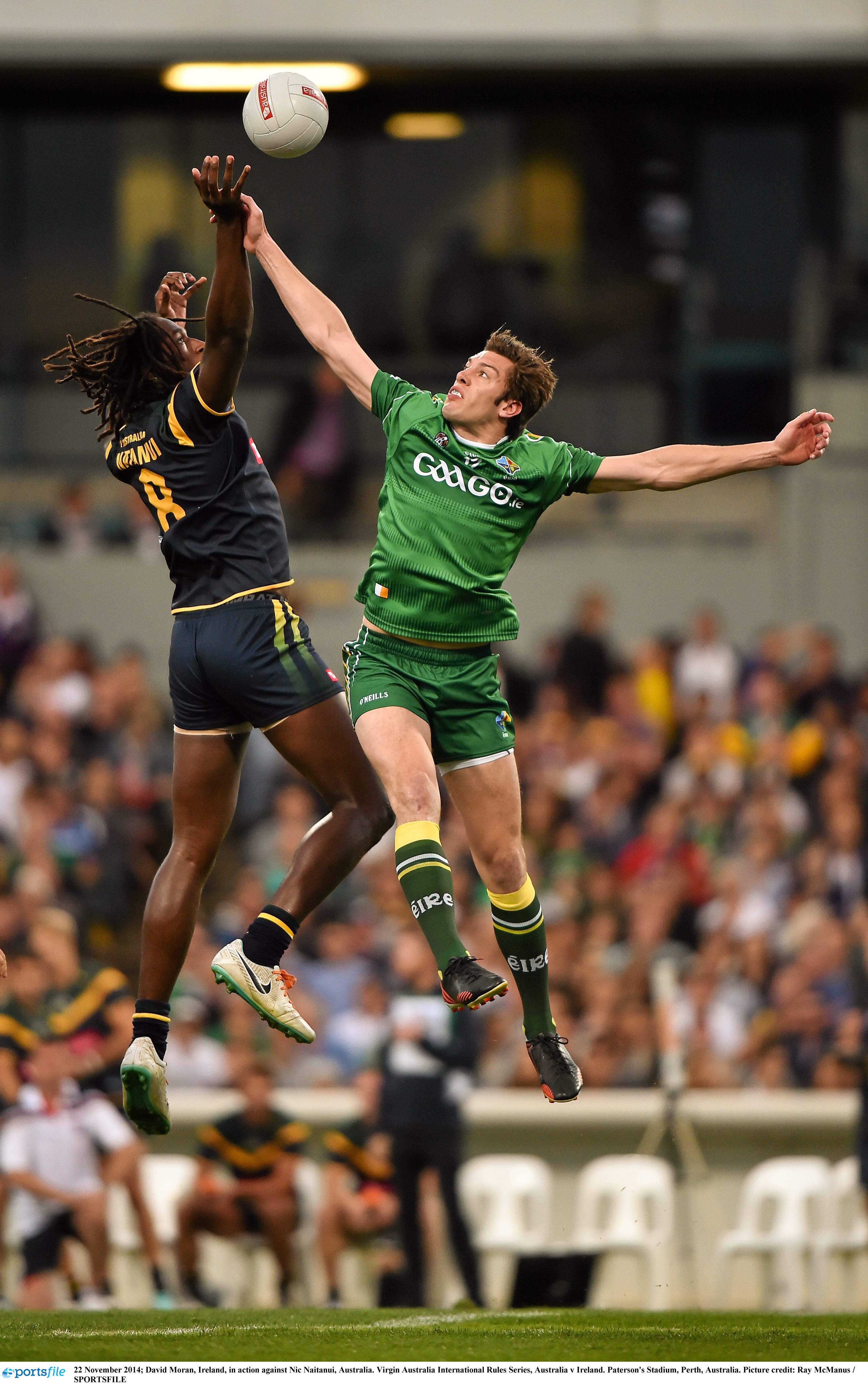
    David Moran, Ireland, in action against Nic Naitanui, Australia. Virgin Australia International Rules Series, Australia v Ireland. Paterson's Stadium, Perth, Australia. Picture credit: Ray McManus / SPORTSFILE
    David Moran (right) in action against Nic Naitanui of Australia (left) during the game in Perth’s Patersons Stadium. Picture credit: Ray McManus / SPORTSFILE

    Australia regained the International Rules Series title on Saturday November 22 after seeing off a late comeback from their Irish counterparts. 

    Paul Earley’s side struggled to keep up with the Aussies for the first half, scoring only one point in the first quarter, and went in trailing 35-7 at half time.

    “Australia were incredibly accurate in the first quarter – I think they had nine shots at goal and hit seven overs. We were uncharacteristically wild with our kicking and we didn’t hit our targets up front which we had worked on all week,” Earley said in the post-match press conference.

    “Outside of that first quarter, we actually won the game. We changed it in the second half, pushed up and went man to man, adapted our system and were much more competitive,” he added.

    Ireland did indeed rally in the third quarter, putting on an exceptional performance by dominating midfield and keeping the Australian side under immense pressure. Monaghan’s Darren Hughes got Ireland’s first goal of the game in the sixth minute of the second half, which helped cut the deficit to 41-14.

    By the end of the third quarter, Ireland had cut the gap to 16, with Man of the Match Conor McManus and fellow Ulster men Darren Hughes and Mattie Donnelly leading the Irish charge with some superb scores.

    The luck of the Irish was with this group of players when Australia’s Nick Smith struck the ball into his own net earning Ireland six points with only four minutes left in the game.

    McManus then scored his fourth over of the game to bring Ireland back to within 10 points, but it was not to be, as the die had already been cast and the home side held on to win a fiercely fought contest.

    The match – and indeed the way in which the end result panned out – was just what this hybrid series needed, as Ireland had come out on top in the last four meetings. The competitive nature of the tie showed that this traditional fixture does have a future.

    Following the sell-out attendance of 38,262 in Patersons Stadium, Perth, the series seems set to return to Irish soil in 2015 with a provision in place for Australia to travel to Croke Park in November of next year. There was a visibly large attendance of Irish immigrants at the match too.

    “It meant so much to so many Irish people. The game was excellent – sporting, hard and fair. We needed a good game and we got that. It put International Rules back on track, which was clearly needed. It’s easier to go back to Central Council now and make a case (for the series to continue),” said Paraic Duffy, GAA Director-General.

    Many of the Irish squad who travelled Down Under will be re-packing their bags for the All Star’s trip to Boston which takes place at the end of November 2014.

  • Former Dublin player takes Wicklow job

    Newly appointed Wicklow Senior Football Mamager Johnny Magee  Picture credit: Daire Brennan / SPORTSFILE
    Newly appointed Wicklow Senior Football Manager Johnny Magee
    Picture credit: Daire Brennan / SPORTSFILE

    Newly appointed Wicklow football manager Johnny Magee plans to leave no stone unturned during his first season as inter-county manager.

    Former Dublin GAA player, Magee was appointed as manager earlier this month after being part of the teams backroom squad last year.

    “I was involved last year with the Wicklow team as a coach and selector so when the opportunity came around, and some of the players expressed that they would like me to stay on, I put my name forward for the position”, said Magee.

    Magee, who has played Gaelic football with Kilmacud Crokes from the age of ten, has always loved the adrenaline of the game and wanted to still be part of it all after retiring.

    “I played for Crokes and Dublin and I knew that when I retired it would leave a big void. I liked the buzz and adrenaline of being on the field and in the dressing room and I miss that”, he said.

    He also added that he hopes to get the opportunity to manage Crokes and even Dublin in years to come.

    The former All Ireland star’s aim for this coming season is to make sure that his players are playing consistently week in, week out.

    “There is a lot of responsibility being a manager”, he said, “I have to make sure that 30 lads are fit and ready to perform at county level”.

    The new manager of the garden county has brought two other former Dublin players to the management team this year, his brother Darren Magee, and former All Star winner, Ray Cosgrave, as team coach.

    “Darren has been coaching for 10 years now, so he has a lot of experience with that, obviously he is my brother so I trust him as well”, Magee said.

    “Darren played mid field, Ray played in the forwards and I’m a defender, so I think that with the three of us, we will be able to cover every angle to try get the best out of our players”, he added.

    Wicklow’s first campaign under Magee will begin in the O’Byrne Cup next January, where he hopes to see the team promoted from Division Four.


  • Croker an insider’s view

    Croker an insider’s view

    10670171_10152402399028733_4673937741540461965_n
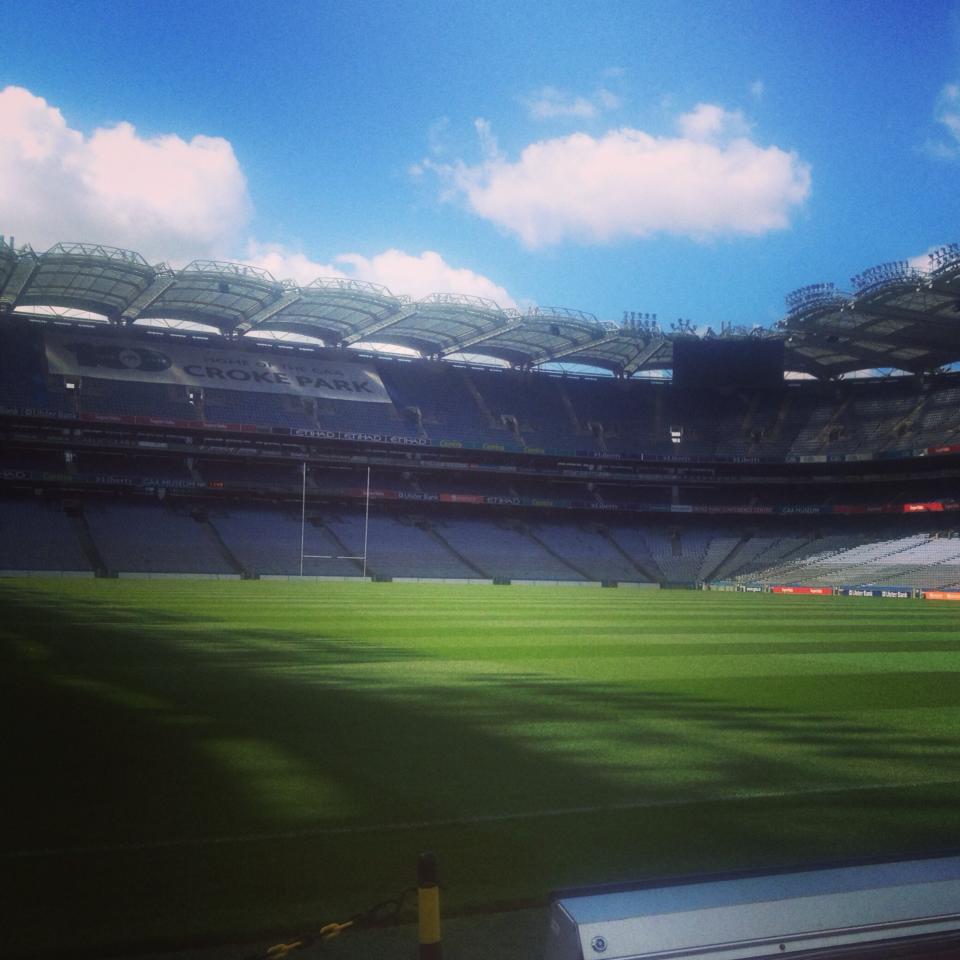
    Croke Park on matchday. Photo: Alison O’Hanlon

    There’s an uncapturable magic that surrounds Croke Park on All-Ireland day.

    As part of my job in the press office at the stadium I get unrivalled access on All-Ireland day.

    It all starts from the minute you wake up and pull on your county colours. It all comes to either a triumphant or turbulent end once the referee blows the final whistle after 70 minutes of play; an indescribable feeling comes over you.

    It’s a sense of pride and Irishness that – if it could be bottled – would be worth millions. It’s the banter on Jones’ Road, the pint in Quinn’s Pub and the pre-match discussion with your match day companion; it’s all these things, but so much more.

    Days like the All-Ireland Final don’t just happen by themselves. It takes a team of 2,200 people to put in weeks of hard work in order for the day to run as smoothly as possible.

    Like all good Irish traditions, All-Ireland day for the GAA staff starts with mass at 9am in the GAA museum. The mood for the day is set as either Liam or Sam (the two coveted GAA trophies) join the priest on the alter for the celebration of the Eucharist. As the mass ends and the match day staff “go in peace”, another great Irish tradition is next to be observed: ‘the Full Irish’.

    Mass being celebrated in Croke Park.

    Bellies full from the big breakfast, attention soon turns to the organisation of the 2,000+ staff that help run the event in different capacities. Last minute team meetings take place to make sure everyone is fully aware of their role. From cooks, stewards and media officers to programme sellers, ticket scanners and An Garda Síochána, everyone is expected to put in an error-free performance.

    Midday hits. Stiles open. It’s lights, camera, action for the workers. Behind the scenes, Croke Park is being watched from every angle through security and TV cameras in the Garda and Event control rooms located above Hill 16.

    View from the control room in Croke Park Picture credit: Ray McManus / SPORTSFILE
    View from the control room in Croke Park.                       Photo: Ray McManus/SPORTSFILE

    As team buses pull in, you can see the focus which surrounds the players. They are zoned in, mentally prepared and are trying to escape into their own little world through their headphones.

    With dressing rooms lined out and pre-match rituals beginning, you can stand in the Hogan tunnel and experience the roar of the 82,000 strong crowd. You start to feel the beat of your heart in your ears as nerves and excitement take over.

    The Kerry Football Team arrives in Croke Park Picture credit: Brendan Moran / SPORTSFILE
    The Kerry Football Team arrives in Croke Park.
    Photo: Brendan Moran / SPORTSFILE

    The Sam Maguire and Liam McCarthy cups are brought to the pitch from their holding place in the GAA museum by two pre-selected school children from the participating counties. Gerry Grogan, who is the match day announcer and principal of Donaghmede National School, then takes the cup up to its resting place in front of the President, Michael D. Higgins and GAA President Liam O’Neill.

    Picture credit: Brendan Moran / SPORTSFILE
    The Liam McCarthy Cup. Photo: Brendan Moran / SPORTSFILE

    The competing teams then take it in turns to run out onto the pitch, with the subs and team management lining the tunnel to hype the players up as they take the famous steps out onto Croke Park.

    1382414_10151688307773733_1806566238_n
    The Cork hurling team take to the field.

    In what feels like a blink of an eye, the 70 minutes of playing time are over and Kerry or Kilkenny or whoever is lucky enough to have been named All-Ireland Champions ascend the steps of the Hogan Stand to collect their silverware.

    At that moment, everyone who has participated in the day’s events feels a sense of pride. You are no longer just a steward, a cook, a member of An Garda Síochána or a ticket-seller; you are a witness to a historical moment in time and you are there to take it all in with the victors.

    Henry Shefflin celebrates his 10th All Ireland medal with his two children
    Henry Shefflin celebrates his 10th All-Ireland medal win in September 2014. Photo: Alison O’Hanlon

    Following the afternoon’s drama, cameras are switched off and another hectic season comes to a close. The staff of the GAA all tumble out of Croke Park in dribs and drabs, woven into the travelling supporters, back to their everyday lives. The players head to a special reception, where each player is allowed to select one person to join them and the team in a lounge beside the dressing rooms.

    This is what is so special about our national game and the GAA. On game day you could play the role of a manager, a player, an official, a spectator or a steward. On the next day, you go back to being a farmer, a teacher, a student or a parent.

    A volunteer steward keeps an eye on the final.    Picture credit: Ray McManus / SPORTSFILE
    A volunteer steward keeps an eye on the final.
    Picture credit: Ray McManus/SPORTSFILE

    It is the sense of pride in the jersey, the commitment of playing unpaid and the fact that all of this is done year after year on a voluntary basis that makes this day so special. That is what makes the GAA.

    1237144_10151688305983733_861481116_n
    The promised land of Croke Park. Photo: Alison O’Hanlon