Tag: health

  • The Phase of the E-Cigarette Craze

    The Phase of the E-Cigarette Craze

    This slideshow requires JavaScript.

    Over a decade ago they were unheard of, unimaginable, and non-existing. Who would possibly consider an alternative method to smoking a traditional tobacco cigarette? Yet this unrealistic idea was the brainwave of Korean-war veteran Herbert A Gilbert in 1963, and in 2004 the electronic cigarette was introduced in China. Today, the electronic cigarette industry is becoming one of the fastest growing industries worldwide, reportedly worth in excess of €1.1bn.

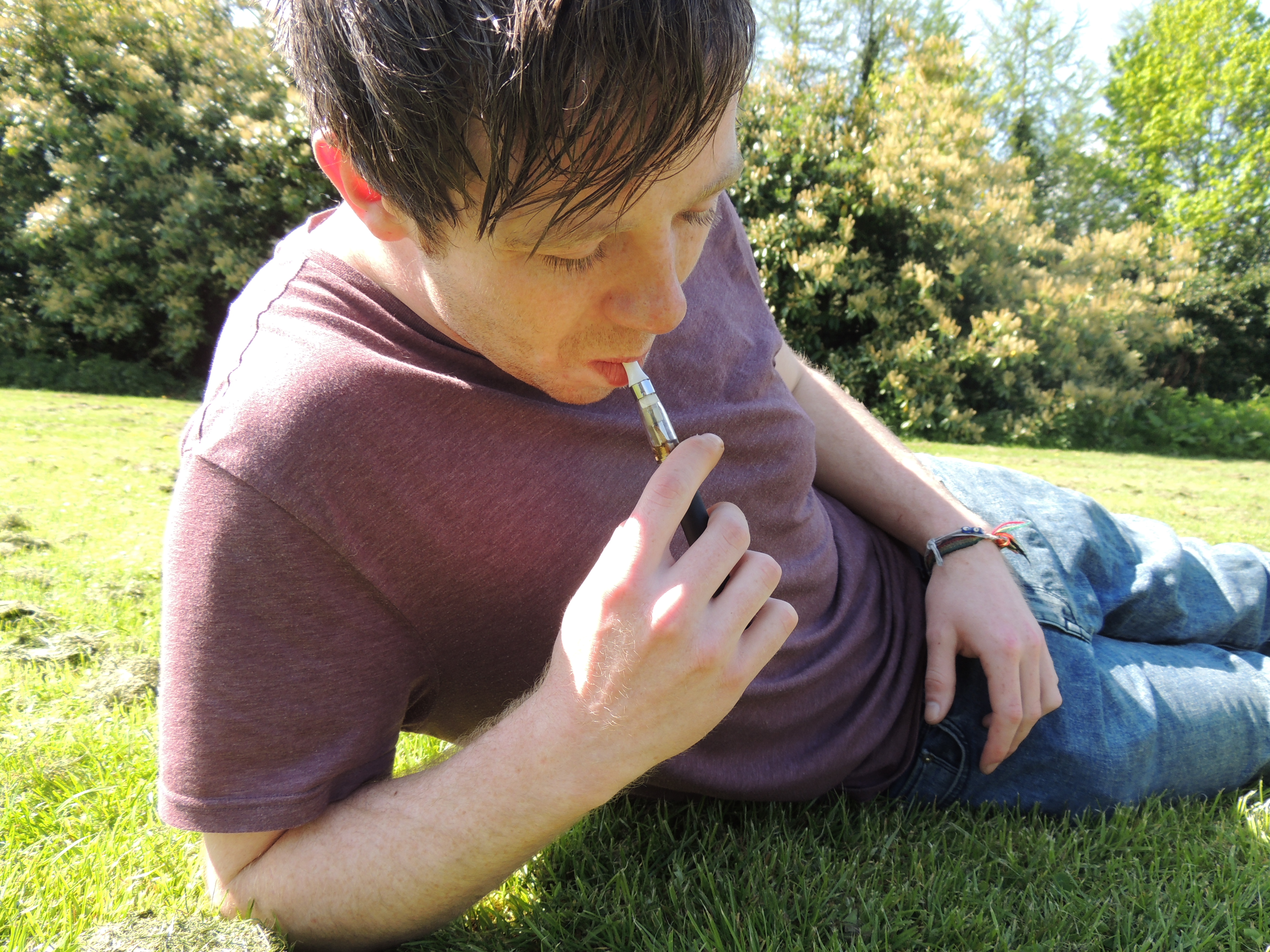
    The electronic cigarette, or e-cigarette for short, is a battery operated device that replicates the experience of smoking a genuine cigarette. The e-cigarette contains liquid nicotine which is stored in the atomizer chamber. Once the user inhales, the electronics aka the micro heating element, heat up the liquid and the nicotine is drawn in and then furthermore released out as vapour. The vapour gives the impression of smoke which misleads many to presuming an individual is smoking an authentic cigarette when in reality the individual is using the e-cigarette. The practice of smoking an e-cigarette is known as ‘vaping.’

    A feature of the e-cigarette that makes it remarkably different to that of a real cigarette is the ability of the user to smoke an array of flavours. The liquid nicotine, also known as e-liquid, can be purchased in participating stores or online in bottles of 10 ml, 12ml, and 30ml.

    The variance in flavours available caters for the taste buds of each individual e-cigarette user. They range from original apple, cherry, vanilla and strawberry to more exotic tastes including John Player Blue (JPB), Sex on the Beach, mango and bubblegum.

    There are two types of e-cigarette, which vary in price. Firstly there is the standard e-cigarette kit that contains an e-cigarette with LED light, filters/refills, a rechargeable battery and a USB charger. However, with this particular e-cigarette flavours cannot be inserted.

    The more popular of the two is a kit that contains an e-cigarette, a mouthpiece, USB charger and a chamber for inserting the various e-liquids.

    Speaking about the quantity of nicotine present in the substance, twenty-three year old electronic cigarette user Gary Corrigan commented: “I wanted to quit smoking so I decided to turn to e-cigarettes in order to gradually reduce my intake of nicotine, and eventually be nicotine free.

    “In my opinion it is a healthier alternative to smoking and it’s working perfectly for me. I’m reducing my nicotine intake, I’m spending less money, and my clothes are rid of the smell of stale tobacco,” he said.

    With more and more people turning to e-cigarettes and health specialists constantly reviewing the associated risks, several businesses and companies throughout the country are looking to put a stop to the products being smoked on their premises. These include Dublin’s DART Service and Irish Rail.

    The Irish Government is also keen to regulate the seemingly popular commodities even though the products are free of hazardous tobacco, tar, and cancer-causing chemicals.

    In February 2014 new tobacco rules were passed by the European Parliament. The draft legislation introduced would make it compulsory for all cigarette packages to bear picture warnings which would cover sixty-five per cent of the product packaging.

    In the near future member states will also be able to decide on whether e-cigarettes are classified as medicines or tobacco products.

    Minister for Health James Reilly has publicly spoken about his desire to ban e-cigarettes in Ireland to anyone under the age of eighteen.

    According to Alan Baker, Executive Officer at the Department of Health, “as electronic cigarettes do not contain tobacco they are currently not regulated under tobacco legislation. Products which do not fall under any regulatory framework come under the European Communities (General Product Safety) Regulations 2004 which specify the duties of producers and distributors placing products on the market.”

    Mr Baker also added that “Minister Reilly is currently reviewing the evidence on the potential harm and the potential benefits of e-cigarettes before deciding the best approach to their wider regulation.”

    In February 2014 Irish Rail banned e-cigarettes from all DART and train services because of feedback and complaints by customers. Irish Rail state that they treat “replacement devices such as e-cigarettes in an identical manner to traditional cigarettes and they cannot be used onboard trains, within offices or in enclosed station areas.”

    Also jumping on the band wagon are Dublin Bus and Bus Éireann, who have both prohibited e-cigarettes under their policy on tobacco smoking.

    According to Dublin Bus spokesperson Maria Brennan, “Dublin Bus has a designated anti-smoking team which comprises of uniformed and plain clothes inspectors. The buses are also fitted with an automatic ‘no smoking’ announcement.”

    In June 2011, The Pharmaceutical Society of Ireland disallowed for electronic cigarettes to be sold in general sales outlets and over the internet due to the lack of appropriate regulation.

    In Ireland there are several manufacturers and suppliers of electronic cigarettes including VIP, FoxyCig, Nicofresh and Healthier Smoker.

    Stalls selling electronic cigarettes and e-liquids have been placed in several nationwide shopping centres including Dublin’s Jervis Shopping Centre and Ilac Centre.

    Sales assistant Niamh*, who works in a shop that sells the electronic devices, commented:

    “They’re really popular. There’s a mix of age groups buying them, but younger smokers, under fifty say, are much more open-minded to them. Older people seem to be happier to stick with cigarettes because they say they don’t know what’s in the e-cigarettes and that they are not regulated. There are 4000 chemicals in a cigarette and 4 in an e-cigarette,” she said.

    Several shopping centres may look to banning the devices, with Dublin’s Liffey Valley shopping centre one step ahead. According to customer assistant Owen McGovern, the devices are banned: “E-cigarettes are banned on the premises but there are no signs stating this, and so I have seen some people use them anyway,” he said.

    Tobacco Free Ireland, Ireland’s tobacco control policy, have stated that the general consensus at European level is that there is a lack of research in relation to the long term health effects of e-cigarettes, and a lack of sufficient evidence that they aid with smoking cessation.

    Tobacco Free Ireland is currently working towards a regulatory framework for nicotine products including e-cigarettes.
  • Why SADS is baffling doctors and families around the country

    Why SADS is baffling doctors and families around the country

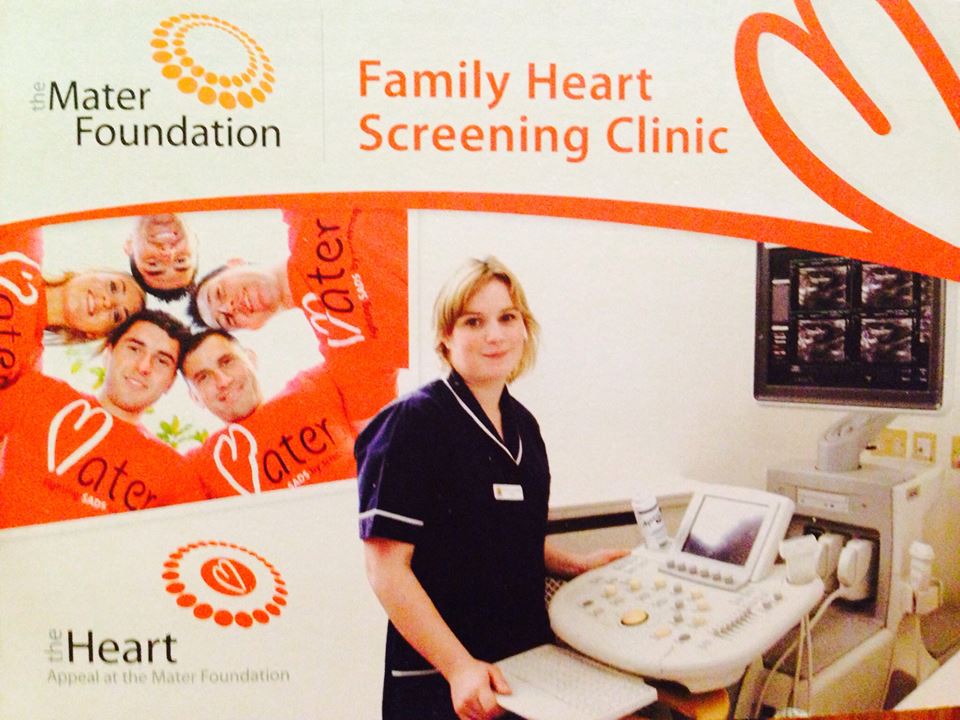
    Family Heart Screening Clinic
    There is only one screening clinic in the country currently.

    Two months off his 21st birthday, Ciaran Carr collapsed and later died during an indoor training session with the Clondalkin Round Towers football team.

    The nearest defibrillator was half a kilometre away, too far to save the seemingly healthy young man.

    Last weekend, a 15-year-old Junior Cert student from Galway died after collapsing during a football match.

    Merlin Woods player Hassan Taiwo suddenly collapsed on the pitch while he was playing against Salthill Devon on Sunday afternoon.

    Emergency services rushed to the scene and the match was suspended as medics tried to resuscitate the teenager. A post mortem examination was carried out on the teenager at University Hospital Galway and is expected to confirm ‘natural causes’ for the sudden death – Taiwo hadn’t suffered any injury during the match.

    The same phenomenon has hit the celebrity world. Actress Sarah Goldberg died last month. Her mother said that Goldberg just “went to sleep and didn’t wake up”. She was only 40.

    In a statement, her mother, Judy, said that an autopsy had failed to determine the exact cause of death but that a heart ailment is suspected.

    This is a harsh reality for many families both in Ireland and around the world today: young, seemingly healthy people dying without reason and autopsies proving inconclusive.

    A condition called Sudden Arrhythmic (or Adult) Death Syndrome (SADS) may be the cause of death in all these cases. It is similar to Sudden Infant Death Syndrome in which the cause of death is unexplained.

    Experts estimate that one young Irish person under the age of 35 dies suddenly from cardiac disease almost every week.

    What is SADS?

    According to the Irish Heart Foundation: “The heart has an inbuilt electrical system, which makes it work. If this is interrupted, the heart cannot pump enough blood around the body. Without a supply of blood pumped by the heart the brain can’t function, the victim faints and death follows within minutes. If treated quickly with an electric shock delivered by an automated external defibrillator (AED), normal heart rhythm can often be restored (the survival rates decreases by 10% per minute).

    “A sudden cardiac death may be the first sign that the victim has had of a heart problem. In many cases, no definite cause of death can be found, even at autopsy. These deaths are thought to be caused by an arrhythmia and are labelled a Sudden Arrhythmic Death (SADS).”

    What causes it?

    “SADS can be caused by a number of different heart problems, many of which are inherited,” the Irish Heart Foundation says. “Some of these conditions include Coronary Heart Disease, Cardiomyopathy – heart muscle problems, Heart rhythm abnormalities, Diseases of the heart valves, and Disease of the heart’s electrical system, such as Wolff Parkinson White Syndrome.”

    100 or more people under 35 years die in Ireland each year from sudden cardiac death, according to the Irish Heart website.

    Working against SADS

    Heart House on Eccles Street, DublinA spokesperson from The Family Heart Screening Clinic at the Mater Heart House on Eccles Street took the time to talk to me about SADS and how they are working to make people more aware of the condition and if it can be prevented.

    They explain:

    “SADS often gets misquoted, the collapse is called a cardiac arrest but usually in an older person doctors will be able to find a reason for that person dying, most likely blocked arteries or a heart muscle problem, which is usually something associated with the aging process or their lifestyle choices. However in a younger person, younger than 40 say, doctors are less likely to find these sort of problems. So when a young person dies and when the post mortem shows inconclusive, that’s what SADS is.

    “It’s often only young sports players who we hear of dying from SADS, that’s simply because it gets more publicised. However many young people die at home from SADS, on their couch or in their bed, For example Cormac McAnallen the senior Tyrone football captain died at home in his bed, not out on the pitch. At the time his death was unexplained, but doctors went on to find the family had a genetic heart condition and that was the most likely factor in his death.”

    “What the Family Heart Screening Clinic here in Dublin do is look at families who have heart problems in their genes and we look to see if someone young in their family has passed away. You might be wondering why is it worth coming to us for screening if SADS won’t show up, well we know the signs to look out for here in the clinic. There’s a few things that will show up on an ECG (a graph of someone’s heartbeat) on someone who is alive and well and if we see any slight changes on that graph then we know you could be at risk. However on somebody who has died, that change doesn’t leave a scar on the heart tissue and therefore it won’t show up on scans in a post mortem and that is SADS. So if there is a family history of SADS or if an ECG is showing up any abnormalities, that person will be referred to come see us at the screening clinic. A good number of families who come for screening, I would say between 30% and 50% will get a diagnosis that they didn’t know they had. In turn we would then advise these people as to certain medications they should avoid which could trigger SADS, or if they should avoid intense exercise or sports which could also be a trigger for these people. ”

    The clinic has been open since 2007 and all the screening and care provided is funded by generous donations to the Heart Appeal at the Mater Foundation.

  • A Liver of Life

    A Liver of Life

    Anne Smith is no ordinary person.

    A three-time transplant recipient, multiple World Transplant Games medal-winner and 13-time foster parent (along with five children of her own), she is the epitome of both resilience and humility in equal measure.

    ‘After my first operation one of the transplant coordinators asked me would I be interested in taking part in the World Transplant Games. At first I thought “Is she mad?”, but two years down the road when I was fit enough I decided to go to the 1995 Games in Manchester,’ says Anne, as she sips a mid-afternoon tea while looking after grandson Daly (she never was one to refuse a helping hand).

    Working as a member of the household staff in Beaumount Hospital, Anne had been required to take a series of Hepatitis B injections as a precautionary measure. After reacting badly to the vaccinations she underwent a number of tests which eventually revealed underlying auto-immune disease that she was suffering from.

    An internal bleed caused by a routine biopsy meant that she was kept in hospital for six months, and eventually necessitated her going under the knife for a liver transplant in St. Vincent’s Hospital in 1993. However, just two years later she had recovered sufficiently to take part in both the badminton and 3K walk competitions at the Games.

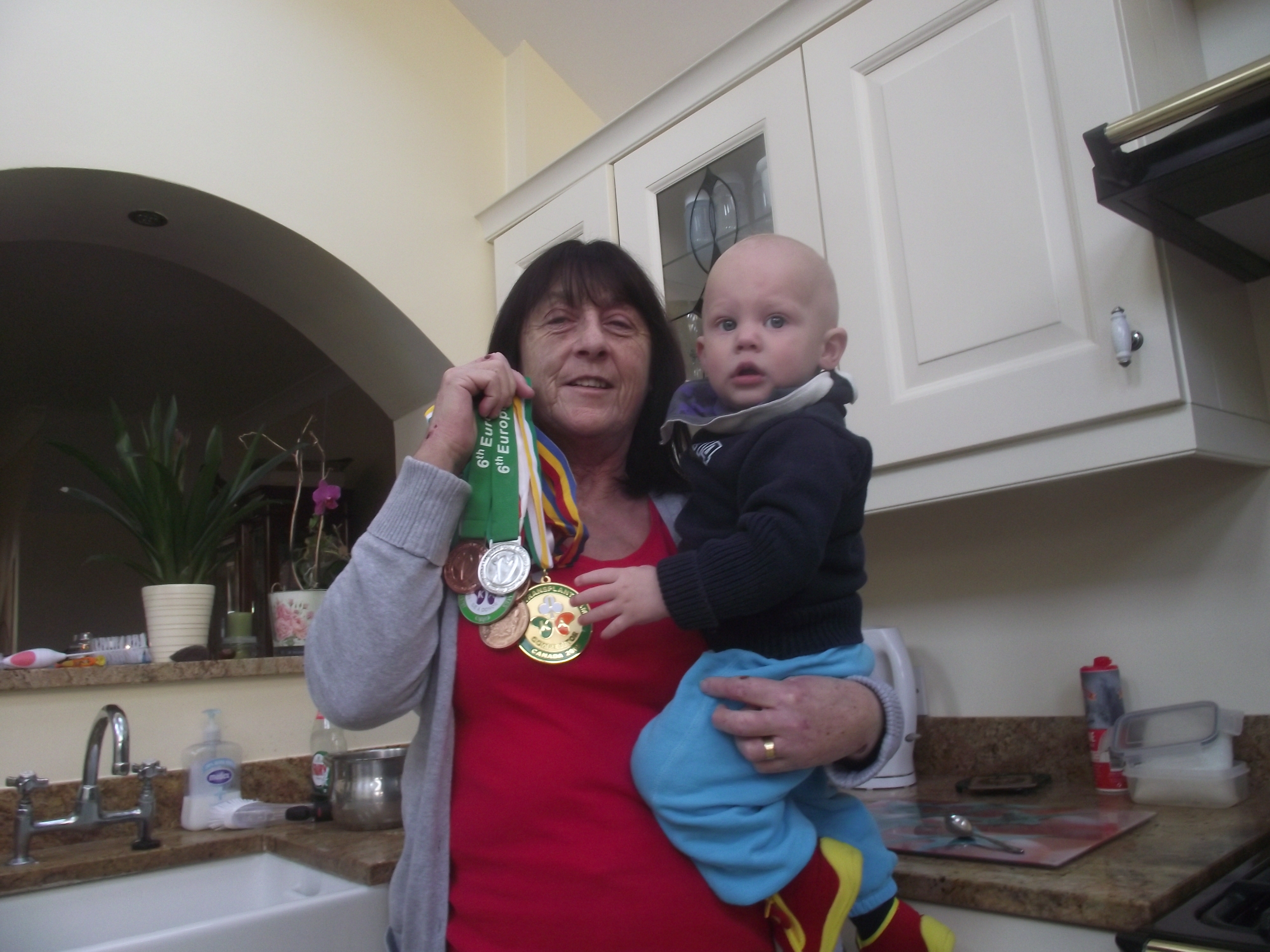
    Anne with grandson Daly in her home in Baldoyle, north Dublin
    Anne with grandson Daly in her home in Baldoyle, north Dublin

    ‘Just before they started, I was meant to come in to hospital for a biopsy on the Friday and leave the next day, but the doctor came into me on Saturday and told me I was very ill,’ says Anne. ‘As it transpired I was suffering from chronic liver rejection at the time, although it hadn’t been diagnosed. I told him that the Games weren’t just a little holiday for me, they meant a lot in my life.’

    Little did the medical staff of St. Vincent’s know, Anne had decided to dedicate any medals she would win to the memory of her donor (a young man, as it turned out) and his family. As she sees it, her gold medal in the badminton and bronze in the walking race were in recognition of their sacrifice.

    ‘I was conflicted about knowing that for me to live and have my transplant, someone was going to have to die,’ says an emotional Anne, a tear coming to her eye. ’I really had a terrible time dealing with that aspect of it. In the end I thought “if they were special enough to give up their organs, well who was I to refuse them”.’

    ‘A couple of years after my first transplant I went off to Disneyland, and I went on every ride in the place- for my donor, not me. They would’ve only been 18 or 19 at the time. I also had the intention of giving the world medals I’d won to the family. Even to this day I feel an incredible sense of gratitude towards them.’

    A selection of the medals Anne has won from competitions around the world
    A selection of the medals Anne has won from competitions around the world

    Having fought long and hard to recover a normal existence, Anne was told in 2002 that she’d need another liver transplant, along with a new kidney. That year she became part of a select group of people to have two transplants in the one day.

    ‘I was devastated when I found out I had to have another transplant. The second time was an easier operation for me, but a harder road back. They let me out for Christmas but I got total kidney failure and was on a life support machine for a couple of weeks after. I had to learn to walk all over again.’

    Truly a woman of the world, Anne’s enduring positivity knows no bounds. Before her transplant ordeals, she had dedicated a large part of her life to foster 13 new born babies in four years.

    ‘We started fostering new babies coming out of the hospital from two days. We had them for anything up to two months, and even had one until 10 months. I felt that they deserved a good start in life the same as my own children got.

    ‘I was just delighted that they could get love and affection from a foster family, which I personally felt was the best thing.’

    Whereas others would rue the hand life had dealt them having contributed so much good to society, Anne has no such feelings of lament.

    ‘I was never bitter over what happened to me. I never said “why me” or anything like that, it wasn’t something you could just give back as such so I just had to get on with it and try and make the most of things. I have a lovely family and a brilliant husband and I’ve had a great life so far, I really couldn’t ask for any more.’

    Photos by Ciaran D’Arcy.

  • Young People in Crisis?

    Young People in Crisis?

    A report published by the Royal College of Surgeons in Ireland last month pointed towards a crisis in the emotional well-being of young people in Ireland. The studies showed that one in two are likely to experience a significant problem by the age of 24 – worse rates than those in similar European societies.

    From The Catcher in the Rye, back through The Sorrows of Young Werther and Hamlet, literature is full of evidence that the passage through late adolescence and young adulthood is one fraught with difficulties. But modern society has introduced a new set of pressures and expectations that serve to make the transition into adulthood even harder. It is at this age that young people are struggling to find their place in the world. They might be entering the world of work or living away from home for the first time and sometimes it is also a time of experimentation with drink and drugs.

    But why do young people in Ireland seem to be faring worse than their peers in Europe? An economic recession, binge drinking culture and a traditionally taciturn approach to issues of mental health are all aggravating factors. Economic recession has put a strain on family life and sometimes left young people depressed or anxious about their future.

    “Life in Ireland has changed in the past few years with the downturn of the economy. Family life has become pressurized and young people often find home life stressful,” said Marguerite Kiely, who is clinical manager at Pieta House. “Parents are struggling financially which puts pressure on relationships. Very often parents cannot afford to separate and the atmosphere at home becomes strained.”

    Young people are still learning the life skills which allow them to adapt to difficult or new situations. And in a society where young people’s sense of self-worth and status among their peers is often wrapped up in their material possessions, financial pressure cannot often hit harder than we think.

    There is still a negative social stigma attached to those suffering emotionally, an attitude which is especially prevalent amongst young people for whom image is all important. It is a pressure which young men feel particularly. At Pieta House they advise using the words emotional well-being instead of mental health because of the negative connotations of the word mental, especially amongst younger people.

    The research was conducted by the RCSI Psychiatric Epidemiology Research across the Lifespan Group (PERL) and is the most comprehensive study on the subject ever conducted in Ireland, relying on over 400 first hand interviews conducted with young people aged between 16 and 24.

    PERL found that high numbers of young Irish people are experiencing mental health problems at any given time. By the age of 13, one in three will have experienced some kind of mental disorder, a number which increases to one in two by the age of 24. The report revealed that high numbers of adolescents abused alcohol and other substances and engaged in self harm.

    “There has being an increase in addictions because of an increase in alcohol consumption and drugs where young people can develop psychosis and become impulsive in their behaviour,” commented Marguerite Kiely.

    Learning to spot the warning signs is an essential element in protecting young people who are experiencing difficulties. These might include changes of moods or angry outbursts, isolating themselves from family and friends and social media, giving away processions or a loss of interest in the future. Significant life events like bereavement or parental divorce can also be triggers.

    At Pieta House they emphasise the need for young people to look out for each other. The organisation recently launched the ‘Mind Your Buddy’ campaign so that teens worried about their friends can approach a nominated teacher in confidence.

    “If a young person is worried about a friend it is a big responsibility so they can really look after their friend by talking with an adult they trust,” said Marguerite Kelly.

    Pieta House provide crisis intervention for those who have suicide ideation and engage in self harm. The service is free of charge and they also provide one to one therapy. Pieta provide a weekend service and anyone can make contact to arrange an appointment on 01 6010000.

  • Budget Day met with lacklustre protest

    Budget Day met with lacklustre protest

    By Greg Synnott, Michael Coleman and Saoirse Ivory

    A series of tax adjustments and cuts were announced by Minister Michael Noonan in yesterday’s budget. The City were outside government buildings when the announcement was made.

    The €2.5 billion plan included €900 million in additional revenue and €1.6 billion in cuts.

    Some of the measures announced by Minister Noonan and Minister Brendan Howlin include:

    • A reduction in jobseekers allowance to €100 per week for under 25s
    • An increase to the price of beers, spirits and cigarettes of 10 cent, and an increase to the price of wine of 50 cent
    • Funding to third level institutions will be cut by €25 million
    • The abolishment of the phone allowance for pensioners
    • The banking sector will now pay €150 million to the  exchequer annually
    • Free GP care will be provided for all children under five
    • Additional jobs will be added in hospitals, schools and An Garda Síochána starting next year, but overall pay will be reduced by €500 million
    • Prescription charges on individual items is to increase to €2.50
    • Tax relief for single parents (who could previously both claim the credit) will be changed to a Single Person Child Carer credit, which only the primary carer will claim
    • A new unified DIRT rate of 42% was introduced
    • Tax relief for medical insurance will be capped at €500 for children and €1000 for adults

    Minister Noonan concluded his speech by saying that Ireland is still facing some tough times, but is on the road to recovery.

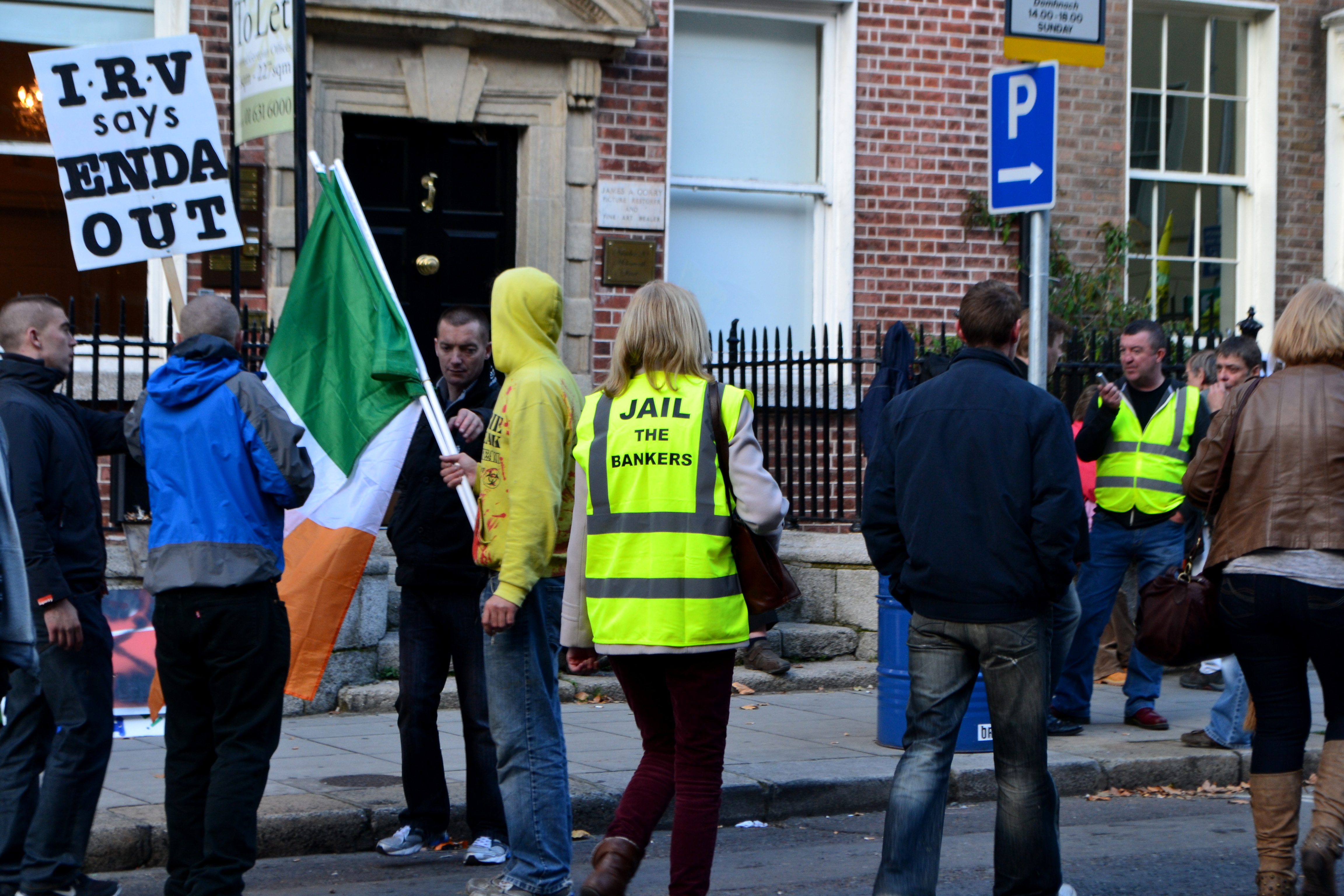
    Meanwhile, outside the Dáil, a surprisingly small number of protesters turned out despite an enormous Garda presence.

    Many protesters, who felt the government were targeting the weakest in society, were disappointed by the turnout.

    Protester Pamela Hackett gives her view on the Budget
    Protester Pamela Hackett gives her view on the Budget

    “I’m very disappointed,” said Pamela Hackett, “I thought there’d be a load of people out here.”

    Photos: Michael Coleman

    Video and Editing: Greg Synnott

    Report: Saoirse Ivory