Tag: health

  • Tibetan bowls, Botox and bee beds: a day at the Dublin Mind Body Experience

    Tibetan bowls, Botox and bee beds: a day at the Dublin Mind Body Experience

    The Dublin Mind Body Experience was held over three days at the end of February and the beginning of March, bringing together a variety of exhibitors in the fields of holistic health, yoga and general wellness.  

    By Adam Jackson  

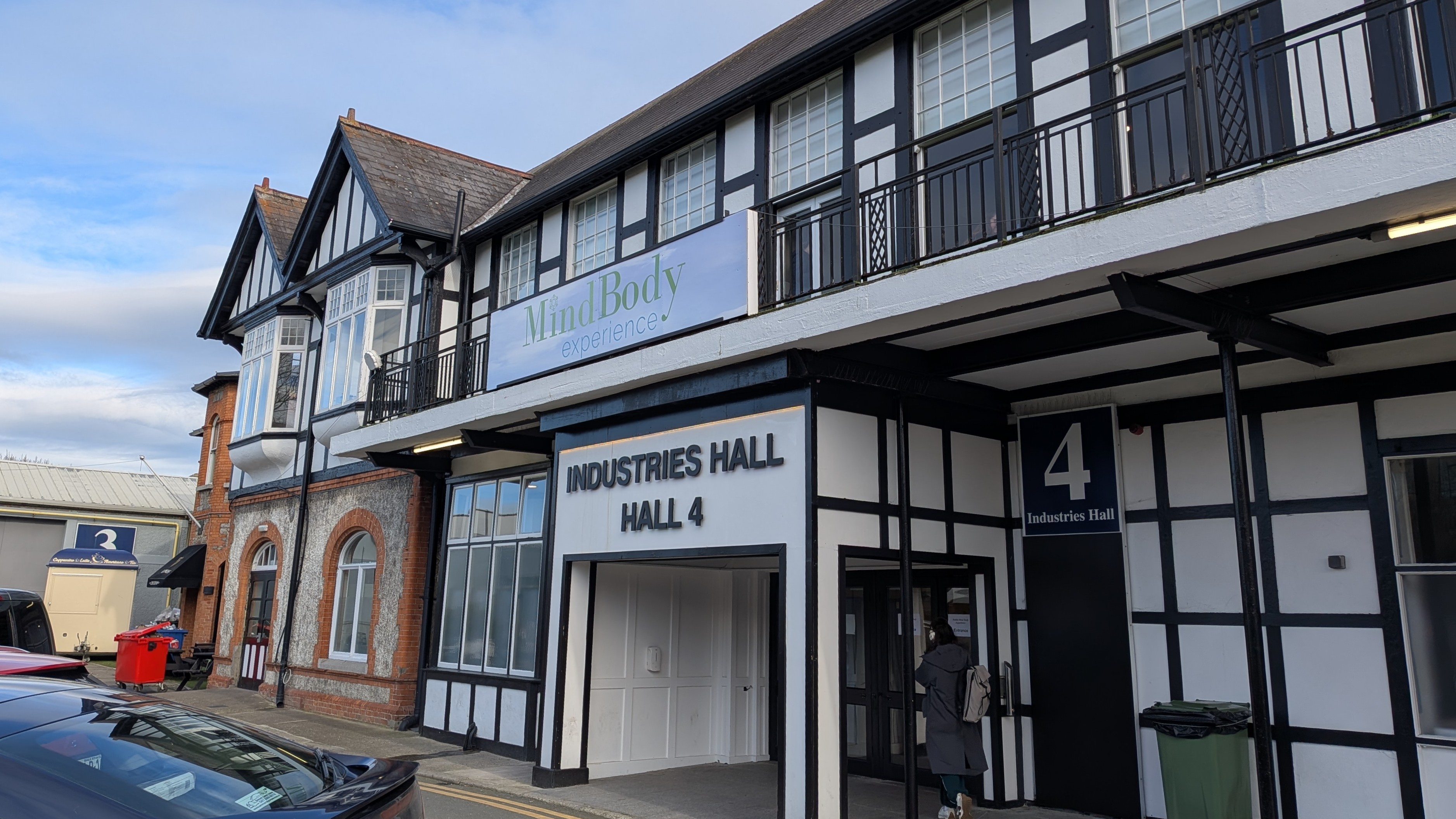
    The scent of incense was thick in the air in the RDS hall four, with almost 200 stalls set up, displaying a variety of products and organisations.  

    The Dublin Mind Body Experience might have seemed overwhelming at first, with so many different things jammed into a relatively small area, but after doing a circuit of the hall, one would be likely to see something that attracted their interest.  

    The event was a combination of four different elements: the Mind Body Soul Expo, the Yoga and Meditation Festival, the Dublin Wellness Expo, and the Dublin Psychic Fair.  

    As well as exhibitors desperately trying to make eye contact with anyone window-shopping, there were those consistently drowning in customer inquiries.   

    A café area, where people could take a break from perusing the stalls. Photo Credit: Adam Jackson 

    Immediately to the left upon entering, was a stall that might be easy to miss, with the intriguing name Ballyhubbock Bee Beds.  

    Gillian Moody, who managed this stall, talked about her experience attending the Mind Body Experience for the first time, drawing particular attention to the difficulties that came with exhibiting bee beds.  

    “This is my first time ever exhibiting or even attending the Dublin Mind Body Experience, and I’m here for people to understand what bee bed therapy is,” Moody said.  

    Moody’s bee beds are beds filled with multiple colonies of bees, the idea being that the vibration of the bees’ wings has some sort of therapeutic property.  

    Understandably, Moody was unable to bring one of these beds to the event.  

    “For the likes of these shows, I don’t necessarily have something that people can sample. Some people pass the stand, and you can see the hesitant look on their faces,” Moody said.  

    Moody explained that although it was difficult to get people interested without something physical to show them, once she explained the concept of the bee beds, people became more interested.  

    “People automatically assume that it’s bee venom therapy or that they might get stung, but with bee bed therapy, you don’t physically interact with the bees,” Moody said.  

    Although Moody did not have the ability to bring along her bee beds, there were plenty of stalls providing samples of different therapies or simply selling products.

    One stall that sold a variety of tarot cards, among other things. Photo Credit: Adam Jackson

    There was an entire corner dedicated to psychic readings, as well as beds and chairs set up for various types of mental, spiritual and physical therapy.  

    One thing that was impossible not to notice were the gongs and other sound devices set up in various stalls, all to demonstrate something called sound therapy.  

    One such stall was set up by AOSTI (Association of Sound Therapists Ireland), who were there to promote entering sound therapy as a profession.  

    Jennifer Cruise, the chairperson of AOSTI, explained the practice as the use of certain sound frequencies as a form of therapy, using instruments like Tibetan bowls, crystal balls and gongs.  

    “We’ve been absolutely inundated with people,” Cruise said.  

    “This fair, which is the largest indoor holistic fair in Ireland, has had far more sound therapists this year than any other year.”   

    Cruise attributed this popularity to the ease with which most people can use sound therapy.   

    “Anybody can experience sound; you don’t have to be a musician, you just have to understand how sound affects people,” Cruise said.  

    Although human wellbeing was a major focus of the event, somewhat surprisingly, there was one stall set up for the wellbeing of non-human animals.   

    IAVS (Irish Anti-Vivisection Society) were there to spread the word about animal testing in Ireland, specifically focusing on Botox testing.  

    “We’re here to publicise the amount of abuses carried out on non-human animals every year, both in Ireland and the world,” Catherine Morrow, IAVS chairperson, said.  

    While the EU has banned cosmetics testing on animals, Botox testing is still allowed on a technicality.  

    “At the moment, we are particularly focused on campaigning against the testing of Botox on mice, which kills thousands of animals in Ireland every year,” said Morrow.  

    Morrow emphasised the existence of humane alternatives to animal testing that she said were “more reliable” and “far cheaper”.   

    The Dublin Mind Body Experience seems to have been the right event for IAVS, with plenty of interest coming from the event’s attendees.  

    “We’ve had crowds of people today, a number of vegetarian and vegan people coming to the stall, so they are automatically sympathetic,” said Morrow.  

    Later on in the day, the event was no longer quite so busy. Photo Credit: Adam Jackson

    Things were dying down by six o’clock, although the event was indoors, the skylight above made the waning light apparent.   

    There were no longer nearly as many attendees as there had been earlier in the day, and exhibitors were beginning to pack up their stuff and leave.   

    Exhibitors who had been previously eager to catch the attention of passing attendants were, at that point, comfortable with the lack of engagement, many of them using the downtime to read.  

    Like so many other things, the Dublin Mind Body Experience ended, slowly fading out.  

  • School lunch standards under scrutiny amid parent and teacher concerns 

    School lunch standards under scrutiny amid parent and teacher concerns 

    Issues have been raised about the lack of standardisation across catering companies under the Government’s School Meals Scheme. 

    By Rebecca Reilly   

    Nutrition coach Sophie Morris has posted images on social media reflecting parents’ concerns about the quality of meals being served in some schools.

    In the post Sophie has said what she is “advocating for is improving the standard of the food that’s currently being served to our children.” 

    She also references the photos below saying that “this is what’s happening on the ground.” We reached out to Sophie, but she was unavailable for comment at this time.    

    A pilot for hot meals was introduced by the Department of Social Protection in 2019 to a select number of schools.  

    The scheme has been expanding since April 2025, with 3,149 schools awarded funding under the programme for the 2025/26 academic year. 

    There are approximately 100 schools with applications for funding pending, awaiting further information. The Department continues to receive applications as schools finalise their procurement process. 

    The budget for the scheme in 2026 is €286 million, with the aim of catering to all primary schools across Ireland on a phased basis. 

    The meals are provided by a number of suppliers such as The Lunch Bag, Freshtoday and Glanmore Foods.  

    TheCity.ie spoke to a number of parents about the scheme. They spoke to us on condition of anonymity. 

    “I personally believe it is a disappointing service. My children don’t like the meals, and I don’t believe they are nutritious. We have since opted out and send our kids to school with a packed lunch daily,” said one parent.   

    Another parent alleged that their 10-year-old child received undercooked chicken. “When I raised the issue at school, I was told to contact the supplier directly.”  

    According to the parent, the supplier told them that they could opt out of the meal again, apologised that their child did not enjoy it, and they hoped the following day’s meal would be better. 

    Speaking to TheCity.ie, one primary school teacher in Louth said: “Although the premise in theory is good, over a third of parents have stopped ordering lunch in my class. A handful of kids are now eating them.”  

    “I can only speak about what I see in my class, but meals are a far cry from the samples we received last year for staff to try and are not consistent week to week – the kids have commented on that.” 

    The teacher said they also questioned how nutritious the meals are.  

    “The ingredient list is extremely long. Some labels don’t show the percentage of meat content; some do. Some meals contain added preservatives, stabilisers, sulphites, raising agents, and more. Is there a way to reduce those extra ingredients that you wouldn’t typically put into a home-cooked meal?” 

    Waste has also become a growing concern in this teacher’s school. 

    “Parents don’t get to see how much or little their child is eating, as the food is placed into the insulated box it arrived in for the company to collect the next day to dispose of. It is a lot of waste – a waste of food and a waste of taxpayers’ money. Money that could surely be spent better.” 

    A spokesperson for the Minister for Social Protection Dara Calleary said: “The nutritional standards for school meals have been in place since its inception and were developed by a technical nutrition subgroup.”  

    This group included dieticians from the Irish Nutrition and Dietetic Institute of Ireland, the HSE, Safefood, and the Food Safety Authority of Ireland. 

    “Nutritional standards are a priority,” they said.  

    “Last September, the Department seconded a CORU-registered dietitian from the Department of Health to strengthen oversight of the School Meals Programme and conduct a review of the nutritional guidelines and the compliance of the main suppliers with the current guidelines.”  

    Since September 2025, foods high in saturated fat, sugar and salt have been removed from school menus. 

    Although calls for higher quality food echo many parents’ sentiments, some say there are many positive results from the scheme.  

    “My son is really happy with the food,” Pamela Lee, a mother-of -two from Galway told TheCity.ie.  

    “I do think there could be more variety – but I do think I could change it up for my son also in terms of my ordering.”   

    “My son eats everything and has never complained to me about the meals yet,” said Paula Madden from Galway, whose son avails of the programme.  

    Sinéad Crowe, a nutritional therapist and intuitive eating counsellor, praised the scheme for encouraging independence among children, but said regulation needs to be reviewed. 

    “My kids go on to the app every week and see what new specials are out and they like going through what to order. I think that encourages some autonomy and agency and promote decision making skills around what they are going to eat themselves,” she said.  

    “The providers are all different, so it isn’t standardised. Companies are going to vary in terms of what they are offering. I think that would need to be addressed and looked at. The companies need to be more direct with what ingredients are in the food – we need complete transparency.” 

    Crowe, who co-founded the Intuitive Eating Hub, has also raised concerns about how we frame this conversation. 

    “We need to be careful about the exposure that our children might have to this conversation… it could negatively affect a child’s relationship with food. We can talk about balanced and optimised nutrition without coming from a place of fear or scaremongering.”   

    Fine Gael is currently running a public survey on the scheme to inform the next phase of improvements and rollouts.  

  • Galway TD says GP shortages at ‘crisis’ point in rural Ireland  

    A Galway medical centre has stopped taking private patients following the retirement of a local GP. 

    By Rebecca Reilly  

    Photo credit: pexels.com

    Culleen Medical Centre in Headford said the decision was made to temporarily pause the acceptance of new private patient registrations with effect from 7 January 2026. 

    They have received an unprecedented number of enquiries and registration requests from private patients since the retirement of a GP in the community late last year.  

    Under Irish legislation, private patients’ medical records cannot be automatically transferred from one practitioner to another without written consent. 

    In the statement, the centre said: “Such consent must be freely given, specific, informed, and unambiguous. There is therefore no legal basis for the automatic transfer of private patient care or medical records without a patient’s informed consent.” 

    The statement read: “Where patients are not notified of a GP’s retirement promptly, their ability to register elsewhere and provide the necessary consent for records transfer may be significantly constrained.” 

    It is the responsibility of the Health Service Executive (HSE) to ensure the transfer of records for medical card holders and the practice has taken on all medical card holders from the retiring GP.  

    Several private patients have expressed their worry, particularly those with ongoing medical issues.  

    One patient has said: “I am on HRT (Hormone Replacement Therapy), and I have asthma. It’s disgraceful that we are left without. What if a GP dropped dead tomorrow? There needs to be provisions in place for exceptional circumstances like a sudden retirement.”  

    Another man in his 60s said he is seriously apprehensive about managing his diabetes: “How do I fill my next prescription? Does my life mean less because I am a private patient?” 

    Photo credit: pexels.com

    Local councillors are hoping to provide relief for private patients.  

    Fine Gael Councillor for the area, Andrew Reddington said that the HSE has informed him that “their duty has been fulfilled. They won’t be advertising for another doctor as all medical card patients have been allocated.” 

    “There is no point in depending on the HSE [….] I won’t be misleading anyone by saying that it will happen and doctors will come – that’s just wrong,” he said.  

    “I am currently trying to navigate the situation and have had success in getting sorted to date, as a doctor clinic contacted me offering help.”  

    Local Fianna Fáil Councillor Mary Hoade said that the country needs more GPs.  

    “In 2024, the Irish College of Surgeons said that of the 2,500 GPs in the country, three-quarters of them were at capacity and not taking new patients. So, this really is a national issue,” said Cllr. Hoade.  

    She has called on the Department of Health and the Minister for Health to address these growing issues.  

    “My concern is to find a GP for private patients who are left without one and to ask the Department of Health to address this, so we don’t ever find ourselves in this situation again.” 

    Fianna Fáil TD for Galway East, Albert Dolan raised the growing problem of GP retention in the Dáil recently.  

    “I believe there is a crisis at the moment in retaining GPs and in terms of our GP capacity in rural locations,” Deputy Dolan told TheCity.ie.  

    “We are hearing across the board that GPs are at capacity and are refusing to take on new patients. This means people are having to travel further to access care,” he said 

     “What’s vital here is that we retain our young doctors coming out of university. Many people are graduating, qualified to the highest level, and are going to Australia and Canada and are serving other systems.”  

    “We need to ensure that young people feel like there are opportunities here for them. We need to improve conditions but also reduce the burden on young doctors,” he continued. 

    While Culleen Medical Centre is hoping to expand its premises, it acknowledged “this is deeply regrettable situation,” and “sincerely sympathises with all those affected.” 

  • Strength in Every Step: How Runner Defies Diabetes on the Road to Clontarf Half 

    Strength in Every Step: How Runner Defies Diabetes on the Road to Clontarf Half 

    By Daniel Keegan 

    The half marathon. 21 kilometers of grit, determination, and sheer endurance. Many people compete in Ireland’s several half marathons each year, but even for the fittest individuals, the thought of running such a distance is daunting. 

    For type 1 diabetic, Aisling Ní Aogáin, she not only has to worry about running, but she also must worry about regulating and managing her chronic illness. 

    She describes how she began running not long after her diabetes diagnosis, which came at age 11. 

    “My parents used to take me to my local parkrun on Saturday mornings when I was about 12 and I really enjoyed them,” Ní Aogáin said. 

    “As I got older, I started running more. I progressed by doing 10k’s and then during the 2021 lockdown me and my sister trained and ran our own half marathon and then in 2023 I completed the Clontarf half marathon which I really loved and enjoyed,” she added. 

    On November 30, she will take part in her 2nd Clontarf half marathon. For her it’s much more than just the distance – it’s a statement showcasing that she can do incredible things regardless of her health misfortunes. 

    However, this isn’t her first phenomenal feat as a diabetic endurance runner. Her most remarkable race came in October 2024 when she completed the Dublin City Marathon in aid of Diabetes Ireland.  

    “In 2024 I decided I wanted to do a marathon. So, I applied for a charity spot and raised €1,500 for Diabetes Ireland and the whole experience of running the marathon was amazing,” Ní Aogáin said.  

    Although she thoroughly enjoyed the experience, she explains the struggles that came with managing her illness with the stress of training and running her first marathon. 

    “It was very difficult alongside diabetes trying to manage blood sugar and making sure I was well enough to run. If I had very high blood sugar levels, I would feel lethargic, ill and lack energy. If I had low blood sugar levels, I would feel very weak and faint and it would be dangerous for me to run,” Ní Aogáin said. 

    “For most of the run [marathon] I had high blood sugars because I was fearful I would have to stop and treat a low blood sugar, and I really didn’t want to interrupt the good momentum I had,”, she added. 

    She describes how having diabetes can make her feel lonely at times, but she is continually reminded that she is not alone in her quest to manage her condition while accomplishing other goals and accomplishments in her life. 

    “When I’m finding it difficult balancing life, running and diabetes it’s nice to remind myself that I’m not alone even though it can feel very lonely,” Ní Aogáin said. 

    “I follow a lot of people on social media with type 1 diabetes who run, so it’s a nice reminder that even with all the odds stacked against me to keep going,” she added.  

    The Clontarf half marathon is held twice annually in November and July. However, this year’s November race did not go according to plan. Aisling and fellow participants are left to wait an additional two weeks to complete the race as severe weather conditions from the arrival of storm Claudia resulted in the race being postponed. 

    The original race was due to take place on November 15. 

    Aisling didn’t let the poor weather dampen her spirits and is still eager to break her own personal records in the upcoming race. 

    “I chose to do the Clontarf half this year again because I know the route and the last time I did it, I didn’t really train for a time. So, this time I wanted to do a sub-2-hour half marathon,” Ní Aogáin said. 

    “Even though the race got postponed, I’m still really looking forward to trying and pushing my limits this time.”  

  • The Sea oh the Sea – the joy of wild swimming

    The Sea oh the Sea – the joy of wild swimming

    A sunny Sunday in autumn and the sea is still warm in Sandycove. Its a ritual for many people who have the time to make swimming a part of their routine. Some people shared their thoughts with me.

  • ‘Bright, Not Broken’: Irish Expert Pushes Back Against Autism Misinformation 

    ‘Bright, Not Broken’: Irish Expert Pushes Back Against Autism Misinformation 

    Irish neurodiversity and healthcare professionals are rejecting claims by U.S. president Donald Trump, who suggested that paracetamol use during pregnancy may increase the risk of autism in children. 

    There is no credible scientific evidence to support the statement, which has drawn criticism from international experts, including paediatric occupational therapist Adam Griffin. 

    Griffin, who has over 14 years’ experience in child and adolescent mental health and works across the Middle East, described the remarks as “deeply harmful.” 

    “This kind of misinformation shapes how people think, talk and respond to neurodivergent individuals,” Griffin emphasised. “Instead of recognising autism as a difference in how someone experiences and interacts with the world, it reinforces outdated ideas of deficit or disorder.” 

    The Health Products Regulatory Authority said paracetamol is “an important treatment option for the management of fever and pain in pregnancy,” and that “available evidence does not link its use to causing autism in children.” 

    The European Medicines Agency said evidence of any connection remains “inconsistent” and cautioned against drawing conclusions. In Ireland, the HSÉ continues to advise that paracetamol is safe during pregnancy when used as directed and for the shortest necessary time. 

    Griffin stated comments like Trump’s can have emotional and social consequences for families already navigating complex challenges. 

    “Families often feel a real sense of confusion, frustration, and hurt when public figures make sweeping or inaccurate comments about autism,” he said. “These statements tend to attract a lot of media attention, but they rarely include the nuance or context that real families live with every day.” 

    “For young people, it can increase feelings of shame or being misunderstood, and parents often worry about how others might now see or treat their child.” 

    Griffin highlighted that such misinformation adds pressure to families already under strain. 

    “It’s a reminder that words carry real weight, and that respectful, informed discussion is vital for the wellbeing and inclusion of neurodivergent individuals and their families,” he said. One of the most persistent myths, according to Griffin, is the idea that autistic people are somehow broken or difficult. 

    “A common misconception is that autism is something ‘other,’ that an autistic child is unrelatable, broken, or so different they are ‘not like other children.’ This sense of isolation is deeply felt by many neurodivergent individuals,” he said. 

    “In the words of Temple Grandin, autistic people are ‘bright, not broken.’ An analogy I often use is that autism is like a different operating system in an electronic device. It’s not broken, it’s Apple, not Android. It uses a different software to function, and the better we understand that system, the better we can support it.” 

    He warned that high-profile comments without scientific backing can be particularly harmful. 

    “What’s often more dangerous is when such statements contain elements of truth or connect tangentially to new treatment ideas but lack the proper context or evidence,” he said. “They can appear science-based without the rigour to back them up. These ‘half-truths’ can be even more harmful than outright falsehoods.” 

    Griffin urged families not to panic and to seek evidence-based guidance. 

    “My advice is to ground decisions in reliable, evidence-based information and to seek guidance from trusted professionals,” he said. “Families should remember that autism is a lived experience, not a single story, and there is no ‘one-size-fits-all’ approach.” 

    He also called on professionals and media to play their part in pushing back against false narratives. 

    “We need more voices from the autistic community, more context, and more clarity. For professionals, families, and the media alike, the focus should be on fostering informed dialogue that respects lived experience and prioritises evidence over sensationalism.” 

  • From Pill to shot: Game-changing HIV medication available in the EU 

    From Pill to shot: Game-changing HIV medication available in the EU 

    A new HIV drug that can prevent HIV has been rolled out in Ireland. 

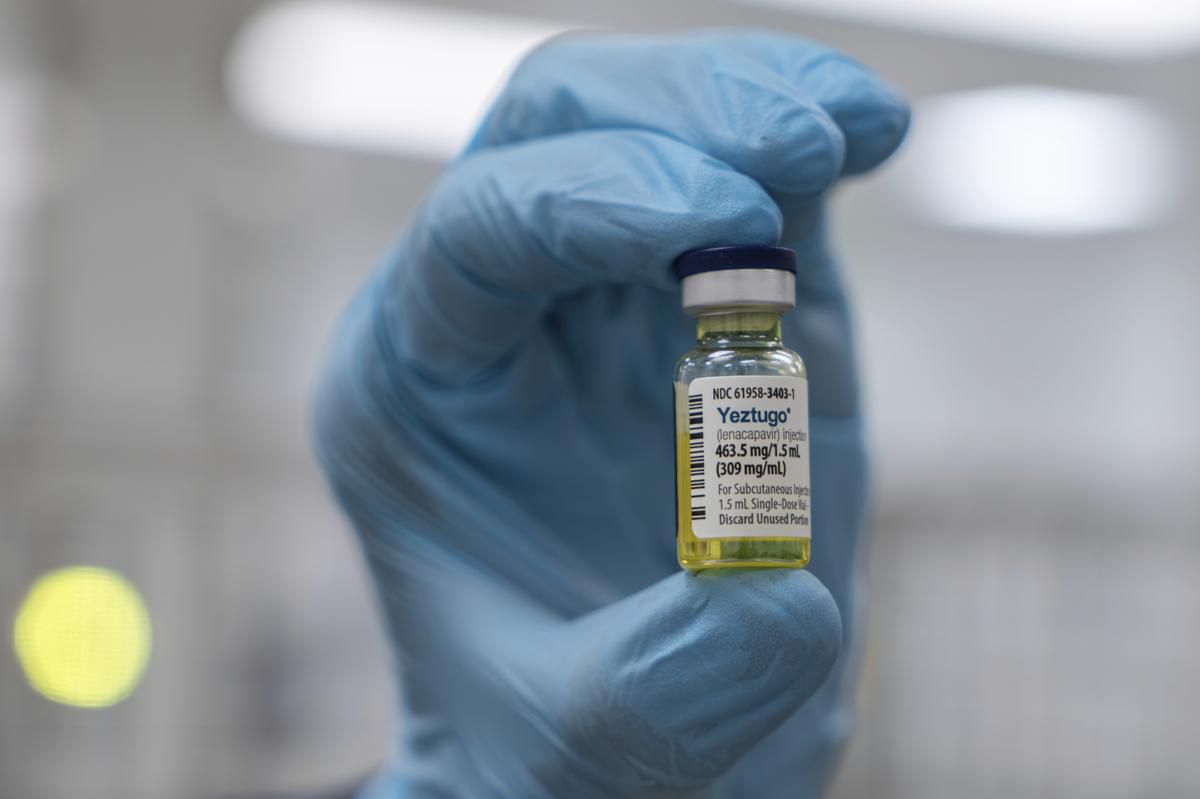
    The newly-approved HIV PrEP (pre-exposure prophylaxis) medication, called Yeytuo, is now available across the EU and will soon be available worldwide.  

    Lenacapavir was developed by GILEAD sciences back in 2010 and was approved by the US Federal Drug Administration (FDA) in August 2022. Three years later, in August 2025, Yeytuo, the EU version of Lenacapavir, was approved for PrEP medication.  

    The European Commission approved the new PrEP medication on Aug 26, 2025.  

    Yeytuo is in a class of HIV (Human Immunodeficiency Virus) medication called capsid inhibitors, which decreases the HIV in the blood.  

    Professor Jack Lambert, a consultant in infectious diseases at the Mater Hospital in Dublin said the medication represents a big leap forward in HIV treatment.  “I think the practical thing is that it’s one of the first treatments that you can give twice a year and then on top of that, it’s injectable,” said Professor Lambert. “It’s an incredible benefit on the current PrEP regimes.” 

    It is also accompanied by two tablets the day after the injection, and the patient should practice safe sex. 

    Yeytuo has also had  99.9% success rates in clinical trials in preventing HIV in patients, and it provides patients with easy uptake because it only needs to be administered twice a year, compared to taking PrEP pills daily.  

    The drug itself can be used “by people who have HIV or those who are trying to prevent it,” Professor Lambert added.  

    One underlying problem of the new medication is its very high cost, priced at $28,000 per patient.  

    Speaking to TheCity.ie, Professor Lambert said that “…it has to be cost effective, the current cost the company wants to charge for PrEP for this particular agent is beyond, and the current PrEP drugs like Truvada cost €20 to €30 a month, so huge difference in cost.” 

    At the beginning of October Gilead Sciences announced that it would make generic versions of the medication to be made available to low-income countries. 

    They are partnering with different laboratories worldwide by sharing their medical patent of Lenacapavir to lessen the cost of the medication from $28,000 to $40 a year.  

    GILEAD sciences, together with UN AIDS, Dr. Reddy Laboratories and several medical groups worldwide wide aim to make the medication more accessible by the end of 2026.  

    Countries like India have begun marketing Lenacapavir and it is to be supplied by Dr. Reddy’s Laboratories.  

    Dr. Reddy’s Laboratories aims to make the drug more accessible to 120 low-income countries.  

    Meanwhile, here in Ireland, there is still no information about the cost of the new medication, and it remains the US price, which is equivalent to more than €24,000. 

    Aside from the cost, there are also side effects to be considered when using Yeytuo, such as “major or minor reactions at the injection site,” Professor Lambert said.  

    Side-effects/Reactions could include swelling, redness, bruising, warmth, pain or discomfort, itching, hardened skin, small mass or lump/bump. 

    “I think there are very few downsides to the injectable HIV medications, both for treatment and for PrEP,” Professor Lambert added.  

    Though the medication itself is considered a game-changer in the field of HIV, its success is yet to be determined globally. 

    “What you’re going to have to do is look at the new cases over the next number of years. For example, in Ireland, there are 400 new HIV cases a year. If they implement a new PrEP program, those numbers would drop to 200. It’s just indirect evidence that the medication has been successful,” Professor Jack Lambert said 

  • Rowing – a call to the water and the wild

    Rowing – a call to the water and the wild

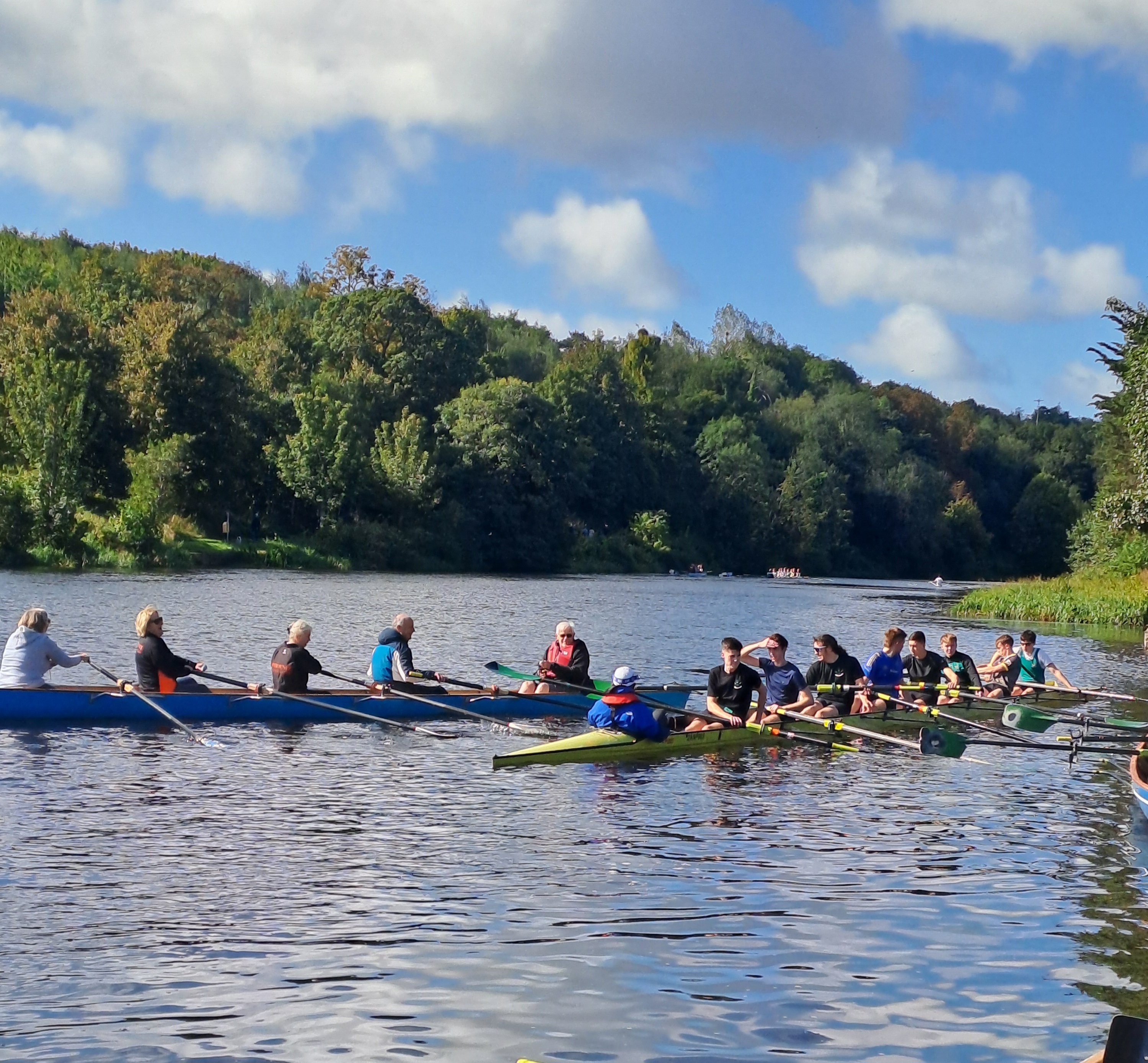
    Rowers at Island Bridge – Photo: Mary Phelan

    Rowing, which has been described as a natural anti-depressant, is gaining popularity in Ireland, and there are now over 100 clubs around the country which are affiliated with Rowing Ireland.

    If you are looking for a low impact sport, but one which engages more than 80 per cent of your muscles, then rowing may be just the thing for you. According to Jennifer Butterly, a member of Neptune Club, It could even be life changing, She says “for that hour I’m not thinking about anything else, I’m completely in the moment. I’m so focused on trying to remember all the steps that I am removed from my everyday life. Whatever is going on is tuned out, and on the little breaks when a newbie is being instructed, I can take in the beautiful surroundings. It makes me so happy to be alive”.

    Richard Ryan : Photo Mary Phelan

    Richard Ryan is a coach with Neptune Rowing Club, Island bridge. After an invitation to the club over 30 years ago, he said he got hooked and just kept coming back. He rowed competitively for several years before becoming a coach.

    “Rowing is like a natural anti-depressant”

    Jennifer Butterly

    He says “I just love the place, the river, and the setting.  There are great health benefits with rowing, you’re using every bone in your body, from your neck to your toes.  You learn a new skill; it’s a good all-round outdoors exercise – it‘s different”. He also enjoys teaching people who’ve never been in a boat before to master the skill of rowing.

    “People often learn things about themselves too, like the need to be more flexible, or to stretch more, and to learn to concentrate and pay attention to detail as one false move, like stepping into the boat the wrong way, could cause damage to the boat, or endanger the lives of other rowers”.  

    Another reason why some people like the sport is because it is non-contact, which means you’re not going to collide with another player or get injured, unlike sports such as rugby or football.  Richard adds “It’s not all about brawn, it’s also about engaging your brain, and mastering a technique”.

    One of the reasons for the rising popularity in rowing is because of the success of Irish rowers in the Olympics over the last few years. Only last month Ireland won a double gold on the last day of the World Rowing Championships in Shanghai. One was for an individual gold, the other being won in a mixed double sculls.

    “The main ingredients for success are “commitment, a good coach, a natural technique, and just showing up”.

    Each rowing club is different, but in Neptune you can sign up for an 8-week course, for 1.5 hours on Saturday or Sunday mornings, all year round. If you miss a class for one week, it is not a problem, as they are run on a rolling basis, so you can go the following week instead. The classes consist of what they call ‘trips ‘– and for beginners,  trips mean going up and down the river twice, which is the equivalent of 7 kms.

    Another rower in the club, Ellen Roche, said that “apart from offering a full body workout, the personal benefits of learning something new feels like a great achievement. Also, the huge volunteer effort involved in making it all happen is very impressive”.

    Here’s to learning new skills and the joy of being out in nature.

  • Hope for thousands following major breakthrough in treatment for cruel disease  

    Hope for thousands following major breakthrough in treatment for cruel disease  

    By Edward Ryan 

    A team of researchers has successfully treated Huntington’s Disease for the first time.  

    The news has been described as “a game changer” by the Huntington’s Disease Association of Ireland.

    Huntington’s is a degenerative disease that kills nerve cells in the brain and has been described as a combination of dementia, motor neuron disease, and Parkinson’s.  

    It is a very rare condition that affects thousands of people worldwide.  

    But on September 24th, biomedical company uniQure announced that it had successfully treated Huntington’s in a major clinical trial.  

    Huntington’s explained

    Huntington’s is caused by a change in genes and is hereditary, passing from a parent to their children.  

    It is caused by a mutation in the HTT gene. This gene makes a protein called huntingin, which helps with the function of the nerves.  

    Huntington’s Disease restricts the DNA’s ability to produce huntingin, which causes the proteins to grow abnormally and destroy the nerves rather than help them.  

    This decay occurs in the area of the brain that affects movement and can also target the brain cortex, causing cognitive and behavioural issues.  

    Huntington’s is an inherited disease. If one of your parents has Huntington’s, then the likelihood of you developing the disease is around 50%.  

    Symptoms of the disease often begin to appear in people in their late thirties, with the average lifespan after first symptoms ranging from 10-30 years.  

    The treatment 

    The trial involved a gene therapy called AMT-130 which was administered to patients during brain surgery.  

    AMT-130 contained a virus carrying a micro-RNA that was designed to target the  huntingin gene. 

    It was administered as a one-off during complex brain surgery that lasted anywhere from 12 to 18 hours. 

    The results of the study were astounding.  

    It showed a 75% slowing of disease progression in patients who received a high dose of the treatment after 36 months.  

    The study also found that there were no new drug-related serious adverse effects observed between December 2022 and the end of June 2025.  

    This major breakthrough will bring relief to people who have the gene for Huntington’s and there is hope that early treatment may prevent the emergence of symptoms completely.  

    In a statement announcing the news on Wednesday, Walid Abi-Saab, M.D., the Chief Medical Officer at uniQure said, “We are incredibly excited to about these topline results and what they may represent for individuals and families affected by Huntington’s disease.

    “These findings reinforce our conviction that AMT-130 has the potential to fundamentally transform the treatment landscape for Huntington’s disease, while also providing important evidence supporting one-time, precision delivered gene therapies for the treatment of neurological disorders.”  

    “It’s a game changer” 

    Patricia Towey is the Service Manager with the Huntington’s Disease Association of Ireland . She was delighted with this announcement. 

    “It’s really exciting news for so many families that are really struggling with this devastating neurodegenerative disease, you know, so this news is very exciting.” 

    She added,It’s the first time that the course of the disease has stopped by up to 75% for the people that have been treated. It’s three years of data and, yeah, it’s really a game changer in so many ways.” 

    Who is uniQure? 

    uniQure is a gene therapy company with teams of researchers based across the Netherlands, the UK, and the US. 

    They have an extensive track record in gene therapy and developed the first approved human gene therapy in the western world. 

    They also have worked on treatments for Haemophilia B throughout the years. 

    The study on AMT-130 has taken many years, but there is still a ways to go before the treatment is available to the public. 

    uniQure is aiming to have the treatment available in the US some time in 2026, but costs for the treatment are expected to be very high. 

    Meanwhile, shares in uniQure jumped over 200% across various markets in the hours following the announcement. 

  • Is Female Healthcare Taken Seriously in Ireland? 

    Is Female Healthcare Taken Seriously in Ireland? 

    By Molly O’Reilly

    Polycystic ovary syndrome (PCOS) can affect a woman’s health in more ways than one.  

    As more people are becoming aware of PCOS as a disorder women experience, there is more questions to answer as we discover female health continues to be more complex. 

    For instance, there are four categories of PCOS. Healthcare professionals try to avoid diagnosis until a person’s menstrual cycle has become regular or fully formed.  

    PCOS is characterised by irregular periods, high testosterone levels and ovarian cysts. The average age of diagnosis is around your late 20s.  

    However, there is not a long-lasting solution to help with PCOS.  Different life occurrences can alter the symptoms of the syndrome, such as childbirth, excessive exercise and stress.  

    Shirley McQuaid, who works with Dublin Well Woman Centre as a medical director, spoke about PCOS in Ireland and attitudes to female health in Ireland. 

    “PCOS involves certain changes to the cycle,” she said.  “If someone has very irregular periods, then it’s worth looking at whether or not that is due to polycystic ovary syndrome.”  

    Laoise Cruise, now 23 years old, spoke to The City.ie about her experience of getting diagnosed with PCOS at the age of 15, which is very unusual. 

    “It was like I had given birth because I had stitches, and I couldn’t stand up straight,” said Cruise. 

    In March 2016, Cruise thought she was getting her period for the first time. In reality, a cyst that was sitting and killing her ovary was causing her to bleed. After experiencing side effects such as extreme bloating, tiredness and intense cramps, Cruise went to her doctor and had to have surgery. 

    “It was basically the size of a melon is what I was told – they told me this is so strange for a 15-year-old.”  

    However, due to the size of the cyst, one of Cruise’s ovaries also had to be removed.  

    “It has affected my life completely – 50% of my chance of fertility gone,” she said. 

    Cruise also spoke about the lack of services provided during this time at 15 years old. 

    “I had my surgery in a general hospital, but it was under my insurance. Then I had to go privately for nearly a year after to go see the same surgeon that took out my ovary [in their private practice]” 

    “I wish it was more accessible; I’m hoping there will be more PCOS specialists in the future, who are more accessible for women who are younger.” 

    The process of getting diagnosed can be a stressful experience. 

    Katlyn Connolly, who is 22 years old, is currently on the journey of being diagnosed with PCOS.  

    “I started looking for help and advice on my female health around 14 months ago and since then I have been referred and sent to person after person,” said Connolly. 

    “I feel If I had backed myself up and was confident in my knowledge 14 months ago, I might be on a very different journey now. I am thankful that people are now talking about female health and fertility. It’s lovely to hear other people’s stories and tips and tricks regarding these issues.” 

    Female health issues continue to be a complex issue. 

    In terms of the long-standing ways of managing PCOS, McQuaid said there unfortunately isn’t one. 

    “There are a few things to manage PCOS but there isn’t a pill that they can take long term to deal with PCOS. It’s just as life events happen, we can help along the way with various things.”  

    Despite an enduring question over how serious female healthcare is taken within the Irish healthcare system, McQuaid said the introduction of the free conception has been a positive change. 

    “In the past a lot of women just were on the pill simply because that what was all available for them or they couldn’t afford to use coils and implants. But now they’ve got a huge choice,” she said.  

    Although there has been a positive progression for female healthcare in Ireland there is still a long way to go as many women continue to go undiagnosed.  

    “It’s not just four letters it’s your life,” said Cruise.