With the increase of use what is Ireland’s stand point on the drug?
By Leah Kilby
In recent years, Ireland has seen a significant increase in cannabis use, with studies showing that over the past decade usage of cannabis has been slowly increasing. A study done by the Health Research Board estimated that over 1.5% of the population over +15 are dependent on the drug. The question remains on what will Ireland’s next approach be?
Discussions of legalisation/ decriminalisation have been appearing in recent years as more research is made on the subject. A survey done by the Journal.ie found that over 40% surveyed were in favour of legalisation for recreational use and 90% in favour of medicinal use. The Department of Health stated in July 2021 that there would be improvements to the medical cannabis access program, in hopes the program continues to grow to benefit those who need it. Medicinal use of cannabis was legalised in Ireland in 2016.
Currently in Germany, the future government aims to legalise recreational use of cannabis. This would be a significant step to take as one of the EUs most influential countries. The only places where the drug is currently decriminalized is the Netherlands, Copenhagen (Denmark), Barcelona (Spain) and Prague (Czech Republic). However, if Germany were to legalise it, there are possibilities that more countries would consider doing the same.
A study done by Emerald Insight, where they interviewed policymakers, indicated that many of the policymakers were supportive of decriminalization of cannabis, although there have been very few talk among government officials to confirm this.
While the future of Ireland’s stance on cannabis is still up in the air, there have been many studies done to suggest that decriminalization could have a negative impact on the country. An article by the Irish Times suggested that cannabis use ‘could be one of the gravest threats to young people’s mental health’.
“Mental health issues associated with cannabis use include psychosis, depression, anxiety disorders and suicidal behaviour. These have been exacerbated by rising levels of THC, the psychoactive part of the drug, in cannabis in recent years.” (Source: Paul Cullen, Irish Times)
In the UK, there have been plans put in action to try to stop the use of drugs. New sanctions could be put in place where any one caught using middle-class drugs could lose their passport and driver’s licence, essentially making it so they would have nowhere to go. While this approach may not include the use of cannabis there is a possibility that Ireland could implement similar sanctions considering the increase of drug use in the country.
While many countries have found success in legalisation/decriminalization of cannabis through taxation and maintaining distribution, there are still many negative impacts recreational drug use can have. Currently, Ireland has no plans to change legislation on the drug, but with public opinion becoming softer and increase of usage despite legality, it’s not impossible that we could see more discussion on the topic in the coming years.
Reports between 2018 and 2020 have shown that domestic violence in Ireland has increased significantly since the beginning of the Covid-19 pandemic, with new data linking this increase with rising homeless rates.
Focus Ireland released a new report this month which ties the increase in homelessness with the rise of domestic violence in Ireland.
The study outlines flaws in current infrastructure for homeless families in Ireland, highlighting how women and female one-parent homeless families are often incorrectly represented in homeless research and aid.
One example was that women living in emergency domestic violence services are not counted as homeless in most European countries, including Ireland, which potentially has a significant impact when counting individuals in need of urgent aid.
Contributors to the study said that victims of domestic violence – whether they be with or without children – leave their abuser’s house, and will then require a house to accommodate themselves, without the financial means they had when living with the abuser.
(Above) The Focus Ireland report shows the rate of families, not individuals, homeless between 2015 to 2021. 65% of homeless single parent households were headed by women in a 2017 study.
Local authorities interviewed for the study claimed that domestic violence was a direct cause for many cases of homelessness in Ireland.
Anne Clarke, manager
Women’s Aid, an Irish organisation working to end domestic abuse against women and children since 1974, have been outspoken about the rise of domestic violence in Ireland in recent years.
Their 2020 report found:
29,717 contacts with Women’s Aid
26,400 via the Women’s Aid 24hr National Freephone Helpline
290,586 visits to womensaid.ie
30,841 total disclosures of abuse – graphed below
(Caption) Graph made by The City.ie
Safe Ireland, another organisation seeking to end violence towards women and children, reported 53,627 helpline calls were answered by domestic violence services in Ireland in 2018. 10,782 of these women were accommodated and/or received support from a domestic violence service, along with 2,572 children (via womensaid.ie).
More findings from previous reports includes:
Safe Ireland reported last year that within the first 6 months of the Covid-19 pandemic, 3,500 women and 600 children contacted a domestic violence service, equating to 19 women and 3 children a day
Women’s Aid reported 148 women had been abused while pregnant in 2020, with 28 having a miscarriage as a result
Women’s Aid had a 43% increase in being contacted in 2020 from 2019
Gardaí received 43,500 calls regarding domestic violence in 2020, a 17% increase on 2019.
In a study carried out by Safe Ireland and NUI Galway, 76% of women subject to coercive control were subject to financial abuse. This occurred when an abusive partner exerted complete control over finances, leaving victims dependent on the abuser to avoid poverty.
Minister for Justice Helen McEntee announced €445,000 for 18 organisations nationwide, primarily in aid of victims and survivors of domestic abuse. Additional funds were also allocated in Budget 2022 for victims of crime and for combating domestic, sexual and gender-based crime.
RTÉ News reported that Minister McEntee said that tackling these issues was a priority for her and the government.
Women’s Aid, Safe Ireland, and more services are available below to find help if you or someone you know is a victim of domestic abuse, along with Women’s Aid guide on how to view domestic violence aid sites safely.
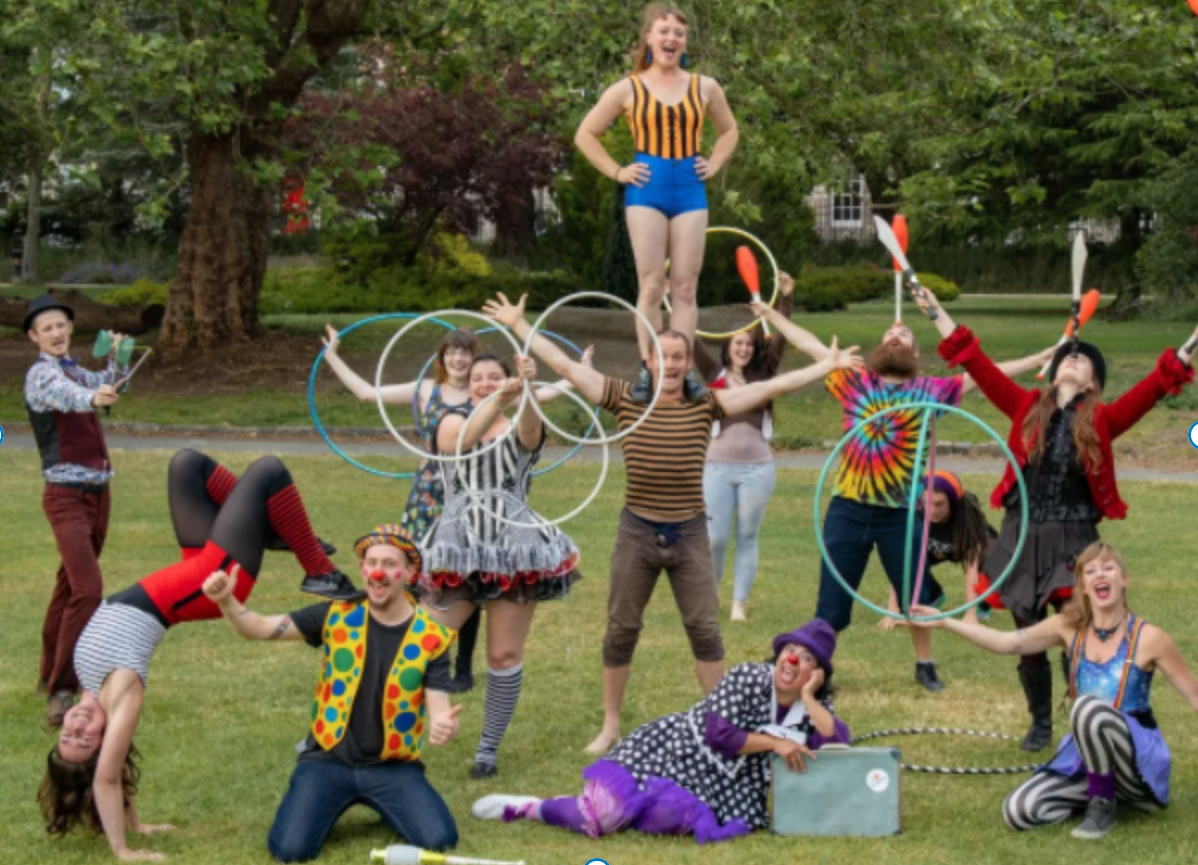
After being closed for more than a year, Dublin Circus Project reopened its doors in September to provide a space for artists to express themselves and allow young people to try a different hobby.
The Dublin Circus Project provides a space for artists to express themselves (Photo Source)
The Dublin Circus Project has been through a lot of changes before becoming what it is today. What started off in 2009 as a juggling society, has now become a true collective of artists who all share a common passion for the circus.
Angelica Santander, who joined the project in 2012, and is now the head tutor, talked with journalist, Fantine Carron about the project and the benefit of practising circus.
“The Dublin Circus Project really started to kick off in 2013 when we rented our first place, it was an old garage in Frederick Court that we renovated,” she said. “Our main goal was the professional development of artists and we finally had a platform for artists to create and represent their work and be supported in the process.”
In this new space, they were able to offer their first classes to adults and develop their initial few shows.
In 2015, they moved to a different location which was more adapted to the needs of acrobatics. This new place, situated in Cabra, allowed them to host residences, create several cabarets, and pursue their classes. They also started working with schools around the area to offer classes to children.
Now, they are located in The Orchard Community Centre in Cherry Orchard.
The pandemic deeply impacted the Dublin Circus Project as they had to close down for more than a year.
“It was very tough. We did do some online teaching but it is complex because it is obviously easier to be in person. For advanced people, it was manageable but not for beginners. At the same time, it was a good exercise to try and think outside the box.” says Angelica Santander.
Throughout the lockdowns, they posted around forty videos on YouTube allowing people to learn circus while at home.
It opened its door once again last September, and teaching was able to start again in line with the government’s guidelines.
“We are now teaching smaller groups, we wear masks, wash our hands, and open the windows regularly.”
Angelica Santander’s speciality is clowning but she is passionate about circus as a whole.
“It is a form of art,” she said, “and it has tons of benefits. It teaches resilience and empathy. It also gives a great connection with your body and your mind. You can relax and only focus on what you are doing.”
She takes the example of juggling. “You have three balls in the air, or five, but only two hands, it’s a great brain exercise because you have to find a way to make it work.”
One of Dublin Circus Project’s mission is also to give a safe space for everybody.
“We want to make sure that there is a space for everyone, circus is very inclusive. It provides a positive atmosphere because there is no competition. You are not competing with your colleagues but you are motivated by them,” said Angelica Santander.
“Art is not competitive.”
For her, the only competition is when you are competing with yourself to get better. Her advice is simple: “whatever you are good at or whatever you like the most, just practice to get better”.
“If you fail, it is okay too. Failure is part of the process, it is not against it. You need failure in order to get better and many people tend to forget that, they try to avoid it.”
Santander shared how “hopeful” she was for the future.
“It started off as a young company run by young people. It is actually a good example of achieving your dreams because we grew so much in a short time and we worked so hard to be there so we are not going to stop now.”
For Angelica Santander, there is still plenty more to do. Her main goal now, shared by the Dublin Circus Project is for circus to be added to schools curriculum. “We believe that it is more than PE and that if you take the competitiveness out, people will flourish.”
Reporter Jane Byrne went out on site to document the aftermath of the Stoneybatter eviction.
On Wednesday the 23rd of October, a private security firm, attempted to evict housing activists at 23 Prussia Street, Stonebatter.
The site has been occupied by housing activists since early September and is known amongst the community as Sunnyvale.
The activist group known as ‘ThatSocialCentre’ on Instagram, announced on 10 September that they had “occupied an empty corner of Stoneybatter.”
They outlined the plans for the space by saying, “we hope to clean up, build infrastructure, host events and workshops, and resist any further eviction attempts.”
Since then, the group has hosted environmental workshops, bike fixing days and food drives.
On 23 October, the group called out for support at the site on social media. Footage of the private security firm violently evicting activists was quickly shared around and soon, the story had dominated Twitter and Instagram newsfeeds.
The McGrath Group, who owns the site, are ‘a privately owned investment and development company operating in Ireland, the U.K. and Germany’ according to their website. Randelswood Construction LTD which is an extension of the McGrath group wishes to demolish the infrastructure currently at 23 Prussia Street and replace it with 166 build-to-rent apartments. This is in accordance with a planning submission considered by An Bord Pleanána, Ireland’s national independent planning body that decides appeals on planning decisions.
In a statement given to The Irish Times, The McGrath Group was issued with a High Court order by Dublin City Council, instructing it to remove squatters from the site on Prussia Street. The group was legally required to keep the site vacant because of the council’s concerns about “serious fire and safety risks and the overall poor condition of the existing buildings,” it said.
The Guards were present at the eviction. A Garda spokesman told Dublin Live no injuries had been reported during the altercations but they will be carrying out further investigations into the incident. He continued, “Gardaí from the Bridewell attended at a property on Prussia Street Dublin this morning, 27 October 2021, where a property owner, in compliance with a court order, was securing a premises and facilitating access to persons to remove personal items.”
Although the group managed to resist the eviction, the area was destroyed. Currently, they are working on rebuilding the space and are calling out for help across their social media platforms. Supplies needed include food, kettles, boilers, and gardening gloves among other things.
In the video attached, you can see the aftermath to the site. We spoke to Em, one of the activists who wishes to conceal her identity.
As this is an ongoing story updates can be found at thatsocialcentre on instagram
**The McGrath group refused to comment on this matter.
The Guards could not be reached for comment.
All comments in the video are those of activist Em.
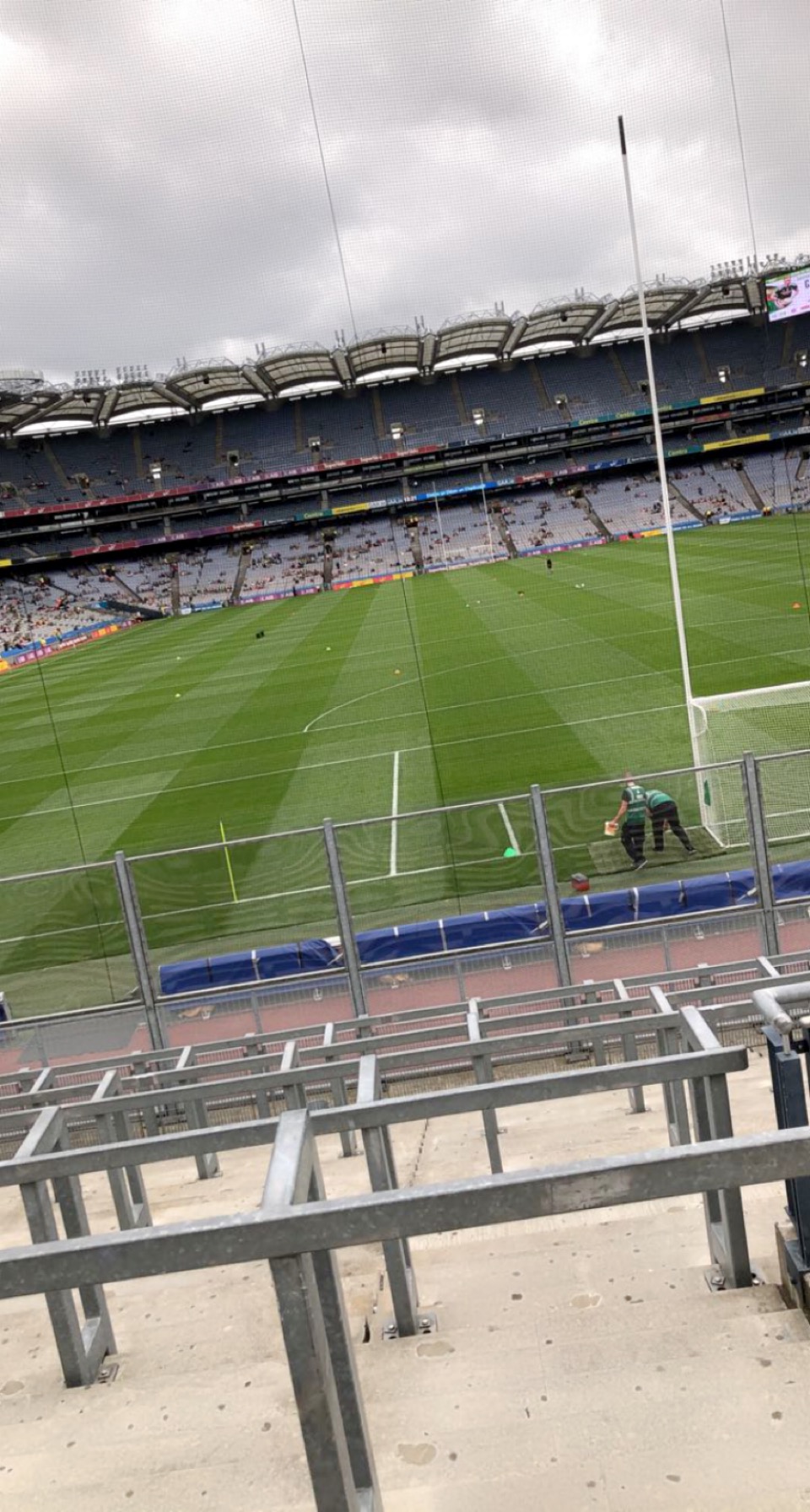
Dylan Kerrigan is joined by David Rispin from the ‘WeAreMeath’ podcast to discuss Meath GAA’s successful 2021 and the counties aspirations for 2022.
With the Meath minor team winning their first All-Ireland in 29 years and the Meath ladies winning their first ever Senior All-Ireland title, 2021 can be deemed as one of the most successful sporting years for the county to date.
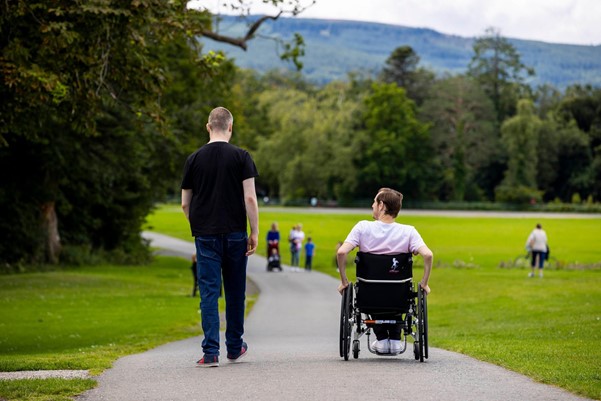
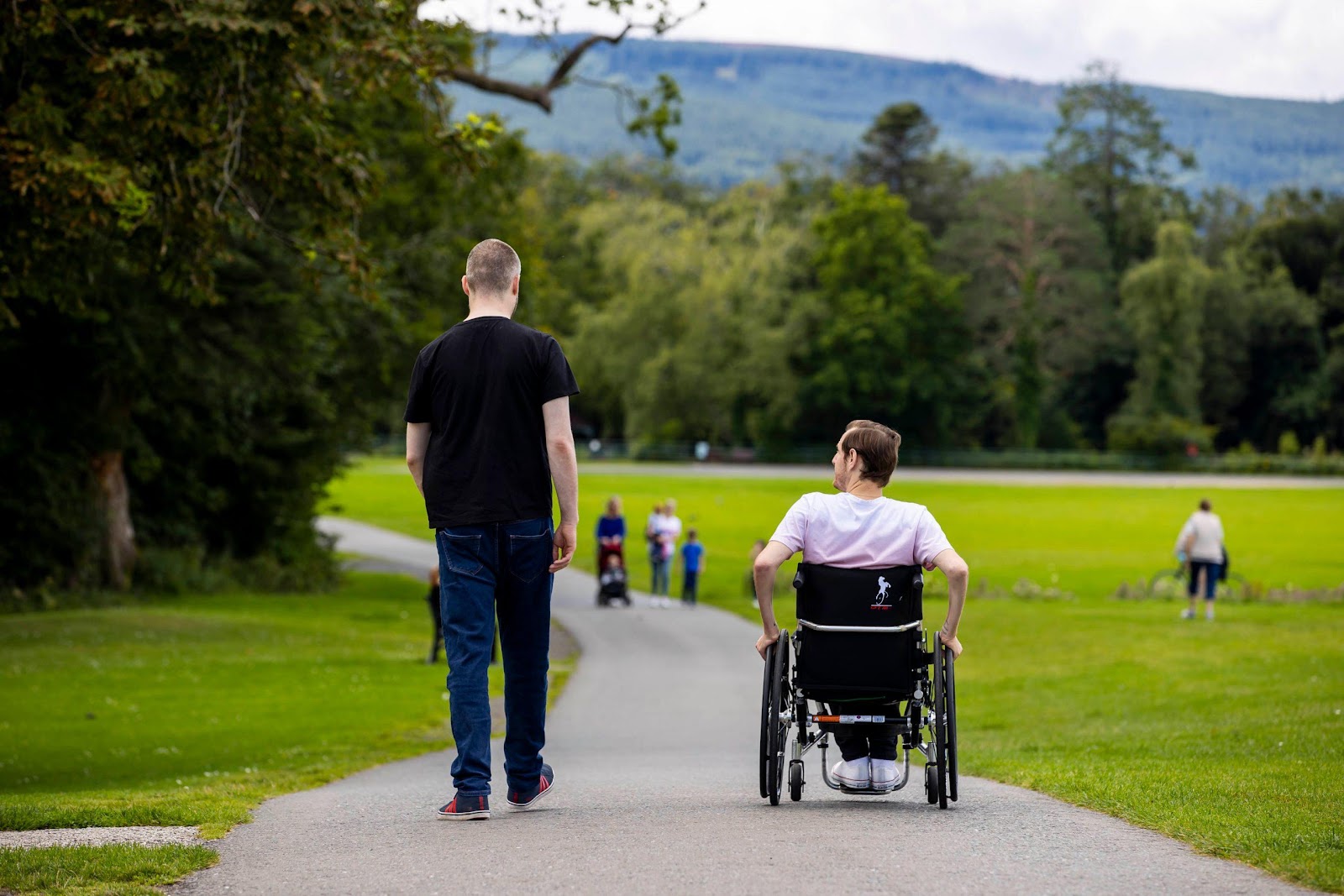
Christopher Windrum reports on how Covid has affected the fundraising capabilities of Spinal Injuries Ireland.
In 2019, Spinal injuries Ireland (SII) raised €604,607 in fundraising income. In 2020 it was reduced by 44 percent, when they only raised €339,029 in fundraising income.
The main reason why their income dropped was because of Covid, but with the help of government subsidies in 2020 the losses didn’t seem as bad.
SII have forecasted for a bigger loss in 2021, because they lost their government subsidies this year, they expected another loss of around € 150,000. That would only leave them with an estimated € 190,000 from 2021.
In the graph above it shows the decline in fundraising revenue for SII, there is a steep drop shown in both years after 2019. In 2021, that is an estimated number but SII reckon they lost 56 percent of the 2020 revenue.
Mary Dunne who is the operating manager for SII spoke to thecity.ie about some of the issues they have faced with grants this year.
“We did actually get help from the government through the wages scheme and a grant from Pobal. However the Pobal grant put us over the threshold for wages subsided and we are facing a loss for this year.”
The reason why SII lost some of their government subsidies for the rest of the year was because of Pobal, which is a not-for-profit company that manages charity programmes on behalf of the Irish government.
Mary explains how SII have struggled with fundraising since Covid struck .“We had to cancel major fundraisers such as balls, lunches and challenges. We had to adapt to online fundraising such as virtual challenges and an online monthly prize draw.”
Fundraisers are how charities like SII normally survive. Mary explains why fundraising is so important for SII.
“Fundraising helps to pay salaries of specialist community outreach officer teams,to provide educational and activities programmes. Such as sporting and social activities to help reintegration into society.”
SII is a charity that provides support to people who have sustained a spinal cord injury and helps their families.
Mary explains how SII helps people with spinal cord injuries. “We engage with people from time of injury for as long as they need us. We provide one to one support, a range of services and resources which help people and their families adapt to life after the devastation of a spinal cord injury.”
“The assistance we provide to each service user is specific to the needs of the person with spinal cord injuries and their families and include one to one support from our community outreach team. We also provide access to our peer support programme, activities and educational programmes.”
With the pandemic most likely continuing on in 2022, SII will likely still struggle in making money through fundraisers, because the online fundraisers haven’t worked. Hopefully in 2022 SII will have more chances to do more in person fundraisers than last year, but that will be just a hope for them.
The World Health Organization (WHO) has warned that the Covid-19 pandemic will likely drag on into 2022 and could last even longer
Image via Jernej Furmen, Flickr
The World Health Organization (WHO) has recently warned that the Covid-19 pandemic will most likely drag on into next year, due to the lack of vaccinations across the world, particularly in poorer countries. Dr. Bruce Awlward, a senior leader at the WHO said: “I can tell you that we are not on track. We really need to speed it up, or you know what? This pandemic is going to go on for a year longer than it needs to.”
The biggest headache for the WHO, is that a huge problem has arisen around the uneven distribution of vaccines around the world. In addition, the low rate of vaccinations in low-income countries as opposed to high-income countries, is setting alarm bells ringing at world health headquarters. High income countries like Ireland and the UK are ideally supposed to be donating to poorer states and have pledged a total of Euros 100 million, but have, so far, delivered only Euros 10 million.
Emerging from the pandemic, is not only vital for people’s general health and well-being, but also, to the economy and those sectors that were hard-hit when restrictions to curb the spread of the virus were originally introduced. One of the main reasons that the pandemic is still ongoing, is that less economically developed countries with high populations, are lagging behind in the rolling-out of their vaccine programs. Some experts argue that without mass vaccinations across the globe, the virus will mutate to the point where the original vaccinations become obsolete, although this is typically difficult to predict.
The “covax pool” was meant to counter-act this scenario and ensure that any countries who could not afford the vaccines, still had access to them, through subsidized costs. However, some countries like the UK and Canada have used the pool to acquire their own vaccines, despite having their own contacts with major pharmaceutical companies. One stark statistic outlines the scale of the vaccination roll-out inequality – under 3% of the entire population of Africa has been fully vaccinated.
In recent months, many observers in both Ireland and the UK have promulgated that the pandemic might be coming to an end. Bars, restaurants and cafes have re-opened with the vaccination program almost complete. Nights out and recreational activities have felt like pre-pandemic times. More than 92% of Ireland’s adult population has been fully vaccinated, while 93% of the population over age 16, have received at least one dose. But with cases now on the rise again (4,607 new cases confirmed, 579 people in hospital and 115 in ICU), the problem at home has risen to the point where some health experts are advising that the government re-impose some of the restrictions that we experienced earlier in the year.
Covid-19 cases have the potential to overwhelm the HSE and so prevent patients with other medical conditions receiving the care that they need. With the emergence of the very recent Omicron variant of the virus, the overall picture has become far more complex. The Irish government could be forced into its contingency plan for winter that would re-introduce some measures, such as social distancing, mask-wearing and asking people to work from home. The re-enforcing of Covid passports in a number of hospitality settings is also, very much, on the cards. It would be a major setback for many businesses, recovering from the pandemic, particularly those most impacted, such as the hospitality and air travel sectors.
Mike Ryan, a director of the WHO, has warned that this pandemic has the potential to overwhelm health systems throughout the world. “It is a tragedy. We still have doctors and nurses in frontline situations in low-income countries, who are not protected against Covid-19.” Speaking as part of a virtual conversation with Professor Michael Kerin, chair of surgery at NUIG, he was very critical of the uneven distribution of vaccines between developed and developing countries. “What we need to be able to do is not run our health system like a low-cost airline, at 120% occupancy, which we effectively do in many countries. I think that every country, including Ireland, is going to take a hard look at that scenario,” he added.
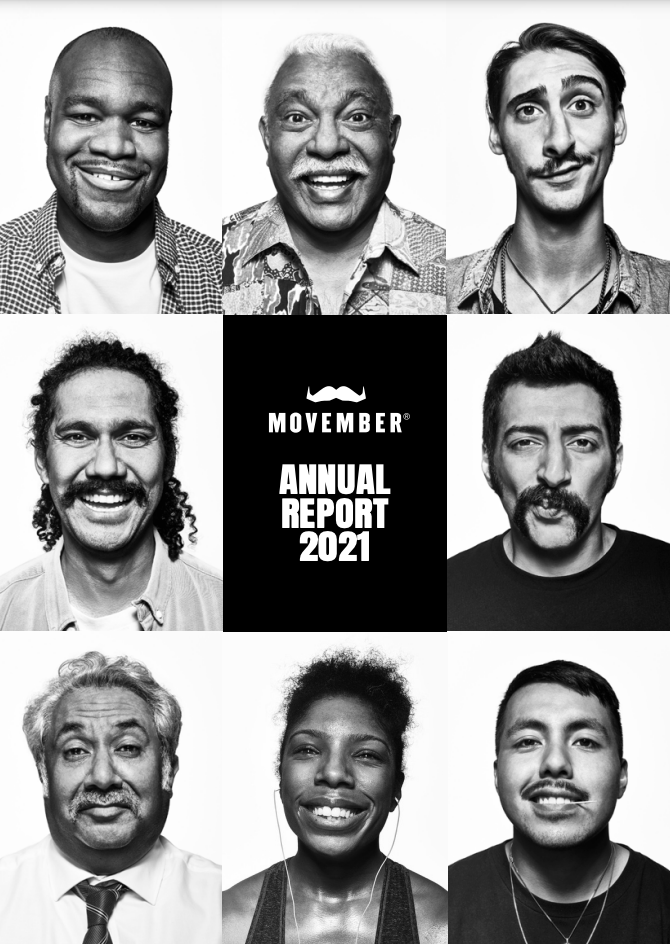
Already three quarters through the month, Shay Galon reports on how social media allows Movember to spearhead the change in perceptions of masculinity for the better.
Movember is urging the public to check in on a mate and to open the conversation about mental and physical health. It encourages men to speak openly about anything that isn’t right and to check their body or go get checked professionally. The iconic “manly” moustache aims to promote the idea that being a man truly means to be comfortable opening up about one’s mental and physical health.
The leading charity recently released figures that show approximately 60% of men rarely admit or even speak about issues regarding their mental health. The figures also tragically reveal that in 2021 a man dies by suicide every minute around the world. On top of that, the statistics show that unchecked prostate cancer rates are to double over the next 15 years. Internationally, testicular cancer is the most common cancer among men aged 15 – 39 years of age.
“Movember is the leading charity dedicated to changing the face of men’s health on a global scale. We have one goal: to stop men dying too young,” Movember spokesperson wrote to The City.
“Since the Pandemic began, we have all seen the power that social media has on allowing us to feel connected to one another even when we are far apart. Social media is a great way for our MoBros and Sisters to come together as a community.”
A Hairy Tale
Two mates from Melbourne, Australia, Travis Garone and Luke Slattery, were having a few pints at the Gypsy Bar when they joked about bringing the trend of having a moustache back into fashion. The pair then talked some of their friends into growing a Mo.
Inspired by a friend’s mother who was fundraising for breast cancer, the two friends decided to base the campaign around men’s health and prostate cancer. They designed the rules of Movember, along with the first logo and began their journey. Initially charging ten dollars per person growing a Mo, they sent an email titled “Are you man enough to be my man?” which immediately received responses from 30 guys willing to participate in the challenge.
In 2004, Adam Garone took Movember to the next level and registered it as a company and created a website.
After researching men’s health issues, the Mo Bros agreed to formally support prostate cancer as their cause. Globally speaking, the charity donated all proceeds from their first year to the Prostate Cancer Foundation of Australia (PCFA). The four boys collaborated with the PCFA who became the first official men’s health partner in 2005. That year, 9,315 Mo Bros in Australia raised AUD 1.2 million for the PCFA.
Fast-forward a year later, the Movember Foundation became an official Australian Charity.
Furthering their research, they discovered that depression was a significant issue in men’s health in Australia which brought their second partner, the national depression and anxiety initiative, to join.
The same year, the foundation expanded to New Zealand in partnership with The Prostate Cancer Foundation of NZ. Campaigns in the UK and Spain were also successful. This enthusiasm allowed the co-founders to grow internationally which generated enormous awareness of men’s health issues.
Social media is by far the most successful platform for men and women to vocalise their Movember stories and to raise awareness about mental and physical health. The hashtag #Movember has been used across Twitter, Facebook and Instagram by those who participate each year.
Ross Galvin, Movember ambassador, spoke to @humansofdub about his mental health struggles over the past year and how he stumbled upon a wave of like-minded people who were undergoing the same journey. Once the pandemic hit in 2020, Galvin felt the ground shake from underneath him as he moved back into his childhood home with no job and the repetition of doing absolutely nothing dragging through each day.
“That was when I got sick. I couldn’t eat or sleep for weeks and in a matter of days I lost 10kg… I had reached a really low point and was thinking very dark thoughts, unsure how things would ever improve.”
Growing up in Howth, he decided to swim every day for 30 days in November to raise awareness for men’s mental health and posted about it on his Instagram. As the days progressed, Galvin openly admitted that he led on as if this act was for others, “but internally, I was really doing it for myself,” in the hopes of turning his life around. In time, a community of kind, positive, “like-minded” sea swimmers began to emerge, all supporting the same cause. At the end of the month, he raised nearly €3300.
One year later, Movember Ireland invited Galvin to be an ambassador to promote positive mental health among men and women. His daily Instagram posts about his sea swims continue on throughout this month with a time and a location encouraging others to join along.
Kevin Sharkey is a returning participant of Movember, also advocating the charity’s message about prostate cancer awareness within men.
Sharkey understands that there is still a stigma attached with men discussing their mental and physical health which Movember aims to change. The organisation allows men to use social media as a platform to discuss their own struggles and to get rid of the taboo that is so prominent in society. He continues to say that with a bit of online investigation, someone silently battling their own thoughts, “can find people who have had the same or similar issues and hopefully can find help and realise that they are not alone.”
“Being a ‘man’s man’ should mean something different in this day and age. We need to make it mean something different, like being a man’s man means you are there for friends, open and honest about your feelings and health.”
The Movember spokesperson also mentions that the supposed ‘masculine’ traits like strength, resilience and resourcefulness are displayed by men and women. However, those who subscribe to the stereotypes of masculinity are typically in danger of having poor mental health.
“Previous research has shown that men who subscribe to the traditional stereotypes of masculinity –the ‘toughen up’ mentality -are at higher risk of poor mental health and suicide. Men aren’t always comfortable talking about what’s going on in their heads. If they are struggling in silence and don’t ask for help until it’s too late, then that is a serious problem.”
“One of the ways Movember is trying to tackle this issue is to get men to understand what good mental health looks like, challenge outdated stereotypes about what it means to be a man and make it okay for them to open up and get the support they need.”
Since 2003, the organisation has funded more than 1,250 innovative men’s health projects across three areas: prostate cancer, testicular cancer, mental health and suicide prevention. The Mo Community continues to grow while also raising awareness across Ireland.
With homelessness, young people leaving the country as they are unable to afford rent, families living in hotels and the lack of housing for those who need it, the housing crisis is one of the most prevalent and pressing issues that Ireland is facing.
There are many factors that make up the cause of the housing crisis in Ireland, and the government is one of the biggest problems. The government has a large share of the responsibility due to the fact that there have been years of housing issues in the country with not much progress to solve.
It is also the result of allowing Irish property to be placed in the hands of profit-seeking corporations rather than those seeking to provide housing for those who need it.
Homelessness
One of the biggest problems the housing crisis has caused is the number of homeless people in Ireland.
There are many causes to homelessness in Ireland, such as personal reasons like mental health and abusive relationships. However, the biggest cause of homelessness in Ireland is due to the lack of affordable housing available.
The Department of Housing releases monthly data that captures details of individuals in state funded emergency accommodations.
The monthly homelessness report of August 20201 showed that 6,023 homeless adults entered emergency accommodation. 4,220 of those individuals were from dublin. The number of homeless males made up 3,949 of this number, which is 66%. Females made up 2,074, which is 34%.
Source: Department of Housing
There were a total of 953 families homeless in Ireland in August 2021. 723 of these families were from Dublin. This resulted in 2,189 total child dependents.
Ballymun, which is an outer city suburb of Dublin, is hit hard with homelessness.
“20% of Dublin’s homeless are from Ballymun,” says Dean Scurry, a homelessness activist from the Ballymun area.
Abandoned homes in Ballymun. Poster reads “this house could be a home”
“With that there are about 90 vacant homes in Ballymun that could be used for families instead of leaving them in hotels for other organisations to make money,” says Scurry.
Abandoned homes in Ballymun
The impact on young people
The housing crisis has caused serious problems for the younger generation of Ireland. Younger people between the ages of 20-30 are paying higher amounts on housing for smaller and rented accommodation.
Ireland also has one of the highest rental costs in Europe.
According to the Irish Times, the average monthly price for rent stood at up to 1,477, while the average is now 2,035 euro. This is 100% up from the 742 euro a month that was seen in 2011.
These high rent prices have resulted in young people living at home, unable to afford rent and save for mortgages. It has also caused young people to emigrate to different countries as affording rent is out of the question.
Eva Tiernan, 22 from Dublin who has a Level 8 in science degree from UCD, has had to emigrate to Whistler Canada for the foreseeable future.
“The renting prices in Dublin are unrealistic. I would love to be able to move out in my city surrounded by the people I love, but I can’t,” says Tiernan.
“I feel like my only option is to move to another country so I can live a life where I’m not solely working to pay rent. I want to eventually come back to Dublin, but how will I ever be able to rent and save for a mortgage there?”
In the last four years, 308,000 people have left Ireland – 125,000 of those aged between 15 and 24 years.
The government’s new “housing for all” strategy intends to address the housing issue by expanding supply, promising to build 33,000 homes per year by 2030, a level of residential building not seen since before the financial crisis.
A decade of escalating costs and severe undersupply has created a divide in Irish politics, isolating major parties from a growing number of young voters.
When the Budget of 2022 was released, people were hopeful that the government would provide a solution to help put an end to the growing problem. However, the Government failed to commit to a target of 20% of all housing stock to be social housing, with an annual capital envelope of €3.3bn for social housing. The allocation of €1.7bn for a social housing build of 9,000 units and €224m for 4,100 affordable units in 2022 needs to be increased substantially
If rent costs are not lowered and more affordable housing isn’t being built for those who need it, homelessness and emigration of Irish people will continue to rise.
Fantine Carron reports on why the COVID-19 pandemic has made the issue of domestic violence the worst it has ever been and that organisations are struggling to help the victims.
The pandemic is having dramatic consequences on domestic violence. [Source – Pixabay]
Last year, a report published by Safe Ireland highlighted the main problem that domestic violence organisations are facing; the lack of available space in emergency accommodations. The data shown in this article has been gathered by Safe Ireland with the help of 32 Irish domestic violence services.
Nationwide, there are only 144 spaces available to women in refuges, including 31 in Dublin. Nine counties do not have refuges. There are also no refuges at all for men in the country.
In total, between March and December 2020, 2,159 requests for emergency accommodations for women, (that includes refuges, safe homes and supported housing), could not be met. This situation is putting women and children at risk every day as they are stuck in abusive homes.
Figure 1
The problem is not new. In 2018 already, 3,256 requests for accommodation were not met due to the lack of space available in refuges.
Domestic violence organisations are forced to face this problem every day without being able to do anything about it.
Priscilla Grainger, the founder of Stop Domestic Violence in Ireland said that even when a victim has reached out, it is hard, sometimes impossible to help her actually leave her abusive situation.
“Right now, all of the refuges are full”, says Grainger. “Sometimes, we get help from homeless accommodations but they are struggling too. Airbnb also helped by offering some hotel beds at some point but that is still not enough.”
“The majority of the women who call us have children with them. So it is more complicated for them to move in with a relative or friends. Accommodations are only available for a limited time and some victims were also financially abused so they are left without any resources. It’s a vicious cycle.” she explains.
Grainger founded Stop Domestic Violence in Ireland in 2014 with Ainie Grainger, her daughter. After suffering years of abuse and managing to escape, they decided to take what they learnt from their experience to help other people in the same situation. They mainly help the victims to gather evidence to take their case to court.
Figure 2
According to Figure 2, on average 1,985 women contacted a domestic violence service each month from between March and December 2020. On average, 589 women were doing it for the first time. In nine months, helplines received more calls than they did in the entire year previously.
The victims were seeking a range of different support from call of help, a place in a refuge, simple information, etc. A large majority of them were contacting them via a call, probably outside their house in a safe place.
The situation with domestic violence in Ireland was already bad and the pandemic did not help reversing the trend that had been going on for a decade now (see Figure 3).
Figure 3
Women’s Aid said in its 2020 Annual Impact Report that there was a 43% increase of contacts to the organisation compared to 2019 (from 20,673 to 29,717).
” ‘Stop Domestic Violence in Ireland’ is a small organisation compared to Women’s Aid for example but we still noticed an increase in calls after the pandemic started”, says Grainger.
For Grainger, the issue of domestic violence cannot be solved without first bigger funding from the government. Domestic violence needs to be made a priority and there needs to be new refuges and accommodations getting built to protect the victims as much as possible.













You must be logged in to post a comment.