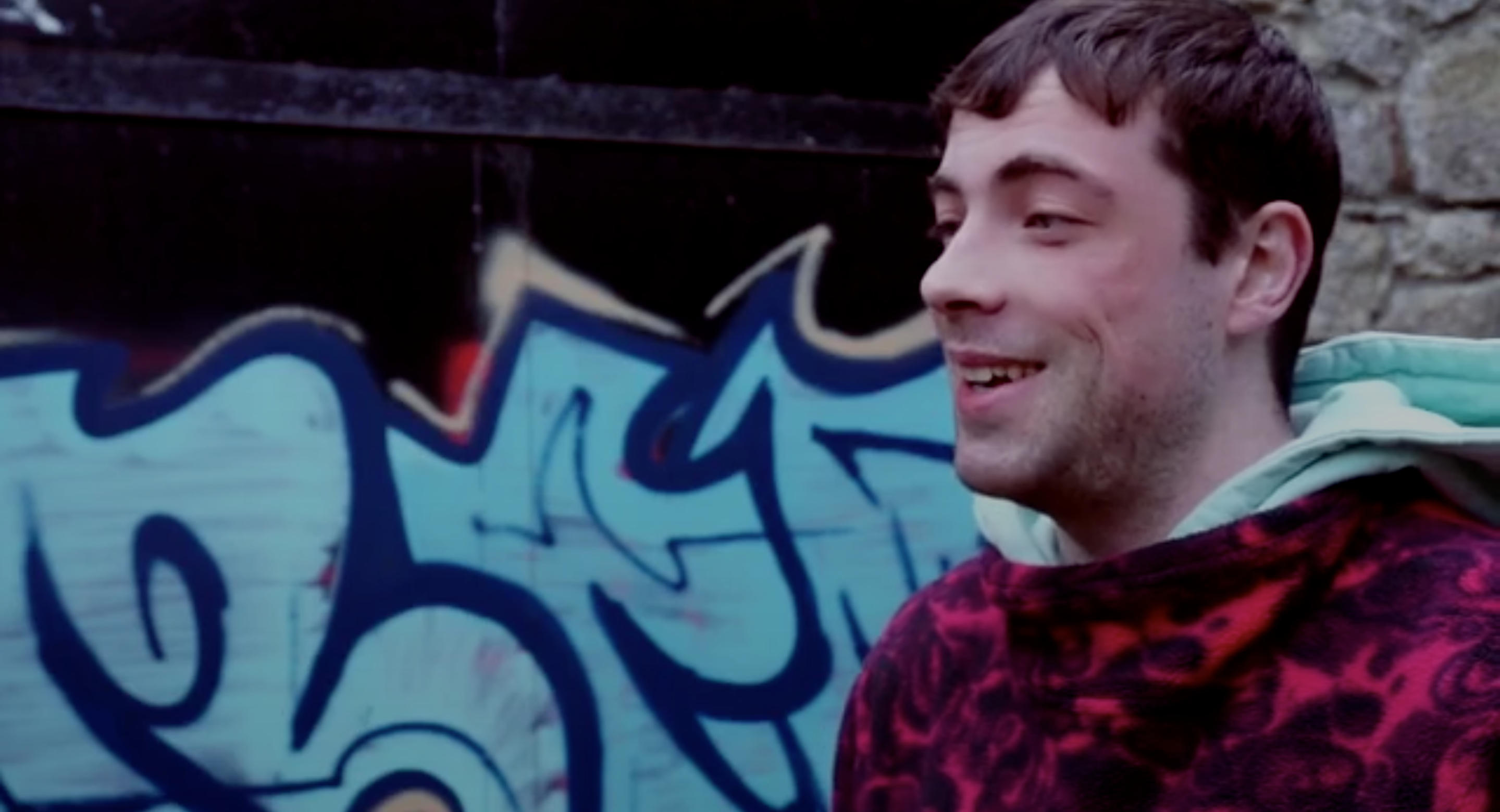
Watch Johnny Welfare speak to David Doyle about Róg Records
Music venues are closed and independent artists are struggling to make ends meet.
With no definite date for a reopening, hip-hop producer and co-founder of independent record label Róg RecordsJohnny Welfare speaks about the struggles of running a label during the pandemic.
Róg Records was founded in 2018 by Johnny Welfare alongside the hip-hop trio of Smokey, Bazigos, and Mory. Since the label’s inception, six artists have enrolled on Róg Records. With the addition of hip-hop artist Phev and psychedelic guitarist Chilli Flake, the label has grown considerably.
Róg Records logo courtesy of Róg Records
‘’In our music module in college, I and three friends had the choice of doing a presentation, an essay, or setting up a record label. It was a no-brainer for us,’’ Welfare tells The City.
The effects of Covid-19 have had a major impact on the label, as it has had to cancel numerous shows for the artists involved.
‘’We announced our biggest headline gig in the city centre on the day lockdown was announced. It was a nightmare for the label,’’ Welfare says.
The future of the music industry is in a corridor of uncertainty, but Welfare insists that Róg Records will return ‘with a bang’ when live music has its eventual return.
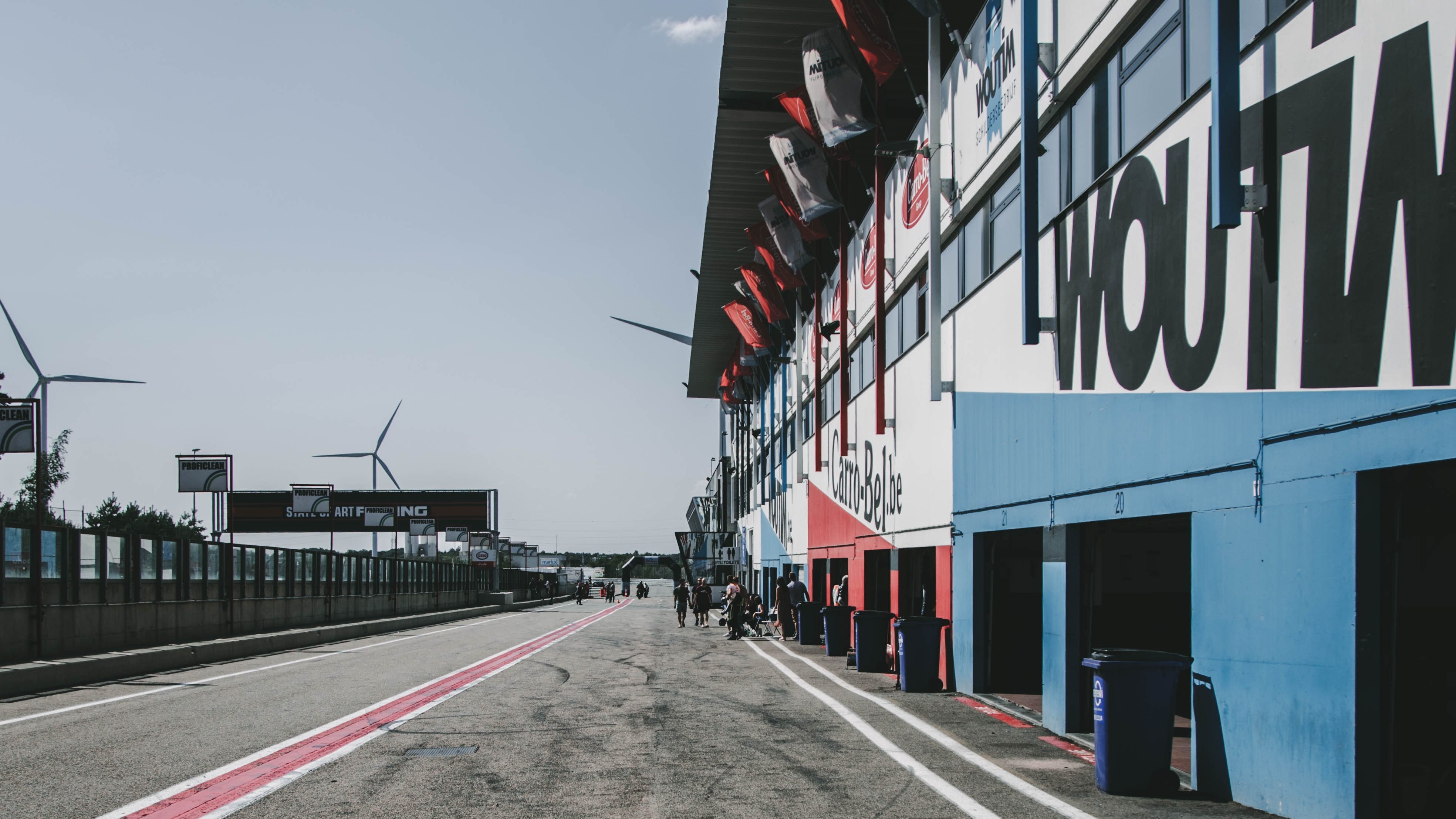
High speed, low emissions. Is there a better answer than Formula E to a sustainable future for motorsports? Photo by Tom Verdoot via Pexels.com
The idea of Formula E was conceived in 2011 in Paris when Spanish businessman, Formula E chairman Alejandro Agag and fédération internationale de l’automobile (FIA) president Jean Todt met in Paris to discuss the possibility of an all-electric international single-seater championship.
Now in its eighth season, it shows no sign of it slowing down with new teams like Jaguar, Nissan, Porsche and Audi joining the championship in recent years and with new locations being added all the time.
The official Formula E website proudly states that the founding mission of the sport was to “race through the streets of the most iconic cities in the world – with a grid full of the best racing drivers and teams around – to show just what sustainable mobility was capable of”.
The cars used in Formula E are similar to those used in Formula One, the body style of the car is ostensibly the same, the key difference is, of course, the use of batteries rather than an engine.
Although the cars are slower, with a top speed of 280 km/h as opposed to 360km/h in Formula One, this can be seen as a small price to pay for an eco-friendlier motorsport. With constant improvements being made, Formula E could close the speed gap sooner rather than later.
Back in 2017, Dublin made a bid to host an E-Prix with former Fine Gael TD Noel Rock advocating for Dublin’s inclusion in the racing calendar.
“Dublin would perfectly fit the bill for such a race, and it would make for exciting viewing,” said Rock.
“I fully support Fáilte Ireland and Dublin City Council exploring the possibility of acting as a host city and I would expect that the Government would support such a bid if one was to be made in the future,” he continued.
The benefits of Dublin hosting a Formula E event would have seen a boost in economic growth and tourism, along with the possibility of Ireland becoming a permanent location for the Formula E racing season.
Unfortunately, Dublin was overlooked for the race. Instead Marrakesh, Hong Kong, Rome, Paris, Berlin and many more reaped the benefits of the popular motorsport.
The Formula E Ireland Fan Site gave some insight into the future of Formula E in Ireland “I kind of feel like we might have missed our chance with it. There was a thing a few years back about potentially holding a race here when the series was still finding its place.
“After Battersea cancelled their contract, we could have had a chance to slip in and be the English-speaking race location on this side of the Atlantic, but the series has grown so much now and has cities all around the world looking into hosting and bringing FE to big, exciting locations.”
So, as the motor sport continues to grow what will the future look like for Ireland with regards to the possibility of hosting an E-Prix? The Formula E Fan Site holds onto the hope that someday Ireland will host a race “honestly, I’d absolutely love it if I were proved wrong.”
Currently, only one driver who hails from the island of Ireland has taken part in the Formula E championship – Portadown native Adam Carroll.
Carroll took part in the 2016-17 championship driving for team Jaguar and coming 21st in his solitary season in the motorsport.
With the success of Formula E, Alejandro Agag has also gone on to create Extreme E which is a climate-conscious electric rally series.
This form of E-Motorsport could fit perfectly into Ireland as there is already an established rally scene across the country. However, time will tell as to whether Ireland will capitalise on the ever-growing world of electrical motorsports.
Brazil is in the grip of a devastating second wave of the coronavirus, that claimed around 66,500 lives in March.
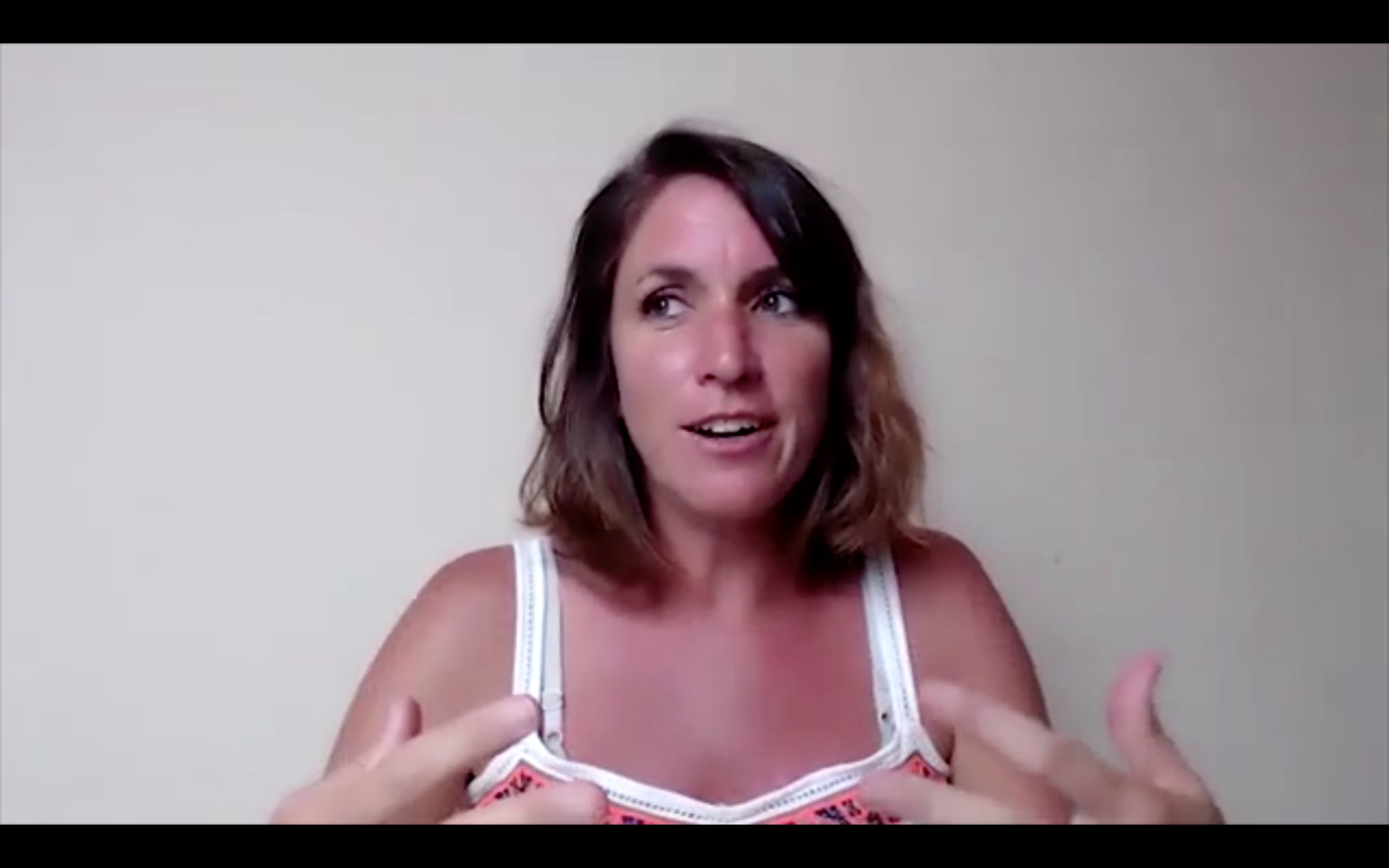
Watch Colm McGuirk talk to Maria Lombardini about Covid-19 in Brazil
With the native, more transmissible P1 strain pervasive, Brazil’s health system is at breaking point, with many intensive care units across the country unable to cope with patient numbers.
Brazil, the sixth-most-populated country in the world with around 211 million people, is now second only to the USA in total Covid-19 fatalities.
Brazilian president Jair Bolsonaro’s response to the pandemic has come under much fire. The ex-army captain, who has reminisced fondly about Brazil’s violently oppressive military dictatorship of 1964-85, was elected in 2018 on a promise of law and order in a country dogged by crime – in spite of a catalogue of misogynistic, racist and homophobic public utterances.
Bolsonaro has left it to state and city governments in Brazil to implement lockdowns, and refused to do so at a national level. Instead, he has downplayed the severity of the virus, attended large gatherings, and promoted and purchased unproven treatments for Covid-19.
The president won support last year after signing off on generous cash handouts that left many of Brazil’s most impoverished better off than before the pandemic, but the trauma of this second wave has seen his approval rating sink to an all-time low in recent weeks.
In keeping with global patterns, a recently published study by The Lancet concluded that “existing socioeconomic inequalities [in Brazil], rather than age, health status, and other risk factors for COVID-19, have affected the course of the epidemic, with a disproportionate adverse burden on states and municipalities with high socioeconomic vulnerability.”
As mutating variants continue to ravage and vaccination programmes falter, Brazil’s crisis looks set to rage on.
Professor Sir Peter Donnelly, CEO of Genomics plc. Image courtesy of Sir Peter Donnelly
Being diagnosed with a serious illness is something no one likes to think about.
To experience treatment and therapies is to suffer, and depending where you are in the world, even survival can mean financial ruin – if you can afford it in the first place. This is the reality for millions worldwide.
But, what if we lived in a world where we didn’t begin treating heart disease, breast cancer or even diabetes once you became sick, but preventative measures were taken decades beforehand?
This is the aim of Genomics plc, an Oxford-based company who may be on the cusp of changing worldwide medicine forever – and the secret? It’s in our genes.
I spoke to Oxford professor and CEO of Genomics plc, Professor Sir Peter Donnelly, to understand the ins and outs of Genomics’ research and what is standing between his company’s vision and medical practice.
“Over the last 20 years the increase in our knowledge of which little bits of DNA make some people more likely to get heart disease, and some people more likely to get diabetes has been extraordinary. I realised, along with some colleagues, that it wasn’t really having much impact on healthcare,” Prof Donnelly told me.
With this realisation, Prof. Donnelly and his colleagues banded together to put this knowledge to practical use and make an impact on the medical industry.
Thus, Genomics plc was born.
Now, seven years later, the company is about 110 people strong, and spread out between Oxford and Cambridge in the UK, and Boston in the US.
The company is developing a method of examining a person’s DNA to discover what their genes say about the potential of developing a multitude of illnesses.
“We realised [our research] wasn’t really having much impact on healthcare”
Sir Professor Peter Donnelly
This test can reveal if a person is likely to develop heart disease, lung disease, breast cancer, prostate cancer, colon cancer, diabetes and more.
The end goal is to isolate these potential diseases, and instead of treating them when they develop, they want to prevent them altogether.
“Although we call it healthcare, it’s really sick care, so the key idea for governments and systems all over the world is for us to get better at preventing disease or catch it really early […] which will benefit the individuals and make the healthcare system more sustainable,” says Prof Donnelly.
‘Polygenic risk scores’ are used to gauge the patient’s likelihood of developing a serious illness, and these scores are made up of two separate evaluations.
Firstly, a patient’s genes are examined using the techniques developed by Genomics plc which generate a score by isolating millions of DNA to evaluate how likely the individual’s genes are to develop certain diseases.
Secondly, this information is sent to the patient’s doctor, who will then evaluate the patient’s lifestyle, (weight, diet, exercise, smoking etc) and this evaluation will give a separate score.
The two scores are combined to form the polygenic risk score.
“We know that genetics can show likelihood of developing a disease, we now have a way of measuring that, and when you use that we can do a better job than we are now at working out who are the individuals really at risk,” explains Prof. Donnelly.
“You only do the test if you can identify someone as high-risk and do something about it. If there’s nothing you can do about it, what’s the point?”
Prof Donnelly
With this kind of evaluation, a patient can make changes to their lifestyle preemptively, or be prescribed personalised medication which specifically targets their particular genetic anomaly causing the disease to lower their risk of developing an illness they may be at risk of.
What if, instead of telling you that you’re at risk of a curable disease, the test instead tells you that you’re on the way to developing an untreatable, incurable disease?
“It’s a very natural worry. You only want to do [the tests] if you identify someone as high-risk and there is something you can do about it. If there is nothing you can do about it, what’s the point? There are lots of diseases where there is something you can do – we already have preventing programmes in place, but we don’t know who to deploy them on,” says Prof. Donnelly.
While Prof. Donnelly and many others view the ‘pros’ outweighing the ‘cons’ in this case, not everyone will agree with this assessment, and the main flaw in Genomics plc’s plans could be due to modern medicine’s inability to treat certain illnesses.
It is a complicated question, and possibly the biggest roadblock in Genomics plc’s way could be the human element – no one wants to be handed a death sentence.
Being told that you are likely to develop an untreatable disease is likely to change your life, and the thought is surely to be ever-present, at least at the back of your mind.
What if you get this terrible news and years later you don’t even develop the disease in question? This may become a big detractor in this method, and will no doubt be the topic of controversy surrounding these tests over the coming years.
Does our DNA let us look into the future? Photo by Edward Jenner via Pexels.com
So how close are Genomics plc to making their testing available to the world?
“We’re doing a pilot programme with the NHS on heart disease […] We’re also working in the US in the Stanford [University] Hospital,” Prof. Donnelly explains.
These pilot testing programmes will consist of testing 1000 people in the north of England and 5000 people in Stanford. Genomics will use blood tests to isolate millions of DNA from each sample to identify those who are at risk of cardiovascular disease.
“These initial programmes are fairly small, but in time, I do genuinely believe in 10 or 15 years, a version of this will be routine in healthcare,” says Prof. Donnelly.
It’s an exciting prospect, but as Prof. Donnelly said himself, it is early days.
There is a bumpy road ahead for Genomics plc and navigating through it could be the key to millions of lives being saved as close as 20 years from now. The professor’s enthusiasm, passion and belief in this project was contagious and I could not help but wonder, in a world where very common causes of death are isolated and prevented in people’s 20s and 30s, how much misery could we all be spared? We will just have to wait and see.
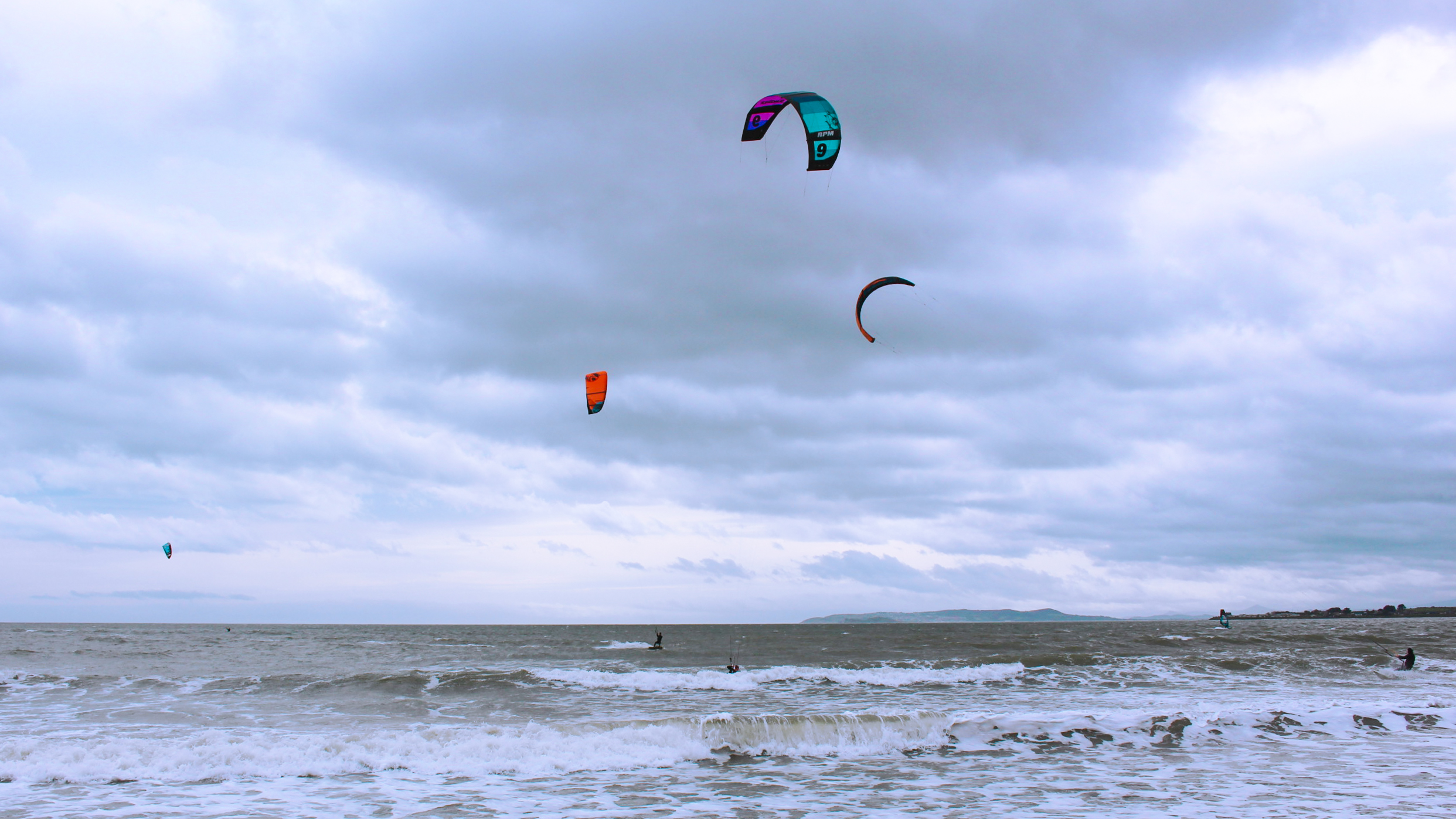
On Rush’s South Beach in north county Dublin, a collection of kite and windsurfers gather. It’s a way of blowing off the cobwebs, finding a community, and getting in touch with nature. Here are some of the incredible sights I saw and people I spoke to.
“I taught myself how to kite surf. I didn’t know anyone who did it, so I taught myself”
“I’ve spent my entire life learning about the water and the winds,” says Oisin van Gelderen, an Irish windsurfing champion who has set the Irish speed sailing record. He started at age six in “Killary adventure centre when I was on holidays”. He says that windsurfers live for the water and the wind – “in the depths of January it’s a bit bleak, but it’s blowing 40 knots of wind and it’s a great wavey day – we’re out doing jumps and loops and all kinds of things. We couldn’t be happier. I feel incredibly lucky that we can do this. I’ve barely missed a windy day since I started”
“Their power is 20 feet above their heads”
“Ours is right in front of us”
“Rush is one of the better wave beaches in Dublin”
“I can still see us doing this in our 60s and 70s”
“Even when you’re a beginner in windsurfing and you’re drifting along at five kilometres per hour, it feels like 50, because your body is part of the whole rig”
Steven, pictured left, started windsurfing at the age of 12. One day, after his summer job of cutting grass at a water sports centre, he made use of the free gear available “and I just never stopped after that.” Garret, pictured right, started windsurfing when he was just nine years old on a campsite in West Cork. He saw a father and son learning to kite surf. The father invited him to join in, taught him to surf, and “now, that man’s son is one of my best friends.” The two travel all over Ireland with the sport and have raced in the Irish slalom series for years
“We’re a very open group. If someone rocks up to the beach and they’re new, we’ll tell them where to go, where to get information, and welcome them in”
“Kitesurfers are the Evangelical Christians of water sports – always trying to convert people”
“I look at the clouds and see what way they’re going; I pay attention to the currents… I’m also glued to the weather app on my phone”
Sailing into the sunrise
Matthew is the founder of Fly High Windsurfing Ireland, an online group for windsurfers to connect. He’s also using the group to encourage surfers to clean up after themselves and leave no trace. “I’m obsessed with water sports,” he told me
“You have to know the currents and you have to know the wind. If you don’t you’re gonna be in big trouble”
“With the lockdowns you see all these sea swimmers now. For the first time ever, they’re considering swimming in the water. And people always ask, ‘is the water not freezing? Is it not mad wet?’ We’re wearing five mil wetsuits – I couldn’t be warmer. It’s like wearing a hot water bottle”
Who really has the upper hand? Pictured above: a roulette wheel by Naim Benejoullon via Pexels.com
A study by the Gambling Awareness Trust has concluded that online gambling in Ireland has increased “drastically” since the Covid-19 pandemic hit.
The findings conclude that up to 0.8% of the population (50,000 people) in Ireland are believed to have a serious gambling problem, with almost two-thirds of the population taking part in gambling in some capacity.
It says the most popular types of commercial gambling in Ireland include buying scratch cards, playing the lottery, betting at a horse or greyhound track and sports betting.
Co-author of the report, Gambling trends, harms and responses: Ireland in an international context, Professor John O’Brennan says the gambling industry is growing at a “worrying” rate since the lockdown restrictions have been put in place.
“It’s very clear that online gambling is one of the only industries that has actually thrived over the past year,” Professor O’Brennan tells The City.
“Gambling companies are doing better than ever before, even though sport betting came to a halt for a number of months in 2020,” he added.
Advertisements
In Ireland, 75.4% of sporting broadcasts show at least one gambling advertisement. They are the most common type of ad shown during any televised sporting event.
“Advertising has been central to developing gambling problems in specific cohorts of the population. You can particularly notice that young people ages 18 to 25 are targeted through advertisements, with betting companies using young sports stars to promote special offers,” says Professor O’Brennan.
Today @SkySportsRacing is basically wall to wall gambling adverts, punctuated by the odd horse race.
Many countries throughout Europe such as Belgium and Italy have implemented a full-scale ban on gambling advertisements. However, Ireland is yet to apply any bans on gambling advertisements and they are the 7th most common form of ad shown on television.
“Online gambling is like having a casino in your back pocket’’
Professor John O’Brennan
Regulation
Professor O’Brennan says that Ireland is seriously “lagging behind” the UK in terms of handling problem gambling, as the Gambling Commission was set up over two decades ago.
“Almost every other country in Europe has a gambling regulator to help deal with the issue, but for some strange reason, Ireland still hasn’t established one. Governments in the past have promised but failed to deliver on establishing a gambling regulator in Ireland,’’ said Professor O’Brennan.
Minister of State for Law Reform James Browne hopes to bring proposals for a gambling regulator to the government towards the end of 2021.
After releasing a statement following a Cabinet meeting , Minister Browne said legislation that may be introduced will check age verification for mobile gambling and monitor spending limits for people on gambling apps, and a prohibition on promotions aimed at luring customers back into gambling.
In a statement, the Department of Justice said work is underway on establishing legislation by developing “the necessary modern licensing and regulatory provisions for the gambling industry”.
Updated Cabinet today and gained approval for the new National Youth Justice Strategy which will be published in the coming weeks.
An update was also provided on gambling legislation/new gambling regulator which is a key commitment for Govt.@DeptJusticeIRL@fiannafailparty
“It [online gambling] has increased exponentially during Covid-19 with so many people stuck at home on their mobile phones,” says Pam Bergin, the executive co-ordinator of The Gambling Awareness Trust.
The Gambling Awareness Trust is an Independent charitable fund that helps the prevention and treatment of problem gambling in Ireland. They work in partnership with numerous problem gambling organisations and agencies to help reduce gambling-related harm.
“This is an issue that will keep growing throughout lockdown. Online gambling is continuing to grow in terms of accessibility as people can place bets on any sporting event across the world, including 24-hour virtual events,’’ Bergin said.
All bookmakers across Ireland currently remain closed under the level five Covid-19 restrictions.
“That social outlet of being able to visit the bookies has been taken away for a lot of people, forcing people to move to online gambling instead.
“Online gambling is growing in terms of accessibility with 24-hour virtual events”
Pam Bergin
“We noticed that a lot of the people who contacted problem gambling websites were people who conducted online gambling for the first time,’’ Bergin says.
If you require more information regarding problem gambling, visit gamblingcare.ie.
Our takeaway habits have transformed in the past year, becoming one of the only simple pleasures we have to get out and about.
With the current lockdown dragging on since late December, indoor dining remains on hold, ushering in a revised-look takeaway and outdoor dining culture as we bid to fill our social void and allow some businesses to stay open to a degree.
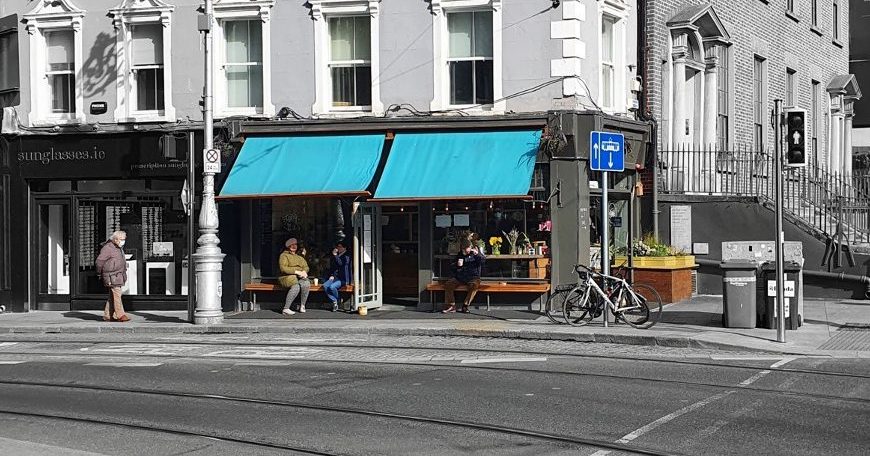
“It’s good to get out of the house, you can’t be cooped up in there or you’ll go mad” – Anne (last name unknown). Tang Cafe on Dawson Street. Photo by James Molloy
Waiting patiently for their orders. It has become a common sight seeing groups congregating outside their favourite eateries throughout the city. Photo by James Molloy
Getting a takeaway coffee used to be something we took for granted – a ‘grab it and go’ type of affair. Now, however, the run-of-the-mill takeaway coffee has been transformed into a means of getting out of the house; offering a chance to savour your time outside – almost becoming a symbol of freedom in our restricted reality.
We were used to going into a place, sitting down at a table, reading a menu and being served our food or drink; taking our time. Queuing, finding a suitably socially-distant location and the weather have now taken over, as we move from the indoor dining experience to the great outdoors.
Battle of the coffee shops – advertising is the name of the game. Coffeeshops and restaurants across the city are competing and operating at a restricted level, resulting in more advertisement boards cropping up to showcasing their products to prospective punters. Photo by James Molloy
The city has evolved into our new dining room. Benches, steps, fountains – if you can sit there then you can eat there. St.Stephens Green. Photo by James Molloy
Food Trucks are capitalising on the need for outdoor dining. The Sambo Ambo is dishing out lifesaving sandwiches and coffee. The Sambo Ambo, Iveagh Markets, St.Francis Street. Photo by James Molloy
That being said, meeting with a friend for a socially distant bite to eat and a coffee in the park has become so important in recent times for the sake of our sanity – it gives us a chance to leave the confines of our homes and interact with someone other than our family members.
Benches have become the new table. Sit, relax and take in the sights. St.Patricks Cathedral. Photo by James Molloy
Delivery riders and drivers have seen business boom during the pandemic, so much so that you can’t go five minutes without seeing a delivery rider zipping past on their bicycle. People can’t go to their favourite restaurants so they use convenient delivery apps such as Deliveroo or Just-Eat to bring their best-loved dishes to them.
Not all heroes wear capes, nowadays they wear thermal bags. Deliveroo riders have been on the go non-stop to bring you what you crave. Photo by James Molloy
Pubs are opening across the city offering takeaway drinks, in a bid to raise some much needed funds as the hospitality industry is on its knees. Photo by James Molloy
Takeaway offerings don’t only offer a respite from lockdown. They also help to keep cafes, pubs, and restaurants afloat, allowing them to earn some much needed capital and to keep customers happy during these testing times.
“I wish the pubs were back” – Maeve McEnroe. South William Street. Photo by James Molloy
The humble pint ─ no longer cradled in a glass, now it finds itself in a flimsy plastic vessel. But it’s better than no pint. Photo by James Molloy
Roisin Kiberd, author of The Disconnect. What are the consequences of a life lived on the internet? Image courtesy of Roisin Kiberd
Jake Hurley speaks to Roisin Kiberd, author of The Disconnect: A Personal Journey Through the Internet. Music by Jake Hurley
Listen to Jake Hurley’s conversation with The Disconnect author Roisin Kiberd above – read on for Jake Hurley’s thoughts on the book.
When French philosopher Guy Debord presented his idea of the spectacle as a “social relation among people, mediated by images” in 1967, he was speaking mainly of how the technologies of the day, such as the automobile and the television, sever our connection to real experiences and ultimately diminish our quality of life.
It’s both tragic and darkly amusing how literally the spectacle came to present itself in the form of social media following the web 2.0 revolution; and in The Disconnect: A Personal Journey Through the Internet, Irish writer Roisin Kiberd lays bare the emotional and spiritual consequences of a life lived through mediated online profiles.
Describing herself as a “techno dystopian”, Kiberd’s debut is comprised of a series of revelatory vignettes drawn from personal experience which serve to illustrate how surveillance capitalism has changed the way we think and interact with the world around us.
The effects of digital dystopia on Kiberd’s life have perhaps been accelerated by the weekly column she wrote on internet subcultures throughout 2016, as well as the immediate environment she found herself living in – the Silicon Docks, home to both Dublin’s booming tech sector and some of the starkest examples of social inequality the city has to offer.
A pervasive theme running throughout The Disconnect is the idea of realness, a concept Kiberd first encountered in Jennie Livingston’s enduringly influential exploration of New York City ball culture, Paris is Burning.
One of the book’smost compelling essays, Bland God, focuses on Mark Zuckerberg and his attempts to serve everyman realness through his muted, normcore wardrobe – a modern day An Béal Bocht, to borrow a phrase from Flann O’Brien whom Kiberd studied for her undergraduate thesis.
Kiberd also approaches the internet microgenre of vaporwave through this lens of realness. The genre boasts a sonic aesthetic deeply rooted in irony and a hauntological sense of yearning for a future promised but ultimately lost.
“Be real, it doesn’t matter anyway” croons a pitched down looped vocal in a seminal vaporwave track Eccojams A3 by Chuck Persons – a pseudonym of online producer Daniel Lopatin that seems to allude to the genre’s preoccupation with what it means to be human under late-stage capitalism.
If Mark Fisher explored Burial’s Untrue as an ode to the abandoned optimism of the UK Garage era –Rosin Kiberd shows vaporwave’s obsession with mall culture and Windows 95 graphics to be borne out of a deep longing for a cancelled future heralded before the cracks in techno-capitalism began to show.
For Kiberd, the unattainability of realness in the digital age has amounted to an experience of derealisation and depersonalisation that began to overwhelm her in 2016 and lead to an emotional breakdown.
One of the most valuable assets of The Disconnect is the ease with which Kiberd connects the dots to attribute this period of mental duress to the ways in which the internet was warping her perceptions of reality.
In an era where mental health discourse is by and large depoloticised and positioned as an individual experience solely stemming from one’s brain chemistry, it feels refreshing and affirming to read Kiberd’s articulation of the ways in which filter bubbles, algorithmic timelines and soulless online dating can engender feelings of hopeless and isolation.
The Disconnect further explores how supposed solutions to our tech induced malaise are sold back to us – everything can be recuperated and packaged in the interests of capital as Debord suggested.
Kiberd uses Monster Energy as a case study for a business trading on a simulated version of the enthusiasm and wakefulness millennials are expected to have as young disruptors in the exciting gig economy.
And when our energy drink high inevitably crashes, neoliberalism has found a way to put even our increasingly elusive hours of sleep on the market – The Disconnectdevotes a section to the burgeoning industry built around the idea of the perfect night’s sleep.
In capturing the disconnect between surveillance capital’s stated aim of creating a global online community and its end result of driving us further apart – Kiberd’s crowning achievement is ironically her ability to make the reader feel less alone.
We’re all united by that ambient sense of isolation that The Disconnect argues is a feature, not a bug of platform capitalism.
“Pull up, pull up to the party” – after restrictions have been lifted of course. Image courtesy of Apollo Monroe
One day while procrastinating and scrolling through TikTok, I came across this invasive, glitchy, pixelated sound that both irritated and confused me – but it was also catchy as hell.
Hyperpop was one of the most talked about new genres of music in 2020. It dominated TikTok and enthralled gen Z with its surreal futuristic sound – giving the generic pop we all know a makeover for the modern age.
I’d be lying if I said Elyotto’s SugarCrash!hasn’t been playing on repeat in my head for months now. A blend of old and new, hyperpop grew on me as artists like 100 gecs layered emo vocals over distorted beats, making me nostalgic for my early teens.
It’s pretty much what it says on the tin – imagine hyped-up, jittery pop music on pixie sticks and skittles: excessive, exaggerated and excited.
Every decade has its defining sound. The 80s brings to mind synth pop, the 90s conjures alt rock and Cobain’s grunge, and in the future, when we look back, the 2020s might just sound like hyperpop.
In the UK, hyperpop rose to popularity alongside A. G. Cook’s PC Collective, pioneered by artists such as Charli XCX and SOPHIE. But despite its popularity, it is yet to have its moment on the Irish music scene. Could this be the new sound for a post-pandemic Ireland?
Dublin based artist Apollo Monroe, aka Dale Malone, is one of the few (if not the only) exploring the genre here. The singer songwriter, who previously performed with electro-pop band Apollo 6 during his undergrad at BIMM, has his sights set on pushing the boundaries within the Dublin music scene.
“I find queer artists in mainstream pop tend to be apologetic about their queerness”
Apollo Monroe
Monroe notes artists such as Charli XCX and 100 gecs as some of his biggest influences, as well as the late SOPHIE, who he describes as always sounding “like the future of music while everyone else was just trying to catch up”.
Explaining what drew him to the genre, Monroe says: “I really was enthralled by the balance of commercial pop and experimental elements. It pretty much was everything I loved about pop music – with an extra edge and extra attitude. I also really appreciated how queer artists are able express themselves freely within the genre as I find queer artists in mainstream pop tend to be apologetic about their queerness.”
Hyperpop, in many ways, is a genre that acts as a voice for queer culture. Largely shaped and pioneered by queer artists, it offers creative freedom while embracing the unique and celebrating the different. Monroe cites Dorian Electra’s My Agendaas an example of this creative freedom; a track that sarcastically pokes fun at the alt-right gay agenda conspiracy theories.
We can attribute the appeal of hyperpop to a generation of digital natives, born and bred on iPhones, tablets and laptops.
“Hyperpop has this rowdy energy to it that I think is super appealing to gen Z. The songs are short, sometimes finishing between 2 and 3 minutes. Kind of perfect for a generation brought up on TikTok.
“Not to mention, hyperpop is a product of internet culture, which resonates with a lot of Gen Z and younger millennials,” Monroe says.
His stunning debut single Soda Pop, which debuted back in February, mixes elements of dance pop, bubblegum bass, EDM, and trap. With such an explosive introduction, he’s undoubtedly made his mark.
“It has this bouncy, bright bubblegum pop chorus that contrasts these heavier, distorted trap beats in the verse. I was really focused on having a sound that constantly keeps you guessing where it’ll go next.
“Lyrically, it tackles the subject of pop artistry and its mass produced and highly processed nature, all wrapped in a soda metaphor. Given that I think there’s many parallels there, with them both ultimately being products built or created to bring in cash,” explains Monroe.
The latest Covid restrictions mean no live music for the foreseeable future, but Monroe is eager to keep growing his presence from his home production studio – ready to set ablaze the post-pandemic hyperpop scene in Dublin.
“I want to keep making music. I’m already focused on the next single. I feel Soda Pop has made people pay attention, so I’m excited to see what I can do with that attention. Plus, I want to prove Soda Pop wasn’t a fluke, and that I’m an artist with some real substance here,” he says.
The first reported case of Covid-19 in the US was identified on 20 January 2020. It wasn’t until late March, however, that certain states began implementing restrictions – shutting down businesses and imposing stay-at-home orders.
Watch Niamh Alexander interview Ella McGettigan about the Covid-19 crisis a year on in the United States
“Trump just kept belittling the situation and he was saying ‘there is nothing to be worried about, it’s not going to affect us.’ When we got our first case, it was like it was no big deal,” says student Ella McGettigan, speaking to The City from her dorm room in Quinnipiac University, Connecticut.
A shot of Trump Tower. Photo by Priya Karkare on Pexels
“If you practised proper social distancing, you were just a diehard liberal and if you were anti-mask then you were just a diehard Trump fan”
Ella McGettigan
“If [he] had stated that the coronavirus was something that was dangerous and threatening us, then we would be in a completely different situation right now,” she says.
Trump’s attitude to the pandemic created a huge divide in the country, causing confusion among red and blue states when it came to the level of restrictions.
“If you believed in coronavirus, if you practised proper social distancing, you were just a diehard liberal and if you were anti-mask then you were just a diehard Trump fan,” says McGettigan.
The divide is also evident in the way colleges in the US have handled restrictions.
McGettigan mentions that some colleges are stricter than others, with students in some areas free to throw parties during the day without any consequences.
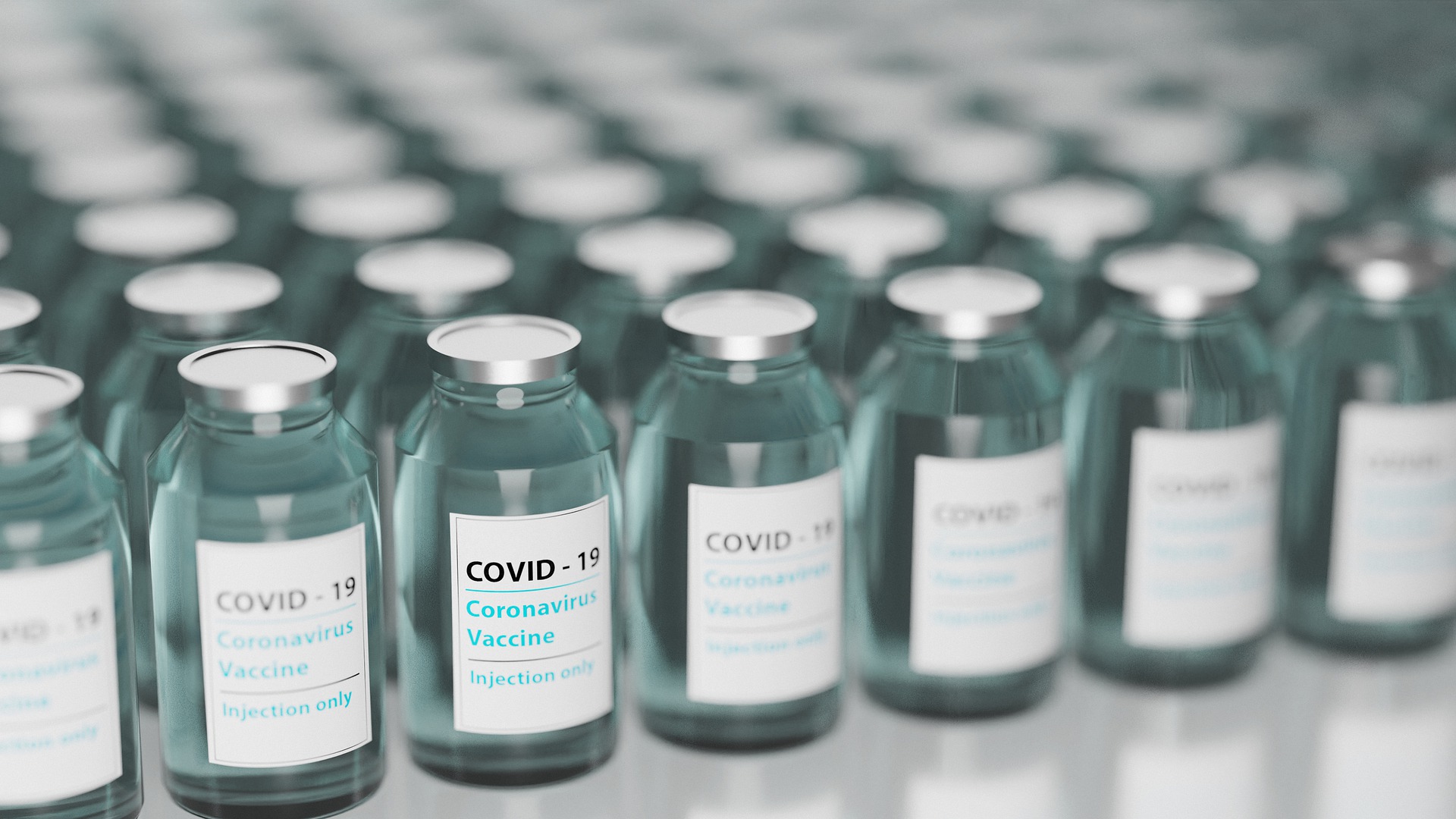
Pictured: Covid-19 vaccine vials by Simon Torsten on Pixabay
At Quinnipiac University, however, weekly testing is mandatory and gatherings of more than two people are strictly prohibited.
“It’s hard because I’m in the Greek [i.e. sorority/fraternity] community and we usually do a lot of philanthropic events and fundraisers and obviously we can’t do that, so everything has just been on Zoom,” says McGettigan.
“But down south, people are holding formals with no masks.”
Contrary to expectations, the US’s vaccine rollout has been a success so far – President Biden surpassed his goal of delivering 100 million vaccines by his 100th day as president on his 59th day in office.
With doses administered currently averaging at 2.5 million per day, the successful rollout will be a point of positivity for a country that had such a rocky initial response to the pandemic.














You must be logged in to post a comment.