
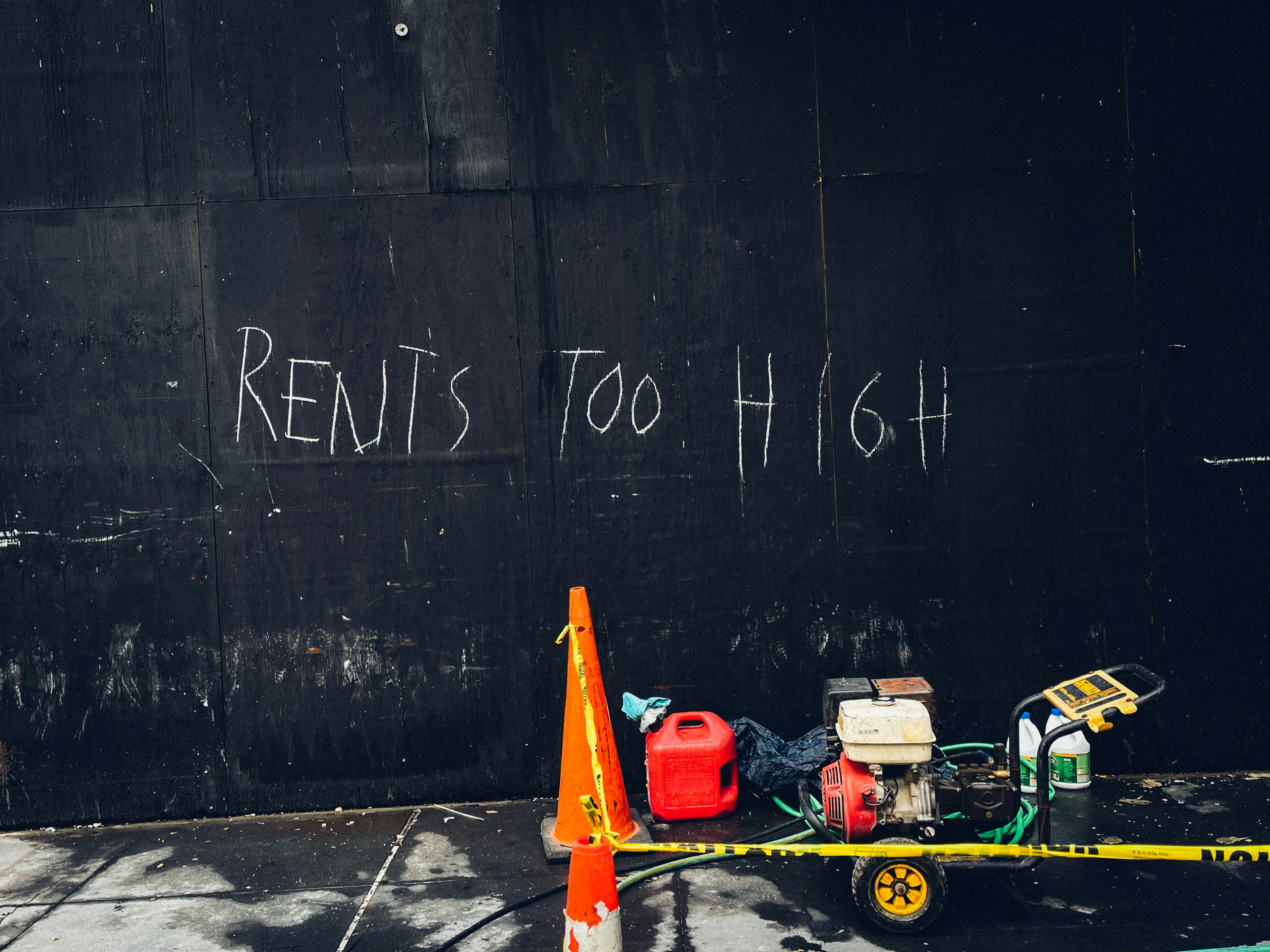
Micheál Martin announced a replacement last week which sparked an uproar among renter
consensus. However, foreign investment might benefit the economy in the long run.
The Taoiseach’s plan to establish a more attractive market for foreign investors did not resonate with renters over the last week, but his reasoning is not random.
Many renters are benefiting from rent pressure zone’s (RPZ’s) as they limit the rent increase annually at two percent.
The replacement to the debated but effective RPZ’s will be called “reference rents”. Information about “reference rents” is scarce due to the current revisions being done by the government according to the Irish Times.
Economist PJ Monaghan attributes the age-old principle of supply and demand to the current housing crisis. A sharply increasing population in Ireland nearly at full employment, which is demanding accommodation in urban areas.
According to Monaghan securing a mortgage to buy a house has proven harder than ever, keeping buyers longer in rented accommodation.
Furthermore, Monaghan explained that foreign investments into the property market has the benefits of having debt free money entering the economy.
Private investment would mean that the government can start expanding the housing market without the burden of borrowing money and falling further into debt.
If more foreign money enters Ireland, the government will benefit from taxing that money and more houses will be built with money which was raised outside of Ireland.
Currently the Irish housing market is unattractive for foreign money because it doesn’t provide enough performance for investor’s equity. This is due to the RPZ’s 2% annual cap according to Monaghan.
Mason Hayes & Curran wrote that the private rental sector has been in sharp decline over the past three years, representing the sharpest drop since RPZ were introduced in 2016. Ireland also saw a steeper decline compared to the global average of real estate investment.
With inflation rising and rent not allowed – by the RPZ – to rise in parallel, it results in landlords who are facing a struggle to maintain their buildings.
These concerns are exacerbated by rising interest rates for loans, building costs and maintenance costs – especially energy according to Mason Hayes & Curran. This has made housing expensive to own for Irish landlords which trickles down to the renters.
Additionally, Irish landlord’s dissatisfaction with the market conditions is being amplified by the Irish Property Owner’s Association (IPOA).
A press release from May 2024 by the IPOA shows major support for the abolishment of RPZ’s. The IPOA says that RPZ’s are “no longer fit for purpose” and emphasize a proven lack of functionality and worsen a dysfunctional property rental market.
The IPOA feels an exodus of Irish landlords would result in dire consequences for the housing market and worsen the crisis. Mason Hayes & Curran echoed that 42% of landlords left the Irish market since 2022.
Moreover, the IPOA lobbied members of the Dáil to influence housing legislation in January of 2024 according to lobbying.ie.
Tensions between landlords and renters are simmering as sympathy for either has been noticeably absent in the public debate.
Online comment sections act as a pressure valve for renters where frustrations are vocalised and sympathy for landlords is gone. An abundance of personal crisis stories, tales where landlords ignore the 2% cap and an omnipresent bitterness towards investors – often called out as money hungry – can
all be found a few clicks away.
According to Monaghan, the salient issue is that privately owned build-to-rent housing will be priced according to the investors return on investment and not to offer affordable housing for the people.
Without government intervention, it is a free for all.
The pressure rises from an imbalance of power most renters feel they lack. One renter in Dublin 7 who spoke to us on condition of anonymity said that “news like that have me genuinely worried”.
“It is clear to me where the Government’s priorities are, if RPZ would be abolished I would be genuinely homeless”.
They said that they gave up saving to buy a house because of their steep rent despite having a salary above the average wage. They are already struggling to afford basic needs, something that will be made even harder if their rent goes up again.
“Its hard for me to have a sense of moral,” said the worried renter.
You must be logged in to post a comment.