Author: The City’s Newshound

  • Not On Our Watch Vigil: What Do The Public Think?

    Not On Our Watch Vigil: What Do The Public Think?

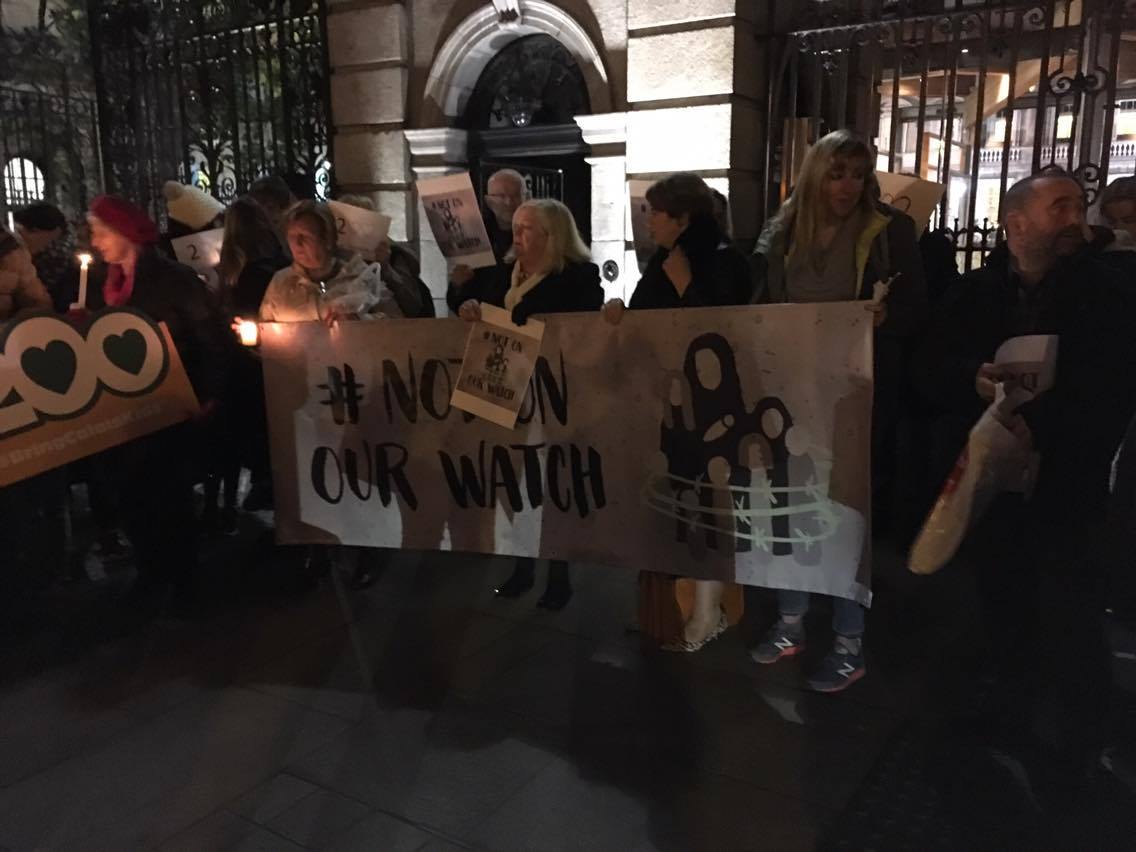
    On Tuesday night, the Not On Our Watch campaign held a vigil outside the Dáil. The vigil, a couple of hundred people strong, took place before and during a Dáil discussion on the campaign’s call for Ireland to take in 200 unaccompanied children from the Calais refugee camp.

    So far, one could say that Ireland’s reaction to the refugee crisis has been much less than adequate, and activists for the campaign have expressed how disheartened they are with this government’s almost non-existent response. Over the past two years, the government has pledged to help refugee children and families but how remains to be seen.

    TheCity.ie reporter Jack Popeley went to the vigil and talked to some of the people who attended to see what they had to say.

    14958194_10153811289202735_426623233_o
    (Source: Jack Popeley)

    Brian Condra, SIPTU Global Solidarity

    “A little over a month ago, we went to the Jungle refugee camp to see the state of it for ourselves. It was the most horrifying thing I’ve seen. I’m 45 years of age and I’ve never seen something so dilapidated and soul destroying, so I’m here in solidarity with everyone else tonight to say to the government that Ireland needs to do our bit.”

    Rory, aged 34

    “I’m here just to support the campaign, and show solidarity with the refugees in general. This problem we have in Europe, it doesn’t seem Ireland are doing as much as we should at the moment, and this is a good opportunity to play our part and show solidarity with the other countries in Europe who are struggling, yet seem to be performing better than Ireland. Hopefully a bill will be passed.”

    14922949_10153811289362735_241871464_o
    (Source: Jack Popeley)

    Damian McCormack, Doctor

    “I’ve visited Calais and Greece and I’ve come to know a lot of the people there who are just like us, and what’s happening in Calais now is an atrocity and I’m here to protest it. The Irish government need to do something immediately.”

    Jackie Gilbern, Synge Street

    “I just think that it’s an absolute disgrace that there has been no attention paid to these children. We should do something about it, we have to do something about it – it isn’t morally right, and it is inhuman to expect these children to fend for themselves while our government turn a blind eye, it’s totally wrong.”

    Nick Henderson, CEO Irish Refugee Council

    “I’m here today to support this initiative and this organisation’s work and efforts in trying to get the government to do the right thing, really [and] that is to recognise that there is a humanitarian emergency in Calais, as well as elsewhere in Europe, and Ireland can show leadership and make a real stand to assist other countries in Europe, and take vulnerable children who have had to leave their countries because of war and conflict and persecution, that we can offer them a safe haven for a period of their lives.” 

    14963473_10153811288917735_460934834_o
    (Source: Jack Popeley)

    Jan Boyle, Solicitor

    “I’ve been working in the area of immigration law in Ireland for the last 11 years, and I think it’s hugely important that the government accept the minimum of 200 children. I think it’s a smaller amount of children to take in in the grand scheme of things. We have accepted people before by way of programme refugees, and we should certainly reach out in this moment. I’m very proud to stand here this evening with my two year old son and I hope to bring him up in a better Ireland.”

  • Dundalk FC Rise to Become Irish Football’s Most Ferocious

    Dundalk FC Rise to Become Irish Football’s Most Ferocious

    By Andrew Leahy

    Dundalk FC have spring-boarded themselves this year to become the most successful Irish club in recent years, some may argue in history.

    Stephen Kenny pushed his side not only to be a dominant force in domestic soccer, but also as a club who can hold their own in Europe.

    The Lilywhites claimed their third straight SSE Airtricity Premier League this season, showing their dominance at home here in Ireland. They also have the Irish Daily Mail FAI  Senior Cup final to look forward to in a repeat of last year’s fixture against Cork City this Sunday.

    fff.jpg
    (Source: Uefa.com)

    Their offensive and slick style of football has been developing over the past number of years and looks to be paying dividends as they have looked, at times, streets ahead of other national teams this season.

    Of course, it was a long, extremely busy season for the club and the whole squad was needed, but a few individuals stood out from the crowd, particularly Ciaran Kilduff and Daryl Horgan, the latter of whom was included in Martin O’ Neill’s Ireland squad for the crunch World Cup Qualifier against Austria later this month.

    But perhaps it has been Dundalk’s exploits in Europe that have been so eye-catching this season, venturing into territory that only a few Irish clubs have reached before. The Louth outfit became the first Irish team since Shelbourne in 2004 to reach a qualifier for the Champions League.

    In losing this qualifier, they automatically went through to the group stages of the Europa League, and from then on they have done not only their club, but the entire country proud.

    Their debut in the tournament was a tough away trip to AZ Alkmaar where a stellar performance led to a well-deserved point. Two weeks later, they claimed a historic win over Maccabi Tel Aviv in Tallaght stadium which sent shock waves through the Irish soccer community.

    This win left Dundalk in second place in their group trailing only to quality European opposition in Zenit St. Petersburg who they faced on match-day three. A fearless display against the Russian outfit ended up in disappointment. The game had been billed as a David vs. Goliath scenario, but Dundalk hit the front through Robbie Benson just after half time. From that point on, the Russian giants turned on the style and scored two goals in the final twenty minutes to claim the three points.

    Stephen Kenny’s charges are still well in contention of qualifying for the knockout stages of the tournament as they lie in second place in the table one point ahead of Maccabi. Dundalk’s exploits in Europe can’t be discussed without mentioning the financial implications it has for the club.

    In reaching the Europa League group stages the Lilywhites received a cash injection of approximately €5.4 million. This sort of money has to be put into perspective, it is enormous in an Irish context. The Football Association of Ireland only pay out €110,000 in prize money to the winners of the Airtricity league, meaning that Dundalk have earned the equivalent in Europe this year, as they would if they won the domestic league every year until 2031. An amazing statistic.

    horgan
    (Source: Wikipedia)

    What does this mean for other Irish clubs aspiring to hit the heights which Dundalk are? It makes it very difficult for other clubs to catch up in a short period of time. The FAI only offered a €5,000 grant to clubs in the Airtricity league back in August. Many clubs viewed this as terribly disappointing, seeing as the FAI surely have a far bigger budget than that, and judging by the fact that former Irish Soccer coach Giovanni Trappatoni was one of the highest earning football managers in the world. St. Patrick’s Athletic and Derry City turned down this grant in protest at the lack of funding which the league gets in general.

    Dundalk’s prominence both domestically and in Europe will hopefully spark more interest in our national league than ever before and will lead to higher attendances and perhaps better funding in the future.

  • Cork City confident they can make statement with victory in FAI Cup Final, says Kevin O’Connor

    Cork City confident they can make statement with victory in FAI Cup Final, says Kevin O’Connor

    By John McAuliffe

    Kevin O’Connor and his Cork City team-mates are confident that they can defeat Dundalk F.C in Sunday’s Irish Daily Mail FAI Senior Cup at the Aviva Stadium.

    In a repeat of last year’s final, which Dundalk won 1-0 in extra time, Cork City will look to avenge the loss. O’Connor is relishing the opportunity of knocking Dundalk off their pedestal as the best team in the country.

    “We want to show that Dundalk aren’t the only team in the country that can win trophies,” he said, speaking exclusively to TheCity.ie.

    Kevin hails from Screen, Co. Wexford, and started his playing career with Curracloe Soccer team as well as representing his county at underage levels throughout his teenage years.

    Screen Shot 2016-11-03 at 17.17.14.png
    (Source: Doug Minahan)

    He was an exceptional player at underage and this was acknowledged by Waterford United, who signed him when he was just 17. He played there for two years before moving on to Cork City when he was 19 in 2014.

    He’s gone from strength to strength since joining the club two seasons ago and even received a call up to the U-21 Ireland team where he played against countries like Serbia, Slovenia, Norway and Italy.

    “It’s another step up for me with quality opposition. I played against some top players in those matches, most notably Marko Grujic, (a Serbian player now playing his club football at Liverpool). It was a good test for me,” he said.

    This season, Kevin was named in the PFAI Team of the Year which was voted for by fellow professionals across the other teams in the league.

    “Yes, it’s an honour for the lads to pick me for the team of the year, especially because it’s voted by the players who play against you. It’s a good feeling and it shows that I did well this season. To be honest, I would much rather a cup medal than that to be honest!”

    He could very well accomplish that on Sunday against Dundalk and he gave his thoughts on how the match will go.

    “I think that we are going to win but Dundalk have also been doing very well in the last two or three years. We’ve beaten them three times out of the four matches we played against them and on Sunday we hope to make it four out of five.”

    Kevin acknowledges that Dundalk are a solid team with very dangerous players. “They have Horgan and MacMillan up front with McEleney and O’Donnell coming up from midfield. They’re strong all over but we’re also a good team and if we play well we are in with a good shout.”

    When asked about Cork’s strengths he said: “We have a much better team this year. Obviously Seanie Maguire is on fire for us (18 league goals, 28 in all competitions) so hopefully he can do it for us again on Sunday.”

    The final on Sunday is a rematch from last year. Dundalk were the victors that day but O’Connor believes that Cork are much better equipped to take them on and won’t be distracted by the big day that’s in it.

    “Last year we were happier to be in the final than going out trying to win. This year we are going with more expectation than hope. If we play our best we can beat anyone in the league.”

    O’Connor is also looking forward to playing the final in the Aviva stadium for the second time in two years.

    “It’s a massive place. There was 25,000 people last year and hopefully there will be around 30-35,000 people this year. This chance doesn’t come around very often so we should take it when it is there for us.”

    Winning the cup would not be the only highlight of O’Connor’s season, as he scored against BK Haken in the Europa league qualifying round.

    “It was massive because it’s the furthest the club has ever got in the competition. It’s a night the team will never forget. I can’t really remember the immediate feeling, I just blanked when I saw the ball hit the net.”

    Let’s hope he doesn’t blank on the feeling of lifting the cup if his team are victorious on Sunday. It would be the icing on the cake of a successful season for both O’Connor and Cork City.

    Watch the Irish Daily Mail FAI Senior Cup: Dundalk F.C vs Cork City, Sunday 6th November, Kick-off 3:40 pm, Aviva Stadium.

  • Justin Bieber’s Purpose World Tour Wows Dublin

    Justin Bieber’s Purpose World Tour Wows Dublin

    By Kieva McLaughlin

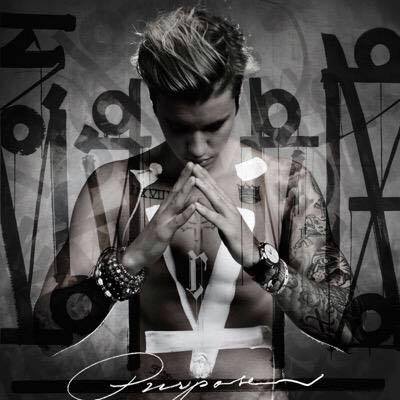
    Justin Bieber brought his Purpose World Tour to the 3 Arena on the 1st and 2nd of November.  It was his first time touring since 2012-2013 with his Believe Tour.  Both dates sold out within minutes with overwhelming demand from fans across Ireland.

    14938072_10154163248394385_1591353730_n
    Source – Wikimedia

    The tour has previously made headlines when the ‘What Do You Mean’ singer was perceived as being bratty and stroppy.  During his Manchester gig he stormed off stage after his fans wouldn’t stop screaming while he was talking.

    Justin began his Dublin concert while donning an Irish flag on the front of his t-shirt, with ‘Dublin’ written on the back.  He appeared in a glass box with a very energetic, heavily choreographed ‘Where Are U Now’.

    Over the course of the concert Justin began to lose some energy, which can be forgiven because of his elaborate dances that would be sure to take it out of anyone.  Justin’s back up dancers were superb and gave it their all throughout the whole show.  Lasers, lights, and pyrotechnics accompanied almost every song.

    Justin showcased his natural ability to sing when he took to stage, with just himself a couch and a guitar.  He sat down with the effects stripped back and played ‘Cold Water’ and ‘Love Yourself’. The 22- year old singer was apparently eager to show off his instrumental skills, and later in the show he played a surprisingly good solo on the drums.

    jb2-wikipedia
    Source – Wikipedia

    Justin began most of his songs with a quick-witted intro. For his song ‘Company’, the singer began by telling his fans, “Imagine being on the road for a year, away from friends, away from family.” He then thanked his fans for being there to keep him company through it all, during this, a platform trampoline came out of nowhere and hung from the ceiling.  Justin and his dancers ran up the stairs to it to start the song.

    A standout song on the night was ‘Children.’ A competition had previously been run to find skilled Irish child dancers to take part.  They absolutely nailed it and after the song they were all smitten, as Justin addressed them all individually.

    Justin closed his show with the highlight of the night, “Sorry.” A long black blow up was put on stage and the Canadian singer and his dancers performed while rain lashed down on them.  Everybody left the concert feeling elated and wanting more.

  • Metropolis Festival Preview: What To Expect

    Metropolis Festival Preview: What To Expect

    By Colm Phelan

    Metropolis made its debut in Dublin’s RDS last year and was an enormous success. This year it returns to the same venue and boasting many exciting acts.

    Last year the festival took place on the 7th and 8th of November, and generated a lot of interest from the beginning, being one of the only festivals of its kind around that time of year.

    Main Stage - Source - Colm Phelan .JPG
    Main Stage at Metropolis (Source: Colm Phelan)

    Eight different arenas hosted acts including The Roots, Jamie xx and Hot Chip. As well as live music, the event offered what they advertised as “Conversations’’, a series of panels and talks including names such as Giorgio Moroder (an Italian singer, songwriter and DJ) and Howard Marks (Welsh drug smuggler turned author).

    This year expects to be a similarly diverse affair, with live music, ‘’conversations’’ and the new initiative “installations” set to feature throughout the three day fiesta.

    worlds-largest-mirror-ball-source-colm-phelan
    (Source: Colm Phelan) Punters are greeted with colourful and vibrant sets as well as diverse collection of music.

    The festival opened on Thursday night, with American music producer Joshua Davis aka DJ Shadow hitting the stage for the opening party.

    Friday boasts several internationally acclaimed DJs, with Groove Armada, Cyril Hahn and Solomun and recent Q Award winner Jack Garratt amongst the most recognisable names.

    Saturday’s affair will include Grace Jones, Klangkarussell and The Sugarhill Gang to mention just three.

    one-of-several-bulmbers-bars-source-colm-phelan
    (Source: Colm Phelan)

    Trinity Orchestra, who featured last year, return this year to play a tribute to David Bowie.

    If you want to take a break from all the music, make sure to check out the “installations”. With Metropolis advertising itself as “multi-disciplinary, dynamic arts festival”, they offer more than just music and panels. They have revealed they will be bringing to Dublin the world’s largest mirror ball, the same height as a three storey building, which will spin above the festival goers.

    Also welcomed to the festival is the Andy Warhol Silver Clouds exhibition. Metallic balloons filled with nitrogen, helium and ambient air will be floating around at eye level, which allows you, the festival goer, to become a physical part of the “installation’’.

    With doors opening at 3pm, Metropolis and Just Eat have teamed up to make sure no one goes hungry. Red Bull, Bulmers and Absolut will make sure no thirst goes unquenched.

    installations-source-colm-phelan
    (Source: Colm Phelan)

    The festival has also teamed up with Labrynth, an art collective that are producing a projected installation which will partner the REPEAL project.

    “Since REPEAL seeks to give a voice to an issue that needs to be heard, we thought it would be interesting to literally project the issue further using a projection installation that will exist as an alternative interpretation of the traditional petition format,” said April Delaney speaking on behalf of Labrynth.

  • Java Republic: An Ethical Company in a sometimes Unethical Industry

    Java Republic: An Ethical Company in a sometimes Unethical Industry

    By Gemma Kavanagh

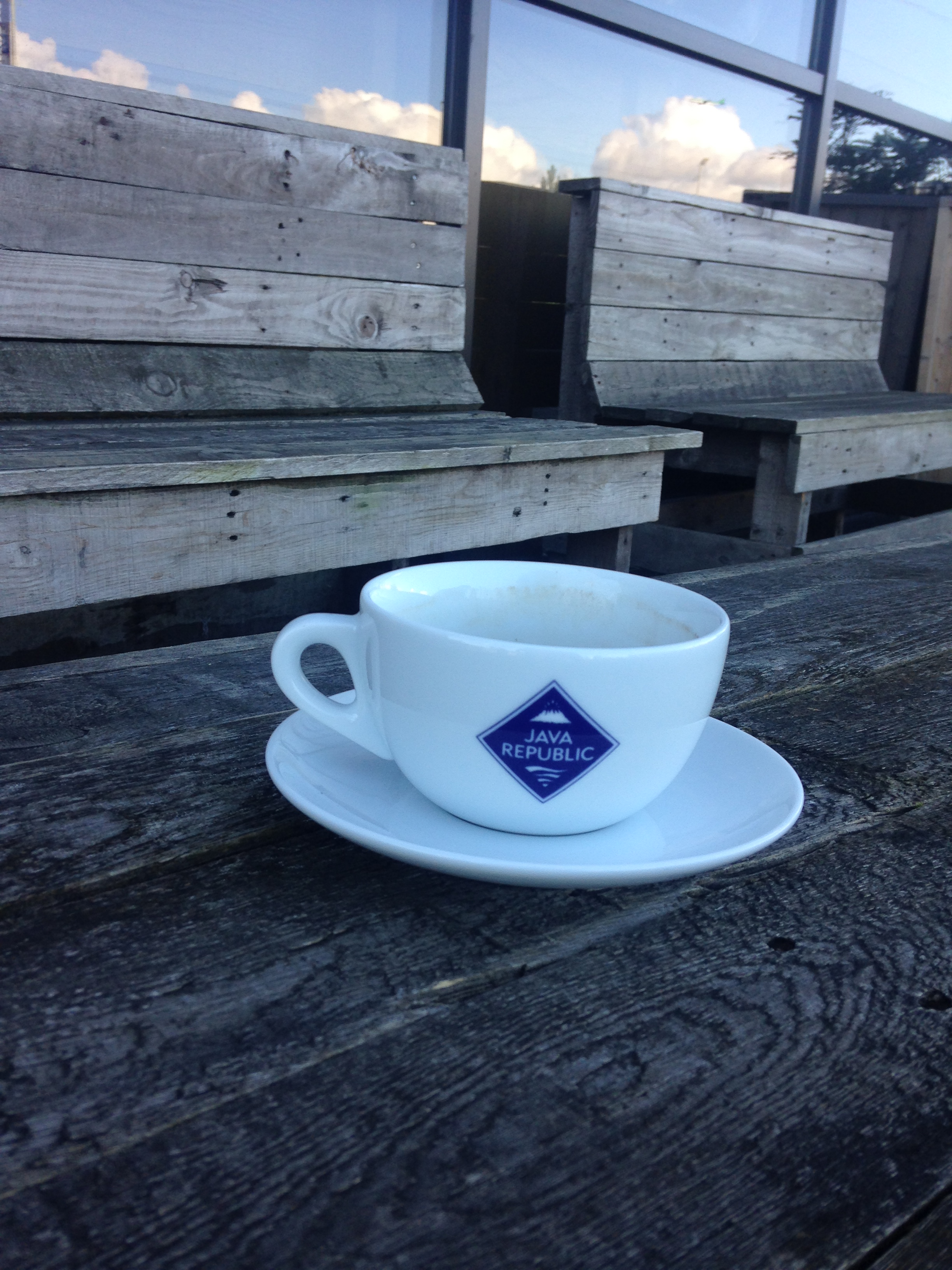
    “The first time I tasted coffee I was 17 years old, it was my first day working in Bewley’s and I was dying with a hangover, I thought it was the most disgusting thing I’d ever tasted.” Dave Mc Kernan is the creator and chief executive of the coffee brand Java Republic.

    img_4908
    (Source: Gemma Kavanagh & Lily Joyce)

    Dave has devoted his life to coffee and to sourcing it ethically, describing the industry as one of the most exploitative industry in the world. “I was very lucky to have gotten into Bewley’s, once you get into coffee you never want to leave, very few people do.”

    The name Java was still synonymous with World War II, when they called the coffee Java. Undecided whether to call the company Java Bay or Java Republic, Dave saw there was a more negative reaction to the word ‘republic’ because of the troubles in Northern Ireland at that time. “It was for this reason that I stuck with the name Java Republic, it stood out and caused a stir. I do believe that we wouldn’t be here if I had called it Java Bay.”

    Explaining how the industry works, he said: “If a coffee shop charges €2.80 for a cup, a farmer gets 2 c, it’s very unequal. In September 1999 we started off with 7 bags of coffee and paid 50 pence for them … I didn’t know how bad it was, and that was the truth and now there’s no excuse.”

    Origin trips are when Dave learnt how hard the industry was on the farmers. A huge amount of the children in the coffee industry are family members, and if they work the land they can’t go to school. “It was then I decided to declare the price of the coffee on the internet because I was angry at how rotten the system was. We should all be paying a lot more for coffee including the consumer, which will be the trickiest part.

    img_4792
    (Source: Gemma Kavanagh & Lily Joyce)

    “For the first 12 years I was in the industry nobody knew how much coffee cost. Nobody knew the hardship on the families. In 1994, I went out to India and it was the greatest shock of my life. We went to Java in 2001 and was appalled by what I saw going on in the coffee world. We buy coffee for as little as possible and nature allows it to be transported out of these countries and we roast it and make good money in Ireland. We are the most unethical group of people in the world; we make retailers look like saints. It’s a dreadful supply chain and they’ve been kept in constant poverty for hundreds of years, they’re as good as slaves. The children in these countries have no future, only one in six will get the chance to go to school.”

    On his latest last coffee trip, Dave visited Columbia and for the first time he saw the coffee farmers making between 7 and 8,000 dollars a year.

    img_4843
    (Source: Gemma Kavanagh & Lily Joyce)

    I asked Dave what is the worst thing to ever happen to coffee and he replied with ‘capsules’. “It has been incredible for the industry but I hate capsules. You can’t get the freshness of coffee into a capsule. It’s the biggest growth area and we might have to go into it someday. They have totally ruined the consumer’s perception of coffee. It’ll be very hard to get the Java quality into a capsule, to me coffee should be treated like milk and bread. The freshness is a huge issue. It’s convenient but it has totally destroyed the culture and soul of coffee.”

    Java Republic have recently brought out 26 new herbal teas, the biggest range of specialty teas in the world and have gone into five markets as a result. Java Republic’s story is inspiring because they could have sourced their coffee and continued to take advantage of the farmers but they chose not to, their brand is clean organic coffee and they’re a leading example as a result.

    img_4899-1
    (Source: Gemma Kavanagh & Lily Joyce)


  • Opinion: “Anthony Foley was a Heroic Leader”

    Opinion: “Anthony Foley was a Heroic Leader”

    By Harry Hatton

    While I was trying to digest the shocking news of the death of Munster head coach Anthony Foley on Sunday, October 16, there was one clip on television that struck a chord with me.

    It was from back in 2006 on a day that Munster confirmed themselves as serious players in European rugby. A joyous Munster team gathered on the podium erected on the field at the Millennium Stadium, Cardiff waiting for their captain to lift the Heineken Cup.

    the-city-anthony-foley-source-wikimedia
    (Source: Wikimedia) 

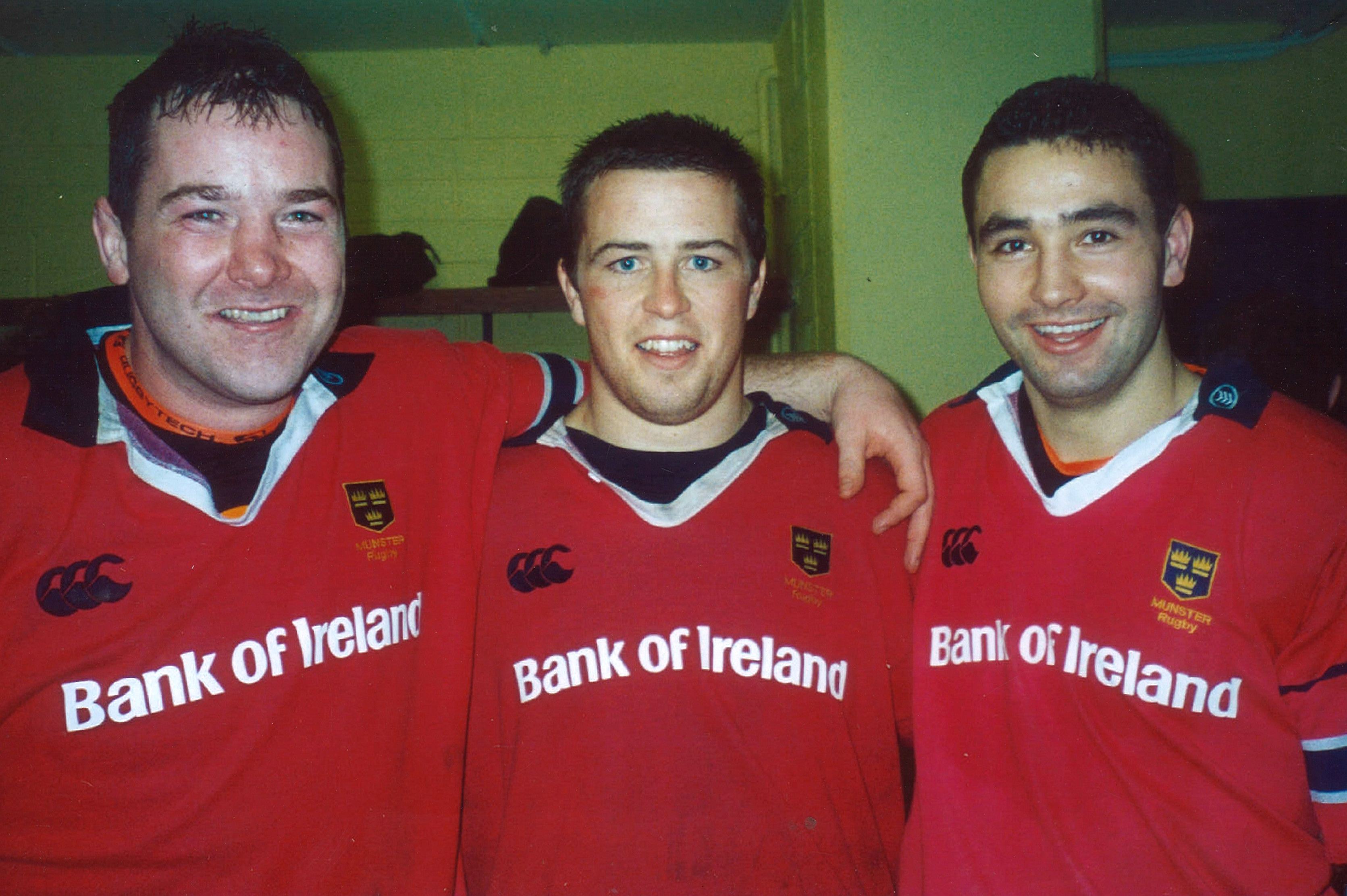
    The captain was none other than Anthony ‘Axel’ Foley. I was almost 12 when Munster won their first European Cup and my only recollection from that match was when Peter Stringer deceived the Biarritz defence by crossing for a try from the blind side following a scrum.

    I had completely forgotten that Foley was Munster’s captain on that memorable afternoon in Cardiff. On a team filled with iconic players such as Paul O’Connell, Ronan O’Gara and John Hayes, Foley was chosen as the leader of a heroic group of men.

    In that clip, Foley grins and raises his arms up and down to get his teammates and the Munster spectators in the stands ready for the province’s crowning moment. It was in that instance that I realised what Munster, Ireland and the wider rugby world had lost.

    The days that followed were incredibly tough for all associated with the great number eight. There was a moving tribute by Munster fans at the gates of Racing 92’s home ground, the French club that Munster were due to play on the day that Foley passed away.

    The Munster support had travelled to see their beloved club in action, but instead they were gathered together in a rendition of ‘The Fields of Athenry’ in mourning at the loss of one of the club’s most famous sons.

    As the week progressed, it didn’t get any easier for those associated with Foley to come to terms with his sudden death. Captain Peter O’Mahony bowed his head while speaking to the press ahead of the European encounter with Glasgow, trying to keep his motions intact only days after losing his coach and mentor.

    On the eve of Foley’s funeral, hordes of Munster fans lined the streets outside Thomond Park as the hearse with his remains drove slowly past. The Munster fans showed their outstanding strength in unity by singing one of their club anthems ‘There Is An Isle’ before breaking into a round of applause as the hearse drove by in the October night.

    It was one surprise that Munster’s game with Glasgow went ahead just a day after Foley’s funeral and another surprise the performance that they delivered in honour of their head coach. The home side hammered their Scottish opponents by 21 points despite Keith Earls’ red card in the first half.

    the-city-anthony-foley-left-with-marcus-horan-and-jeremy-staunton-source-wikimedia
    (Source: Wikimedia)

    It seemed that no matter what team stood in front of Munster last Saturday, there was no way they were not going to win. The Munster players and supporters had endured enough loss without suffering more on the field.

    I will be interested in the months ahead to see how Munster cope in the absence of Foley. Will they be able to channel their hurt and frustration into positive energy on the field of play? Or will the loss of such an inspirational figure leave them mentally vulnerable?

    There have been instances in the past where teams have responded to tragic loss to achieve great success. Tyrone footballer Cormac McAnallen died in 2004 as a result of a heart condition, a year after he helped his county to their maiden All-Ireland football title.

    McAnallen’s teammates reacted to his tragic passing by claiming the Sam Maguire for a second time. That was the holy grail for that Tyrone team.

    Munster’s holy grail is the Champions Cup, formerly known as the Heineken Cup, and is a competition that the province has won twice in the past.

    If Munster were to claim the trophy for a third time in the near future, as unlikely as it may seem, there is no doubt that the success will be dedicated to one man and one man only, the legendary Anthony Foley.

  • Interview of Interest: Dave McKernan

    Interview of Interest: Dave McKernan

    By Gemma Kavanagh

    Dave McKernan started his coffee career at 17 when he got his first job in Bewley’s, and he has never looked back. In September 1999 he went out on his own and created Java Republic.

    Dave was 29 when he became an entrepreneur. It was three years before he finally took the leap and started the company. “When I was in San Francisco I saw Café Roma and I thought to myself, ‘I’m going to have one of those someday’. The biggest issue in business is taking that first jump. Forget about the comfort zone, just go and do it,” he said.

    2016-10-18 (24).png
    (Source: Gemma Kavanagh & Lily Joyce)

    Dave runs one of the most ethical coffee companies in the business – he does right by his farmers and wants to tell the world by leading by example. When we met him at his roastery in Ballycoolin, he was incredibly welcoming and couldn’t be more generous with his time and effort. Knowing the business world so well, Dave has some fantastic advice for budding Irish entrepreneurs.

    Taking risks 

    Going out on your own means leaving the comfortable environment you’re used to, leaving your colleagues and friends. It took Dave three years to start up Java Republic and a year to raise the money. It was unusual at the time for a start up to take so long and investors and contributors lost faith and pulled out. “I put everything on the line, even my house. To me, it never felt like a risk, it’s just what I always wanted to do. The dream was so embedded in my head that to me it was never going to fail,” he explained.

    The coffee industry was huge in Ireland, but despite not seeing a gap in the market for a new product, Dave wanted to change the industry itself. “I wanted to be transparent as to where we got the coffee from, to talk about the freshness, I’m very honest and direct. Java Republic created a transparent, open roastery you could visit on the Kylemore Road, I wanted to tell everybody the story of coffee.” Java Republic were the first to declare the price of coffee on the internet.

    img_4933-1
    (Source: Gemma Kavanagh and Lily Joyce)

    They started running out of money, and with nine people on the payroll, they were burning up a huge amount of cash every month. They expected more customers than they actually got and there came a time where they nearly couldn’t pay wages. “It was stressful but I never believed it wasn’t going to work, if you think you will fail, you will fail,” he advised.

    “I never think of the glass half full or half empty – it has to be brimming, if you have that attitude, the fear will kill everything. I’m not sure when we got out of the danger zone, but there was always a sense of urgency with me I always had to work and get through it,” Dave says.  

    Advice for young entrepreneurs 

    “Be very careful in validating your project. An idea is nothing until it is validated in the market place. The hardest part is actually executing the plan. I came from coffee into coffee so I knew the business. I would advise you to work for someone who knows the business first,” Dave explains.

    “Don’t be burnt to death by one idea that didn’t work. In Ireland we’re very unforgiving, if you have an idea in this country that doesn’t work out you’re screwed because it’s such a small community of bankers and suppliers and you’re seen as a failure. There’s no back up from the government, if you fail it travels the country and it’s very hard to set up again and to get the trust back with the bank and the suppliers,” Dave said.

    When you get your big idea, what’s the next step?

    Dave thinks you must validate your idea, find someone you can trust, someone who will give you some time. Every entrepreneur needs someone who will talk the project through and answer the really hard questions that you don’t want to answer, the hard questions such as where are you going to get the money, where will you get the people, how will you scale the project, how will you protect it, is it easy to copy or attacked by others in the market, what will the bigger players do if they find you in their market?

    “Bord Bia in food are exceptional, they will listen to you and tell you it’s a hard market. I would advise you not to put your house on the line like I did, but if you asked me to do it all over again, I would. I take enormous risks; it’s just how I was built,” said Dave.

    Dave thinks the biggest mistakes made are in packaging the product, design and legal issues. He thinks the traits of a good entrepreneur are persistence, to be aggressive in your market, to not be afraid of competition. “You need to learn to sell. Selling is communicating, it’s talking to investors, it’s talking to the market and it’s trying to raise money. You have to get your pitch absolutely perfect.”

    2016-10-18-3
    (Source: Gemma Kavanagh and Lily Joyce)

    “My main regret is not staying in education for longer, I didn’t go to college and I really enjoy education and I should have spent more time thinking about my business and scaling it differently. I don’t have many regrets. I go for everything at 100 miles an hour – if it fails, I just put my hand up and move on,” Dave said.

    Managing stress

    Stress is a huge killer in Ireland and Dave’s best advice on how to manage it is exercise. “I have tried yoga but I couldn’t get myself into the positions so I didn’t like it and when I did mindfulness I kept falling asleep. I keep fit, I play competitive tennis, running is great for you to think and contemplate where you’re going in your business. Being unfit and trying to run a business will just add to your stress.”

  • Number of Births Outside Marriages Have Increased

    Number of Births Outside Marriages Have Increased

    First comes love, second comes marriage, then comes the baby in the golden carriage…or maybe not.

    mother-and-child-pixabay
    (Source: Pixabay)

    Statistics show that the number of Irish people having children outside of marriage has increased from approximately 5,000-a-year in the 1980’s to 25,000 in 2010. The Central Statistics Office posted the research online and the change in statistics is staggering.

    Is the increase due to Ireland becoming a diverse country? Is it due to the move away from the Catholic Church or is it simply because the government have made it an easy option with the financial help they offer?

    births-outside-of-marriage-chart
    (Source: Chelsea Tyler McNeill)

    We asked the people of Dublin why they think so many more people are having kids outside of marriage and here is what they have to say.

    Noeleen Fulham, 57, Tallaght.

    “I am not surprised at all that the increase is so big, I think it is all to do with the strict Catholic religion and its laws back then. As a 17-year-old growing up in the 80’s you would be terrified to have sex outside marriage. In 2015, religion in this country started to take [a] back seat and couples started living together rather than getting married. Also for some of the women who are not married to their partners, they could be counted as single and therefore are entitled to more benefits.”

    Sorcha Geraghty, 22, Ballinteer.

    “I think marriage is viewed very differently in our society, couples can live ten plus years together without getting married and it’s normal. I know my grandmother’s generation would look for a wedding ring on someone’s finger, whereas I wouldn’t even think about it! I still get the question of marriage and I don’t really see it as people looking down on me. It’s the idea that marriage produces a stable family unit for a child to grow up in. But we all know, in reality it doesn’t always work out like that, it’s an ideal.”

    Claudia Kennedy, 32, Lucan.

    “It’s not looked down on at all now if you’re not married with kids, it’s actually unusual if you come across a couple that are only married with no children. I think financially it is easier to be a lone parent nowadays too, with single parent’s benefits, the children’s allowance is much higher than it was back then and a lot of people get rent allowances if they have children now, that was never heard of years ago.”

    Adam McGrane, 22, Kingswood.

    “I think the Catholic religion has a big part to play in it. Years ago, people were kind of brainwashed to think that you should be condemned for having sex or using contraception but as people have got more educated in Ireland, the religion doesn’t have as much of a hold on them. Once the child is in a loving home and two people are happy, what does it matter if they are married or not? I think people actually admire lone parents now, I think fair play to them because it is a hard job to do on your own so no one should look down on that.”

    Deirdre Kerslake, 50, Tymon.

    “I think it’s easier to be a lone parent now because there are far more supports, both for childminding, and with social welfare too. Also as there is no longer a stigma attached to being an unmarried mother, girls are supported by their families now whereas they wouldn’t have been before. I think that now marriage is less important to a lot of people too, due to our tax system along with other things, but marriage does give stability and security to a family.”

    Jessica McGrane, 30, Clondalkin.

    “I think the government played a big part in lots of young girls getting pregnant outside of marriage ‘on purpose’ as it was not worth their while to get an education and make careers for themselves because it was easier to claim the many benefits available to them and for them to earn more than a working mother. Personally as a lone parent I did not claim any benefits as I work full time so I am not entitled to anything, which can be difficult to raise a child however there is a hell of a lot more available for unmarried, unemployed mothers nowadays so I think it is easier. I don’t think there is as much of a stigma now but I have personally been judged because my son has a different surname to me, for example when he was 4 months old, I was in a hospital with him on my own while his father was working and a doctor asked me in a smart tone of voice “is daddy not around no?” I was embarrassed and livid at the same time but I think it’s just that some people still have old fashioned beliefs, society as a whole has accepted it.”

    John McNeill, 53, Crumlin.

    “I think it is just too easy for people nowadays, the government are giving houses and a wage to people who have kids so obviously young people are going to look at that as an easy way to make a life. It is getting too difficult for a young couple who are both working to get a mortgage so why would you break your back doing that if you know that you can get pregnant and get everything off the government for free. Obviously this isn’t everyone, there are couples out there who work hard for everything they have and may not want marriage but I think in some circumstances, young girls see it as an easy option.”

    Denise Byrne, 51, Palmerstown.

    “I think the numbers have increased so much because unmarried mothers are given money and a house now, before there was no support for them. I think in some parts of society; it is still looked down on to have kids outside of marriage but I think that is just down to religion.”

    Louise Kenny, 30, Crumlin.

    “I don’t think there is any stigma attached to having children outside of marriage, having two children outside of marriage myself, I think I have only had one comment said to me about not being married and that was from an older Christian man who obviously had the same views that were probably forced on him from a young age. I think it is definitely easier to be a lone parent in today’s society. Back then a man could walk away from an unwanted child and that was that but now they have the family court to answer to and are forced to pay maintenance for their child, which is only right. I also think most people now would put having children and owning their own house before getting married.”

  • An Garda Siochanna On Strike: What Exactly is Happening?

    An Garda Siochanna On Strike: What Exactly is Happening?

    By John McAuliffe

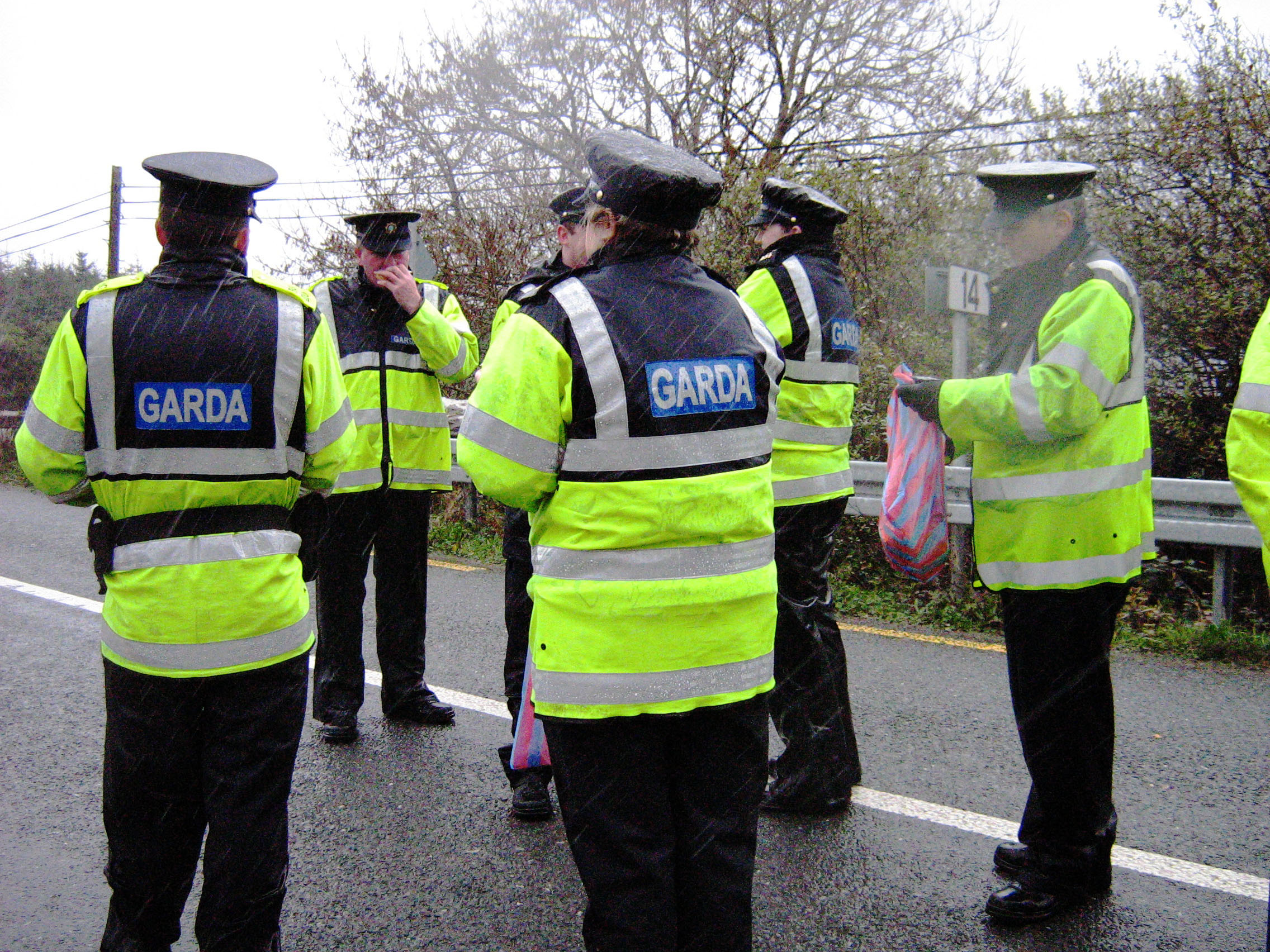
    In an unprecedented event in Ireland’s history, An Garda Síochána are about to go on strike.

    The Gardaí are usually not allowed to strike – so it is an unusual and an awkward situation that we are facing.

    Strikes are scheduled for every Friday in November, starting this week on the 4th. The Garda Representation Association (GRA) made the decision to strike in September of this year.

    Irish_police_on_lunchbreak.jpg
    (Source: Wikimedia)

    Why are they going on strike?

    The GRA aren’t happy with how the Government has taken An Garda Síochána for granted.

    In a press release given at the end of September, the GRA disagreed with pay and working conditions by saying:

    “We have exhausted every channel of industrial relations open to us. Government has taken advantage of our limited rights. Our members feel that we have nowhere left to turn. Gardaí do a dangerous, difficult and often thankless job. Garda pay has fallen behind others. Our claim for pay restoration has been ignored.”

    As well as striking to raise their working conditions and pay, the Gardaí are striking against poor pay for new recruits – which is among the worst in the country. The Gardaí deem the rate unfair because of the dangerous and hazardous conditions that come with the job.

    They also said that the Gardaí have “legitimate grievances” and that “95% of the GRA felt they had no option but to take industrial action”.

    Access to industrial relations mechanisms is another key issue that the GRA want addressed, along with the fact that An Garda Síochána are the only group of public servants doing 40 hour weeks.

    Rules for sick leave are on the agenda for the GRA to get changed. They feel they should have different rules, given the hazards of their jobs.

    What is happening on the days of the strike?

    According to the GRA, Union members will down tools on the days in question.

    “Emergency services will still be available on the day but there will be no Gardaí answering calls in stations, no Gardaí on the beat and no interaction with the public.”

    What is the reaction towards the upcoming strikes?

    Many don’t know how to react to the news of the strikes. The closest thing to a Gardaí strike in Ireland was on the 1st of May, 1998.

    Then, a total of 5,000 members called in sick on a day remembered as the “blue flu”. 

    badge_of_an_garda_siochana
    (Source: Wikipedia)

    In Dublin, 68% of the force didn’t show up for work that day. Throughout the rest of the country that figure was as high as 100%.

    They were expressing dissatisfaction with pay, similar to the upcoming strikes now.

    Garda Commissioner Noirín O’Sullivan has actually gone against the workforce and has ordered all members to not take part in the strikes. She claims the dispute over pay could “irreparably compromise” Gardaí authority in the state, according to the Irish Times.