Tag: Coronavirus

  • Social Media platforms fails to protect its users from Covid-19 disinformation

    Social Media platforms fails to protect its users from Covid-19 disinformation

    By Leigha O’Reilly Hughes

    Photo credits: Leigha O’Reilly Hughes

    Mis- and disinformation has always been a big problem for social media, due to how easy it is to spread around. This problem has continued to grow since COVID-19 entered everybody’s world in 2020. Since then, false claims, conspiracy theories and disinformation about the virus remain online.  

    Even though Meta, formally known as Facebook, Twitter and Instagram provide a space to inform people about the virus as well as start up conversations, it also allows fake news and misinformation to spread.  

    The World Health Organisation, which is the United Nations agency that connects nations, partners and people to promote health, keep the world safe and serve the vulnerable so everyone can attain the highest level of health, have also spoken out about the spread of misinformation regarding Covid-19 on social media.  

     “As the world responds to the Covid-19 pandemic, we face the challenge of an overabundance of information related to the virus. Some of this information may be false and potentially harmful,” says the World Health Organisation. (The WHO)

     “Inaccurate information spreads widely and at speed, making it more difficult for the public to identify verified from trusted sources.” 

     More than half of Gen Z and Millennials (59.1%) are extremely aware of false news around COVID-19 and are able to recognise it frequently. However, persuading people to actively resist it, rather than letting it slip, is a difficulty, with many (35.1%) simply ignoring it, according to the WHO.

    Social media platforms are taking it upon themselves to help tackle the spread of misinformation on their sites.  

    Meta has stated that it has since removed over 20 million posts since the beginning of the pandemic and Instagram as they violated rules on Covid-19 misinformation. 

    The company implemented a direct link on any post that mentions Covid-19, vaccines or the pandemic that brings the viewer to the COVID-19 information centre. They have also stated that they are banning repeat offenders who spread the misinformation. 

    Twitter has also put in place guidelines when it comes to spreading information about Covid-19.

    “We’ve observed the emergence of persistent conspiracy theories, alarmist rhetoric unfounded in research or credible reporting, and a wide range of unsubstantiated rumours, which left uncontextualized can prevent the public from making informed decisions regarding their health, and puts individuals, families and communities at risk,” says Twitter.  

     Twitter states that they will label or remove false or misleading information about the virus and the vaccine. 

     However, finding misinformation on social media regarding Covid-19 is not difficult. It is easy to find tweets spreading misinformation that are not flagged or taken down before people can view them.  

    Below are examples of easily found tweets that spread misinformation about Covid-19 and how it can affect people.

     Newsguard, an organisation which monitors internet misinformation, identifies accounts, sites and organisations that were still spreading conspiracy theories and fake news about Covid-19 but were still online to earn thousands of new followers. 

    Newsguard also stated that even though some of these posts included labels offering links to coronavirus information, it did not state to the users whether the post was trustworthy or not.  

     This shows that even though social media platforms like Facebook, Instagram and Twitter have implemented tools to help identify when Covid-19 is talked about and state that they take action towards those posting fake news, they still contribute to the spread as false information is easily found.
  • The effect of Covid-19 on Mental Health

    The effect of Covid-19 on Mental Health

    By Jane Byrne

    Image: Jane Byrne

    February 29th 2020 marked the first confirmed case of Coronavirus in Ireland. With the pandemic nearly at the two year mark, mental health has plummeted to record lows. 

    Unprecedented challenges such as working from home, health and safety concerns, nationwide lockdowns, financial stress and the loss of loved ones have caused mental health to decline at a rapid rate. Many argued that services were inadequate even before the pandemic and concerns of a mental health crisis are rising with some even dubbing it a ‘second pandemic.’  

    With new restrictions being announced daily, limits on hospitality reintroduced and work from home mandates being encouraged, mental health will continue to decline. 

    The Central Statistics Office began conducting surveys in April 2020 which included the mental well-being of respondents. ‘The Social Impact of Covid-19’ surveys asked people a variety of questions over four different periods of the pandemic. Topics asked included, general mood, feelings of loneliness, government compliance, easing of restrictions, financial situation and the future of the pandemic. 

    Statistician and author Claire Burke notes, “The first Social Impact of COVID-19 survey was undertaken in April 2020 with the purpose of measuring the impact COVID-19 was having on Irish society and how it was impacting different people in different ways.”

    The surveys were conducted at significant points throughout the pandemic. They began in April 2020, when Irish society first endured the impacts of COVID-19. The second survey was in August 2020 when the public were living under Level 2 restrictions. Again, in November 2020 when the people of Ireland were living under Level 5 restrictions with the expectation of returning to some form of normality and finally to February 2021, during the third lockdown. 

    There was no more surveys conducted after this time. This was due to the vaccine rollout and the hope that Ireland had gotten over the worst of the pandemic and resource issues. 

    The survey asked people to rate their overall life satisfaction at that current time. As the pandemic continued, more people began rating their life satisfaction as “low” all or most of the time. The only time an increase in life satisfaction occurred was in August, notably when the public were living under Level 2 restrictions which included ease of travel restrictions and good weather. 

    Data on overall life satisfaction and more can be found here: 

    The implications of the Covid-19 pandemic on mental health
    Infogram


    At every single interval, female recipients were more likely to identify as feeling depressed or down all or most of the time and admitting to having a lower overall satisfaction with life. Female respondents were also more likely to report being extremely concerned about their own health, somebody else’s health and maintaining social ties than male respondents. 

    Image: CSO

    Women aged between 18-34 were most likely to express feelings of loneliness in every interval. This was followed by men in the same category. Whereas people aged 70+ were least likely to report feeling lonely. This is surprising as over 75s were ‘cocooning’ under Government restrictions and were the least likely to be mixing with friends and family or working during these four intervals.

    Mental Health Ireland CEO, Martin Rogan discusses the impact the pandemic has had on people.  

    “Anxiety in the face of an uncertain, unfamiliar threat is a perfectly healthy response, designed to keep us all safe and alert to risk. However, it is not possible for an individual or indeed a community to maintain this level of hyper-vigilance over a protracted time period and this can have a depleting and exhausting effect. Over time this can impact mood and a sense of purpose and can reduce our sense of self-efficacy, self-agency, confidence and hope.”

    This has translated to more people relying on mental health services. “We have seen our online traffic double over the past year and nine months. When the protective Public Health Measures were introduced, isolation and loneliness came to the fore. Other providers have reported to us a rise in Domestic Violence,” explains Rogan. 

    This is mirrored in Spectrum Health’s data. The counselling company recorded that over 75% of their pre-existing in person clients moved to their digital services when the pandemic started. Furthermore, over 90% of clients continued with video or phone counselling for more than three sessions. 

    The pandemic has also brought mental health difficulties to people who otherwise would have never suffered. “Taking away hobbies such as sport caused stress and impinged on the person’s sense of wellbeing and identity. This was an unfamiliar experience for them and many were unsure how to address this new experience or where they could seek support”, Rogan says.

    He continues, “Women are more likely to seek help from friends and family and our society encourages and allows for this, until recently, men were expected to simply ‘get on with it’, be self-reliant and macho and to remain silent and stoic. These stereotypes are hardwired into our social expectations and have profound effects on how people understand and recognise distress in themselves and others.”

    Experts predicted mental health in Ireland would improve overall with the vaccine rollout as life would be able to continue as normal. However, with cases as high as they were pre vaccine, the issue has only been exacerbated. 

    Counselling psychologist Dr Martha Whelan reflects on how the pandemic has affected mental health for her practise.  

    “Since September of this year I have nearly doubled my clientele. A lot of the same issues are arising – depression, anxiety, worry, loneliness and hopelessness.” 

    She explains that a lot of her patients are fearful over case numbers and loosing that sense of normality again. 

    “If the CSO were to conduct more well-being surveys I’m sure they would find the same outcomes of people who are increasingly worried, stressed and lonely.” 

    Dr Whelan’s advice is clear. “Mind yourself by doing something you like, whether that be getting out for a walk a bit earlier for some sunlight or meeting friends, it is important to stay connected to people and get outside when possible.” 

    The surveys shone a light on the drastic effect the Covid-19 pandemic has had on people over the last 20 months. Mental health Ireland has set up a support page on their website which can be found here: https://www.mentalhealthireland.ie/get-support/covid19/

    Alternatively you can call Pieta House 1800 247247 or text “HELP” to 51444, Contact Aware at 1800 80 4848 or supportmail@aware.ie or the Samaritans at 116123 or jo@samaritans.ie. You can also text  “HELLO” to 50808. 

  • Is the pandemic ever coming to an end?

    Is the pandemic ever coming to an end?

    By Aidan Crowley

    The World Health Organization (WHO) has warned that the Covid-19 pandemic will likely drag on into 2022 and could last even longer

    Image via Jernej Furmen, Flickr

    The World Health Organization (WHO) has recently warned that the Covid-19 pandemic will most likely drag on into next year, due to the lack of vaccinations across the world, particularly in poorer countries. Dr. Bruce Awlward, a senior leader at the WHO said: “I can tell you that we are not on track. We really need to speed it up, or you know what? This pandemic is going to go on for a year longer than it needs to.” 

    The biggest headache for the WHO, is that a huge problem has arisen around the uneven distribution of vaccines around the world. In addition, the low rate of vaccinations in low-income countries as opposed to high-income countries, is setting alarm bells ringing at world health headquarters. High income countries like Ireland and the UK are ideally supposed to be donating to poorer states and have pledged a total of Euros 100 million, but have, so far, delivered only Euros 10 million.

    Emerging from the pandemic, is not only vital for people’s general health and well-being, but also, to the economy and those sectors that were hard-hit when restrictions to curb the spread of the virus were originally introduced. One of the main reasons that the pandemic is still ongoing, is that less economically developed countries with high populations, are lagging behind in the rolling-out of their vaccine programs. Some experts argue that without mass vaccinations across the globe, the virus will mutate to the point where the original vaccinations become obsolete, although this is typically difficult to predict. 

    The “covax pool” was meant to counter-act this scenario and ensure that any countries who could not afford the vaccines, still had access to them, through subsidized costs. However, some countries like the UK and Canada have used the pool to acquire their own vaccines, despite having their own contacts with major pharmaceutical companies. One stark statistic outlines the scale of the vaccination roll-out inequality – under 3% of the entire population of Africa has been fully vaccinated.

    In recent months, many observers in both Ireland and the UK have promulgated that the pandemic might be coming to an end. Bars, restaurants and cafes have re-opened with the vaccination program almost complete. Nights out and recreational activities have felt like pre-pandemic times. More than 92% of Ireland’s adult population has been fully vaccinated, while 93% of the population over age 16, have received at least one dose. But with cases now on the rise again (4,607 new cases confirmed, 579 people in hospital and 115 in ICU), the problem at home has risen to the point where some health experts are advising that the government re-impose some of the restrictions that we experienced earlier in the year.

    Covid-19 cases have the potential to overwhelm the HSE and so prevent patients with other medical conditions receiving the care that they need. With the emergence of the very recent Omicron variant of the virus, the overall picture has become far more complex. The Irish government could be forced into its contingency plan for winter that would re-introduce some measures, such as social distancing, mask-wearing and asking people to work from home. The re-enforcing of Covid passports in a number of hospitality settings is also, very much, on the cards. It would be a major setback for many businesses, recovering from the pandemic, particularly those most impacted, such as the hospitality and air travel sectors.

    Mike Ryan, a director of the WHO, has warned that this pandemic has the potential to overwhelm health systems throughout the world. “It is a tragedy. We still have doctors and nurses in frontline situations in low-income countries, who are not protected against Covid-19.” Speaking as part of a virtual conversation with Professor Michael Kerin, chair of surgery at NUIG, he was very critical of the uneven distribution of vaccines between developed and developing countries. “What we need to be able to do is not run our health system like a low-cost airline, at 120% occupancy, which we effectively do in many countries. I think that every country, including Ireland, is going to take a hard look at that scenario,” he added.

  • Pandemic as muse? Artists on their art in a year of lockdowns

    Pandemic as muse? Artists on their art in a year of lockdowns

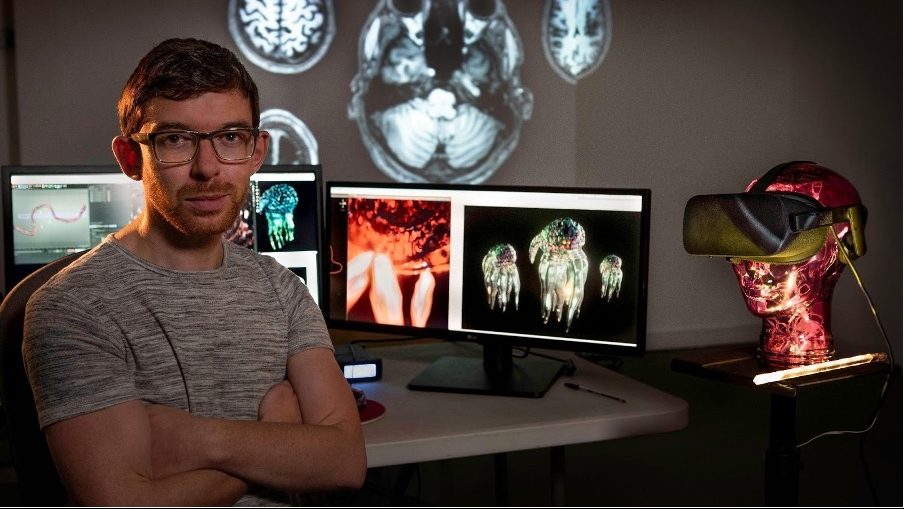
    Alan James Burns in his studio. Photo courtesy of Trevor Whelan

    Alan James Burns

    “I’ve had to move a lot of work online, which is quite interesting because it’s something that I never thought would be possible,” says Cavan-born visual artist Alan James Burns. “I usually create large events with up to 50 people attending, so that went completely out the window. Moving online has opened me up to be able to work from my bedroom, or work with international partners because you kind of break down the idea of having to be in the studio together.”

    Burns says he “can’t work now without putting in the context of the pandemic somehow.”

    “When I’m writing up my ideas and developing new works, it’s all with the context and background of this last year.

    “Everyone’s gone a lot more digital now, and the idea of the human machine – the digital world and our interconnectedness with that – has started feeding into a lot of new works I’m creating. I’m working with brain computer interfaces – looking at the idea of the human machine and what possible futures are like when we become more integrated with technology, which the pandemic has forced us all into.”

    Along with Sinead McCann, Burns is currently collaborating with users of intellectual disability services at St John of God Hospital in Dublin, as part of an artist in the community project. Participants are receiving training in audio recording and editing, and the piece they’ll create together will be exhibited on Culture Night in September.

    “That came about because of the pandemic. With everyone being at home, we decided to create a work, and the one medium we could think of that people would have access to tools, like a phone and stuff, was sound. So we’re all recording sounds and editing them together remotely online.”

    Tonally, Burns says his latest output has been “actually more hopeful than what it probably had been before the pandemic. The works that I’m creating have more joy within the production and also within what they’re trying to achieve for an audience when they do engage with it. So rather than looking negatively outward, they’re looking positively outward.”

    Burns says the Irish government’s Pandemic Unemployment Payment (PUP) has been a lifeline in compensating for cancelled projects.

    “Actually, I’m better off [than before the pandemic] thanks to the PUP. As an artist, you have no regular income, you live on minimal amounts of money, so the PUP was the first time many of us got a living wage that you could rely on.”

    Upcoming work: “Open Mind, Closed System”, Carlow Arts Festival, Co Carlow (June 2021)

    Ella Bertilsson

    Ella Bertilsson. Photo by Ella Bertilsson

    For Swedish multidisciplinary artist Ella Bertilsson, the initial lockdown last March was a case of life imitating art.

    “In the month before lockdown,” she tells The City, “I was working on a piece where I did a performance from inside a cardboard box, which was all about being trapped in a domestic space. That opening was I think two weeks before [the first] lockdown. So that was a super-odd coincidence.”

    In terms of concepts, Bertilsson feels the pandemic “will probably feed into my art at some point, but I think at the moment I find it hard to tell.”

    In terms of practice, however, her studio’s closure forced a rethink, as her workspace became “a tiny sewing machine table in a tiny room” at home.

    “I was like, ‘What do I do now?’ So, that was nice because it really brought me back into drawing a lot. I ended up illustrating a book cover and went back and sold a lot of prints, and I did a lot of photography. So the circumstances had an impact on my practice. It definitely had a creative impact. I’m now working with 35mm photographs I took around my neighbourhood every day for six months, and I’m turning them into digital collages with written text. That will be in my solo exhibition in Ballina next year.

    LOOPING SQUIRREL by Ella Bertilsson, music by Economusic

    “I hadn’t been doing drawings since my BA really,” continues Bertilsson, who’s been based in Ireland for the better part of two decades. “Now I’m drawing, and I’m printing and I’m doing things that I would have done a long time ago, so I think that’s kind of nice because I’ve done a bit of a circle and now it’s part of my practice again.”

    Bertilsson says she has “really enjoyed” the slower pace of the last year, in which she’s had “time to reflect on the work, and not have the pressure of exhibitions”.

    She counts herself fortunate to have been funded by the Arts Council for a number of projects in the lead up to and during the pandemic.

    “I think I was kind of lucky that I had that time to apply for awards,” she says, “and didn’t really have to use the PUP at all.”

    Upcoming works: Solo Exhibition, Ballina Art Centre, Co Mayo (2022),  Solo Exhibition, The Complex, Co Dublin (2022)

    Marcel Vidal

    Marcel Vidal. Photo by Marta Faye

    Sculptor and painter Marcel Vidal came into 2020 having picked up three prestigious awards in the previous year and landed a partnership with a commercial gallery.

    “I was in the midst of making work for a solo show,” Vidal says, “so that work had been established and the ideas were in place of how that might manifest itself. In a way, the work, as it’s developed, it’s changed in terms of what the overall show might have or potentially could have appeared like. It has a lighter tone. 

    “Some of my work would be large-scale cultural installations that are predominantly black, with paintings hung around the sculptural objects, whereas now the show is going to take on a lighter tone. The weight of [the work he is known for], its energy, is at this time unnecessary. So that all left my brain, and then it became about being in the studio [to focus on painting].

    “But it’s also maybe just that, as an artist,” continues the Wicklow native, “you find a way to manage the work. So for me, painting has been the easiest form to work in, in terms of just the practicalities of getting into the studio and being motivated. So in that way, [the pandemic] has influenced my art, in that I haven’t thought about sculpture, or that overall idea of making sculpture. But in conceptual or thematic elements, it wouldn’t play in that way. The type of art I make is never trying to speak on current or topical issues in that way.”

    The possibility of exhibiting Vidal’s show online was mooted, which he found “quite difficult, because it’s imagery that has a materiality, a physicality and a present. If it goes digital, the viewer is not having their own personal experience with it in a space. 

    “You come to a gallery or exhibition space with a set of criteria or a set of expectations as a viewer. And for me, the image and how it’s displayed and how you navigate that space – that brings out something else and that’s personal to that viewer. But if it goes into a digital format, you lose that context and it becomes something that could be viewed in distraction while doing something else. The subtlety of the work would be diminished and it could be misrepresented too.”

  • Podcast: Covid-19 abroad – how Germany dealt with the pandemic

    Podcast: Covid-19 abroad – how Germany dealt with the pandemic

    Listen to Johannes Thom speak to James Molloy about how Germany handled the pandemic

    Germany had its first reported cases of Covid-19 in January of 2020 near Munich, and has been in and out of regional lockdowns ever since. The country is currently in its third wave of the virus.

    Varying levels of restrictions have been imposed on a region-to-region basis depending on the severity of the virus. Currently, Chancellor Angela Merkel is calling for unified Covid-19 restrictions nationwide, which would see an “emergency brake” in order to try and control the spread of the virus.

    Since we recorded this interview, 7.3% of Germany’s population of 83 million have been fully vaccinated with just under 26 million doses given in total. This is due to the accelerated rollout of vaccines. From next month, it is hoped that GPs will be able to administer their preferred vaccine, with the federal government providing family doctors with the choice of vaccines from BioNTech/Pfizer and AstraZeneca.

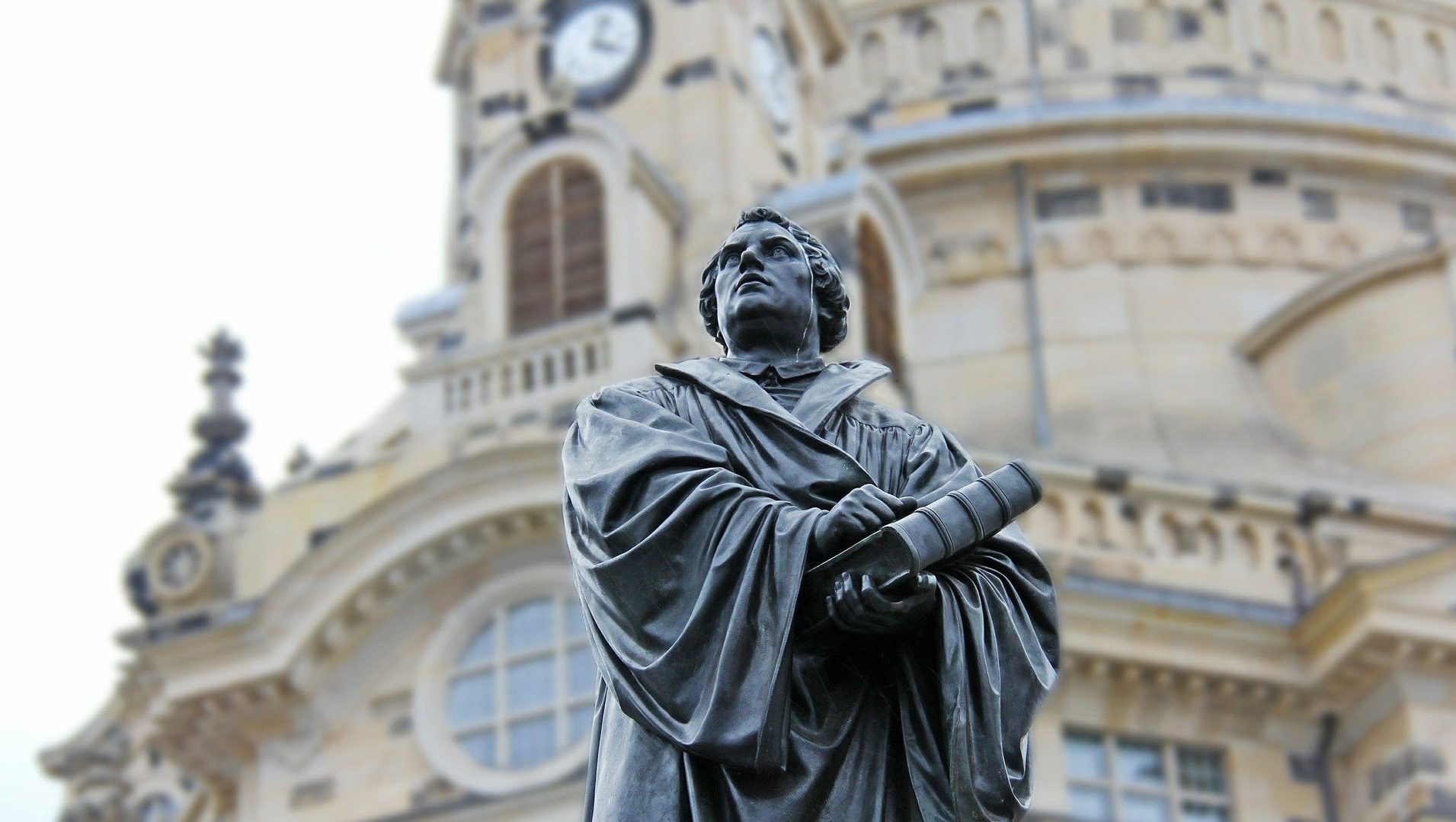
    Martin Luther’s statue at Dresden via Pixabay

    Europe has seen a rise in anti-lockdown protests from Paris to London and even closer to home, as Dublin saw violent protests in late February. Germany too has seen this rise in protests over Covid restrictions with regular demonstrations taking place across the country.

    The most recent protests planned for Dresden in Saxony were banned by the Saxony Higher Administrative Court.

    The banning of these protests is significant especially in the state of Saxony where the highest mortality numbers in Germany have been recorded. One of the main reasons for this is that the region has an ageing population and a large number of retirement homes that have been devastated throughout the pandemic.

    A snap of Dresden taken by James Molloy

    Another factor is its proximity to the Czech border, with many crossing it for work. The Czech Republic has been one of the worst hit countries worldwide. Saxony has been fighting an uphill battle from the start.

  • Covid-19 abroad: Public health vs economy in Switzerland

    Covid-19 abroad: Public health vs economy in Switzerland

    Watch Nina Suter and Izzy Rowley discuss the situation in Switzerland

    Switzerland has vaccinated 2,431,709 people and is on its way out of a national lockdown.

    It’s clear that the country was hit hard by the crisis. The Swiss government recently announced that, at a conservative estimate, a third of the country’s population has been infected by Covid-19.

    However, when the country was facing its second wave of the virus the government was slow to respond, and many businesses remained open, including bars and clubs, resulting in a superspreader event.

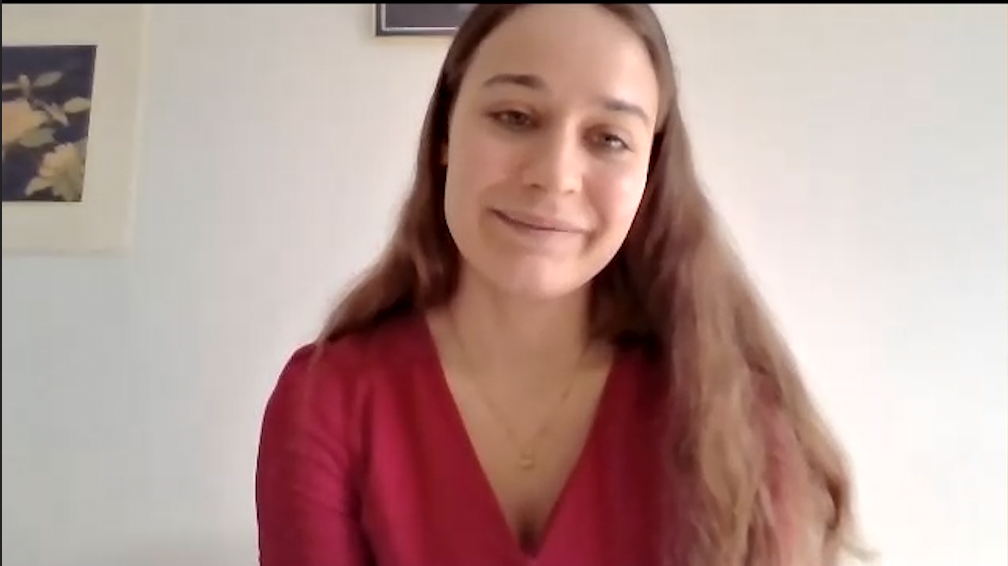
    “As is probably the case everywhere, but especially here, the economy is really prioritised over health,” says Nina Suter, a Swiss native who is currently living in Zurich.

    “It’s wild when you have the Swiss Finance Minister [Ueli Maurer] saying ‘oh, we can’t afford a second lockdown,’ which is wild, this is one of the richest countries globally,” adds Suter.

    Zurich’s streets are finally opening up after a long lockdown. Image courtesy of H. Emre via Pexels.com

    The country is only now emerging from restrictions that were put in place to avoid a third wave, with restaurants and pubs allowed to open their outdoor seating.

    The government has introduced a new strategy of rapid self-testing. Swiss people will be able to obtain five tests per month each. It’s hoped that this will allow for early detection of the virus and will help to contain any new variants. 

  • Label Lockdown: Running an independent record company during Covid-19

    Label Lockdown: Running an independent record company during Covid-19

    Watch Johnny Welfare speak to David Doyle about Róg Records

    Music venues are closed and independent artists are struggling to make ends meet. 

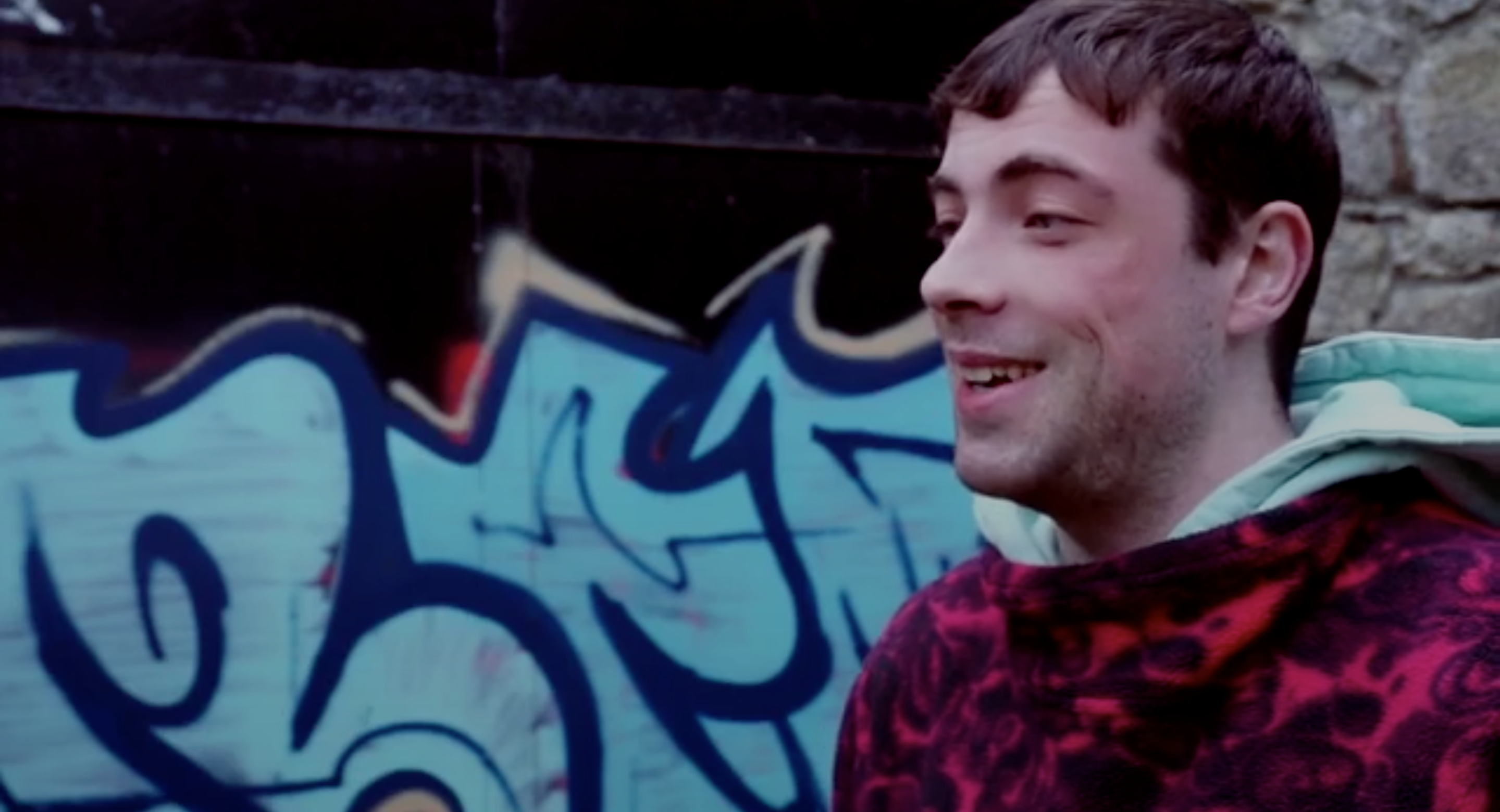
    With no definite date for a reopening, hip-hop producer and co-founder of independent record label Róg Records Johnny Welfare speaks about the struggles of running a label during the pandemic.

    Róg Records was founded in 2018 by Johnny Welfare alongside the hip-hop trio of Smokey, Bazigos, and Mory. Since the label’s inception, six artists have enrolled on Róg Records. With the addition of hip-hop artist Phev and psychedelic guitarist Chilli Flake, the label has grown considerably.

    Róg Records logo courtesy of Róg Records

    ‘’In our music module in college, I and three friends had the choice of doing a presentation, an essay, or setting up a record label. It was a no-brainer for us,’’ Welfare tells The City.

    The effects of Covid-19 have had a major impact on the label, as it has had to cancel numerous shows for the artists involved.

    ‘’We announced our biggest headline gig in the city centre on the day lockdown was announced. It was a nightmare for the label,’’ Welfare says.

    The future of the music industry is in a corridor of uncertainty, but Welfare insists that Róg Records will return ‘with a bang’ when live music has its eventual return.

  • Covid-19 Abroad: how the pandemic has impacted the college experience in the US

    Covid-19 Abroad: how the pandemic has impacted the college experience in the US

    The first reported case of Covid-19 in the US was identified on 20 January 2020. It wasn’t until late March, however, that certain states began implementing restrictions – shutting down businesses and imposing stay-at-home orders.

    Watch Niamh Alexander interview Ella McGettigan about the Covid-19 crisis a year on in the United States

    Donald Trump’s reaction to an almost certain pandemic was to downplay the risks, lulling his supporters into a false sense of security

    “Trump just kept belittling the situation and he was saying ‘there is nothing to be worried about, it’s not going to affect us.’ When we got our first case, it was like it was no big deal,” says student Ella McGettigan, speaking to The City from her dorm room in Quinnipiac University, Connecticut.

    A shot of Trump Tower. Photo by Priya Karkare on Pexels

    If you practised proper social distancing, you were just a diehard liberal and if you were anti-mask then you were just a diehard Trump fan

    Ella McGettigan

    “If [he] had stated that the coronavirus was something that was dangerous and threatening us, then we would be in a completely different situation right now,” she says.

    Trump’s attitude to the pandemic created a huge divide in the country, causing confusion among red and blue states when it came to the level of restrictions.

    “If you believed in coronavirus, if you practised proper social distancing, you were just a diehard liberal and if you were anti-mask then you were just a diehard Trump fan,” says McGettigan. 

    The divide is also evident in the way colleges in the US have handled restrictions.

    McGettigan mentions that some colleges are stricter than others, with students in some areas free to throw parties during the day without any consequences.

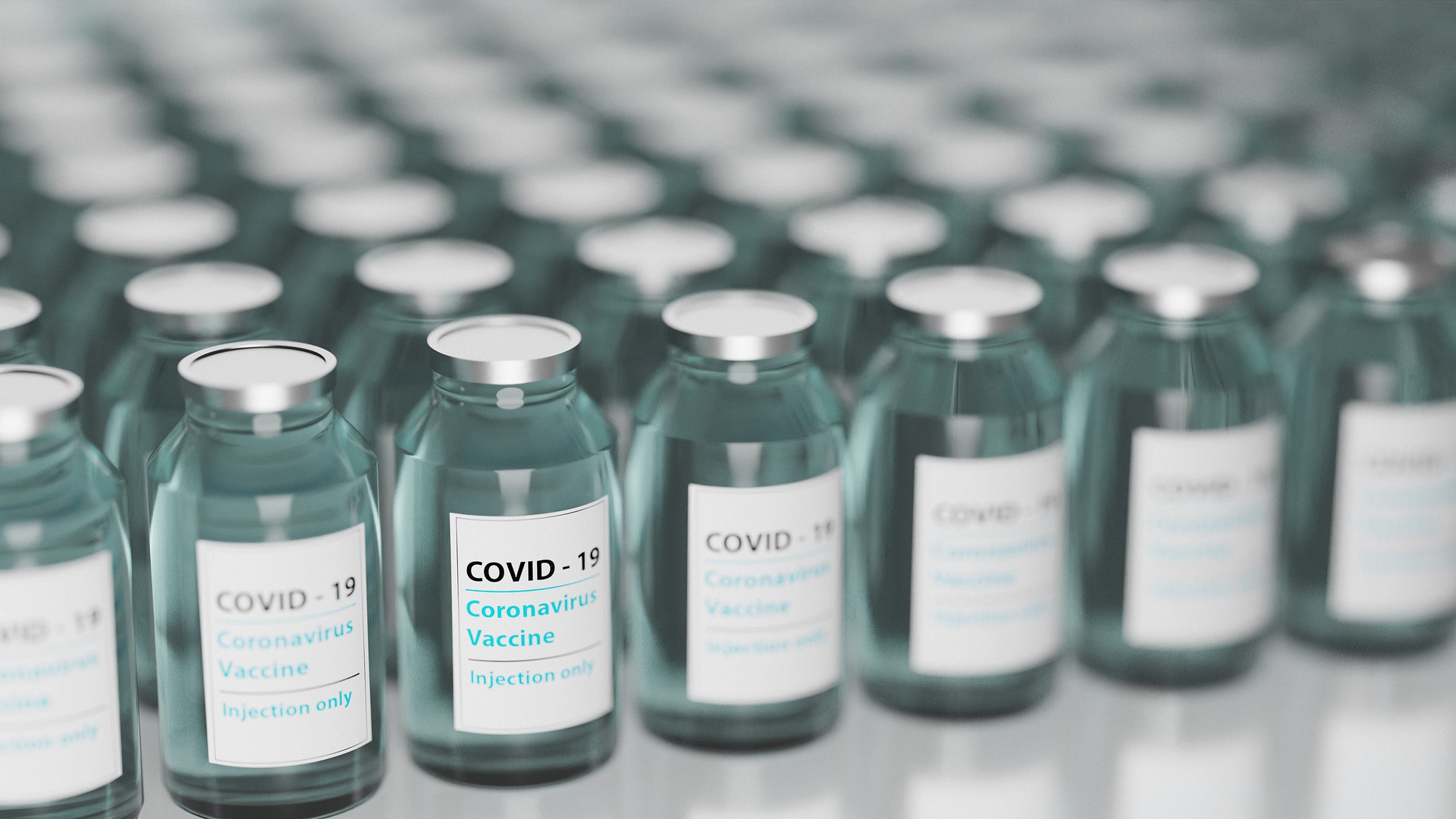
    Pictured: Covid-19 vaccine vials by Simon Torsten on Pixabay

    At Quinnipiac University, however, weekly testing is mandatory and gatherings of more than two people are strictly prohibited.

    “It’s hard because I’m in the Greek [i.e. sorority/fraternity] community and we usually do a lot of philanthropic events and fundraisers and obviously we can’t do that, so everything has just been on Zoom,” says McGettigan.

    “But down south, people are holding formals with no masks.” 

    Contrary to expectations, the US’s vaccine rollout has been a success so far – President Biden surpassed his goal of delivering 100 million vaccines by his 100th day as president on his 59th day in office.

    With doses administered currently averaging at 2.5 million per day, the successful rollout will be a point of positivity for a country that had such a rocky initial response to the pandemic.

  • Covid-19 abroad: Canada’s response to the coronavirus pandemic

    Covid-19 abroad: Canada’s response to the coronavirus pandemic

    Watch Katy Brennan and Nicole Kidd discuss how Covid-19 has been handled in Vancouver, British Columbia

    As Canada begin to ease its restrictions , Katy Brennan speaks to Nicole Kidd, who gives an account of the country’s dealings with the Covid-19 pandemic over the past year

    The first community transmitted case of coronavirus in Canada occurred on 5 March 2020. Cases grew rapidly, and by mid-March, all provinces had declared a state of emergency.

    In response to the growing number of cases, Canada severely restricted its borders, banning all non-essential travellers and forcing any exceptions to self-isolate for 14 days.

    Each province implemented varying degrees of restrictions and has continued to do so as case numbers rise and fall.

    Some provinces, such as Ontario and Quebec, introduced heavy restrictions like school closures, shutting down non essential retail, and curfews. Other areas, like British Columbia, have taken a lighter approach.

    Nicole Kidd left Ireland for Vancouver, British Columbia, three years ago.

    We feel really spoiled over here because we have never not been able to go eat food, or go out for lunch, and our bars are open

    Nicole Kidd

    She explains that social gatherings are banned and most people work from home, but stores, cafes and bars have remained open throughout – offering people some sense of normality.

    People are expected to socialise exclusively with people from their own household, but exceptions are made for those who live alone, who are permitted to have a ‘bubble’ of two other people.

    A shot overlooking Vancouver. Photo by Adi Kavazovic on Pexels

    Kidd is grateful to have maintained a decent social life – something she thinks is important for mental health and hard for those back home in Ireland. 

    “We feel really spoiled over here because we have never not been able to go eat food, or go out for lunch, and our bars are open,” she says.

    Kidd is a qualified yoga teacher and while she is eager to get the vaccine and return to normal life, she is happy the pandemic has allowed her to devote more time to her yoga.

    Canada’s vaccine rollout began on 14 December, and since then the country has vaccinated 1.1 million people. The rollout consists of three stages, working its way down from most vulnerable to least vulnerable.

  • If you build it, they will come… Eventually

    If you build it, they will come… Eventually

    Lavanda (left) and V-Face (right) on Lower Grangegorman Road. Photo by Colm McGuirk

    “The fact that this unit was close to TU Dublin was a huge factor in the decision to go ahead with it.” Sarah Boland, owner of V-Face, is talking about her vegan fast-food restaurant’s proximity to the impressive new home of Technological University (TU) Dublin.

    The city campus of what used to be called DIT, built as the centrepiece of a major regeneration programme for Grangegorman in north Dublin city, is ready to welcome around 10,000 students plus staff – once Covid restrictions are no longer necessary. 

    Boland’s is among a number of independent businesses on the Lower Grangegorman Road that had factored those numbers into their plans. 

    “It’s going to be a huge campus, so obviously footfall will increase massively,” Boland says. 

    In the turbulent 10 months since it opened, V-Face has had to make some think-on-your-feet adjustments to compensate for lost bums on its 40 seats. Among them is the outdoor eating area installed on the opposite corner, in cooperation with Dublin City Council, and the window hatch through which Boland speaks to The City

    “Coffee and sandwiches were never in the business model,” Boland says, “but we said ‘let’s bring out a lunch offering.’ The burgers were doing really well, but were more for the evening offering. [The hatch and coffee counter] have been designed in a way that, once the pandemic is gone, you can also swing around and serve people that come in.”

    Dining tables installed by V-Face. Photo by Colm McGuirk

    While V-Face benefitted from a model partly geared towards takeaway from the off, former Mediterranean restaurant Lavanda on the opposite corner has had to reset completely in the last year. 

    “We tried to do takeaway Mediterranean food during the first wave,” says Croatian owner Robert Velic, “but it didn’t work very well.”

    Lavanda’s enforced rebirth was planned with the new TU Dublin campus in mind – it now sells toasties, slices of pizza and sweet treats.  

    “We’ll see when the students come back if we made the right choice”

    Robert Velic

    “The second wave came and then we completely changed. We were expecting those students. We adapted the prices to four or five euro,” Velic says.

    “When the lockdown ends,” he continues, “it’s going to be a proper takeaway and we can add a few more things to the menu when business picks up and the colleges are back. We’ll continue to target students and walk-ins. We’ll see when the students come back if we made the right choice.”

    A few doors up, Russia native Alexander Yegorov’s print and copy shop should be bustling. 

    His unit is next door to one of two new student apartment complexes on this stretch of road built in the controversial ‘co-living’ mould (and, in the ultimate symbol of the area’s gentrification, on the site of the former ‘Squat City’).

    “We opened our shop three months ago,” Yegorov tells us. “They move the lockdown every two months. I expected the students would be here from the new year. But now, it won’t be until summer time. 

    “But it’s OK,” Yegorov adds. “We can survive until summer.”

    “We knew it was a long game, but it’s been a lot longer than anticipated”

    Rebecca Feely

    On the next corner, Rebecca Feely of Kale+Coco tells The City that when she chose the location for her plant-based healthy food cafe in 2019, “it was under the assumption that there’d be lots of students.”

    “We knew it was a bit of a long game,” Feely says, “because they were moving students bit by bit. But it’s been a lot longer than anticipated.”

    While noting that her prices might be a little above the average student’s range, she tells us, “it’s always been in my head to focus more on marketing to students, but I haven’t had the chance yet because we haven’t had the students there yet.”

    Kale+Coco has leaned more towards retail of food products to help stay afloat in what has been a difficult year.

    Rebecca Feely in her cafe Kale+Coco. Photo by Colm McGuirk

    “We were never actually told to close, so you feel almost obligated to keep trading because you have bills to pay,” Feely says. 

    “You have rent due. If you’re not ordered by the government to close, you’re not covered by any insurance, your landlords aren’t going to give you a break,” she adds.

    While the eventual arrival of students should help jump-start these Lower Grangegorman businesses, it could well signal the end for Happy Days Coffee Van on the new campus a little further up the road. 

    The mobile cafe was set up by local resident Olivia O’Flanagan in response to the “inertia and isolation” her neighbours were faced with during the first lockdown last spring. 

    O’Flanagan, a former lecturer with no background in business, was given the green light to operate on TU Dublin’s campus for as long as its own catering services were closed. 

    “It’s a lockdown project to keep us all busy and connected and give some kind of focus for the local community,” she tells The City.

    Happy Days Coffee Van set up at the entrance of TU Dublin’s Grangegorman Campus. Photo by Colm McGuirk

    Hiring only locals helped her secure the temporary contract – staff can return to their own homes for the mandatory bathroom access.

    “For me, it’s not a business endeavour,” O’Flanagan says, “though it has made money and is paying eight people’s wages on 20 hours a week. They’re all delighted and their parents are saying they were all sitting in their bedrooms cracking up.”