One of the industries hit the hardest by the pandemic has been the horse racing industry, with behind closed doors race meetings having been implemented back in March. Andrew Blair White explores the massive struggles this has caused for racecourses in Ireland.
Photo taken Coldy Banks. Sourced from Flickr.
Leopardstown Racecourse would have looked at the year of 2020 with such optimism when entering the new calendar year. Massive renovations have been made to some of the on-course sites, making racing much more attractive for the average fan. After having a very successful Dublin Racing Festival in early February 2020, they only could host two more meetings this year before the initial lockdown of Ireland ensued in March.
Tim Husbands, the CEO of Leopardstown Racecourse, has admitted to what has been a challenging time for all involved. “At Leopardstown, we were all looking forward to hosting some magnificent summer action and to get some big crowds in the gates.
“The Bulmers Live Series has been very successful throughout the summer months in the last few years. Leopardstown Racecourse has firmly established itself at the forefront of raceday entertainment in Ireland, Bulmers Live is the epitome of this with unrivalled acts playing after racing during the summer months.”
However, this has not been able to take place this summer – as racing was only allowed to continue behind closed doors. In fact, for the majority of the meetings at Leopardstown, owners of the horses themselves were not permitted to attend. This has cut off a lot of potential revenue streams for the course, with big gate receipts to have been expected for the Bulmers Live Series, Champions Day and of course, the Christmas Festival.
Despite all of this, Leopardstown have tried their level best to keep all their members in the loop with regular updates at all times. They pride themselves on their membership service, with tempting deals to entice new and younger people to the course with their Club 30 Membership package. Husbands added: “In these unprecedented times and with still so much uncertainty in relation to Covid 19 and racing, Leopardstown continues to operate in a dynamic backdrop that has in turn proven challenging to communicate with any degree of certainty as to when we can open our doors safely to both our valued members, but also the general public in the months to come.”
In continuing to drive their own high standards of membership care, Leopardstown have offered two options to members – to refund or replace this year’s membership. Given the lack of money coming through the door from gate receipts, this is a very good touch from the professional outlook. However, one must wonder how long this can carry on for. Leopardstown are in a strong position that they have solid sponsoring and brilliant facilities to work with. This is not the case for some other Irish racecourses, where the facilities are that bit more basic and they don’t have the big name races to keep the show on the road.
Given the uncertainty of when it looks like members and the public can go back to their respective tracks, it leaves the racecourses themselves in the dark. When can they plan for reopening the doors? When can they ensure members they will get fair value for membership? When can they let on-course bookmakers return? These are all questions that remain unanswered, and as a result, set out a terrifying precedent for racecourses in the future.
Leopardstown are doing an exemplary job right now, but how long can this feasibly last without guidance, or at worst, without hope.
With a lot of sport being played currently behind closed doors, there is an increased clamour to allow people to still watch the local team they support. This has placed a large emphasis on streaming and technology to continue to allow sports to be broadcasted to those that want to watch them. Andrew Blair White talks about how these changes are affecting sport.
Photo taken by Rose De Dan. Sourced from Flickr.
Heatley Tector is the owner of HBV Studios, who have been involved in the streaming of All Ireland League Rugby games from St Mary’s College, Naas RFC and Young Munster. “It’s a very exciting time to be broadcasting sport as there is a lot of demand for it,” he said. “A lot of these local clubs want to give a chance for members and regular visitors to watch their home games live and try to replicate being at the ground like they normally would.
“It is our job to then go ahead and produce a good service so that the viewer will enjoy and feel good value for getting to watch the game in their home.”
The numbers watching these local games are big with the AIL, GAA and League of Ireland all bringing in good viewing figures. The ‘Watch LOI’ campaign has allowed a lot of season ticket holders of local teams the opportunity to watch every game left in the season after the year was put on hold initially back in March. Since resumption, the streams have been very popular with people anxious to watch their local club and anxious to feel like they are back involved within their own club.
Tector added: “It is the way the world is going these days – there is a lot more technology present and it leads to more matches being streamed.
“The last few years, we have been broadcasting cricket coverage all over Ireland and now we are looking to branch out into other sports. We have got some rugby and also are looking to get into some hockey after this lockdown eases. This is exciting as it broadens what we can offer to each individual client, and we are looking to impress every single client that we work for. That is always our aim.”
However, broadcasting of games at a high level is not cheap. The majority of local clubs are having to rely on donations or good will from members to fund the chance of streaming games. This is a big ask in some local clubs but the good heart of an awful lot of people is showing through in these difficult times. Sponsors of leagues and of teams have stepped up to the plate brilliantly in the last few weeks, making sure that streams can be performed and that entertainment can therefore be provided. It’s a great environment when it works well, with everyone benefiting from the pictures and getting that feeling of normality with watching their local club on the weekend – no matter what the sport.
With the current restrictions potentially lasting for another while longer, there doesn’t seem to be a great chance of fans attending games very soon. Instead, clubs will have to be creative, they will have to try their best to show games to their fan base and more. Perhaps people will be in need of Heatley Tector and HBV Studios, they need a broadcaster to provide quality content.
It’s changing times at the moment, and streaming is the way forward for sport.
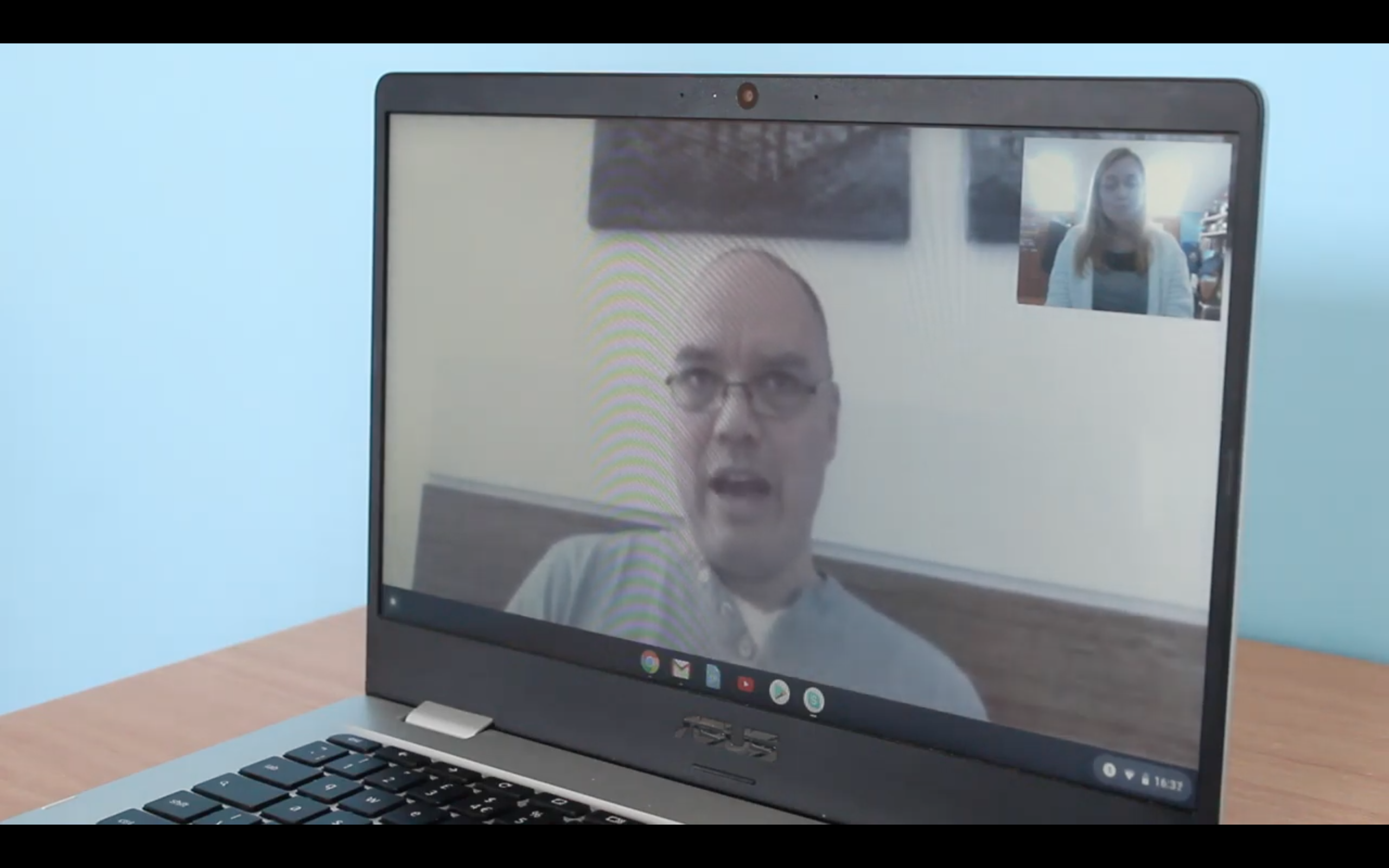
With restrictions now in place once again across the country, many third level students are struggling with the effects of working from home. According to research by the Commission for Communications Regulation, 3 in 5 people are seeing an increase in their home broadband use since March 1st, showing that internet connections and computer software are some of the issues facing students this semester, not to mention the social side of starting college. Amber Baxter spoke to a number of students about their challenges.
Photo taken by Bonjkarn Thanyakij. Sourced from Pexels.
Emily Ní Aogáin, a first year NCAD student, spoke about her bad connection and how it is affecting her. “Personally, I have found my internet connection has not been the best recently, typically, as soon as I need it most.
“Sometimes on Zoom call lectures it might buffer briefly, but I will have missed out on something the lecturer may have said that could have been important. I feel like we’re all at a disadvantage working from home and online rather than physically on campus. It’s very different and not as beneficial especially for practical courses because you can’t do your work as well at home as you would on campus.”
Ní Aogáin also mentioned how the Level 5 restrictions will further this: “Level 5 restrictions are going to affect my college experience quite drastically as I’ve only started in first year at NCAD, in a practical course.
“It’s been hard settling in and trying to make friends while socially distanced with masks on, because you can’t see their faces and the conversation is so muffled. I feel like we’re missing out on so many opportunities that come up in the first year of college – it’s not the same and it’s understandable but it still sucks.”
Isobel Lord, a final year Technological University Dublin student said: “In regard to Wi-Fi connection, my one has held up so far. I haven’t actually had any issues with it surprisingly. There was a girl in my course last year who did not have a computer so she literally couldn’t do online college.
“There are some people in my course and my friends who share bedrooms with people, and both of them could be doing college work at the same time, which can be very stressful. Then there are people who have family members who are working from home as well so when they’re all on the same Wi-Fi box at the same time they’re going to be running slow.”
Lord also mentioned how online work is affecting her studies on a practical course. “I’m doing an arts degree which is 99% practical work,” she explained. “We did hands on stuff in class such as how to manipulate fabric and stuff like that which is not really something you can teach through a computer screen.
“I also had to complete window displays which usually would be all practical, but we had to move online to Sketch Up, which is a graphic design program and became a huge part of our course working from home. I cannot even tell you how difficult, stressful and pressurizing that was. My grades went down so much [working from home] because I’m someone who is terrible with computers and tech.”
“My grades went down so much because I’m someone who is terrible with computers and tech.”
Teresa Walsh, a third-year student, spoke about how her mandatory attendance is being affected as a result of working from home. “I’d say overall my internet connection is fairly average but because I live slightly out of the town it’s not always the best,” she said. “If there are many people at home working from home or doing schoolwork, I find then the internet wont work. This is obviously very annoying if my class won’t load as I have mandatory attendance so at times, I feel like I’m at more of a disadvantage than my friends.”
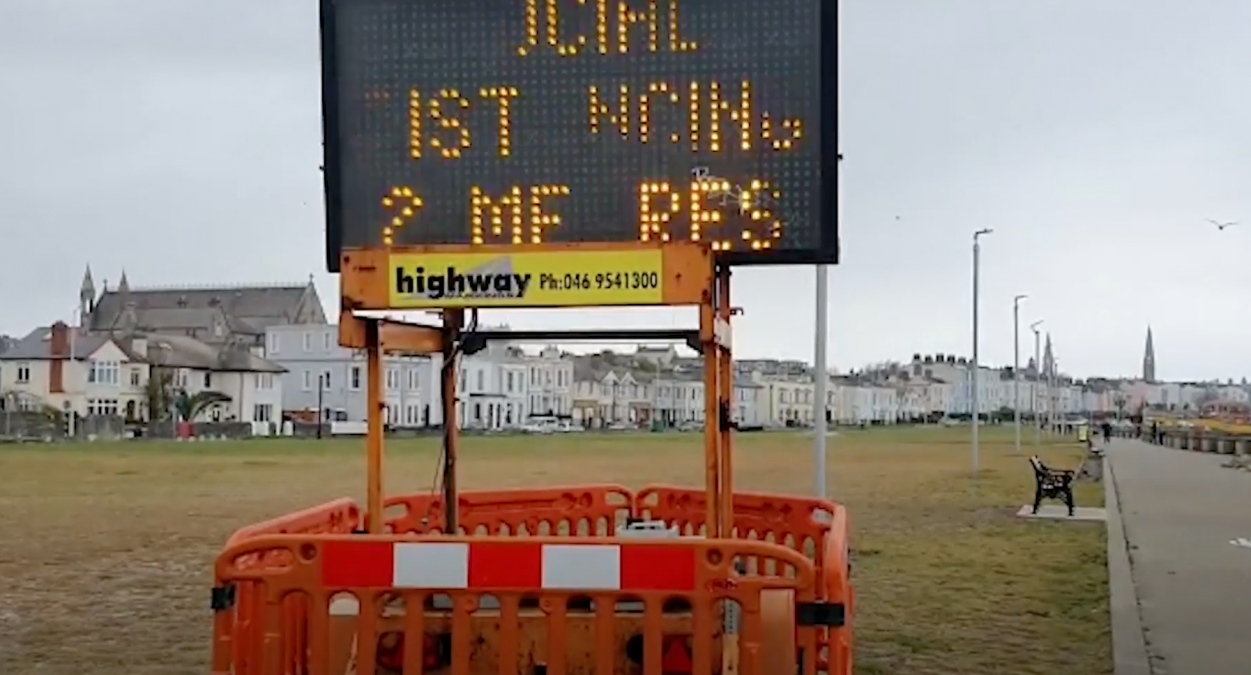
With many pubs across the country forced to close their doors for a second time due to the rise in cases in recent weeks, it breathes more uncertainty for the license trade. Ciaron Noble spoke with Kildare man Dave Mahon whose family have been at the heart of the license trade in Leinster for over half a century.
Publicans are closing their doors for the second time this year. Video courtesy of Mahon’s pub in Kildare.
Many businesses have been massively impacted by the pandemic, which has been causing havoc within many sectors and greatly damaging our economy. You could argue however that the pub/license trade has felt the greatest wrath of business closures more than any other industry.
JJ Mahons of Kildare Town has been in the wholesale business for over 70 years, while also running a pub on the main street. Over time they have become one of the largest independent drink distributors in the Leinster area and like pubs nationwide, they have been massively affected by Covid-19.
The pub itself has only been open for a period of two weeks since the middle of March. “The wholesale/bottling business hasn’t really functioned properly since the start of March – we would have had staff of at least 30 and now we probably have less than six people, and three of those are family,” said manager Dave Mahon. “Percentage wise currently we are probably doing 5-10% of our usual turnover.”
There are undoubtedly countless pubs in a similar boat to the one Mahons find themselves in. Many of the pubs that were forced to shut in March have had to close their doors permanently and while we are in the midst of the second wave, we might see more publicans forced to close their doors indefinitely. We can’t rule out further waves meaning that it really will be survival of the fittest in the industry.
“The only pubs that will probably survive are the old ones where the mortgage is paid off or where they’re family run, but even at that they’ll need to be doing volume if they’re going to survive,” said Mahon.
It is felt by some publicans that the government should have protected the license trade by introducing a minimum union price on sales of alcohol across supermarkets and other outlets to enable publicans to compete with prices.
“Let’s be honest here, why would anyone go to the pub if you can buy a bottle of vodka in the supermarket for half nothing – if the government was to do anything for the license trade they need to introduce minimum unit pricing,” Mahon urged.
Since the budget last week, the government hae brought in a new support system that will help the pub and hospitality sector. The plan will see businesses who have been forced to close because of current restrictions receive up to a maximum of €5,000 per week. This is a proposal that generally seems to be welcomed by many, as a starting point for much needed assistance during this crisis.
People haven’t forgotten the video of a packed Temple Bar near the beginning of the national public health emergency, with the majority of publicans agreeing with public health guidelines at the time. “It was the logical thing to do, I get why the government had to close the pubs, it made sense,” Mahon agreed.
Mahon’s, like many pubs across the country, don’t serve food which prohibited them from opening in late June, missing out on the majority of the summer trade. This is a period where the industry is usually quite busy and they make a good slice of their yearly revenue. During this time-frame the virus was at its lowest point, with the number of daily cases greatly reduced from the peak in March/April.
“While the cases were low, I know a good few pubs that could have opened safely with big outdoor areas and at least they would have made a bit of money before the imminent 2nd lockdown, instead of letting us open when cases started to rise again for a period of two weeks,” Mahon remarked.
With more uncertainty looming in the coming months it’s unclear when Mahon’s pub will be allowed to open again and when the wholesale business will be back in full flow once more. Welcoming the idea of additional help from the government, Mahon outlined his hopes for the future, stressing that the government should increase mortgage breaks and help protect the publicans.
“I hope the government encourages people to go to hotels, restaurants and pubs when this is all over, no sector has been financially hit harder than these sectors. Let’s hope we can all weather the storm, it’s a long winter.”
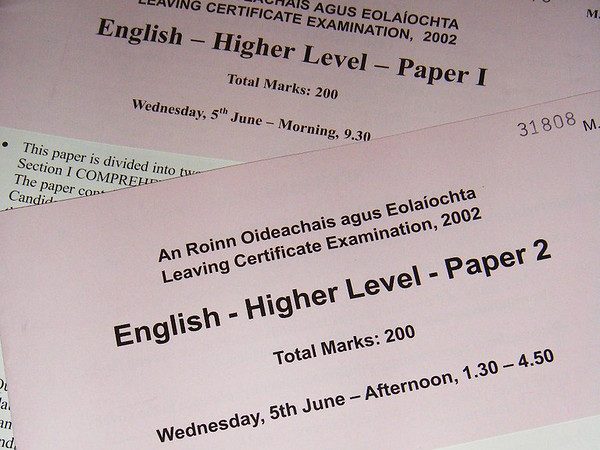
As worrisome as the 2020 Leaving Certificate exams were, many of the students felt relieved after the decision was made to move to Calculated Grades instead. Little did they know that the autumn would bring more concerns. Laura Matjusaityte explored how the calculated grades affected students this year.
Photo taken by Sinéad Cochrane. Sourced from Flickr.
It all started on April 10th when the decision was made to postpone Leaving Certificate exams due to the dangers posed by Covid-19.
As the usual order of things was jeopardised by the pandemic, a further decision was taken and the Leaving Certificate examinations were replaced by a system of Calculated Grades.
In order to forecast students’ grades the system took the estimated marks, decided by teachers and reviewed by other authorities, and predicted the grades that students would have received if examinations would have taken place.
Many students interviewed by TheCity.ie reporters back in March believed that Calculated Grades would be the best option in such circumstances.
When the results came out on the 7th of September a wave of errors followed.
Oisin Tiernan from Wexford shared his experience saying that he was “delighted with the grades” that he got and was able to secure the CAO place that he wanted.
“For the most part, I think 95 per cent of people I’ve talked to have been happy with their grades”, Oisin said, acknowledging that in his opinion, Calculated Grades were “a good decision”.
“I got grades that I was very happy with, that I felt reflected my work perfectly”, Oisin added.
Oisin secured his first choice CAO place in UCD studying Politics and International Relations.
The Department of Education and Skills acknowledged on September 30th that two errors occurred in Calculated Grades, according to independent experts’ from the Education Testing Service (ETS).
To calculate the grades, students’ scores from Irish, English and Maths as well as scores from two subjects with the highest marks were meant to be used. Instead, the system calculating the grades added two subjects with the weakest marks. This led to some students receiving lower grades than what their scores would have actually been.
The second error occurred on how algorithms regarded students’ grades on the extreme ends of the scale, i.e students who score from 99 percent to 100 percent and zero percent to one percent.
According to the ETS statement, the second error would not have had a “magnificent impact on results”.
Another student named Kate McAuliffe secured her first choice in Law in UCC. She said she was “happy enough” with her results, even though she felt she got “downgraded in some of the subjects”.
“I only know one person who didn’t get their first choice in CAO and they were in a grind school,” Kate said.
“Overall in my own experience and looking at my own friends group, I think a lot of people were quite happy,” she added.
Kate has rejected the UCC offer as she accepted a place in University of London instead. She is studying online at the moment and waiting impatiently until she will be able to move to London.
The Department of Education and Skills issued a statement last week acknowledging that nearly 7,000 grades will be increased after the errors will be fixed, which will affect over 6,000 students.
It was noted that no student will receive lower grades due to the process.
This means that many students who will receive higher grades will be eligible for their first CAO choices.
CAO released a statement declaring that all students with upgraded results will be included in the Round 4 offers.
It is still unknown if all 6,100 students affected by the errors in Calculated Grades will be facilitated to commence to the courses which they otherwise would have been offered in the first place.
It is estimated that there will be another 450 new applications to Technological University Dublin after the fourth round, according to TUD spokesperson Melda Slattery. “We believe that approximately 20 percent, around 85 students, will be entitled to receive an offer from TU Dublin”, she added.
As the new academic year already started a few weeks ago, many students joining through Round 4 will have to catch up with their peers.
Ms Slattery acknowledged that the university will do “everything possible” to facilitate new applicants.
By the time of the publication the Higher Education Authority and CAO did not respond to questions on how they are planning to facilitate all students with upgraded results in courses of their choice.
Climate change leaders, political parties or bats? We’ve been given the figures on cases and number of deaths – we’ve seen the facts about how this virus works. But there is one area that we don’t seem to be able to get any concrete information on: how did Coronavirus come about, where did it all begin and was there some sort of agenda behind it all? Third year TUD journalism students report for TheCity.ie.
There are many theories on how this pandemic came about, some more bizarre than others and the excuse that they are unfalsifiable has been used to continue the spread of these ideas. In this short film, we venture into this grey area and break down some of these theories, looking at them from a neutral perspective.
We also speak to scientists who specialise in debunking such conspiracies and get their thoughts on how these ideas have gained so much traction and what their opinions are on where the virus started.
This video is not intended to promote any one theory, we are simply presenting a range of ideas that have already been circulated. Remember to always ensure the news content you are consuming is legitimate and comes from a reliable source.
For some, the mind can be a form of imprisonment in itself. Living with mental health disorders can be a daily struggle for many people. What happens to those people when a global pandemic hits, and the country must go into lockdown?TheCity.ie’s Kate Brayden, Cameron Weymes and Ayumi Miyano report.
The level of anxiety which the nation is currently experiencing is just a sample of what those dealing with mental illness have to cope with on an ordinary day.
For those who experience a heightened feeling of worry, fears over the health of family members and friends are extremely common, as well as fears regarding their own health. Covid-19 and the emphasis on hygiene, protecting others, and daily death tolls is causing severe stress for many. Being unable to physically see loved ones in person can take a drastic toll, and can lead to a sense of hopelessness and loneliness.
In TheCity.ie’s video project on mental health during lockdown, Kate Brayden interviewed her twin sister Eleanor, who has Obsessive Compulsive Disorder and severe anxiety, as well as Eleanor’s boyfriend Dan, who has been diagnosed with high-functioning autism and agoraphobia.
Eleanor’s family also feature in the project, illustrating how living with those suffering from psychological distress can impact the entire home. Cameron Weymes spoke to chartered psychologist Dr Christine Tizzard about the impact of quarantine and self-isolation on wellbeing in general.
TheCity.ie’s Kim O’Leary has been looking at how professional and amateur boxers are continuing their work-outs at home during the Covid-19 lockdown. Kim spoke to Ireland’s youngest female pro-boxer Katelynn Phelan and her father/trainer Paddy Phelan, who are hoping to be back in the ring sooner rather than later
The coronavirus has hit the sporting world hard over the last few weeks, with many contact sports like GAA, basketball, soccer and cricket seeing their seasons cancelled. It’s also been a major blow for the rising stars on the Irish boxing scene, with the Irish Athletic Boxing Association (IABA) postponing all championships, competitions, clubs shows and tournament due to take place this summer.
However, there may be some good news on the horizon, with recent talk about boxing returning in June in a series of behind closed doors shows that would be shown on live TV. It is understood that Ireland’s boxers are determined to prepare for the rescheduled Euros as well as the postponed Tokyo Olympics, which is expected to take place in the summer of 2021.
Speaking at the launch of the Government's new #InThisTogether campaign, Irish boxer Kellie Harrington said that training at home helped her through self-isolation. She said Irish athletes will be posting fitness tips online as part of the campaign. pic.twitter.com/pTpNr4ghcR
To find out how boxers and boxing clubs are preparing for a potential return to boxing later in the year, I spoke Ireland’s youngest female professional boxer, Katelynn Phelan from Kildare Town, and to her father Paddy Phelan, who is also a trainer at St Brigid’s Boxing Club in Kildare Town.
Katelynn comes from a family of highly respected boxers and her brother Allan Phelan is the current featherweight pro.
It’s been an impressive year for Katelynn as she recently won her first ever bout at the ‘Celtic Clash’ boxing tournament in February against Bulgaria’s Borislava Goranova, winning all four rounds in a decision at The Devenish Complex in Belfast.
Now with the lockdown measures still in place due to covid-19, Katelynn says that she is still training at home.
“I plan on getting myself an Irish title by the end of the year.”
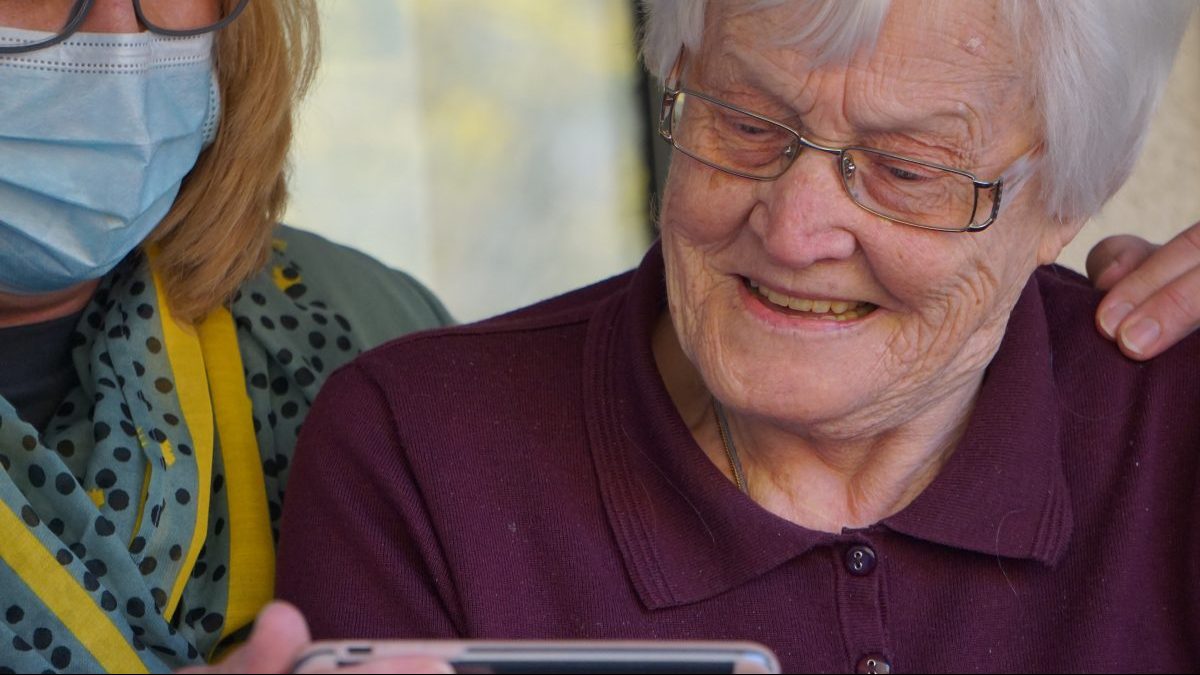
Major staff shortages have caused issues in nursing homes. Photo: George Arthur Pfleuger
TheCity.ie’s Ruadhan Jones heard from Tom Lordan, administrator with LHP Skillnet – which is looking to meet some the increased demand for nursing home workers with a three-week induction course for healthcare assistants.
The difficulties facing nursing homes as a result of the coronavirus has become a story of increasing importance in the past few weeks. Among the issues facing the homes is a shortage of staff, with up to 158 homes without 427 healthcare assistants.
As part of the grant conditions, many brances of Skillnet Ireland provides a free employment activation program, intended to get people off the live register and into work.
Speaking to TheCity.ie, Tom Lordan explained that, prior to the crisis, one LHP Skillnet’s central tasks was to run a six-month course activation program in healthcare support.
“We were doing that major award as our employment activation program,” Lordan said. “Even prior to the Covid–19 crisis, there was a huge demand for trained and competent healthcare assistants. It was a very productive course, getting hundreds of people into safe and professional work.”
The course is accredited by Quality and Qualifications Ireland (QQI) as a Level 5 major award. It requires participants to take a certain combination of a certain number of modules to get the award, and is, according to Lordan, the industry standard for healthcare assistants.
“The training requirements of a healthcare assistant may be entry-level but it is one of the most time-consuming roles in the healthcare community,” he said. “While they don’t perform any advanced diagnostic or medical functions, they’re the lifeblood of the nursing home. They deal with all of the fundamental aspects of personal care — no nursing home could operate without them.”
“Healthcare assistants are crucial in caring for people who are elderly or have disabilities.”
The course typically last six months, but LHP Skillnet realised that was too long to meet the increased demand.
“The strain on the industry is significant,” Lordan said, “because of the numbers falling sick in nursing homes or in hospitals. There has been an exponential increase in demand. We partnered with Nursing Homes Ireland (NHI) and the public employment agency Intreo to put together a program for dealing with the deficit right now.
“Our nurse tutors took the most important elements from the major award in healthcare support and condensed them into a three-week course. We call it the Healthcare Assistant Induction Programme. It was devised to be delivered online via interactive sessions, though we never used webinar software before.”
The extra workload put a huge burden on LHP Skillnet’s small team. Prior to the crisis, LHP Skillnet had added a new administrator, but this still meant that there were just three administrators and one manager working for the company.
The NHI have started a recruitment campaign. Photo: NHI website.
“It’s been incredibly labour-intensive, but it’s been necessary,” Lordan said. “Everyone agreed that it had to go ahead. We went to Intreo and they gave us a list of about 180 people interested in doing healthcare. We sent out emails to confirm their interest, put them into groups and carried on.
“We were able to use the NHI’s really comprehensive communications network to pass round an online survey which nursing homes could fill out to give us the info we needed. We compiled a database of all nursing homes that have a desperate need of care assistants.”
At the end of each course, the tutors provide participants with a list of nursing homes in their area and prospective students will make the applications themselves, Lordan explained.
Though the course won’t be accredited in the same way as the healthcare support, it will be recognised by the NHI, Lordan said.
“It can’t supplant the major award,” he said, “but it gives individuals the basics they need to go into a healthcare environment and not make mistakes. They’ll know what the key elements of their work will be, and then be trained subsequently.”
Lordan is hopeful that the changes made to the course will help the NHI meet some of the nursing homes’ needs.
“The demand is there, and our efficiency has improved,” he said. “In the first week, no one had used the webinar software before. The tutors and administrators had only a short trial. We kept the number of participants small to begin with, but with each passing week we’re able to expand the classes.”
Anne O’Connor from the HSE confirms that care homes are now being prioritised for PPE. Photo: RTE player
So far, four groups have completed the course, with a further eight groups lined up. In total, LHP Skillnet expect around 300 people to participate.
Due to the newness of the course, LHP’s Skillnet don’t have figures for those entering employment, but Mr Lordan said that “they shouldn’t have any problems” getting into homes. He hopes that many of the participants will avail of the chance to do the healthcare support course once the worst of the crisis has passed.
“Anyone who does the induction programme will be offered the opportunity to progress to the major award,” Mr Lordan said. “Not all will want to, but I hope that a lot of them do come back and do the major award. Given the situation, we will most likely do that online as well.”
As the Covid-19 pandemic continues to impact Ireland, many people have reported that they are having sleep issues. TheCity.ie’s Kim O’Leary speaks to sleep physiologist Motty Vargheseabout how to ensure students get a good night’s rest – especially as they approach the final few weeks of assessments.
Students sleeping in lecture theatre (Photo: Pexels)
For the last four weeks, I have found myself spending the late night hours constantly tossing and turning in my bed, unable to drift off into an uninterrupted sleep. There is always a distraction of some sort.
The latest Covid-19 updates from Ireland and around the world, as well as the anxiety about final assessments at college, make it hard to ‘switch off’ and sleep through the night.
With the final few weeks of the academic year upon us, many TU Dublin students are wondering how they can get some peaceful rest, despite the troubling circumstances they are experiencing.
College student asleep at her desk (Photo: Pexels)
I started our interview by asking Motty Varghese,how many hours of sleep each night does the average person require?
Varghese: Sleep need is variable between individuals and every individual’s sleep need is unique to themselves. The recommended sleep duration for an adult is over seven hours, and not recommended is less than six hours or over 10 hours. In sleep problems like insomnia, your sleep quantity can be compromised. In sleep disorders like obstructive sleep apnea or restless legs syndrome, you will have a tendency to sleep for a longer time. However, despite increased sleep duration, the person can still feel tired.
Teenagers or young adults would also have a tendency to go to bed very late and wake up very late. If there is an extreme delay in sleep onset, it could be symptoms of Delayed Sleep Phase Disorder (DSPD) – unfortunately, this can have an adverse impact on their academic performance. This happens due to a delay in their circadian clock, not exclusively due to poor habits alone. This warrants therapy, since regularising their sleep patterns by strategic light exposure can bring multifaceted benefits.
O’Leary: As the Covid-19 pandemic continues, do you think there has been a noticeable change or disruption in sleep patterns? If so, why?
Varghese: Yes, this has been flagged as a problem by many. If you remember, the lockdown was implemented around the same time the clocks moved by an hour for DST. With the implementation of lockdown, many people started working remotely, and with it came some flexibility in the morning as well. Our sleep patterns changed and we started sleeping in in the morning. Along with it, there is a general anxiety about COVID 19 and this has been leading to an aroused mental state or a state of hyper-alertness for people. It is needless to say when we are hyperalert, our sleep onset can be delayed and the sleep quality can be compromised along with sleep quantity.
O’Leary: What recommendations/advice would you have as a sleep expert for TU Dublin students having difficulty getting enough sleep during the pandemic, as well as preparing for their final assessments and exams?
Varghese: Your approach to protect your sleep should focus on a few factors:
1. Avoid a state of hyper-alertness
Preoccupying yourself with thoughts of what is happening around you can lead to cognitive or mental arousal. You also want to be informed at the same time. Hence avoid consumption of news via TV, social media, or other sources close to bedtime. Relying on credible sources of information will help to avoid unnecessary panic. Engaging in some relaxing activities like meditating, doing some breathing exercises etc can also help reduce anxiety.
2. Prioritize sleep
You know how important sleep is for you, yet you cannot force it. Understand that sleep is a natural process, but you can nurture it by adopting certain good habits. It may go against what your preferences are, but prioritizing sleep will pay you the dividends now, more than ever.
3. Have a routine
It would also be unrealistic to ask you to adhere to the pre-lockdown sleep schedule since you have the flexibility of working/studying from home and not commute. You may be waking up late, but ensure you still have a structure and are not sleeping in too late. On the upside, at least you are not accumulating a “sleep debt” and focus on consistency of bedtime and wake time through the week. You can gradually move to an earlier wake time when the lockdown is over.
4. Know your rhythm
Whether you are working or studying, productivity is an important factor to keep our stress levels down during lockdown. Everyone has a chronotype – evening, morning, or intermediate – based on your genetic coding. We also call them “larks” and “owls”. This would also mean you will have a preferred bedtime, wake time, and time of optimal alertness during the day. For instance, an evening type person tends to go to bed late and wake up late and a morning type person will do the exact opposite. Pay attention to this pattern of sleepiness at night and alertness during the day. You will be able to be productive and get more done by following your circadian rhythm.
5. Light
Light is a powerhouse of energy. Focusing on light exposure during the day and reducing light exposure closer to bedtime indicates to our body about the day-night cycle and prepares itself for sleep at night and alertness during the day. Seek out natural daylight in the morning and avoid blue light exposure from screen devices for two hours before bed time.
Blue light from screens can hinder sleep (Photo: Unsplash)
O’Leary: Are there any particular food types that can help people to have a more restful night’s sleep?
Varghese: A lot of research has been done into the effect of food on sleep. Research indicated a carbohydrate-rich meal ingested four hours before bedtime in the evening reduced sleep onset latency. It is also advised not to eat any food within 2-3 hours of bedtime since this can increase the body temperature (and delay sleep), cause heartburn, etc.
Food that is rich in tryptophan is also mentioned in the proposed relation of food and sleep.
O’Leary: Is it true that less sleep may weaken the immune system and make people more susceptible to illness, such as this virus (Covid-19)?
Varghese : It is true that sleep and immunity have a mutual relationship. We have known for a very long time that there is an increased chance to catch a common cold or to have flu symptoms if you are sleeping poorly. There is also evidence that the flu vaccination was more potent in individuals who were good sleepers compared to poor sleepers.
It is also vital for us to prioritize our sleep during this time when we are constantly looking for a new line of defence against the virus. It would also be ideal if sleep becomes part of our public health messaging along with good dietary habits and exercise.
O’Leary: Do you think that more studies should be carried out to analyze sleep patterns during the Covid-19 pandemic?
Varghese: Pandemics like this are thankfully not a common occurrence and it will be useful to study how sleep patterns are affected during this period. It will help to prepare for any future pandemics if at all it happened. Sleep monitoring wearable devices (like Fitbit) will come in handy in situations like this to look at the sleep habits of a large number of people.
O’Leary: Some people are also reporting that they are having vivid dreams as of late, do you think that dreams are an important coping mechanism during this stressful time?
Varghese: Dreams occur during a specific stage of sleep called REM sleep. The functions of REM sleep are memory formation and emotion regulation. The information which we take in during the day is processed during REM sleep and converted to memory.
Unfortunately, we have an information overload now which is not very pleasant, and this may be having an effect on our dreams.
Most of the REM sleep or dream sleep happens in the second half of the night. So we may also be getting some more dreams in the extended sleep period in morning hours and these dreams are possibly influenced by the information we received the previous day.












You must be logged in to post a comment.