Tag: Covid-19

  • Pandemic as muse? Artists on their art in a year of lockdowns

    Pandemic as muse? Artists on their art in a year of lockdowns

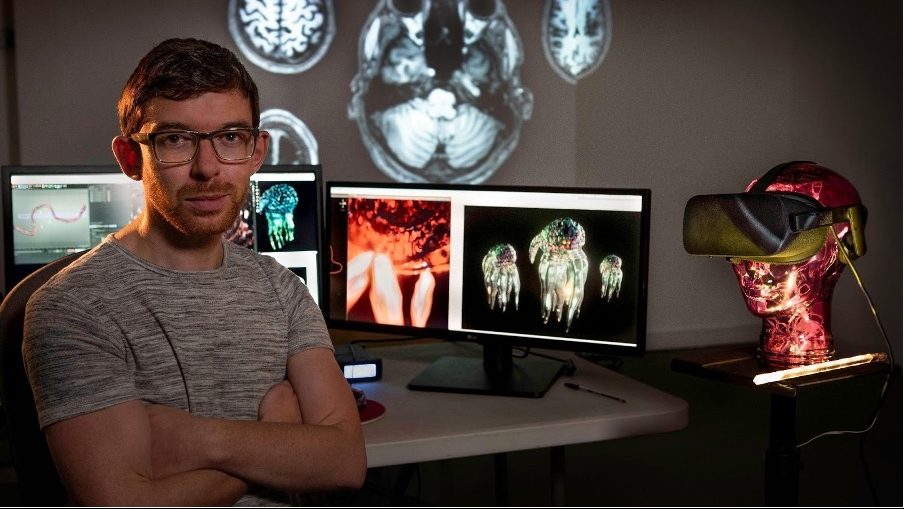
    Alan James Burns in his studio. Photo courtesy of Trevor Whelan

    Alan James Burns

    “I’ve had to move a lot of work online, which is quite interesting because it’s something that I never thought would be possible,” says Cavan-born visual artist Alan James Burns. “I usually create large events with up to 50 people attending, so that went completely out the window. Moving online has opened me up to be able to work from my bedroom, or work with international partners because you kind of break down the idea of having to be in the studio together.”

    Burns says he “can’t work now without putting in the context of the pandemic somehow.”

    “When I’m writing up my ideas and developing new works, it’s all with the context and background of this last year.

    “Everyone’s gone a lot more digital now, and the idea of the human machine – the digital world and our interconnectedness with that – has started feeding into a lot of new works I’m creating. I’m working with brain computer interfaces – looking at the idea of the human machine and what possible futures are like when we become more integrated with technology, which the pandemic has forced us all into.”

    Along with Sinead McCann, Burns is currently collaborating with users of intellectual disability services at St John of God Hospital in Dublin, as part of an artist in the community project. Participants are receiving training in audio recording and editing, and the piece they’ll create together will be exhibited on Culture Night in September.

    “That came about because of the pandemic. With everyone being at home, we decided to create a work, and the one medium we could think of that people would have access to tools, like a phone and stuff, was sound. So we’re all recording sounds and editing them together remotely online.”

    Tonally, Burns says his latest output has been “actually more hopeful than what it probably had been before the pandemic. The works that I’m creating have more joy within the production and also within what they’re trying to achieve for an audience when they do engage with it. So rather than looking negatively outward, they’re looking positively outward.”

    Burns says the Irish government’s Pandemic Unemployment Payment (PUP) has been a lifeline in compensating for cancelled projects.

    “Actually, I’m better off [than before the pandemic] thanks to the PUP. As an artist, you have no regular income, you live on minimal amounts of money, so the PUP was the first time many of us got a living wage that you could rely on.”

    Upcoming work: “Open Mind, Closed System”, Carlow Arts Festival, Co Carlow (June 2021)

    Ella Bertilsson

    Ella Bertilsson. Photo by Ella Bertilsson

    For Swedish multidisciplinary artist Ella Bertilsson, the initial lockdown last March was a case of life imitating art.

    “In the month before lockdown,” she tells The City, “I was working on a piece where I did a performance from inside a cardboard box, which was all about being trapped in a domestic space. That opening was I think two weeks before [the first] lockdown. So that was a super-odd coincidence.”

    In terms of concepts, Bertilsson feels the pandemic “will probably feed into my art at some point, but I think at the moment I find it hard to tell.”

    In terms of practice, however, her studio’s closure forced a rethink, as her workspace became “a tiny sewing machine table in a tiny room” at home.

    “I was like, ‘What do I do now?’ So, that was nice because it really brought me back into drawing a lot. I ended up illustrating a book cover and went back and sold a lot of prints, and I did a lot of photography. So the circumstances had an impact on my practice. It definitely had a creative impact. I’m now working with 35mm photographs I took around my neighbourhood every day for six months, and I’m turning them into digital collages with written text. That will be in my solo exhibition in Ballina next year.

    LOOPING SQUIRREL by Ella Bertilsson, music by Economusic

    “I hadn’t been doing drawings since my BA really,” continues Bertilsson, who’s been based in Ireland for the better part of two decades. “Now I’m drawing, and I’m printing and I’m doing things that I would have done a long time ago, so I think that’s kind of nice because I’ve done a bit of a circle and now it’s part of my practice again.”

    Bertilsson says she has “really enjoyed” the slower pace of the last year, in which she’s had “time to reflect on the work, and not have the pressure of exhibitions”.

    She counts herself fortunate to have been funded by the Arts Council for a number of projects in the lead up to and during the pandemic.

    “I think I was kind of lucky that I had that time to apply for awards,” she says, “and didn’t really have to use the PUP at all.”

    Upcoming works: Solo Exhibition, Ballina Art Centre, Co Mayo (2022),  Solo Exhibition, The Complex, Co Dublin (2022)

    Marcel Vidal

    Marcel Vidal. Photo by Marta Faye

    Sculptor and painter Marcel Vidal came into 2020 having picked up three prestigious awards in the previous year and landed a partnership with a commercial gallery.

    “I was in the midst of making work for a solo show,” Vidal says, “so that work had been established and the ideas were in place of how that might manifest itself. In a way, the work, as it’s developed, it’s changed in terms of what the overall show might have or potentially could have appeared like. It has a lighter tone. 

    “Some of my work would be large-scale cultural installations that are predominantly black, with paintings hung around the sculptural objects, whereas now the show is going to take on a lighter tone. The weight of [the work he is known for], its energy, is at this time unnecessary. So that all left my brain, and then it became about being in the studio [to focus on painting].

    “But it’s also maybe just that, as an artist,” continues the Wicklow native, “you find a way to manage the work. So for me, painting has been the easiest form to work in, in terms of just the practicalities of getting into the studio and being motivated. So in that way, [the pandemic] has influenced my art, in that I haven’t thought about sculpture, or that overall idea of making sculpture. But in conceptual or thematic elements, it wouldn’t play in that way. The type of art I make is never trying to speak on current or topical issues in that way.”

    The possibility of exhibiting Vidal’s show online was mooted, which he found “quite difficult, because it’s imagery that has a materiality, a physicality and a present. If it goes digital, the viewer is not having their own personal experience with it in a space. 

    “You come to a gallery or exhibition space with a set of criteria or a set of expectations as a viewer. And for me, the image and how it’s displayed and how you navigate that space – that brings out something else and that’s personal to that viewer. But if it goes into a digital format, you lose that context and it becomes something that could be viewed in distraction while doing something else. The subtlety of the work would be diminished and it could be misrepresented too.”
  • Podcast: Covid-19 abroad – how Germany dealt with the pandemic

    Podcast: Covid-19 abroad – how Germany dealt with the pandemic

    Listen to Johannes Thom speak to James Molloy about how Germany handled the pandemic

    Germany had its first reported cases of Covid-19 in January of 2020 near Munich, and has been in and out of regional lockdowns ever since. The country is currently in its third wave of the virus.

    Varying levels of restrictions have been imposed on a region-to-region basis depending on the severity of the virus. Currently, Chancellor Angela Merkel is calling for unified Covid-19 restrictions nationwide, which would see an “emergency brake” in order to try and control the spread of the virus.

    Since we recorded this interview, 7.3% of Germany’s population of 83 million have been fully vaccinated with just under 26 million doses given in total. This is due to the accelerated rollout of vaccines. From next month, it is hoped that GPs will be able to administer their preferred vaccine, with the federal government providing family doctors with the choice of vaccines from BioNTech/Pfizer and AstraZeneca.

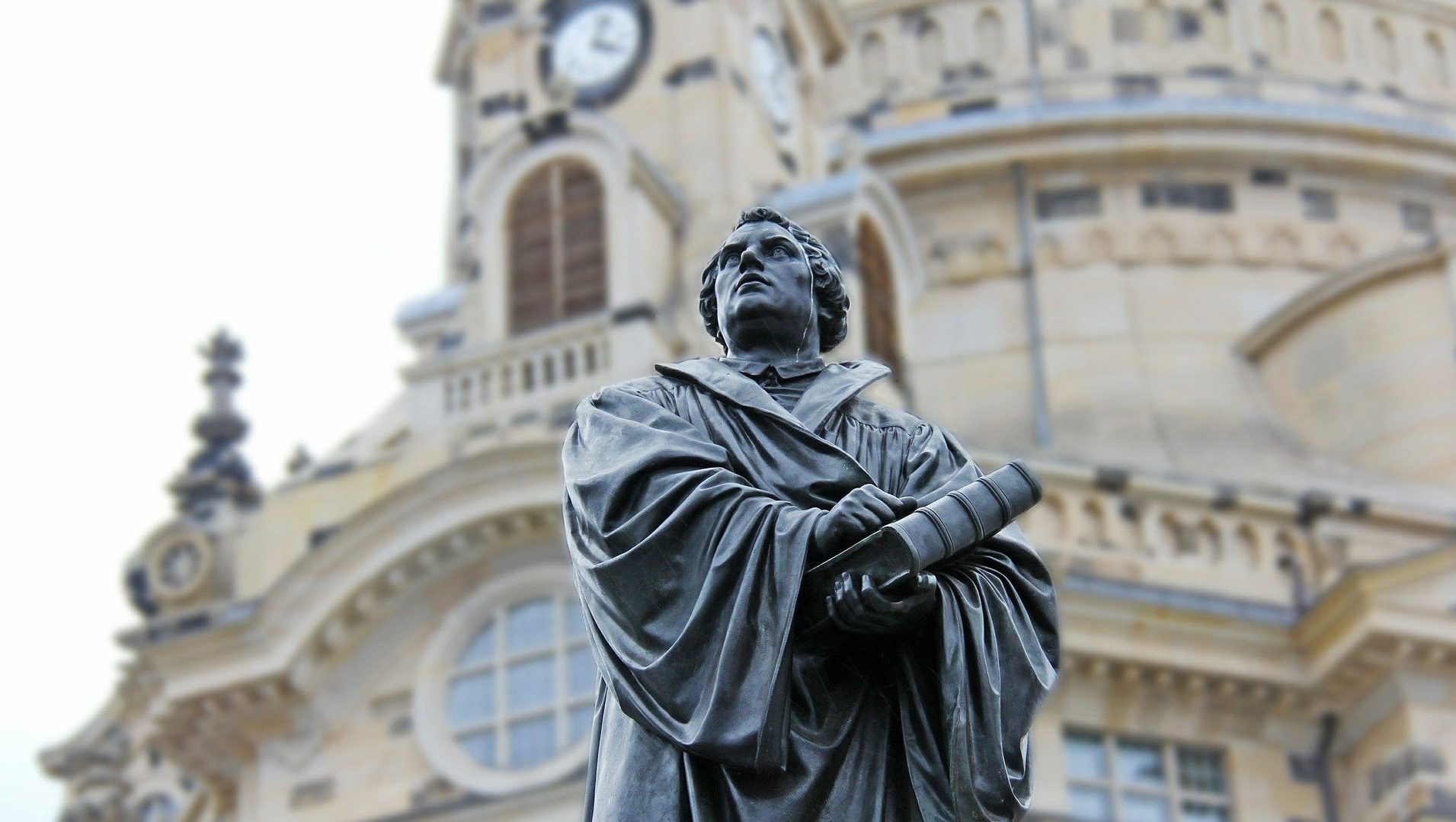
    Martin Luther’s statue at Dresden via Pixabay

    Europe has seen a rise in anti-lockdown protests from Paris to London and even closer to home, as Dublin saw violent protests in late February. Germany too has seen this rise in protests over Covid restrictions with regular demonstrations taking place across the country.

    The most recent protests planned for Dresden in Saxony were banned by the Saxony Higher Administrative Court.

    The banning of these protests is significant especially in the state of Saxony where the highest mortality numbers in Germany have been recorded. One of the main reasons for this is that the region has an ageing population and a large number of retirement homes that have been devastated throughout the pandemic.

    A snap of Dresden taken by James Molloy

    Another factor is its proximity to the Czech border, with many crossing it for work. The Czech Republic has been one of the worst hit countries worldwide. Saxony has been fighting an uphill battle from the start.

  • Covid-19 abroad: Public health vs economy in Switzerland

    Covid-19 abroad: Public health vs economy in Switzerland

    Watch Nina Suter and Izzy Rowley discuss the situation in Switzerland

    Switzerland has vaccinated 2,431,709 people and is on its way out of a national lockdown.

    It’s clear that the country was hit hard by the crisis. The Swiss government recently announced that, at a conservative estimate, a third of the country’s population has been infected by Covid-19.

    However, when the country was facing its second wave of the virus the government was slow to respond, and many businesses remained open, including bars and clubs, resulting in a superspreader event.

    “As is probably the case everywhere, but especially here, the economy is really prioritised over health,” says Nina Suter, a Swiss native who is currently living in Zurich.

    “It’s wild when you have the Swiss Finance Minister [Ueli Maurer] saying ‘oh, we can’t afford a second lockdown,’ which is wild, this is one of the richest countries globally,” adds Suter.

    Zurich’s streets are finally opening up after a long lockdown. Image courtesy of H. Emre via Pexels.com

    The country is only now emerging from restrictions that were put in place to avoid a third wave, with restaurants and pubs allowed to open their outdoor seating.

    The government has introduced a new strategy of rapid self-testing. Swiss people will be able to obtain five tests per month each. It’s hoped that this will allow for early detection of the virus and will help to contain any new variants. 

  • Label Lockdown: Running an independent record company during Covid-19

    Label Lockdown: Running an independent record company during Covid-19

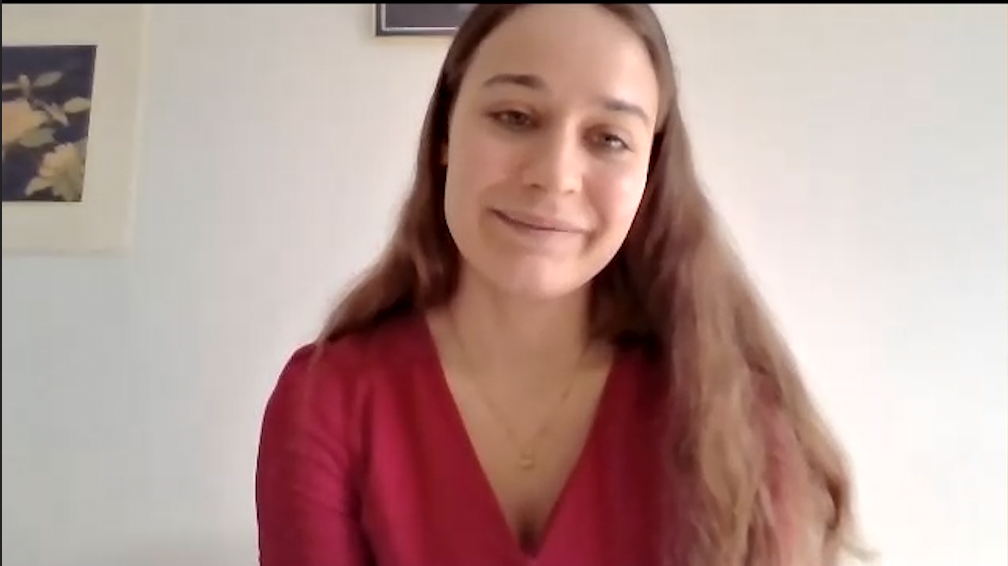
    Watch Johnny Welfare speak to David Doyle about Róg Records

    Music venues are closed and independent artists are struggling to make ends meet. 

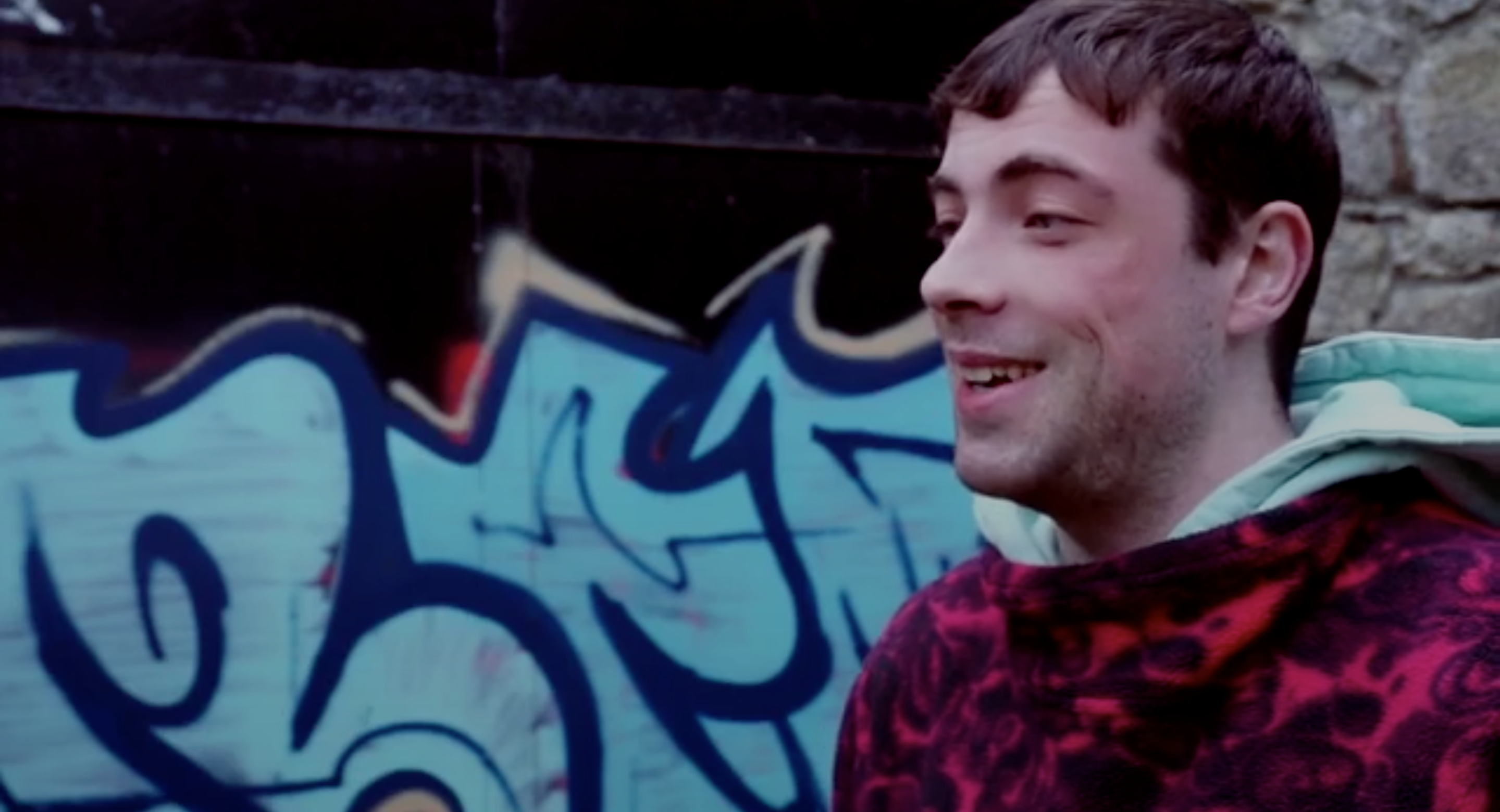
    With no definite date for a reopening, hip-hop producer and co-founder of independent record label Róg Records Johnny Welfare speaks about the struggles of running a label during the pandemic.

    Róg Records was founded in 2018 by Johnny Welfare alongside the hip-hop trio of Smokey, Bazigos, and Mory. Since the label’s inception, six artists have enrolled on Róg Records. With the addition of hip-hop artist Phev and psychedelic guitarist Chilli Flake, the label has grown considerably.

    Róg Records logo courtesy of Róg Records

    ‘’In our music module in college, I and three friends had the choice of doing a presentation, an essay, or setting up a record label. It was a no-brainer for us,’’ Welfare tells The City.

    The effects of Covid-19 have had a major impact on the label, as it has had to cancel numerous shows for the artists involved.

    ‘’We announced our biggest headline gig in the city centre on the day lockdown was announced. It was a nightmare for the label,’’ Welfare says.

    The future of the music industry is in a corridor of uncertainty, but Welfare insists that Róg Records will return ‘with a bang’ when live music has its eventual return.

  • Covid-19 abroad: Brazil setting the wrong kind of records amid deadly second wave

    Covid-19 abroad: Brazil setting the wrong kind of records amid deadly second wave

    Photo by Matheus Bertelli via Pexels.com

    Brazil is in the grip of a devastating second wave of the coronavirus, that claimed around 66,500 lives in March. 

    Watch Colm McGuirk talk to Maria Lombardini about Covid-19 in Brazil

    With the native, more transmissible P1 strain pervasive, Brazil’s health system is at breaking point, with many intensive care units across the country unable to cope with patient numbers.

    Brazil, the sixth-most-populated country in the world with around 211 million people, is now second only to the USA in total Covid-19 fatalities.

    Brazilian president Jair Bolsonaro’s response to the pandemic has come under much fire. The ex-army captain, who has reminisced fondly about Brazil’s violently oppressive military dictatorship of 1964-85, was elected in 2018 on a promise of law and order in a country dogged by crime – in spite of a catalogue of misogynistic, racist and homophobic public utterances.

    Bolsonaro has left it to state and city governments in Brazil to implement lockdowns, and refused to do so at a national level. Instead, he has downplayed the severity of the virus, attended large gatherings, and promoted and purchased unproven treatments for Covid-19. 

    The president won support last year after signing off on generous cash handouts that left many of Brazil’s most impoverished better off than before the pandemic, but the trauma of this second wave has seen his approval rating sink to an all-time low in recent weeks.

    In keeping with global patterns, a recently published study by The Lancet concluded that “existing socioeconomic inequalities [in Brazil], rather than age, health status, and other risk factors for COVID-19, have affected the course of the epidemic, with a disproportionate adverse burden on states and municipalities with high socioeconomic vulnerability.”

    As mutating variants continue to ravage and vaccination programmes falter, Brazil’s crisis looks set to rage on.

  • Hedging our bets in lockdown

    Hedging our bets in lockdown

    Who really has the upper hand? Pictured above: a roulette wheel by Naim Benejoullon via Pexels.com

    A study by the Gambling Awareness Trust has concluded that online gambling in Ireland has increased “drastically” since the Covid-19 pandemic hit.

    The findings conclude that up to 0.8% of the population (50,000 people) in Ireland are believed to have a serious gambling problem, with almost two-thirds of the population taking part in gambling in some capacity.

    It says the most popular types of commercial gambling in Ireland include buying scratch cards, playing the lottery, betting at a horse or greyhound track and sports betting.

    Co-author of the report, Gambling trends, harms and responses: Ireland in an international context, Professor John O’Brennan says the gambling industry is growing at a “worrying” rate since the lockdown restrictions have been put in place.

    “It’s very clear that online gambling is one of the only industries that has actually thrived over the past year,” Professor O’Brennan tells The City.

    “Gambling companies are doing better than ever before, even though sport betting came to a halt for a number of months in 2020,” he added. 

    Advertisements

    In Ireland, 75.4% of sporting broadcasts show at least one gambling advertisement. They are the most common type of ad shown during any televised sporting event.

    “Advertising has been central to developing gambling problems in specific cohorts of the population. You can particularly notice that young people ages 18 to 25 are targeted through advertisements, with betting companies using young sports stars to promote special offers,” says Professor O’Brennan.

    Many countries throughout Europe such as Belgium and Italy have implemented a full-scale ban on gambling advertisements. However, Ireland is yet to apply any bans on gambling advertisements and they are the 7th most common form of ad shown on television.

    “Online gambling is like having a casino in your back pocket’’

    Professor John O’Brennan

    Regulation

    Professor O’Brennan says that Ireland is seriously “lagging behind” the UK in terms of handling problem gambling, as the Gambling Commission was set up over two decades ago. 

    “Almost every other country in Europe has a gambling regulator to help deal with the issue, but for some strange reason, Ireland still hasn’t established one. Governments in the past have promised but failed to deliver on establishing a gambling regulator in Ireland,’’ said Professor O’Brennan.

    Minister of State for Law Reform James Browne hopes to bring proposals for a gambling regulator to the government towards the end of 2021.

    After releasing a statement following a Cabinet meeting , Minister Browne said legislation that may be introduced will check age verification for mobile gambling and monitor spending limits for people on gambling apps, and a prohibition on promotions aimed at luring customers back into gambling.

    In a statement, the Department of Justice said work is underway on establishing legislation by developing “the necessary modern licensing and regulatory provisions for the gambling industry”.

    Problem gambling

    “It [online gambling] has increased exponentially during Covid-19 with so many people stuck at home on their mobile phones,” says Pam Bergin, the executive co-ordinator of The Gambling Awareness Trust.

    The Gambling Awareness Trust is an Independent charitable fund that helps the prevention and treatment of problem gambling in Ireland. They work in partnership with numerous problem gambling organisations and agencies to help reduce gambling-related harm.

    “This is an issue that will keep growing throughout lockdown. Online gambling is continuing to grow in terms of accessibility as people can place bets on any sporting event across the world, including 24-hour virtual events,’’ Bergin said.

    All bookmakers across Ireland currently remain closed under the level five Covid-19 restrictions.

    “That social outlet of being able to visit the bookies has been taken away for a lot of people, forcing people to move to online gambling instead.

    “Online gambling is growing in terms of accessibility with 24-hour virtual events”

    Pam Bergin

    “We noticed that a lot of the people who contacted problem gambling websites were people who conducted online gambling for the first time,’’ Bergin says.

    If you require more information regarding problem gambling, visit gamblingcare.ie

  • Eating out(side)

    Eating out(side)

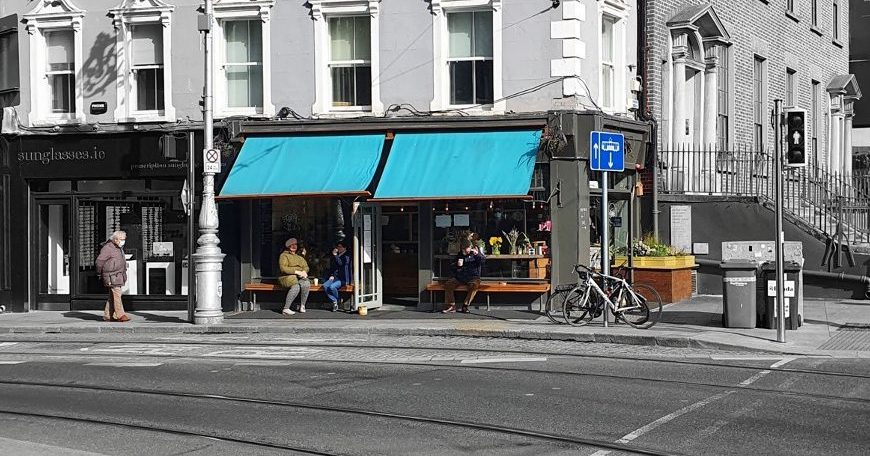
    Our takeaway habits have transformed in the past year, becoming one of the only simple pleasures we have to get out and about.

    With the current lockdown dragging on since late December, indoor dining remains on hold, ushering in a revised-look takeaway and outdoor dining culture as we bid to fill our social void and allow some businesses to stay open to a degree.

    “It’s good to get out of the house, you can’t be cooped up in there or you’ll go mad” – Anne (last name unknown). Tang Cafe on Dawson Street. Photo by James Molloy
    Waiting patiently for their orders. It has become a common sight seeing groups congregating outside their favourite eateries throughout the city. Photo by James Molloy

    Getting a takeaway coffee used to be something we took for granted – a ‘grab it and go’ type of affair. Now, however, the run-of-the-mill takeaway coffee has been transformed into a means of getting out of the house; offering a chance to savour your time outside – almost becoming a symbol of freedom in our restricted reality.

    We were used to going into a place, sitting down at a table, reading a menu and being served our food or drink; taking our time. Queuing, finding a suitably socially-distant location and the weather have now taken over, as we move from the indoor dining experience to the great outdoors.

    Battle of the coffee shops – advertising is the name of the game. Coffeeshops and restaurants across the city are competing and operating at a restricted level, resulting in more advertisement boards cropping up to showcasing their products to prospective punters. Photo by James Molloy
    The city has evolved into our new dining room. Benches, steps, fountains – if you can sit there then you can eat there. St.Stephens Green. Photo by James Molloy
    Food Trucks are capitalising on the need for outdoor dining. The Sambo Ambo is dishing out lifesaving sandwiches and coffee. The Sambo Ambo, Iveagh Markets, St.Francis Street. Photo by James Molloy

    That being said, meeting with a friend for a socially distant bite to eat and a coffee in the park has become so important in recent times for the sake of our sanity – it gives us a chance to leave the confines of our homes and interact with someone other than our family members.

    Benches have become the new table. Sit, relax and take in the sights. St.Patricks Cathedral. Photo by James Molloy

    Delivery riders and drivers have seen business boom during the pandemic, so much so that you can’t go five minutes without seeing a delivery rider zipping past on their bicycle. People can’t go to their favourite restaurants so they use convenient delivery apps such as Deliveroo or Just-Eat to bring their best-loved dishes to them.

    Not all heroes wear capes, nowadays they wear thermal bags. Deliveroo riders have been on the go non-stop to bring you what you crave. Photo by James Molloy
    Pubs are opening across the city offering takeaway drinks, in a bid to raise some much needed funds as the hospitality industry is on its knees. Photo by James Molloy

    Takeaway offerings don’t only offer a respite from lockdown. They also help to keep cafes, pubs, and restaurants afloat, allowing them to earn some much needed capital and to keep customers happy during these testing times.

    “I wish the pubs were back” – Maeve McEnroe. South William Street. Photo by James Molloy
    The humble pint ─ no longer cradled in a glass, now it finds itself in a flimsy plastic vessel. But it’s better than no pint. Photo by James Molloy
  • Covid-19 Abroad: how the pandemic has impacted the college experience in the US

    Covid-19 Abroad: how the pandemic has impacted the college experience in the US

    The first reported case of Covid-19 in the US was identified on 20 January 2020. It wasn’t until late March, however, that certain states began implementing restrictions – shutting down businesses and imposing stay-at-home orders.

    Watch Niamh Alexander interview Ella McGettigan about the Covid-19 crisis a year on in the United States

    Donald Trump’s reaction to an almost certain pandemic was to downplay the risks, lulling his supporters into a false sense of security

    “Trump just kept belittling the situation and he was saying ‘there is nothing to be worried about, it’s not going to affect us.’ When we got our first case, it was like it was no big deal,” says student Ella McGettigan, speaking to The City from her dorm room in Quinnipiac University, Connecticut.

    A shot of Trump Tower. Photo by Priya Karkare on Pexels

    If you practised proper social distancing, you were just a diehard liberal and if you were anti-mask then you were just a diehard Trump fan

    Ella McGettigan

    “If [he] had stated that the coronavirus was something that was dangerous and threatening us, then we would be in a completely different situation right now,” she says.

    Trump’s attitude to the pandemic created a huge divide in the country, causing confusion among red and blue states when it came to the level of restrictions.

    “If you believed in coronavirus, if you practised proper social distancing, you were just a diehard liberal and if you were anti-mask then you were just a diehard Trump fan,” says McGettigan. 

    The divide is also evident in the way colleges in the US have handled restrictions.

    McGettigan mentions that some colleges are stricter than others, with students in some areas free to throw parties during the day without any consequences.

    Pictured: Covid-19 vaccine vials by Simon Torsten on Pixabay

    At Quinnipiac University, however, weekly testing is mandatory and gatherings of more than two people are strictly prohibited.

    “It’s hard because I’m in the Greek [i.e. sorority/fraternity] community and we usually do a lot of philanthropic events and fundraisers and obviously we can’t do that, so everything has just been on Zoom,” says McGettigan.

    “But down south, people are holding formals with no masks.” 

    Contrary to expectations, the US’s vaccine rollout has been a success so far – President Biden surpassed his goal of delivering 100 million vaccines by his 100th day as president on his 59th day in office.

    With doses administered currently averaging at 2.5 million per day, the successful rollout will be a point of positivity for a country that had such a rocky initial response to the pandemic.

  • Podcast: An amateur golfer on trying to make the cut in lockdown

    Podcast: An amateur golfer on trying to make the cut in lockdown

    Hugh Foley embraces his AIG 2020 Irish Amateur Close Championship Trophy which he won at Sandy Hills Links, Rosapenna GC, County Donegal. Image courtesy of Hugh Foley
    Listen to Liam Daly in conversation with Hugh Foley

    The past year has been difficult for everyone, and the world of amateur sport has unfortunately been put on hold. Many of us have felt bereft losing our favourite past times – something that is hugely important for both physical and mental health.

    For those battling tooth and nail to make their sport a source of income, the prolonged wait has been a huge blow.

    With the courses closed for a huge portion of the year, golfers like Hugh Foley of the Royal Dublin Golf Club on Dollymount Strand have had to bide their time, and try to maintain a high level of mentality and physicality for the approaching season.

  • Covid-19 abroad: Canada’s response to the coronavirus pandemic

    Covid-19 abroad: Canada’s response to the coronavirus pandemic

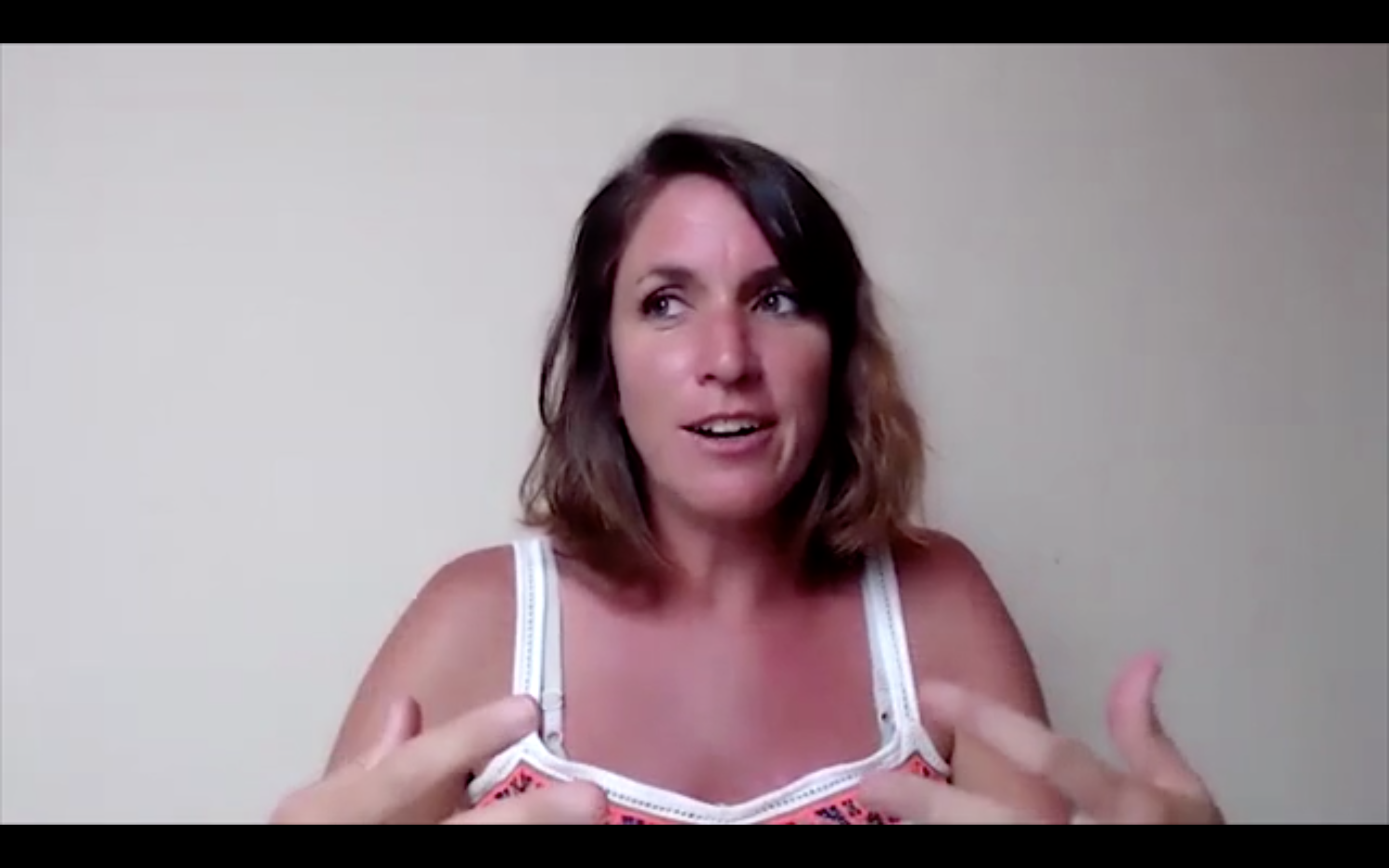
    Watch Katy Brennan and Nicole Kidd discuss how Covid-19 has been handled in Vancouver, British Columbia

    As Canada begin to ease its restrictions , Katy Brennan speaks to Nicole Kidd, who gives an account of the country’s dealings with the Covid-19 pandemic over the past year

    The first community transmitted case of coronavirus in Canada occurred on 5 March 2020. Cases grew rapidly, and by mid-March, all provinces had declared a state of emergency.

    In response to the growing number of cases, Canada severely restricted its borders, banning all non-essential travellers and forcing any exceptions to self-isolate for 14 days.

    Each province implemented varying degrees of restrictions and has continued to do so as case numbers rise and fall.

    Some provinces, such as Ontario and Quebec, introduced heavy restrictions like school closures, shutting down non essential retail, and curfews. Other areas, like British Columbia, have taken a lighter approach.

    Nicole Kidd left Ireland for Vancouver, British Columbia, three years ago.

    We feel really spoiled over here because we have never not been able to go eat food, or go out for lunch, and our bars are open

    Nicole Kidd

    She explains that social gatherings are banned and most people work from home, but stores, cafes and bars have remained open throughout – offering people some sense of normality.

    People are expected to socialise exclusively with people from their own household, but exceptions are made for those who live alone, who are permitted to have a ‘bubble’ of two other people.

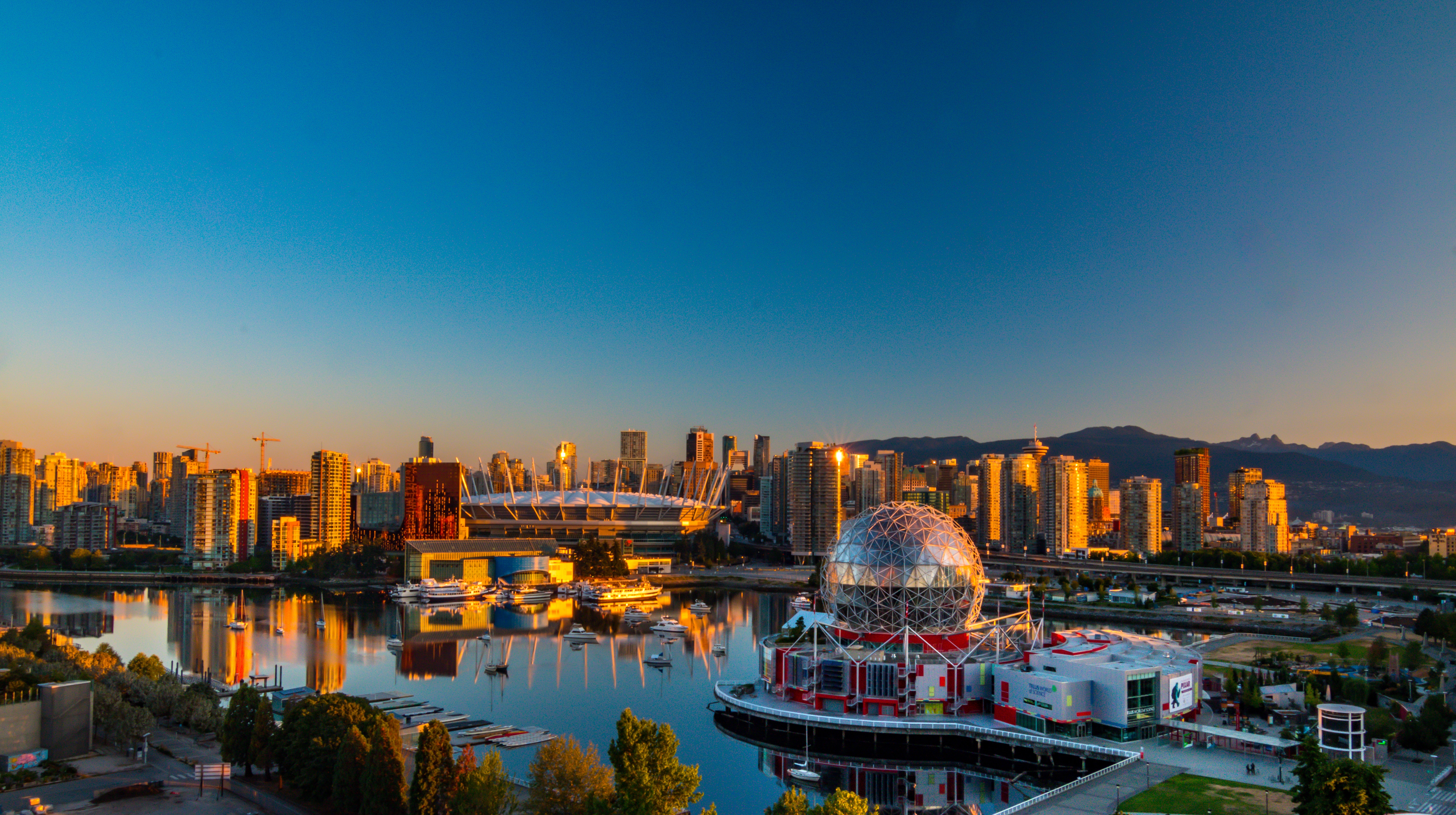
    A shot overlooking Vancouver. Photo by Adi Kavazovic on Pexels

    Kidd is grateful to have maintained a decent social life – something she thinks is important for mental health and hard for those back home in Ireland. 

    “We feel really spoiled over here because we have never not been able to go eat food, or go out for lunch, and our bars are open,” she says.

    Kidd is a qualified yoga teacher and while she is eager to get the vaccine and return to normal life, she is happy the pandemic has allowed her to devote more time to her yoga.

    Canada’s vaccine rollout began on 14 December, and since then the country has vaccinated 1.1 million people. The rollout consists of three stages, working its way down from most vulnerable to least vulnerable.