The HSE has announced updates to their Covid-19 guidelines to allow for partners of pregnant people to be allowed to attend the 20-week scan. The measure that prevented partners from attending the scans were originally introduced as precaution in hospitals. Amber Baxter reports on what this means for those affected.
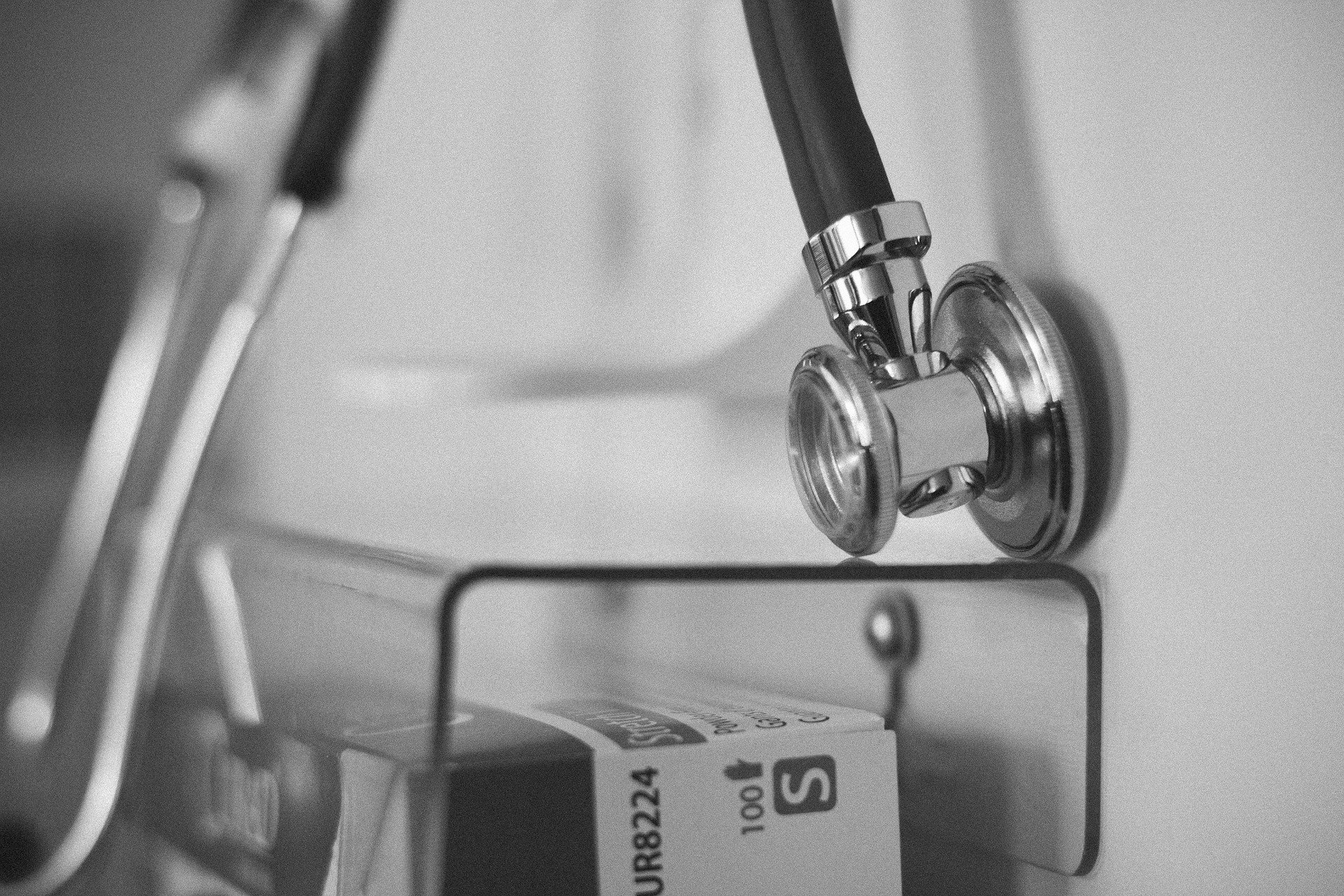
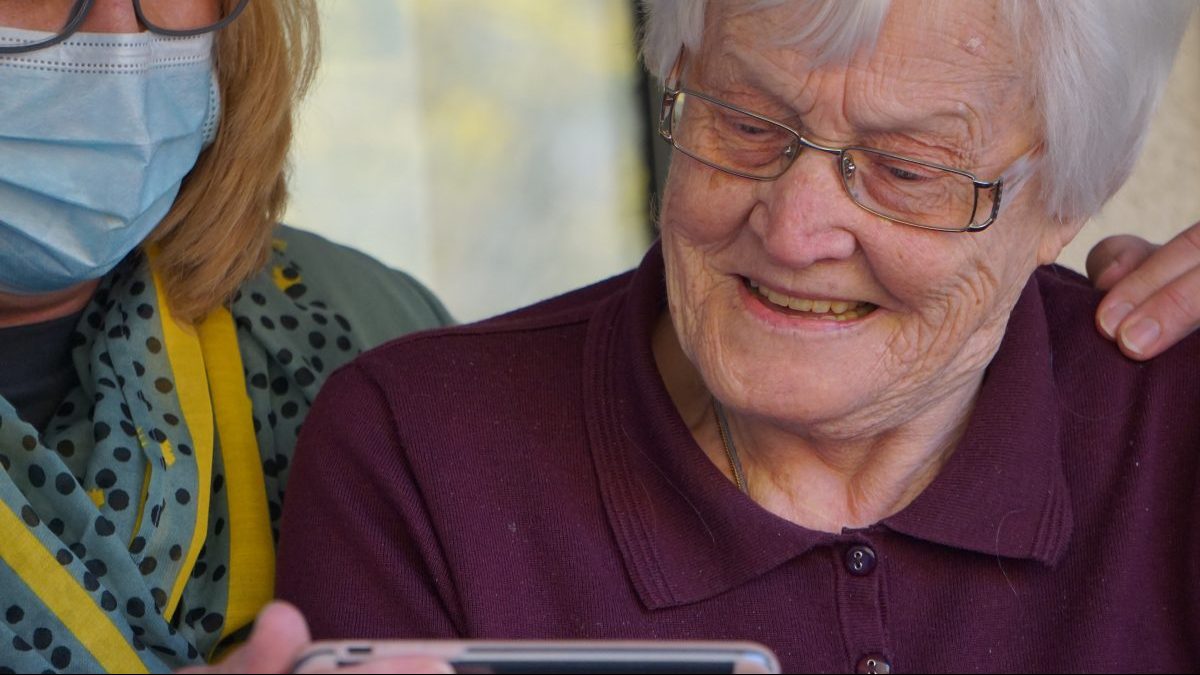
Image by parentingupstream on Pixabay
It is expected the HSE will ask maternity facilities to allow partners to visit for anomaly scans if possible.
Emails and letters from people and their partners to the government have been released to Aontú leader and Meath West TD Peadar Tóibín following a Freedom of Information request (FOI). He described their content as “harrowing” and “deeply distressing”.
A letter sent to Taoiseach Micheál Martin which was forwarded to Minister for Health Stephen Donnelly on the 30th of September stated that the Taoiseach asked his colleague if the “points raised could be examined” and if he could “advise me [Martin] of the position”.
The letter sent to the Taoiseach was from one woman who said she was left “exasperated” by the restrictions after going through the “heartbreaking, gut-wrenching” event of a missed miscarriage at 8 weeks.
The woman wrote in her letter: “Can you please tell me why I am able to eat a meal with women I have not seen in months, but my husband who I live with is not allowed to be there when I am told the most devastating news that a pregnant woman can hear?”
Under the current guidelines, partners are allowed in for births but not for scans or emergency procedures. The news comes after hundreds of people and their partners wrote to Minister for Health Stephen Donnelly and Taoiseach Micheál Martin. A petition organised against the restrictions by campaign group, Uplift, has gathered 52,000 signatures and was handed into Cork University Hospital last week.
Tóibín said, “During a six-week period over 170 emails were sent to the Minister for Health, the majority of them from women outlining their shocking experiences in maternity hospitals as a result of the Covid-19 restrictions.”
He continued, “We must remember that one in four pregnancies ends in miscarriage in this country. No woman should be left to face this bad news alone, in a hospital corridor without a partner to support her.”
Alan Kelly, Labour Leader, also called on the Government last month to consider modifying the restrictions on partners not being allowed to accompany or visit expectant mothers during and after pregnancy.
Holly Smith, an expectant mother, told TheCity.ie: “People should be able to support their partners in person. Thankfully I was not in a position where I received bad news on my own but there are hundreds of women who are going to their scans not knowing what will happen.”
She continued, “Partners and fathers shouldn’t have to receive bad news alone in a hospital car park on the phone.”
Another of the letters from one woman who experienced a miscarriage read: “I had to sit in a room alone to be told my baby had died. I was sent from this room alone reeling from what I had just heard and left to sit on a busy ward corridor sobbing alone,
“This is simply unacceptable. At no point was I allowed to have my husband present to provide any sort of comfort. I sat for hours alone and broken in one of your maternity hospitals. Not a single person to offer me the comfort I craved and needed.”
As the pandemic threatens to overload the global economy, the healthcare system, it’s also having a powerful impact on the security of business and people.
All local sports clubs and gyms are completely closed now, taking away a necessary outlet for exercise and mental health from many nationwide. Conn McGillion investigates whether sports activities were spreading the Covid-19 virus.
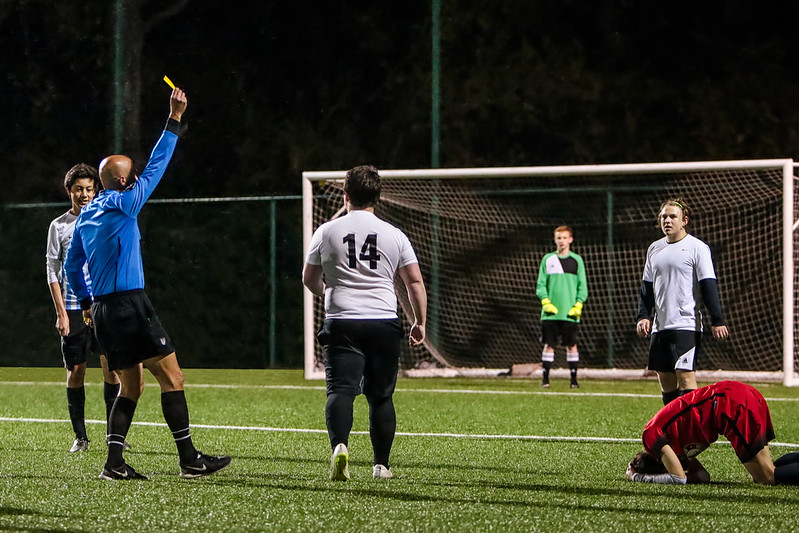
Photo taken by TLC Photography. Sourced from Flickr.
From June to August, there have been only fourteen positive cases reported nationwide across all sports clubs within GAA, rugby and football, according to documents received by the HSE in accordance with the FOI (Freedom of Information) act. According to the documents, under five of these cases were reported from within Dublin, and the other nine cases were scattered around the rest of the country. These cases came after all sports clubs had restrictions lifted in June to train in a controlled environment.
Prior to the second lockdown, diagnosed cases were at an all time high. 1000+ case daily have become the norm from August to September. Only fourteen cases nationwide across three months is indicative that sports clubs, and gyms, are not a primary spreader at all in comparison to the likes of restaurants and factories. In fact, many of those cases come from one isolated incident.
An example of this would be in the GAA. Claughan United in Limerick had tested a player positive in mid-August, and the safety precautions were immediately taken. The player, who was asymptomatic, was instantly placed in quarantine, along with the entire club and the local rugby club, Shannon RFC. Claughan released a statement at the time, suspending all club activities indefinitely, after careful consideration was given to correct procedures regarding self-isolation and efficient testing.
The majority of the cases came from a club in Clare, Cratloe. Cratloe had six players who tested positive for Covid on the 7th of August. While they quarantined those initial positive cases on the day, they initially continued their activities – as the virus began to spread, they were forced to abruptly put a stop to their training.
While cases such as these are reckless, they are not indicative of how the majority of sports clubs react – many of the sports clubs are happy to abide by the government guidelines, and adhere to them properly. Sports-related case numbers are not comparable to large outbreaks in the likes of meat factories and pubs.
The Health Protection Surveillance Centre (HPSC) has recorded 2,736 outbreaks in other settings such as nursing homes, workplaces and private houses. It is also reported 1,500 cases alone were reported from meat factories. Clusters, which involve more than one outbreak case, are commonplace in these more social areas.
Dhai Almutairi checked on the local cafe to see how they are managing with Level 3 restrictions in place.
Photo by Monika Pienkos.
The government announced last week that all counties will join Dublin and Donegal in Level 3 of the Living with Covid-19 plan for the next three weeks.
Indoor dining in pubs, cafes, and restaurants is banned across Ireland under Level 3 restrictions. Serving food can remain open for takeaway, delivery, and outdoor dining only. Outdoor dining is allowed outside bars, restaurants, cafes with a maximum of 15 customers. This limitation is an effective closure order for many struggling businesses.
Many businesses wouldn’t be able to survive with public health limits of 15 customers given that winter is approaching, and the Irish climate doesn’t help to provide outdoor dining for customers.
The Restaurants Association of Ireland (RAI) stated Level 3 restrictions with outdoor dining would mean that staying open was unfeasible for many restaurants.
The Social Fabric Café is a local café located in the heart of Stoneybatter, Dublin 7. The cafe took over an old post office and transformed it into a local spot for healthy, delicious food and coffee.
Before the initial lockdown in March, the café closed its doors as there was a decline in the number of customers coming in. The café remained closed for six weeks then reopened following government advice for takeaway only.
Social Fabric Cafe in Dublin city centre. Photo by Miguel Ruiz.
“We noticed coffee sales increase, and that made 75% of our revenue,” said Monika Pienkos, the café’s owner. “Some of our regular customers started asking for food, so we prepared a small menu for takeaway.
“We started to look into click and collect stores, and we advertised takeaway services.”
Despite their effort in running the cafe smoothly, the café was forced to lay off all its employees. “The owners worked the hours to minimize the costs,” they explained. “We managed to cover our costs and maintained a regular customer base”, said Pienkos.
With the introduction of Level 3 restriction, the café reported a continued decline in its customers and revenue. “We don’t have an outside sitting area, and the weather is changing now, so we are considering to be open for five days a week.”
Running a café during a global pandemic means adapting to survive amid the COVID-19 restrictions.
The Social Fabric Café made more call and collect order ads and created an online click and collect shop in order to maximise their reach. “We introduced wearing masks at all times, supplied three sanitizing stations, and made strict cleaning and sanitizing procedures,” Pienkos explained.
Business owners and customers alike have been debating whether the closure of indoor dining is going to lower the number of COVID cases in Ireland.
“We are not sure if closing indoor dining is making a significant difference,” Pienkos said. “Our indoor dining was reorganized to adhere to all social destining regulations, and we operated on a half capacity basis.”
The Social Fabric Café recently obtained a Covid-19 safety certificate from Failte Ireland and is doing all they can and need to keep their place and customers safe.
Erica Carter investigates the financial impact online learning has had on third level students, as they express their frustration at the lack of government support for the move to online classes this year.
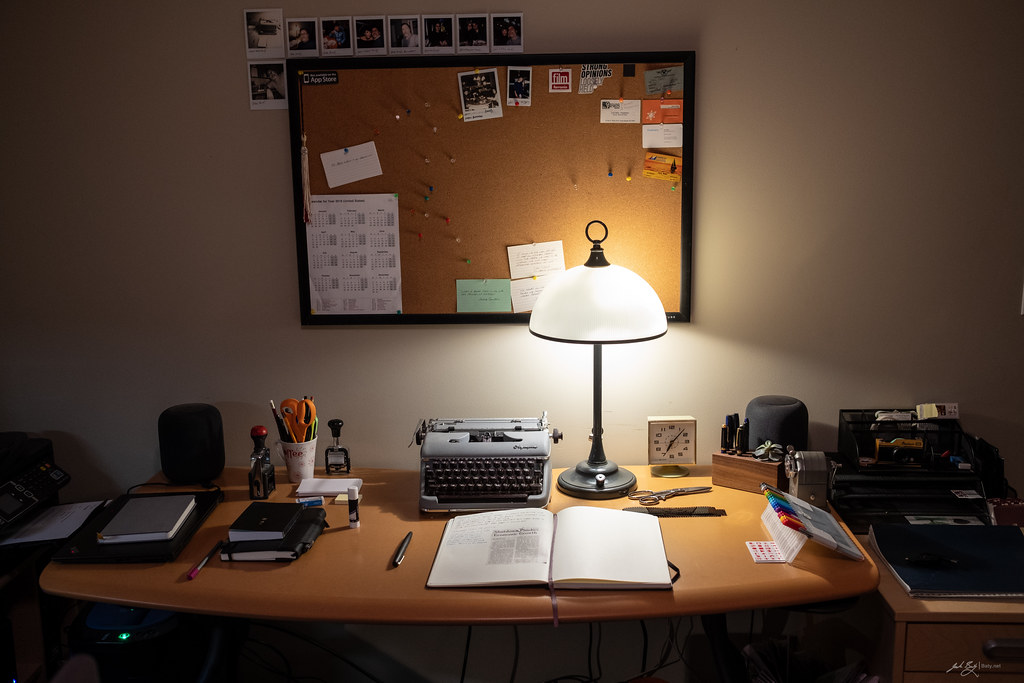
Taken by Jack Baty. Sourced from Flickr
Due to the Covid-19 pandemic, third level education has been moved primarily online, with limited access to college and university facilities. This has forced students to buy equipment, such as laptops, software and broadband, which they say is a large added cost on top of education fees in the midst of a pandemic.
Deborah Deegan, a second year TU Dublin student, was asked by her class tutor to buy a laptop that cost €1200, in order to run software they no longer had access to due to no longer being on campus – a cost on top of other expenses, such as furniture and Wifi. “In total the move to online classes cost me about €2000,” explained Deborah, “which includes the recommended laptop for my course, accessories like an external mouse and headphones, and furniture like a desk and a chair, because I previously didn’t have those in my room.
“I also had to install new WiFi and my electricity bills are higher due to attending online classes and doing my assignments from home.”
Rose Conway-Walsh, Sinn Féin TD and the party’s spokesperson on Further and Higher Education, is completely opposed to these costs. “Third-level students and their families are under unprecedented severe financial stress,” she said. “They need help to ensure they can stay on at college.”
“This practical financial support should take the form of a reduction of fees, refund of accommodation paid, wider reach of SUSI, access to the College Assistance Fund and laptops including remote connection to broadband. These supports need to be made available immediately.”
A spokesperson from the Department of Further and Higher Education, Research, Innovation and Science has detailed the additional funding provided in support of the students returning to education this semester. “This includes targeted student supports which will be of assistance to many students, particularly those with the least financial resources,” they said.
“The Department has allocated €15 million of capital funding for a once-off COVID-19 grant to support disadvantaged students in the further and higher education sectors in accessing information and communication devices,” the spokesperson continued. “The grant is being made available to further and higher education providers, which are using it to purchase devices to support disadvantaged students who are encountering challenges in accessing devices for remote learning.”
Supports such as laptop lending schemes were also only open for applications a few weeks into the college semester for some institutions, which meant students had to either buy a laptop or miss a few weeks of classes until they found out if they were eligible to be loaned one. “We were told during the summer there would be a laptop scheme for people who couldn’t afford them, but no information was provided until we had already been in classes a few weeks,” said Deborah. “Anyone that needed a laptop had already had to go out and get one because it was that or fall behind on our work.”
Another problem that many students are facing is that they do not qualify for the Department of Further and Higher Education grants. As they or their parents or guardians do not fall within the eligible income bracket.
TD Conway-Walsh is uneasy about this aspect of the grants. “I am concerned that despite Simon Harris being on public record telling me that eligibility for laptops would not be based on SUSI eligibility, I am being told by students that colleges are denying them laptops because they don’t receive SUSI,” she said. “I have written to the Minister to notify him of this.”
He now says it is up to the third level institutions. “I fundamentally disagree with this as this is public money and eligibility for SUSI is too narrow to accurately reflect the financial status of many households.”
When asked if any supports or funding were considered for students that weren’t deemed “disadvantaged”, the Department of Further and Higher Education, Research, Innovation and Science did not respond.
“I don’t think it’s acceptable to ask students to pay this amount of money on top of their college fees, in the middle of a pandemic and a recession where many are now losing their jobs,” asserted Deborah. “We as students have invested our money into these institutions to give us an education but they won’t invest in us in order to provide us with that education.”
At the Asylum Seekers Feminist Conference, which took place prior to the Covid-19 lockdown, TheCity.ie spoke to Eoin from Abolish Direct Provision Ireland and conference attendees about the impact of Direct Provision on their wellbeing. By Kate Brayden, Cameron Weymes and Ayumi Miyano.
Many of those who came to the conference travelled to be there in order to hear guest speakers and panelists give talks on mental health and host art and yoga workshops. Sonia from Cameroon, Julie from Uganda — whose company ‘Julie’s Kitchen’ catered at the conference — and organiser Eoin generously spoke to us about their unique and personal experiences.
The controversial system of asylum has repeatedly hit the headlines over the mistreatment of those who must wait for their refugee status to be granted, or to be allowed to stay in Ireland. One of the State’s largest providers of accommodation to asylum seekers recorded a pretax profit of €2.36 million in 2018. That the Irish Government allows the system of asylum to be a for-profit service for multinational corporations such as Aramark has been a dominant point of frustrations. Those in the system receive just €38.80 as a weekly Daily Expenses Allowance, and are often moved to differing centres around Ireland before given time to settle in to the local community.
Many centres are located in isolated areas, far away from local villages, which harms the mental health of asylum seekers – who have few options for seeking out services and often face language barriers. For those who have survived war, famine, discrimination and sexual violence, their trauma cannot be addressed. Living conditions in certain regional centres have been a cause for complaint, as well as the troubling impact of the situation on children living in the system.
It’s worth noting that the Irish State’s response to Covid-19 in terms of testing those in Direct Provision has been heavily criticised by human rights groups, politicians, lawyers and health experts alike for effectively ignoring their concerns and putting them at risk. There are currently around 1,700 residents in centres around the country – 149 had tested positive for the coronavirus as of early May.
For some, the mind can be a form of imprisonment in itself. Living with mental health disorders can be a daily struggle for many people. What happens to those people when a global pandemic hits, and the country must go into lockdown?TheCity.ie’s Kate Brayden, Cameron Weymes and Ayumi Miyano report.
The level of anxiety which the nation is currently experiencing is just a sample of what those dealing with mental illness have to cope with on an ordinary day.
For those who experience a heightened feeling of worry, fears over the health of family members and friends are extremely common, as well as fears regarding their own health. Covid-19 and the emphasis on hygiene, protecting others, and daily death tolls is causing severe stress for many. Being unable to physically see loved ones in person can take a drastic toll, and can lead to a sense of hopelessness and loneliness.
In TheCity.ie’s video project on mental health during lockdown, Kate Brayden interviewed her twin sister Eleanor, who has Obsessive Compulsive Disorder and severe anxiety, as well as Eleanor’s boyfriend Dan, who has been diagnosed with high-functioning autism and agoraphobia.
Eleanor’s family also feature in the project, illustrating how living with those suffering from psychological distress can impact the entire home. Cameron Weymes spoke to chartered psychologist Dr Christine Tizzard about the impact of quarantine and self-isolation on wellbeing in general.
TheCity.ie’s Kim O’Leary has been looking at how professional and amateur boxers are continuing their work-outs at home during the Covid-19 lockdown. Kim spoke to Ireland’s youngest female pro-boxer Katelynn Phelan and her father/trainer Paddy Phelan, who are hoping to be back in the ring sooner rather than later
The coronavirus has hit the sporting world hard over the last few weeks, with many contact sports like GAA, basketball, soccer and cricket seeing their seasons cancelled. It’s also been a major blow for the rising stars on the Irish boxing scene, with the Irish Athletic Boxing Association (IABA) postponing all championships, competitions, clubs shows and tournament due to take place this summer.
However, there may be some good news on the horizon, with recent talk about boxing returning in June in a series of behind closed doors shows that would be shown on live TV. It is understood that Ireland’s boxers are determined to prepare for the rescheduled Euros as well as the postponed Tokyo Olympics, which is expected to take place in the summer of 2021.
Speaking at the launch of the Government's new #InThisTogether campaign, Irish boxer Kellie Harrington said that training at home helped her through self-isolation. She said Irish athletes will be posting fitness tips online as part of the campaign. pic.twitter.com/pTpNr4ghcR
To find out how boxers and boxing clubs are preparing for a potential return to boxing later in the year, I spoke Ireland’s youngest female professional boxer, Katelynn Phelan from Kildare Town, and to her father Paddy Phelan, who is also a trainer at St Brigid’s Boxing Club in Kildare Town.
Katelynn comes from a family of highly respected boxers and her brother Allan Phelan is the current featherweight pro.
It’s been an impressive year for Katelynn as she recently won her first ever bout at the ‘Celtic Clash’ boxing tournament in February against Bulgaria’s Borislava Goranova, winning all four rounds in a decision at The Devenish Complex in Belfast.
Now with the lockdown measures still in place due to covid-19, Katelynn says that she is still training at home.
“I plan on getting myself an Irish title by the end of the year.”
Major staff shortages have caused issues in nursing homes. Photo: George Arthur Pfleuger
TheCity.ie’s Ruadhan Jones heard from Tom Lordan, administrator with LHP Skillnet – which is looking to meet some the increased demand for nursing home workers with a three-week induction course for healthcare assistants.
The difficulties facing nursing homes as a result of the coronavirus has become a story of increasing importance in the past few weeks. Among the issues facing the homes is a shortage of staff, with up to 158 homes without 427 healthcare assistants.
As part of the grant conditions, many brances of Skillnet Ireland provides a free employment activation program, intended to get people off the live register and into work.
Speaking to TheCity.ie, Tom Lordan explained that, prior to the crisis, one LHP Skillnet’s central tasks was to run a six-month course activation program in healthcare support.
“We were doing that major award as our employment activation program,” Lordan said. “Even prior to the Covid–19 crisis, there was a huge demand for trained and competent healthcare assistants. It was a very productive course, getting hundreds of people into safe and professional work.”
The course is accredited by Quality and Qualifications Ireland (QQI) as a Level 5 major award. It requires participants to take a certain combination of a certain number of modules to get the award, and is, according to Lordan, the industry standard for healthcare assistants.
“The training requirements of a healthcare assistant may be entry-level but it is one of the most time-consuming roles in the healthcare community,” he said. “While they don’t perform any advanced diagnostic or medical functions, they’re the lifeblood of the nursing home. They deal with all of the fundamental aspects of personal care — no nursing home could operate without them.”
“Healthcare assistants are crucial in caring for people who are elderly or have disabilities.”
The course typically last six months, but LHP Skillnet realised that was too long to meet the increased demand.
“The strain on the industry is significant,” Lordan said, “because of the numbers falling sick in nursing homes or in hospitals. There has been an exponential increase in demand. We partnered with Nursing Homes Ireland (NHI) and the public employment agency Intreo to put together a program for dealing with the deficit right now.
“Our nurse tutors took the most important elements from the major award in healthcare support and condensed them into a three-week course. We call it the Healthcare Assistant Induction Programme. It was devised to be delivered online via interactive sessions, though we never used webinar software before.”
The extra workload put a huge burden on LHP Skillnet’s small team. Prior to the crisis, LHP Skillnet had added a new administrator, but this still meant that there were just three administrators and one manager working for the company.
The NHI have started a recruitment campaign. Photo: NHI website.
“It’s been incredibly labour-intensive, but it’s been necessary,” Lordan said. “Everyone agreed that it had to go ahead. We went to Intreo and they gave us a list of about 180 people interested in doing healthcare. We sent out emails to confirm their interest, put them into groups and carried on.
“We were able to use the NHI’s really comprehensive communications network to pass round an online survey which nursing homes could fill out to give us the info we needed. We compiled a database of all nursing homes that have a desperate need of care assistants.”
At the end of each course, the tutors provide participants with a list of nursing homes in their area and prospective students will make the applications themselves, Lordan explained.
Though the course won’t be accredited in the same way as the healthcare support, it will be recognised by the NHI, Lordan said.
“It can’t supplant the major award,” he said, “but it gives individuals the basics they need to go into a healthcare environment and not make mistakes. They’ll know what the key elements of their work will be, and then be trained subsequently.”
Lordan is hopeful that the changes made to the course will help the NHI meet some of the nursing homes’ needs.
“The demand is there, and our efficiency has improved,” he said. “In the first week, no one had used the webinar software before. The tutors and administrators had only a short trial. We kept the number of participants small to begin with, but with each passing week we’re able to expand the classes.”
Anne O’Connor from the HSE confirms that care homes are now being prioritised for PPE. Photo: RTE player
So far, four groups have completed the course, with a further eight groups lined up. In total, LHP Skillnet expect around 300 people to participate.
Due to the newness of the course, LHP’s Skillnet don’t have figures for those entering employment, but Mr Lordan said that “they shouldn’t have any problems” getting into homes. He hopes that many of the participants will avail of the chance to do the healthcare support course once the worst of the crisis has passed.
“Anyone who does the induction programme will be offered the opportunity to progress to the major award,” Mr Lordan said. “Not all will want to, but I hope that a lot of them do come back and do the major award. Given the situation, we will most likely do that online as well.”
As the Covid-19 pandemic continues to impact Ireland, many people have reported that they are having sleep issues. TheCity.ie’s Kim O’Leary speaks to sleep physiologist Motty Vargheseabout how to ensure students get a good night’s rest – especially as they approach the final few weeks of assessments.
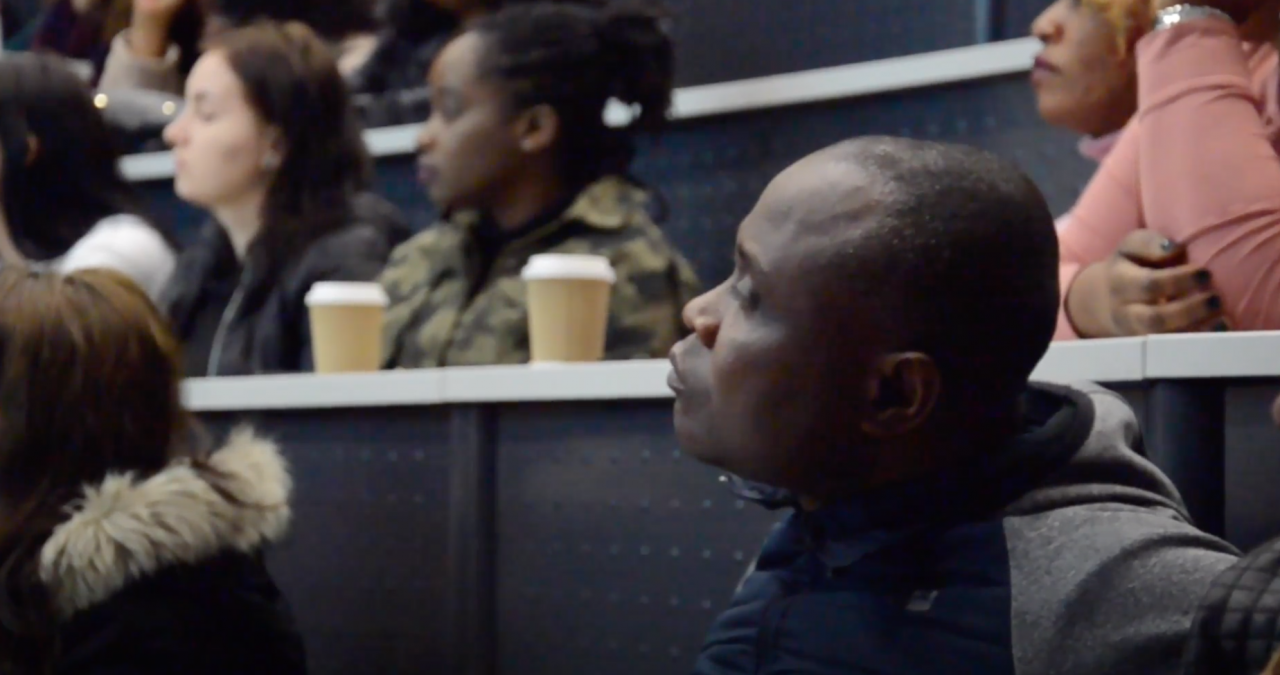
Students sleeping in lecture theatre (Photo: Pexels)
For the last four weeks, I have found myself spending the late night hours constantly tossing and turning in my bed, unable to drift off into an uninterrupted sleep. There is always a distraction of some sort.
The latest Covid-19 updates from Ireland and around the world, as well as the anxiety about final assessments at college, make it hard to ‘switch off’ and sleep through the night.
With the final few weeks of the academic year upon us, many TU Dublin students are wondering how they can get some peaceful rest, despite the troubling circumstances they are experiencing.
College student asleep at her desk (Photo: Pexels)
I started our interview by asking Motty Varghese,how many hours of sleep each night does the average person require?
Varghese: Sleep need is variable between individuals and every individual’s sleep need is unique to themselves. The recommended sleep duration for an adult is over seven hours, and not recommended is less than six hours or over 10 hours. In sleep problems like insomnia, your sleep quantity can be compromised. In sleep disorders like obstructive sleep apnea or restless legs syndrome, you will have a tendency to sleep for a longer time. However, despite increased sleep duration, the person can still feel tired.
Teenagers or young adults would also have a tendency to go to bed very late and wake up very late. If there is an extreme delay in sleep onset, it could be symptoms of Delayed Sleep Phase Disorder (DSPD) – unfortunately, this can have an adverse impact on their academic performance. This happens due to a delay in their circadian clock, not exclusively due to poor habits alone. This warrants therapy, since regularising their sleep patterns by strategic light exposure can bring multifaceted benefits.
O’Leary: As the Covid-19 pandemic continues, do you think there has been a noticeable change or disruption in sleep patterns? If so, why?
Varghese: Yes, this has been flagged as a problem by many. If you remember, the lockdown was implemented around the same time the clocks moved by an hour for DST. With the implementation of lockdown, many people started working remotely, and with it came some flexibility in the morning as well. Our sleep patterns changed and we started sleeping in in the morning. Along with it, there is a general anxiety about COVID 19 and this has been leading to an aroused mental state or a state of hyper-alertness for people. It is needless to say when we are hyperalert, our sleep onset can be delayed and the sleep quality can be compromised along with sleep quantity.
O’Leary: What recommendations/advice would you have as a sleep expert for TU Dublin students having difficulty getting enough sleep during the pandemic, as well as preparing for their final assessments and exams?
Varghese: Your approach to protect your sleep should focus on a few factors:
1. Avoid a state of hyper-alertness
Preoccupying yourself with thoughts of what is happening around you can lead to cognitive or mental arousal. You also want to be informed at the same time. Hence avoid consumption of news via TV, social media, or other sources close to bedtime. Relying on credible sources of information will help to avoid unnecessary panic. Engaging in some relaxing activities like meditating, doing some breathing exercises etc can also help reduce anxiety.
2. Prioritize sleep
You know how important sleep is for you, yet you cannot force it. Understand that sleep is a natural process, but you can nurture it by adopting certain good habits. It may go against what your preferences are, but prioritizing sleep will pay you the dividends now, more than ever.
3. Have a routine
It would also be unrealistic to ask you to adhere to the pre-lockdown sleep schedule since you have the flexibility of working/studying from home and not commute. You may be waking up late, but ensure you still have a structure and are not sleeping in too late. On the upside, at least you are not accumulating a “sleep debt” and focus on consistency of bedtime and wake time through the week. You can gradually move to an earlier wake time when the lockdown is over.
4. Know your rhythm
Whether you are working or studying, productivity is an important factor to keep our stress levels down during lockdown. Everyone has a chronotype – evening, morning, or intermediate – based on your genetic coding. We also call them “larks” and “owls”. This would also mean you will have a preferred bedtime, wake time, and time of optimal alertness during the day. For instance, an evening type person tends to go to bed late and wake up late and a morning type person will do the exact opposite. Pay attention to this pattern of sleepiness at night and alertness during the day. You will be able to be productive and get more done by following your circadian rhythm.
5. Light
Light is a powerhouse of energy. Focusing on light exposure during the day and reducing light exposure closer to bedtime indicates to our body about the day-night cycle and prepares itself for sleep at night and alertness during the day. Seek out natural daylight in the morning and avoid blue light exposure from screen devices for two hours before bed time.
Blue light from screens can hinder sleep (Photo: Unsplash)
O’Leary: Are there any particular food types that can help people to have a more restful night’s sleep?
Varghese: A lot of research has been done into the effect of food on sleep. Research indicated a carbohydrate-rich meal ingested four hours before bedtime in the evening reduced sleep onset latency. It is also advised not to eat any food within 2-3 hours of bedtime since this can increase the body temperature (and delay sleep), cause heartburn, etc.
Food that is rich in tryptophan is also mentioned in the proposed relation of food and sleep.
O’Leary: Is it true that less sleep may weaken the immune system and make people more susceptible to illness, such as this virus (Covid-19)?
Varghese : It is true that sleep and immunity have a mutual relationship. We have known for a very long time that there is an increased chance to catch a common cold or to have flu symptoms if you are sleeping poorly. There is also evidence that the flu vaccination was more potent in individuals who were good sleepers compared to poor sleepers.
It is also vital for us to prioritize our sleep during this time when we are constantly looking for a new line of defence against the virus. It would also be ideal if sleep becomes part of our public health messaging along with good dietary habits and exercise.
O’Leary: Do you think that more studies should be carried out to analyze sleep patterns during the Covid-19 pandemic?
Varghese: Pandemics like this are thankfully not a common occurrence and it will be useful to study how sleep patterns are affected during this period. It will help to prepare for any future pandemics if at all it happened. Sleep monitoring wearable devices (like Fitbit) will come in handy in situations like this to look at the sleep habits of a large number of people.
O’Leary: Some people are also reporting that they are having vivid dreams as of late, do you think that dreams are an important coping mechanism during this stressful time?
Varghese: Dreams occur during a specific stage of sleep called REM sleep. The functions of REM sleep are memory formation and emotion regulation. The information which we take in during the day is processed during REM sleep and converted to memory.
Unfortunately, we have an information overload now which is not very pleasant, and this may be having an effect on our dreams.
Most of the REM sleep or dream sleep happens in the second half of the night. So we may also be getting some more dreams in the extended sleep period in morning hours and these dreams are possibly influenced by the information we received the previous day.








You must be logged in to post a comment.