Tag: Covid-19

  • AS IT HAPPENED: Supermarket sweep — watching the shelves empty at the height of viral stockpiling

    AS IT HAPPENED: Supermarket sweep — watching the shelves empty at the height of viral stockpiling

    STRICT: Currently, queueing outside supermarkets is the new normal, with many outlets only allowing in one shopper at a time and banning children in some cases as Coronavirus continues to spread (Photo: Paul Caffrey)

    During the month of March, the population went on a €363million panic-buying spree. The shops are much calmer now, but queuing outside supermarkets — with stricter controls on how many customers can enter a store at any one time — has become the new normal. In words, pictures and video, TheCity.ie’s Paul Caffrey has been keeping track of the “shopageddon” phenomenon since March 13

    “No sausages. No teabags. No potatoes,” the senior security guard at a north Dublin supermarket boomed with a wry grin to a colleague over his two-way radio.

    The weary-looking herds of shoppers rushing from one aisle to another — just trying to grab what they can — didn’t seem to have registered a word of his worrying summary.

    But that was only the start: there was no bread left and most of the fruit, vegetables and frozen food were gone, too – even though there was a full delivery to this store at eight o’clock this morning. 

    Meanwhile, queues for the checkouts — one family after another with an overflowing full-size shopping trolley — were snaking back into the aisles. 

    It was nearly 6pm on the evening of Friday, March 13 at Tesco Kilbarrack in north Dublin — 31 hours since Leo Varadkar announced a virtual shutdown of the country on account of the global Covid-19 outbreak — and the place was full of people completely ignoring Government pleas not to panic buy. 

    Throughout this large store, which acts as a lifeline to thousands of families and elderly people in the long-established north Dublin areas of Raheny, Kilbarrack, Coolock, Artane and Donaghmede, there was an air of quiet panic. 

    Even though people here were keeping calm and being respectful to others, many seemed grimly determined to buy up everything in sight.

    However, this “emergency” buying wasn’t quite what you might put at the top of your essentials list for what was then expected to be a fortnight of being housebound. At one checkout, a man was hurriedly purchasing exactly 20 Easter eggs and not much else. 

    NEW ORDER: Local councils were quick to create new markings on walkways to reflect the social distancing rules intended to combat the spread of Covid-19 (Photo: Paul Caffrey)

    At 11am on Thursday, March 12, the Taoiseach announced from Washington that all colleges, schools and various other public facilities would close for at least two weeks.

    Up until that moment, students at TU Dublin Aungier Street had been assured by college officials it was largely “business as usual”, with classes proceeding as normal. 

    Everything changed on that Thursday morning, when students were suddenly told to leave the building by 6pm and not return until further notice. 

    Similar to the situation in supermarkets, the college library was gripped by a sense of panic as students anxiously rushed to get the books and other materials they’d need to complete their assignments (not due for months).

    The original worst-case scenario, that the college won’t reopen at all for the rest of this academic year, now looks the most likely outcome. It’s been reported widely that lockdown measures are likely to continue beyond May 5.

    SHUTDOWN: How TU Dublin announced the initial fortnight’s closure
    (Photo: Twitter/TU Dublin)

    At supermarkets across Ireland, the Fine Gael leader’s announcement led to huge queues — despite Business Minister Heather Humphreys pointing out there was “no need” whatsoever to panic-buy as retailers and distributors had a “sufficient supply chain”. 

    “If people go out and buy products that they don’t need to stockpile, they are going to cause a problem,” Minister Humphreys warned on Thursday, March 12. And she tweeted the following day: “Shop as normal.”

    But her advice, echoed by Health Minister Simon Harris, was largely ignored. In scenes that have been echoed the world over, throngs of eager shoppers descended on supermarkets and chemists, even leading to some forced store closures.

    Tesco in Clarehall on Dublin’s Malahide Road was forced to close temporarily on Thursday, March 12 for restocking, while Tesco Liffey Valley reportedly shut down for 30 minutes that day after a big influx of customers. Lidl and Aldi then introduced “product purchasing limits” on selected items.

    Gardaí were placed on alert, with officers told to “patrol the environs of supermarkets and chemists, with a view to providing comfort and reassurance” to shoppers, according to a memo sent by Assistant Garda Commissioner Pat Leahy to rank-and-file members on the night of Thursday, March 12.

    SLICED PANIC: This north Dublin Tesco was fully sold out of bread by midday on Friday, March 13 – but these shelves had been full only three hours earlier (Photo: Paul Caffrey)

    On Friday March 13, my first visit to Tesco Kilbarrack is at 9.30am, when stocks are at healthy levels thanks to an 8am delivery.

    I recognise a friendly local taxi driver who wisely makes straight for a well-stocked bread aisle. By midday, every last sliced pan here will be gone. 

    Normally stationed at the Dublin Airport rank, he’s decided that his normal place of work is a no-go zone due to the Coronavirus outbreak.

    The self-employed middle-aged Dubliner will be out of pocket as a result, but he’s accepting of the situation and even appears relaxed about it. 

    “There’s no way I could work the airport today. They’ll all be coming back from Cheltenham, full of booze and all over each other, then jumping into my car.

    “Not to speak of the people who could be flying in from anywhere in the world. I’ll sit tight for a few days — it’s for the good of our health, after all,” he tells me.

    At a café opposite the Tesco, a cautious barista is very short on customers. Wearing a standard-issue facemask, he’s trying to offload his best fresh pastries for the knockdown price of €2 each.

    This Tesco store nearly ran out of all fruit and veg by the afternoon of Friday March 13, with bananas, cucumbers, lettuce and potatoes all sold out by 4.30pm (Photo: Paul Caffrey)

    When I return to the Tesco itself some hours later, at about 4.30pm, a team of three senior staff is standing near the frozen food section looking suitably grave in a huddle with their arms folded. 

    The bread section is completely cleared out; I’m told all sliced pans were gone by midday — while most of the fruit, vegetables and frozen food has also disappeared. 

    The most senior-looking one remarks quietly to his number that panic-buying in supermarkets wasn’t this chronic even just before the crippling March 2018 snow blizzards that forced us all to stay indoors due to the “risk to health”.

    It took only four days before that extreme weather eased off and life was largely back to normal. 

    The managerial team walk around surveying the empty and near-empty shelves, making notes on their clipboards. Pointing to one well-raided cosmetics shelf, one of the executives remarks: “Those will all be gone by tomorrow.”

    How one newspaper reported the disquiet in our shops in its Friday, March 13 edition
    (Photo: Twitter/Irish Daily Star)

    At the checkouts, an elderly woman queuing just ahead of me with a modest number of purchases in her black and red tartan wheelie bag is bemused by the slightly frenzied atmosphere and crowds of customers surrounding her. 

    “I don’t know what all the fuss is about,” she calmly tells me.

    “Though, I’m just buying for myself. At least this has made them open a few more checkouts than they normally do, but it’s still not enough, is it?”

    Reflecting on the public health emergency at hand, she tells me: “I’m 89, so I’m supposed be in the ‘at-risk’ category, aren’t I?

    “But I’m not letting it worry me. I don’t see why we can’t go about our business as normal — as long as we don’t travel.” 

    Later that afternoon, I call round to my 101-year-old neighbour. She’s exceptionally fit and alert and still leads an active life. I’ve known her since I was a small child and she’s never seemed afraid of anything before.

    Despite no official guidelines having yet been issued for the over-70s, she already intends to stay indoors at all times and is resigned to miss Mass, regular coffee mornings with her friends or any other activities involving the outdoors or groups of people for at least a fortnight.

    Gesturing towards her television that’s switched to standby while we chat, she insists: “I won’t be going anywhere until this is all over. It’s out there somewhere, so I could catch it.”

    DESERTED: Dún Laoghaire town centre at 5pm on the dot on a weekday in March 2020. For decades, this key intersection has been chock-a-block without fail during evening rush hour (Photo: Paul Caffrey)

    Hours after our chat, several parishes around the country start cancelling church services to stop the spread of the virus. Present-day, you’d now find it extremely difficult to find any church holding a service on its premises. However, as reported by TheCity.ie, some priests have been finding ways to connect with the faithful online.

    By the night of Sunday, March 15, this north Dublin Catholic church was in shutdown, with a typed notice on the main doors advising parishioners: “Mass in this church is suspended until further notice.” (Photo: Paul Caffrey)

    And in line with the increase in the numbers of tragic deaths and reported cases of Covid-19 in Ireland — and based on scientific evidence — the Government has since strongly advised over-70s and anyone extremely medically vulnerable to “cocoon” at home.

    This means that people in those at-risk groups should not leave their homes at all, even to go to the shops. However, the Government has confirmed this measure is advisory and not mandatory.

    At midday on Saturday, March 14, I returned to Tesco to find the shelves well stocked again. But, pointing to the bread shelves, the head security guard told me: “If you need any bread, I would get it now.”

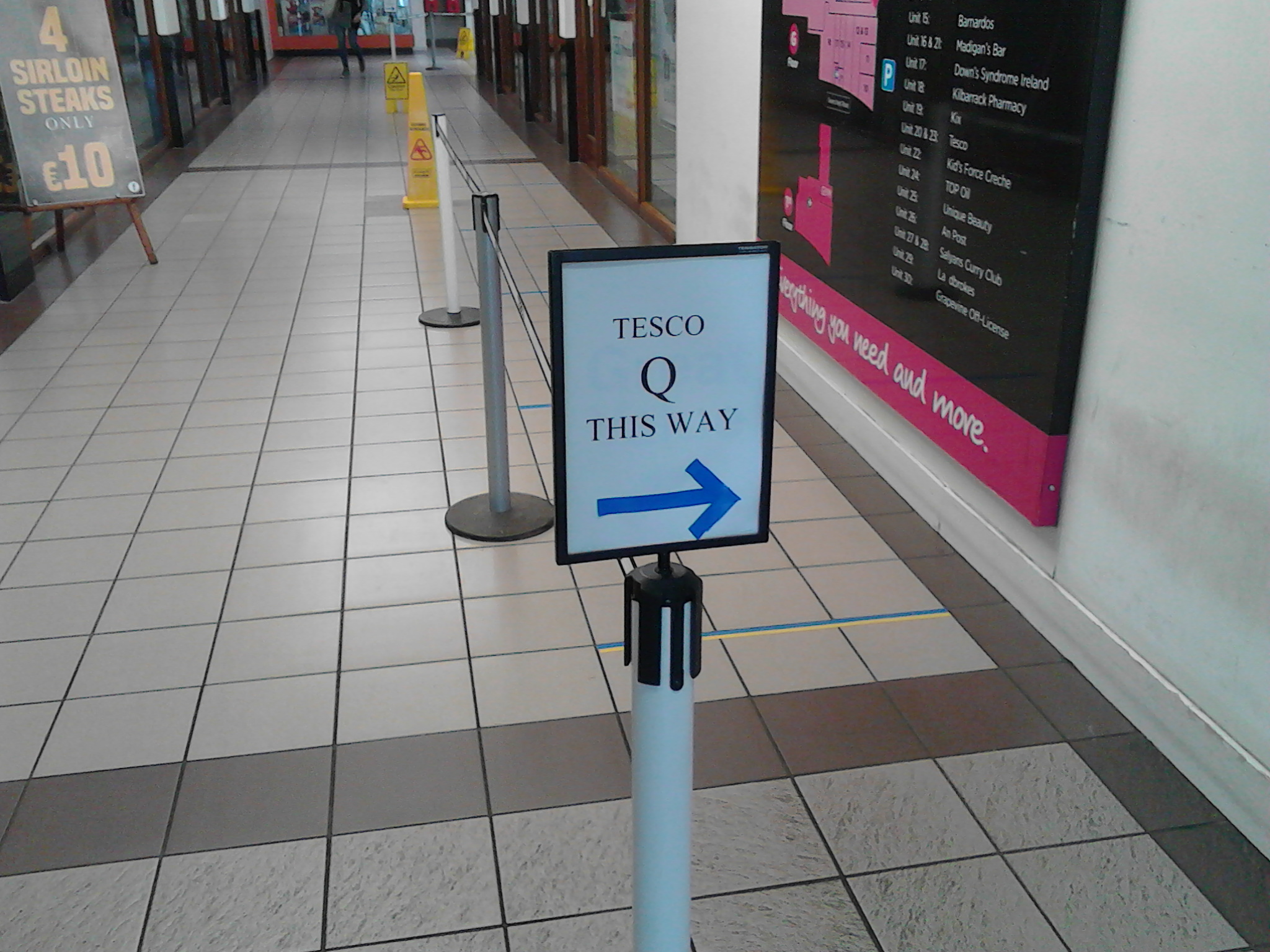
    Present-day at the same supermarket, the numbers entering the premises are being more tightly controlled with customers made to queue outside — and only being allowed in one at a time. This is enforced by in-store security.

    This has made queuing outside supermarkets the norm in April 2020, with families being encouraged to send only one person — or as few as possible — to get the weekly shop. Some supermarkets are reportedly even banning children now.

    On Sunday March 15, all pubs were asked to close until March 29 at the earliest — but not all publicans immediately complied.

    TheCity.ie called to three Dublin public houses on that Sunday evening and while two were closed completely, one was still defiantly doing a brisk trade.

    In the weeks since then, you’d be extremely hard pressed to find any public house open in the capital. But at least one Dublin publican this month started delivering pints and Sunday roasts to his customers.

    How one popular north Dublin neighbourhood pub announced its closure on Sunday, March 15 on foot of Government advice (Photo: Paul Caffrey)

    You can catch up with how “shopageddon” had eased off by March 26 — only for panic-buying to make a return on March 28, the morning after lockdown was announced — in this follow-up video.

    WATCH: ‘The calm before the storm’

    This video made by Paul Caffrey for TheCity.ie documents events of March 26-28 in the supermarkets and on the streets of Dublin

    During a €363million nationwide panic-buying spree in the second half of March, €3.5million was spent on loo rolls alone, according to consumer habits researchers Nielsen.

    Since then, Tesco.ie has asked its customers to shop in store if possible because home-delivery slots have become a “precious resource” that should be set aside for those who need it. The grocery giant has been experiencing high demand for its home-delivery service, with a message on its homepage for registered customers this week warning of low stocks.

    This warning to would-be home-delivery service users appeared on Tesco.ie’s homepage for registered customers this week (Photo: Tesco.ie)

    As of April 28, there are 19,877 confirmed cases of Covid-19 in the Republic of Ireland. There have been a total of 1,159 deaths related to the virus here.

    Last Friday, April 24, Leo Varadkar warned the current lockdown could be extended by weeks if people don’t adhere to the restrictions. 

    All important updates on the virus situation within the State are being posted here on the Government website as they happen.
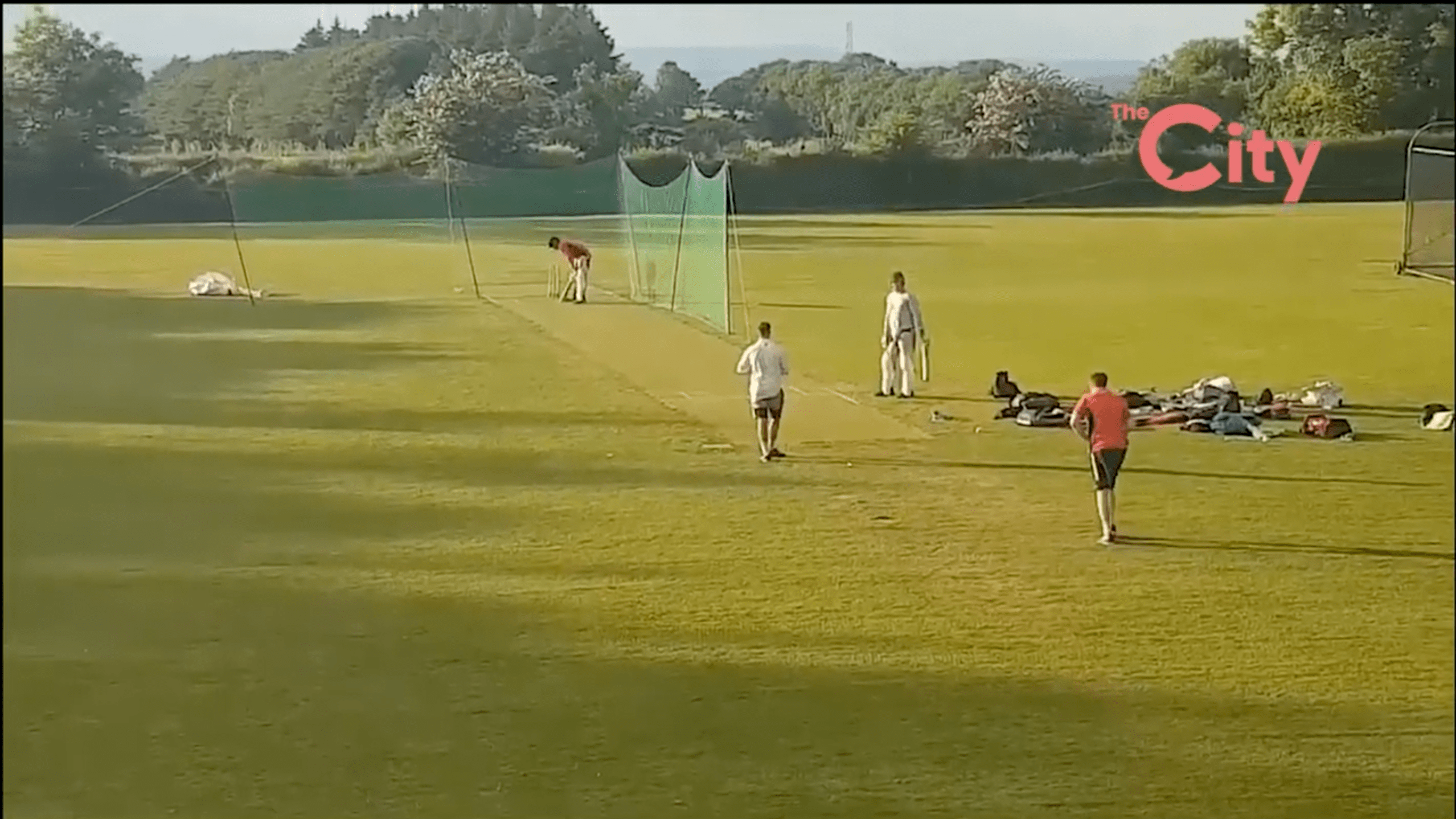
  • Watch: Life under lockdown –cricketers prepare for a new season

    Watch: Life under lockdown –cricketers prepare for a new season

    Cork Harelquins Cricket Club, June 2018. Photo: Ted Williamson

    TheCity.ie reporter and Munster interprovincial cricketer Ruadhán Jones has been looking at how cricket clubs and professional teams are preparing for the season under lockdown. He spoke to Ted Williamson, Munster Red’s interprovincial head coach and coach Cork Harlequins CC, and Kieran Sheffron — Munster’s strength and conditioning coach.

    Sports seasons have been cut-off, curtailed, or simply cancelled as a result of the coronavirus. As we enter the summer months, experts have warned that a return to contact sports is “a long way off”.

    But not all hope is lost. Speaking to RTE, Dr Paddy Considine — a sports economist — said that “there will be a hierarchy. Individual sports will have an advantage, while team sports or contact sports will be under pressure.”

    On top of this, Sport Ireland chief executive John Treacy said that non-contact, outdoor sports will be “a priority” when restrictions are lifted.

    For the likes of the GAA, soccer and rugby, this still makes a summer season unlikely. However, some non-contact outdoor sports have an outside chance of playing a shortened season – this includes cricket.

    As a member of an interprovincial panel, we have to do everything we can to be ready to hit the ground running. But it’s not all about the professionals – clubs are working hard to keep their members involved and active.

    To find out how teams and players are preparing, I spoke to Ted Williamson, head coach of the Munster Reds and coach at his local club Cork Harlequins CC, and to Kieran Sheffron, Munster’s strength and conditioning coach.

    Life under lockdown – cricketers prepare for a new season

  • Newbridge in pictures: Rural Kildare town adjusting to restrictions during Covid-19

    Newbridge in pictures: Rural Kildare town adjusting to restrictions during Covid-19

    TheCity.ie’s Kim O’Leary presents a collection of her own photos from her hometown of Newbridge, Co Kildare, where big and small businesses are fighting to adjust to restrictions – cautiously optimistic that their beloved town will one day flourish again.

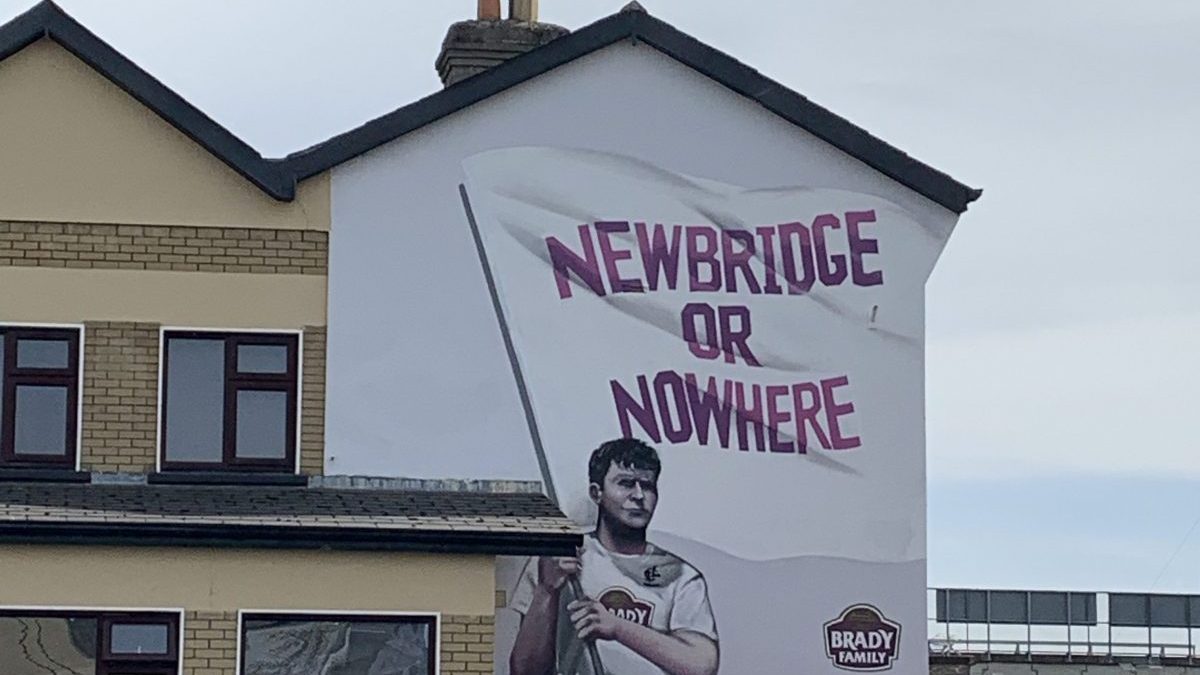
    ‘Newbridge or Nowhere’ became the town’s unofficial mantra following the summer of 2018 debacle, when Kildare rejected the choice of Croke Park as the venue for their All-Ireland qualifier round 3 match with Mayo. In the end the match was played in Newbridge’s St. Conleth’s Park and saw the Lilywhites emerge victorious over Mayo. This mural was painted to cement the landmark victory. (March, 2020)

    The Covid-19 pandemic has changed normal life as we know it, with many local businesses bearing the brunt of changes to the economic climate. And for my small rural town of Newbridge in Co Kildare, the difference between Newbridge before and during Covid-19 is startling; shops are closed, people now wear masks and gloves to the supermarkets and the atmosphere of dread and fear is palpable in the air.

    Newbridge Town Hall is located at the very heart of the town and the building has been used as a dance hall, a FÁS training centre, a bingo hall, a storage unit and it was also headquarters to the town commission and the community council. The first stone of the town hall (which is formerly a barracks chapel) was laid in 1859 by Lieutenant General Sir James Chatterton. (March, 2020)

    Newbridge, officially known by its Irish name Droichead Nua, is a town in County Kildare, Ireland. While the nearby Great Connell Priory was founded in the 13th century, the town itself formed from the 18th century onwards. The town grew to include a military barracks which opened in the early 19th century, which continues to function.

    The back-end streets behind Main Street in Newbridge are lonely during the Covid-19 pandemic, with many of the small shops and businesses closed. (April, 2020)

    In the 20th century the town saw great expansion of local business, and Newbridge began acting as a commuter town for Dublin. Over the last twenty years, the town has seen its population soar to 22,742 in the 2016 Census – making it the most populous town in Kildare.

    The newly refurbished post office in Newbridge opened earlier in the year, and it remains open during the Covid-19 pandemic to provide essential services to the town’s inhabitants. (April, 2020).

    In many ways — with GAA being so popular — you’re either a Moorefield or Sarsfields fan, with downtown considered Sarsfields’s turf.

    Like most places still open for business in Newbridge, strict ‘social-distancing’ practices are in operation inside the post office. Make sure to stay two metres apart. (April, 2020)

    St. Conleth’s GAA Park is located downtown, so when these two rival sides come together to play GAA, it’s sure to an entertaining display of Gaelic football prowess. In October 2019, Sarsfields were declared Kildare Senior Football Champions for the 25th time in their history after they claimed a six point victory over Moorefield in St. Conleth’s Park.

    People wear masks as they queue up outside the post office in Newbridge, adhering to the 2 metres social distancing rule. (April, 2020)
    It’s not all doom and gloom for local businesses, with SPAR and Life Pharmacy among the essential stores remaining open during the pandemic. (April, 2020)
    Judge Roy Beans restaurant on Edward Street is a must-see for burger lovers, with the American style restaurant crowned ‘Best Pub Burger’ two years in a row. Currently the restaurant is operating a takeaway service due to Covid-19 and its next door neighbour the EBS building society is open for business as usual. (April, 2020)
    Whitewater Shopping Centre — located on Main Street in Newbridge — is one of the country’s largest shopping centres, with thousands of visitors flocking to it every year. At the moment, many of its non-essential shops have closed but its outdoor water features are still proving popular with families. (April, 2020)
    Escalators have been powered down in the Whitewater Shopping Centre, with only a handful of stores open including the Marks & Spencer food hall. (April, 2020)
    A blind man walking down Main Street in Newbridge during the Covid-19 pandemic over Easter weekend. (April, 2020)

    The very top of the town is home to the larger supermarkets of Dunnes Stores and Tesco, as well as the newly opened skate park, and fast-food giants McDonalds and KFC.

    For the first time in their history since opening in Newbridge, McDonalds and KFC on Moorefield Road are shut for business with empty carparks over the Easter weekend. McDonalds shut its doors on Monday, April 23 and KFC shut on Wednesday, March 25.
    (April, 2020)
    A solitary man eats outside KFC in Newbridge during Covid-19. (April, 2020)
    The Dunnes Stores carpark in Newbridge is almost full as shoppers flock to gather their much-need food supplies. (April, 2020)
    A female shopper dressed in mask and gloves for this shopping excursion. (April, 2020)
    A woman visits the fish monger to collect her order. (April, 2020)
    The popular skate park in Newbridge opened last April after 20 years of campaigning by skate boarding enthusiasts, but during Covid-19 the park is going mostly unused. (April, 2020)
    One of the most iconic businesses located in Newbridge is of course Newbridge Silverware, which has spent over 80 years in the town. Its Museum of Style Icons features pop culture memorabilia from Princess Diana’s dresses to suits worn by The Beatles, and much more. (March, 2020)

  • What to read in isolation: ‘Where the Crawdads Sing’ by Delia Owens

    What to read in isolation: ‘Where the Crawdads Sing’ by Delia Owens

    New York Times 2018 bestseller ‘Where the Crawdads Sing’, by Delia Owens

    Attempting to focus your mind on literally anything that isn’t related to the coronavirus takes a special sort of superhuman mind control, but the debut novel by zoologist and nature writer Delia Owens had me transported to another world (and another ecosystem) writes Kate Brayden.

    Set in the swamplands of North Carolina during the 1960s, gradually building tension into the 1970s, the American wildlife author utilises the environment to paint a portrait about the cruelty of enforced isolation.

    The tale follows Kya Clark from the age of six up to 25, as she copes with her own abandonment by each member of her family until — at ten years old — she must learn to fend for herself. The swamp takes the place of her guardian, and though she is illiterate, her prowess as a biologist becomes unmatched.

    North Carolina wetlands (Photo: iStock)

    This takes inspiration from Owens’ own childhood in southern Georgia, where her mother used to tell her to “Go way out yonder where the crawdads sing.” Her mother taught her how to hike without stepping on rattle snakes, and not to fear the inhabitants of the ecosystem. Delia went on to spend most of her life in or near true wilderness, and since childhood has thought of the outdoors as a true companion and close friend.

    Flicking back and forth through the timeline, the plot follows the mysterious murder of the town’s golden boy until the final answer is eventually revealed – but only after we witness Kya’s own fight for survival. Bigoted witnesses yearn to blame the murder on the “swamp girl”, with Owens using influences from crime fiction, nature writing and even YA romance to keep the reader consistently entertained. Owens also cleverly uses anecdotes of mating rituals of insects and animals as metaphors for the (usually fairly heartless) behaviour of the novel’s male characters.

    Reese Witherspoon discusses the novel with author Delia Owens (Photo: Instagram)

    As Kya grows, she acquires tricks from the marshlands surrounding her, learning how to fish and hunt in order to garner the cash for food. Later on, she utilises her observations of wildlife and applies them to dating when two boys of opposite backgrounds show an interest in her.

    Despite being viewed as “white trash” and the epitome of a pariah, Kya is underestimated her entire life – learning camouflage to escape the clutches of those who target her.

    The book cuts between the murder investigation and the progagonist’s lonely upbringing, dodging her abusive father while missing her mother and older brother, Jodie. Kya looks to nature for answers to the question of why everyone around her eventually leaves, but finds solace in guidance from a married couple who live in ‘Coloured Town’.

    As a recluse with little vocabulary and a target of ridicule, she can relate to the prejudice ruthlessly handed down to the black people of the town. 

    The compelling character will presumably be spun into a film role in the future, with a star turn by an up-and-coming actress. It was refreshing to read such a three-dimensional character, a fast-paced plot which left room for beautiful writing and a study of racial tensions and social division in a country that has much progress to make to achieve equality.

    In a pandemic which shines a light on the frailty and failure of capitalism in a crisis, the book demands respect for the natural world and its inhabitants. Let it transport you to another era, another landscape and another mindset while you self-isolate indoors.

  • Tokyo Olympics are postponed until 2021 – how did it get to this point?

    Tokyo Olympics are postponed until 2021 – how did it get to this point?

    Photo: Chairman of the Joint Chiefs of Staff – Flickr

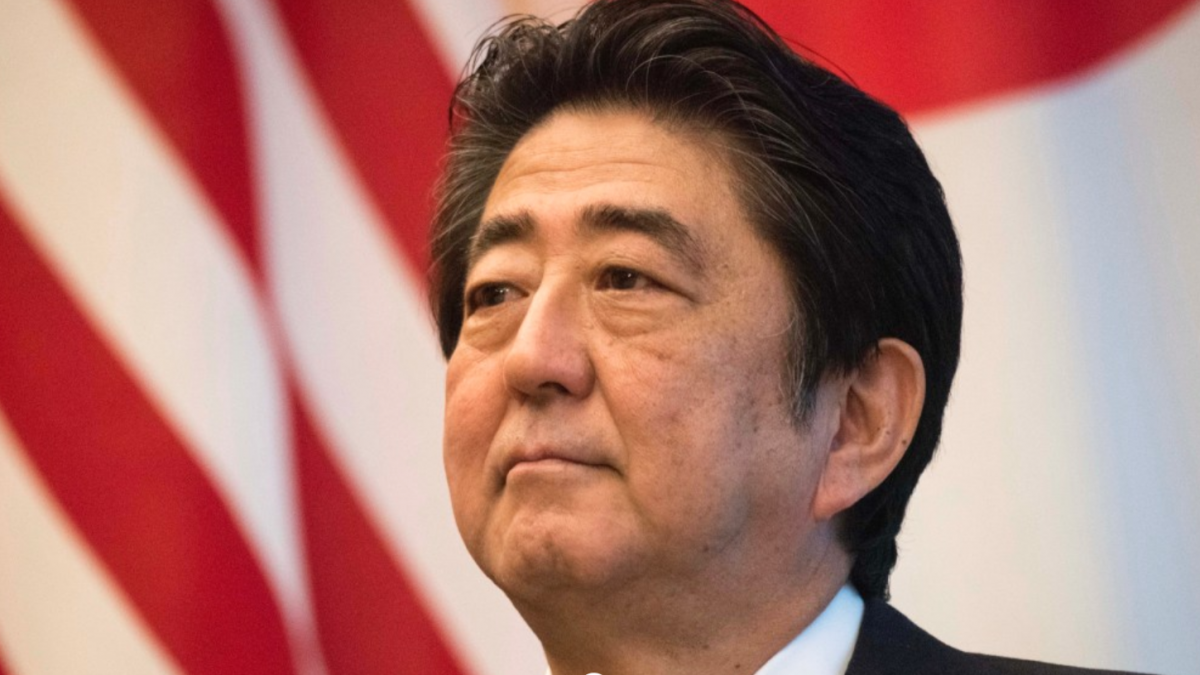
    Having dug his heels in for quite some time, Prime Minister Shinzo Abe finally conceded as the IOC announced that the 2020 Olympics will be postponed. TheCity’s Japanese expert Ayumi Miyano reports.

    On 24 March, Thomas Bach, President of the International Olympic Committee (IOC), and Shinzo Abe, Japan’s Prime Minister, agreed to postpone the 2020 Olympic games in Tokyo as a result of the Coronavirus pandemic.

    According to the joint statement from the IOC, the decision was made at a teleconference held on the same date at 8pm Tokyo time. Their conclusion was to postpone the Olympics until “beyond 2020, but not later than summer 2021”. Both leaders “shared concern” on the global pandemic, which has had a significant impact on athletes’ preparations for the Olympics.

    The controversy about whether to postpone the Olympics was quietly building, especially since last week. On March 17, Japanese Prime Minister Shinzo Abe claimed he “gained support” from the G7 leaders to go ahead with the Tokyo 2020 Olympics “perfectly” as “proof that the human race will conquer the Coronavirus” after an emergency teleconference. 

    No spectator games

    It had been said that “no-spectator” games was a possibility. However, Yuriko Koike — governor of Tokyo — stated to NHK that both no-spectator games and the cancellation of the Olympics are “unthinkable”. 

    If we think about the preparation and effort which was undertaken by the Japanese government, the cancellation of the games would have been seen as the worst case scenario. After the International Olympic Committee selected Tokyo as the host of the 2020 Olympic games in September 2013, the Japanese government has been investing in various entities.

    One example is The National Stadium, which was totally rebuilt for the proud occasion. The construction of the stadium was completed on 30 November 2019, costing more than 1.25 billion US dollar which was reported by Japan Sport Council

    Photo: Eiichi Kimura — Flickr

    The organising committee recently announced that the total number of applicants for the volunteers was over 200,000 people. The selected 80,000 people will support the Olympic games as volunteers. These numbers alone indicate the huge impact which cancellation would have on Japanese people.

    Japanese citizen Masumi Ito — who applied for the volunteers at the Olympics — has been looking forward to the games. If the cancellation happened, “the preparation will be ruined” he said. As a hairdresser, he would be working as a volunteer for the hair salon at the athlete camp if his application passes. 

    “Many people are involved in the Olympics and worked hard to arrange their schedule for it. There might not be an option for a cancellation,” he said, showing concern for stakeholders. 

    Even though Japan could avoid the worst case scenario, the reschedule of the Olympics might shock the Japanese government and its citizens.

    In the joint statement, “significant improvements” in Japan was acknowledged amid the coronavirus panic. The total number of cases is 1,128 in Japan which is significantly lower than the neighbouring country South Korea’s 9,037.

    Compared to Ireland — which marked 557 in total with 191 new cases as of March 20 — the Japanese numbers per day are even smaller. Considering Japanese population is 120 million people, these low numbers might illustrate the Japanese government’s swift and intrusive approach. But in reality, are they managing the situation? 

    “In Japan, we can’t take a Coronavirus test easily yet, and many people who have no symptoms are walking around. I would imagine that even if people were positive for Covid-19, they would go to their work because they have zero symptoms or little symptoms. I guess there are many people like that. It is impossible to suppress the influence of coronavirus,” Ito said. 

    In Japan, we can’t take a Coronavirus test easily yet, and many people who have no symptoms are walking around.

    The Japanese government announced some large sports and cultural events would be cancelled or postponed “voluntarily by their organisers” on February 26.

    Following this; elementary schools, junior high schools, senior high schools, schools for special needs education and upper secondary specialised training schools were temporarily closed from March 2. However, they have not followed most of Europe in closing restaurants and bars.

    “Our graduation day hasn’t been cancelled yet which I’m surprised to be entirely honest but so far nothing has happened,” Fiachra Jones, an English teacher at a high school in Tokyo commented.

    “Restaurants for the most part are still open. There has been advice given out to avoid places like restaurants but at least are still open,” he added. 

    Children in Japan could “go to a childcare facility at schools because they don’t have anywhere to go. Isn’t it the same as usual? It just seems like their spring holiday simply extended. When I go to a restaurant for lunch, I can see some groups of school kids. I think ‘it doesn’t make sense’,” said Ito. 

    Figure 1: Total confirmed cases of Covid-19 – Our World in Data
    Figure 2: Covid-19 tests performed by country – Our World in Data
    Figure 3: Covid-19 tests performed per million people – Our World in Data

    The statistics from Our World in Data show the total number of confirmed cases, tests performed, and the number of test performed per million people on a country-by-country basis.  

    Figure 1 shows that the smaller number of total cases in Japan in comparison with the neighbouring countries like South Korea, China and some European countries like Italy, France and Spain. The curve of Japanese number is less steep, indicating that the number has risen in a slower manner than their counterparts.

    However, Figures 2 and 3 illustrate the lower numbers of tests taken in Japan in comparison with other countries. As of March 17, Japan has 130.3 people per million (ppm) who took the test which is considerably less than 5,566.5 ppm in South Korea. Japanese number is smaller than Ireland — 365 per million — where the announcement of the first case of coronavirus was relatively late — on 29 February.

    These numbers might inform us that the total number of cases in Japan is not necessarily accurate. Analysis by THE CONVERSATION suggests there is suspicion that “the government had conducted only a small number of tests in Japan to hide the scope and severity of the infection, partly due to the Abe administration’s determination to hold the 2020 Olympics in Tokyo”.

    Meanwhile, Japan’s “strong” support in protecting its people’s health was acknowledged by Tedros Adhanom Ghebreyesus, Director-General of the World Health Organization (WHO). 

    The contribution to WHO was made twice — 10 million US dollar on 6 February and 46 million US dollar on 10 March. In addition, WHO informed that Japan confirmed their additional contribution by the Japanese-written document in which they explained the confirmation of 138 million US dollar contribution — the number exceeds 37 million dollar by the United States.

    Ghebreyesus later praised the Asian nation, saying “Japan is also demonstrating that a whole-of-government approach led by Prime Minister Abe himself — supported by in-depth investigation of clusters — is a critical step in reducing transmission,” at a March 13 press conference.

    By March 23, Japanese Prime Minister Abe was showing signs he might concede to the growing pressure due the coronavirus. The IOC said that it would discuss the issue over the coming weeks to consider alternative scenarios.

    “This decision by IOC is in line with what I have said, about holding the games in their entirety,” he told lawmakers. “In case this becomes difficult, in order to make the athletes our top priority, we may have no choice but to decide to postpone the Games.”

    Then, on March 24, what PM Abe had previously refused to consider was confirmed: the 2020 Olympics would be postponed until the summer of 2021. As the pandemic continues to spread, and containing it proves difficult, Ito’s advice seems very wise.

    “If suppressing Coronavirus is impossible, we have to exist with the disease,” said Ito.

    No one can predict when the coronavirus crisis will end. The “perfect” Olympics on this summer will not carry out but it is also a time for Japan to give its “strong” support to its citizens and prepare for the Olympics which possibly take place — however imperfectly — in the summer of 2021.

  • ‘The stark reality is that Irish Travellers are one of the most vulnerable groups in this crisis’

    ‘The stark reality is that Irish Travellers are one of the most vulnerable groups in this crisis’

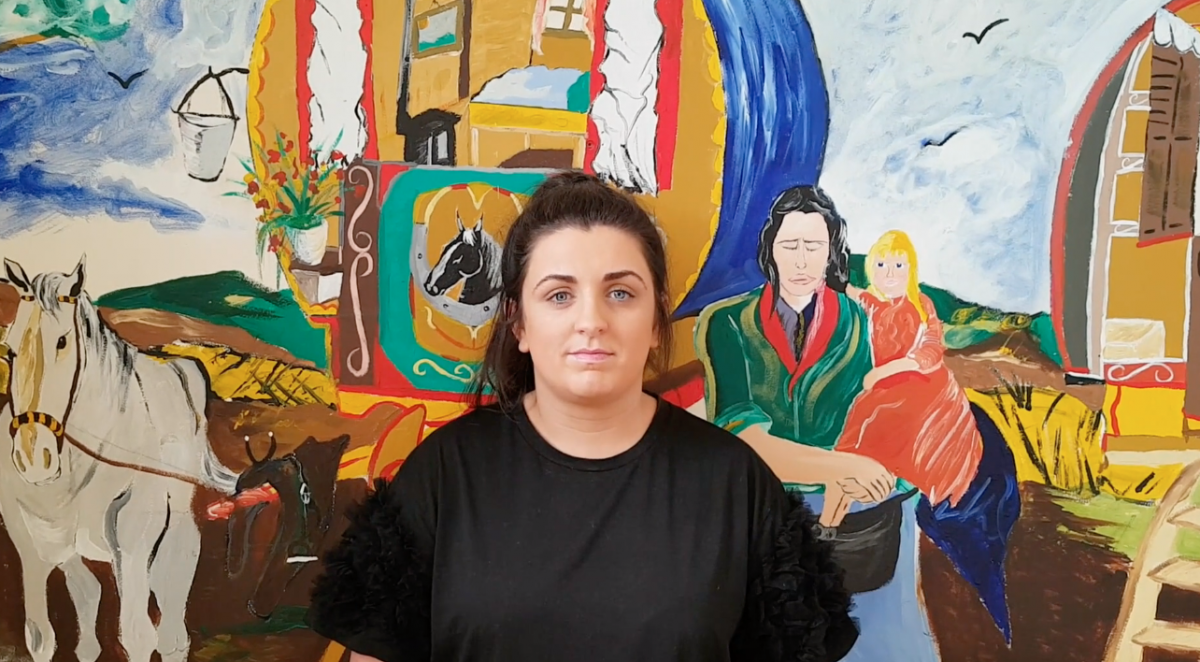
    Pavee Point has created an instructional video relating to the pandemic
    Photo: Pavee Point Traveller and Roma Centre

    Members of the Traveller community are at a disadvantage in terms of health status and access to adequate health facilities. Kate Brayden explores why their organisations are calling for specific instructions for the minority group during the Coronavirus pandemic. 

    Prominent members of the Irish Traveller community have called for answers from the HSE and the Irish Government regarding the issue of self-isolation for the minority group.

    The community has been urged to self-isolate and practice social distancing by the Government – as has the rest of Ireland’s inhabitants – but this is potentially more difficult for Irish Travellers. Many of them live in close proximity to family members and have significantly less access to sanitary facilities. 

    “We know that the COVID-19 is presenting clear challenges for all communities in Ireland,” Ronnie Fay, Co-Director of Pavee Point Traveller & Roma Centre, commented. 

    “But we know that for Travellers and Roma, the disease is particularly concerning”

    Traveller communities experience overcrowding at seven times the national rate, and many Travellers don’t have access to proper hand hygiene facilities on sites, or running water. Chronic health conditions are also experienced in disproportionate rates by members of this minority.

    “The stark reality is that Travellers are one of the most vulnerable groups in relation to this crisis and yet they will not be able to effectively self-isolate (where advised). We know this is not new and has been an ongoing issue given the persistent failure of Local Authorities to address the ongoing accommodation crisis within the community, despite having the budgets to do so,” Fay added. 

    “Every year substantial parts of Traveller accommodation budgets remain unspent by Local Authorities. For instance, in 2019, according to the Department of Housing Planning and Local Government, only 30% of the Traveller accommodation budget was drawdown by local authorities, with over half (14) of local authorities failing to draw down any of the allocated Traveller accommodation funds.”

    Traveller Health Units and the HSE are working to mitigate the situation as far as possible and their Traveller Primary Health Care Workers are at the forefront of this work ensuring accurate and timely information is made available to their families and wider Traveller community, while at the same time protecting themselves. 

    Fay insists that these issues are more complex, than suggested by the HSE and urges councils to take heed of Pavee Point’s stark warnings before a crisis emerges within Traveller communities, who are already being left behind by much of the health services:

    “An interagency approach is required, as is stronger leadership and engagement from local authorities to ensure Travellers are protected. “

    It has been suggested that local councils work to disinfect and sanitise living facilities on lands where members of the Traveller group are currently settled.

    According to the HSE website, the health service is continuing to work closely with the Traveller Health Units and Traveller Representatives in responding to Covid-19.

    The Irish Traveller Movement put out a statement on the pandemic via Facebook, stating that all planned ITM events or gatherings have been postponed “with immediate effect”:

    “The Irish Traveller Movement is guided by the Health Service Executive and the Government response to COVID-19/Coronavirus. Currently, there is no vaccine or drug available for COVID-19 and it is expected that there will be community spread of the virus, which is now being classified as a global epidemic. 

    “Daily government bulletins are being issued to the public on measures that may require immediate decisions which help limit the spread of the virus and protect people who are most vulnerable. Where possible we recommend one-to-one meetings by phone,” they wrote.

    Where there is further Government advice, or if an ITM staff member is infected, this will entail the closure of  ITM’s premises for 14 days:

    “ITM staff who are not infected will be supported to carry out work remotely and with some staff cover at our office. Please contact staff by email or on mobile if you cannot reach them on our landline 01 6796577.” Employees have been encouraged to work remotely,” the post concluded.

    The Irish Traveller Movement conducted a Risk Assessment of their working environment and recommended a Risk Assessment audit to be carried out daily by Local Traveller Organisations to determine the level of risk to your organisation and the community.

    The All Ireland Traveller Health Study, which took place in 2010, reported multiple health inequalities which have contributed to poor health status.

    Traveller women live 11.5 years less than women in the general population, on average, while Traveller men live roughly 15 years less. The number of deaths among Traveller infants is also estimated at 14.1 for every 1,000 live birth compared to 3.9 for every 1,000 live births among the general population. 

    Deaths from respiratory and cardiovascular diseases and suicides have also increased in Travellers, as opposed to the general population.

    The HSE are applying the same protocols to the community, despite health disadvantages:

    “If you develop symptoms you will need to self-isolate and phone your GP. Do not go to a GP surgery, pharmacy or hospital. The GP will assess you over the phone. If they think you need to be tested for coronavirus, they will arrange a test,” the website instructs.

    “You will need to self-isolate if you have coronavirus or have symptoms of coronavirus. This could be before you get tested for coronavirus, while you wait for test results or when a positive result is confirmed.”

    Dublin City Council are working closely and are in communication with the Local Traveller Accommodation Consultative Committee and all local Traveller Representative Groups. The Council is also working closely with the HSE’s Social Inclusion Unit Northside and Southside to provide Travellers who may have contracted the virus with support.

    For full instructions on social distancing, self-isolation and protocols to follow if you do become infected with Covid-19, check the HSE website.