Tag: featured

  • Is the pandemic ever coming to an end?

    Is the pandemic ever coming to an end?

    By Aidan Crowley

    The World Health Organization (WHO) has warned that the Covid-19 pandemic will likely drag on into 2022 and could last even longer

    Image via Jernej Furmen, Flickr

    The World Health Organization (WHO) has recently warned that the Covid-19 pandemic will most likely drag on into next year, due to the lack of vaccinations across the world, particularly in poorer countries. Dr. Bruce Awlward, a senior leader at the WHO said: “I can tell you that we are not on track. We really need to speed it up, or you know what? This pandemic is going to go on for a year longer than it needs to.” 

    The biggest headache for the WHO, is that a huge problem has arisen around the uneven distribution of vaccines around the world. In addition, the low rate of vaccinations in low-income countries as opposed to high-income countries, is setting alarm bells ringing at world health headquarters. High income countries like Ireland and the UK are ideally supposed to be donating to poorer states and have pledged a total of Euros 100 million, but have, so far, delivered only Euros 10 million.

    Emerging from the pandemic, is not only vital for people’s general health and well-being, but also, to the economy and those sectors that were hard-hit when restrictions to curb the spread of the virus were originally introduced. One of the main reasons that the pandemic is still ongoing, is that less economically developed countries with high populations, are lagging behind in the rolling-out of their vaccine programs. Some experts argue that without mass vaccinations across the globe, the virus will mutate to the point where the original vaccinations become obsolete, although this is typically difficult to predict. 

    The “covax pool” was meant to counter-act this scenario and ensure that any countries who could not afford the vaccines, still had access to them, through subsidized costs. However, some countries like the UK and Canada have used the pool to acquire their own vaccines, despite having their own contacts with major pharmaceutical companies. One stark statistic outlines the scale of the vaccination roll-out inequality – under 3% of the entire population of Africa has been fully vaccinated.

    In recent months, many observers in both Ireland and the UK have promulgated that the pandemic might be coming to an end. Bars, restaurants and cafes have re-opened with the vaccination program almost complete. Nights out and recreational activities have felt like pre-pandemic times. More than 92% of Ireland’s adult population has been fully vaccinated, while 93% of the population over age 16, have received at least one dose. But with cases now on the rise again (4,607 new cases confirmed, 579 people in hospital and 115 in ICU), the problem at home has risen to the point where some health experts are advising that the government re-impose some of the restrictions that we experienced earlier in the year.

    Covid-19 cases have the potential to overwhelm the HSE and so prevent patients with other medical conditions receiving the care that they need. With the emergence of the very recent Omicron variant of the virus, the overall picture has become far more complex. The Irish government could be forced into its contingency plan for winter that would re-introduce some measures, such as social distancing, mask-wearing and asking people to work from home. The re-enforcing of Covid passports in a number of hospitality settings is also, very much, on the cards. It would be a major setback for many businesses, recovering from the pandemic, particularly those most impacted, such as the hospitality and air travel sectors.

    Mike Ryan, a director of the WHO, has warned that this pandemic has the potential to overwhelm health systems throughout the world. “It is a tragedy. We still have doctors and nurses in frontline situations in low-income countries, who are not protected against Covid-19.” Speaking as part of a virtual conversation with Professor Michael Kerin, chair of surgery at NUIG, he was very critical of the uneven distribution of vaccines between developed and developing countries. “What we need to be able to do is not run our health system like a low-cost airline, at 120% occupancy, which we effectively do in many countries. I think that every country, including Ireland, is going to take a hard look at that scenario,” he added.

  • Who you gonna call? Ghostbusters Afterlife movie review

    Who you gonna call? Ghostbusters Afterlife movie review

    By Christopher O’Flaherty

    Image via Flickr

    Ghostbusters afterlife is a mix between 1980’s nostalgia and the power of modern cinema. The director Jason Reitman lives up to his father’s original 1984 Ghostbusters movie with this soon to be classic nostalgia trip down memory lane. McKenna Grace steals the show as Phoebe — a young aspiring scientist, the granddaughter of one of the original ghostbusters, Dr Egon Spengler. McKenna Grace does a fantastic job portraying a young child who is not too sure what to do with herself.

    The movie starts off at an excellent pace. Throws you right into the deep end and immediately introduces us to the incredible technology that we will be seeing a lot of in this movie. By the time the first 30 minutes of this movie are up. We have been introduced to all the main characters and developed their relationships with each other. A very hard thing to accomplish but Jason Reitman does a fantastic job not boring us with unnecessary nonsense. We want to see some ghosts being busted. That is what we are here for.

    Now let’s talk about the casting. Logan Kim as Podcast was excellent casting. He’s funny, he’s different all while not being annoying. He has a love for conspiracy theories and mysteries, so it makes him quite the character and he grew to be one of my favourites throughout the film. Podcast and Phoebes friendship is one you love to see blossom through the movie.

    Gary Grooberson, played by Paul Rudd, plays the teacher that teaches summer school. He acts as a sort of help tool for the audience as he explains all the past Ghostbuster tech to the kids, this helps people who have never seen Ghostbusters before understand all the references to the past films. Paul Rudd played the part very well and I only wish I saw more of him in the movie. 

    Trevor was played by The Stranger Things star, Finn Wolfhard. Finn did a fantastic t job playing the teenage brother to Phoebe. He’s embarrassed by his mother, he gets into a little bit of trouble and would do a little too much to impress a girl. 

    Speaking of the teenage girl. Lucky played by Celeste O’Connor is quite frankly. A boring character. Her dad is a cop but there’s never any story there and doesn’t play any major part in the plot. She kind of feels like she’s there so that Finn Wolfhard’s character has a love interest. She’s just very one dimensional. Celeste O’Connor did the best she could with the script she was given. Just comes down to a poorly written character.

     Another poorly written character was Carrie Coon as the mother, Callie. A character with so much potential, but the writing just falls short. Callie is quite frankly dull. She pretends to not know anything about her father for the majority of the film as if she never knew who he even was. She knew exactly who he was but just decided to lie to her kids and have absolutely no idea what’s going on. It’s weird writing and a character with so much potential was wasted.

    Now, the absolute star of the show who really makes this film shine. McKenna Grace as Phoebe. Oh, my days she smashed it. She stole the show with every scene she was in. Her hyper-intelligence really portrays how brilliant she is, but it never comes across as a know-it-all or at all annoying. She was funny, relatable and just amazing. No complaints there, what an amazing actress.

    One of the most loved parts of the original Ghostbusters movies from the ’80s was the action scenes. They were cool, fun and creative. Ghostbusters Afterlife delivers this in spades. Action scenes are exciting and well-directed and incredibly fun to watch. The action starts pretty early on in the movie, at about the 30-45 minutes mark. The best part? The action does not slow down. There is this amazing car chase scene with ECTO-1 that is by far the best action scene in the movie. It is fantastic to see the Ghostbusters with modern-day CGI.

    Ghostbusters is notorious for also being very funny. Ghostbusters Afterlife has its moments. Paul Rudd kills it every time he is on screen with his witty retorts and smart attitude. Logan Kim as Podcast is by far the funniest character. Although comedy is frequent it does leave room for the spookier and more serious side of Ghostbusters.

    I wouldn’t say this movie is scary, but I also wouldn’t say the original Ghostbusters is scary. This movie has more of a creepiness to it. Object floating around the air. Chess pieces move by themselves. Small things that make the movie better while also making sure it’s not pretending to be a horror movie.

    Overall, I loved this movie. I walked out of the theatre only wanting more. It’s a fun, humorous, exciting Ghostbuster’s movie and I cannot wait to see what will be done in the future. If you liked the original Ghostbuster movie from 1984, you’ll love this. If you’ve never seen Ghostbusters before, you will also love it. 

    Final Rating: 8.5/10

  • Irish nurses – Overworked, Underpaid and Emigrating

    Irish nurses – Overworked, Underpaid and Emigrating

    By James Hagan

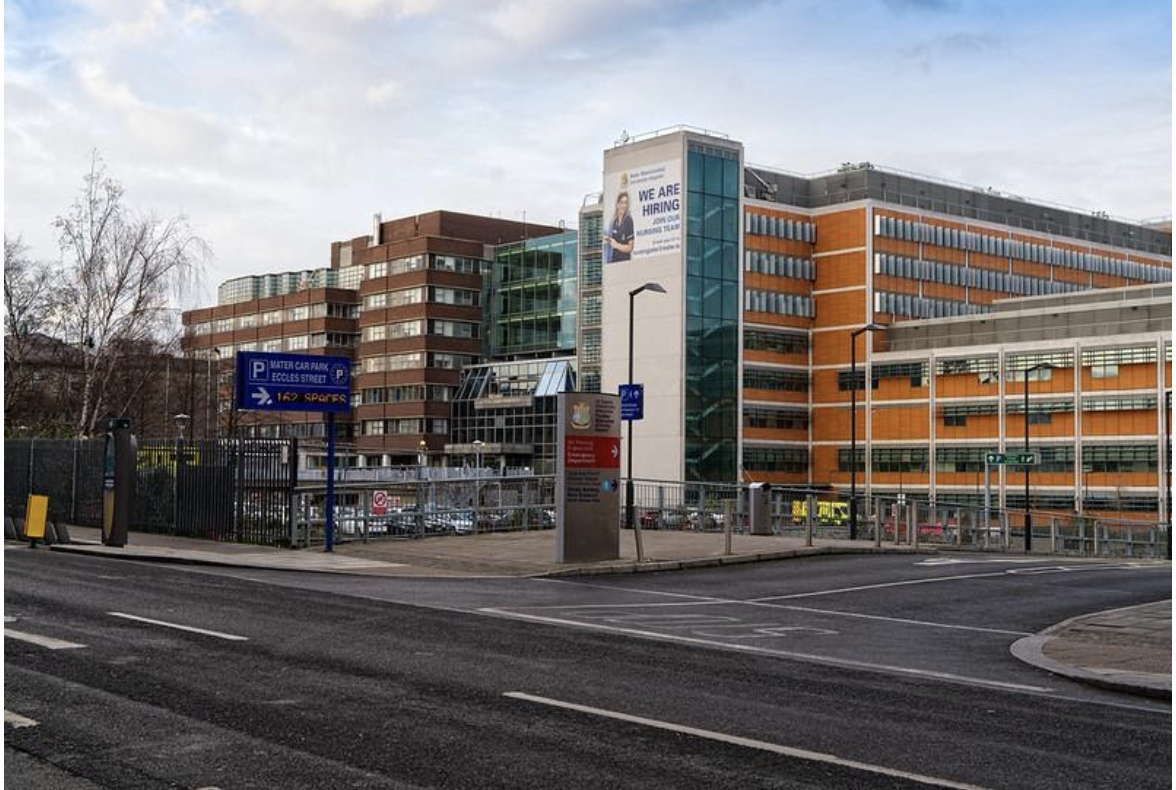
    RTÉ News reported that conditions are getting so dire, a transplant surgery had to be cancelled this month in the Mater due to a lack of ICU beds. (Image via William Murphy, Flickr)

    Irish nurses have been on the frontline of the COVID-19 pandemic, but overloaded work schedules, unsafe work environments and miniscule pay has left nurses going abroad for fairer treatment. 

    Before the Covid-19 pandemic, both training and career nurses in the Irish health service faced a high workload and low wages, and since then these conditions have worsened. 

    RTÉ News reported mid-November that physical and emotional assaults was on the rise in Emergency Departments nationwide. The Irish Nurses and Midwives Organisation (INMO) have asked the HSE to initiate a security review as more cases of physical and verbal abuse come to light. 

    Paul Reid, HSE Chief executive, has since said if security in hospitals needs to improve, that the HSE will provide, yet no official plans have been made yet. 

    The INMO have also heard about concerns of a lack of adequate breaks during shifts and the use of annual to alleviate work overload. Despite staff and union outcry, conditions remain the same. 

    The Irish Independent reports that a spokesperson for the Saolta Universal Healthcare Group, a group established by the HSE, “regret” the pressures their hospital’s staff are facing but assures that hospital groups are recruiting nationally and internationally to reduce staff workload. 

    Recent protests held at both Leinster House and Mayo University Hospital since the beginning of November have highlighted issues that have been campaigned about for years by nurses’ advocacy groups and unions, yet remain unresolved.

    The City spoke to Irish-based nurses about their current experience in nursing in Ireland. Nurse’s names have been changed for employee confidentiality. 

    When asked about their thoughts on nurse’s wages, Bea, a student nurse in the Mater Hospital, explained that student nurses aren’t paid. “We’re not paid as student until we get an internship, which then is only minimum wage” she said. “Staff are overworked and underpaid. Staff shortages causes a major strain on the system. This makes it dangerous for nurses and for patients.” 

    Jay, who works as a clinical research nurse in the Dublin Neurological Institute, said his current role is the best work environment he’s been in. Yet he had to leave tertiary hospital work from getting burnt out. 

    “Being in such a high-pressure environment brought out a lot of toxicity in the people. There were always issues with management’s treatment of staff. Patient to nurse ratios were at times unsafe. It put an enormous amount of stress on the nurses to ensure patient safety in unsafe environments.”

    The INMO was unavailable for comment.

    Some nurses have decided to emigrate in order to find better work environments. The City spoke to Irish-trained nurses Louise, Isabelle and Lydia, about life as a nurse in Australia compared to Ireland. 

    The City: How has career nursing been since moving to Australia?

    Louise, who has been working in Australia for 2 months, says the differences between nursing work environments is obvious, and Australia offers a higher quality of life. 

    “The pay is double what I got at home for far less responsibility, and I never worry about coming in the next day. We’re given company cars with petrol and tolls paid for. The opportunities to explore different specialities are far broader; there is much less red tape involved” she said. 

    Lydia, who has been trained in nursing for 5 years, says the work is more efficient and conditions are better. 

    “Plenty of staff are available, shifts are only 8 hours and are more manageable this way. I feel much safer in my environment and don’t dread going into work at all, at least yet anyway!”

    The City also asked the nurses about the effectiveness of nurses’ right advocacy groups, protests and marches in aiding their work conditions. 

    Bea, Mater Hospital: “In a way, yes. There was a strike for payment to students working during the pandemic, but overall, I feel they’ve not had much impact.”

    Jay, DNI: “I think demonstrations and unions have a function to help fight for nurses’ rights. It’s a great way to show solidarity. Personally, I think that for substantial changes to be made, we need representatives in spaces where decisions about healthcare delivery and legislation are being made.”

    Isabelle, Australia: “Advocacy groups are beneficial for support in your work life. However, any protest or strike I have been a part of has felt unnoticed.”

    Louise, Australia: “I think they’re a good place for nurses to support each other and realize we are not alone. Yet (all nurses) can’t all out strike at once – if we do, people will die. None of us want patients to suffer any further and we couldn’t do it knowing avoidable deaths occur.”

    Lydia, Australia: “They can be very effective yet nursing agencies don’t hold out long enough to achieve results. I feel like they chicken out if a strike is going on too long or before a strike starts and then we don’t see the results we want. While the government has announced the continuation of student nurses’ pandemic payment plan, along with a 12.5% annual raise in 4th-year nursing internships, demonstrations continue to occur in protest of work environments and may continue to drive nurses abroad for more accommodating careers.”

  • ​​94 Rough Sleepers found in the Dublin Region

    ​​94 Rough Sleepers found in the Dublin Region

    By Ciara Tyrrell

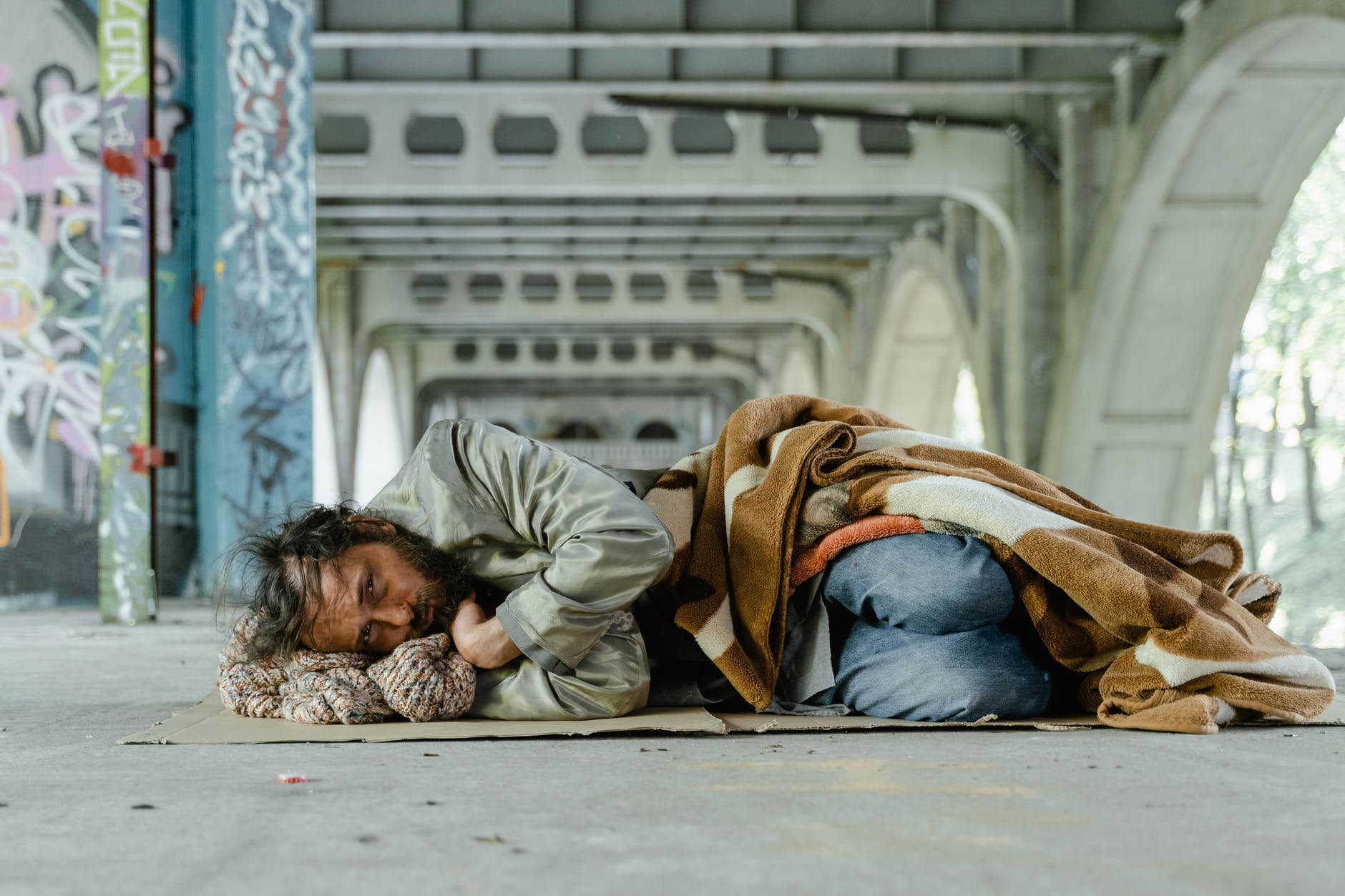
    The Dublin Region Homeless Executive (DRHE) arranged for a full regional assessment of people sleeping rough in Dublin.

    According to Lisa Harpur from the DRHE, “Over the week of October 25th to 31st October 2021, our outreach team, Dublin Outreach, provided by Dublin Simon Community, targeted the entire Dublin Region intensively to engage in a full county wide assessment of people sleeping rough. In advance of the count, we were in contact with the 4 Dublin Local Authorities  to ensure that the teams were fully informed about any individuals who were known to be rough sleeping, particularly in isolated areas.”

    A total of 94 individuals were met over the week, which is a 25% reduction on the 125 people that were rough sleeping in the April count in 2021. Eleven of the individuals found in the April count were also found in the October count.

    Out of the 94 individuals found by the team, 82 were found to have active PASS records.

    A PASS is the shared bed and case management tool used by homeless services which shows that these people have been assessed as homeless by a Local Authority.

    The other 12 individuals were known by the Dublin Simon Outreach team.

    There were 65 males and 17 females recorded out of the 82 individuals with PASS records. The youngest recorded individual was only 19 years of age according to Dublin City Councils media release, while the eldest individual was found to be 68 years of age. The majority of the count tended to be Irish, male, and aged between 26-45 years of age.

    Back in April 2021, 110 people were recorded rough sleeping with 65 people having tents and 45 people who did not have tents. Although the number of PASS rough sleepers has decreased to 82 individuals this October it was discovered that 37 people were to have tents while 45 people were found without tents.

    In October’s count, 83% of rough sleepers were Irish citizens, 10% had European citizenship, 4% had non-EU citizenship and 3% of the citizenship remained unknown.

    Compared to April, the percentage of Irish citizens didn’t change from 83%, nor did the percentage of EU citizenship. Non-EU citizenship was down by a percent at 3% while the total of unknown citizenship stood at 4%.

    During the week of the count, the team also kept count of the usage of emergency accommodation of the individuals. Twenty-nine people used the emergency accommodation on the night of engagement by the team.

    Thirty-five people used the emergency accommodation over the assessment week and 43 of the individuals used the emergency accommodation within the 3-month period before the assessment week. Sixt-six people used the emergency any time prior to the assessment week.

    Lisa Harpur said that the count takes place twice yearly and that last November (2020) the DRHE “began an alternative and more comprehensive approach over the course of 7 days and this is the method we will continue with. The next count will take place in Spring 2022.” Lisa also mentioned how “ultimately, we want people to be safe and come into shelter and stay in emergency accommodation and these counts give us the opportunity to engage further with individuals who are sleeping rough.

    “It is very difficult to address underlying health and addiction needs unless services can engage with a person experiencing homelessness.  The purpose of collecting this information is to best tailor our response to their needs.”

  • Interview with Brian Kennedy

    Interview with Brian Kennedy

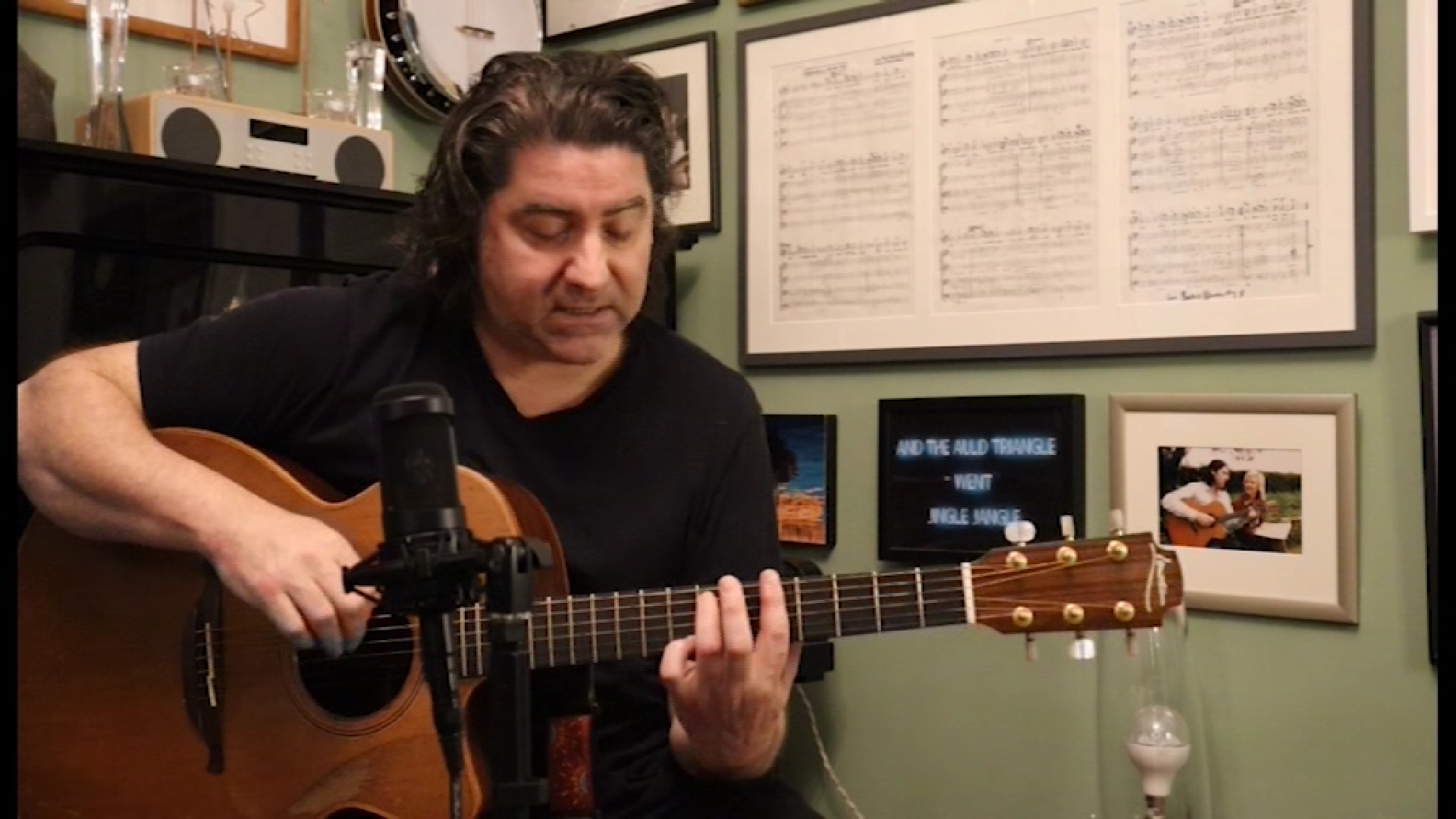
    TheCity.ie paid a visit to singer-songwriter and Irish music legend, Brian Kennedy at his Dublin 8 home. Brian chatted to us about his fascinating career, meeting his heroes, his guitar style, his writing and plenty more. He even gave us a live performance (or two). Ladies and gentlemen, Mr Brian Kennedy…

  • Pints? There’s an app for that

    Pints? There’s an app for that

    By Luke Gillis

    Pubs who introduced phone apps for customers to order drinks

    Barbers Pub in Grangegorman who introduced an app to help their customers order food and drink indoors

    Due to Covid-19, many pubs were looking to introduce new and creative ways to go about service their customers during the pandemic. Such examples include investing heavily in beer gardens and hiring more staff to efficiently navigate table service.

    One of the more advanced ways pubs tried to up efficiency during Covid is through the use of their own phone apps for customers to order their food and drinks from and have them delivered right to their table.

  • The National Archives: An Appointment with History

    The National Archives: An Appointment with History

    By Eoin Glackin


    The Irish delegation at the signing of the Anglo-Irish Treaty December 6, 1921, now in the care of the National Archives. Seated from left, Arthur Griffith, Eamon Duggan, Michael Collins, Robert Barton. Standing from left are Robert Erskine Childers, George Gavan Duffy, and John Chartres.

    When standing at the entrance to The National Archives I felt slightly out of my depth. My wandering mind had conjured up the notion of a dusty place for academics and historians, with an almost Freemason-like exclusivity.

    Within seconds of being inside the reading room, the main area open to the public, I saw a man unassumingly approach the desk. He told the archivist that his brother-in-law had been a very successful competitive Irish dancer and was wondering was there any information on him and his dancing career. The archivist answered him straight away with a helpful, “Let’s have a look.” The would-be family historian and, by osmosis, myself were instantly set at ease by the affable archivist. That is the mission of the National Archives after all: to offer the public an insight into the dustiest corners of Irish history. You will find anything from forgotten family wills to treasures like the original Anglo-Irish treaty, signed 100 years ago on Dec 6th 1921 by historical icons such as Michael Collins and Winston Churchill. Here the devil is not in the detail, Ireland is.

    Signatories of the Anglo-Irish Treaty 1921, image courtesy of The National Archives

    In conversation with one extremely personable archivist, Elizabeth McCoy, about the type of things the archive holds, she brought something startling to my attention. It was an artefact from such a dark occurrence in recent Irish history that I was shocked to have never even heard of it.

    The Cavan Orphanage fire of 1943 saw 35 young girls and one elderly cook lose their lives in St. Joseph’s Industrial School, run by the nuns of the Poor Clares. There was ample time to safely evacuate but out of fear of the girls being seen by the fire fighters in their night dresses, the nuns instead locked them in a hard-to-reach dormitory on the top floor. Some girls who fled on time survived but the majority, following the nun’s orders, met a gruesome and unnecessary end.

    Elizabeth produced folder after folder of documents connected with the tragedy. I found myself losing an hour or more reading through the transcript from the official inquest in 1943. I found myself in awe and horror at the official attempts to exonerate the nuns, into whose hands the care of these poor children was entrusted.

    There is not even a permanent monument to the victims in Cavan town and it seems only a few articles have popped up over the years in national press to little attention. There in my hands, however, was a direct link to the facts of that tragic night.

    That was the profound moment of my visit to the National Archives, the realisation that I was standing in a library unlike any other. It is a library where every word in every book adds up to one grand, ongoing tale. It is the story of our shared national identity in which we all play a part, generation to generation.

    If you are curious to pay a visit to the National Archives on Bishop St. Dublin 8, be sure to bring two forms of photo ID and a proof of address. Once you present those items you are instantly given a “reading card” with your membership info and you are set. 

    Due to current COVID-19 protocols, you must book a slot ahead of your visit. New slots are made available every Friday morning at 9am from http://www.nationalarchives.ie

    The service is completely free and a right to every citizen, so take advantage. What piece of the great Irish story can you unearth?

  • Combining Football and Art: An interview with Barry Masterson

    Combining Football and Art: An interview with Barry Masterson

    By Dylan Kerrigan

    Dylan Kerrigan talks with illustrator Barry Masterson about his career and work to date.

    Image Courtesy of Pixabay

    If you recently attended the Republic of Ireland’s World Cup qualifier versus Portugal, the under-21 European Championship qualifier versus Italy, the FAI Women’s Cup Final or Women’s World Cup qualifier versus Slovakia, you may have picked up a matchday programme booklet with impressive pieces of artwork on the front cover.

    This work was carried out by Barry Masterson – a freelance illustrator who runs his own print shop and produces content such as football matchday programme covers, book covers and other online content.

    Describing his early interest in art, Masterson said “I started drawing as a kid with no real plans about what to do. When it came to choosing what to do for college, that is a tough time as a kid particularly if you don’t know what to do and I certainly didn’t. I took a year out and decided to do a portfolio course because to get into art college you have to do a portfolio. I then fell into a fine art degree and that was a good experience.”

    Masterson described sport as his biggest interest growing up and tried to find a way to incorporate it with art. Following a break from the art scene due to other work commitments he said: “It took a few years to start drawing again and I began posting things online. The sports art scene wasn’t as big back then. Social media was still relatively new, but people liked my work and they shared it around. I made a lot of League of Ireland work and people were excited to see it. People engaged in that because it meant something to them.”

    To create his work Masterson uses a digital drawing tablet and photoshop, where you “basically draw directly onto the screen.”

    He said: “It is kind of the same as using paper or paint but it’s digital. It is the same process and gives you a lot of flexibility. In college there was a lot of printmaking and a lot of traditional ways of making images like carving into wood and when you leave college you don’t really have those materials anymore, so using the digital stuff made a lot more sense. I taught myself how to do that and I am still learning.”

    The last game of the Republic of Ireland’s World Cup qualifying campaign came against Portugal just two weeks ago – the first time the Aviva Stadium had been sold out since the beginning of the Covid-19 pandemic. The ‘Limited Edition Souvenir programme’ cover illustrated by Masterson featured a goal scored by Ray Houghton at the World Cup in 1994. To get to the stage where his work was on display to thousands of people on matchdays, Masterson said that “it took a few years because when you are learning from scratch it takes a while to decide what images you want to make and why. I also kept on tagging the FAI (Football Association of Ireland) in my posts, hoping they would see it. I then got an email from the Communications manager and did the artwork for a book called ‘The Greatest League in the World’ and that went down quite well, so I got to do the programmes for the Nations League in 2018.”    

    Many football matchday programme covers that have been illustrated by Masterson have a particular theme, with the programmes illustrated for the men’s 2022 World Cup Qualifying campaign aiming to capture past World Cup moments. For example, the programme illustration for the home game against Luxembourg in March featured Alan McLoughlin’s goal versus Northern Ireland in the 1994 World Cup qualifying campaign. The match against Azerbaijan featured the penalty shootout versus Romania at ‘Italia 90’ and the following illustration for the game against Serbia saw Robbie Keane’s goal and celebration at the World Cup in 2002 as the front cover. Other work for other campaigns such as the Euro 2020 qualifying game with Denmark featured “the idea of a child aspiring to play for Ireland.” 

    The League of Ireland is associated with a lot of Masterson’s work, and he is aiming to illustrate every stadium in the League. Dalymount Park, Tolka Park, The Showgrounds, Richmond Park, Finn Park and The Markets Field stadium are some examples. Masterson describes these drawings as “the ones that probably took the most work. “

    “They take a lot of time, and they can be tough on your wrist after a while. But they are spaces I love, and they have so much life and character because so much has happened there,” he said. There are features that all football fans recognise when visiting grounds like Dalymount Park, such as the floodlights and the alleyway entrance to the ground, which are both featured on Masterson’s website.

    Other work displayed on Masterson’s website include Serie A portraits of players such as Andrea Pirlo and Francesco Totti, illustrations for books like ‘Heart and Spirit: A footballing history of the Republic of Ireland’, portraits of League of Ireland players as well as other Irish sporting faces like Katie Taylor and much more.

    All of Barry’s work and shop is available by following the link: https://barrymasterson.com/.

  • F*ck The Fees student protest takes place outside Leinster House

    F*ck The Fees student protest takes place outside Leinster House

    By Shay Galon

    A group of people holding signs and flags

Description automatically generated with medium confidence

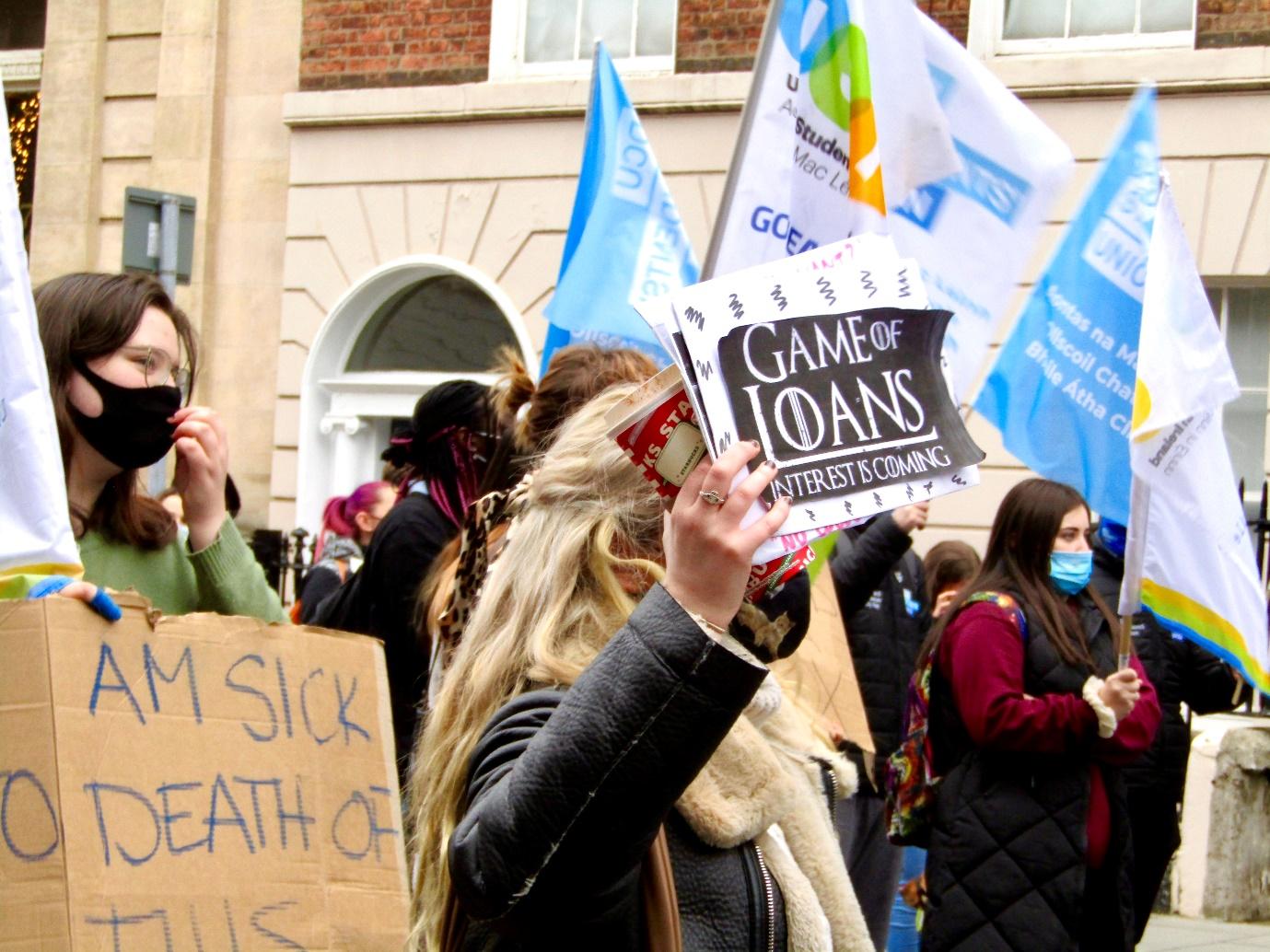
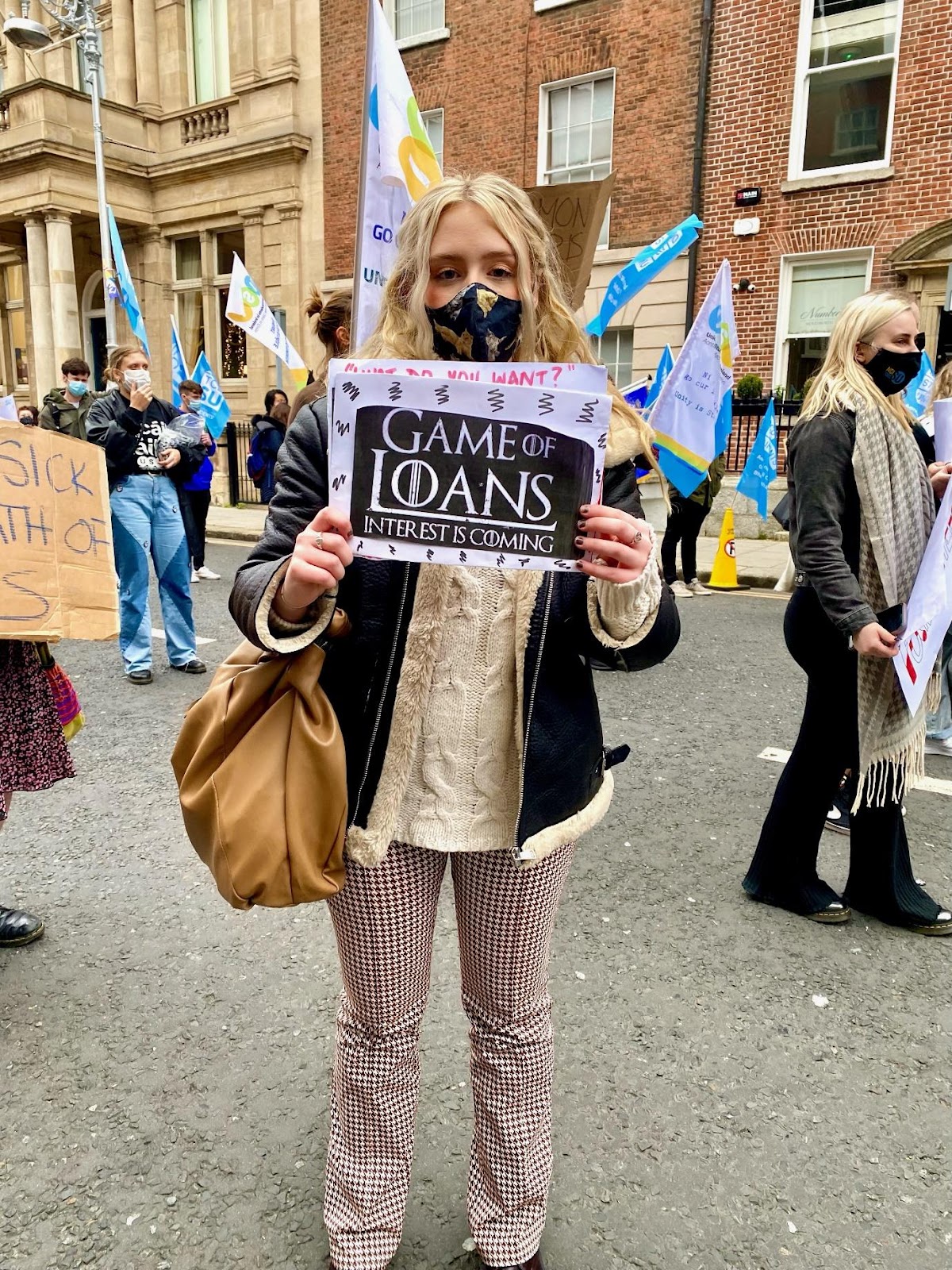
    The Union of Students (USI) organised a student protest in Dublin outside Dáil Éireann on 23 November demanding the Government puts an end to the country having the highest contribution charges for first time undergraduates in the EU. Student Unions (SU) in Galway and Cork have also organised protests in their own cities.

    SU’s from TUD, DCU and TCD are among some of the universities in Dublin who attended the protest demanding the Government to invest in education. Students holding signs containing the phrase “#F*ckTheFees” as well as speakers blasting music were outside Leinster House on Molesworth Street. 

    For Irish residents and those in the EU, college in Ireland are considered free but there is a contribution charge for up to €3000 for each person who wish to attend college. Due to these ‘fees’, students in Ireland are currently paying the highest college fees in the EU. The F*ck the Fees campaign aims to highlight the frustration felt by third-level students towards the Student Contribution Charge. Supports such as the SUSI grant is simply not sufficient enough to maintain a good living condition for these students.

    “The rising cost of living, I still struggle to pay for my transport and college materials with very little help from the Government,” admits Emily Carruthers, a student from NCI who attended the protest after being “let down by SUSI twice and had to fight for my placed to attend third level,” education.

    According to USI, recent research showed that the cost of getting through a four-year degree is at an average rate of €50,000 for students and their families. 

    “Students have been angry for some time about the huge cost of getting a higher education in Ireland,” Clare Austick, USI President stated. 

    “USI, SUs and students across the island feel that students were scapegoated and their sacrifices diminished, throughout the pandemic.”

    The main demands of the campaign include the abolition of the €3,000 student contribution charge, the reformation of the SUSI grant scheme to ensure that students are fairly assessed as well as funding to develop more affordable purpose-built student accommodation. 

    Earlier in the year, there was an online protest via Zoom campaigning for the same cause which was attended by hundreds of students. It is evident that students are fed up with the high fees, rising cost of living and the underinvestment in higher education. 

    “We’re angry about the cost of student housing, which continues to put higher education beyond the means of many in the country.  Meanwhile, property developers repurpose designated student rooms as fancy apartments for the wealthy,” USI said.

    “Yet again in Budget 2022, Government showed that it has no interest in reducing the €3,000 per year Student Contribution Charge, which is the highest fee for an undergraduate degree in the EU,” Beth O’Reilly, USI Vice President for Campaigns said. A picture containing building, outdoor, person, ground

Description automatically generated

    @emilyjcarruthers from National College of Ireland showing her support at the protest.

    “These three regional protests are a chance for students to get out and show the level of anger and frustration they are feeling.”

    As well as the soaring price of accommodation in Ireland, the recent Budget 2022 displayed no intention of introducing legislation or taking any necessary action to make housing more affordable. 

    “Students cannot get accommodation, and many have started this semester making long commutes, sleeping on couches, and staying in hostels or hotels not knowing if they will be able to continue with their courses,” Austick added.

    “Even after the miracle of getting through a very expensive four-year degree, we’re not even able to buy a home for ourselves because of the outrageous housing prices… no wonder so many of us leave,” said Jodie Chalkley, a second year law student in Maynooth University.

    New additions to the upcoming budget, however, have been praised by USI with funds for student mental health services being introduced.

    “The €5 million funding for student mental health and wellbeing services is vital to start to address the mental health difficulties faced by students that were already an issue before COVID and have only worsened as a result of the pandemic.”

  • “She was on the floor unconscious. It’s an image that will never leave my mind.”

    “She was on the floor unconscious. It’s an image that will never leave my mind.”

    By Jane Byrne

    Reporter Jane Byrne looks at the new spiking trends in Ireland and the UK by examining the key part social media has played in bringing awareness to the issue and how it has affected one young woman from Dublin.

    Warning: Some readers may find the this article upsetting. Topics of rape, spiking and sexual assault are featured.

    With nightclubs and bars finally back open in Ireland for the first time in 19 months, partygoers are eager to attend. However, since their return, an alarming amount of drink spiking incidents have been reported in Ireland and the UK. 

    According to the HSE website, drink spiking is defined as ‘when someone puts drugs or alcohol into your drink without you knowing. The drugs used are mind-altering substances that affect how you behave.’ A person may find it difficult to know if their drink has been spiked because the drugs usually don’t smell or taste. 

    Someone may spike a drink to carry out sexual assault or rape, to carry out a theft, to carry out a physical assault or for amusement. Drink spiking has been reported as far back as 1903 and common drugs used are tranquillizers, ketamine or Xanax. 

    But the way in which drugs are covertly administered in the last number of weeks has changed. Reports of injection through needles are now on the rise. Therefore, even if people choose not to order any drinks when out, they are still at risk of being spiked. 

    The National Police Chiefs’ Council (NPCC) revealed there have been approxiamately 140 confirmed reports across September and October of drink spiking, and 24 reports of some form of injection within the UK. 

    Anger and frustration began emerging on social media and victims who had been spiked, notably young women, began sharing their stories on Instagram and Tiktok. Naturally, this gained a lot of attention which allowed the situation to escalate into a digitally-borne movement. 

    Petitions, warning signs, aftercare and protest information have circulated widely across Instagram in the last few weeks. 

    A group known on Instagram as ‘Girls night in’ set up a petition for safer nightclubs. The petition, ‘make it a legal requirement for nightclubs to thoroughly search guests on entry,’ which was set up at the end of October has already garnered over 172,000 signatures. On the 4th of November, Westminster Parliament debated the topic and discussion is ongoing.

    Source: Instagram

    Similar petitions were set up in Ireland. To date this petition on needle spiking has reached 5,000 signatures with growing numbers daily.

    Source: Instagram

    “Girls night in” also set up thirty different Instagram accounts that focused on specific colleges and areas within the UK. This allowed students within the UK to keep up to date on issues relating to spiking in their area. 

    On the 28th of October, ravers decided to boycott night outs in an effort for club and bar managers to implement better safety measures in their premises.

    Source: Instagram

    This was a movement that was seen across all social media sites with participants sharing stories and encouraging others to follow suit. Their mission was a success with thousands of young people boycotting clubs for the night.

    Source: Instagram

    Since then, Instagram, Tiktok and Twitter have been flooded with spiking stories, helpline information and safety precautions. 

    Elysia O’Neill and Della Clayton are two female students from Leeds who set up a spiking database where people can see where spiking has been prevalent. Victims can also report spiking incidents themselves. Their motto is “awareness is the best safety measure.” 


    The database is nothing short of harrowing with girls detailing traumatic and scary dark club nights where they have been spiked and woken up with no recollection of the night. They encourage everyone to use it because more reports and more information mean more awareness and hopefully prevention. The database can be accessed here.

    How would you know if your drink has been spiked? Changes to your drink that could indicate tampering. Source: Instagram

    With most of the noise on social media surrounding British nightclubs, Irish party goers might think our clubs and bars are safe. Unfortunately for young doctor Megan, * this couldn’t be further from the truth. 

    Megan just recently graduated with a degree in medicine and was on a night out in Dublin City with friends celebrating their graduation. Megan and her friends did not ‘pre-drink’ before heading into town and her first drink was at the club. She details what happened next. 

    “My friends and I were all at the bar dancing and celebrating getting through the last five years. I ordered a vodka soda lime. After that, I ordered another, eager to catch up with my friends. Unfortunately, that was the last thing I remember.” 

    She continues, “it’s easy for me and others to think that I was just drunk and hadn’t eaten that much that day, but the reality is I had been out with my family for a three course meal two hours before meeting my friends and I had two single measured drinks, it wouldn’t make sense for me to be that drunk.” 

    The next thing Megan remembers is being at home in her childhood bedroom. “I woke up and thought to myself ‘god did I really get that drunk that I had to be brought home, how embarrassing.’ Then I looked at my phone and saw messages from friends I had been with asking me to ring when I saw their call, texts saying ‘were at the dancefloor where are you??????’ At this point I panicked and called out for my Mum. She came in and told me everything.”

    The nightclub was packed, and Megan’s friends were all dancing. Soon they realised Megan wasn’t with them and they began searching the club. “We couldn’t find her, and the bouncers just kept saying she probably went off with a boy or is talking to someone she knows in the smoking area but we hadn’t seen her with anyone. We were calling her phone and there was no answer. After an hour of looking, I decided to put my head over the toilet doors and Megan was on the floor unconscious. It’s an image that will never leave my mind.” 

    Luckily Megan’s friends found her and were able to stay with her. They implemented safety measures and made sure her state didn’t deteriorate. Megan regained consciousness and was well enough for her parents to collect her. Her parents describe the situation as every parent’s worst nightmare. 

    The following day Megan went to the hospital to run blood and urine samples. “It’s so scary not knowing what happened and I will carry the trauma of it around for a long time. I’m lucky I had my friends with me and that I went to an empty toilet stall and not home with someone. It’s a very invasive feeling and I have reason to believe it was the staff who spiked as I wasn’t drinking anywhere else, and they were the only ones handling my drinks.” 

    If you believe you have been spiked, make sure to tell a friend, a medical professional or someone you trust straight away. If you are with someone who is acting drunker than usual or is suspected to have been spiked, stay with them, keep their drink if they still have it, report the incident to the Guards and if necessary, go to the emergency room. 

    The spiking movement sparked a larger conversation about safety for women in our communities. Following the murder of Sarah Everard earlier this year and the way in which spiking has developed whereby victims could have all safety measures in place and still be spiked, a broader discussion has developed. Many echo the response on Twitter that it should not be up to the victim to make sure they are not attacked but up to society to hold predatory behaviour and attackers accountable for their actions.

    *Names have been changed to protect identities.