Tag: health

  • Top tips to stay healthy as winter is upon us

    Top tips to stay healthy as winter is upon us

    Staying healthy during winter- your top tips from TheCity.ie. Photo courtesy of iStock

    By Johnathon Pearl

    Winter is here and exercise is more important than ever, not only for the body but also for the mind.

    With temperatures plummeting and evenings getting darker by the day, many people find motivation to exercise extremely difficult and as a result it simply gets lost in routine.

    Summer months provide people with a lot more freedom to exercise. A December night in Ireland lasts almost 17 hours and the days start about 4 hours earlier compared to the summer months.

    In Winter, particularly on weekdays it can be extremely difficult to get out for a run, go for a cycle and virtually impossible to go for a swim, unless you wanted hypothermia.

    So how do people go about exercising in the Winter?

    Strength and fitness coach Suzanne Flannagan explained just how important it is to keep up a level of exercise during the winter months and how to train efficiently.

    ‘’It is very important for young people to do some sort of exercise at all times but especially in the world we live in right now. 

    ‘’With technology so advanced it is so easy for young people to just sit inside with play stations, which keep them entertained until they go to sleep and not exercise at all.’’

    ‘’We all know it is very difficult in the winter months, (gets dark early) so planning is vitally important. Designate an hour when it is bright to exercise 4 or 5 times a day and it will make you feel so much better about yourself.”

    Suzanne Flannagan

    ‘’Any sort of exercise young people can benefit from, a simple jog out the back of the house, a workout with another family member, whatever people feel comfortable with.”

    Flannagan emphasized the need to plan before exercising.

    ‘’We all know it is very difficult in the winter months, (gets dark early) so planning is vitally important. Designate an hour when it is bright to exercise 4 or 5 times a day and it will make you feel so much better about yourself,” she explained.

    ‘’Plan a time to exercise at the start of the week or even the night before, so that you know its going to be bright while exercising.

    ‘You don’t’ have to go outside to exercise’ remarked Flannagan when asked about the shortened days.

    ‘’Equipment like an exercise bike, a treadmill or even a rowing machine can be used but even getting a matt out in a corner by yourself and doing body weight exercises is perfect. It will give a great boost to your day.

    It is well known that exercise releases happy thoughts in people’s brains. Several studies have been done showing exercising releases happy endorphins which in turn puts people into a much happier place mentally.

    Personal Trainer Gavin McCoy recently moved to Australia to study health and conditioning.

    Speaking to thecity.ie he gave tips for exercising in Winter but also commented on studying the benefits exercise can have on the mind.

    ‘’Exercise is so important, so many studies are done on it, but I still think the majority of people don’t actually realize how valuable it is.’

    ‘’Learning more about mental health over here, (Australia) makes you become such a big advocate to encourage people to have at least one piece of exercise in their daily lives.’

    ‘’A lot of fitness advocates that are big on Tik Tok and Instagram constantly talk about taking rest days, but that doesn’t mean that you can’t do yoga or stretching. I would be really big on doing a piece of exercise a day.

    ‘’Some people might not think it but for an exercise Yoga is probably one of the best things you can do. Especially with the early nights, find a peaceful place in your house bring your mat and do some Yoga, it is brilliant for the mind.’’

    ‘’Of course, running, swimming, cycling help but not everyone likes or can do them, an hour of meditating or stretching are also great ways of feeling better particularly as the days in Ireland are quite short.’’

    Talking about his studies he enlightens us on different ways to feel better about yourself and how different ways of exercising appeals to different personalities.

    ‘’Obviously, exercise is key but some of the ways I have learned that improves your mental health and day to day living are crazy.

    ‘’One of the probably eye-opening things we were told was having a cold shower at the start of every day. It is crazy because it puts you in such a good place mentally. 

    ‘’I know everyone loves a warm shower and they are nice but, the idea of having a cold shower in the morning is that it’s your first challenge of the day, the idea of a shower like that is that it isn’t supposed to be nice and relaxing it’s all about passing the first challenge of the day, it is brilliant.’’

    Gavin also stressed that ‘people should only focus on themselves and not other people.’

    ‘’I get asked about gym membership all the time, and whether or not people have to get gym membership to exercise, which just entirely isn’t the case. A lot of people focus on other people and what they are doing when all that people should be caring about is themselves.

    ‘’Going to the gym and working out with other people can be beneficial to some but it can be also quite daunting. It’s all about yourself and what you prefer, constantly thinking about what others are doing can be really difficult on people’ minds and it won’t allow you to get the best out of yourself.’’

    Exercising is one of the most important things to do in Winter. Whether it is a run, a cycle, yoga or even swimming, every little helps.
  • When did pharmacy become a female-centric profession?

    When did pharmacy become a female-centric profession?

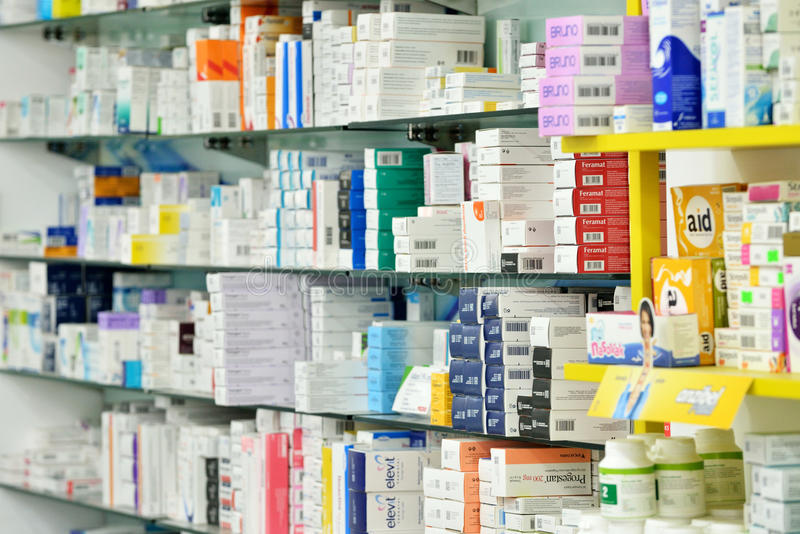
    In the last century, community pharmacy has undergone a transformation. Technology advancements and structural changes allowed pharmacy to move from an industry once dominated by independent pharmacies to larger, retail chains across the country. 

    This allowed pharmacy as a career to become more family friendly and more accessible to women. 

    Pharmacy has become a female-majority profession that is highly remunerated with a small gender earning gap and a low earnings dispersion compared to other professions. The increase in female earnings against male earnings was a major factor in the industry becoming more female-centric. 

    Women are leading when it comes to the majority of working pharmacists in the country and generally worldwide. But there is still a serious lack of women with higher positions in the industry. Men tend to be in more managerial positions and supervising pharmacist positions despite being in the gender minority. Why is this? 

    “I didn’t notice a gender difference when I was in university to be honest” says Fadia Alshareefy, a fully qualified pharmacist and PHD student. 

    “It was only when I entered the workplace I realised that there are more women”. 

    Alshareefy notes her frustration in the fact that men tend to occupy the more senior positions when the women are the majority. She explains that in the pharmacy she works for, there are six full-time pharmacists. One third of this number are men, and the rest are women. The two men currently occupy managerial positions within the pharmacy. 

    This is a real life example of the current gender statistic gathered about newly registered pharmacists since the beginning of 2020. It reflects the fact that of all pharmacists registered over the last two years one third are men while two thirds are women. 

    “Most of my male friends from college don’t even work in a patient-facing pharmacy role. The majority were headhunted into large pharmaceutical companies and some don’t use their pharmacy degree in their new roles. It’s women who tend to go straight into community pharmacy roles and stay there”. 

    If women aren’t getting senior positions as much as their peers, why has it remained a female centric profession? 

    The pharmacist profession became feminized as the “career cost” of working low hours and part-time in pharmacy decreased. The hourly earnings penalty to part-time work in pharmacy has virtually disappeared during the past four decades whereas it has remained about the same for other college graduates. There is virtually no gender pay gap in pharmacy. 

    With staff pharmacist positions readily available, women could leave the profession during their childbearing years and return to work part-time. Retail and chain pharmacies have also made working hours more accessible to women with children. 

    It is often suggested that men, being more likely to choose pharmacy for its entrepreneurial opportunities, became more reluctant to enter pharmacy as prospects for ownership declined with chain pharmacies. As men have left the patient-facing side of the profession, women have stepped in to fill the gap. 

    “Women are less often included in mentoring and networking relationships,” claims Alshareefy. “These play an important role in career advancement.”

    Women who choose to temporarily leave the profession or reduce their hours often must do so at the expense of career development. 

    Despite this, women are still the leading majority when it comes to new registrants and graduates across the world. But with the pharmacists shortage currently happening across the country will the career begin to shift to a more male-orientated career? Time will tell.

  • Illegal drug use escalating in Ireland

    Illegal drug use escalating in Ireland


    In 2021, cocaine was the second most common main problem drug. In 2021, for the first time, the National Drug Treatment Reporting System (NDTRS) recorded more cocaine than heroin cases among those treated for drugs as a main problem. Cannabis was the third most common reported drug problem.

    By Nimra Ahmed

    There has been an increase in illicit drug use in Ireland in both young people and adults. This could be due to unemployment, high population densities, poor facilities or just for recreational purposes.

    According to a Health Research Board (HRB) survey, one in four (23%) of the participants had used an illegal drug at some stage in their life. That means almost 900,000 adults of 15 years and above of the general public have used an illicit drug. Furthermore, one-in-fourteen (7%) revealed that they had used a prohibited drug in July 2021.

    The areas with the highest drug use in Ireland are: North Dublin, Southwest Dublin, Wicklow, Kildare, Southwest and East coast Regional Drug and Alcohol Task Force (RDTF) areas.

    Looking specifically at opioid use, there are an estimated 11,729 problematic opioid users in Dublin alone while the rest of Ireland has approximately 8,146 users.

    AreaKnownEstimateRate
    Co.  Dublin7,91611,72912.72
    Rest of Ireland4,3968,1463.97
    Total12,31219,8756.68
     

     Estimates of the number of problematic opioid users for Co Dublin and the rest of Ireland, and rates per 1,000 population aged 15 to 64 years (2019). Created by Nimra Ahmed using data sourced here.

    There has been an overall increase in the total number of reported cases of drug use in 2021. Statistics show that 10,769 cases were reported for treatment out of which 39.1% were new cases while previously treated cases were 56.6%. Moreover, 4.4% of the cases were of unknown status. 

    In 2020, cannabis was the substance for which treatment was most commonly received, with 1,229 cases. However, in 2021, for the first time in Ireland there were more cases of treatment for cocaine as a main problem drug. The HRB observed for 2021, 34% were treated for opioids, 30% were treated for cocaine, and 21% were treated for cannabis while 11% were treated for benzodiazepines. It was noted that 28% were females who were treated while 72% were males. 

    In 2020, cannabis was the substance for which treatment was most commonly received, with 1,229 cases. However, in 2021, for the first time in Ireland there were more cases of treatment for cocaine as a main problem drug. The HRB observed for 2021, 34% were treated for opioids, 30% were treated for cocaine, and 21% were treated for cannabis while 11% were treated for benzodiazepines. It was noted that 28% were females who were treated while 72% were males.

    Infographics for drug cases and cocaine cases in Ireland. Infographic created. by: Nimra Ahmed using data sourced here.

    At a glance, statistics show that the median age for drug use is 32 years. 13% are homeless even though 21% are employed and 21% have injected themselves at some stage. When we compare the shocking 3,248 cases of cocaine use to the overall drug use the median age is 31 years. 34% are employed and 25% of them are women.

    Infographics for drug cases and cocaine cases in Ireland. Infographic created. by: Nimra Ahmed using data sourced here.

    Since illegal drug use has increased overall, it is necessary to also observe Irish youngsters.   Another recent study on substance abuse in  Irish youngsters showed an increase in cocaine usage amongst 15 to 24-year-olds. This has led to a 170% increase in the treatment of young cocaine users. The Health Research Board’s report, revealed that  26.7% of young adults used illegal drugs in their lifetime, while 18.5% in the last year and 10.5% in the last month. 

    Created by Nimra Ahmed and data gathered here.

    Over one-half of the sample of third-level students participating in the Drug Use in Higher Education in Ireland (DUHEI) survey (N=11,592), in 2021 reported lifetime use of an illegal drug (55%) 

    Brian Pennie, author, speaker, PHD candidate, university lecturer, and life-change strategist, was a chronic heroin addict for 15 years. He believes trauma could lead to addiction. In his infancy he had a surgery without anesthesia which he thinks may be the root cause of  the uneasiness and anxiety he felt throughout his childhood and adulthood.

    These feelings of unrest, anxiety and worry led him to a dark path even though he was at school and held a job. Pennie turned his life around by replacing his addiction of drugs with the addiction of  learning.

    “I used to think I knew a lot. I didn’t. I believed my own lies, weaving an imaginary world full of delusion, denial, and deceit. Combined with chronic anxiety and an overactive mind, this warped view of reality steered me towards a life of addiction,” said Brian Pennie, author, speaker, PHD candidate, university lecturer, and life-change strategist.  

    A person smiling for the camera

Description automatically generated with medium confidence

    Brian Pennie- Photo Credit: Finne

    Philip Byrnes, 44, a General Practitioner (GP), voices his concerns, “substance use is a very real part of Irish society. Youngsters especially females are now using more than ever. 24% of females are lifetime users while males are 29% so, females are not so far behind statistically.”  

    “Nobody seems to know exactly why substance abuse is on the rise. Drug use affects people’s lives, their health both mental and physical, as well as impacting relationships with family and friends”, he added.  

    “One solution that Germany contemplates is to legalize the buying and owning of cannabis (up to 30g) for recreational use. The reason for this is to better protect young people who are already using black market cannabis. If this law passes, it could be a model for other European countries. The solution for the Irish nation is still unknown but we need to act fast if we want to save our society.”  

    Illegal drug use in Ireland had plateaued in 2014/2015 and further decreased in 2016 and 2017. However, since 2018 it has steadily been on an upward trend again. Today in Ireland, cannabis use has stabilised but there is an increase in cocaine use, and the prevalence of polydrug use. 

    Ecstasy and cocaine usage in Ireland is the second highest in the whole of Europe. It represents a huge challenge for policy makers, social workers and addiction counsellors fighting the issues day in, day out.

  • HSE Safe Nightlife programme may be baby steps towards solving an adult problem

    HSE Safe Nightlife programme may be baby steps towards solving an adult problem

    By Chloe Seymour

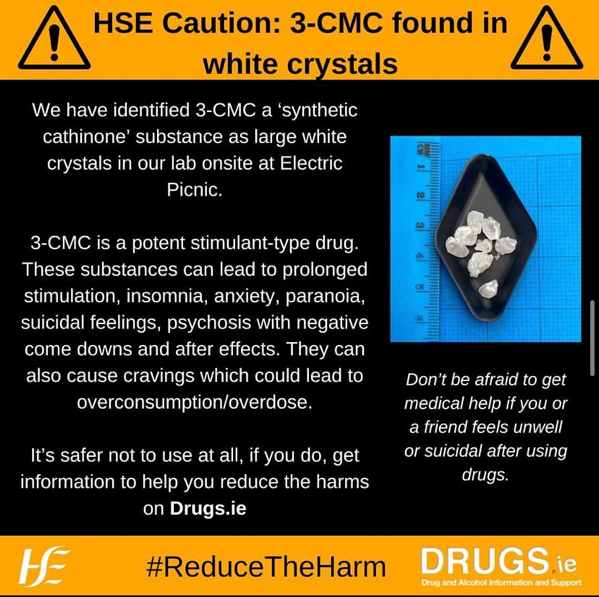
    The HSE Safe Nightlife programme 2022 launched a pilot initiative in September of this year that provided a ‘back door’ drug testing service at the annual Electric Picnic festival in Stradbally, County Laois.


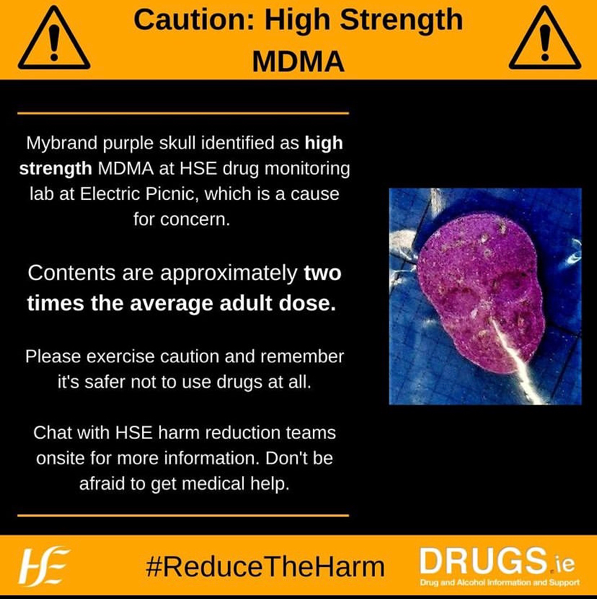
    Pictures courtesy of the HSE.

    This service allowed festival goers to anonymously leave drug samples in at the HSE tent, where the drugs were tested for potentially harmful substances, strengths etc. Any found dangers were published online and across the festival to warn attendees. 

    A subsequent report published by the HSE identified three new types of drugs that were not previously recorded in the country, including a new form of MDMA tablet that is double the recommended strength for a single adult.

    However, the health service’s attendance at Electric Picnic is only the first step in the Safer Nightlife programme, the HSE details further plans towards partnership with more festivals and events to expand their ‘back door’ testing facilities.

    This initiative’s aim is harm reduction when out socialising, be it at a concert or a festival. TheCity.ie spoke to Gerry Carroll from Cuan Mhuire substance abuse centre, Athy, on what he thinks of this new initiative and what he believes should be the Government’s next steps in reducing substance abuse. Mr Carroll works extensively with Cuan Mhuire’s gambling, alcohol and drugs programmes.

    “It’s a good idea, people usually start small with drugs, using things such as hash or marijuana, then they move onto bigger things and it’s all from people they don’t know, and they don’t have any idea what’s in the stuff,” he said.

    He felt that providing information to limit exposure to potentially harmful substances is a good first step in harm reduction, however, Mr Carroll stated that more needs to be done in order for the programme to be a real success.

    Early education on the harm caused by drugs and alcohol is a number one priority for Mr Carroll, who discussed his own initiative when attending schools to educate on the subject. “We have a girl down in a Cork programme for drug abuse, who is only sixteen, her life is destroyed already.” 

    Mr Carroll also discussed how the past rehab programme attendees of Cuan Mhuire give talks to educate those currently in the programme on their experience with substance abuse and recovery.

    Tim Kennelly of Tim Kennelly Solicitors in Naas, focuses mainly on criminal law and has first hand experience with clients suffering from substance abuse issues. He indicated that other decisions by the Government were less forward-thinking in terms of drug reduction.

    Mr Kennelly shared his lack of confidence in the introduction of new legislation to allow cautions for minor possession cases, rather than custody. “What this does is it sends out a message that being caught with drugs is okay to an extent, it’s a removal of the criminal deterrence for small possession matters.”

    Despite this, Mr Kennelly feels that the Government is on the right track, as long as specific steps are taken in order to tackle the problem effectively. He feels that changes such as allowing judges to remand people into treatment centres rather than custody, would be more effective in tackling substance abuse. “If there’s nobody buying drugs, then there’s no drug dealers.” 

    Arguing simple supply and demand and providing real rehabilitation to people moving through the criminal system would help to massively reduce the number of drugs in circulation across the county.

    According to Mr Carroll, there is a good turnout of people attending programmes who don’t return to treatment for substance abuse, indicating the effectiveness of rehabilitation services. “We have a client who was waiting in custody for 6 months to see a drugs counsellor. If someone doesn’t get help with these issues during their sentence, they are much more likely to return back to old habits once they are released,” Mr Kennelly stated.

    While the HSE Safer Nightlife programme has made progress towards combatting drug use, there is a clear consensus that more enforcement is needed to encourage rehabilitation and education and that more effort is needed to provide the necessary services for the same.

  • “In Turkey, they treat surgery like a production line” – The rise of cosmetic tourism in Ireland.

    In Turkey, they treat surgery like a production line” – The rise of cosmetic tourism in Ireland.

    By Megan Bell. 

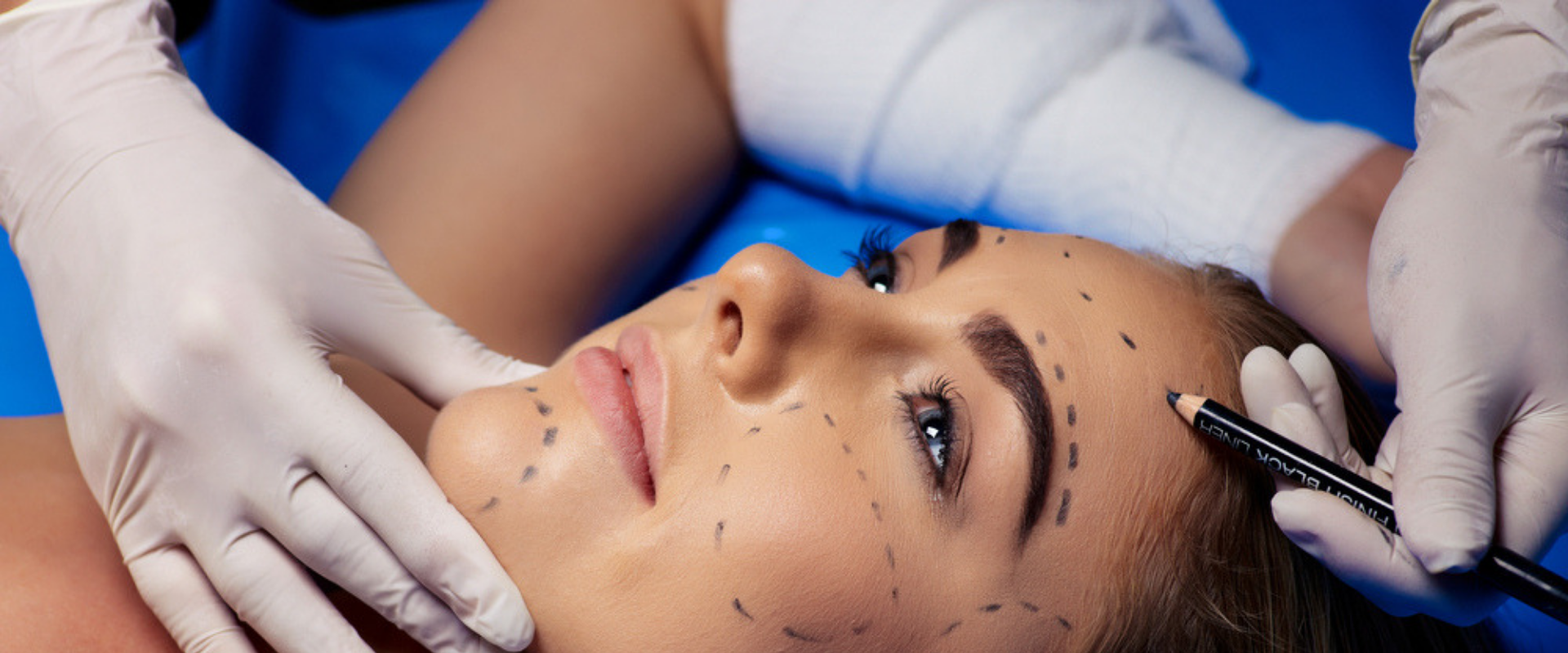
    Image source- Castleknock Cosmetic Clinic.

    The trend for patients to travel abroad to receive cosmetic treatments has been on the rise for the last 10 years. This has been coined as “cosmetic tourism”. 

    Cosmetic tourism is appealing as it is often cheaper to receive these treatments abroad, even when patients take the cost of flights into account. Like all surgery, this does not come without risk, andthe aggressive post-surgery complications of cosmetic tourism have been seen in the Irish health system. 

    But what is cosmetic tourism and what are the hidden dangers? 

    A rise in cosmetic tourism was seen in Ireland throughout the COVID-19 pandemic, as many Irish plastic surgery centres temporarily closed due to restrictions.  

    Last year, a study relating to the burden post-surgery compilations of cosmetic tourism placed on the Irish healthcare system during the pandemic was carried out by Dr Marlese Dempsey at St. James Hospital in Dublin. 

    She found that eight women within four months received treatment in the hospital as a result of complications after receiving cosmetic surgery overseas. All patients were female, aged 18-35. All surgery the women received were in Eastern Europe, mostly Turkey and Lithuania. Most complications were seen as a result of surgical site infection or implant infection. Dr Dempsey also found that the treatment for these women cost the Irish Health System €30,558 (or an average of €3819.75 each). 

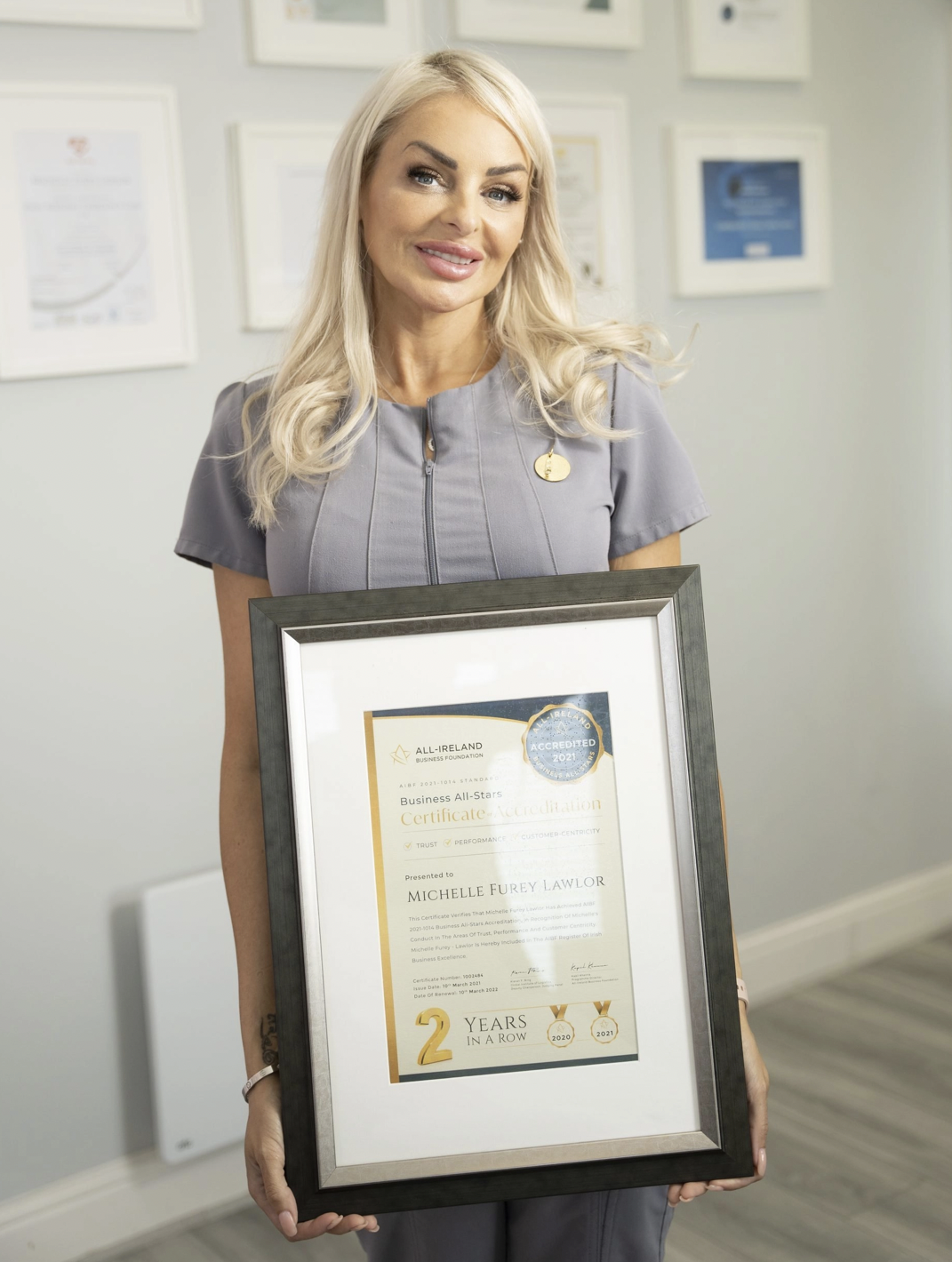
    This is not a new phenomenon, it has been on the rise for years. Michelle Furey-Lawlor, owner of JeJuve Clinic on South William Street in Dublin tells The City about this rise. 

    Michelle Furey-Lawlor is an advanced specialist aesthetician who holds over 50 non-surgical certifications and diplomas in cosmetic surgery. She describes cosmetic surgery as “where individuals travel outside Ireland to have either plastic, dental or bariatric surgeries done”. A rise in recent months has also been seen in surgeries abroad for hip, knees, and other joint replacements as well as women’s treatments and minor surgeries; not just cosmetic surgery. 

    Like many others, Lawlor had her own bad experience with receiving cosmetic surgery abroad. “I travelled to Turkey back in 2018 and had my body botched and destroyed by Turkish doctors when I wanted to have a tummy tuck done,” she says.  

    “I was admitted to St James hospital immediately upon my return to Ireland and received lifesaving surgery.”

    Lawlor was found to have stitches in her mouth, legs, face, and chin. Alongside this, she had 5 litres of fluid removed from the wound of her stomach and voice box damage which led to her being unable to speak for up to 2 weeks. 

    “The Turkish doctors refused to assist the Irish hospital with information about what they had done to me,” she adds. 

    “I had to wait a year for my body to be rebuilt by doctors and surgeons in Lithuania.

    “In Turkey, they treat surgery like a production line. The surgical practice often befriends you on social media. They get your phone number and proceed to organise all the details through WhatsApp. The patient then flies in to receive the procedures and is often released back to their home country after four or five days. 

    “You have no aftercare, you can be blocked on social media by the company if any issues arise, and you can be in medical danger.”

    In 2021, 40 people died from receiving botched surgery outside the EU. Lawlor advises that you ensure the surgeons are registered within the EU, as once they are outside of the EU they have no one to answer to in Ireland. 

    Over the last few years, breast implants and teeth have been the most popular as they follow social media trends. Lawlor offers this advice to anyone looking at travelling abroad to receive any form of surgery: “Do your research and do not go by the advice of influencers, they are paid to entice people in and often make a commission on patients they entice in.

    Michelle Furey-Lawlor, owner of JeJuve Clinic on South William Street. Photo: https://jejuveclinic.com/ 

  • Decriminalisation of cannabis: increase in countries opting for drug legislation

    Decriminalisation of cannabis: increase in countries opting for drug legislation

    With the increase of use what is Ireland’s stand point on the drug?

    By Leah Kilby

    In recent years, Ireland has seen a significant increase in cannabis use, with studies showing that over the past decade usage of cannabis has been slowly increasing. A study done by the Health Research Board estimated that over 1.5% of the population over +15 are dependent on the drug. The question remains on what will Ireland’s next approach be?

    Discussions of legalisation/ decriminalisation have been appearing in recent years as more research is made on the subject. A survey done by the Journal.ie found that over 40% surveyed were in favour of legalisation for recreational use and 90% in favour of medicinal use. The Department of Health stated in July 2021 that there would be improvements to the medical cannabis access program, in hopes the program continues to grow to benefit those who need it. Medicinal use of cannabis was legalised in Ireland in 2016.

    Currently in Germany, the future government aims to legalise recreational use of cannabis. This would be a significant step to take as one of the EUs most influential countries. The only places where the drug is currently decriminalized is the Netherlands, Copenhagen (Denmark), Barcelona (Spain) and Prague (Czech Republic). However, if Germany were to legalise it, there are possibilities that more countries would consider doing the same. 

    A study done by Emerald Insight, where they interviewed policymakers, indicated that many of the policymakers were supportive of decriminalization of cannabis, although there have been very few talk among government officials to confirm this.

    While the future of Ireland’s stance on cannabis is still up in the air, there have been many studies done to suggest that decriminalization could have a negative impact on the country. An article by the Irish Times suggested that cannabis use ‘could be one of the gravest threats to young people’s mental health’.

    “Mental health issues associated with cannabis use include psychosis, depression, anxiety disorders and suicidal behaviour. These have been exacerbated by rising levels of THC, the psychoactive part of the drug, in cannabis in recent years.” (Source: Paul Cullen, Irish Times)

    In the UK, there have been plans put in action to try to stop the use of drugs. New sanctions could be put in place where any one caught using middle-class drugs could lose their passport and driver’s licence, essentially making it so they would have nowhere to go. While this approach may not include the use of cannabis there is a possibility that Ireland could implement similar sanctions considering the increase of drug use in the country.

    While many countries have found success in legalisation/decriminalization of cannabis through taxation and maintaining distribution, there are still many negative impacts recreational drug use can have. Currently, Ireland has no plans to change legislation on the drug, but with public opinion becoming softer and increase of usage despite legality, it’s not impossible that we could see more discussion on the topic in the coming years.

  • Dublin Fire Brigade help deliver baby during Storm Barra

    Dublin Fire Brigade help deliver baby during Storm Barra

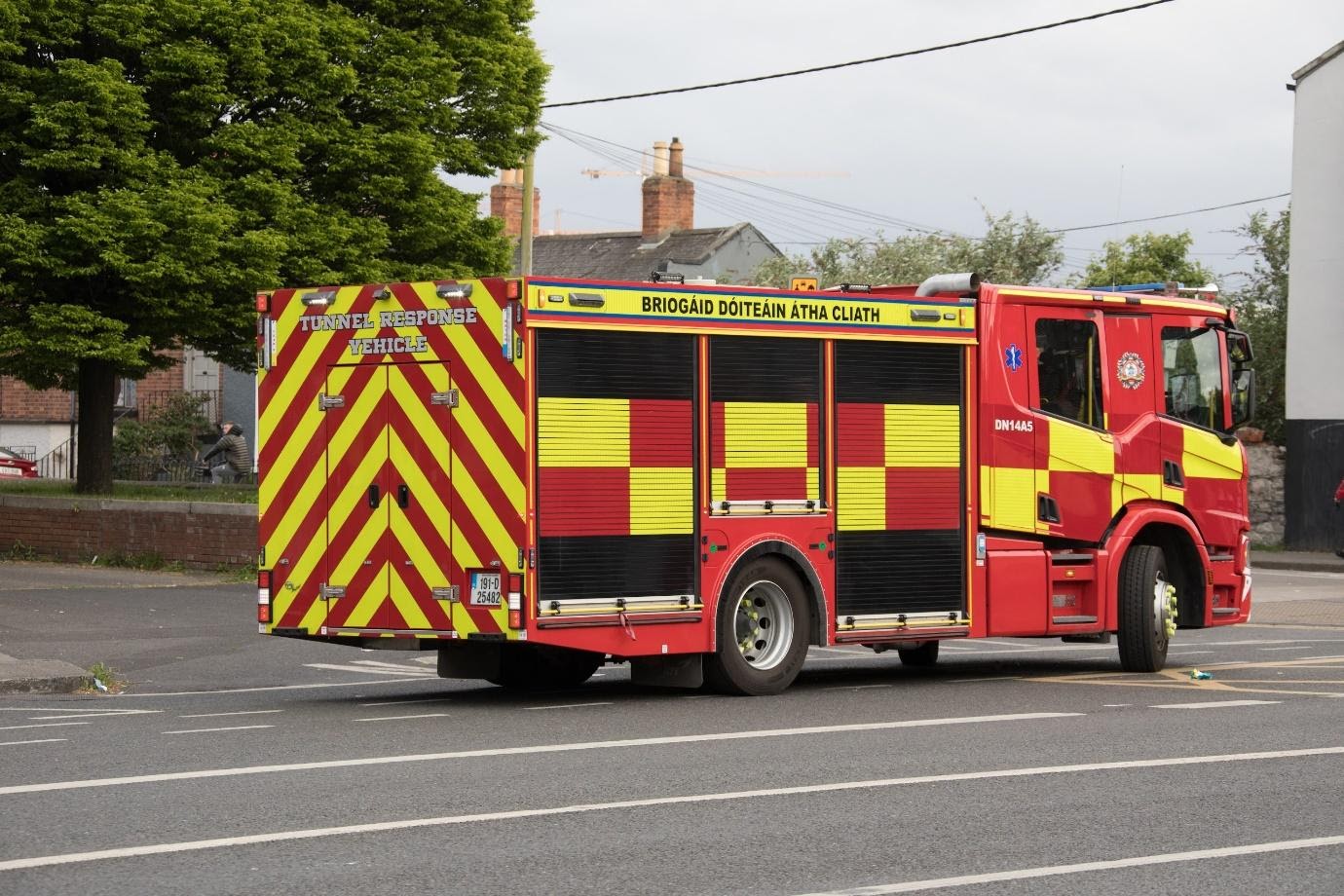
    A fire truck on the street

Description automatically generated with medium confidence

    Picture: Dublin Fire Brigade Twitter (@DubFireBrigade)

    Damien Dunne reports on Dublin Fire Brigade helping to deliver a baby during recent stormy weather.

    Dublin Fire Brigade helped to deliver a baby during the height of the storm, with firefighters and paramedic braving the dangerous conditions on Tuesday night.

    On Twitter, Dublin Fire Brigade tweeted:

    “As Storm Barra impacted Dublin last night, Firefighter/paramedics from Tallaght fire station were called to a baby in a big hurry. They assisted Mum with the delivery of a healthy baby girl. Mum and baby Pria are doing well.” 

    Graphical user interface, text, website

Description automatically generated

    As red, orange and yellow weather warnings were in place throughout the country, emergency services had to put themselves at risk to assist the public.

    Graphical user interface, text, application

Description automatically generated

    During the stormy weather, fire services in Balbriggan were called to deal with a loose trampoline that had been moved by high winds.

    “A trampoline had been carried by high winds into a residential estate. With Gardai’s help, the trampoline was removed. Working in the emergency services can have its ups and downs”.

    Graphical user interface

Description automatically generated

    Dublin Fire Brigade now turn their focus to educating people about the risks of fire at Christmas. One piece of advice they offer is that if you have a real tree, keeping it watered and hydrated can reduce the chances of it catching fire.

    Also choosing LED Christmas Lights over incandescent ones have a number of benefits.

    “They produce less heat, are cheaper to run and are more reliable” the Fire Services account tweeted.

    Graphical user interface, text, application, chat or text message

Description automatically generated

    For more information on fire safety during the festive period, check out: https://www.dublincity.ie/residential/dublin-fire-brigade/fire-prevention-and-community-fire-safety/fire-safety-home/fire-safety-tips-christmas-time and follow their twitter account for helpful tips and advice.

  • Social Media platforms fails to protect its users from Covid-19 disinformation

    Social Media platforms fails to protect its users from Covid-19 disinformation

    By Leigha O’Reilly Hughes

    Photo credits: Leigha O’Reilly Hughes

    Mis- and disinformation has always been a big problem for social media, due to how easy it is to spread around. This problem has continued to grow since COVID-19 entered everybody’s world in 2020. Since then, false claims, conspiracy theories and disinformation about the virus remain online.  

    Even though Meta, formally known as Facebook, Twitter and Instagram provide a space to inform people about the virus as well as start up conversations, it also allows fake news and misinformation to spread.  

    The World Health Organisation, which is the United Nations agency that connects nations, partners and people to promote health, keep the world safe and serve the vulnerable so everyone can attain the highest level of health, have also spoken out about the spread of misinformation regarding Covid-19 on social media.  

     “As the world responds to the Covid-19 pandemic, we face the challenge of an overabundance of information related to the virus. Some of this information may be false and potentially harmful,” says the World Health Organisation. (The WHO)

     “Inaccurate information spreads widely and at speed, making it more difficult for the public to identify verified from trusted sources.” 

     More than half of Gen Z and Millennials (59.1%) are extremely aware of false news around COVID-19 and are able to recognise it frequently. However, persuading people to actively resist it, rather than letting it slip, is a difficulty, with many (35.1%) simply ignoring it, according to the WHO.

    Social media platforms are taking it upon themselves to help tackle the spread of misinformation on their sites.  

    Meta has stated that it has since removed over 20 million posts since the beginning of the pandemic and Instagram as they violated rules on Covid-19 misinformation. 

    The company implemented a direct link on any post that mentions Covid-19, vaccines or the pandemic that brings the viewer to the COVID-19 information centre. They have also stated that they are banning repeat offenders who spread the misinformation. 

    Twitter has also put in place guidelines when it comes to spreading information about Covid-19.

    “We’ve observed the emergence of persistent conspiracy theories, alarmist rhetoric unfounded in research or credible reporting, and a wide range of unsubstantiated rumours, which left uncontextualized can prevent the public from making informed decisions regarding their health, and puts individuals, families and communities at risk,” says Twitter.  

     Twitter states that they will label or remove false or misleading information about the virus and the vaccine. 

     However, finding misinformation on social media regarding Covid-19 is not difficult. It is easy to find tweets spreading misinformation that are not flagged or taken down before people can view them.  

    Below are examples of easily found tweets that spread misinformation about Covid-19 and how it can affect people.

     Newsguard, an organisation which monitors internet misinformation, identifies accounts, sites and organisations that were still spreading conspiracy theories and fake news about Covid-19 but were still online to earn thousands of new followers. 

    Newsguard also stated that even though some of these posts included labels offering links to coronavirus information, it did not state to the users whether the post was trustworthy or not.  

     This shows that even though social media platforms like Facebook, Instagram and Twitter have implemented tools to help identify when Covid-19 is talked about and state that they take action towards those posting fake news, they still contribute to the spread as false information is easily found.

  • Spinal injuries Ireland fundraising struggle through Covid

    Spinal injuries Ireland fundraising struggle through Covid

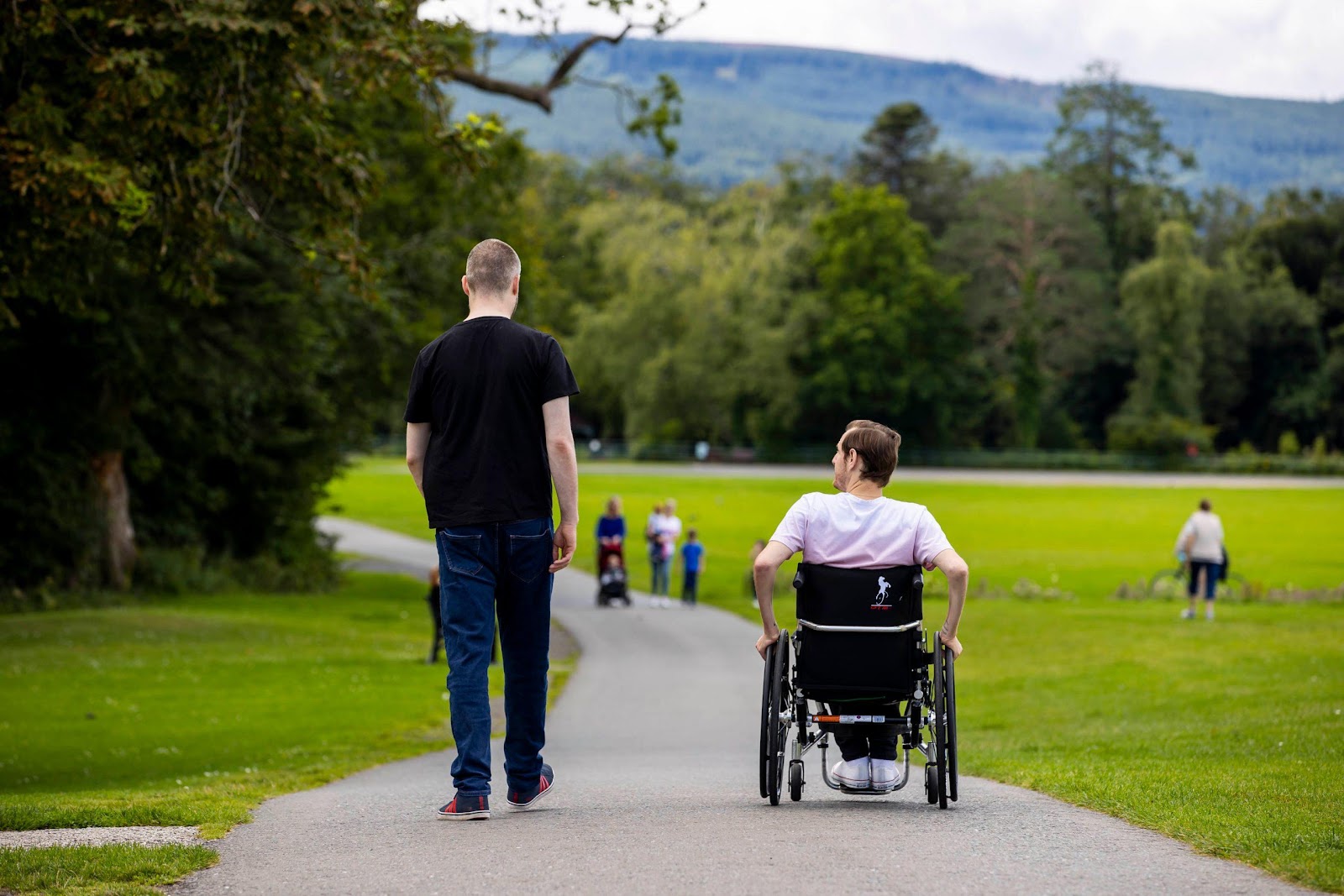
    Image by Spinal injuries Ireland 

    By: Christopher Windrum 

    Christopher Windrum reports on how Covid has affected the fundraising capabilities of Spinal Injuries Ireland.  

    In 2019, Spinal injuries Ireland (SII) raised €604,607 in fundraising income. In 2020 it was reduced by 44 percent, when they only raised €339,029 in fundraising income. 

    The main reason why their income dropped was because of Covid, but with the help of government subsidies in 2020 the losses didn’t seem as bad.   

    SII have forecasted for a bigger loss in 2021, because they lost their government subsidies this year, they expected another loss of around € 150,000. That would only leave them with an estimated € 190,000 from 2021. 

    In the graph above it shows the decline in fundraising revenue for SII, there is a steep drop shown in both years after 2019. In 2021, that is an estimated number but SII reckon they lost 56 percent of the 2020 revenue.  

    Mary Dunne who is the operating manager for SII spoke to thecity.ie about some of the issues they have faced with grants this year. 

    “We did actually get help from the government  through the wages scheme and a grant from Pobal. However the Pobal grant put us over the threshold for wages subsided and we are facing a loss for this year.”

    The reason why SII lost some of their government subsidies for the rest of the year was because of Pobal, which is a not-for-profit company that manages charity programmes on behalf of the Irish government. 

    Mary explains how SII have struggled with fundraising since Covid struck .“We had to cancel major fundraisers such as balls, lunches and challenges. We had to adapt to online fundraising such as virtual challenges and an online monthly prize draw.”    

    Fundraisers are how charities like SII normally survive. Mary explains why fundraising is so important for SII.

    “Fundraising helps to pay salaries of specialist community outreach officer teams,to provide educational and activities programmes. Such as sporting and social activities to help reintegration into society.” 

    SII is a charity that provides support to people who have sustained a spinal cord injury and helps their families.

    Mary explains how SII helps people with spinal cord injuries. “We engage with people from time of injury for as long as they need us.  We provide one to one support, a range of services and resources which help people and their families adapt to life after the devastation of a spinal cord injury.”

    “The assistance we provide to each service user is specific to the needs of the person with spinal cord injuries and their families and include one to one support from our community outreach team. We also provide access to our peer support programme, activities and educational programmes.”

    With the pandemic most likely continuing on in 2022, SII will likely still struggle in making money through fundraisers, because the online fundraisers haven’t worked. Hopefully in 2022 SII will have more chances to do more in person fundraisers than last year, but that will be just a hope for them. 

  • Is the pandemic ever coming to an end?

    Is the pandemic ever coming to an end?

    By Aidan Crowley

    The World Health Organization (WHO) has warned that the Covid-19 pandemic will likely drag on into 2022 and could last even longer

    Image via Jernej Furmen, Flickr

    The World Health Organization (WHO) has recently warned that the Covid-19 pandemic will most likely drag on into next year, due to the lack of vaccinations across the world, particularly in poorer countries. Dr. Bruce Awlward, a senior leader at the WHO said: “I can tell you that we are not on track. We really need to speed it up, or you know what? This pandemic is going to go on for a year longer than it needs to.” 

    The biggest headache for the WHO, is that a huge problem has arisen around the uneven distribution of vaccines around the world. In addition, the low rate of vaccinations in low-income countries as opposed to high-income countries, is setting alarm bells ringing at world health headquarters. High income countries like Ireland and the UK are ideally supposed to be donating to poorer states and have pledged a total of Euros 100 million, but have, so far, delivered only Euros 10 million.

    Emerging from the pandemic, is not only vital for people’s general health and well-being, but also, to the economy and those sectors that were hard-hit when restrictions to curb the spread of the virus were originally introduced. One of the main reasons that the pandemic is still ongoing, is that less economically developed countries with high populations, are lagging behind in the rolling-out of their vaccine programs. Some experts argue that without mass vaccinations across the globe, the virus will mutate to the point where the original vaccinations become obsolete, although this is typically difficult to predict. 

    The “covax pool” was meant to counter-act this scenario and ensure that any countries who could not afford the vaccines, still had access to them, through subsidized costs. However, some countries like the UK and Canada have used the pool to acquire their own vaccines, despite having their own contacts with major pharmaceutical companies. One stark statistic outlines the scale of the vaccination roll-out inequality – under 3% of the entire population of Africa has been fully vaccinated.

    In recent months, many observers in both Ireland and the UK have promulgated that the pandemic might be coming to an end. Bars, restaurants and cafes have re-opened with the vaccination program almost complete. Nights out and recreational activities have felt like pre-pandemic times. More than 92% of Ireland’s adult population has been fully vaccinated, while 93% of the population over age 16, have received at least one dose. But with cases now on the rise again (4,607 new cases confirmed, 579 people in hospital and 115 in ICU), the problem at home has risen to the point where some health experts are advising that the government re-impose some of the restrictions that we experienced earlier in the year.

    Covid-19 cases have the potential to overwhelm the HSE and so prevent patients with other medical conditions receiving the care that they need. With the emergence of the very recent Omicron variant of the virus, the overall picture has become far more complex. The Irish government could be forced into its contingency plan for winter that would re-introduce some measures, such as social distancing, mask-wearing and asking people to work from home. The re-enforcing of Covid passports in a number of hospitality settings is also, very much, on the cards. It would be a major setback for many businesses, recovering from the pandemic, particularly those most impacted, such as the hospitality and air travel sectors.

    Mike Ryan, a director of the WHO, has warned that this pandemic has the potential to overwhelm health systems throughout the world. “It is a tragedy. We still have doctors and nurses in frontline situations in low-income countries, who are not protected against Covid-19.” Speaking as part of a virtual conversation with Professor Michael Kerin, chair of surgery at NUIG, he was very critical of the uneven distribution of vaccines between developed and developing countries. “What we need to be able to do is not run our health system like a low-cost airline, at 120% occupancy, which we effectively do in many countries. I think that every country, including Ireland, is going to take a hard look at that scenario,” he added.