The City caught up with the ‘Bray Beach Bathers’, who are a group of men and women who all share a common love for swimming in the ocean, as they brave the cold water on a brisk, but beautiful October morning – which made for perfect swimming conditions.
In seaside towns across the country, sea swimming has become a rapidly rising phenomenon – but for many, it’s become much more than just a hobby – it’s become a way of life.
As part of their now daily routines, sea swimmers have formed several groups who come together for their daily dips into the Irish Sea all year round.
While every swimmer has their own respective reasons for being involved in taking part, one thing is for sure – no matter the weather, sea swimming is here to stay.
As people journey through life, independence can grow and thrive – however, sometimes, in life, and especially as some people get older, independence can unfortunately decline.
With a decline in a person’s ability to be independent, comes dependency with everyday issues, that can begin to overpower, to the point where living at home might prove to be unsustainable.
Long-term care facilities are a beacon of hope for a person who needs 24/7 care – allowing the person to still be able to indulge in their own life experience, all while in the hands of professional care givers.
However, it’s not always an easy journey into long-term care as established nursing homes are more than often full and have waiting lists for potential future admissions.
In August 2024, research involving 1000 people was conducted by Coyne Research and commissioned by Nursing Homes Ireland (NHI) and found that six out of 10 people fear for their loved ones being able to find a place in local nursing homes.
It was a nursing home in Kinsealy, Co. Dublin, that had the advantage of space and more accessible admissions, for a time – as it was only recently opened, with no waiting list, and with rooms available for anyone in its local community, looking at long-term care options.
A short distance from coastal towns, Malahide and Portmarnock, in the tranquil countryside setting of Kinsealy, Woodlawn Manor opened its doors in February 2024 to less than 10 new residents requiring care facilities.
The entrance to Woodlawn Manor on the grounds of St. Doolaghs Park in Kinsealy, Co. Dublin. Photo: Gary Petrov
With a maximum capacity of 97 residents, Woodlawn Manor had space for new residents for a total of nine months, before reaching its maximum capacity earlier this month.
Teagan MacAodhagáin is the Director of Nursing at Woodlawn Manor and has worked exclusively in elderly care since graduating as a nurse, and has been a Director of Nursing since 2018.
“We’re very passionate about what we do,” said MacAodhagáin. “The core team, myself, the clinical nurse managers, reception administrators and that – we really live by our motto ‘Care is what we do’.”
Teagan MacAodhagáin, Director of Nursing at Woodlawn Manor. Photo: Courtesy of Woodlawn Manor.
“I always tell my staff that the standard of care is what you want for the person you love most and anything less than that is falling below the standard that we should have. I think that’s important, that that’s what you aim to deliver – you try and achieve that.
“Some days the tea might be cold when it arrives, or the laundry might be a bit delayed. Things will happen with human error and various things, but if you’re aiming for something you would like for the person you love most, then I think you’re going to do a good job, nine times out of 10.
“We have filled up remarkably fast. I’ve been involved in a number of new nursing homes, and I would be familiar with nursing homes opening up. It was faster than what would’ve been expected, perhaps, given the number of nursing homes in the locality. What has led to that? Definitely, I think the setting, the setting is beautiful. The countryside and sea-views. Having a brand-new purpose-built facility was also very helpful. That had a big attraction, early on.
“Internal factors – assembling a good core team at the beginning. I hired people I was familiar with and people I worked with before – people I knew. It wasn’t a brand-new venture with lots of people pulled into it. It was a team that knew each other and worked together before. We knew one another and knew how we worked together.
“Having a dedicated admissions nurse helped, a role I created for the first year – which was really important and instrumental in filling the place up. Someone who was out doing assessments, being a point of contact for all.
“It was a little bit daunting to have 97 rooms and the onus to fill them, but not having to have a waiting list, it was really nice. It was great to not have to turn anyone away. To be able to take people for respite, short-term care, to take people who were at the end of life and needed a few days of care while passing. It was nice to be able to do that,” he said.
Staff from the dedicated team at Woodlawn Manor. Photo: Courtesy of Woodlawn Manor
Since reaching maximum capacity this month, MacAodhagáin discussed the inevitable shift in the admissions process saying that they are starting their waiting list now and new admissions will only be selected from the waiting list when a room becomes available.
MacAodhagáin said he must “give credit” to Woodlawn Manor’s admissions nurse Camelia Ganea, who is also a clinical nurse manager in the facility – for her “marvellous” hard work all year as they welcomed their new residents.
Staff at Woodlawn Manor during a fire brigade visit, where they discussed safety procedures for their residents, in case of emergencies. Photo: Courtesy of Woodlawn Manor
Since 2018, at least 77 nursing homes have closed around Ireland. Of that number, 10 closed in 2023 and seven have closed this year to date. Last month, Nursing Homes Ireland said that this is due to a mixture of rising operational costs and Fair Deal Scheme pressures.
When asked about the issues and worries surrounding nursing home closures in the country, MacAodhagáin said, “From what I know, the nursing homes that have closed down have been smaller, family-run nursing homes.”
“Standalone nursing homes, or the building might be old and isn’t up to the current regulations. Fire regulations and things like that have become, and rightly so, more stringent and more in depth of what’s required. For older buildings, they can be a very large cost implication, to bring them up to the standard that’s required.
“I’m also aware of lots of larger companies opening more and more homes or buying homes. I do think there are homes out there, all-right,” he said.
Woodlawn Manor’s new purpose-built facility was built adjacent to an existing manor on the grounds of St. Doolaghs Park. Photo: Gary Petrov
Something that can naturally accompany a person being placed into long-term care is the emotional element for their family, ending their chapter of life with their loved one in the family home.
Patrick Maguire recently placed his spouse into long-term care and chose Woodlawn Manor. “When the time came to put my wife into long-term care, my family and I, while coping with the emotional aspect of it, feared it would be a race against time with her individual case, to find a nursing home in the local community that tended to her needs, with a vacant room available as soon as it was needed for her,” he said.
“With all of the organising and preparing of affairs that comes with this difficult choice of accepting that your spouse can no longer live independently at home, it was daunting for my family and I to go and view nursing homes in my local area and be told that they are currently full and that they have waiting lists that I could add my wife’s name to.
“Not everyone has time for waiting lists and we didn’t. Woodlawn Manor was a God send. After enquiring about several nursing homes, my family and I rushed to view it as soon as we were made aware of it having less than 10 residents, at the time.
“We were very impressed and acted quickly. We were then able to have my wife in their care within a few days, after the necessary admission paperwork was done. The process worked out well for us in the end, and I say that delicately, because her condition proved for living at home to no longer be an option. However, luck played a huge part as firstly, we liked the nursing home for my wife, and secondly, the nursing home had room.
“The difficulty of finding a local nursing home with a vacancy, and one that is suitable for your loved one’s needs, is a task in itself – on top of all of the emotions and pain that comes with accepting the reality of it all.
“We were lucky to have a difficult journey made easier with Woodlawn Manor not being full, but when the time comes for people nationwide, not many will find themselves with a new nursing home nearby, full of rooms at their convenience for them or a loved one,” he said.
The exterior of the newly built facility in St. Doolaghs Park. Photo: Courtesy of Woodlawn Manor
Asking the Director of Nursing what he would say to someone looking at Woodlawn Manor as a long-term care option for a loved one, he referred to their motto and the feedback they have received since opening, and said, “Our motto is ‘Care is what we do’, and I came up with that motto because care is what I’m really passionate about. Firstly, we’ve been told that it’s a very calm and homely environment. Secondly, people most commonly say that the staff really care.”
“As the Director of Nursing, it makes me very very proud that people can see that the staff genuinely care about the residents. I think that’s what we have to offer. When you care, you go the extra mile for the residents. This is their home and their time with us is perhaps the last time they’ll have anywhere – and we want it to be good, we want people to feel at home. We want people to be cared for and cared about,” he said.
Woodlawn Manor offers residential nursing care, respite care, convalescence care, dementia care and end of life care.
Useful resources from Nursing Homes Ireland on choosing a nursing home can be found here.
A recent study from The Irish Longitudinal Study on Ageing (TILDA) in Ireland shows that about one-third of adults over 50 in the Republic of Ireland have experienced emotional loneliness at some point, with 7% feeling lonely often.
The research found that loneliness tends to decrease between the ages of 50 and 67 but rises again after that.
People over 75 are more likely to report feeling moderately lonely compared to younger groups. Factors like lower education, living alone, poor self-rated health, physical limitations, and chronic health conditions were linked to higher levels of loneliness.
Ireland is currently ranked number one in Europe for people suffering grom loneliness as of last year, with the coronavirus pandemic forcing generations to feel isolated.
Source: Institute of Public Health
Men above 65 years old saw a 25.1% increase in living alone, while women over 65 saw an 18.4% increase in the last six years. “The numbers are only going to continue rising,” said psychotherapist Maggie Molloy.
“I often deal with young people suffering from loneliness, so I know how bad it must be for the elderly who have far more reasons, most of which are out of their hands for feeling lonely.”
Last year The World Health Organization (WHO) declared loneliness to be a pressing global health threat, with the US surgeon general saying that its mortality effects are equivalent to smoking 15 cigarettes a day.
Anne Butler is a woman who knows the effects of loneliness all too well, inspiring her to commit her life to helping the most vulnerable in her community.
“Loneliness is a big issue for older people, and I don’t think the general public realises this enough,” said Mrs. Butler, who is the manager of Walkinstown Social Service Centre.
“It is dangerous to the elderly, we are social creatures that need to interact and get out of the house, but for some people that’s just impossible. It is heartbreaking because some of the faces around here were stuck in nightmare cycles of being upset, refusing to eat, or turning to drinking alcohol at home. It’s stories like these that make me so happy that we’re making an impact in the community and the bigger problem,” she says.
The centre takes in 60 people daily between lunch and dinner with some walking and others taking the centre’s bus that collects them from their houses. The centre charges €10 for transport, a meal, and bonus activities, whether that is a game of bingo, or a fitness instructor to get them exercising.
Group day trips around the country are organised and voted on. Special events happen year-round with ‘Strictly Come Dancing’ watch parties and even live shows with staff members performing dances.
“I’ve been coming for the last few years now and it’s just brilliant,” said Monica Walsh, age 72.
“I’m not great on my feet any more so going out wasn’t really possible unless I waited for my kids to come and bring me out somewhere. The centre is great because I get a sense of independence back, able to go out on my own.
“I feel like a kid again, going out with friends, singing songs. This place has given me some of the best moments I’ve had in years. All the staff are true heroes.”
The centre’s staff is made up of half full-time workers and half part-time voluntary workers from the local area such as Amanda Nic Fhannchaidh.
“I don’t work on Thursdays or Fridays, and I’d just be watching the Telly all day, so it’s really a no-brainer for me to come here, have a laugh, and feel good about myself for helping out where I can,” said Amanda.
Both local schools, the Assumption Secondary School Walkinstown and Drimnagh Castle Secondary School, have included helping out at the centre as a part of the transition year experience.
“It’s the right thing to do, so it’s what the lads will do. It gives the school a good name in the community and a chance for the boys to see how far a little help can go,” said Drimnagh Castle Secondary School principal John Haze.
The Government announced during Budget 2025 that e-cigarettes will increase in purchasing due to new taxes being introduced.
The tax will apply to all e-liquids at a rate of 50c per ml of e-liquid. A typical disposable vape contains 2ml of e-liquid and costs in the region of €8.
This new tax will bring the price of such a product to €9.23 including VAT.
The tax will come into effect in the middle of next year.
It is not a surprise that vapes are seeing this new tax being implemented as it can be seen as a way to discourage young people in Ireland from using vapes.
Minister for Finance Jack Chambers told the Dáil he was introducing the tax “on public health grounds as there has been a significant rise in their use”.
The Government believes the tax on vapes is a step in the right direction.
The Government is also working on legislation to ban the sale of disposable vapes on environmental and public health grounds.
If that is achieved there could potentially be a big decline in the smoking industry and shopkeepers that primarily sell vapes could be at risk.
The City.ie was able to sit down with Mohammed, a store owner at Moore Street who sells various items in his store like Prime, keychains, and vapes.
“See my friend, I don’t mind the new tax coming to my store, I will still get my customers why? Because the vapes sell very well, I just do not want the ban of disposable vapes many people come and buy it here and if it is no longer available, I will lose business”.
Vape/Cigarette store on Moore Street, Dublin Photo credit: Mene Agbofodoh
Occupational Therapist Adora Maxell spoke to the City.ie about some of the health risks associated with vaping amongst young people.
“One of the most common effects of vapes is that they are highly addictive due to their nicotine content and with the youth there are multiple flavourings that create this feel of a different taste with each vape”.
“During my internship, I saw cases of EVALI (E-cigarettes Vaping-Associated Lung Injury). This condition has been linked to vaping especially vapes that contain THC, it can cause serious lung damage, with symptoms like difficulty breathing, coughing, chest pain, and even hospitalization or and it more severe cases in death fortunately I have not experience to that level.
“The chemicals within vapes are possibly the worst things about them, they contain very harsh substances like formaldehyde, acrolein, and diacetyl which are damaging to the body when inhaled. Some of the substances can be responsible for what is commonly known as ‘popcorn lungs’ which is another way of saying bronchiolitis,” said Maxell.
The City.ie also took to the streets of Dublin to ask the general public how they felt about the new taxes being put in place on the vapes.
“Honestly, I think it is a good incentive going forward, it helps younger and older people alike the question of whether they should be spending their money on vapes right now or use it for something beneficial for themselves”. said Lee Mullen from O’Connell Street.
Jane,19 from Cork, also spoke to The City.ie on the issues of vapes.
“As a young person who buys the occasional vape on a night out or whenever I need to calm myself down it feels unfair going forward, I’ll have to spend even more to do now”.
“I feel the Government should focus more on helping younger people in other areas like education and housing instead of stuff like this honestly, at least the tax isn’t coming into effect until next year, so I’ll probably stock up or something I don’t know”.
‘Don’t be rude, have a drink with me’, ‘You deserve a drink, after the week you’ve had’, ‘It’s tradition, you have to’ – these are just a few phrases you may hear around the table while having a few drinks.
Drinking as a social activity is quite common between friends and family across Ireland.
Stereotypes surrounding Irish people and drinking are deeply ingrained in popular culture, often exaggerating or misrepresenting the role of drinking in Irish society – whether that be heavy drinking or holding our liquor well.
But how much truth is behind them? If you read between the lines, you could argue that Ireland may have a few underlying issues with drinking that may have been swept under the rug.
As figures rise, an increasing worry is brewing regarding the effects of drinking, shifting how Irish people view their drinking habits.
But how much do we really drink in Ireland?
When experts talk about the dire health implications linked to excessive alcohol use, people tend to assume that it’s directed at individuals who have an alcohol use disorder – but health risks from drinking can come from moderate consumption as well.
In 2023, alcohol consumption was 9.9 liters of pure alcohol per capita over the age of 15 years. This shows a fall of 10% since the passage of the Public Health (Alcohol) Act in 2018.
Alcohol consumption per capita has reduced in recent years from its historically high point, in the early 2000s. We are now drinking at a level of just under 10 liters per capita.
According to |Alcohol Action Ireland per capita consumption in Ireland in 2023 equated to 284 cans of beer, 12 bottles of spirits, 43 bottles of wine, and 35 cans of cider.
“If the whole of the country was drinking within the HSE lower risk drinking guidelines, we would be consuming about 40% less,” said Dr. Sheila Gilheany, CEO of Alcohol Action Ireland.
“We have very high levels of ‘binge drinking’. Ireland is the 8th highest within OECD countries,” she added.
About 70% of the population consume alcohol. Over half of all drinkers do so in a manner that is considered hazardous. About 20% of the drinking population have an alcohol use disorder.
Consumption and affordability
“Consumption patterns are driven by price, marketing and availability. You can see the changes in consumption in the graph above. In recent years, drops in consumption are usually linked to changes in alcohol taxation. Alcohol remains very affordable, despite industry protests,” said Dr Sheila Gilheany.
The price of alcohol in shops today is essentially the same as it was 20 years ago.
The Organization for Economic Co-operation and Development (OECD) found that Ireland has the second most affordable alcohol across OECD countries.
The Irish alcohol business spends a minimum of €115 million a year promoting its goods. This excludes sponsorship agreements like those for Guinness Six Nations.
Ireland ranks the 3rd highest in the world for the number of pubs per head, and three-in-four people live within walking distance of a premises licensed to sell alcohol.
“The term ‘responsible drinking’ is very much an industry term which has no public health meaning – i.e. it is not defined,” said Dr. Sheila Gilheany.
The HSE has guidelines on lower risk drinking, although, as these are now in the process of being revised, it likely will decrease in common with other jurisdictions which have examined this recently in Canada.
Finance and office manager Jennifer Bergin at Drinkaware said, “Anybody wanting to change up their drinking habits and are looking for information can access our 2023 barometer research paper and consumption page available on our website.”
It’s likely that the majority of people have encountered someone who has struggled with their alcohol intake. Excessive drinking is a widespread problem in Ireland that affects not only the individual, but also those around them. Alcoholism can affect a drinker’s emotional, financial, and physical well-being, which can be harmful to those around them as well.
According to Alcohol Action Ireland, Ireland’s drinking culture is evolving towards more mindful consumption, with health becoming a priority.
The impact of these changes on the country’s drinking culture remains uncertain.
The highly anticipated debut of District X Festival took place last weekend in Kildare, with HSE teams making headway amongst the crowd.
The festival is the result of a collaboration between popular venues District 8 and Index and is the first of its kind in Ireland. The organisers had a strong emphasis on harm reduction measures, working closely with the HSE to create a safer festival environment.
There were spaces throughout the festival provided by the HSE for harm reduction outreach teams and ‘back of house’ drug checking as part of their Safer Nightlife Programme.
The Safer Nightlife programme was launched by the HSE in 2022 in response to the evolving drug landscape in Ireland. This campaign involved the development of tailored resources, media awareness and an outreach drug service to support people at events, including four festivals over the summer of 2024.
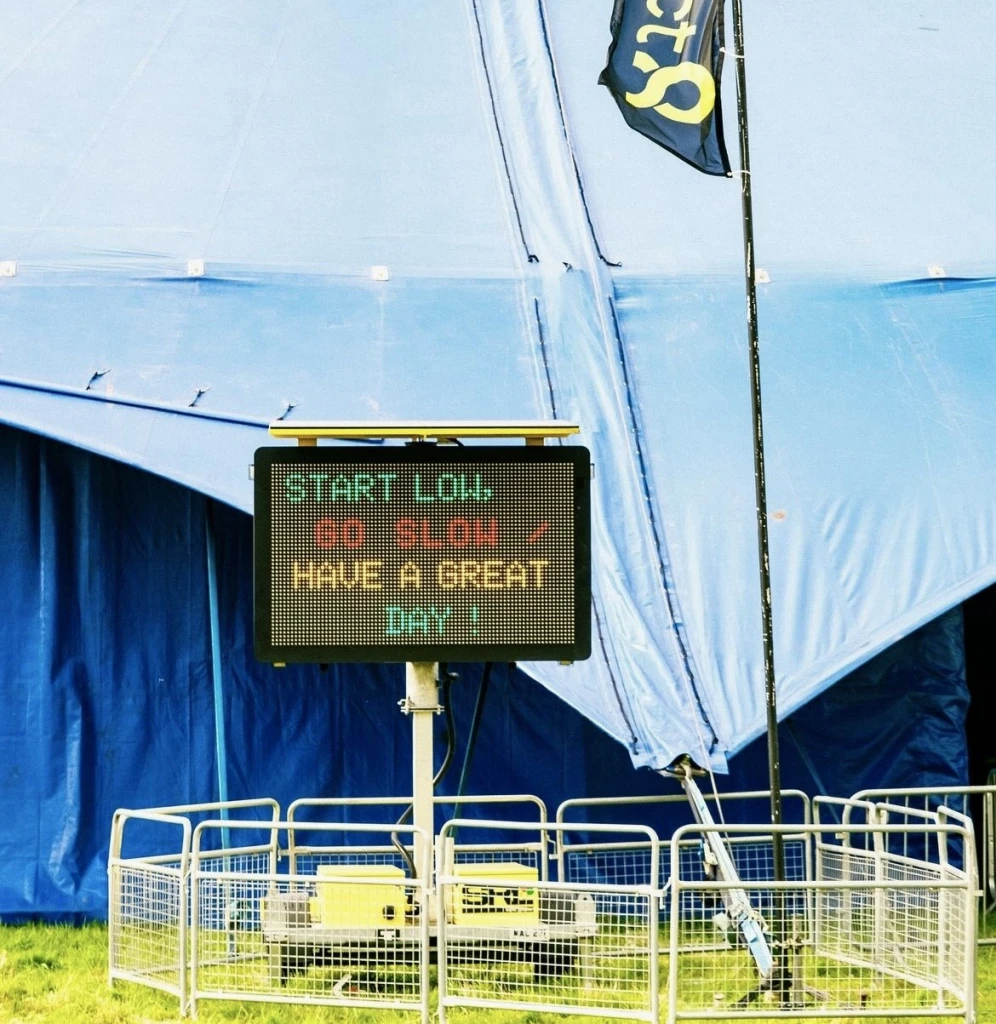
The initiative has been successful in reaching festival goers. Karen O’Grady, from the HSE said, “Based on discussions at events this summer, we feel our message is reaching people, more and more people are reporting that they are aware of trends and are applying harm reduction measures like “start low, go slow.”
This is a key message from the HSE, to start low and go slow, meaning that if someone chooses to take drugs they should start with a small dose and pace themselves.
When the HSE’s festival campaign first began, there was a fear of Garda interference with the spaces. Karen O’Grady said:, “There is less fear of engaging with us now, people who come to the service see that it is not monitored and feel safe discussing use and surrendering drugs with us.
“We will continue to create awareness of drug trends and try to engage with more people to build trust,” said O’Grady.
Surrender bins were provided throughout the festival for people to submit drugs for analysis. The service relies on people surrendering drugs for harm reduction purposes- the more drug samples people provide, the more the HSE will know about what is in circulation. This process helps the HSE to issue alerts and spread awareness around particularly risky substances.
The ‘back of house’ approach means that the sample is destroyed upon analysis and the person will not be contacted directly with the results. If anything noteworthy is found, this information is broadcast on social media and on screens at events.
This HSE initiative was introduced following recommendations from the Government Emerging Drug Trends and Drug Checking Working Group, which examined nightlife environments including festivals.
The review identified these as risk-taking settings that can provide the HSE with more opportunity to engage with groups not typically presenting to traditional addiction services.
Photo by Sadie Murray
Karen O’Grady said:, “The overall aim of the programme is to engage with and support festival attendees in a non-judgemental way on the topic of substance use and related health issues that emerge in nightlife spaces. The programme is based on a harm reduction ethos to inform and support people to amend behaviours to help minimise harms caused by substance use.”
The development of a drug safety culture within festivals is crucial with an increasingly volatile drug market and substance abuse epidemic.
A recent report from The European Drug Report 2024 found that Ireland had the highest instance of drug deaths in the EU, with more than four times the average number of fatalities. The report showed that Ireland had 322 drug-related deaths in 2020 — 97 deaths per million people, compared to the EU average of 22.5.
The HSE’s core message is that it is safer not to use at all and that the drug market is currently very volatile. For those who do choose to use, it is advised that they stay up to date with drug trends and alerts on the HSE site and to follow harm reduction messages.
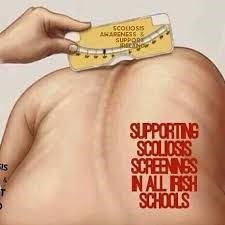
Many children are still facing long waiting times for diagnosis and treatment for scoliosis in Ireland, according to Scoliosis Awareness & Support Ireland.
When Taoiseach Simon Harris was minister for health in 2017, he said that no child would wait longer than four months for scoliosis surgery.
However, campaigners say that seven years on, surgery is still a long way away for many.
“As of September 2024, we continue to face significant challenges in addressing the backlog of scoliosis waiting lists for children,” said Elaine Kelly from Scoliosis Awareness & Support Ireland.
Kelly explained that the demand for spinal procedures often outpaces the available capacity within the healthcare system despite the efforts to improve the situation.
“Over the past 10 years efforts to improve the issue have included, allocating additional funding, an increased investment in healthcare and an increase in infrastructure and personnel to expand surgical capacity. Despite these efforts, many children and their families continue to experience significant delays in accessing necessary surgery,” Elaine Kelly said.
Source: CHI website, Children’s Hospital Temple Street
Aoibhínn Dunne, 20, from Dublin has been waiting over a year for spinal surgery with private healthcare.
Due to the cut in scoliosis screening in primary schools Dunne found out very late in life that she had scoliosis.
Dunne’s scoliosis causes her severe back pain, and because her scoliosis is in the shape of an ‘S’ it means her spine is pulling in different directions. This puts a lot of stress on her lungs and eventually her heart, as her ribs are pressing in against her lungs.
This is especially difficult for her as she studies drama in university and it affects her movement for acting on stage and breathing for singing.
Since being diagnosed with scoliosis at the age of 18, Dunne has had immense difficulty in getting on waiting lists for surgeries as “children often get prioritised,” Dunne said.
“By the time you are 18 there is a certain cutoff point for the number of degrees in the curvature of the spine; if you’re under a certain number then it probably won’t keep getting worse. However, mine is double the cutoff point, so I do have to get surgery, it’s just so hard, especially for me because I’m not a child anymore,” she explained.
“We appreciate that no politician can wave a magic wand and solve this overnight, but this has been going on now since 2009,” said Elaine Kelly.
“Even the emergency wait lists are over three months long,” Dunne said.
Kelly explained how past warnings have fallen on deaf ears and that the “response has been unacceptable from the Government. This is the last chance to get it right.”
“The waiting list for spinal surgery has increased in recent months, this is due to the backlog of children waiting for a first appointment with a consultant,” Kelly said.
According to Kelly, it’s not just physical pain that affects patients with scoliosis. Anxiety and stress associated with the delays in care can also have a negative impact on the mental health of children and families.
Kelly advises families to reach out for help. “Give families support groups contact details and information on their child’s diagnosis. Research- knowledge is power,” she said.
Image sourced from Facebook with the permission of Lora Ruth Wogu
It’s wintertime and many conditions can be exacerbated by the cold and chilling drop in temperatures. One of those conditions is Sickle Cell Disease and thecity.ie had a chat with the founder and CEO of Sickle Cell and Thalassaemia Ireland (SCTI) Lora Ruth Wogu to find out more about the disease.
SCTI is managed by families impacted by Sickle Cell and Thalassaemia, along with dedicated volunteers. Their mission is to promote awareness and offer support to individuals facing Sickle Cell and Thalassaemia challenges, as well as their loved ones, within Ireland.
What is Sickle Cell Disease?
“Sickle Cell Disease is a genetic condition that affects red blood cells. It is a condition caused by a mutation in the HBB gene, which provides instructions for making hemoglobin—a protein responsible for carrying oxygen in red blood cells. The mutated gene leads to the production of abnormal hemoglobin known as hemoglobin S (HbS).
The presence of such a gene leads to the red blood cells becoming solid and rigid which leads to clogging. The cells end up resembling a C shape or sickle, which is where the name sickle cell comes from.”
What are the symptoms of Sickle Cell Disease?
“The main symptoms of the condition are pain crises which are periods of intense pain, weakness and fatigue, mental delays, strokes and infections. The weakness and fatigue are caused by anemia which is when the number of red blood cells or levels of hemoglobin within them are much lower than usual. We would also see weakness of the elbow and joints due to the small areas in which the blood vessels are in.”
Does Sickle Cell Disease affect certain populations?
“Anyone can get it, not just certain demographics. The condition is more predominant amongst patients with African or Carribean backgrounds, but the disease is not exclusive to just that group.”
How is Sickle Cell Disease inherited?
“The disease can only be inherited if both parents have the genetic mutation. If only one parent has the gene, then the child will not get the disease.”
How many people are affected by Sickle Cell Disease in Ireland?
“Around 800 people in Ireland are affected by the condition and the vast majority of the patients are based in Dublin.”
What are the mortality rates of this condition?
“The mortality rates of Sickle Cell in high-income countries are significantly lower than those in lower-income countries.
For example, the rate is usually five years in Africa but in the likes of Ireland or the UK, the rate would be 45 – 55 years. I have seen people survive for nearly sixty years with the condition.”
How is Sickle Cell Disease treated?
“It is usually treated firstly with folic acid and penicillin, but we mostly treat the disease with blood transfusions and blood exchange. There is a big difference between blood transfusions and blood exchange.
Blood transfusions involves giving a patient blood to essentially “top up” the patient with good blood cells.
A blood exchange involves removing some of the patients’ blood and replacing it with a substitute.
Patients are also treated with Hydroxyurea which is a medication that helps to increase the production of fetal hemoglobin, which can reduce the frequency of pain crises and other complications. It is classified as a chemotherapy drug but is dosed differently to what you would see in a cancer patient.”
Are there any issues that Sickle Cell Ireland have faced?
“Yes. We have faced issues with trying to get supplies of blood. There is currently a shortage of blood for our patients and there is not enough pace in securing the supplies that are badly needed.
There are some children with SCD in Crumlin Children’s hospital who have to stay there beyond the age limit of sixteen for treatment. Otherwise, there are not many treatment options available after they leave the hospital.”
What about the future?
“We hope to have our own designated centre as we have had none since we started in 2015. We would also love to see the introduction of gene therapy which was very recently approved in the UK. Gene therapy involves replacing a faulty HBB gene with a normal, functioning one.
The more treatment options that can become available means that there can be less of a strain on supplies of other treatments like blood transfusions.”
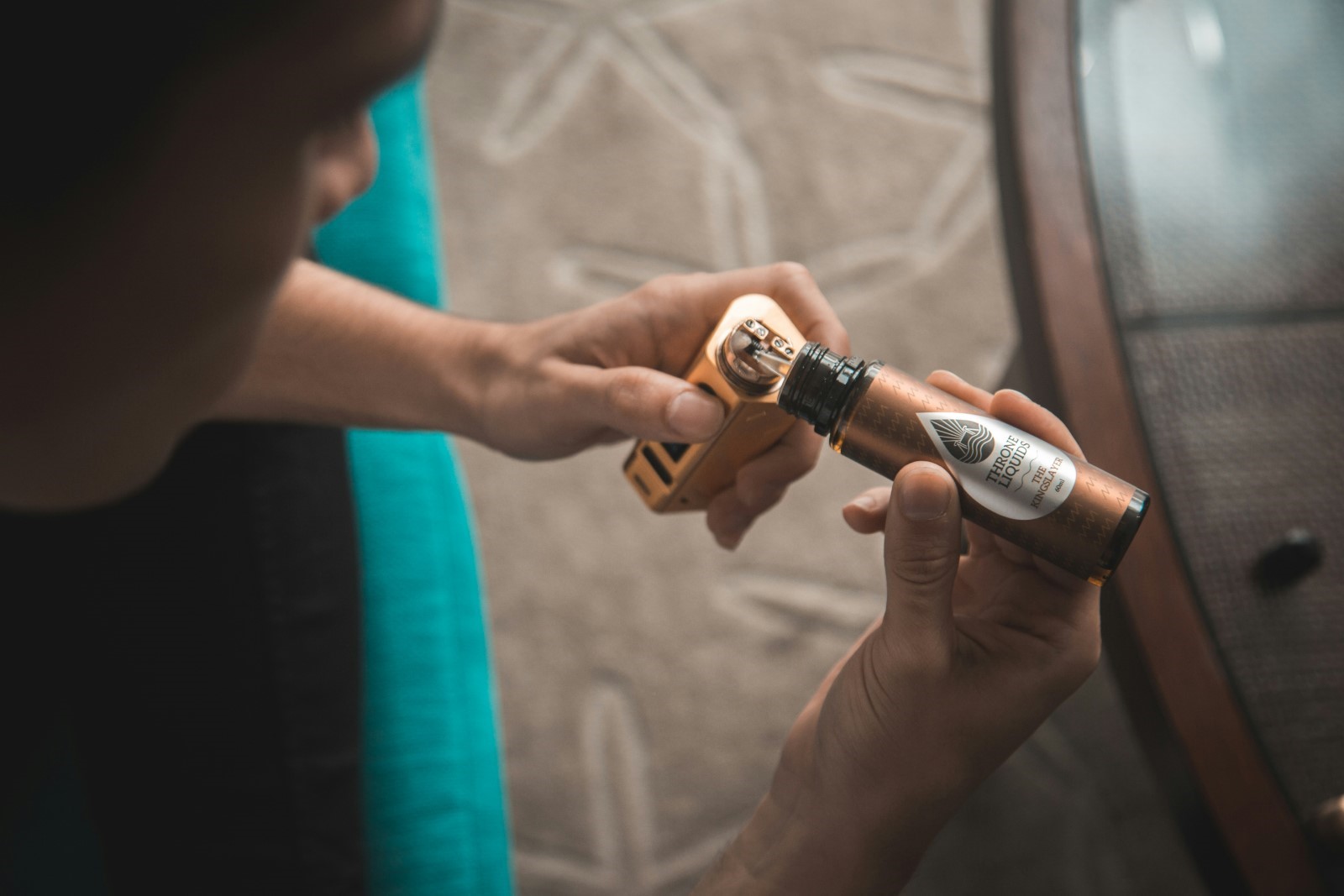
Due to the negative environmental impact, TD Paul McAuliffe wants to ban disposable vapes.
The use of vapes among young adults is increasing at a rapid rate.
Greenpeace writer Kirsty Scheiby states that disposable vapes are harmful for the environment as they are powered by a battery which is made from lithium, a precious metal which is already facing global shortages.
Disposable vapes were first released in the early 2010’s and have grown in popularity quickly, especially amongst young people. Disposable vapes are sold in a variety of flavours which makes them appealing to young people.
Vaping has also raised multiple health concerns. In 2019, The Centers for Disease Control and Prevention found that people who vape had common symptoms such as respiratory symptoms, shortness of breath, cough, and chest pain.
Other vaping side effects include fatigue, sore throat, irritability, dizziness, nausea, and sleepiness. Although some experts consider vaping less harmful than smoking, there is still a lot to learn about its long-term effects.
Photo- iStock
TheCity.ie conducted a survey of 50 college students all around Ireland has shown that smoking disposable vapes is normalised within their friend groups.
William O’Hara, manager of Hale Vaping on Parnell Street, says most people who come in to buy disposable vapes are college students in their 20s.
“Most people who pop into the shop are students, I think when disposable vapes are banned, people will start smoking cigarettes again. I do not think vape shops will lose business, normal vapes are still making more money than disposables,” he adds.
The student survey has shown that in the case of disposable vapes being banned, 36% of students will move onto cigarettes, 32% will move onto regular vapes and 28% will stop smoking altogether. The survey has also found that 56% of students didn’t smoke at all before disposable vapes.
The growth of disposable vapes has also made littering a bigger problem, especially in nightclubs.
“I work in a nightclub and at the end of the night there is close to a hundred vapes laying on the ground, most of my colleagues vape themselves,’ says Darragh Casey, a student from University College Cork.
According to Irish Vape Vendors Association (IVVA), the main argument in favour of banning flavoured e-liquids is the potential risk of making vaping products more attractive to minors with child-friendly flavourings and packaging. However, the association between vaping flavours and subsequent smoking initiation is not backed up by evidence.
“Working in a club, I can see how popular vaping is, way more people have elf bars in their hand in the smoking area than actual cigarettes, I don’t smoke, but I find myself occasionally buying a disposable on a night out,” Casey adds.
Here are some of what people on X (formerly known as Twitter) have to say about the potential ban:
Just weighed in on the issue of single-use vapes in Ireland and their environmental impacts 🌿
Do you think we should have a legislative ban on disposable vapes?
There are currently only three people in the Dublin area receiving medicinal cannabis according to the Health Service Executive.
The figure was confirmed to TheCity.ie following a freedom of information request.
The Medical Cannabis Access Programme (MCAP) was launched in the summer of 2019 by then Health Minister Simon Harris as a pilot programme for five years.
Barry Fuchs (30) from Swords was diagnosed with an inflammatory disease called Ankylosing Spondylitis a few years ago. The condition is a type of arthritis that causes the vertebrae in the spine to fuse.
Speaking to thecity.ie he describes his pain.
“My condition causes me to be very stiff and sore, especially in the mornings there before I move around and do my stretches,” he says.
Once simple tasks such as tying his shoelaces or putting on his jumper have now become ordeals.
“I asked my GP about the medical cannabis but he told me that he doesn’t think I’m at that stage yet, so, maybe if I get very bad he might let me,” he adds with optimism. “I just think medical cannabis could help just take your mind off it at certain points during the day and also help you sleep at night.”
Currently the MCAP only applies to people with multiple sclerosis, people with severe epilepsy or patients suffering bad side effects from chemotherapy. Researchers don’t know for certain if cannabis can ease the symptoms of arthritis, but some studies suggest it helps with pain relieve and aids sleeping.
TD Gino Kenny told thecity.ie that “hopefully the MCAP will be expand to include other conditions. There is an ongoing review into the programme and early next year they will announce if the programme should include any other conditions.”
The People before Profit TD has been a vocally prominent supporter of decriminalising cannabis and legalising medicinal marijuana. Last week he introduced a bill to amend the Misuse of Drugs Act 1977 that would legalise cannabis for personal use. “Seven grams would be personal use,” Mr Kenny tells thecity.ie, adding “this [would be] emulating what has happening in Malta and Luxemburg.”
The bill first needs to be approved by Government TDs before going for a vote. “Hopefully early next year we will have a debate and more crucially a vote to see if the bill should progress to the next stage of the process. Even if it does progress that doesn’t necessary mean it will become law,” Gino warned.
According to Euronews.com, medicinal cannabis has been available in Germany since 2016. The German health minister unveiled plans this month to legalise it for recreational use.
















You must be logged in to post a comment.