Tag: ireland

  • A McClean eye for goal

    A McClean eye for goal

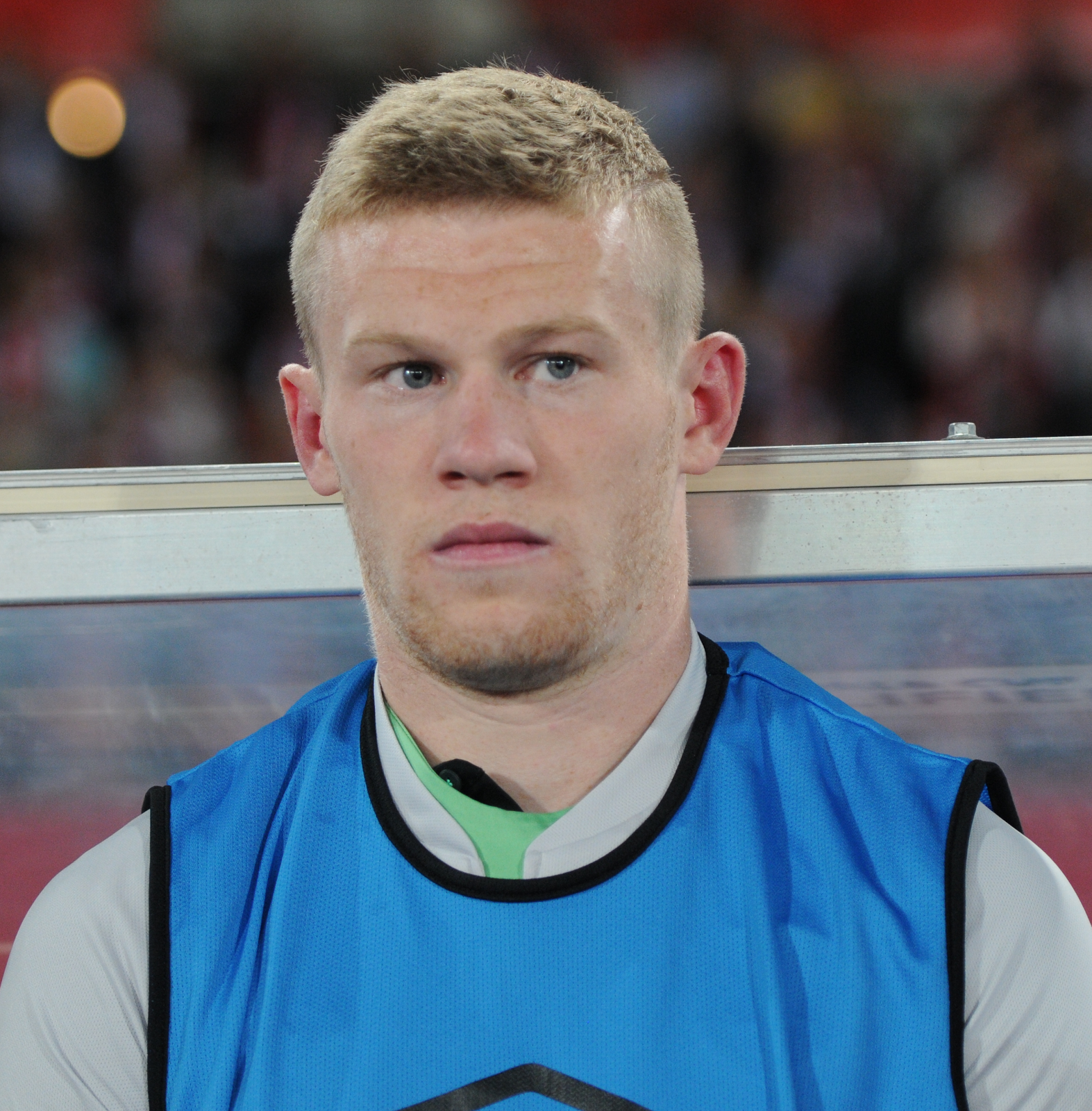
    Wheeling away in delight in the aftermath of his crucial goal against Wales in the Cardiff City Stadium, an argument could be made that James McClean needs this Ireland team more than the team needs him.

    Of course, McClean’s energetic chastising of opponents and marauding left-wing runs have been paramount to Ireland’s success under Martin O’Neill. However, in this World Cup qualifying campaign, it has been McClean’s goals that have been most crucial in leaving Ireland two games away from Russia 2018.

    McClean’s four goals in Group D directly led to Ireland gaining six points. His goals against Moldova, Austria, and that fateful goal against Wales were the difference between Ireland walking away with just one point or achieving victory.

    James McClean
    Opponent Goals Scored Final Score Points Gained
    Moldova 2 3-1 Ireland 2
    Austria 1 1-0 Ireland 2
    Wales 1 1-0 Ireland 2

    The six points earned by the West Brom winger for the Republic of Ireland was only bettered by Poland’s prolific goalscorer, Robert Lewandowski.

    The Bayern Munich striker fired Poland to the World Cup with 16 goals in qualifying, becoming the top scorer in European qualification. Moreover, Lewandowski’s goals led directly to  Poland gaining 11 points, which allowed them to top their group, finishing ahead of Ireland’s playoff opponents, Denmark.

    Robert Lewandowski
    Opponent Goals Scored Final Score Points Gained
    Kazakhstan 1 1-1 draw 1
    Denmark 3 3-2 Poland 3
    Armenia 1 2-1 Poland 2
    Romania 2 3-0 Poland 0
    Montenegro 1 2-1 Poland 2
    Romania 3 3-1 Poland 3
    Kazakhstan 1 3-0 Poland 0
    Armenia 3 6-1 Poland 0
    Montenegro 1 4-2 Poland 0

    Speaking of Ireland’s playoff opponents, Denmark’s playmaking maestro Christian Eriksen had a scintillating campaign for De Rød-Hvide.

    The Tottenham midfielder scored eight goals in qualifying, with his goals leading to his team gaining five points. The 20-point haul the Danes accumulated was good enough to ensure a playoff spot.

    Ireland will have to be wary of the diminutive Dane as he looks to continue his terrific run of goalscoring form.

    Christian Eriksen
    Opponent Goals Scored Final Score Points Gained
    Armenia 1 1-0 Denmark 2
    Kazakhstan 2 4-1 Denmark 0
    Kazakhstan 1 3-1 Denmark 0
    Poland 1 4-0 Denmark 0
    Armenia 1 4-1 Denmark 0
    Montenegro 1 1-0 Denmark 2
    Romania 1 1-1 draw 1

    Plenty of other goalscorers led their teams to five points over the course of World Cup qualifying.

    In Poland and Denmark’s Group E, Montenegro captain Steven Jovetic scored seven goals as The Brave Falcons finished in a respectable third place.

    Both Italy’s Ciro Immobile and Serbia’s Aleksander Mitrovic both scored six goals, also leading to their teams gaining five points each.  

    By Sean Meehan

  • Ireland dealt massive blow in World Cup bid

    Ireland dealt massive blow in World Cup bid

    Ireland’s hopes of hosting the 2023 Rugby World Cup have been dealt a major blow after World Rugby have decided not to endorse their bid, choosing 1995 host South Africa instead.

    World Rugby have selected their preferred candidate to host the 2023 World Cup after months of technical appraisals. South Africa came out on top with 78.97%, France second with 75.88% and Ireland last with only 72.25%.

    Each country was assessed on five categories: finance and tournament guarantees, venues and host cities, tournament infrastructure, vision and concept, and tournament organisation and schedule.

    Ireland didn’t top any of these categories and came last or joint last in all but one as shown on the table below.

    world cup criteria

    World Rugby Chairman Bill Beaumont said: “The comprehensive and independently scrutinised evaluation reaffirmed that we have three exceptional bids but it also identified South Africa as a clear leader based on performance against the key criteria, which is supported by the board in the recommendation.”

    This news, which came in the form of a 220-page document from World Rugby, is devastating for Irish rugby who received strong government backing, unlike France and South Africa.

    Over €4 million has already been spent on Ireland’s bid to host the tournament by the IRFU and while it is not impossible for Ireland to be chosen as hosts, it now seems highly unlikely.

    By Leo McGuinn

  • Ireland continues to fuel ‘Heavy Drinkers’ stereotype

    Ireland continues to fuel ‘Heavy Drinkers’ stereotype

    “The number of new cases of alcohol-related cancers in Ireland is expected to double by 2020.”

    This is the stark statement by the Irish Cancer Society’s Cancer Prevention Manager Kevin O’Hagan on the Central Statistics Office (CSO) report released on October 18th 2017. A grim picture was painted, which showed that in 2014, Irish people between the ages of 18 and 24 topped the EU table for excessively drinking alcohol.

    Irish people have a reputation for being heavy drinkers. The average EU rate of alcohol consumption between people aged 18-24 is 11.7% for men and 4.3% for women. More than a quarter of Irish males (26.8%) aged 18-24 engaged in binge drinking at least once a week in 2014, which was over double the EU average. The figure for Irish women of the same age was over treble the EU average at 15.5%.

    The data from the CSO report looks like this:

    5.17  EU: Persons with heavy episodic drinking at least once a week, 2014
      % of cohort
    Country Males   Females   Total
    18-24 25-64 18+   18-24 25-64 18+   18-24 25-64 18+
    Cyprus 0.5 1.6 1.4 0.4 0.1 0.1 0.4 0.8 0.7
    Latvia 0.6 2.2 1.9 0.7 0.1 0.1 0.7 1.1 0.9
    Lithuania 2.0 6.9 5.7 0.0 0.7 0.5 1.0 3.7 2.8
    Croatia 2.3 3.4 3.3 0.0 0.8 0.6 1.2 2.0 1.9
    Italy 2.9 1.8 1.8 0.7 0.4 0.4 1.8 1.1 1.1
    Slovakia 3.2 2.9 2.7 0.6 0.3 0.3 1.9 1.6 1.5
    Greece 3.6 2.8 2.5 0.8 0.4 0.4 2.2 1.6 1.4
    Hungary 3.6 3.8 3.9 0.0 0.6 0.6 1.8 2.2 2.2
    Bulgaria 4.6 4.5 4.0 0.0 0.5 0.5 2.4 2.4 2.1
    Poland 5.4 6.1 5.5 2.1 0.7 0.7 3.8 3.3 2.9
    Portugal 6.6 5.3 5.0 1.3 0.6 0.5 4.0 2.8 2.6
    Romania 6.6 23.2 20.3 1.2 2.6 2.4 4.0 12.9 11.0
    Spain 7.3 4.3 4.1 2.3 1.5 1.2 4.9 2.9 2.7
    Czech Republic 10.2 3.7 4.0 0.9 0.3 0.3 5.8 2.0 2.1
    Austria 10.3 3.6 3.9 4.3 0.7 1.0 7.3 2.2 2.4
    EU 28 11.7 9.3 9.0 4.3 2.6 2.6 8.0 5.9 5.6
    Estonia 12.0 10.9 9.8 1.4 0.9 0.8 7.4 6.4 5.4
    Slovenia 12.7 5.3 5.6 4.3 1.0 1.2 8.5 3.2 3.3
    Luxembourg 14.4 18.5 17.4 7.2 5.7 5.5 10.9 12.2 11.4
    Sweden 14.4 6.4 6.8 7.1 1.5 2.0 10.9 4.0 4.4
    Denmark 16.0 14.2 14.3 10.7 3.7 4.5 13.2 9.0 9.3
    United Kingdom 17.0 17.8 15.5 6.5 6.2 4.9 11.0 11.6 9.8
    Finland 19.4 21.2 18.9 10.7 4.4 4.4 14.6 12.6 11.3
    Germany 22.0 12.7 13.5 8.0 4.9 5.4 15.2 8.8 9.4
    Malta 25.8 10.2 11.6 11.2 2.1 2.8 18.7 6.2 7.2
    Belgium 25.9 14.1 13.6 9.5 3.1 3.7 17.2 8.5 8.5
    Ireland 26.8 21.2 20.8 15.5 6.5 6.8 21.4 13.8 13.7
    Turkey 2.3 3.3 2.9 0.1 0.2 0.2 1.2 1.7 1.5
    Iceland 4.1 3.3 3.0 6.3 0.5 1.3 5.1 1.9 2.1
    Norway 8.7 3.6 3.7 5.1 0.7 1.1 7.0 2.1 2.4
    Source: CSO IHS, Eurostat EHIS

    “The statistics are very disappointing in that we have known for some time that alcohol consumption is the third leading risk factor for disease and mortality in Europe.” Kevin O’Hagan, the Irish Cancer Society’s Cancer Prevention Manager said.

    According to the society’s website, alcohol is associated with seven different types of cancer: throat cancer, mouth cancer, cancer of the voice box, cancer of the oesophagus, breast cancer, liver cancer and bowel cancer.

    Every year, 900 people develop cancer from excessively drinking alcohol. Of those 900, over 500 die from the disease.

    Excessive drinking or ‘binge drinking’ is described by the HSE’s website as drinking more than six standard drinks in one sitting. A standard drink is a pub measure of spirits, a small glass of wine, an alcopop or a half pint of beer.

    For drinkers of alcohol, the recommended weekly intake for women is 11 standard drinks and 17 standard drinks for men.

    In Europe, an estimated 10% of all cancer cases in men and 3% of all cancer cases in women are attributable to alcohol consumption, according to the Irish Cancer Society.

    Kevin O’Hagan highlights some of the risks associated with alcohol consumption for women.

    “More than 100 studies have looked at the link between alcohol and breast cancer in women. These studies have time and time again found that drinking alcohol increases breast cancer risk.” He explained: “Evidence has shown that drinking one standard drink a day is associated with a 9% increase in the risk of a women developing breast cancer, while drinking 3 to 6 standard drinks a day increases the risk by 41%.”   

    It is obvious that we have a problem in Ireland with drinking too much alcohol. As well as the CSO data, a global report from May 2014 by the World Health Organisation (WHO) put Ireland as second out of 194 WHO countries for binge drinking.

    The report found that 39% of all Irish people aged 15 and over had excessively drank alcohol in the past 30 days, which put us ahead of the UK (28%) and only below Austria’s 40.5%.

    Ireland has had a complex relationship with alcohol for decades. Since 1960, our levels of drinking almost trebled and are still more than double despite a near 20% drop since reaching its peak.

    Alcohol 1

    Alcohol consumption in Ireland almost trebled over four decades between 1960 (4.9 litres of pure alcohol per capita) and 2000 (14.1 litres of pure alcohol per capita), as alcohol became much more affordable and more widely available. Since then, our alcohol consumption has declined by 19.6%, from a peak of 14.3 litres of pure alcohol per capita in 2001, to 11.5 litres in 2016.”

    These figures were obtained from Alcohol Action Ireland’s website, a national charity that aims to reduce levels of alcohol harm by trying to improve public policy and safety on the matter.

    CEO of Drink Aware, Niamh Gallagher who campaigns for an Ireland without alcohol abuse is well aware of the problems associated with alcohol consumption.

    “We know that regularly drinking alcohol at this level can increase the risk of experiencing alcohol-related harms, including accidents, injuries, violence, stomach disease, cancer and strokes. As well as the impact on physical health, alcohol can have a serious impact on mental health, affecting ability to cope with everyday stresses. It is also linked with particular mental health issues including depression and anxiety,” said Ms Gallagher.

    Solutions

    The solutions to reducing alcohol intake are complex.

    “We need a combination of measures; education and awareness to communicate the impact of alcohol on young people and to build the skills and resilience required to say no; and enforcement of the law, to ensure that young people under age cannot access alcohol and those who supply it to them are punished,” said Ms Gallagher. 

    The Irish Cancer Society’s Cancer Prevention Manager, Kevin O’Hagan said: “The most important thing at the moment is to continue to increase awareness of the link between alcohol and cancer. Presenting this message is particularly challenging in the context of considerable investment by the alcohol industry on marketing and advertising to influence people’s alcohol beliefs and behaviour.”

    Suzanne Costello, Interim Leader of the HSE Alcohol Programme, agreed with Mr O’ Hagan.

    “Alcohol marketing is designed to make alcohol sell. A huge amount of money is invested in it and so alcohol is marketed as something that is largely risk-free. It’s glamorous and aligned with social success in how it’s marketed and hence, for young people, that makes it attractive. The key point to reducing alcohol harm with consumption is the fact that it’s very difficult to achieve because there’s a very strong industry lobby opposing those things. It’s a contested space and the public health community need to make the case and display the evidence in order to get politicians to take action to progress the legislation.”

    The Alcohol Beverage Federation of Ireland (ABFI) represents alcoholic drinks manufacturers and suppliers in Ireland. The Director of ABFI, Patricia Callan, defended the statements made by saying that the drinks industry supports measures to tackle misuse of alcohol and to reduce alcohol consumption of young people.

    “The position of the drinks industry has always been to support the introduction of measures to tackle alcohol misuse and alcohol consumption by young people,” said Ms Callan.

    Ms Callan also said alcohol abuse damages the drinks industry and its reputation and is not something they want.

    It is not in the best interests of the drinks industry when people misuse our product. Ultimately, alcohol misuse damages our brands and our reputation,” she said. “Our industry engages in responsible marketing and promotion, and is governed by some of the strictest regulatory codes in the world.”

    In December 2015, the legislation for the Public Health Bill was approved by the Irish government. The bill’s aim is to deal with minimum unit pricing of alcohol, labelling laws on alcohol, advertising laws and availability of alcohol in Ireland.

    It is our hope that the new Public Health (Alcohol) Bill will introduce much stricter legislation governing alcohol advertising and sponsorship and also health labelling of alcohol products since there is widespread misunderstanding and denial of the harmful effects of alcohol on health,” said Mr O’ Hagan of The Irish Cancer Society.

    Drink Aware are also supportive of the Public Health Bill. CEO Niamh Gallagher said, “We are supportive of the bill but it’s a matter of what happens next.”

    The HSE Interim Leader of the Alcohol Programme, Suzanne Costello, finds this statement to be ‘contradictory’, given the fact that Drink Aware are funded by the alcohol industry.

    “That’s a position that we would find contradictory because if the people that fund Drink Aware are funding the lobbyists to derail the bill, I’m not sure what exactly their position is.”

    Niamh Gallagher admitted to being funded by the alcohol industry but stressed that the governance of Drink Aware is separate to the funding.

    “Drink Aware does receive funding from the alcohol industry and the grocery retail industry so we’re not just funded by the alcohol industry. We receive funding from both but our governance is absolutely separate to our funding. Our Board drives our strategy and oversees our work and they have no links to the alcohol industry. They’re completely independent,” Ms Gallagher said.

    The Public Health Bill is still being debated, with it moving back and forth between the Dáil and the Seanad. It is hoped that the Bill will come before the Seanad again in November of this year.

    By Leanne Salmon
  • Reid reflects on Olympic experiences

    Reid reflects on Olympic experiences

    Aileen Reid was highly tipped to do well at London 2012 but after a crash on her bike she finished 43rd. Gavin Hyland talks with the Olympic triathlete to find out how she rebounded from the disappointment of 2012.

    Having a disappointing Olympics would be enough to destroy anybody’s confidence but that is not how Aileen Reid reacted to her 43rd place finish at the London Olympics in 2012.

    “I had a disappointing swim and I had to rush the cycle and that led to the crash on the bike. I was proud I finished but it was not the day my Olympic dream was supposed to be,” explains Reid.

    It’s 5pm in Australia where Reid has been living for the last year and she tells me she is looking at the stadium where the Commonwealth Games will be held. Reid intended on competing at the games but injury has forced her to retire as a triathlon athlete.

    It is a far colder 8am in Dublin when we are speaking and the former Irish Olympian tells me the weather is one of the reasons she moved to Australia.

    “People are out at 5am doing all sorts of exercise from running to surfing. It’s not just sporty people, everybody does it. The sun is out,” the Derry native laughs at the last part as it’s a very chilly October morning in Dublin and she can’t help being giddy with the difference in weather.

    “Every Thursday afternoon kids do sports and they are not forced, they genuinely want to be active,” said Reid.

    Before she gets too carried away with her new life in Australia, I pull her back to her time as an Olympian. After the disappointment of 2012, Reid continued to train and was back representing Ireland at the 2016 Olympics in Rio.

    Reid lists off places she visited for training camps in preparation for Rio. “We went to Kenya for a training camp and then we had a heat preparation camp in Florida. I had a much better experience in Rio even though I didn’t break top 10 or anything like that.”

    As she casually mentions the pleasures of cycling through the Japanese countryside or swimming in the Mediterranean, I ask if she ever got to enjoy seeing those places.

    “I probably didn’t enjoy it enough. I missed out on a lot of experiences and I didn’t always enjoy the experiences,” confesses Reid.

    She would encourage young athletes to remember to enjoy the experience and the events athletics affords them.

    Reid prepared well before competing by attending training camps, including heat preparation and altitude training. “Athletes train for the type of conditions they are going to compete in. That is why we had a training camp in Florida right before Rio.”

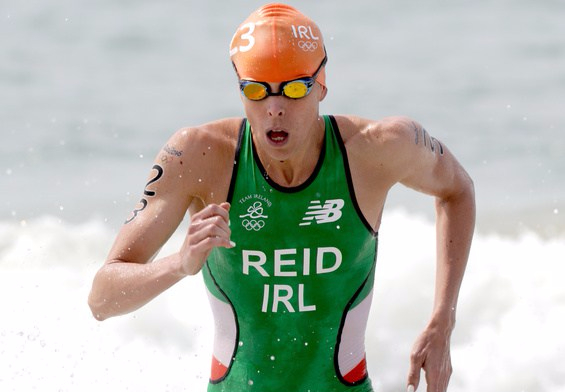
    aileen-reid.jpg
    Aileen Reid representing Ireland at Rio in 2016. Source: Morgan Treacy

    The future of Irish athletics

    The former Olympian tells a familiar story when asked about the situation in Irish athletics. There are talented athletes in the country but funding is lacking.

    “We have the athletes and we have the coaches but we sometimes don’t have the investment,” said Reid.

    A sense of frustration creeps into the Olympian’s voice. “Volunteer coaches are expected to produce high performing athletes while these other guys were sitting in their high chairs.” It is unclear who these “other guys” are. Financial issues in the Irish Olympics set-up are not new, the boxing squad famously had financial trouble and the Pat Hickey controversy emerged during Rio 2016.

    Equal Sport

    Reid, a former PE teacher, is now coaching children in a private school in Australia and she believes that triathlon is a good example of a gender balanced sport.

    “Lots of schools have training camps and there is equal pay and prize money throughout the sport.” When speaking about gender inequality in other sports, Reid doesn’t have much time for excuses. “There’s no reason in this day and age why women shouldn’t have the same access to changing rooms and equal prize money,” argues Reid.

    Things seem to be far easier for the two time Olympian since she moved to Australia. “If I wanted to go swimming in Ireland I would have to put on my layers, my boots and in December, I would have spent 10 minutes scraping the ice off the car and that’s all before I even get to the pool. Here I go down in my shorts and t-shirt with nothing more than a towel and I can swim for as long as I want,” gloated Reid.

  • The City sports podcast episode 4: World Cup Play Off Draw special

    The City sports podcast episode 4: World Cup Play Off Draw special

    Leo McGuinn, Shane O’Brien, Scott Howe, Sean Meehan, and Daniel Osborne give their live reactions to the 2018 World Cup Playoff Draw.

  • Olympian Reynolds driving a path for grassroots dressage in Ireland

    Olympian Reynolds driving a path for grassroots dressage in Ireland

    Representing Ireland at an Olympics is a major event for any sportsperson. Gavin Hyland speaks to Olympian Judy Reynolds about Rio 2016 and her chances of being at Tokyo 2020.

    Fifteen years ago, Judy Reynolds moved to Germany with no knowledge of the language and nowhere to live. She was supposed to be there for nine months to compete in dressage but the Irish Olympian is still living there today.

    Reynolds has performed in three world equestrian games, three European dressage championships, the dressage world cup and the Olympic Games in Rio.

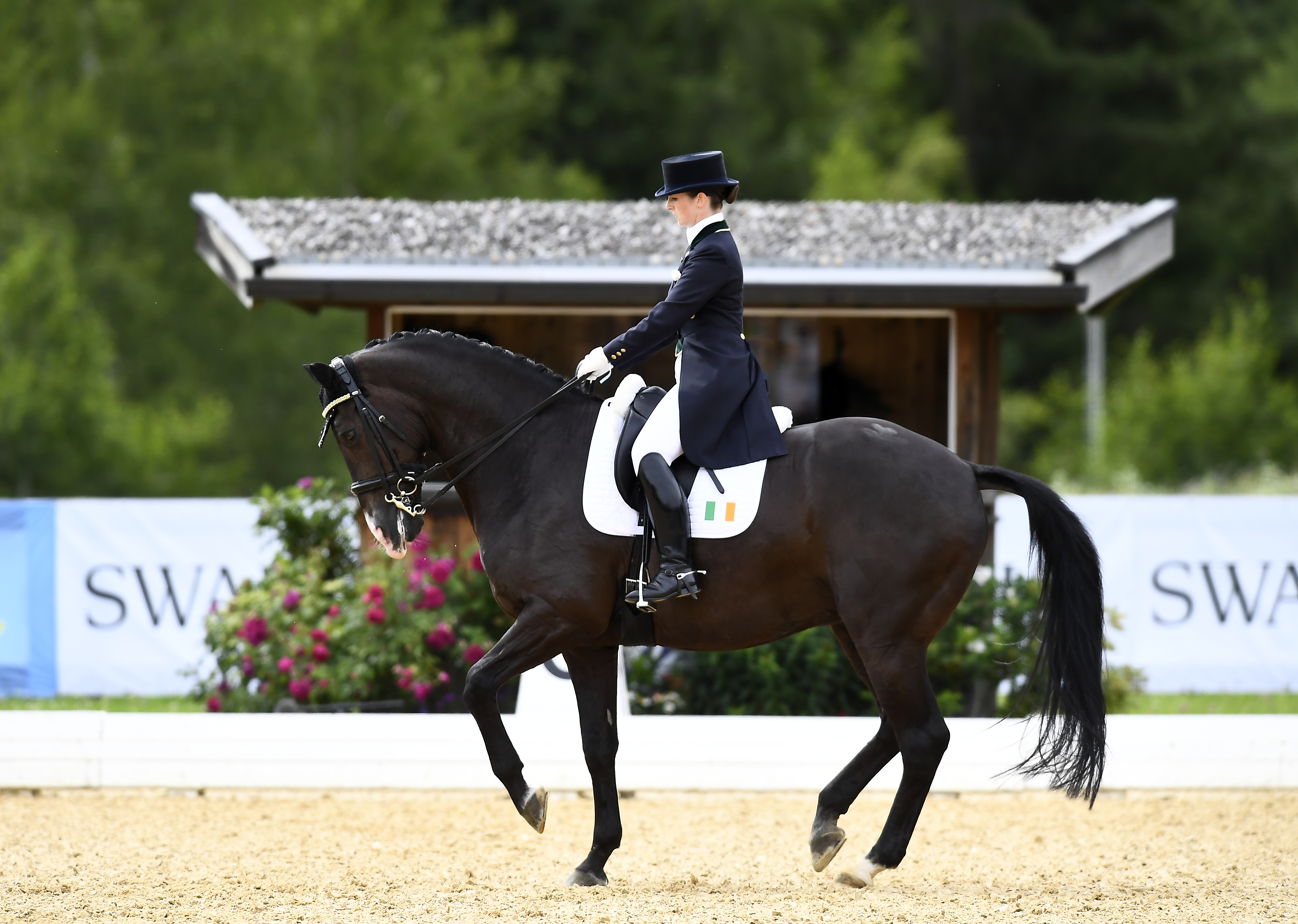
    _MAX0454Schindlhof CDI Vancouver K Judy Reynolds 7 17PhMSchreiner
    Schindlhof CDI 4 star show in Austria in July this year where Judy won both the Grand Prix and the Grand Prix Special.


    “The Olympics is the pinnacle of what you want to achieve, it is different and there is something very special about it. The best of the best are there representing their country,” said Reynolds.

    Reynolds speaks patriotically about the honour of representing Ireland and the overwhelming experience of walking through the Olympic village.

    Competing in international competitions has allowed Reynolds to see many interesting places. “We do get to see many amazing places, from Doha and a small village in Poland to competing on the Austrian Alps.”

    She said: “We do enjoy these places, but it is never like a holiday.  We are always focused on the competition.”

    Rio was special for Reynolds as she finished a very impressive 16th in the individual event. She puts her good performance partly down to good preparation. “We were in Rio 12 days before competition and that is a long time to work with just one horse,” explained Reynolds.

    Speaking to the Kildare native, it is obvious that she puts herself under immense pressure to perform to the best of her ability and she is acutely aware that despite living in Germany for 15 years, she is representing Ireland.

    _MSU0412 Schindlhof CDI Vancouver K Judy Reynolds7 17 Ph M Schreiner
    Schindlhof CDI 4 star show in Austria in July this year where Judy Reynolds won both the Grand Prix and the Grand Prix Special.

    The future looks bright for Irish equestrian as the showjumping team won gold at the European Championships and individual bronze.

    “Dressage in Ireland at grassroots level is growing hugely and we are climbing high in the world rankings,” according to Reynolds.

    Many people still find the financial cost for equestrian sports as the largest hurdle but Reynolds says this is improving.

    “The cost is always going to be somewhat high because it is expensive to take really good care of horses but there are heavily subsidised camps for those who want to get involved but worry about the cost.”

    The future of the sport may also be improved if Reynolds makes it to the Olympics in 2020. “I really want to go in 2020 but it all depends on Vancouver K, JP to us.”

    Reynolds says the horses are essentially her partner when it comes to competing.

    “We are working hard with other horses coming up behind Vancouver K, so hopefully we will be ready by the time 2020 comes around.”

    It is too soon for Reynolds to be contemplating retiring but for her, Ireland is home.  “If I could do what I do here (Germany) in Ireland, I would,” said Reynolds.

    The Olympian has had a hugely successful career to date and based on her determined tone and focused attitude towards competing, it is fair to say her career is far from its final hurdle.


  • Ophelia to cost between €500 and €800 million

    Ophelia to cost between €500 and €800 million

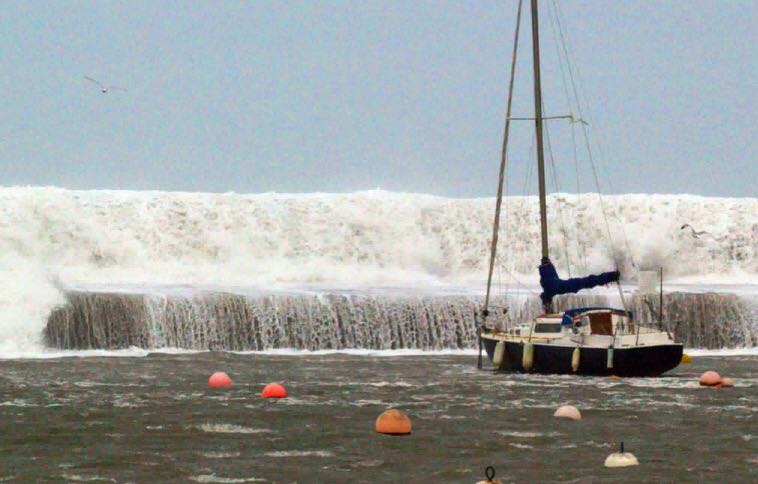
    Storm Ophelia made landfall early Monday morning leaving three dead and hundreds of thousands without electricity. Gavin Hyland reports on the recovery operation from the worst storm to hit Ireland in half a century.

    The cleanup from storm Ophelia has begun and early estimations expect the damage to cost between €500 and €800 million with hundreds of millions more lost in the shutdown.

    Three people lost their lives in Monday’s storm which caused winds of over 100Km/h. Over 80,000 homes are without water with 216,000 homes and business without electricity.

    The National Emergency Coordination Group provided updates throughout the day through the Chair of that group, Sean Hogan.

    Ophelia image CG
    Storm Ophelia caused rough sees around the country on Monday. Source: Irish Coast Guard

    RTÉ ran continuous coverage from all over the country, while Met Eireann has been roundly praised for their accurate forecasting of the storm which allowed for planning and warnings days in advance.

    Journalist, Alison O’Connor took to Twitter to praise some of the organisations involved as well as the government.

    Alison O'C Tweet

    Schools and colleges were closed on Monday, with schools remained closed on Tuesday. The Luas also remained closed on Tuesday as its depot in the Red Cow suffered some damage in the storm.

    There were reports of at least five rescue operations from the Irish Coast Guard as people failed to heed the warning of authorities and the Taoiseach to remain indoors during the storm.

    The National Emergency Coordination Group also reported several near misses involving emergency services personnel.

    Videos and images on social media showed trees torn down, school roofs blown off and flooding in Galway, among other structural damage.

    ESB has also been praised as over 100,000 people had their power restored Monday night and into Tuesday morning.

    The National Emergency Coordination Group also announced that help is being brought in from Scotland and France to help restore power and water to those affected.

    The good weather on Tuesday and Wednesday will help the recovery, but bad weather forecast for the weekend will likely delay or setback the recovery.

    Storm Ophelia is the worst storm to hit Ireland in over 50 years and although the recovery has begun, it is likely to take days and cost hundreds of millions to return the country to full functionality.


  • Ireland cricketers set for first test match next year

    Ireland cricketers set for first test match next year

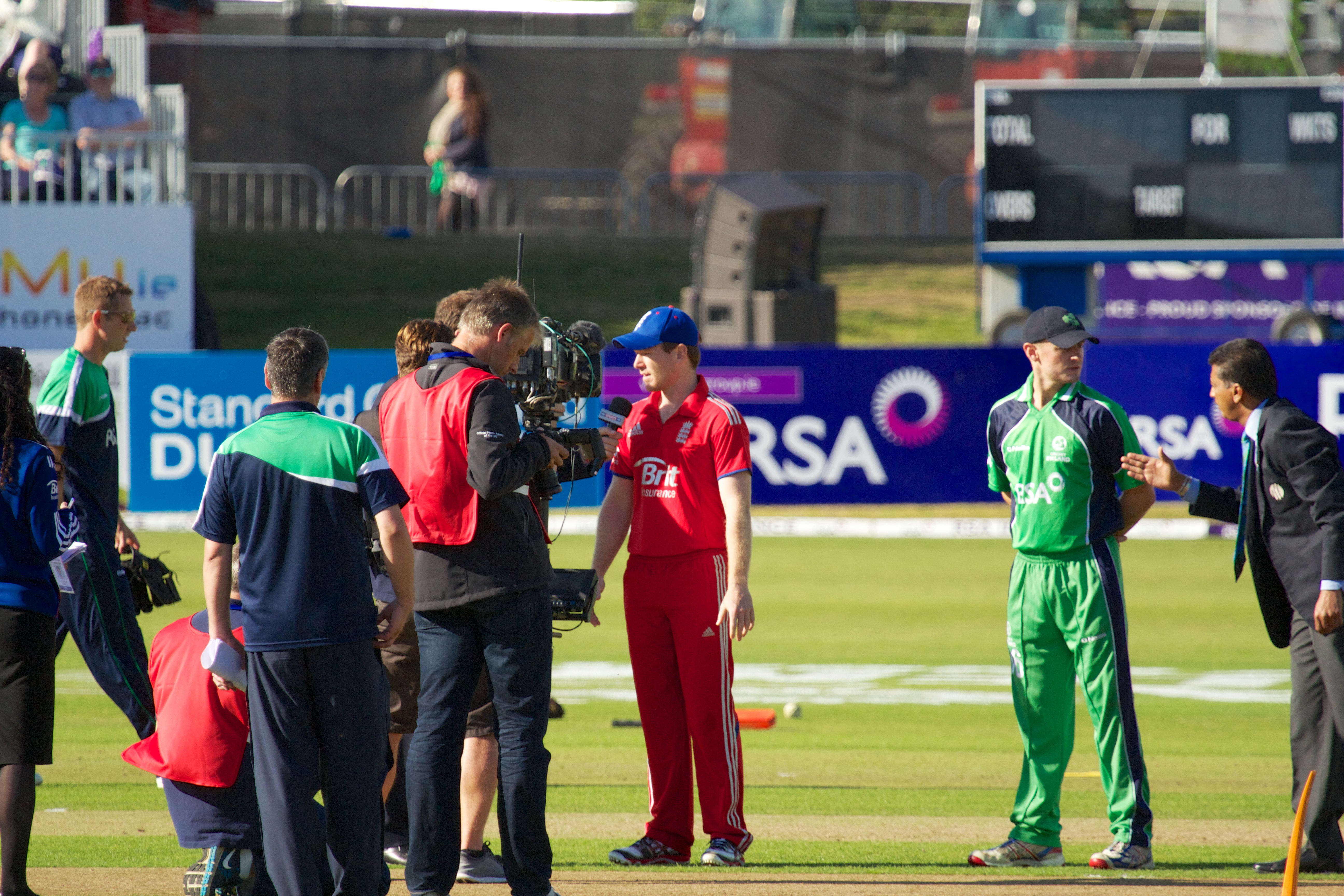
    Ireland will make cricketing history in May of next year when they take on Pakistan in their first ever Test match, it has been confirmed today.

    The news came after months of speculation and was finally confirmed at the International Cricket Council meeting in Auckland this week.

    “We are excited to welcome Pakistan to Ireland for our inaugural Test match next year,” Cricket Ireland CEO Warren Deutrom said. “It has been our wish to make our Test debut in front of our own fans within twelve months of becoming a Test nation, and against a big team, so I’m delighted.”

    Ireland and Afghanistan became the 11th and 12th teams to be accepted into the exclusive club that is Test cricket in June. Neither side have made their debuts in the Test arena yet but Ireland will change that next May.

    Ireland captain William Porterfield welcomed the news saying: “Test cricket is the pinnacle of our sport and I know how much this game will mean to not only the players but all involved with Irish cricket. It’ll be another step on what has been an incredible journey for our sport in a relatively short passage of time.”

    Ireland have punched well above their weight in one day international cricket over the past decade, beating the likes of Zimbabwe, the West Indies, England and famously at the 2007 World Cup, next May’s opponents, Pakistan.

    No venue has yet been set for the historic clash but Malahide will be the heavy favourite to host the event. Belfast and Clontarf have also been touted as possible venues.

    By Leo McGuinn

  • The group that nearly got away

    The group that nearly got away

    Ireland rarely do things the easy way. Monday’s win in Cardiff was one of the most impressive away victories in the country’s history, probably the most impressive when you factor in that the game was win or bust. But it should never have come to that.

    Before Monday’s game, the campaign had threatened to become a campaign of ‘what ifs’ following an abject 2017.

    November’s win in Austria saw Ireland sitting pretty on top of Group D with 10 points from 12 and with back-to-back home games with Wales and Austria there was a real chance to gain a stranglehold on the group. Victory over the Welsh, who played with 10 men for 25 minutes, would have put the boys in green seven points clear of their Celtic rivals at the halfway stage of the group.

    Instead they would limp to a 0-0 draw in Dublin that maintained the status quo. June’s clash with a depleted Austrian outfit offered the chance to regain momentum at the top of the group, but again they were held to a draw, producing one of the worst home performances of the O’Neill era in the process.

    The insipid September draw in Georgia that followed put Ireland firmly on the backfoot and brought them to a must win home game with group leaders Serbia that they promptly lost, once again failing to exploit a man advantage for the best part of half an hour.

    That defeat saw Ireland drop to third behind Wales and represented a dramatic fall from grace since beating Austria. What could have been a seven-point buffer following the home game in March was now a one point deficit.

    Trailing Serbia by five points with just two games remaining meant that Ireland’s only realistic chance was the play offs if they could beat wales in Cardiff, however they would need favours elsewhere to ensure they would not be the worst second placed team.

    Miraculously, Scotland did Ireland the favour they needed by beating Slovakia and then failing to beat Slovenia, meaning that a win in Wales would suffice for the play offs. Ironically, it is not the first time Scotland have done an Irish campaign favours either, their defeat to Georgia in 2015 was the difference between Ireland qualifying for Euro 2016 and not qualifying and their win in Bulgaria in 1987 saw Ireland qualify for their first ever international tournament.

    With Monday’s game in Cardiff a must win for both sides, the game had the feel of a cup final and Ireland to their credit executed a game plan to perfection. They dug in in a difficult environment and struck at the opportune moment, a wonderful goal from James McClean that will go down in the annals of Irish football history and sparked wild celebrations among the travelling Irish contingent. Thankfully they were still celebrating come the full-time whistle.

    However, the job is only half done and Ireland face the prospects of a play off for the 4th time in the last five campaigns. Their possible opposition (Switzerland, Italy, Croatia, and Denmark) is daunting but Irish fans will cross their fingers that they are drawn with either Switzerland or Denmark.

    The Danes failed to qualify for Euro 2016, a tournament comprising of exactly half the teams in Europe so their credentials must be called in to question.

    The Swiss, on the other hand, won nine of their ten games in qualifying but it was a visibly poor group featuring one good team in Portugal who were still on a come down following their European success last summer and Ireland would fancy their chances against a team they beat last year, albeit in a friendly.

    Italy and Croatia represent far more daunting opponents and it would be a tough ask to overcome either in two legs. Having said that, Martin O’Neill is slowly building a portfolio of major scalps as Ireland manager and there is always a chance he will pull off another Germany or another Italy or another Austria. Wales can now be added to the list of higher ranked scalps and it was a win that saved Ireland’s campaign.

    But they should never have been in need of that win. The what ifs have been shelved, for now. Hopefully, they will be shelved for good in a month’s time.

    By Shane O’Brian

  • Does Che Guevara belong on an Irish stamp?

    Does Che Guevara belong on an Irish stamp?

    An Post released a new €1 stamp to commemorate the 50th anniversary of the revolutionary, Ché Guevara’s death.

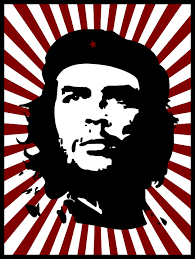
    The stamp in question depicts the iconic work of Irish artist Jim Fitzpatrick.  The image in question is of course Fitzpatrick’s famous two-tone painting of a photograph of Guevara by Cuban photographer Alberto Korda.

    The image itself sparks controversy where some see it as a symbol of freedom and rebellion, others merely see a reminder of a hate figure and a murderous regime.

    Che Guevara
    Ché Guevara is now on the €1 Irish stamp. Source: Pixabay.com

    The decision however, has come under fire and been met with backlash, particularly from Ninoska Perez Castellón, a Cuban-American radio host who is a prominent member of the Cuban exile community in Miami.  Castellón was a guest on RTÉ’s Morning Ireland and was perplexed as to why Ireland would “celebrate a man who slaughtered so many people”.

    She informed Morning Ireland that she had many Cubans contact her radio show who were distraught at the “offensive” stamp. “It doesn’t matter that it’s an image created by an artist, it’s the image of a murderer.”

    She was clearly outraged by Ireland’s decision and sees no honour in Che Guevara or any of his actions. “To me it’s really shameful that Ireland would put the image of someone who was a foreigner, went to Cuba to kill… was a failure in everything he did. So, I don’t know what’s there to honour about Che Guevara.”

    The radio host went on to discuss how pop culture has made him a symbol that he is not, how it has glossed over the brutal killings and harsh government with commercial t-shirts and other merchandise branded with the image.

    “Every time that I see someone with a t-shirt or that I see a country put his face on a stamp, I think what did he do to deserve this? What have been his achievements?” asked Ms Perez Castellón.

    Jim Fitzpatrick however, seems to have opposing views.  He feels that freedom always comes with a price and that unfortunately liberation and rebellion can often lead to unfortunate deaths.  He draws comparisons to Irish history and in particular Michael Collins.  Speaking to TheJournal.ie, he said: “Incidentally a lot of the criticism [the stamp is] getting is from people like Lucinda Creighton. She was in Fine Gael, started by Michael Collins – who I’m a great admirer of by the way, because he wiped out the Cairo Gang – and that wasn’t done with oranges and potatoes or melons, that was done with bullets.”

    Fitzpatrick has an interesting take and comparison.  Whereas Collins is met in Ireland with celebration and a great sense of national pride, Che Guevara is met by some in his own country and around the world as a controversial figure.  Both are known for revolution, rebellion and guerrilla warfare, yet Collins is a hero, Guevara, a rebel and a murderous villain.

    Fitzpatrick is still very proud of his painting and finds it a great honour that his work is being commemorated on a stamp. “I think any Irish artist who’s put on his own country’s postage stamp, you swell with pride when you see it.”  He has also come to accept the controversy surrounding his iconic image.

    One gripe he does have is with the use of the picture.  Fitzpatrick famously kept the image copyright-free so that it may be used by anybody in times of protest.  However this has led to many companies and fashion trends exploiting the image and putting it on anything from t-shirts to cigarette packets.  He wants to reclaim Ché saying: “I don’t care about people using it on t-shirts or sticking posters up on a wall that they print out themselves. But big business exploiting this image annoys me intensely.”


    So why has the Irish Government and An Post made the decision to honour a man who has been labelled a ‘murderer’ and ‘racist’?  For starters, Ché Guevara has Irish roots and his father even said once of his son: “The first thing to note is that in my son’s veins flowed the blood of the Irish rebels.”  However, only three weeks ago Aer Lingus had to remove advertisements at Miami International airport featuring Ché Guevara among figures of Irish descent.  But, the Department of Communications told RTÉ that the “subject matter for stamp designs are presented to government in advance. This particular subject matter was submitted and approved in December 2015 as per normal procedures.”


    The work is a recognised symbol around the world and was painted very proudly by an Irish native.  Although controversial, the image has come to transcend the man himself and become a symbol of freedom and rebellion.  For a country entrenched in those words, and with an Irish man the artist behind the symbol, is it worth looking past his atrocities to commemorate Guevara and what he stood for?

    By: Lee Shields