Tag: ireland

  • Ireland’s 5 biggest drug busts

    Ireland’s 5 biggest drug busts

    Last week, Gardaí seized over €100k worth of cannabis from a house in Galway (http://www.rte.ie/news/2013/1009/479382-cannabis-seizure/).

    While drug seizures may not be as shocking to Irish society as they used to be, there have been a surprising amount of them of late. I took a look at some of the biggest hauls the country has seen in recent years.

    Number 5: €650k heroin seizure in Dublin, October 2013.

    • Three men arrested following a raid on an apartment at Crumlin Road, Dublin 12 and an apartment in West Part, Rathcoole, Co. Dublin.
    • Of the three men, two were released on bail.
    • Mr Keith O’Brien (36) and Mr Paul Gantley (30) were released on a bail of €500 and €300 respectively.
    • Both men were granted legal aid and are due to appear in court on 13 December.

    http://www.independent.ie/irish-news/courts/two-bailed-following-650k-heroin-seizure-29634297.html

    Heroin. Copyright 8weeks2thrive @wordpress.com
    Heroin. Copyright 8weeks2thrive @wordpress.com

    Number 4: Irish couple arrested in Spain over €3 million cannabis haul, September 2012.

    • The Irish couple were arrested on the Costa del Sol hours before a scheduled flight home to Co. Cork
    • The Irish 57 year old businessman was believed to have been organising boats trafficking cannabis shipments from Morocco to Ireland.
    • Spanish police intercepted a yacht with drug onboard off the Spanish coast shortly before the couple were due to depart for Cork.
    • The seizure was the result of a joint effort between Gardaí and the Spanish police codenamed ‘Ciana/Fortuna’.

    http://www.independent.ie/irish-news/irish-couple-held-in-spain-over-3m-drugs-bust-26893288.html

    A cannabis joint. Copyright 3news.co.nz
    A cannabis joint. Copyright 3news.co.nz

    Number 3: 350 ecstasy tablets and 80 kilos of cannabis seized in €5 million drug-bust, Dublin, June 2013.

    • The drugs were seized when Gardaí and Revenue’s Customs Service officials raided a building in Rosemount Business Park in Blanchardstown.
    • A 41-year old male was arrested in connection with the seizure.

    http://www.irishmirror.ie/news/irish-news/gardai-make-5-million-drug-1932855

    Number 2: Irish man arrested in €135 million cocaine drugs bust, August 2013.
     

    • The Irish male was arrested by Spanish police in Gran Canaria.
    • The man has been named as Mr Kenneth Qualtar, with an address in Co Tyrone.
    • Mr Qualtar was one of five people arrested after Spanish police intercepted a yacht with 500 kilos of cocaine onboard.
    • Two Spaniards were arrested, along with an American and an Australian women in connection with the raid.
    • Firearms, gold bars worth €135k, satellite telecommunications equipment and three boats were also confiscated relating to the smuggling operation.

    http://www.independent.ie/irish-news/irishman-in-135m-drugs-bust-is-named-29469398.html

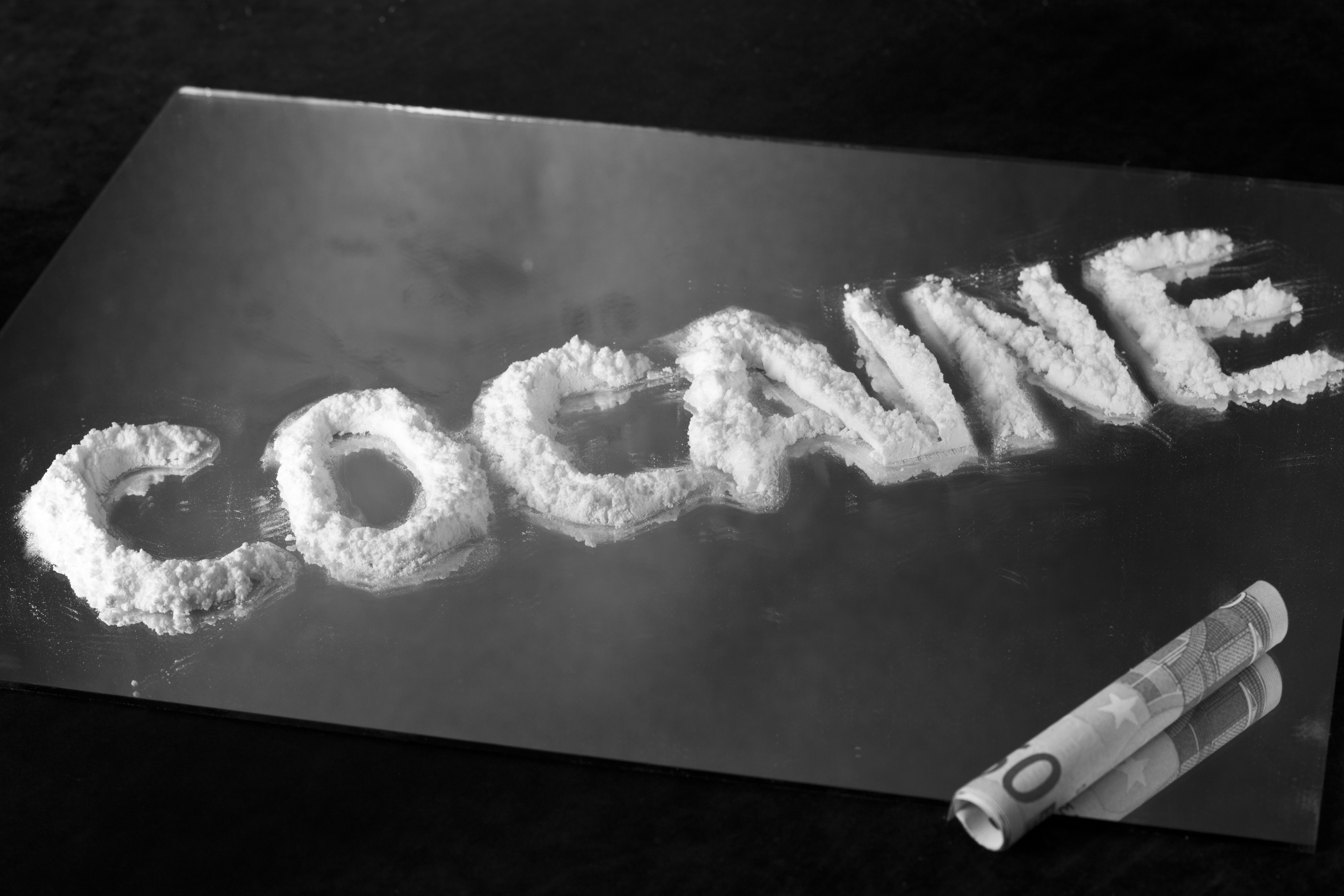
    Cocaine. Copyright londonfriend.org.uk 2013
    Cocaine. Copyright londonfriend.org.uk 2013

    Number 1: €1.2bn cocaine seizure off the coast of Co. Cork, July 2008.

    • In Ireland’s biggest drug smuggling operation three Englishmen were convicted.
    • Joe Daly (41), Martin Wanden (45) and Perry Wharrie (48) were all convicted of attempting to bring 1.5 tonnes of high-purity cocaine into the country.
    • A fourth man, Gerard Hagan (24) was also arrested in connection with the failed smuggling operation.
    • The four men were believed to be part of a joint enterprise of up to 12 individuals.
    • The drugs were being carried by an RIB (Rigid Inflatable Boat), with the three men onboard.
    • The boat stalled after one of the men mistakenly fed the boats engines with diesel instead of petrol, leading to their capture.
    • The cocaine shipment originated from Barbados.

    http://www.herald.ie/news/irelands-biggest-drugs-bust-highlights-scale-of-our-problem-27879696.html
  • The national football question

    The national football question

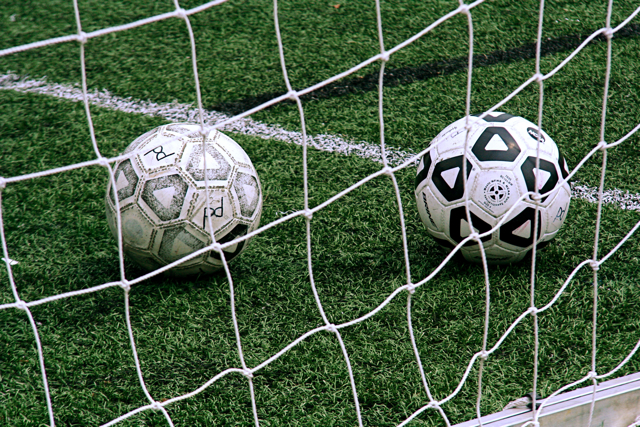
    Ireland’s national football question has always been a divisive issue.

    It’s a question which has frequently evoked not just sporting rivalry, but impassioned and trenchant opinions from political and religious establishments alike since the inception of association football on this island.

    Impractical

    Many argue that merging our national teams simply isn’t a viable option. Given the difficult relationship between the north and south since partition, certain aspects either side of the border say that any potential amalgamation of the two associations would be impractical and even dangerous.

    However, a significant element would tend to disagree, and there’s plenty of evidence to back up their position.

    To say that both the Republic of Ireland and Northern Ireland national teams are underperforming at the moment would be an understatement.

    Having both endured a calamitous qualifying campaign for World Cup 2014, large elements of support are urging root-and-branch reform to ensure a swift return to our more competitive days of yore.

    But while pundits continue to carefully tiptoe around the substantial issues behind our teams’ failures, others point to the real impracticalities that exist within the current system.

    For a region with just over six million inhabitants to expect to field two top-class international sides is nothing short of ludicrous. With neither of the Irish sides now troubling the top 50 of the world rankings, surely now is the time to pool our resources and reinstate some pride in the green of Ireland.

    Of course, this difficult history to which I’ve alluded means that many are reluctant to the idea of an amalgamation. But the simple fact is that it works for virtually every other sport- rugby, GAA, cricket, hockey, golf- so why shouldn’t the leading lights in football subscribe?

    Tug of War

    For one thing, it would at least negate the diplomatic issues that have plagued north-south relations recently. No longer would we be subjected to the unedifying spectacle of an international tug of war over our alleged future stars, as in the high-profile cases of Shane Duffy and Marc Wilson.

    Instead, the new national side would be able to reap the abundance of talent that resides amongst the ranks of both the IFA and the FAI without such debacles about allegiance.

    The issue of team cohesion is also hugely overstated.

    Various members of the current Northern Ireland setup already hold a Republic passport, and given the collective home nations approach of recent years- poaching any talent with a tenuous connection to the emerald isle from English and Scottish academies- that particular argument is a real non-entity.

    One potential stumbling block is the fact that any amalgamation would essentially leave us with a new entity in world soccer, which would in turn leave the new unified Irish team with no points ranking history and in the precarious position of being lowest seed in future qualifying draws.

    A New Era

    However, a quick glance at the meteoric rise of Montenegro, a country of just over half a million people, in the world rankings since the national team’s disaffiliation with Serbia in 2007 provides ample evidence for any naysayers that a new and improved Irish team could do the same.

    Who knows, if the move to unify the two national teams were to go ahead it may even usher in a new age of acceptance and social cohesion in north-south relations.

    Just look at the case of the Setanta Cup. Far from causing the disharmony that some anticipated, Ireland’s latest cross-border domestic competition has shown how we can reap the dividends of greater cooperation between the two associations.

    In many instances the beautiful game has helped to mend fractious relationships the world over. Who knows, in this age of greater social acceptance, it may play a bigger role than ever in bringing people together rather than tearing them apart.

    (Featured image courtesy Steven Depolo on Flickr)

  • Out of control car kills Irish teenager in New York

    Out of control car kills Irish teenager in New York

    Last Friday evening, Kalie Gill, a 15-year old Irish teenager from Co. Leitrim was knocked down and killed by a car in Coyne Park in Yonkers.

    Kalie and her sister had been attending a church carnival, when, just after 9pm.,  a car driven by a local school teacher, appeared to career out of control, killing Kalie and critically injuring her 12-year old sister, Lindsey.

    It is believed the sixth class school teacher may have suffered a heart attack on leaving the car park. The car seemed to be travelling at around 50 mph, ramming into pedestrians and other parked cars. Two other teenagers suffered minor injuries.

    The sisters, together with 500 others, had been attending an Autumn fund-raising carnival for St. Pauls’ Church, in the Irish neighbourhood, when the car struck. Kalie had celebrated her 15th birthday only days before.

    Kalie’s parents, Damian and Karen Gill,  had spent the last eight years in Leitrim, where they had been running a shop and a pub in Leitrim town while living in Fenagh, a small town, situated between Ballinamore and Mohill.  They had recently decided to return to the US due to the continuing economic downturn.

    Only two weeks ago, Kalie’s father, Damian Gill, travelled to Leitrim to attend his mother’s funeral.

  • Is the Irish Economy Finally back on track?

    Is the Irish Economy Finally back on track?

    There has been much talk in recent weeks and months to suggest that Ireland may finally be on the up and up, after many years of foundering in the mires of economic recession.

    In the past month Ireland’s rate of recovery has been praised by the Organisation for Economic Cooperation and Development, ECB president Mario Dreghi and European Commissioner for Economic and Monetary Affairs and the Euro Olli Rehn.

    As part of the latest quarterly KCB Bank Ireland/Chartered accountants of Ireland business sentiment survey 47% of respondents reported an increase in business activity, the highest number of positive responses since 2007.

    According to figures from the Quarterly Economic Commentary for Autumn 2013 our economy could grow by as much as 2% in GNP terms this year.

    The people of Ireland protest against austerity in 2009 Photo: SebastianDooris on flickr
    The people of Ireland protest against austerity in 2009 Photo: SebastianDooris on flickr

    As well as this, Minister for Social Protection Joan Bruton has said she expects live register numbers to fall below 400,000 in the next month or so, the lowest they will have been since 2009, although the drop in this number will in part be due to emigration.

    Another good sign for the economy is the relatively easy-going budget for 2014 announced yesterday by the government. Although there will still be many cuts; senior citizens have been hit especially hard, it is being billed as “the last austerity budget” and Enda Kenny has said he expects it to provide the state with a primary surplus in 2014, which will allow Ireland to begin to decrease national debt.

    Ireland is also poised to exit the bailout next year, and Olli Rehn has expressed confidence in the country’s ability to survive in the Eurozone unaided by a precautionary credit line. However Mario Dreghi declined to comment on whether Ireland would require a precautionary credit line as it was still being “discussed by the relevant authorities”.

    With a prevailing feeling of cautious optimism now surrounding the fate of the Ireland and its chances in the future, The City took to the streets to find out whether or not the nation has confidence in the Irish economy.

    Video

    Reporter: Megan Naughton

    Videography and editing: Kay Cairns

  • What will our Court of Appeal do?

    What will our Court of Appeal do?

    On October 4th we as a nation passed the 33rd Amendment of the Constitution in the Court of Appeal referendum.

    The yes vote consented to the establishment of a new fifth layer to Ireland’s judicial system, a new Court of Appeal which will operate as Ireland’s second highest level of judiciary in between the already existing High and Supreme Courts.

    However, a lack of informed discussion on the courts referendum, largely due to the greater importance apportioned to the Seanad referendum by the media, means that a lot of people are now wondering what effect it will actually have on our courts system.

    Function

    The Court of Appeal will hear appeals from the High Court, thereby lessening the burden of the Supreme Court which currently has a four-year backlog of appeals to be heard [that includes over 500 appeals awaiting resolution].

    The new court will be able to refer cases to the Supreme Court, which will only preside over disputes that “involve a matter of general public importance”, according to Minister for Justice Alan Shatter.

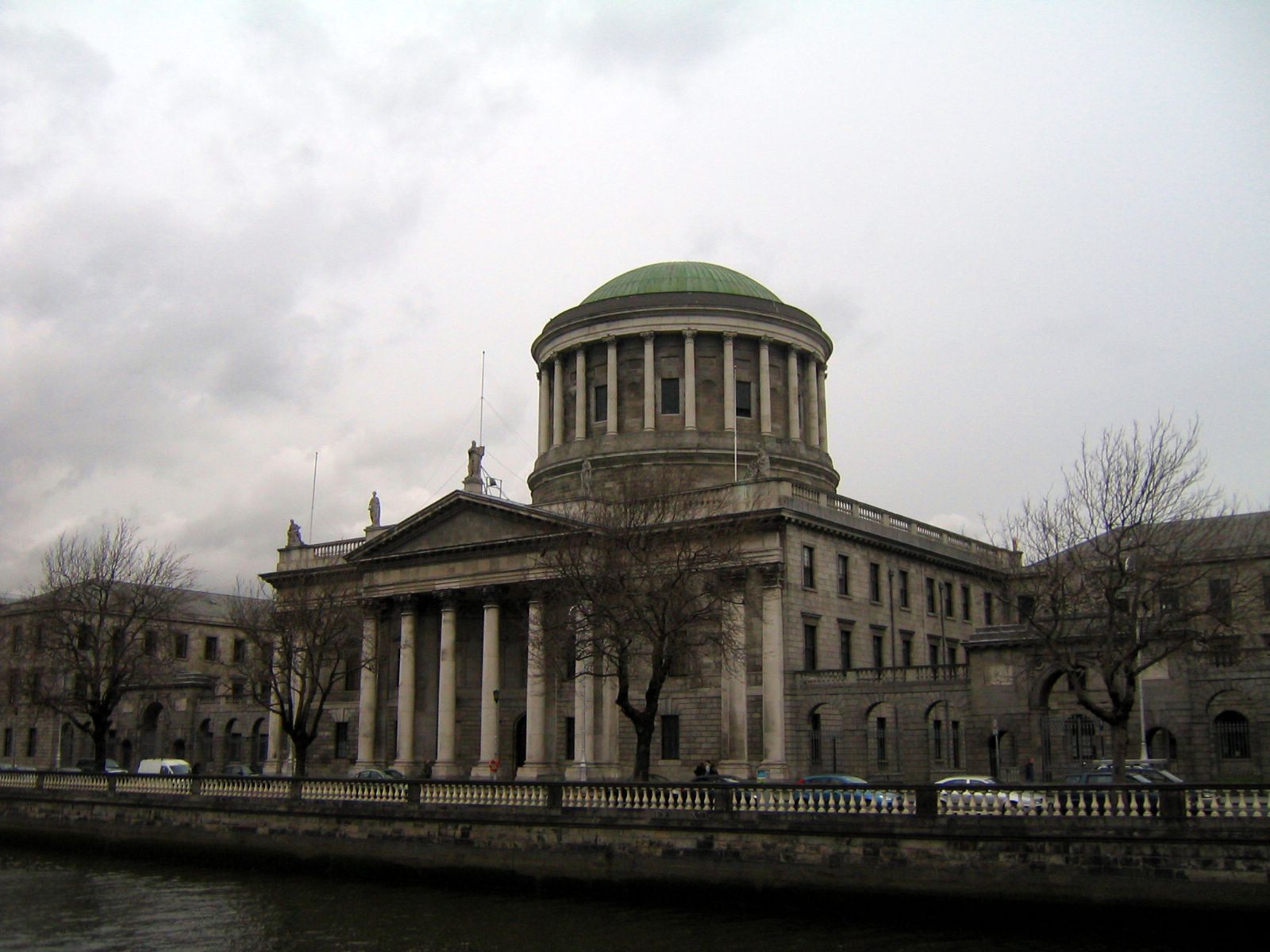
    The Four Courts in Dublin, where the country's High and Supreme Courts reside. Credit Richard Watts on Flickr
    The Four Courts in Dublin, where the country’s High and Supreme Courts reside. Credit: Richard Watts on Flickr

    The Court of Appeal will also lead to the scrapping of the Court of Criminal Appeal, which formerly comprised of a mix of High and Supreme Court judges, and was frequently derided for its inactivity.

    How much will it cost, when will it start and how many new judges will there be?

    According to the Government, the Court of Appeal will cost between €2.5-€3m per year to operate with the main expenses accruing from judges fees, support staff and overhead costs.

    All going well it should be up and running by Autumn 2014, and will necessitate the appointment of around 10 new judges (dependent on how many will be needed to get through the Supreme Court’s backlog at the time of establishment).

    How comprehensively was it passed?

    As opposed to the Seanad referendum which was defeated, all 43 electoral constituencies voted in favour of the formation of the Court of Appeal, and the yes vote accounted for 65% of turnout.

    Former solicitor and current Justice Minister Alan Shatter has endured a tempestuous relationship with lawmakers since coming to office. Credit European External Action Service on Flickr
    Former solicitor and current Justice Minister Alan Shatter has endured a tempestuous relationship with lawmakers since coming to office. Credit: European External Action Service on Flickr

    Again, much criticism was aimed at political parties and the media for prioritising one referendum over another and glossing over many of the substantive issues, however the general political consensus on the yes side effectively put paid to any meaningful public discourse on the issue.

    Any criticisms?

    The main point of contention around the new court’s function is the amount of judges Ireland will have in the upper echelons of the judicial system.

    Added to the 36 High and 10 Supreme Court judges, the 10 new appointees to the Court of Appeal will mean that we’ll have around 56 judges. That’s a third of the amount of judges that England has for 1/15th the size of population, and some sceptics have labelled this excessive.

    As such, those opposed to the constitutional change have lobbied to increase the workload of judges currently in operation, and have suggested reducing their nine-week holiday period in order to work through the massive backlog more effectively.

    (Featured image credit Richard Watts on Flickr)


  • Irish Blog Awards 2013

    Irish Blog Awards 2013

    Irish-Blog-Awards-Image With over 30 Categories in the list, this years Irish Blog Awards was a great success with numerous Irish Blogs being showcased as the finest in the country on Saturday 12th of October.

    At the awards ceremony in Naas, Kildare, the winners were announced after weeks of judging.

    There is the initial nomination phased followed by a 3 separate judging panels breaking it down from the long list, to the short list to the finalists where five blogs from each category are then chosen.

    According to its organisers, “The Awards will offer businesses an opportunity to increase their visibility and prominence in social media circles. With more people being guided in their buying decisions by bloggers rather than friends opinions, blogging is a considerably influential tool in word of mouth marketing.”

    The blog awards showcase some of Irelands finest writing and blogging talents from music, to food, to politics and general interest. Find the list enclosed below.

    1. Best Great Outdoors Greenside Up
    2. Best Music Blog Dublin Concerts
    3. Best Popculture Blog Brand New Retro
    4. Best Food / Drink Blog One Man’s Meat
    5. Best Health and Wellbeing Blog Journeying Beyond Breast Cancer
    6. Best Technology Blog The Sociable
    7. Best Photography Blog Foxglove Lane Studio
    8. Best Eco/Green Blog Greenside Up
    9. Best Sport/Recreation Blog Sports News Ireland
    10. Best Blog of a SME business One Fab Day
    11. Best Arts and Culture Blog The Irish Aesthete
    12. Best Designed Blog Molly Moo
    13. Best Mobile Compatible Blog Squidgy Moments
    14. Best Blog of a Journalist Bibliocook
    15. Best Podcast Blog The Sodshow
    16. Best News/Current Affair RadioNation
    17. Best Corporate Blog Chill Insurance Blog
    18. Best Video Blog Forkful
    19. Best Political Blog Jason O’Mahony
    20. Best Blog in the Irish Language Aran Songs
    21. Best Newcomer (started after 1st June 2012) French Foodie in Dublin
    22. Best Youth Blog Gourmet Dough
    23. Best Personal Blog French Foodie in Dublin
    24. Best Science/Education Blog Missmernagh.com
    25. Best Humour Blog At the Clothesline
    25. Best Humour Blog With All the Finesse of a Badger
    26. Best Beauty/Fashion Blog Ol’ Green Eyes
    27. Best Lifestyle Blog Greenside Up
    28. Best Craft Blog Molly Moo
    29. Best Group Blog Broadsheet
    30. Best Blog of the Diaspora Irish Fireside
    31. Best Overall Blog Greenside Up
    32. Best Blog Post LolaDee.com – Irish Graduate: The Reality
    33 Glenisk Recipe Contest One Man’s Meat
  • A Russian’s perspective on the Russian LGBT issue

    A Russian’s perspective on the Russian LGBT issue

    Vladimir Putin has arguably strived for peace outside the borders of Russia, while destroying in within the borders. Image by: IoSonoUnaFotoCamera
    Vladimir Putin has arguably strived for peace outside the borders of Russia, while destroying in within the borders. Image by: IoSonoUnaFotoCamera

    In light of the new anti-gay laws in Russia, Craig Farrell talk to a young Russian woman living in Ireland about what life is like on the ground.

    Vladimir Putin‘s recent nomination for the Nobel Peace Prize has shone an unpleasant light on the disgracefull treatment of the gay community in Russia.

    The media have covered the story extensively, highlighting the outrage felt towards the vile treatment endured by the LGBT community. Many opinions have been voiced, but very few of which have had the benefit of stemming from the country in question.

    ‘To each their own’ was the main ideal denoted by Russian-born Oxana Martynova when asked her views on how homosexuality should be treated.

    “Live and let live,” declared Oxana, who moved to Ireland when she was six-years-old.

    “I have always had zero problems with gay people and I really can’t see why anyone would or should.”

    Oxana, who studied English and Geography in UCD, stated further that she felt “gay people are born this way so I wouldn’t hold anything against them for who they are and I don’t believe it should be an issue to anybody.”

    She continued, “I didn’t grow up in an intolerant society, I grew up in Ireland where you are taught to be accepted,but I’d hate to think that maybe if I was still in Russia my opinion would be different.”

    Oxana said she “obviously did not agree with” the current stance that Russia has taken on homosexuality. “It’s a vile situation and I wish any member of the gay, lesbian or transgender community didn’t have to endure it.

    “It’s a huge step backwards.”

    Oxana shed some light on the situation in Russia claiming that the ill treatment of the gay community is not something new. “Crimes against homosexual people were always committed, such as ‘correctional rapes’, beatings or ‘Gay Bashings’.

    “I’m not sure why the government thought this would be a great idea, maybe because, since they can’t now publically show who they are it could hide them and then these people wouldn’t be targeted with hate crimes? Or maybe just simply because people in government there are so narrow minded.

    “I want to think it’s the first option – That the government have the best interests of the gay community at heart and they are trying to protect the vulnerable – but I doubt it is unfortunately.

    The UCD and AMI college graduate had stern words for the house of government in Russia saying, “sadly the Duma is run by intolerant people and intolerance is not progression.”

    Speaking on Russia as a whole Oxana vehemently agreed that “Russia has a superiority complex. It’s all very macho there, just look at Putin and his annual holiday photos!”

    “I have to say though, I am not surprised by what went on. Since the Soviet times people were taught to always behave one way, you couldn’t be different.”

    “You will rarely see a disabled person in Russia as mothers of disabled children were convinced by doctors to give them up.”

    Her final thought echoed closely to one not to far from that of a county’s leader circa 1933.

    “It’s as if maybe a perfect society was trying to be formed.”

  • Asylum seekers left out in the cold

    Asylum seekers left out in the cold

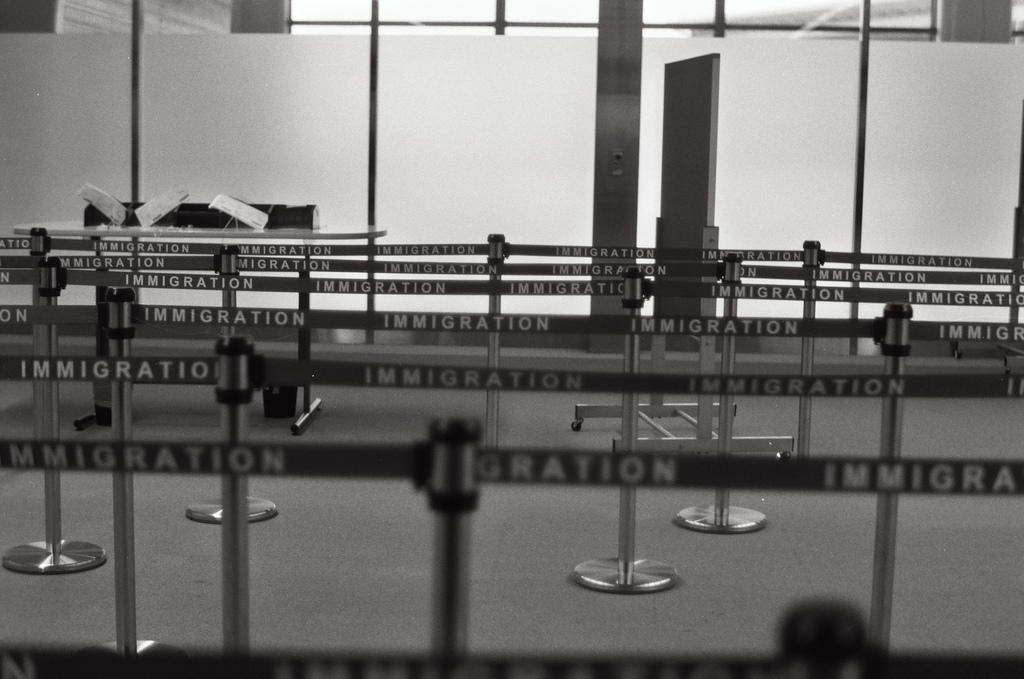
    immigrationThis nation’s ability to ignore longstanding and continuous violations of human rights has once again made headlines this week. Our Direct Provision system for accommodating asylum seekers has come under serious criticism after recent inspection reports have showed evidence of over-crowding, poor hygiene standards and poor fire safety standards across multiple asylum centres.

    Under our current system, asylum seekers are provided with full board (food and accommodation), and a weekly allowance of €19.10 per adult and €9.60 per child. Asylum seekers are not entitled to work in this country or to apply for rent allowance to live outside of a Direct Provision centre. This system was designed to meet the basic needs of people for a temporary period while their application for refugee status is being processed.

    However current inspection reports have revealed that the average time spent by asylum seekers in these hostel-style centres is three years and eight months. A backlog of thousands of applications has resulted in, in some centres, families of six being forced to share one bedroom.  Parallels are being drawn between these conditions and those found in the Magdalene laundries.

    Despite making headlines this week, this is not news. The  Direct Provision system has been attracting harsh criticisms almost since its inception. Within the first year of the establishment of the Reception and Integration Agency (RIA), which was set up to provide Direct Provision, a report was published which addressed the extreme poverty and exclusion experienced by children in the system. ‘Beyond the Pale’, published in 2001, addresses the fact that Ireland was failing to conform to its obligations under the UN Convention on the Rights of the Child.Image

    The report stated, “Asylum seekers in direct provision may experience extreme deprivation as a result of inadequate diet and inability to afford the purchase of sufficient and appropriate food from their incomes.” It also highlighted problems such as overcrowding, stress, depression, social exclusion, racism and malnutrition.

    Not only does it seem that little has been done to change our system, Ireland is actively choosing not to improve its system by opting out of the laws which will form the Common European Asylum System (CEAS). This new system includes the Reception Conditions Directive, which requires a common standard for living conditions in asylum centres and requires member states to grant asylum seekers faster access to employment (or in our case, to grant them access in the first place). This decision puts Ireland even further out of line with the standards employed by EU member states.

    So, the question remains; why is Ireland so unwilling to provide asylum seekers with basic human rights? The uncomfortable truth may well be that we as a nation continue to harbor closeted racist attitudes towards asylum seekers, and simply don’t care enough to campaign for better immigration policies.

    556px-Alan_Shatter
    Minister for Justice Alan Shatter

    Dr. Liam Thornton of UCD addressed this on humanrights.ie, claiming that TDs who had campaigned for an end to Direct Provision had actually lost support, “not just a few votes here and there, but very noticeable support.”

    The Minister for Justice and Equality, Alan Shatter (despite previously opposing the Direct Provisions system) has said that the system is the best we can provide given our current economic conditions. Most Irish citizens would probably agree with him. But like it or not, Ireland has an obligation under international law to ensure the basic human rights of asylum seekers are being met, and until Direct Provision is axed, we won’t be meeting that obligation.

  • Should Ireland reintroduce capital punishment?

    Should Ireland reintroduce capital punishment?

    When first given the motion, “Should capital punishment be reintroduced to Ireland?” I thought I would find myself on the argument against reinstatement. However when I sat down to actually think about it, I felt that in certain circumstances it should be.

    The death penalty is a very contentious issue. In countries which still utilise it, most notably the United States, it is very rarely far from controversy.  “Wrongful conviction” pleas are a common occurrence in criminal cases which result in the death penalty. Famous cases include the Anthony Davis case and that of Lee Harvey Oswald.

    This is one of the main reasons why I feel that capital punishment should be reintroduced to Ireland, but only in certain circumstances. I do feel that the majority of criminals should have to serve the full duration of the sentence handed down to them. I also think a life sentence should mean life in prison, not just 25 years with the possibility of early release.

    However, if the case arises where a person shows no regard for human life on a grand scale, and tries to destroy as many as possible, I think a life sentence may not be enough. In cases of terrorism or mass murder, the death penalty should be an option as a judicial sentence.

    Hypothetically speaking, (I stress “hypothetically”) if someone planted a bomb, or began shooting amongst the crowd on Grafton Street on a busy afternoon, they are showing blatant disregard for the lives of others.  They are trying to damage as many lives as they can, not just directly, but indirectly also.

    When convicted, the maximum sentence that can currently be handed down to that person in the Republic of Ireland is a life sentence.  Why, as tax payers, should we have to pay to keep that person in prison? We are paying for their food, water, shelter and well-being for as long as they are behind bars.

    They are a clear danger to society, with no chance of ever being released. This should surely be a clear call for the reintroduction of the death penalty.  As stated earlier, I feel the majority of prisoners should have to serve their time in full.  The length of their sentence should accurately reflect the severity of their crime so they have the time to reflect upon what they did.

    A (hypothetical) mass murderer or terrorist isn’t going to be affected by their time behind bars. They should face the death penalty so that the State can wipe their hands of them and not have to support them in any way.

  • Should Ireland reintroduce capital punishment?

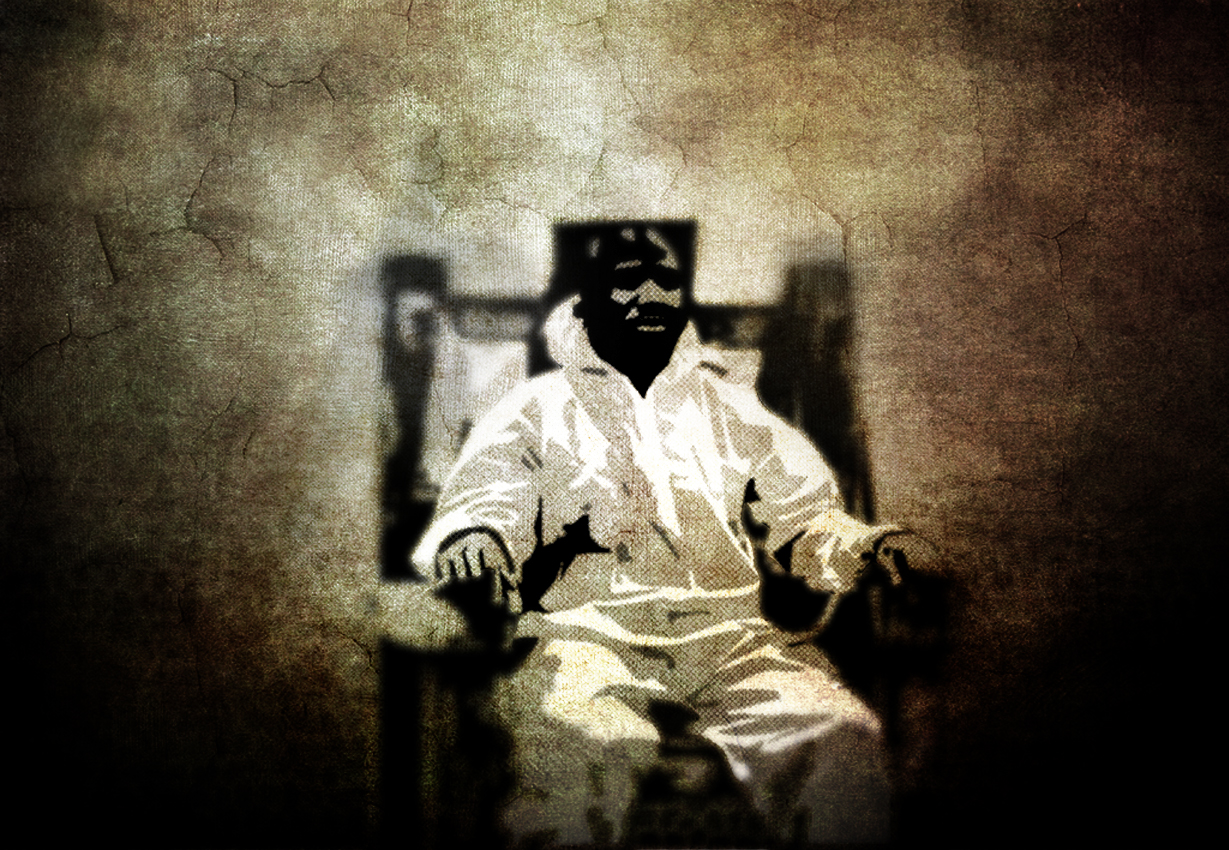
    The last execution in Ireland took place in 1954, however the death penalty was only removed from statue in 1990. Image by: Jody Trappe
    The last execution in Ireland took place in 1954, however the death penalty was only removed from statue in 1990. Image by: Jody Trappe

    If you believe that there is true value in the concept of life, then you surely agree that Ireland is better off without capital punishment.

    Yes, there are vile criminal cases that occur that make the public question whether the assailant deserves the right to life – but no one should ever be granted the right to take a life.

    Ghandhi said, ‘an eye for an eye makes the whole world blind’, and there is an eternal truth in this.

    The idea of taking somebodies life as a form of legal revenge against someone who has committed a murder, rape or any other vile act has a major flaw, not to mention the moral and human right dilemma it also holds.

    If capital punishment – or the ‘eye for an eye’ method of justice – was reintroduced as a form of exacting justice for a punishment that fits the crime, this would result in a purely mathematical injustice.

    A life for a life in some people’s mind may be an archaic form of justice but what about a person who has committed multiple murders, or vile acts. Then it becomes a life for multiple lives. And hence the person who has committed the same crime multiple times will receive the same punishment as that of someone who has committed the crime on just one occasion. Is that justice?

    This will also lead to the idea that one person’s life is worth the same value of that of many stolen lives. Is that justice?

    In 2010 the then Mayor of Limerick, Kevin Kiely, asked the government for a referendum on the reintroduction of the death penalty in Ireland as a way to curb the increasing numbers of murders.

    In July of this year, Jim Callaly, father of murdered Rachel O’Reilly, called for the death penalty to be reintroduced to act as a deterrent to those who plan to commit murder.

    Contrary to these opinions, a report conducted by Amnesty International in 2012 states that the according to FBI data “the 14 states without capital punishment have homicide rates below the national average”.

    The death penalty has been called for to introduce a form of justice to the judicial system. According to the same 2012 report that, “140 people have been released from death rows…due to evidence of their wrongful conviction”.

    To quote Maimonides; “It is better a thousand guilty persons go free than to put a single innocent one to death.”

    My deepest sympathies go out to any person whose live has been altered by a serious crime. The best way to combat this in the future is to reform the Irish judicial system and create a fully functional system that strictly impinges on the lives of those who commit serious offensives.

    A DNA database, proper jail sentences, a more efficient and better equipped police force would all be steps towards improving the safety of those in this country and insuring a better sense of justice is being served.

    We should not allow our moral compass to become skewed.