Tag: slider

  • Gaelic games players reflect on importance of competitions lost to level five

    Gaelic games players reflect on importance of competitions lost to level five

    Aishling Moloney and Sarah Rowe celebrate winning the 2018 O’Connor Cup. Photo courtesy of Eóin Noonan/Sportsfile

    Let’s not kid ourselves here; the cancellation of camogie, football and hurling competitions for higher education students measures fairly low on the adversity scale in the current scheme of things.

    Parking perspective for a moment though, to compete and succeed in these tournaments is often a huge honour for young players, and an important formative experience on and away from the pitch. It’s another experience the class of 2020/21 will have to do without.

    Tipperary star and Ladies Gaelic Football Association ambassador Aishling Moloney has, at 22, a mantlepiece for a veteran to envy — two intermediate football All-Ireland medals, two national league titles, and a Player of the Year award, not to speak of club honours. Representing her university, DCU, has brought more glory.

    “I was honoured to be captain of the O’Connor Cup winning team in 2018, and to live that all over again would be a dream,” she says. “It’s sad to see that it won’t be going ahead this year but, given the circumstances, it is the appropriate call.”

    “I’ve made best friends for life playing with DCU, and will always cherish the wonderful memories”

    Aisling Moloney

    Sporting accomplishment is one thing; forging friendships that can long outlast a student’s playing days is at least as valuable for many players. Moloney describes her time playing for DCU as “a very special part of my experience as a student. It’s different from any other competition; your social life mixed with playing football. It’s a roller-coaster. I’ve made best friends for life and will always cherish the wonderful memories.”

    Dozens of competitions across four codes give students of all levels the chance to compete, and the upper tiers feature much of the best young talent around. 

    “Getting the opportunity to play among and against some of the best players in the country is a real privilege,” Moloney says.

    Aishling Moloney receives the Player of the Match award for the 2018 O’Connor Cup final. Photo courtesy of Eóin Noonan/Sportsfile

    Monaghan footballer Conor Boyle agrees. Now a regular starter with his county, he was on the fringes when he won a Sigerson Cup with DCU in 2015.

    “It’s a very high standard and it’s a great opportunity to get onto your county squad. If you start on a UCD team, for example, you’re not going to be far off getting on your county panel, even for the top counties.

    “The DIT team of 2013 was ridiculous! I remember their full-forward line was Darren O’Sullivan, Aiden O’Shea and Jason Doherty. You’re looking at those three walking on and thinking, ‘What have I signed up for here?’”

    He remembers, too, the confidence he gained from excelling among such company.

    “I found after a while it made you see that you’re at a similar level to a lot of these players you’d play against on the inter-county scene. The year before we won it we were playing with the likes of Johnny Cooper, James McCarthy, Dean Rock, and when you were playing with Monaghan you’d nearly look at these boys like they’re at a different level. But playing with them on the college team can open your eyes that there’s no big gap between players in a lot of these top teams, and those from smaller counties.

    “I trained with Dean Rock for a full year and I can’t say that he’s any better than [Boyle’s club-mate] Conor McManus. It’s a good leveller because you put a lot of these boys from more successful counties on pedestals sometimes.”

    While undergrads missing out this year may at least get another bite at the cherry, there may be, in the words of Kildare hurler Martin Fitzgerald, “no tomorrow” for postgraduate students.

    “Most of what I learned in hurling, I learned playing Fitzgibbon Cup”

    Martin Fitzgerald

    Fitzgerald captained Limerick Institute of Technology in hurling’s coveted Fitzgibbon Cup while studying for a Master’s in 2013, before going on to win two Christy Ring Cups with his county.

    He sees that year in Munster — under the management of Davy Fitzgerald — as crucial to his development.

    “Most of what I learned in hurling, I learned playing Fitzgibbon Cup. That was the best year I had of my playing career, and if I hadn’t had it, I probably wouldn’t have experienced that level of hurling ever.”

    Martin Fitzgerald in action for his club Ardclough

    He notes the value of training and preparing alongside county players from the country’s top sides.

    “I found it really interesting when I went in there to see what the Laois hurlers, the Clare hurlers, the Limerick hurlers were doing. Everybody brought something different that you might not be exposed to at club and county level. So you got insights into how the rest of the country was preparing.

    “You pick up things that you can implement at home, that I could have implemented with Kildare and my own club Ardclough as well.”

    Fitzgerald says the self-discipline and focus required to lead his LIT team fed into his studies too.

    “Playing Fitzgibbon cup put a huge amount of structure on my college life,” he tells The City, “because it’s the highest level of hurling there is really at that age group.”

    Camogie player Sinead Murphy has represented Dublin at intermediate level and should have been playing in the Ashbourne Cup for UCD this year.

    “I think it’s great for player development,” she says. “Especially for players like myself that don’t play senior inter-county. It allows you to play at a higher level and train with and play against some of the best camogie players in the country.”

    Murphy is next in line to stress the value of these tournaments for their off-field perks.

    “From a social side, I think, especially in first year, it’s a great way to get to know people and to have a few more familiar faces around campus. I think what’s great about college sport is the mix of people you meet that you wouldn’t have met otherwise. You’re playing with girls doing a wide range of courses from different counties.”

    Darragh Biddlecombe, GAA Development Officer at TU Dublin, feels sorry “for this year’s freshers cohort especially, who have missed out on their camogie, ladies football and GAA experience. It can be so important for making friends and settling into university life.

    “In light of public health and the safety of everyone, [cancelling the tournaments] was the right thing to do. If it’s safe to return, hopefully a dedicated second year championship can be run next year for this group.”
  • ID service users and workers continue to  compromise, awaiting clarity on re-opening

    ID service users and workers continue to compromise, awaiting clarity on re-opening

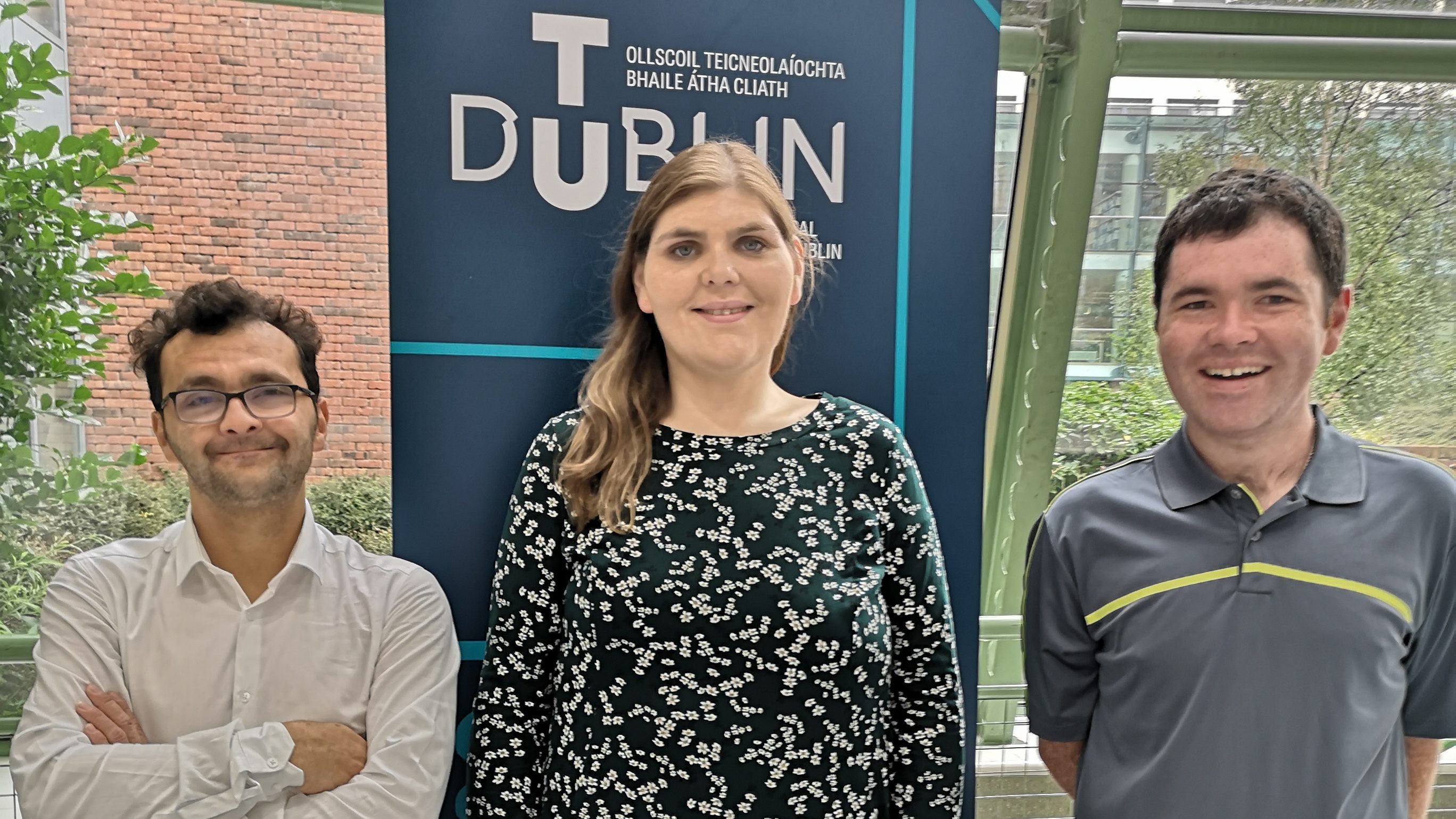
    Tomás Murphy, Margaret Turley, and Chris Byrne spoke to several adults with intellectual disabilities to research the impact of Covid-19 on their lives. Photo courtesy of Harry Browne

    As special schools across the country begin to reopen, many people are still calling for clarification on the status of respite and adult day centres. 

    This comes just a week after 18 new cases were reported in centres for people with disabilities.

    The HSE funds almost 1,000 locations across Ireland, catering to around 19,000 adults with disabilities. 

    Organisations such as CI Dawn in Co Donegal provide day services to adults with mild to moderate intellectual disabilities, and aid young adults in the transition from school to day centres. Service users can choose from up to 30 modules provided by the centre, ranging from art and music to travel training. 

    Dean Larkin from the CI Dawn says that the focus is on community inclusion:  “That’s what we’re here for. We’re out and about a lot, we’ve got work experience. A few of the service users go out on work experience so some of them are maybe in shops, or one person works in a garage. It’s really about providing opportunities for everyone.”

    After initially closing at the beginning of the pandemic, day services throughout Ireland eventually resumed in August 2020, operating at approximately 38% capacity. 

    On 11 November 2020, Minister of State at the Department of Health, Deputy Anne Rabbitte, stated that the objective was to have day services operating at a minimum of 50% capacity.

    At the CI Dawn, there are just two service users out of eight attending the centre at the moment.

    “You’re still keeping in contact with the families and the service users just so they know you’re still there if they need anything”

    Dean Larkin

    A survey conducted by Inclusion Ireland found that only 20% of adults with intellectual disabilities reported feeling happy to stay at home, and many mentioned missing the support from staff at the centres.

    One of the main difficulties, says Larkin, is the closure of many other services in the community:

    “Normally on a Tuesday we would have gone to the gym, Wednesday would have been the swimming pool, on a Thursday we’re doing Discover Donegal. So you’re out and about a lot. But obviously everywhere is closed at the minute, and you don’t want to be in contact with other people, so if service users are in, you’re just limited with what’s happening.”

    A report on the experiences of adults with intellectual disabilities during the pandemic – which was conducted and written by people with intellectual disabilities – highlighted some of the difficulties faced:

    “It was mayhem. We couldn’t get back at all with this Covid-19. I was very panicky, annoyed, upset, anxious – can’t see staff, can’t see friends. It’s lonely, and scary, and worried. I miss my friends, I miss my family, I miss my loved ones.” Said Gary McCabe, a participant in the report.

    There was a general consensus among the participants that the boredom and social isolation was one of the worst aspects of lockdown, and most were eager to return to work or day service.

    “It’s kind of sad not having a reason to get up in the morning, waiting for the bus to come and take us to day service.” Said Peggy McDonnell, another participant.

    Report on the impact of Covid-19 on people with intellectual disabilities in Ireland by TU Dublin

    For people with intellectual disabilities, the uncertainty of lockdown can be quite challenging, and the survey by Inclusion Ireland found that loneliness was a “significant issue” for 56% of respondents.

    To help combat this, many centres are reaching out to service users over the phone and online.

    “We provide an outreach programme. So for service users at home, we send out a pack every two weeks. You’re still keeping in contact with the families and the service users just so they know you’re still there if they need anything. We also call every week to chat to the service users if they want to talk,” says Larkin.

    The centre has also been utilising Facebook, going live and posting interactive videos such as quizzes, live music and even classes like yoga and gymnastics.

    “There’s been no respite at all. Day centres can do bits and pieces online but it’s still not the same”

    Paul Kelly

    Larkin says that the response to the online presence has been positive and one benefit is that the videos are saved to the page so people can watch them in their own time.

    However, for many people with intellectual disabilities, online communication and learning on its own is not a viable long-term solution, and for these people it is important that they are able to access the services they require safely and regularly. 

    Drumboe Respite House in Co Donegal allows people to stay over and go for trips to the cinema, shops, and restaurants. 

    Due to the nature of the service they provide, they are not able to work online and have been closed since the pandemic began, says Paul Kelly, a nurse at the respite house.

    “There’s been no respite at all. Day centres can do bits and pieces online but it’s still not the same. They’re just on a screen all day and when they’ve been doing it for years, they have a routine of getting the bus in. Maybe meeting the busman and going to the shops and meeting other people. Now they’re just at home on a screen and they might find it hard to understand that,” says Kelly.

    With the Covid-19 vaccine being administered to more and more people, disability workers are hopeful that this will speed up the safe reopening of disability services.

    “We’re hoping that both the staff and service users will be vaccinated soon and then it’s just totally up to the service users and their families when they want to come back in. There’s no pressure because their spot is always going to be here,” says Dean Larkin.

  • FAI provides cover as League of Ireland enters corridor of uncertainty

    FAI provides cover as League of Ireland enters corridor of uncertainty

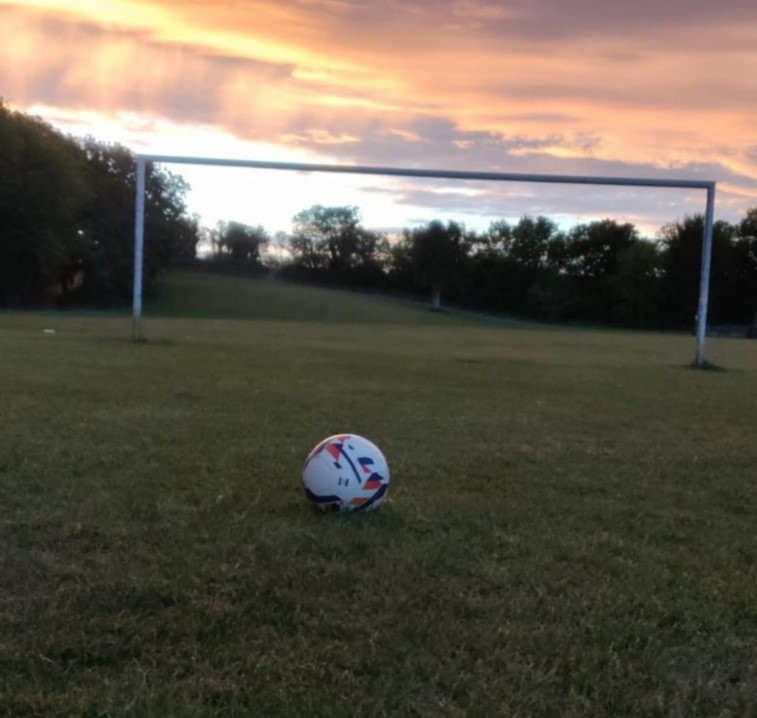
    A football taking in the sunset. Photo by David Doyle

    The Football Association of Ireland (FAI) will provide a €3.6 million funding support package for League of Ireland clubs that will be distributed to Premier and First division clubs.

    The Minister of State for Sport, the Gaeltacht & Defence, Jack Chambers, confirmed that the government will provide additional support to kickstart the SSE Airtricity Premier and First Division in the upcoming League of Ireland season. 

    The FAI have revealed a package of €3.6 million to clubs in the Premier and First Division, providing support for the clubs preparing for a season that will begin behind closed doors. The support package will be of benefit to clubs at the beginning of the season, particularly during the period of the absence of fans.

    “Work is continuing on the safe return of grassroots football when the public health situation allows”

    Jack Chambers

    Chambers took to social media on confirming the funding would be allocated to the League of Ireland. ‘’Positive engagement with the FAI today, I made clear the Government’s support for the return of the League of Ireland’’, tweeted Deputy Chambers.

    “I also provided assurances that we will provide additional supports in the period ahead. Work is continuing on the safe return of grassroots football when the public health situation allows,’’ Chambers added.

    Each Premier Division club will receive a minimum support fund of €215,000, with an additional €135,000 to be added depending on their revenue streams generated from the 2019 season. However, it is thought that more funding may be required as crowds are not expected to return to the games until at least June 2021. First Division clubs will receive a minimum amount of €50,000 for the upcoming season.

    Sponsorship

    The FAI announced a new three-year sponsorship deal with Bank of Ireland, who will be associate sponsors of the League of Ireland and the FAI Cup. Bank of Ireland will launch a range of campaigns for the FAI, as they are reintroducing the community engagement programme, More Than A Club, after it was withdrawn in 2019 due to a loss of EU funding.

    FAI Chief Executive Officer Jonathan Hill spoke at the official announcement of the deal saying: “This is another important day for the League of Ireland football and another significant boost for our domestic game”.

    ‘’The League of Ireland has captured the hearts and minds of Irish football for over 100 years and Bank of Ireland will now help us strengthen and improve the league and cup structures moving forward into the modern era,’’ Hill said.

    When speaking on the reintroduction of the community engagement programmes, Hill was ‘particularly delighted’ that Bank of Ireland will be a supporter of the More Than A Club programme, which is specifically designed to improve the relationship between clubs and local communities around the country.

    This positive sponsorship deal for Irish football follows weeks after the announcement of SSE Airtricity’s extension of its patronage to the Women’s National League. 

    Having sponsored the men’s Premier Division for over ten years, the Irish energy company will now subsidise both the men and women’s leading divisions for the first time. 

    “It is a ‘significant boost’ for the direction of the League of Ireland structure”

    Jonathan Hill

    Hill expressed his delight with the double sponsorship announcement, by saying that it is a ‘significant boost’ for the direction of the League of Ireland structure.

    Clubs have made their return to training this week, as they prepare for the season, due to kick-off on 19 March. Fixtures for the Premier Division have been released, with the First Division and Women’s National League fixtures to be announced this week. Broadcasting deals for the League of Ireland’s upcoming season are yet to be confirmed.

  • A Covid tale of two cities

    A Covid tale of two cities

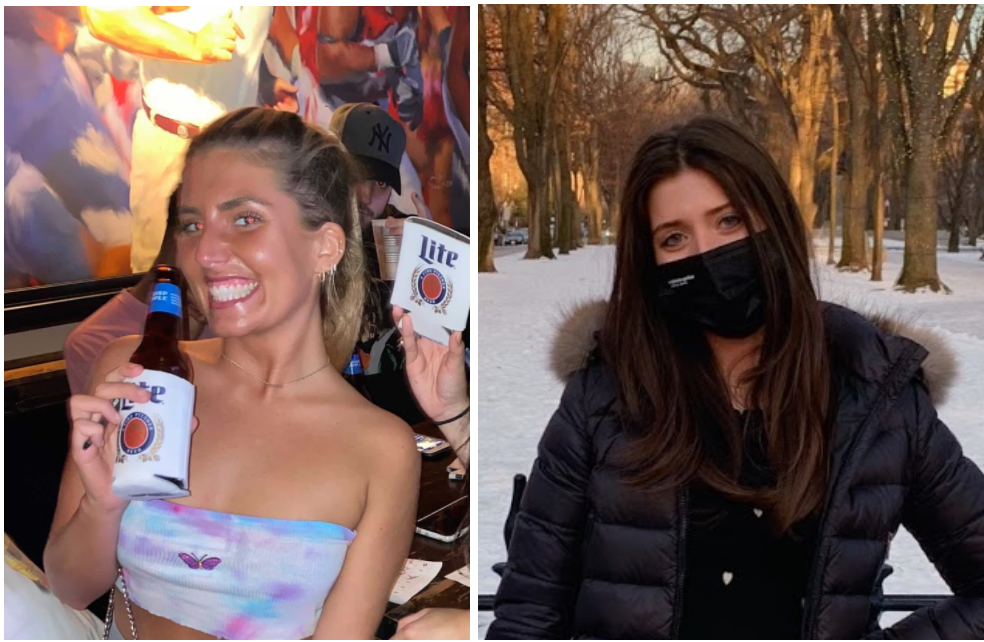
    Beaming Tara Wiekert (left) enjoys a brew indoors at a bar in Tuscaloosa, while Julia Hadley (right) is smiling through her state-mandated mask outdoors in Boston. Photos courtesy of Tara Wiekert and Julia Hadley

    In North America, each state decides on its own Covid-19 regulations. Different states can have radically different restrictions – changing the experience of the pandemic for their residents.

    A part of Biden’s 2020 presidential campaign was the requirement of masks to be worn throughout the US as he stated it could “save 100,000 lives” if masks were made mandatory to wear in every state.

    Less than a month into his inauguration, President Biden has already pushed nationwide mandates, requiring masks to be worn by all Federal employees and by those who use public travel throughout the US.

    However, social distancing regulations are very different depending on the state.

    Answering the same set of questions, two students who reside in different states share their lifestyle and opinions with Jessica Viola on the Covid-19 pandemic.

    Tara Wiekert lives in Tuscaloosa, Alabama, and studies advertising with a minor in German at the University of Alabama.

    Julia Hadley is a health science major at Boston University in Boston, Massachusetts. These responses are based on the student’s opinions as well as on their state’s individual regulations. 

    What is your opinion on Covid-19 now, in 2021? 

    Tara Wiekert: “I think it’s serious and something everyone needs to be made aware of. I know it affects older people more severely, which is why I think a lot of people at school don’t take it that seriously, since we are in a college town surrounded by people who are all mainly around the age of 20-25.”

    Julia Hadley: “My opinion on Covid-19 has remained the same over the past months. It is a very scary time for so many individuals and has affected far too many people. While the vaccination is bringing so much hope for the future, it’s still imperative people take precautions.”

    “While the vaccination is bringing so much hope for the future, it’s still imperative people take precautions”

    Julia Hadley

    What measures are being taken to prevent the spread of Covid-19 in your college?

    TW: “The school requires students to be tested for Covid-19 randomly. I try to wash my hands as often as possible, but since life here feels so normal, I do not take immense measures to prevent the spread of Covid-19. I still go out, eat out, and hang out with all my friends the same way as we did before.”

    JH: “At BU, students who attend classes on-campus or live on-campus must take a Covid-19 test every three days. When taking a class in-person, students must provide proof of their negative Covid-19 test. Throughout campus, students must wear masks at all times.”

    Are you taking college classes in person now and are other work spaces open?

    TW: “Alabama is probably one of the states with the least amount of Covid restrictions. We have some in-person classes and some online depending on what the professor prefers. Libraries and other study areas are open, however, you must wear a mask on campus at all times.”

    JH: “All students and faculty are required to get a Covid-19 test every 3 days, allowing students to take classes in person, if permitted. Libraries and study areas are open, but space is limited. Students must wear a mask at all times, while also having a negative Covid-19 test result, in order to enter the space.”

    “I still go out, eat out, and hang out with all my friends the same way as we did before”

    Tara Wiekert

    How has socialising been for you in 2021?

    TW: “In all honesty, life in Alabama has been rather normal. Bars have been open for a while now. They only shut down at the beginning of last semester for about two weeks.

    “All or most college organised events are happening here in Alabama. We just won the National Championship for (American) football.”

    JH: “Boston does have indoor dining and restaurants utilise glass shields and place diners a safe distance away from one another. The state’s mandates include setting limits on gatherings, also mask and face-coverings must be worn indoors and outdoors with a capacity limit and there’s a curfew for restaurants as well as businesses.

    “At this moment, no organized events are happening within my college campus and are highly discouraged within Massachusetts.”

    University of Alabama students celebrating their American football victory in January 2021. Video courtesy of Tara Wiekert

    What is your opinion on how your state is handling Covid-19 procedures now?

    TW: “In my hometown of New Jersey, my life has changed a lot, and I am able to do a lot less, yet both states seem to be doing ‘fine’. I do think wearing a mask in public should be required for the safety of others and the elderly. However, in Alabama, my life seems rather normal and I often forget Covid-19 is even a ‘thing’. I am doing everything that I used to do even before Covid-19 hit.” 

    JH: “Just as everyone around the world, my life has changed since COVID-19. I have limited traveling, restricted seeing people outside of my immediate circle, among many other things. While adapting to our new ‘normal’ has had its challenges, it is a sacrifice I am willing to contribute to keep myself, family, and friends safe during the pandemic and, I am extremely fortunate for their good health thus far.”

    “Adapting to the new ‘normal’ is a sacrifice I am willing to contribute to keep myself, family, and friends safe during the pandemic”

    Julia Hadley

    American universities have been a hot spot for the spread of Covid-19. Throughout the course of the pandemic, more than 85 colleges have had over 1,000 reported cases on campus. In a recent study, 70% of Covid-19 cases in the US have been spread by young aged 20-49 years old.

    Although Massachusetts has almost over 2 million more residents in it than Alabama, they comparatively have a little over 72,000 more confirmed Covid-19 cases than this southern state. As it stands now, Massachusetts has 546,800 confirmed cases and Alabama has had 474,666 coronavirus cases since the beginning of the pandemic.

    Masks, social distancing, and socialising remain hot-button issues – will Biden manage to unite his nation?

  • Love in the time of Corona

    Love in the time of Corona

    faceless young couple drinking takeaway coffee on terrace
    Photo by William Fortunato on Pexels.com

    Valentine’s Day can be a tough time for single people. Scrolling through photos of happy couples sometimes triggers that voice in your head that reminds you – you’re alone. 

    Add a global pandemic, isolation, and government-imposed celibacy to the mix, and it’s not a far reach to assume this year’s going to be a lot harder than usual. 

    In-person socialising has been put on hold and life is happening online. It is no surprise that the sense of loneliness this brings can have a massive impact on someone’s mental health.

    “Dating is, at its core, about hope and connecting with somebody”

    Roe McDermott

    Speaking to TheCity, Roe McDermott, Sex and Relationships Expert at The Irish Times, said she believes people are really underestimating the importance of physical contact and dating throughout the pandemic.

    “Dating is, at its core, about hope and it’s about connecting with somebody. Even a mediocre or bad date, it’s the hope that you’ll get an entertaining story to tell your friend. Losing that sense of hope and connection when we are so isolated is seriously psychologically damaging,” she says.

    Many people have turned to online dating as a means of coping with this. Match Group – who own popular dating platforms like Tinder and match.com – have reported a significant increase in users since the pandemic hit.

    Enda Collins, a 22-year-old musician from Dublin, has been taking part in online dating for the past year.

    “One guy sent me, let’s just say a very explicit picture, with the caption ‘Can you handle this?’ I was like oh my god. You’ve ruined it!”

    Enda, musician

    “I think it can be good, but I miss physical contact. You get to that point after a few days of chatting online where you want to meet up but it’s like… you just can’t,” he says.

    While he feels these conversations can be helpful to combat loneliness, some users only have one thing on their mind – and it’s not the R number.

    “You get people messaging you like ‘what do I have to do to get you to come out now?’

    “One guy, we were chatting for over an hour and really hitting it off. Next minute, he sends me, let’s just say a very explicit picture with the caption ‘Can you handle this?’ I was like oh my god. You’ve ruined it!”

    However, Frances Kelleher, a Killarney based dating coach, believes online dating can be a beneficial tool in helping you find the right person.

    “I believe online dating is great if you know how to use it correctly and know how to sell yourself,” she says.

    “You have to be strategic in the way you use it. I advise my clients to be online as you can throw your net so much wider in the pool of potential partners. The more you put yourself out there, the better chance you have of meeting the right person.”

    McDermott also believes online dating can be a great experience, but its potential benefits are relative to how you present yourself. Being clear about what you’re looking for is essential and can help you navigate the online world more easily, as well as counteract any time wasting or negative experiences.

    “The basic act of filling out your profile – which a lot of people don’t do – is about saying what you’re looking for and telling people what you have to offer. It takes [dating] to a different level of thoughtfulness and seriousness,” she explains.

    Your profile is in your hands, so why not put your best self out there, you might not meet the right person, but you might get a funny story or two and find a welcome respite to lockdown boredom.

    Online dating presents its own set of challenges, it is far from perfect, but it can be what you make of it, and for singles everywhere, now is the perfect time to give it a try.

    For those out there who are reluctant to dive into the world of online dating, Frances thinks it’s worth a shot.

    “For people who are reluctant, I would say just give it a try. There are different apps so try a few to see which one you prefer. You can always come off if you hate it.”

  • Top 3 Post-Covid getaways to banish the lockdown blues

    Top 3 Post-Covid getaways to banish the lockdown blues

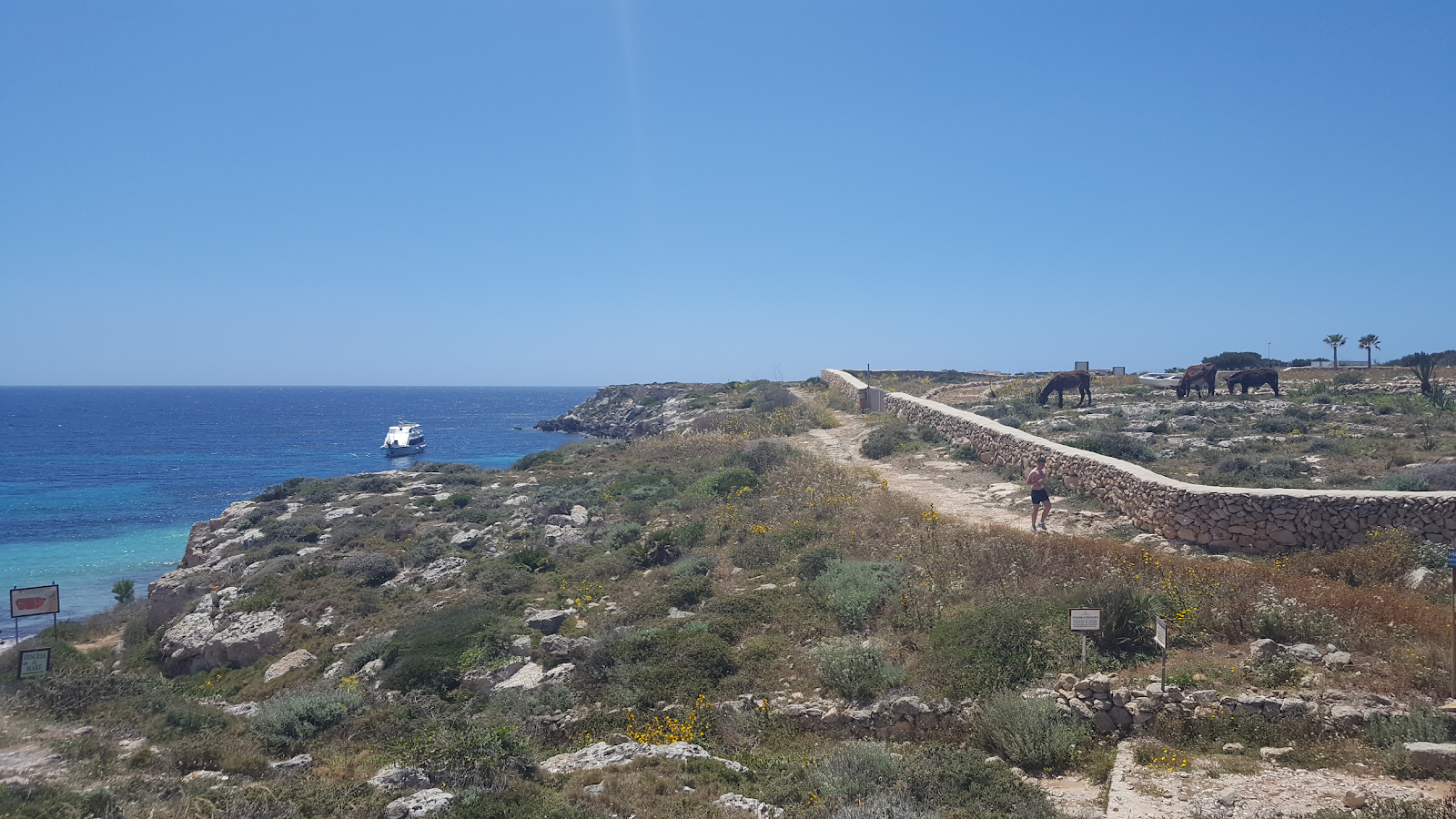
    A clear sky and inviting blue water in Favignana, Coast of Sicily. Photo by James Molloy

    With the doom and gloom of the current Covid-19 pandemic, holidays have effectively been cancelled for the foreseeable future. However, when it eventually comes to an end, here are three superb places that should be on your travel bucket list.

    1 ACHILL ISLAND, IRELAND

    Keel Beach, Achill Island. Photo by James Molloy

    To start things off, Achill Island is a close to home destination and is Ireland’s largest island, situated off the west coast of Mayo. It’s a hub for tourists the world over. Famous for its unspoiled scenery, pristine beaches and rich culture, Achill has something for everyone.

    Achill is home to five blue flag beaches, the most well known of which being Keem Bay, which can be found nestled away at the western tip of the island. The clear blue waters of the bay are home to a vast array of fish, basking sharks and dolphins making it the perfect place to go snorkelling in the summer months.

    Keem Bay, Achill Island. Photo by James Molloy

    If hiking is more your speed, then you’re in luck. Towering over the Keem Bay are the Croaghaun cliffs, the third highest sea cliffs in Europe. The imposing mountain of Slievemore can be found to the north east of the Island, and is another favourite spot amongst hikers and history buffs alike due to its deserted village situated on its slopes with a megalithic tomb from the Neolithic period alongside of it .

    Surfing is another immensely popular pastime for locals and tourists, and the best place to do it is Keel beach in the village of Keel. There are many surf schools which offer both surf lessons and surfboard rentals. This beach stretches three kilometres, so it is perfect for a leisurely stroll if surfing isn’t for you.

    The island is also dotted with many cafes, pubs and restaurants serving up hearty dinners, local fresh seafood and perfect pints beside rustic turf-burning open fires. Achill Island contains the perfect balance of adventure and relaxation.

    Standout memory: Spending the day on Keem Beach relaxing, then spending the night in the Valley House sipping creamy pints of Guinness beside the fire while listening to live music.

    2 BUDAPEST, HUNGARY

    Hungarian Parliament Building, Budapest. Photo by James Molloy

    Budapest is a city of two halves. Separated by the river Danube are the districts of Buda and Pest. There’s a saying in the city: “If you’re looking up, you’re in Pest and if you’re looking down, you’re in Buda.” Budapest is the perfect city escape on a budget.

    Buda is recognised as the historical old town, full of palaces, castles, and quaint streets. It’s the perfect place to get lost strolling through the streets as you take everything in. The Fisherman’s Bastion is the perfect viewpoint, giving you the perfect view of the Széchenyi Chain Bridge and Pest. This view is exceptional in the dark of night as the parliament building across the water is lit-up.

    The Széchenyi Chain Bridge, Budapest. Photo by James Molloy

    For those who want to experience the wilder half of the city, Pest is the place for you. You will be exposed to one of the most vibrant and full-on nightlifes Europe has to offer. It is full to the brim with a wide variety of watering holes from the high-end to the eccentric rune bars which the city is famed for, all serving some locally brewed beer and strong cocktails. There are a multitude of companies offering pub crawls, which can be a fun way to see the city and its bars while also possibly making new friends along the way.

    Budapest is also home to many thermal baths, the best known of which is the Szechenyi Baths. These baths are the perfect place to go and chill and recuperate after a hectic night on the town, with saunas, massage parlours and outdoor pools. The baths often host parties which are a must when in this wonderful city. Budapest is a brilliant city break because of its rich history and fantastic options for nightlife.

    Standout memory: Experiencing the unique ruin bar Szimpla Kert, a disused hospital turned local market by day and eccentric bar by night really embodies the Budapest vibe with a mixture of new and old.

    3 FAVIGNANA, COAST OF SICILY

    Monte Santa Caterina, Favignana. Photo by James Molloy

    Last but not least is a place the majority of people outside Italy may never have heard of — the island of Favignana, found off the west coast of Sicily. This undiscovered gem is the perfect place for someone to escape reality, be it for a few days or a few weeks.

    Favignana’s immaculate beaches and lagoons are the perfect place to unwind and de-stress whilst sunbathing or swimming in the clear unspoiled waters. There are a few to choose from, with Cala Rossa and Bue Marino being the most popular.

    The east of the island is mainly flat, whilst the west of the island is home to a chain of hills, of which Monte Santa Caterina is the highest. There are two main ways of getting around the island, for those who want to take their time and embrace the sights the island has to offer, bicycles are readily available. But, for those who want a faster mode of transport, scooters are the way to go, costing around €20 per day.

    Favignana has a rich history as it has seen the likes of the Phoenicians, Arabs and even the Normans passing through at some stage. The marks they left behind can be seen in the small town of Favignana and around the island. Another historic site on the island is the old tuna factory which can be toured for around €6 per person.

    Favignana is easily accessible from Trapani by ferry with multiple daily departures costing around €20 return.

    Standout memory: Zipping around on a scooter, exploring the island and taking in the breathtaking scenery Favignana has to offer.

  • Covid Abroad: How Italy was woken up to the first wave of coronavirus in Europe

    Covid Abroad: How Italy was woken up to the first wave of coronavirus in Europe

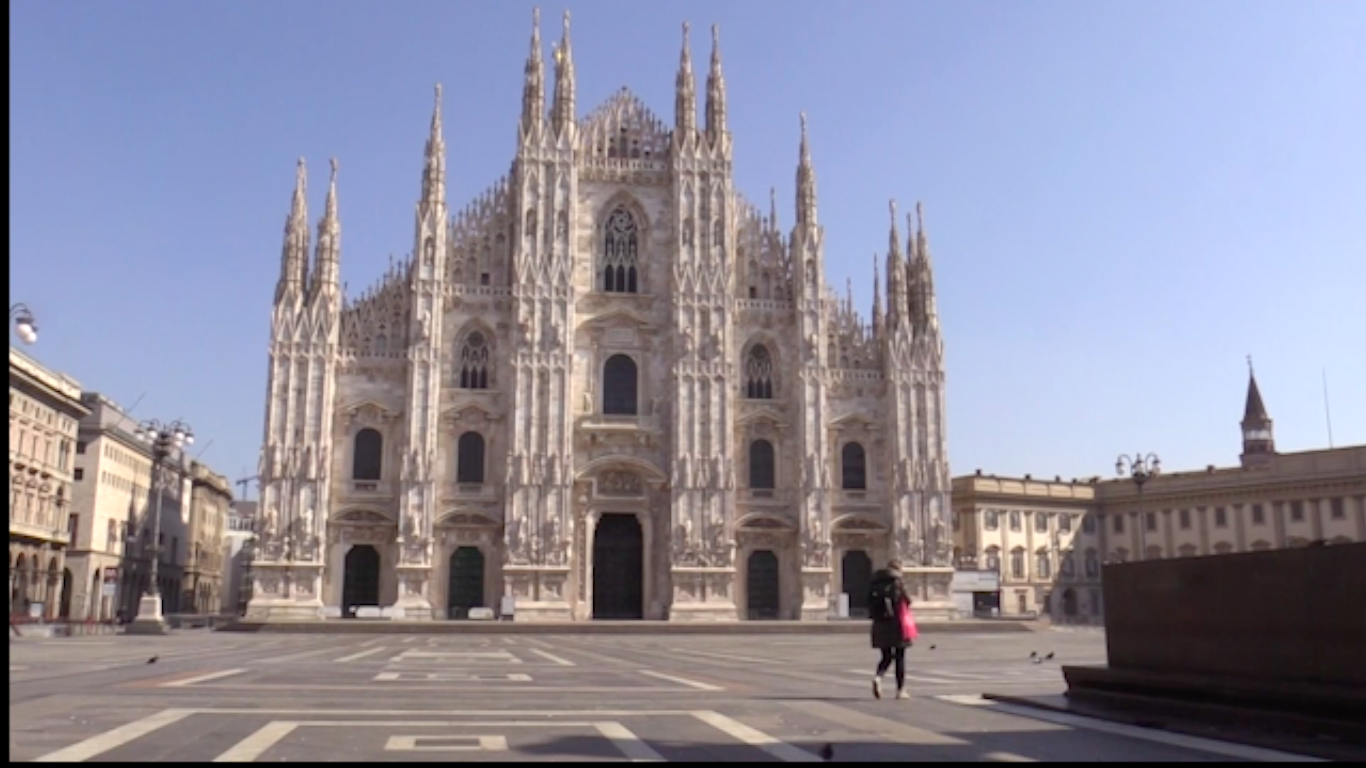
    An eerie empty duomo during the Italian Covid-19 crisis. Image by Andrea Lattanzi from Pexels.com
    Mario Bowden spoke to Maria Elena Tagliabue face-to-face over Zoom to hear about her experience as an Italian during the pandemic

    On the 23 February 2020, Maria Elena Tagliabue read the news that a town 20km from her was going into lockdown after an outbreak of a then-unknown virus imported from China. Back in her hometown of Crema for the weekend, in the north of Italy, an unusual gut feeling came over Maria Elena when her friends asked her to join them in a bar. 

    “I texted one of my friends saying ‘I don’t know if we should meet, is it safe?’ and he laughed a bit at me saying ‘Cmon! It’s just a flu. Our friend is a med student and he’s coming. C’mon see you later’. We met up beforehand and we noticed that the town was very eerie. Months later he apologised for pushing me to go out that night,” Tagliabue tells me.

    Two weeks later, coronavirus cases were spiralling out of control, and Italy’s hospitals became overwhelmed – especially in the North. The whole country was rapidly instructed to stay inside, without exception. Tourist sites were deserted.

    The coronavirus had arrived in Europe – and Italy was its first victim. 

    To this date, there have been 2.65 million cases of Covid-19 in Italy – and 92,000 deaths.

    Tagliabue calls me from her apartment in Varese, a town 50km from Milan. Varese is not far from Bergamo – a town where the virus hit its community hard and fast. Its hospital became overflowed with patients. Images emerged of mass coffin convoys – amplifying the virus’ threat on our screens.

    “I think it made it more real and [us] more anxious and cautious” says Tagliabue.

    “The stories people told from Bergamo and even my hometown Crema are heartbreaking. Especially in the first wave when things were more hectic. Hospitals were less organised and doctors had less masks,” she says.

    Despite the threat remaining high, Italy is easing its restrictions. Each region operates on a tiered coloured zone system – red being the most severe, orange slightly less restrictive and yellow the most moderate. There is also a white zone – a marker of low-danger Covid world. However, no region is currently there yet. 

    A lone seagull at the Roman Forum. Image by Stefano Barbieri via Pexels

    At the moment, regions across the country have begun transitioning to a yellow zone. Household visits are allowed, in-person teaching at schools can resume at a reduced capacity and restaurants and bars can open up until 6pm are among the most notable changes. Lombardy has entered the yellow zone.

    While it is a welcomed change, Tagliabue remains sceptical about opening up too soon. 

    “It doesn’t feel like this yellow zone can last very long.” she concedes. “Especially in Lombardy, which is the most populated region in Italy. There are things to do which leads to crowds. It feels liberating now but at the same time, I’m not confident this can last. Maybe [we can implement it in] March or April when [the] outdoors can be more useful,” she continues.

    “It doesn’t feel like this yellow zone can last very long. It feels liberating now – but I’m not confident it can last”

    Maria Elena Tagliabue

    The pandemic also spun Italy’s ever-controversial political climate into further uncertainty. While popularity was high for Giuseppe Conte after his initial dealing with the pandemic, the Prime Minister was forced to resign after Italia Viva leader Matteo Renzi, pulled his party out of an already unstable coalition – collapsing it in the process.

    Renzi’s decision was met with some scrutiny – as it embroiled the unwanted idea of fresh elections. But as a former Prime Minister himself, Renzi saw the need for change – and a pandemic was no excuse to continue on in the same vain. Italy’s economy shrunk by 8.9% in the last year and is experiencing its worst recession since the second World War. 

    On Thursday 4 February 2021, Mario Draghi was drafted in by President Sergio Mattarella to become the new Prime Minister. As the former chief of the European Central Bank, Draghi has been hailed for his role in pulling the EU out of the European debt crisis in 2012. He’s hoping that 2021 can mirror a similar, colossal turnaround. For Mario Draghi, it’s now his objective to prevent Italians going to the polls – by smoothly forming a new government and help recover Italy’s economy. 

    For Tagliabue, the virus remains an ongoing threat. Despite the lifting of restrictions, she believes sticking to her built up routine will keep herself and others safe. But she is a believer too. She looks forward to the first gig that she can go to in a post-covid world.

  • Immaterial Girl: How SOPHIE expanded the horizons of pop music

    Immaterial Girl: How SOPHIE expanded the horizons of pop music

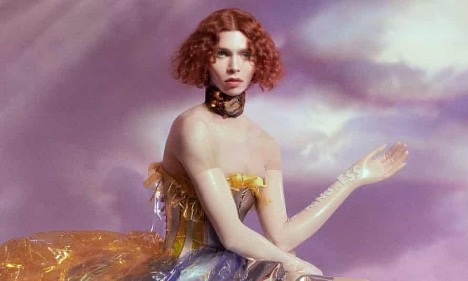
    The iconic producer on the Oil of Every Pearl’s Un-Insides cover. Cover Art Credit to Soapworld

    The music industry and trans community lost a pioneer on 30 January. The 34-year-old critically acclaimed producer SOPHIE died following an accidental fall in Athens, Greece – leaving behind a legacy of adoration from fans, friends and collaborators. 

    It’s difficult to forget hearing SOPHIE’s music for the first time. When BIPP first appeared on the radar of music listeners in 2013, it sounded like a dystopian future filtered through a nostalgic past, garnering widespread acclaim and speculation as to the identity of the reclusive artist. Rising to prominence alongside London’s PC Music collective, the acclaim would only grow more unanimous as SOPHIE’s elevated artistic and sonic vision cemented the Scottish producer’s place as one of the most forward-thinking musicians of the 2010s.

    For Dublin based experimental-electronic producer Dark Mavis, the unforgettable introduction into the world of SOPHIE came initially through the song Hard, as it played in the Boiler Room set of label mate GFOTY and subsequently in the unlikeliest of places, the stockroom at his former workplace. 

    “After I heard that SOPHIE track at work, I became obsessed. I listened to every release, every set, everything I could get my hands on,” says Dark Mavis. “I think that was back in 2017 so I was a bit late getting into the music, but I’ve been a huge fan ever since,” he continues.

    “It’s something that’s so difficult to emulate because SOPHIE had a truly unique talent for manipulating sound”

    Dark Mavis

    Kilkenny’s self-described purveyor of ‘occult digital hardcore’ Fomorian Vein too recalls a memorable first encounter with SOPHIE’s track Lemonade whilst reading a blog article in 2014. 

    “The overt influences from Eurodance, hardcore techno and noise music stood out immediately along with SOPHIE’s own distinct production, tracks like this were unheard of at the time and it was a much-needed breath of fresh air,” says Vein.

    An uncompromisingly singular beatmaker, it’s difficult to pinpoint the exact influences from which SOPHIE crafted the sound.

    Where genre descriptors fall short, SOPHIE’s music is most often likened jokingly or otherwise, to the physical materials such as metal and elastic that the producer meticulously sought to recreate through software synthesis and digital manipulation. 

    For Dark Mavis, this was a particular source of inspiration: “Both the found sound element of the music and how SOPHIE imagined and designed sounds that may not necessarily be real is hugely inspirational,” he says. “It’s something that’s so difficult to emulate because SOPHIE had a truly unique talent for manipulating sound in that way, but it’s something I would love to incorporate into my own music.”

    SOPHIE was also adept at expanding the sonic world of collaborators, pushing them into realms they may have been initially reluctant to explore. SOPHIE played a crucial role in the musical development of close collaborator Charli XCX, who traded in the radio-friendly pop-rock of 2014’s Sucker for the ambitious soundscapes of the Vroom Vroom EP. 

    “The kicks, the snares and the acid bassline come together with Charli’s vocals to make perfect pop music,” says Mavis. “You hadn’t really seen anything like it in mainstream pop music, I still don’t think people are ready for it to cross over into the charts,” Mavis continues.

    On Yeah Right, SOPHIE adorned the voices of west coast rapper Vince Staples and superstar feature Kendrick Lamar with booming bass and harsh percussion.

    SOPHIE even collaborated with personal hero Madonna on the critically divisive but endlessly memed 2015 track Bitch I’m Madonna.

    With the release of official debut Oil of Every Pearl’s Un-Insides, the once reclusive SOPHIE (who preferred not to be addressed by any pronouns when discussed by media outlets) presented extremely personal and deeply emotive work which revealed and explored the artist’s trans identity. 

    SOPHIE presented an extremely personal and deeply emotive work which revealed and explored the artist’s trans identity

    The success of the record and its accompanying videos secured SOPHIE a well-deserved spot in the pantheon of queer icons and its exploration of gender identity remains a major inspiration for LGBTQ+ artists across a variety of mediums. 

    “Oil as an album is a massively empowering statement on personal identity and sincerity that shakes a lot of people’s perceptions on what even seems possible within music,” says Fomorian Vein.

    “The opening track It’s Okay To Cry had such an immediate, enormous and much needed impact on not just electronic music or pop music, but also how musicians in the public eye could learn to present themselves,” Vein continues.

    SOPHIE’s life and career as a hugely innovative transgender music producer stands as testament to the empowerment and liberation of casting off restrictive gender and sonic constraints. The refrain of one of SOPHIE’s most beloved songs Immaterial reassures the listener that “you can be anything you want” – a fitting chorus for a song that will continue to soundtrack the self-discovery of young queer people for decades to come.

  • Bloody buses

    Bloody buses

    The 33A bus pulling into Lusk village. Photo by Izzy Rowley

    Public transport can change the shape of someone’s day entirely. For health care workers, it can add hours onto their already lengthy days, as they battle long wait times and social distancing issues. 

    “Transport, as stupid as it might sound to most people, makes such a difference if you can get home quicker because you are so tired,” says student nurse Sarah Reid who is currently working in St. James’s Hospital in Dublin.

    Reid lives in Swords, north county Dublin. To get to work, she has to take two buses or a bus and a Luas regularly.

    Her journey usually starts around 5:00am and ends at 6:30am, when she arrives into work an hour early for her shift. She could get a later bus, but according to Reid, it doesn’t leave her with enough time to get ready for her shift. 

    “Because of the pandemic, when we get to hospital, we have to change, and we have to PPE up before, because I’m on a Covid ward,” Reid explains.

    Getting home presents its own problems. After her 13 hour shift, she could often be waiting up to 35 minutes for a bus home.

    The 33 bus driving down Station Road in Lusk, north county Dublin. Photo by Izzy Rowley

    Dublin Bus services are currently running at a reduced capacity and regularity, operating on a Saturday schedule, leaving fewer buses with less room for passengers.

    In an email statement to The City, Dublin Bus said that the Saturday schedules are “augmented by additional services, especially in the early morning peak” and “the schedules reflect the current demand for services.”

    The reduction in both the frequency and the capacity of the buses can lead to issues with social distancing.

    “Especially in the level five situation, I know the service is reduced to a Saturday service, and that just doesn’t make sense to me. 

    “It would make more sense if the services still ran as normal – people would be given the opportunity to keep their distance more,” says a social care worker based in Fingal, who has chosen to remain anonymous to protect her privacy.

    The accessibility of transport is also an issue, this social care worker notes that recently, real time displays in train stations have often been broken: “If you’re an older person that doesn’t have a phone, or people with disabilities like the ones I work with, it makes it difficult.”

    “If the services still ran as normal, people would be given the opportunity to keep their distance more”

    Anonymous

    However, the health and safety of bus drivers can’t be ignored either.

    Dublin Bus said that these reductions are in place to protect the health and safety of passengers and staff, which is their “first priority”.

    “We’re just like everybody else, we don’t want to bring it home,” says Dublin Bus driver Joe O’Dwyer.

    O’Dwyer feels lucky to still be working during the pandemic and notes that “the company is supplying PPE stuff” including masks and hand sanitiser.

    “We’re just like everybody else, we don’t want to bring it home”

    Joe O’Dwyer

    “One of the things we’re trying to do with the Saturday timetable, it’s called an enhanced [timetable], so there’s an extra couple of buses that go out on certain routes that are busy – they’re trying to do their best with it,” O’Dwyer says.

    “It’s all about health and safety, isn’t it? Keeping the staff safe and the public safe,” O’Dwyer adds.

    Public transport has been an issue in Fingal before the pandemic, and the reduced services have worsened the situation.

    “With ongoing and increasing development in Lusk, Skerries, and Rush, it’s obviously putting more strain on the public transport system,” says Councillor Robert O’Donoghue, the Labour Party local area representative for Rush and Lusk in Fingal, who is working with a local action group to increase public transport in the area.

    The action group has asked Fingal County Council to assess public transport services in the area in relation to population and housing development. 

    “Any assessment that goes on, I can’t see the possibility of services being pulled back,” O’Donoghue says. “There’s just too much housing development going on in the north county.”

    “Fingal, I think, is being used almost as a relief valve for the housing crisis to some degree.

    “That can either be a good thing or a bad thing, depending on your way of looking at it. They’ll serve where the people are, and with more and more people moving out our way, I do believe the services will come,” he adds.

  • Green Screen: The impact of the pandemic on the Irish Film Industry

    Green Screen: The impact of the pandemic on the Irish Film Industry

    Daithi Ó’Cinnéide on camera and in his element. Image courtesy of Daithi Ó’Cinnéide

    The year 2020 has provided highs and lows for the Irish film industry, and 2021 is already calling into question the future of our domestic productions.

    This time last year it seemed Ireland was reaching new heights in the domestic film and television industries. Ridley Scott had begun shooting his next blockbuster with Matt Damon – who was spotted ‘slumming it’ in Dalkey – and Normal People was hitting screens worldwide, with Paul Mescal engrossing audiences in O’Neill’s shorts.

    Like everything else, the Irish entertainment industry came to a crashing halt in March when Covid-19 struck.

    The production hiatus, which at the time of the first lockdown was indefinite, meant that up to 12,000 jobs in Ireland were put on hold and some were gone for good.

    Grip assistant Michael Nardone was hit hard by this hiatus.

    “Everything seemed to be going great, I was hopping from project to project, then like most people I’m sitting at home wondering what to do,” said Nardone.

    “Everything seemed to be going great, I was hopping from project to project, then like most people I’m sitting at home wondering what to do”

    Micheal Nardone

    Nardone has worked as a part of the crew in television series like Vikings, Dublin Murders, and Normal People. He had just begun exploring a new avenue, working with some fellow crew members on their own short film, when suddenly everything changed.

    “It was all out the window really, and without the backing that the big productions have, it seemed like it might never happen.”

    Nardone packed his bags for New Zealand.

    “I had been thinking about going for a long time, but I always had a reason to stay [in Ireland].”

    Productions had also been halted in Auckland, which gave him the time and opportunity to apply for work on bigger projects: “All the big productions were miles behind schedule, they were ramping up everything, preparing for reopening.”

    He is currently working on a new series for Amazon and has a full schedule right up to 2022.  

    “It’s mad hearing stories from back home, it feels like the whole pandemic has come and gone here.”

    One project, Paperboy, an independent feature film set in Belfast during the Troubles, was to begin filming in September.

    The project had attracted stars Bridget Moynahan (I Robot) and Colm Meaney (Law Abiding Citizen, The Snapper), with Donald Petrie (Mystic Pizza) attached to direct.

    Producer Kevin Murphy had spent the best part of two years trying to get the film made.

    Unfortunately, the lockdown proved too strenuous an obstacle and the project has since ceased indefinitely.

    “We are not doing much at the moment,” Murphy said in relation to production.

    An uncertain future has proved detrimental to independent filmmaking in Ireland. Filmmaker’s reliance on procuring funding from multiple sources is unstable in a time when producers and companies are keen to watch their expenditure.

    This is something that organizations like Screen Ireland and Screen Producers Ireland were aware of from the beginning.

    Screen Ireland acted quickly, first in making sure professionals were still getting paid – repurposing funding to support writers, producers and directors. 

    Screen Ireland and The Department of Culture, Heritage and the Gaeltacht have implemented funding initiatives to cope with the expanding crews and assisting in the hiring of “Covid Departments” working on set.

    The Covid Department monitors the sets to make sure people comply with rules like wearing masks and social distancing.

    “It’s mad hearing stories from back home, it feels like the whole pandemic has come and gone here”

    Nardone

    This has helped to keep bigger budget films operating in the country and it was these initiatives that allowed assistant director, Daithi Ó’Cinnéide to get back to work by late august and stay there until very recently.

    “The film industry seems to follow the construction industry, if they stay open, we stay open.”

    The diligence of these newly-proposed crews working in Covid departments has proven the real trick in allowing the productions to carry on while most other professions remain at home.

    The introduction of these protocols has helped to keep the industry running as smoothly as possible. However, at the drop of a hat operations can be shut down.

    “At the moment, I had work on another TV series coming up, 12 weeks work, but that seems to be pushed back until April, just with everything going on.”

    While film crews on the other side of the world get back to full swing, the future of the Irish film industry is called into question again. It may be awhile before independent Irish films grace our screens again, but the work of the governing bodies and industry professionals may provide a light at the end of the tunnel.