As the Amazon jungle reaches a new high in levels of deforestation, Conn Mc Gillion explores the reactions and the statistics on Twitter.
Wikimedia Creative Commons
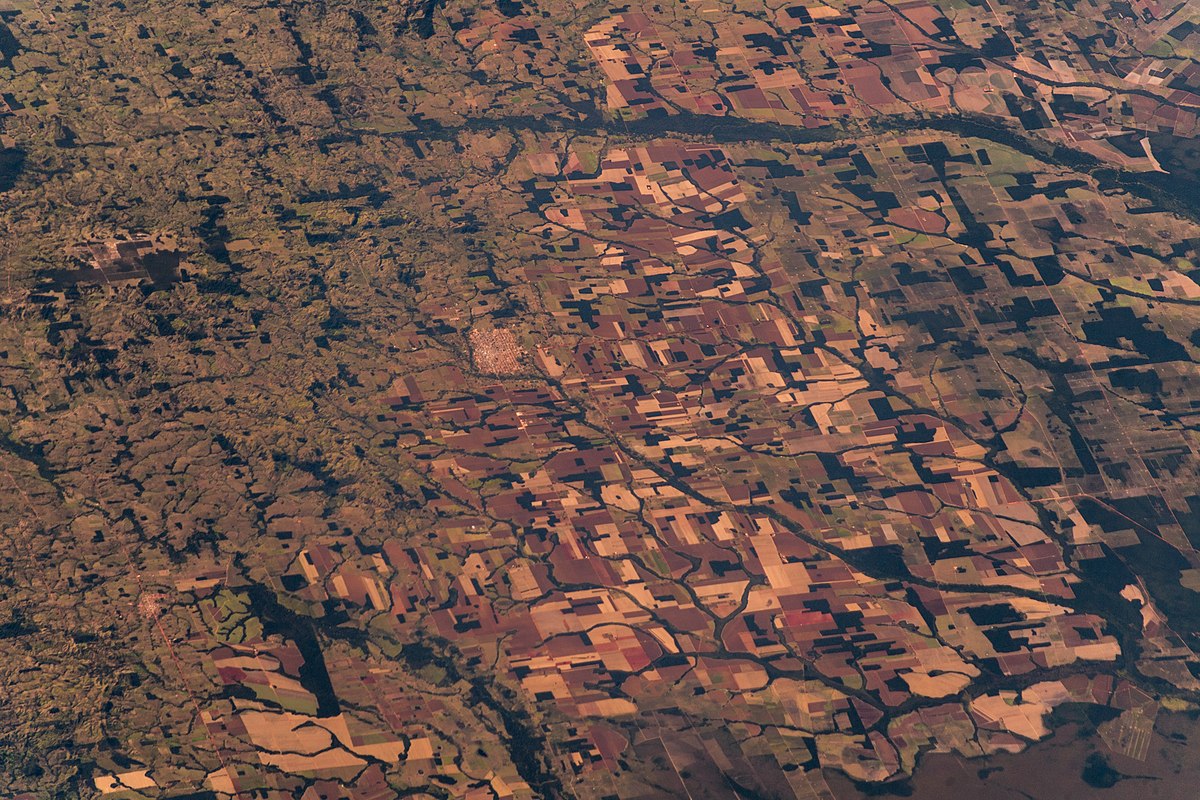
Deforestation in the Amazon rainforest has reached a peak between August 2019 and July 2020, according to Brazil’s National Institute for Space Research (INPE).
The new statistics released to the public have sparked a heated debate among many environmentalists on Twitter, who only added to the damning evidence provided by the INPE.
Here is a good graph showing deforestation in Brazil's Amazon over last 30+ years via @folha
Yes, still far better than 1990s and early 2000s, but headed in wrong direction – and times have changed. Climate challenge even clearer now, & global consumers demand action pic.twitter.com/BGtK9Sqoe1
In those 12 months, this graph indicates a whopping 11,088 square kilometres were destroyed- which is the highest level since 2008, and has risen over 9.5% since the 2018-2019 period.
There were also many who pointed to recent images and videos that have been taken of the Amazon- showing the forest in burning, or scorched ruins.
Amazon deforestation soars to 12-year high https://t.co/YnmCIGgjfs Environmental advocates and scientists say that Brazil's leader, Jair Bolsonaro, is to blame for weakening environmental protections and calling for the development of the Amazon @RainforestNORWpic.twitter.com/fHVYGksuGh
The hashtag #Bolsonaro has been used to direct the backlash towards far right Brazilian President Jair Bolsonaro. He has been frequently criticised for his open support of both logging and his defunding of agencies working to prevent illegal logging and land development.
This is an even worse number than 2019 and a direct reflection of the Bolsonaro administration’s anti-environmental policies which have weakened the monitoring agencies and used misguided strategies to fight deforestation. Great article by @tomphillipsinhttps://t.co/qyHLVb23EJ
#Bolsonaro One wonders what he gets out of it. Populism really is little more than a movement run by political entrepreneurs who have found an easy way to power. https://t.co/33WNttSlin
US President-elect Joe Biden also pointed the figures out in the presidential debate in September, noting that he would be “making sure we had the countries of the world coming up with $20 billion to say ‘here’s $20 billion, stop tearing down the forest and if you don’t, you are going to have significant economic consequences.’”
Bolsonaro is yet to address the figures on social media, but did reject Biden’s offer in a tweet posted September 30th.
Forests such as the Amazon are the most important parts of the Earth’s fight against global warming, due to their absorption of carbon from the atmosphere. The Amazon itself sucks in billions of tonnes of carbon dioxide from the atmosphere every year.
Social media already connects almost half of the entire global population, it enables voices and communities to be connected and heard on a scale that would have been unfathomable to past generations. Róise Collins explores how to effectively utilise these platforms as a means to represent and express our culture and its values.
Image source: Pixabay
The Irish language has often been referred to as a ‘dying language’ or even politicised, but language identity is a human right – and minority languages are much more than a means of communication, they are a fundamental aspect of our cultural identity.
Social media platforms have been integral in ensuring Irish language speakers have a platform to explore their culture and identity, and communicate within a public sphere.
Jamie Mac Uiginn, an Irish language advocate, explained how “we’re currently living in a world driven by relevance, especially on social media”. He went on to say: “This creates particular challenges to minority languages to survive but it also offers opportunities. Many minority languages have flourished online, Irish being one of them.
“Gaeilgeoirí are able to create a ‘Cibear-Ghaeltacht’, a safe space for speaking the language if you will, without leaving the comfort of their own homes,” he said.
“The phrase “you can’t be what you can’t see” can be modified to apply to the relevancy of minority languages – if you can’t see the language being used then what is the point in speaking it.
“Social media provides an outlet for people to see the language being used in new and innovative ways and thus proving that there is a point, reason, and relevancy in speaking it,” added Mac Uiginn.
Ceithleann Ní Dhuibhir Ní Dhúlacháin works with Gaelbhratach, a scheme run by Gael Linn which promotes the informal use of the Irish Language in primary and post-primary schools.
She explained how the inclusion of the Irish language on social media platforms is “of great importance when it comes to normalising the language”. She talked about how children’s exposure to the language on a daily basis, not only through social media interaction but also on radio, television and other traditional media outlets helps to normalise the Irish language as an integral part of their day to day lives.
Gael Linn are constantly creating content ‘as Gaeilge’ for their social media channels, and they encourage participating schools to include as much Irish as possible on their own social media, school websites or through their newsletters and correspondence with other schools.
“The inclusion of the Irish language on social media websites and in the wider media, has helped win back a generation of language learners who may have parted ways with the language after leaving formal education.” she said.
This is evident in the growth of Irish language communities on Twitter and Instagram in recent years with accounts like Bloc TG4, The Irish For and Motherfócloir engaging with thousands of people daily and not only in Ireland but globally.
When the country first went into lockdown due to the pandemic, there was a surge in the number of Irish language accounts on Instagram. “This has continued with more Irish language bloggers than ever using social media to give a platform not only to themselves and their thoughts and ideas ,but also to the Irish language on the global stage.” she said.
Hugh Carr (@hughcarrhere) uses his platform on social media to promote and encourage the use of the Irish language, he explained that when he first started using social media, there wasn’t nearly as prevalent a space for the Irish language as there is now. “Usually, Irish was reserved for bad puns and complaints about Peig* (*part of the Irish language curriculum in schools).
“Nowadays, there’s a much bigger audience for Irish only content – some of the most successful posts that I’ve made through Tiktok and Twitter were entirely through Irish.” he said.
“I think that while there is still a long way to go, content like this does a lot to destigmatise the use of Irish in day to day life and takes it out of the classrooms and into the ‘real world’,” he said.
Carr told TheCity.ie how representation in media is key to providing people with an identity that they can relate to. “The more Irish language media, the more comfortable people will be in expressing themselves through it” he said.
Mollaí Meehan is currently studying education through the Irish language in Marino Institute of Education. She told TheCity.ie how she recognised the benefits that came with studying through Irish and appreciating her love for the language – and the opportunities it has given her.
She is currently working as a presenter with Radio RíRá, an Irish language radio station. “I got involved with Raidió Rí Rá over a year ago through a workshop with my college. Myself and two of my friends were offered our own show and jumped at the chance,” she said.
She also has her own blog, Stay Sásta, and Instagram account where she often posts through Irish, she told TheCity.ie about her views on normalising the language, and how it could start with small steps like “swapping little phrases to the Irish version like saying ‘go raibh maith agat’ instead of thank you” or by using the Irish language options available like gifs on Instagram or setting your phone and apps to the Irish option.
Photographs that emerged online of a gathering that took place in RTE last week have sparked outrage as they show a number of broadcasters standing close together with no social distancing or masks. Megan O’Brien explored the reactions on Twitter.
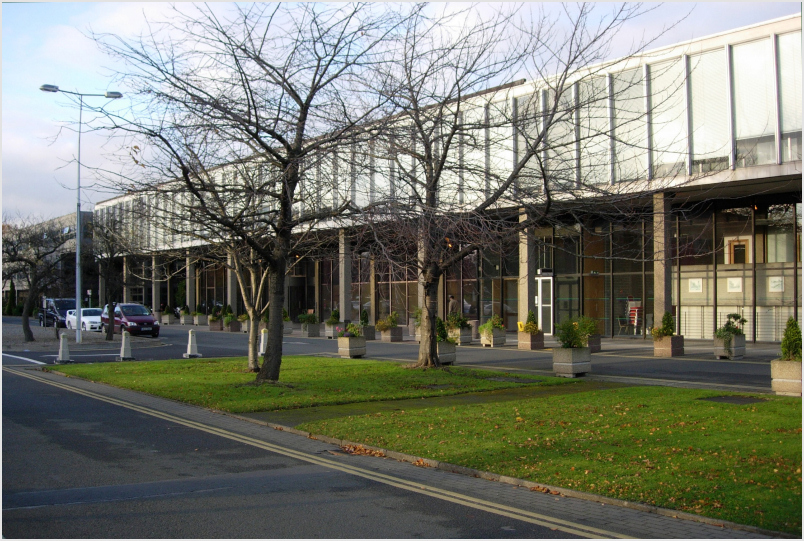
RTE Television Centre. Source: Wikimedia commons
Miriam O’Callaghan, David McCullagh, Bryan Dobson and Eileen Dunne were among the staff that appeared in the pictures as they joined in on an “impromptu” gathering at RTE HQ for their retiring colleague Phil Collins.
Shortly after the pictures surfaced, #RTEgate began trending on Twitter. Members of the public voiced their opinions on the breach of Covid-19 guidelines, which the broadcaster has so intensely promoted throughout the pandemic. Many expressed feeling “betrayed” as they considered the elderly and high risk citizens that RTE have encouraged to isolate via their broadcasts.
We have heard the #sorrynotsorry apologies for the @rtenews i̶m̶p̶r̶o̶m̶p̶t̶u̶ party. As state broadcaster you have the trust of your listeners. What about all the isolated older people who keep the radio or tv on for company. Are we #allinthistogether? What a betrayal #rtegatepic.twitter.com/QL6Wmor2oQ
Not sure how you have a lapse of judgement about not socially distancing, when you are having your photo taken, while standing on a sign telling you to socially distance!! #rtegatepic.twitter.com/qaLEGOscr4
There was also backlash from others working in the media industry including KCLR Head of Content, Eimear Ni Bhraonain and former Newstalk presenter, George Hook.
Hook among others implied that it seems an apology is sufficient in RTE and as that seems to be the case, they mockingly questioned would Sean O’Rourke be reinstated.
RTÉ's Sean O'Rourke was dumped after he attended #golfgate, when gatherings of up to 50 were permitted.
If #rtegate (during Level 5) goes no further than apologies (which O'Rourke also did) then if I was him, I'd ask to be put back on air…https://t.co/uBMnUXXNf0
The broadcasters issued apologies on air which were circulated online by RTE. The backlash continued in response to these, with many saying that the apologies weren’t genuine as they only apologised after they got caught.
I don't really need to hear any hollow apologies about #rtegate. Let's be real, they're only sorry they got caught.
The apparent acception of these apologies sparked another hashtag to trend on Twitter, #RTEbias, which discussed how it seems that rules for the public don’t apply for the RTE ‘celebs’.
Just infuriating. My Uncle passed away yesterday & my Mam isn't going to the funeral. Meanwhile #RTEbias take photos of a stupid leaving party underneath a social distancing banner on the ground. Divide between us plebs & the hierarchy grows wider & more noticeable by the day https://t.co/0hxhXJF6wd
Taoiseach Michael Martin condemned the gathering, describing the photos as “disappointing”. He said “I don’t excuse the behaviour, it’s very disappointing, particularly in those in public life across in the broadest sense, need to be leading by example.”
Three probes are now underway to investigate the event.
Dangerous dieting videos on TikTok can show up on anyone’s feed due to the app’s unusual algorithm. Erica Carter explores the ramifications of “pro-ana” social media communities.
Image source: Pixabay
“Pro-ana” groups have been found on every form of social media. These are people who get together and promote the worsening of eating disorders such as anorexia. TikTok is the latest platform to discover this problem.
Websites such as Tumblr, Instagram, and Reddit have faced pro-ana problems, and have been removing content and banning certain words for years, in an attempt to keep harmful information away from its users. However, because of TikTok’s unique algorithm, it can recommend content it thinks you may like – meaning if you interact with normal fitness or food videos, you can potentially be shown pro-ana videos. And due to young people becoming more tech-savvy, they know that certain keywords are flagged or banned, and know to avoid them in order to not get their videos taken down.
TheCity.ie brought a number of dangerous videos to TikTok’s attention, some of which were detailing users’ dangerously low-calorie diets. The comments on these videos were also very worrying; users were giving dangerous tips to each other or pledging to be “ana buddies”.
One comment showed a user seemingly upset because another user ate less than them, and the other user saying they can “go low together”.
Other comments showed users giving bulimia tips also, to someone who felt like they had eaten too much that day, despite having only eaten 500 calories – less calories than a toddler needs to survive.
After sending these videos and accounts to TikTok, they deleted them.
A spokesperson for TikTok told TheCity.ie that the app was “built to provide a positive place for creativity and prioritise the safety and wellbeing of its users.” Content that supports or encourages eating disorders is strictly against our Community Guidelines and is removed,” the spokesperson went on to say. “As soon as this issue was brought to our attention, we took action banning the associated accounts and removing the content.”
Emily* reached out to TheCity.ie and expressed how, despite never having second thoughts about food or her body image, she was lured into disordered eating after watching misinformed TikTok videos. “Me and my friends love TikTok, and would always send each other funny videos,” she said. “But after watching certain videos, I would feel bad and started restricting my food because they make you feel like you should be eating really low calories.
“After a while, I started planning a week long juice cleanse because I had seen videos from people saying they lost loads of weight during it. Then it just hit me that of course that wasn’t healthy –I can’t starve myself for a week.”
“I never even watched a huge amount of food videos – but sometimes random videos come up on your feed, which could be dangerous for anyone recovering from an eating disorder or in any way sensitive to food,” said Emily. “You can’t moderate the content that you see.”
Kiki Martire, a spokesperson for youth information website SpunOut, believes it’s of the utmost importance to be vigilant and always fact check any information from TikTok videos.
“Information is being shared so rapidly on an app like this that there’s no way to put safety measures around it, which is a huge issue we’ve had with all forms of social media,” Martire said. “We want everyone to consider the sources of the information you’re taking in.”
“There are many reliable sources of information for young people about their health, and you shouldn’t be taking in diet information from someone in a video, where you don’t know who it’s coming from, especially when you feel it’s damaging to you. There’s a lot of content out there that is actively harmful.”
Martire also stressed that the people posting these videos and spreading dangerous health information are also struggling themselves. “These young people are going through immense difficulties and don’t understand the ramifications of their actions.”
TikTok doesn’t yet have the factchecking supports that Facebook, Twitter and Instagram have, in which there are alerts in place when certain information is dubious or unconfirmed, and where accounts spreading dangerous misinformation can be automatically deleted. “Please block these accounts yourselves if you think what’s being shares is untrue or dangerous,” Martire said.
“As people are taking in content, they should be checking in with themselves about how it makes them feel. So if you’ve seen some diet videos on TikTok and you leave the app and want to engage in dangerous eating behaviours, be aware of that, acknowledge those feelings and maybe don’t use the app.”
Martire also points out the majority of content on TikTok is positive and fun. “In saying that, of course if it’s an uplifting post that is telling you to feel beautiful in your own skin, that’s amazing and really positive.”
“There is a lot of those videos on TikTok, good feels stuff, which is great and definitely the part of TikTok you should be looking out for.”
*Emily wished not to give her surname for this article.
With support ramping up to shop local this Christmas, Eibhin Kavanagh looked at the use of Instagram to promote Irish businesses and buy Irish.
People are using the popular platform to promote Buy Irish. Image source: PickPic
Since the coronavirus pandemic began last March, companies have fumbled to set up an online presence to keep in touch with their customers and continue to get sales, even when their shutters are down.
Social media has become the key to customer engagement for businesses, especially smaller businesses. Platforms like Instagram that provide business tools such as profile shops and insights into engagements have become essential for them.
In Ireland, there are 1,895,000 Instagram users as of March 2020. This accounts for 38.5% of the entire population, according to statistics by Napoleon Cat stats.
Coming up to Christmas, most media platforms are pushing people in Ireland to buy Irish. With Instagram being a widely used platform, it is without a doubt being used to promote this message.
With the ability to reshare posts as stories and tag friends and family in posts, many buy Irish accounts and gift guides for Christmas have been shared around and have gained a lot of popularity.
Rebekah Caulfield created a post on Instagram with an Irish gift guide containing over 250 Irish businesses to support this Christmas. As of writing, the post has gained 107k likes and 962 comments.
Rebekah Caulfied talked to the City about her gift guide and how it got popular.
“So, I wasn’t even necessarily planning on doing it. Basically, I just made a personal decision that this year that I wanted to support Irish businesses when I was getting my Christmas presents for my friends and family. I was just trying to get organised and on my notes on my phone I was keeping track of businesses that I liked or came across to go back on,” Caulfield said.
After taking note of Irish businesses she saw on Instagram, Rebekah created the original post which contained 17 categories including kids, fashion, lifestyle, and art.
“Obviously a lot of people are interested in buying Irish and supporting small businesses, so my friends were like ‘oh it would be great if you posted it’, so I posted it and it blew up,” she said.
“First all my friends and family were commenting and sharing it on their pages and then I started getting new followers coming in and businesses would start reposting it. Then some influencers with big followings started reposting it, so for a solid week it was just growing with reshares constantly coming,” she said.
Caulfield was able to use her platform after the initial post to continue to add to the gift guide through Instagram stories and highlights. She has since added over 200 businesses to the original post.
With lockdown starting last March, Caulfied noticed more businesses using their social media accounts to engage with their customers.
“With everything going on, it was just being more aware of businesses on Instagram and tuned into that and I think a lot of brands were putting more work and time into their social media so that way I was getting to see them more, whereas normally you weren’t as focused on that pre-lockdown,” she said.
Fiona O’ Raw runs the account @buyirish. The account was set up on the 14th of March, the date the schools closed. The account aims to highlight and draw attention to Irish businesses.
Fiona O’ Raw talked to theCity about how she used Instagram to provide people with the resources to buy Irish.
“I thought if we don’t help people find small Irish businesses, especially online, then we’ll end up losing a whole chunk of businesses,” O’Raw said.
Since starting the account in March, O’ Raw has gained over 8,000 followers and has made over 2,500 posts, all related to buying Irish.
“Instagram has its good and bad elements. It suits itself. It does help you find other businesses but to really make momentum you need that bit of promotion. A huge impact takes a post from somebody with huge numbers of followers,” O’ Raw said.
Fiona O’ Raw was recently contacted by The Late Late show about her work, which showed how a share can benefit an account on Instagram.
“I was contacted by Ryan Tubridy, who has something like 150,000 followers. Within 15 hours I had 300 new followers and within five days I had 1,000.”
However, some of the ways Instagram operates has had a negative impact on her account, as well as on business accounts. The use of algorithms within the feed has created issues with post visibility and has resulted in posts being missed by followers.
“The change to the feed not being chronological is an absolute pain and it’s definitely going to affect business. People are not necessarily seeing the post. It even interfered with how I do my work because it means that sometimes I might not see someone’s weekend giveaway until Monday so I couldn’t post it up for them,” O’ Raw said.
“Instagram has a different way of getting to people, sometimes I click and think how did you find me, you know? I think on a website you nearly have to know the website’s there or have some advertising to get people to your website, where Instagram seems to kind of find its own way,” she said.
While O’ Raw has been running the account since March, she commented on the recent increase in support for buying Irish as Christmas approaches.
“The increase in followers has really been ramping up since getting near Christmas, I’d say since October, so the message is starting to get out there that we need to be supporting local,” she said.
“Buying Irish and Local is not just for Christmas, these businesses will be slumped in January otherwise.”
Fiona O’ Raw
While the support for buying Irish and support local has increased, both Rebekah Caulfield and Fiona O’ Raw agreed that buying Irish is something that continues to be important all year round, and not just at Christmas.
“I definitely do think it’s something that’s important all year round, it’s such a topical thing,” Caulfield said.
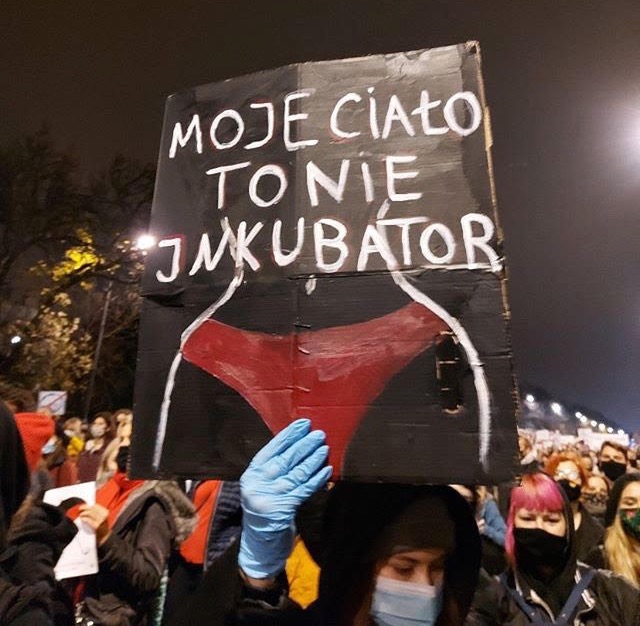
Organising and executing a protest is much easier nowadays. We’ve seen this globally with examples such as #BlackLivesMatter, #FreeBelarus, #EndSARS and the most recent #WomenProtest in Poland. Laura Matjusaityte delved into social media to see what is happening on the streets of Poland.
It all started four years ago. In 2016, a draft law on a stricter ban on abortions in Poland was proposed, after an anti-abortion citizens coalition succeded in collecting some 450,000 signatures for a petition on a ban on abortions.
Even before the petition, Poland was one of the European countries with the strictest abortion laws. Abortions in the country were legaly permitted only in three cases: when there is severe foetal abnormality, when there is threat to mother’s health and in cases of rape and incest.
In early October 2016, women in Poland dressed all in black went out on the streets to protest against the proposed draft law on abortions. It was a peaceful protest, where women declined to work or do any chores on the day and expressed their grief for their reproductive rights by wearing black.
On the 22nd of October, 2020, a Constitutional Tribunal in Poland ruled on a stricter ban on abortions. According to the new law, abortions are no longer permitted in cases with severe foetal abnormality. Abortions in the cases of rape and incest and where mother’s health is at risk remained legal.
This ruling, once again, brought black-clothed women back to the streets, to protest for their rights.
As the protests move into a second week, it seems that women in Poland are far from giving up. Instead they are getting more innovative in expressing their frustration. One example is the use of strong language in their chants and slogans.
One of the Facebook groups dedicated to the protests Ogólnopolski Strajk Kobiet (“National Women’s Strike”) posted on their account:
“Some commentators present the visual setting of protests as vulgar or worse, and banners interpret as going beyond the standards of social debate. We would like to point out that protesters using provocative images and symbols is an example of expression of anger and helplessness against a decision that was taken without respect for human rights…”
Emilia Wanat, a protester and activist from Warsaw, agreed that the language of the protests is getting more vulgar.
“The vast majority of participants agree that we have already been polite. If there is no dialogue, we can only shout and swear,” said Wanat.
The ambush on social media proves that the protesters are getting more irritated. Many videos show demonstrators shouting such slogans as “wypierdalać”, while the new hashtag claims #tojestwojna (#thisiswar), which shows that the protesters are not messing around.
Some protesters have used vandalism to express their anger. Catholic Churches have become the main targets. In these protests the Church and the government, that often go hand in hand, are seen as the main enemies of the demonstrators.
Wanat admitted that there were occasional riots outside churches in many parts of the country, as police and opposing groups are trying to defend the entrance to churches against activists.
“The demonstrations are starting to resemble the Black Lives Matter movement – rather peaceful but with occasional cases of vandalism,”
Wanat said
In another instance a video posted on Youtube showed a crowd of young protesters gathered in front of the church engaging in a heated debate with a priest.
Evidence of vandalism is being displayed in the posts on Twitter as well. One shows graffiti of lightning, a symbol of the movement, on the walls of the church.
Tak było w nocy w Warszawie, kościół. św. Anny. Widzimy się za niedługo na ulicach! pic.twitter.com/t3e3aREwts
Another protester from Warsaw, Jakub Tuchay, said that the protests are mainly peaceful, but that there were instances where police used pepper spray.
“Now in Poland we have a war for women rights and for human rights,” Tuchay said.
However, when the question comes to the human rights protesters appear to be divided.
A controversial question among protesters is whether the LGBTQ community should be included in the strike. Some women participating in protests said that the women’s strike is about women’s rights and there shouldn’t be a mix of interests by including the LGBTQ community.
Others see it differently, with one of the Twitter user posting:
“To all those who don’t like the rainbow on #StrajkKobiet, I would like to say 2 things:
LGBT people attend all protests, whether they are about courts or women’s rights, because they understand solidarity.
2. They won’t go home, they will keep fighting whether you like it or not.”
Wszystkim tym, którym się tęcza na #StrajkKobiet nie podoba, chciałabym powiedzieć 2 rzeczy: 1. Osoby LGBT bywają na wszelkich protestach, czy chodzi o sądy, czy prawa kobiet, bo rozumieją solidarność. 2. One nie pójdą do domu, będą walczyć dalej, czy wam się to podoba czy nie 🏳️🌈
Major discussion regarding LGBTQ inclusion broke out on Instagram when protesters started to oppose the idea of the march for solidarity.
“I am participating in strikes because I am fighting to respect women’s free choice on the issue of abortion. Why connect the LGBT community to it? I understand that they are with women, but why suddenly the strike should be rainbow and not black? A strike for everything and nothing is starting here,” one Instagram user wrote.
“What do the rainbow flags have for an abortion decision? I do not agree, I was fighting for another cause,” other comment said.
“It is not appropriate to combine LGBT with a strike, they are two different things. I’m with women but not LGBT!” a protest supporter wrote on Instagram.
The discussion was filled with thoughts that allowing the LGBTQ community to march side by side with women might do more harm than good:
“Everything will fall apart in a moment. Don’t do it! It’s a women’s strike. I am for equality, I support LGBT people, but they are a minority and for many people in Poland it is controversial, and MASS is needed to initiate changes,” another Instagram comment read.
A recent post on Facebook by an LGBTQ+ community from Wrocław, a city in Poland, showed their solidarity with the women protests saying: “We feel discriminated against in our country, a country that we love so much. Women are also being discriminated against and that is why we stand behind them.”
The post on Facebook brought a backlash among protesters once again with some protesters showing their disagreement.
“It seems to me that the colors will harm the protesting women more than they will help them,” one of the comments said.
Even without a consensus on the LGBTQ community’s inclusion in the strikes, it seems that the protesters are not leaving the streets. Live videos posted on Instagram show Warsaw and other cities of Poland streets full of people shouting slogans and carrying banners. In some places cheerful music is playing and people are dancing.
“It seems like we’re having a carnival on the streets. People are dancing and singing, nobody is going anywhere. The banners are hilarious – but this is the internet and memes generation,” Wanat said.
Radio-cassette player used to listen to music in 2020-set film The Half of It (Photo: YouTube)
We check them up to 150 times a day — but is it good for our well-being? Tech insiders have described the methods used by app developers to effectively “programme” us to never put our phones down. TheCity.ie’s Paul Caffrey explains why he ditched his device after three years — and explores the beginnings of a backlash against them
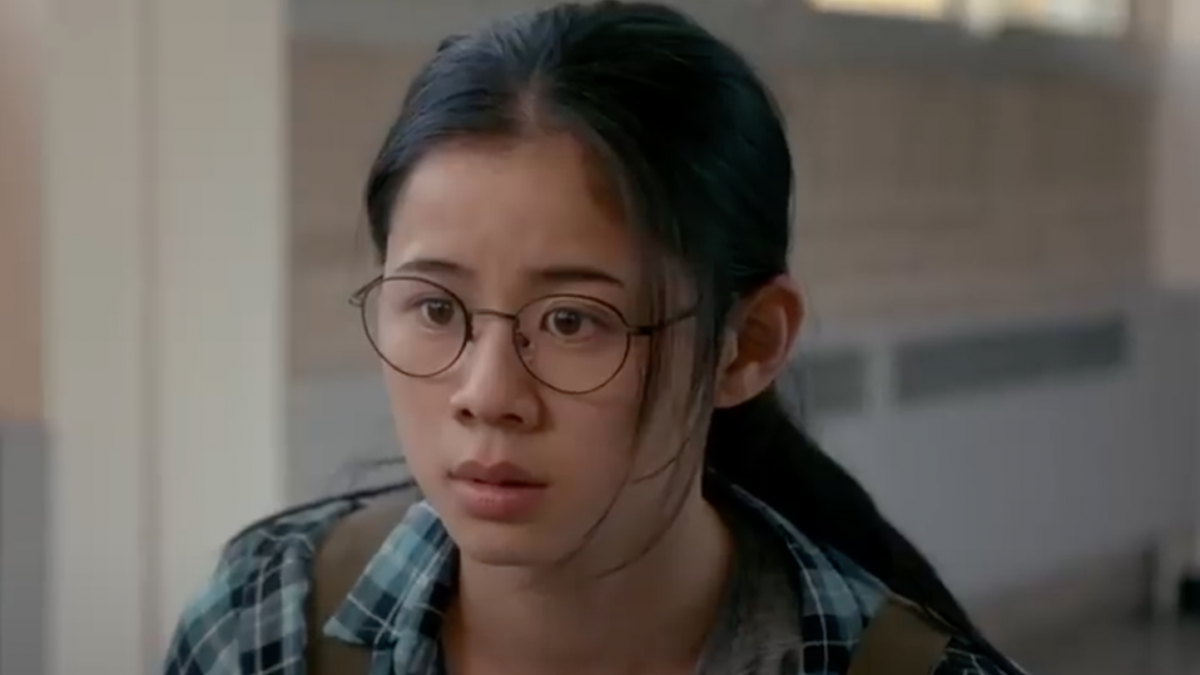
On Friday night, Netflix released The Half of It, a thoughtful film depicting 17-year-olds posting each other handwritten love letters and listening to their favourite music on portable analogue radio-cassette players.
Modelled on the clever premise of Edmond Rostand’s 1897 classic Cyrano de Bergerac, the expert wordsmith here is “shy, straight-A student” Ellie (played by Leah Lewis), who ghostwrites all of “inarticulate jock” Paul’s romantic notes to Aster, the popular girl of his dreams.
GHOSTWRITER: Leah Lewis plays Ellie, a shy student who favours pen and paper over messaging apps, in The Half of It, released by Netflix on Friday 1st May (Photo: YouTube)
Currently, a whopping 91% of Irish people own a smartphone, but I was never so keen on the idea. Until 2016, I resisted owning one and brazened it out with my no-nonsense 2007 Nokia.
It wasn’t easy shrugging off the endless comments about my stubborn refusal to switch over to the latest techology that’s been firmly in fashion since 2012.
Finally, I gave in and purchased an Android, internet-enabled device — the cheapest, least advanced Huawei that I could find. Suddenly, a whole new world of apps and 24/7 internet in the palm of my hand opened up to me.
A Nokia 2007 model (Photo: Paul Caffrey)
At first, it was exciting. I found endless uses for the device, both professionally and socially. But it quickly took control of my life. Like a love/hate relationship, I couldn’t seem to get any peace from this thing until I switched it off at night.
After three years, I ditched it. I’m now back to a basic phone with no internet function and I’m managing fine.
I can Zoom, Facetime or Skype call — and tune in to a range of radio and television stations around the world — using my laptop.
I watch Sky News, CNN, BBC News, Netflix, the Dáil channel and RTÉ on a TV and enjoy listening to our native radio stations on an analogue radio set. I like the intimacy and sense of shared experience of live radio.
I listen to my favourite CDs on a hifi (though also own an iPod), and regularly buy newspapers and current affairs magazines (though also hold online subscriptions to some publications).
In short, in terms of keeping up with the latest goings on, I don’t miss much.
During the extended Covid-19 lockdown period, the internet is certainly a lifeline to many for keeping up with studies, work and friendships.
But I personally don’t feel the need to access that world using these rather bulky handheld computers.
RETRO-STYLE: Some smartphones are being styled as cassettes in a nod to the era that went before (Photo: Pinterest.ie)
I’m not missing Whatsapp at all. Each Whatsapp group I joined began with a sense of shared purpose and camaraderie — and went downhill from there. I’ve found there are other ways to stay in touch with friends and colleagues.
Moreover, as President Michael D Higgins told the Irish Daily Mail in March 2018, social media can be used as “an instrument of abuse, which it so unfortunately has been for so many.”
President Michael D Higgins was interviewed by the Irish Daily Mail in March 2018 (Photo: Paul Caffrey)
By any reckoning, the endless rise of “social” smartphone apps has enabled bullies, crooks, scam artists and worse to thrive like never before using platforms that let them pose as anyone they want to be.
The internet has long been a world of opportunities for those who wish harm on others; smartphones increase their opportunities.
Smartphone app Tinder and its ilk are reportedly popular with so-called “romance scammers” who seek your cash rather than your love using false profiles. So much so that gardaí have issued official advice on how to spot such confidence tricksters.
WATCH: The 2011 film Cyberbully illustrated the psychological effects of relentless online bullying on teenagers in a realistic way (Video: YouTube)
For anyone who hasn’t suffered consistent bullying or depression before, it may be hard to understand my instinctive aversion to being permanently hooked up to the world wide web.
Had smartphones been on trend when I was at secondary school, my life would certainly have been much worse than it already was on a daily basis.
Relentless harassment and threats (of physical harm and even death), along with ritual violence and humiliation — while existing in constant fear of being beaten up — was bad enough.
I won’t understate the huge impact on me when there’s any kind of reoccurrence of that trauma in my present-day life.
As I’ve discovered myself, online bullying and harassment doesn’t just affect schoolchildren. Owning an internet-enabled smartphone for three years in adulthood showed me that even now, I’m not immune to it.
As one good friend remarked to me recently: “I’m glad you’re still here.”
Coco’s Law: Nicole Fox Fenton, 21, had been constantly bullied online (Photo: Facebook)
As it turns out, I’m far from the only adult who feels smartphone-phobic. Something of a movement against the devices has been underway for the past few years, with some tech experts on board.
Former Google employee Tristan Harris says we check our smartphones about 150 times a day and that we’re all being “programmed” by tech giants to never put our device down.
Google headquarters in California where Tristan Harris worked (Photo: Twitter)
App developers use techniques that “work on everybody” to get our attention “at all costs” and keep the world’s three-and-a-half billion smartphone users hooked 24/7, he says.
Harris told America’s PBS NewsHour in 2017 that, after spending just 20 minutes scrolling through his own smartphone:
“I don’t feel very good after that. I feel like my anxiety goes up.”
Tristan Harris describes how ‘your phone is trying to control your life’
The Stanford University graduate set up the Center for Humane Technology in 2018 that urges tech executives to consider the mental health of consumers instead of always looking to their company’s bottom line.
Meanwhile stars like Tom Cruise, Vince Vaughn, Robbie Williams and Elton John refuse to own a mobile phone.
Big Little Lies star Shailene Woodley owns an iPhone (with no data) that she uses like a portable computer when wifi is available, but only communicates using a basic T-Mobile flip phone. The star told Jimmy Kimmel Live last year:
“We don’t notice each other any more.”
Shailene Woodley, 28, blames smartphones for a “bigger lack of camaraderie and community than there’s ever been.” (Photo: YouTube)
Businessman Steve Hilton refuses to own a mobile phone (Photo: Twitter)
And after three years of being connected to the world wide web at every waking moment, I found that I’d had enough, too.
Enough of the incessant social media updates, non-stop email alerts and continuous news flashes at every moment of the day.
My own inability to stop impulsively posting status updates on social media at any given moment was becoming problematic. The more I used the thing, the lower my overall mood became.
Break-out panel: Paul Caffrey
Does the smartphone and its ever-enticing LED screen limit our ability to make conscious choices about how we spend our time? It certainly had that effect on me.
The world changed in the early 2010s when smartphones became universally popular. The days of using our laptops to surf the internet — while separately picking up the phone to make a call — were gone.
In the 2000s, we had more stuff, but perhaps a more restful night’s sleep. Nowadays, our internet-enabled smartphones have replaced items like alarm clocks (Photo: Paul Caffrey)
In short, this cassette-sized appliance was taking over my life. Before long, it controlled me, commanding my non-stop attention to the exclusion of all else. So I quit.
This AsapSCIENCE video that explores how our smartphones alter how our brains function — and suggests we all take a “smartphone vacation” — has had 63,000 likes on YouTube.
Since doing away with my smartphone, I’m unable to obtain apps that range from the handy but laughably unnecessary (turn my heating on before I get home or switch on the kettle remotely from the sofa) to the downright ludicrous (an app which tells me if it’s dark outside).
I’ve been reading more newspapers and books and find that I’m more alert because I’m forced to use my brain more. My sleep is less disturbed and I feel less anxious in general. Social media is still a part of my life but I can put it away when I want to.
And what do you know, I’m somehow in a majority after all. Currently, 55% of the world’s entire population do not own a smartphone, according to number crunchers Statista.
Have you ever posted a selfie on Instagram and felt like you could be the next Kendall Jenner? You may not be too far away according to some of Ireland’s young models.
Social media seems to be changing the modelling industry, not just as a means of scouting models but also for promoting them, with the idea of self-promotion being widely encouraged.
Pádraig Ó Luasa, is a tall, chiselled jawed, wolf blue eyed male model whose hair looks like it was cut off a Ken doll. As he sat across from me grinning, his flawless smile was somewhat distracting. Pádraig started modelling at the age of five doing campaigns for brands such as HB ice cream, and later at the age of fifteen he joined an agency where he began modelling in his teenage years.
Pádraig said that social media has had a major impact on modelling: “It happens a lot that people who are more popular on Instagram will get the job over someone else. For example, a few years ago, a lot of people went for castings to open for Givenchy in Paris fashion week, but they gave it to Cameron Dallas who didn’t have to go to any casting…. There is kind of a pressure to keep up an online appearance especially with certain agencies they’d be like you need to be getting this many followers a week, you need to put this up then and this up now, whereas others don’t put pressure on you like that.
“Some agencies wouldn’t even look at you if you didn’t have a certain number of followers because they are all looking towards the influencers now, which is a problem. It’s even in an agreement sometimes before you book a show that you will put up a certain number of photos from that job on your Instagram.”
Pádraig believes being a male is an advantage over the females in the Irish industry: “There is a lot less competition…I’ve worked with lads that are well into their thirties whereas I haven’t seen a girl over the age of twenty-five, yet. Men don’t really hit their peak until their late twenties and you can see that with the faces of brands and who’s walking in shows.”
So would he like to pursue it full time?: “No I don’t think so, it’s just not a good situation to be in all the time, wondering when you will work or when you will get paid, because each job has three months to pay you. I do love doing it and I’ll keep going as long as I can and see how it goes.” Pádraig has since graduated from UCD with a degree in economics and politics.
“Demanding, hectic, rewarding”, are three words full time model Abby Harris, used to describe her experience. The natural beauty from Ballymore in Co. Kildare is signed to agencies in Dublin, Milan, New York, Barcelona and Hamburg. Abby has done many notable campaigns including being the face of Weir & Sons as well as Peter Mark.
Another model scouted on social media, Abby explained: “When I was 16, the managing director of an agency was mutual friends with someone on Facebook and got my number off them and contacted me asking me to go into the agency, so I went in and got some shots taken and then started working from then on.”
Abby was extremely successful within the industry and decided to leave school to further her career: “I started modelling in Ireland and I was so surprised by how nice everyone was, it’s not at all cut throat here, everyone looks out for each other and a lot of the older girls helped and taught me when I began…it’s a lot more competitive abroad…but to further your career as such you’d need to travel.”
Although she loves traveling with the job, Abby said if you were content with the size of an Irish based career, a full time job is possible for a female model in Ireland. “It’s definitely possible for a girl to be a full-time model in Ireland, there’s actually a lot of work here, there’s not so much work for male’s…I think it’s one of the only industries in the world that females can actually earn more than males.”
In today’s society, people strive for the perfect Instagram feed and photos in a world of influencer takeovers. Nowadays, a good social media presence plays a huge part in many jobs in the entertainment and fashion industry. As we can see here, it can be worthwhile, now everyone, you know what to do, get your pouts out on Instagram!
Filters. They’ve pretty much been around since the dawn of social media. Whether it’s a touch of sepia tone or the much loved dog-ears filter, you’d be hard pressed to find a social media user that hasn’t used a filter at some point. However, while the primitive filters of the past have simply changed the brightness and tone of an image, today’s filters offer users the opportunity to change their face shape, lengthen their legs and even make themselves appear slimmer, no tricky software required.
For many, filters are still a simple bit of fun but for some users, they offer up a dangerous comparison, and can have damaging effects on self-esteem, leading to a warped self-perception.
In 2018, Dr. Tijion Esho, coined the phrase “selfie
dysmorphia” – the phenomenon of people requesting cosmetic procedures to
resemble their filtered social media image. While previously, Dr. Esho and his
counterparts were used to clients presenting pictures of celebrities for
inspiration, a growing number of people are now taking their own selfies to the
cosmetic surgeon and looking to make their own filtered images a reality.
While one
may laugh at the initial absurdity of this idea, Mellissa McKeon (24) said her
decision to get lip and cheek fillers four years ago was largely based on a
desire to look more like her online presence in real life.
“When I
was 20, I went on a date with a guy who I had met online and he basically flat
out told me that I didn’t look like my social media pictures. He played it off
as a joke, but it devastated me and made me completely question the way I
looked and my confidence.
“when an app gives you that opportunity to change the thing about yourself that you hate, well I obviously jumped at the chance”
“I think
from a young age I’ve always had confidence issues and my lips were always
something I was really self-conscious about, I’ve always felt they were flat
and just unattractive. So naturally, when an app gives you that opportunity to
change the thing about yourself that you hate, well I obviously jumped at the
chance, but I took it a step further and tried to create that look in real
life.
“I will
say, looking back at all my pictures from my very early 20s and the fact that
they look nothing like me. It makes me sad to look back because I was so
unhappy.”
With
little or no self-esteem and a severe hatred of her own body, Melissa spent three
months receiving treatment for body-dysmorphia and depression, learning how to
change the obsessively negative way she thought about her appearance.
“It’s
not like you’re ever completely cured,” said Melissa. “But I do treat myself
better now, I’m kinder to myself and I don’t use social media as much which
helps.”
Last
month the social media giant, Instagram, announced a ban on so-called plastic
surgery filters from their platform as they look at reviewing the terms of
their wellbeing policy.
One of
the filters in question, dubbed fix me,
mapped out lines on the users face giving indication of where a plastic surgeon
might nip and tuck to create the perfect face, while another filter plastica gave users inflated lips and
higher cheek bones, showing them what they might look like if they went under
the knife.
“We’re re-evaluating our policies – we want filters to be a positive experience for people”
In a
statement, Instagram said: “We’re re-evaluating our policies – we want
filters to be a positive experience for people.” They added that while they
were re-evaluating their wellbeing policies they would be removing all effects
from the gallery associated with plastic surgery and stopping any further
approval of similar new effects as well as removing current effects that are
reported to them.
The fix me and plastica filters. Credit: DANIEL MOONEY/INSTAGRAM
Spark AR, the augmented reality platform that
creates the filters, also released a statement on their Facebook which said: “We
want Spark AR effects to be a positive experience and are re-evaluating our
existing policies as they relate to well-being. While this happens we’re removing
all effects associated with plastic surgery from the Instagram Effect Gallery.”
These
changes follow on from a recent ban by Instagram on
posts that make
“miraculous” claims about weight loss and are linked to a commercial promotion.
As
well as this, Instagram also said that it would begin hiding promotions for
cosmetic surgery and other diet products from under 18s. The new policies will
also be applied to Facebook, which owns Instagram.
Barry
Murphy is communications officer for the eating disorder association of
Ireland, Bodywhys. He spoke to thecity.ie about the role that social media can
play when it comes to mental health.
He
said: “I suppose one of the challenges around social media is that it can
heighten that sense of comparison maybe that we didn’t have many years ago,
where we took all of our social queues in an offline context or in a peer
context and obviously social media has kind of shifted a lot of that over.
“It’s
become 24 hours a day, seven days a week potentially, but is there a simple
answer to what effect this is having? I don’t think any one study or piece of
research could really give you a succinct answer on that.”
“There’s a lot of information coming out now that social media is not particularly detrimental to youth mental health”
Barry
continues: “I think when we’re talking about young people and technology we
always have to ensure that that conversation is constructive and nuanced. We
also have to remember that social media has not replaced traditional risk factors
such as bullying or trauma. Social media has not superseded traditional risk
factors in any way, they are very much still core.
“There’s a lot of information coming out now that social media is not particularly detrimental to youth mental health,” said Barry. “It’s a little bit of a mixed picture.”
FUSE is a brand-new anti-bullying and online safety
programme, developed by the anti-bullying research and resource centre in
Dublin City University, with the support of social media giant, Facebook.
FUSE was first launched in Dublin, September
of this year.
TheCity.ie spoke to Darran Heaney, project
manager of FUSE, to find out where the implementation of the programme is
currently at. He said: “In February 2019, we ran a pilot to test the curriculum
with 20 schools. We have now offered out the FUSE programme to schools across
the country. This took place in September.”
The programme is aimed at second year
students in junior cycle, their parents and school staff in post-primary
schools across Ireland.
It is also a research project, with surveys
having begun with participating students, teachers and parents. The next stage
of the programme is the delivery of six workshops to students by their teachers.
“FUSE aims to empower students to be able to tackle bullying themselves”
The workshops will involve students
creating a project or intervention to tackle bullying and raise awareness of
online safety in their school.
Heaney added: “FUSE aims to empower
students to be able to tackle bullying themselves, knowing that they have their
teachers and parents in the background as support.
“With online bullying now a norm, it means
that children can be targeted whenever and wherever they are. Schools and
parents no longer have control over what is happening, and the FUSE programme
attempts to tackle these problems.”
A recent study carried out by ABC, the
national anti-bullying research and resource centre, reported that 26% of primary school children in the country said
they had been bullied offline, while 13% said they had been bullied online. In
secondary schools, the figures were lower but still significant, with 12%
saying they had been bullied offline and 10% online.
“Schools and parents no longer have control over what is happening, and the FUSE programme attempts to tackle these problems”
The initiative will be carried out over a
year-long period, which Heaney explained aims to stop bullying in schools. He
said: “[FUSE] is delivered by teachers who are anti-bullying coordinators in
each school and over the course of the year, students are empowered to tackle
bullying and raise awareness of online safety in their schools.”
ABC has provided a curriculum to support
teachers and students in achieving the project goals, which include reducing
levels of bullying; increased reporting of bullying incidents; raise awareness
of online safety, and increase inclusiveness within schools.
FUSE currently has a timeline of events set out on its website which will run until April 2020. Second year students involved in the FUSE programme are encouraged to make projects around tackling online bullying which will be showcased on Safer Internet Day in February 2020. These projects will then be presented to the National Anti-Bullying Centre in April 2020, with the best winning praise from the centre in recognition of students’ efforts to stop online bullying.










You must be logged in to post a comment.