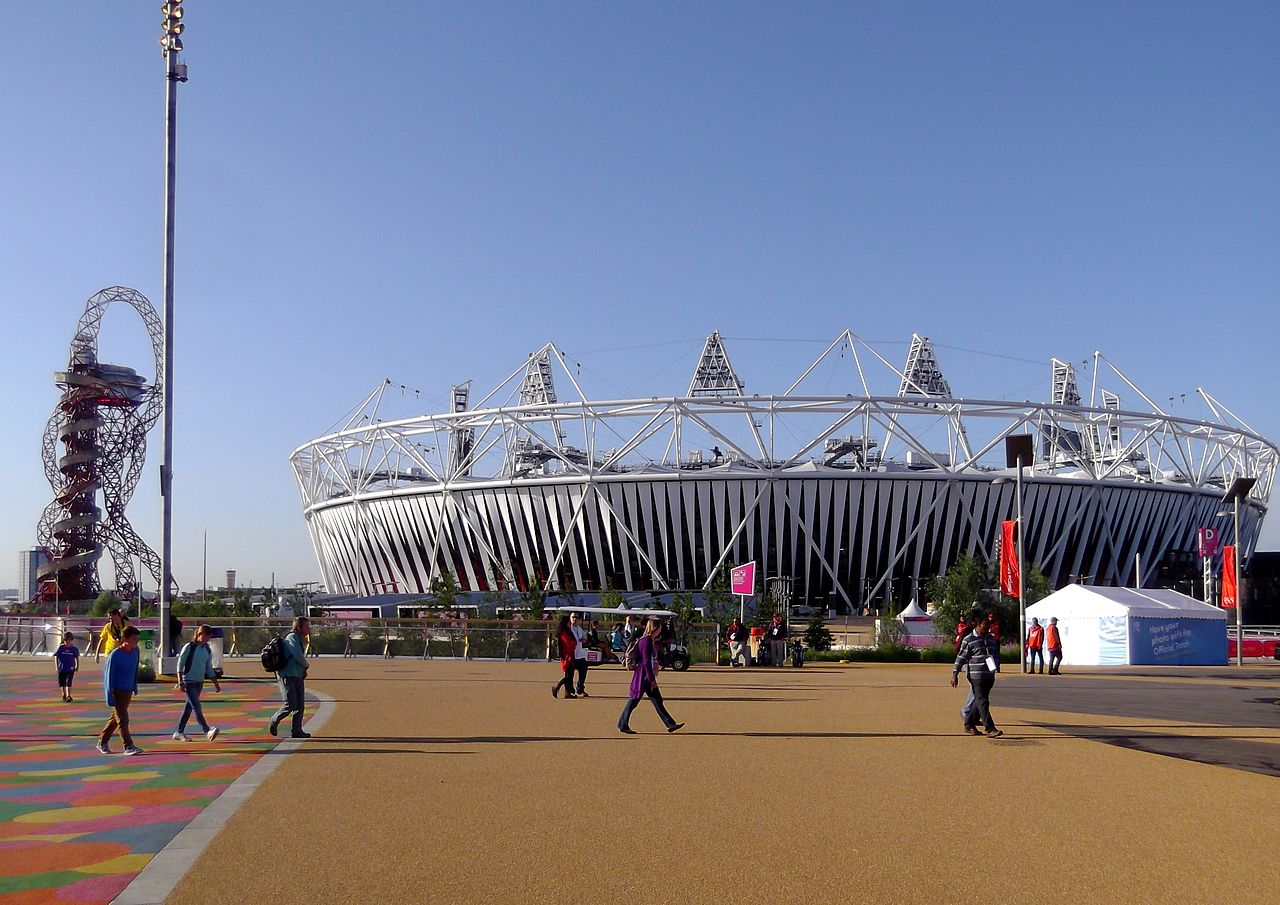
In advance of the awarding of the 2024 Olympic Games, Cormac Murphy profiles the two contenders and looks at some of the controversies of previous Games
Tag: sports
-
Fair play and fair thinking
Eimear Dodd explores the unlikely partnership between sport and philosophy
-
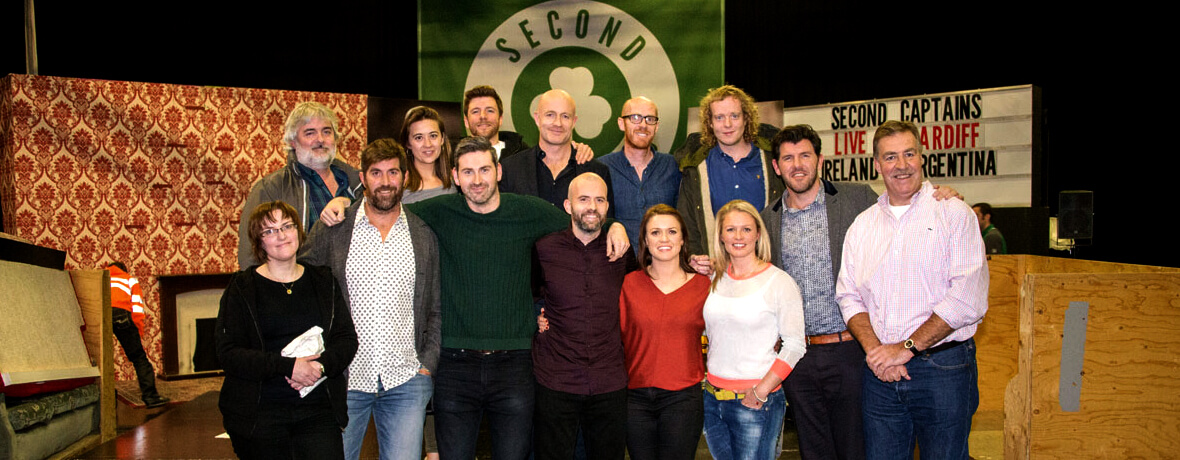
Second Captains are leading the Irish podcast charge
James Carroll reviews Second Captains World Service and speaks to the show’s Ken Early about podcasts, politics, and plans for the future.
-
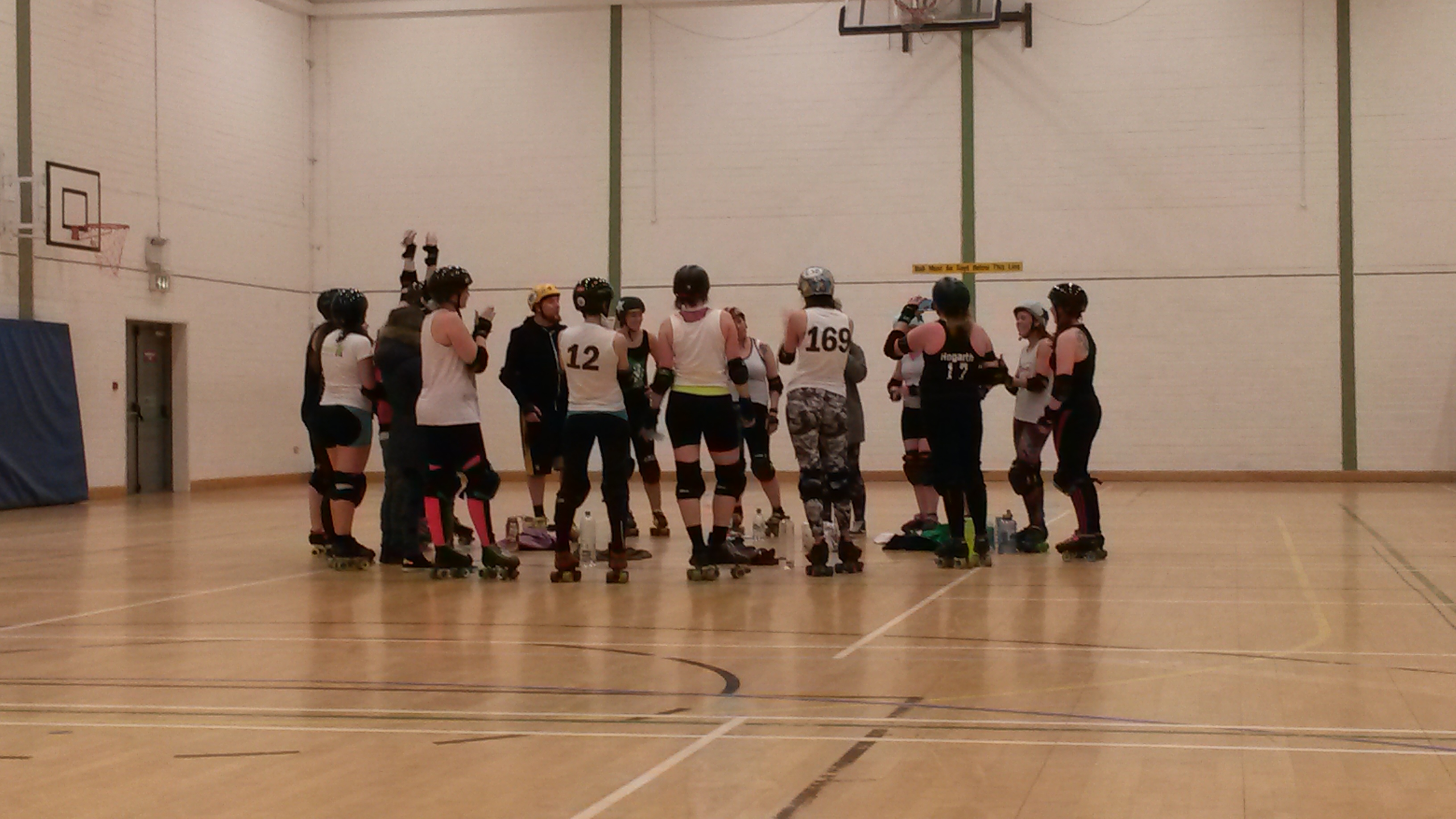
Dublin Roller Derby: blood, sweat and flip-flops
Need for speed? Baying for blood? It’s not violent, but it’s not far off. Zuzia Whelan speaks to Sonia Fernandez of the Dublin Roller Derby A-team for a run down on the rules, the names and the jams.
-
A look into Dublin’s BMX scene
Mark Twomey is part of TheBMXDays, a group of friends from Dublin who took up BMXing in the last five years and have since gathered a following on YouTube and Facebook.
Here, Twomey discusses how he got into the sport, what the community in Dublin and Ireland is like now, how the opening of new skate parks is contributing to its growth and the financial costs of the hobby.
For more from Matthew you can visit his Twitter @_Gogery.
By Aidan Kelly and Matthew Colfer
Photo courtesy of TheBMXDays
-
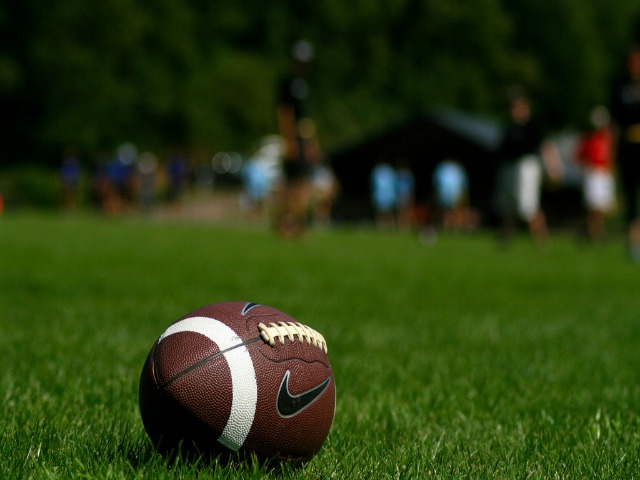
The rise of American Football in Dublin
American Football has been growing in popularity in Ireland for the last few years, with around thirty teams taking part in competition around the country.
The main competition, the Irish American Football League (IAFL) sees the top teams during the year competing against each other to land a spot in March’s culmination – the Shamrock Bowl.
We caught up with one of the teams in the IAFL at the moment, University College Dublin (UCD), as they outline why the sport has grown so much and whether it will continue to do so.
Photo: Eierschneider/ Flickr
-
The City’s Premiership Preview
https://soundcloud.com/dlmaj/podcast-march
Donal and James give their predictions ahead of the midweek Premier League action on Tuesday and Wednesday.
Our accumulator for this week is:
Aston Villa, Hull City, Manchester United, Spurs and a draw between Everton & Stoke. 68/1
-
Champions League Preview

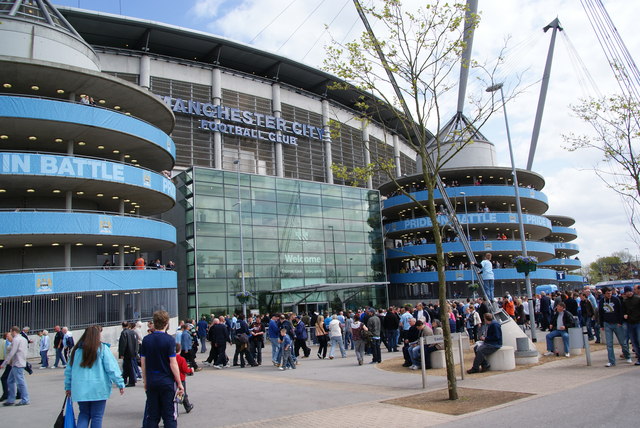
City of Manchester Stadium. Photo by Bill Boaden- Wikipedia The race for Europe’s top prize heats up this week as the Champions League round of 16 ties continues. The City.ie looks ahead at what to expect from this week’s fixtures.
Tuesday
Manchester City v Barcelona
This is undoubtedly the biggest match up in the round. City will be seeking revenge after losing out 4-1 on aggregate to Barcelona at the same stage last year. Despite boasting a front three of Messi, Neymar and Suarez, Barcelona aren’t as heavily favoured coming into the tie this year. A lot will depend on the performance of Messi’s compatriot Sergio Aguero: on his day Aguero has the ability to be the catalyst for a City victory over any opponent but he has been hampered by injury this season. City are also missing their key man in midfield Yaya Toure which will be a huge loss. Despite this however, City should have enough for Barcelona on the night. The return in the Nou Camp will be a different story however and the Catalans should sneak through over the two legs, but just.
Juventus v Borrusia Dortmund
Dortmund’s unexpected struggles in the Bundesliga this season have been well documented. Jurgen Klopp’s side, who reached the Champions League final in 2013, have been languishing in the relegation places for much of this season. However, their form in Europe has been good, and three wins in the league have pushed them up to 12th place recently so they will come to Turin with confidence. This form probably won’t be enough against Juventus though. They sit at the top of Serie A, nine points clear of Roma, and have only lost two of their last 28 Champions League games on home soil (W17 D9), both against Bayern Munich. With the likes of Carlos Tevez, Andrea Pirlo and Paul Pogba and top form, the Italian champions should win tonight and ease their way through over the two legs.
Wednesday
Arsenal v Monaco
The Gunners have been on their best run of form this season and will be buoyed by leapfrogging Manchester United into third place over the weekend. Realistically Monaco were the best team they could have hoped to draw in this round and Arsenal should have too much for the principality both in this game and the return. Dimitar Berbatov will need to be well marshalled by the Arsenal defence, but aside from the Bulgarian, Monaco won’t pose much threat.
Bayern Leverkusen v Atletico Madrid
The Spanish champions reached the Champions League final last year, and while such a run might be beyond them this term they should progress against Leverkusen. The only fear is complacency. However Atletico have consistently overcome the ‘underdogs’ tag against domestic rivals Barcelona and Real Madrid so complacency is unlikely. Leverkusen will hope for an upset but this too is highly unlikely: they have never won a last 16 tie in the Champions League.
By James Cox
-
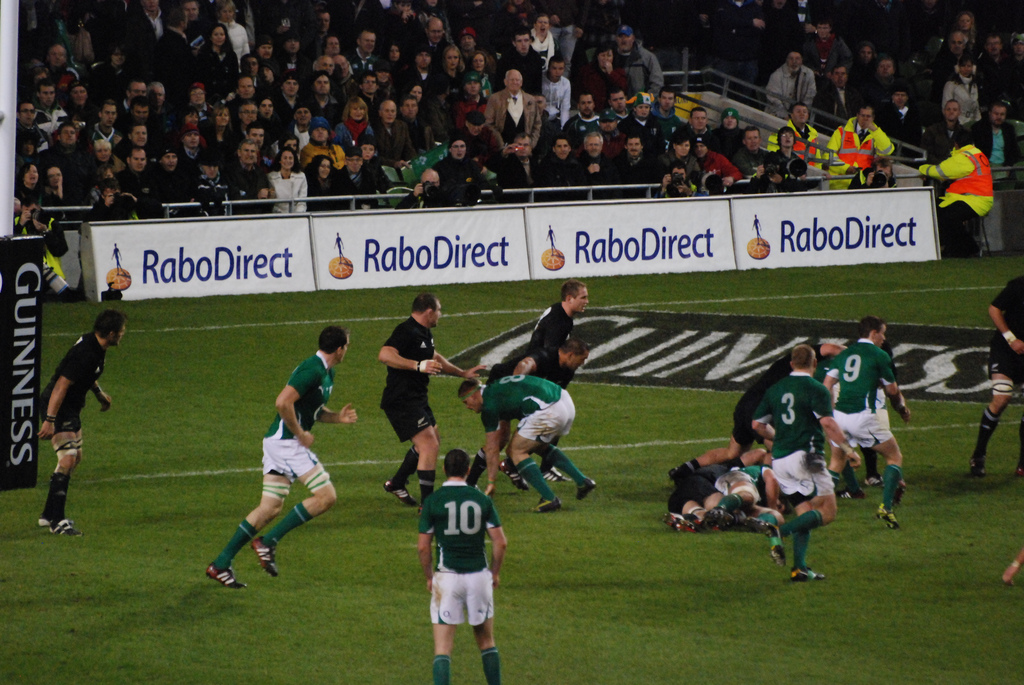
Kimmage chasing exposé on drugs in rugby
In February next year, it’ll be 25 years since Paul Kimmage took his first job in journalism. In that time, he’s written about several drug scandals and is now in the middle of investigating one in rugby. In this interview, he talks about that story and the reaction it’s been met with so far…
On first viewing Paul Kimmage and Laurent Benezech would not seem to have much in common. One is a former professional cyclist who retired into sports journalism and the other a former French rugby player turned businessman . Yet when Kimmage met Benezech, the parallels between the two were apparent.
“It was like looking at a mirror image of myself back in 1990,” explains Paul. “Eerie, except… well I never faced the threat of potentially; I think it was 270 grand he was looking at if he lost that case.”
The case Kimmage refers to is the defamation suit that the French rugby player’s union, Provale, took against Benezech for comments he made in an interview with Le Monde about doping in rugby. That case finished in September with the decision going Benezech’s way.
At the end of October, Benezech’s book, Rugby, Ou Sont tes Valeurs , was published. Paul wrote about the Frenchman in the Sunday Independent and described his book as a “brilliant expose on doping”.
In his book, Benezech charts the weights of french rugby players from year to year. Some players gained a phenomenal 20 kilos of muscle over the course of just one season; a feat he says that the human body simply cannot accomplish naturally.
So, should we be worried about drugs in rugby the same way people should have been worried about it in cycling?
“Absolutely. Oh, absolutely,” replies Paul. “It’s too dangerous. Some of the injuries are horrific. The big talking point now is concussion. And why is that? Because a guy weighing 150 kilos is running at you and he’s going to hit you hard. He’s going to hit you real hard.”
Benezech and Paul have one disagreement over drugs in rugby. Where Paul says doping, Benezech would say medical assistance.
“I said, ‘for me that’s doping’,” explains Paul. “(Benezech) said yes you can argue that but once you make the case that they’re doping, they’ve got the perfect response. ‘Okay, if we’re doping, where are the positive tests?’
“And there are no tests because the IRB, the governing body aren’t interested in this, the same way cycling wasn’t interested and that’s why (Benezech) makes a very interesting parallel between rugby being now in the position that cycling was before the ‘Festina Affair’.”
In the hour that I spent with Paul, the Benezech story kept cropping up throughout. The implications of it are huge for rugby but it’s the immediate reaction to Paul’s piece in the Sunday Independent that he feels shows the true mentality surrounding the sport.
As of the following Tuesday evening, he had yet to be contacted by anyone in the world of rugby about his piece or Benezech’s book. He mentions an argument he had with a friend the night before we met and how it left him wondering about his own attitude to drugs in sport.
“I went to bed last night and I thought, ‘what is wrong with me? Why can’t I just ignore this and move on?’” he says. “But I can’t. It just… it winds me up. It’s the parallels between when I wrote about cycling in the 80s to the response to that then and the response to that now. I mean it’s absolutely the same. ‘Ah yeah, it’s not Kelly and Roche, it’s these foreigners that are doing it, not our lads.’ Same thing.”
But it must leave him disillusioned when people would rather ignore the problem?
“I got disillusioned with it last night,” says Paul and for a brief moment he almost despairs. “But it’s a fleeting disillusionment because I find myself getting up the next day saying, ‘Right. Where are we going? We’ll go for it again.’ I just won’t back down.”
“So it’s almost like I’m constantly going around,” he explains as he leans to ground to pull something out of the air. “It’s like I’m going around constantly getting fella’s heads and pulling them out of the fucking ground and saying, ‘Look right now. Look! This is what is in front of you. Look at it now. And then putting my hand back down again, putting their heads back in the sand.
“I don’t give a fuck what you make of what you see but I want you to fucking see it and acknowledge that it’s there. After that I don’t care.”
And what about other sports journalists? Who has picked up on the Benezech story since Paul’s article was published?
“There’s a lot of guys that I would have said were very good, young journalist coming through the ranks now at the moment here. And they’re in radio shows and they’ve got TV shows and you would have thought, ‘well these guys will be on it straight away’.
“Have I had one call from any of these people [regarding Benezech’s book]? Not one. Have I had one call from any of the rugby correspndents? Not one.
“We want to be fucking cheerleaders. That’s the default position of the sports writer. He wants to be a cheerleader. And there are very, very few who won’t do that. And that’s kind of depressing isn’t it?”
So what’s the point? Sportsmen have their heads in the sand and sports writers are cheering them on. Why continue with the story?
“You see as much as I’ve highlighted the silence that’s appeared, that’s actually the bit that’s interested me,” he says. “That’s actually the bit that’s driving me to work at it again.
“That silence tells me, ‘he’s right, this is the truth we’re getting here folks’ and the silence for me is the adrenaline to go again.”
What does he think is going on in the minds of the top officials in rugby here in Ireland who have seen his feature on Benezech?
“I think that anybody involved in the sport at that level would have opened that paper, read that piece, closed it and said, ‘Oh fuck’.
“This is coming. Definitely.”
-
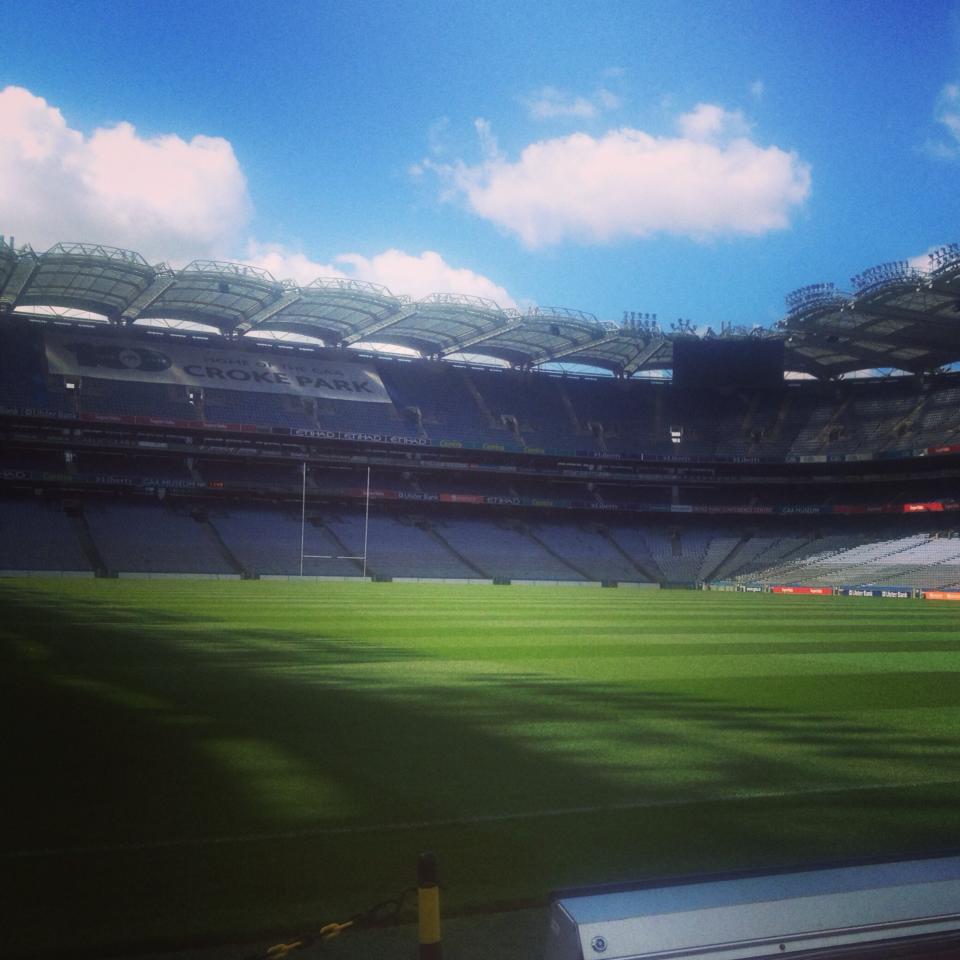
Croker an insider’s view

Croke Park on matchday. Photo: Alison O’Hanlon There’s an uncapturable magic that surrounds Croke Park on All-Ireland day.
As part of my job in the press office at the stadium I get unrivalled access on All-Ireland day.
It all starts from the minute you wake up and pull on your county colours. It all comes to either a triumphant or turbulent end once the referee blows the final whistle after 70 minutes of play; an indescribable feeling comes over you.
It’s a sense of pride and Irishness that – if it could be bottled – would be worth millions. It’s the banter on Jones’ Road, the pint in Quinn’s Pub and the pre-match discussion with your match day companion; it’s all these things, but so much more.
Days like the All-Ireland Final don’t just happen by themselves. It takes a team of 2,200 people to put in weeks of hard work in order for the day to run as smoothly as possible.
Like all good Irish traditions, All-Ireland day for the GAA staff starts with mass at 9am in the GAA museum. The mood for the day is set as either Liam or Sam (the two coveted GAA trophies) join the priest on the alter for the celebration of the Eucharist. As the mass ends and the match day staff “go in peace”, another great Irish tradition is next to be observed: ‘the Full Irish’.

Mass being celebrated in Croke Park. Bellies full from the big breakfast, attention soon turns to the organisation of the 2,000+ staff that help run the event in different capacities. Last minute team meetings take place to make sure everyone is fully aware of their role. From cooks, stewards and media officers to programme sellers, ticket scanners and An Garda Síochána, everyone is expected to put in an error-free performance.
Midday hits. Stiles open. It’s lights, camera, action for the workers. Behind the scenes, Croke Park is being watched from every angle through security and TV cameras in the Garda and Event control rooms located above Hill 16.

View from the control room in Croke Park. Photo: Ray McManus/SPORTSFILE As team buses pull in, you can see the focus which surrounds the players. They are zoned in, mentally prepared and are trying to escape into their own little world through their headphones.
With dressing rooms lined out and pre-match rituals beginning, you can stand in the Hogan tunnel and experience the roar of the 82,000 strong crowd. You start to feel the beat of your heart in your ears as nerves and excitement take over.

The Kerry Football Team arrives in Croke Park.
Photo: Brendan Moran / SPORTSFILEThe Sam Maguire and Liam McCarthy cups are brought to the pitch from their holding place in the GAA museum by two pre-selected school children from the participating counties. Gerry Grogan, who is the match day announcer and principal of Donaghmede National School, then takes the cup up to its resting place in front of the President, Michael D. Higgins and GAA President Liam O’Neill.

The Liam McCarthy Cup. Photo: Brendan Moran / SPORTSFILE The competing teams then take it in turns to run out onto the pitch, with the subs and team management lining the tunnel to hype the players up as they take the famous steps out onto Croke Park.

The Cork hurling team take to the field. In what feels like a blink of an eye, the 70 minutes of playing time are over and Kerry or Kilkenny or whoever is lucky enough to have been named All-Ireland Champions ascend the steps of the Hogan Stand to collect their silverware.
At that moment, everyone who has participated in the day’s events feels a sense of pride. You are no longer just a steward, a cook, a member of An Garda Síochána or a ticket-seller; you are a witness to a historical moment in time and you are there to take it all in with the victors.

Henry Shefflin celebrates his 10th All-Ireland medal win in September 2014. Photo: Alison O’Hanlon Following the afternoon’s drama, cameras are switched off and another hectic season comes to a close. The staff of the GAA all tumble out of Croke Park in dribs and drabs, woven into the travelling supporters, back to their everyday lives. The players head to a special reception, where each player is allowed to select one person to join them and the team in a lounge beside the dressing rooms.
This is what is so special about our national game and the GAA. On game day you could play the role of a manager, a player, an official, a spectator or a steward. On the next day, you go back to being a farmer, a teacher, a student or a parent.

A volunteer steward keeps an eye on the final.
Picture credit: Ray McManus/SPORTSFILEIt is the sense of pride in the jersey, the commitment of playing unpaid and the fact that all of this is done year after year on a voluntary basis that makes this day so special. That is what makes the GAA.

The promised land of Croke Park. Photo: Alison O’Hanlon


You must be logged in to post a comment.