Author: The City’s Newshound

  • Demographic Divide Deepens Between Rural and Urban GAA Clubs 

    Demographic Divide Deepens Between Rural and Urban GAA Clubs 

    By Niamh Dobbs

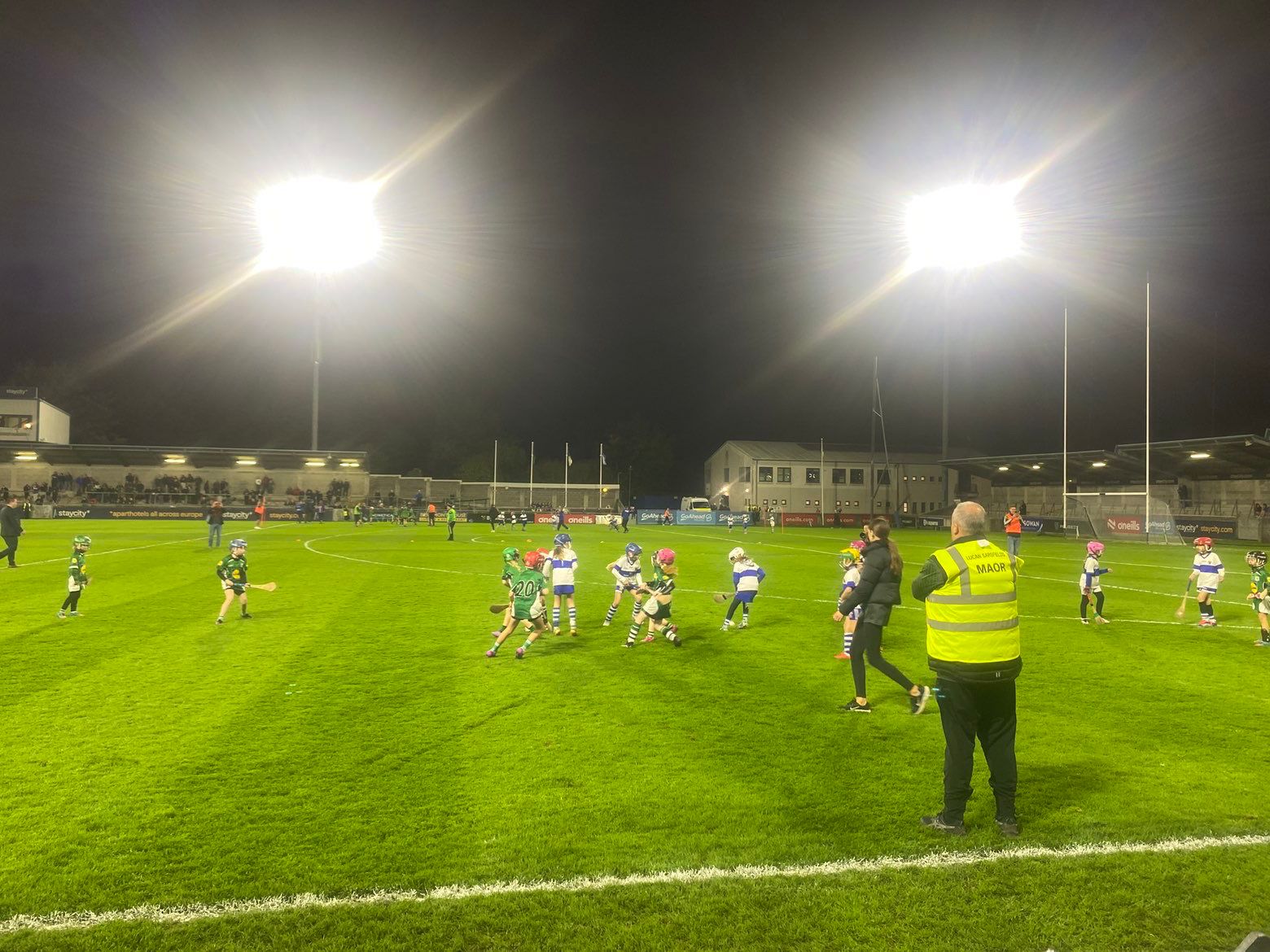
    The GAA has been an integral part of urban and rural communities across the 32 counties. It is a huge part of Ireland’s culture, with over 1,610 clubs across the entire 32 counties on the island. However, there have been noticeable changes regarding its demographic. 

    According to an article published by the GAA, almost half of the population of Ireland lives on a thin strip along the east coast of Ireland. However, only 18.6% of GAA clubs exist in this region. 

    The article states that “Rural GAA clubs are struggling to field teams because they just don’t have the numbers, while urban GAA clubs have major issues catering for the surging populations in their catchment areas.” 

    To get a clear understanding of how GAA clubs around the country are adapting to this, TheCity.ie spoke to two clubs, one rural and one urban. 

    Seán Roche is a committee member and mentor of three teams with Wexford club Duffry Rovers.“Based on the last 4 years’ membership, player numbers are down overall but 2025 is the first year they have decreased since 2022 so difficult to say if this is a trend or a blip,” said Roche. 

    “If I look at the underage membership which is the key indicator of future club membership, I can see that overall underage membership in 2022 was 349 whereas in 2025 it has dropped by 8% to 321. This is a significant drop in 3 years which if it continues will be a challenge for the club going forward.” 

    Roche says there are a number of reasons for the fall off in membership, particularly amongst teenage girls. “Not getting game time at a younger age resulting in feeling left out. Starting college, especially if moving away from home. Excelling at other sports versus GAA – Rugby, Athletics, Soccer,” he said.    

    In comparison, Dublin’s Cabinteely GAA women’s teams are booming. “I would say that there’s an awful lot more girls participating, which as a dad of a daughter I’m delighted with,” said Barry Rojack, Chairman of Cabinteely GAA.  

    Roche goes on to highlight the importance of the GAA, especially for children and rural communities. 

    “The GAA field can be a central point for all – for kids to gain a new group of friends, a sense of belonging, a sense of what it means to represent your family, your parish, your area. What it means to be part of a team and to stand up for one another and for others to stand up for you.” 

    While rural clubs are struggling with their numbers, urban teams have different challenges to face. 

    Cabinteely GAA, located in Dublin’s south-side, now has 350 members. 

    Although they are a smaller club despite being in an urban area, they pride themselves on being an “outlier” in comparison to the rest of Dublin’s GAA clubs. 

    With Cabinteely’s location, they strive to prioritise inclusion and diversity rather than fighting to fill teams.  

    “There’s a very strange demographic,” said Rojack. “So you have incredibly wealthy people on sort of the Carrickmines and Foxrock side, and then you have people who are barely getting by now, obviously, within both areas you’ve got people who are, you know, standard sort of middle class families, and they’re ticking over and whatever. But the reality is, we have very disadvantaged people in our area, as well as very wealthy, which is a strange mix. So culturally, our number one priority has never been about winning. So, winning is not part of our focus. Our focus is on continuous improvement, individually and collectively.”  

    While there are clear differences between the two clubs, both are keen to stress the importance of GAA participation, particularly for younger generations. 
  • ‘Bright, Not Broken’: Irish Expert Pushes Back Against Autism Misinformation 

    ‘Bright, Not Broken’: Irish Expert Pushes Back Against Autism Misinformation 

    Irish neurodiversity and healthcare professionals are rejecting claims by U.S. president Donald Trump, who suggested that paracetamol use during pregnancy may increase the risk of autism in children. 

    There is no credible scientific evidence to support the statement, which has drawn criticism from international experts, including paediatric occupational therapist Adam Griffin. 

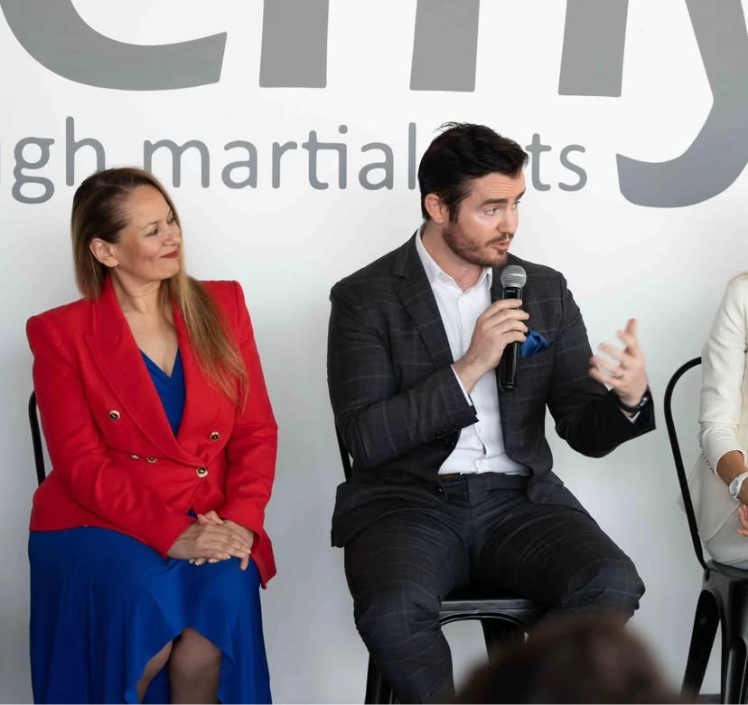
    Griffin, who has over 14 years’ experience in child and adolescent mental health and works across the Middle East, described the remarks as “deeply harmful.” 

    “This kind of misinformation shapes how people think, talk and respond to neurodivergent individuals,” Griffin emphasised. “Instead of recognising autism as a difference in how someone experiences and interacts with the world, it reinforces outdated ideas of deficit or disorder.” 

    The Health Products Regulatory Authority said paracetamol is “an important treatment option for the management of fever and pain in pregnancy,” and that “available evidence does not link its use to causing autism in children.” 

    The European Medicines Agency said evidence of any connection remains “inconsistent” and cautioned against drawing conclusions. In Ireland, the HSÉ continues to advise that paracetamol is safe during pregnancy when used as directed and for the shortest necessary time. 

    Griffin stated comments like Trump’s can have emotional and social consequences for families already navigating complex challenges. 

    “Families often feel a real sense of confusion, frustration, and hurt when public figures make sweeping or inaccurate comments about autism,” he said. “These statements tend to attract a lot of media attention, but they rarely include the nuance or context that real families live with every day.” 

    “For young people, it can increase feelings of shame or being misunderstood, and parents often worry about how others might now see or treat their child.” 

    Griffin highlighted that such misinformation adds pressure to families already under strain. 

    “It’s a reminder that words carry real weight, and that respectful, informed discussion is vital for the wellbeing and inclusion of neurodivergent individuals and their families,” he said. One of the most persistent myths, according to Griffin, is the idea that autistic people are somehow broken or difficult. 

    “A common misconception is that autism is something ‘other,’ that an autistic child is unrelatable, broken, or so different they are ‘not like other children.’ This sense of isolation is deeply felt by many neurodivergent individuals,” he said. 

    “In the words of Temple Grandin, autistic people are ‘bright, not broken.’ An analogy I often use is that autism is like a different operating system in an electronic device. It’s not broken, it’s Apple, not Android. It uses a different software to function, and the better we understand that system, the better we can support it.” 

    He warned that high-profile comments without scientific backing can be particularly harmful. 

    “What’s often more dangerous is when such statements contain elements of truth or connect tangentially to new treatment ideas but lack the proper context or evidence,” he said. “They can appear science-based without the rigour to back them up. These ‘half-truths’ can be even more harmful than outright falsehoods.” 

    Griffin urged families not to panic and to seek evidence-based guidance. 

    “My advice is to ground decisions in reliable, evidence-based information and to seek guidance from trusted professionals,” he said. “Families should remember that autism is a lived experience, not a single story, and there is no ‘one-size-fits-all’ approach.” 

    He also called on professionals and media to play their part in pushing back against false narratives. 

    “We need more voices from the autistic community, more context, and more clarity. For professionals, families, and the media alike, the focus should be on fostering informed dialogue that respects lived experience and prioritises evidence over sensationalism.” 

  • Photo Gallery: Hundreds run in Simon Community fundraiser to combat homelessness

    Photo Gallery: Hundreds run in Simon Community fundraiser to combat homelessness

    By Sean Kavanagh

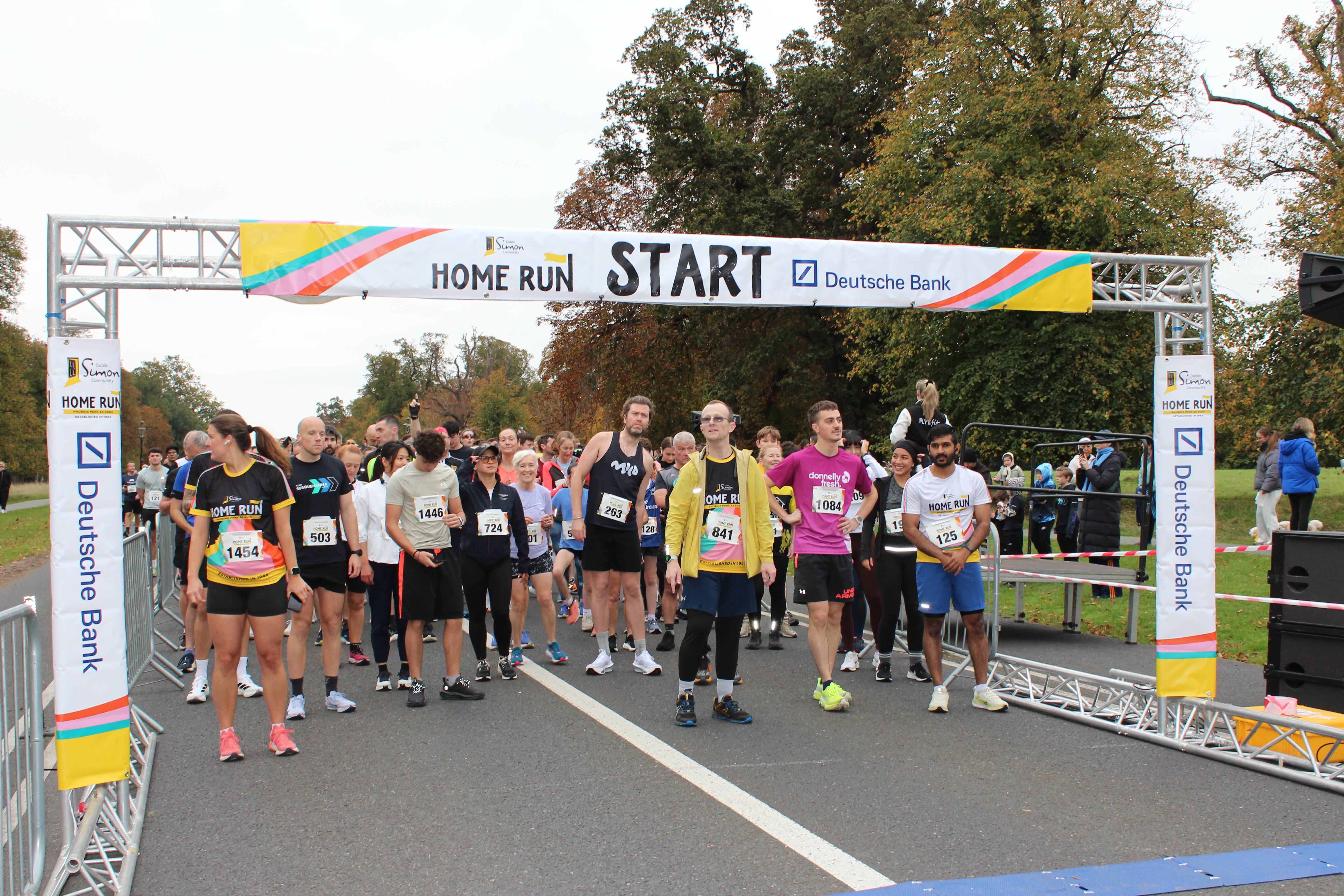
    The Simon Community ‘Home Run’ is an annual fundraiser that began in 1983 and it aims to raise money to support Dublin Simon Community’s work across emergency response and long-term housing solutions.

    According to the Department of Housing, there are 16,353 homeless people living in Ireland as of August 2025 and homelessness figures increased for eight consecutive months from February to August 2025.

    The event was initially scheduled for Saturday Oct. 4 but had to be rescheduled to Saturday Oct. 11 due to safety concerns surrounding Storm Amy.

    1,200 people registered for the event, each contributing a €30 registration fee.
    Simon Cannon experienced homelessness for 14 years while living in England. After returning to Ireland, Cannon managed to get housing and now volunteers for the Simon Community, dressing up as a different Marvel character at every ‘Home Run’ event.
    Although 1,200 people registered for the event, the rescheduling meant that many registrants were unable to attend and a total of 593 were recorded crossing the finish line.
    Eloi Alacio (left) from Barcelona was the first to cross the finish line, recording a time of 17 minutes and 40 seconds.
    Aisling (left) and Polly Gannon (right) brought their black labrador, Saoirse, and their cocker spaniel, Ben, to enter into the ‘Best Pet’ competition which was run by Petmania Ireland.
    Anna Valent (5) getting her face painted by Erinna of Sweetcheeks Facepainting, who provided free face painting for children at the event.
    There was also live music by Uband Dublin, a 6-piece cover band that performs at charity events for a variety of different causes.
    Over 70 volunteers such as Conor Slater (left) and Aadithya Vijayan (right) were involved in making the event possible.

  • Precinct: From school project to rising rock act

    Precinct: From school project to rising rock act

    By Sean Kavanagh

    Many rock bands take much consideration when coming up with the name of their group. Eddie Vedder and Jeff Ament reportedly spent over three months arguing about what they would name their grunge-rock startup before settling on the name Pearl Jam. 

    Precinct, however, took a slightly different approach.  

    “We had two names. One, I can’t even remember, it was that forgettable. The other one was Precinct, and we asked a waitress at the bar ‘which do you prefer?’,” guitarist Barry Fenton said. 

    “I can’t even remember the first one, I only remember precinct,” the waitress replied. 

    And so, they went with Precinct.  

    The group was formed in 2017 during a Junior Certificate music project by Fenton, fellow guitarist Oliver Grennan and drummer Simon McVeigh, before they were later joined by bassist Zap Dickinson. 

    They discovered their current lead singer, Andrew O’Donovan, at a ‘battle of the bands’ style event in University College Dublin shortly after Dickinson joined the band in 2022. 

    “We did our set with a different singer at the time, and then Andrew came on after on his own with just a guitar and f—ing blasted the place away,” Fenton said.  

    Soon after, Precinct parted ways with their original lead singer due to problems with punctuality and differing musical styles, though the group insists that the breakup was “nothing dramatic”. 

    The first choice for their new frontman was O’Donovan, whom they contacted through a mutual friend and asked to come and do an audition. 

    According to Fenton, there was an instant connection between the band and their new lead singer, and the moment Andrew left, the rest of the members knew that they had “hit the jackpot”. 

    “It’s almost like a relationship; you just hit it off.” Fenton said.  

    The first song the band wrote together was “We’ll Be Fine”, though the band decided not to release the track.  

    “If we’re going to record a song we all have to be fairly enthusiastic about that song. If there’s much questioning about it, we probably wouldn’t do it,” Fenton said.  

    But it didn’t take long for the fivesome to put together their first single-worthy track, “Marlay Park”.  

    The song originated from a chord progression written by Grennan just moments before a rehearsal began and turning it into a full composition took a collaborative effort from each member of the group.  

    “There wasn’t much buzz around [the song] at first, but I think once we got the full band on it and we got some lyrics, and Barry wrote a really nice riff, like you hear in the song. I think in that moment it all just clicked,” Grennan said.   

    This spontaneous collaboration is indicative of the groups writing style and Fenton says that there is no methodology behind their making of music. If it doesn’t come naturally, he says, then the entire process becomes an “uphill battle”.  

    Precinct then moved from their rehearsal studio in McVeigh’s house to Paradise Studio Dublin. They worked with producer Cian Tisdall, hoping that his expertise would add a level of professionalism to the record that they couldn’t get at home. 

    “I remember the first time we tried to record something, we just got out a laptop and tried to do it ourselves, and it went terribly. So, we learned that lesson,” Fenton said.  

    The song, like the band’s music in general, fuses jazz, rock and R&B to create a unique, fast-paced indie-rock sound that could be likened to The Strokes or fellow Irish band Two Door Cinema Club.  

    This style blends the musical interests of the three founding members, though the addition of O’Donovan, according to McVeigh, added “a little bit of sauce” to their music.  

    Although Precinct are yet to earn royalties from their music, they have begun to get paid to play at small venues and functions, which helps to fund their studio time.  

    The band’s first paid gig wasn’t exactly the rock’n’roll birthing you might expect, as they mainly performed cover songs in the Talbot Hotel to a group of pharmaceutical toxicology students at a ‘master’s ball’. 

    Precinct perform live at a 'battle of the bands' event - Photo: Andrew O'Donovan
    Precinct perform at a ‘battle of the bands’ event. Photo: Andrew O’Donovan

    “I would 100% prefer to do our originals over covers. When we’re doing covers, they’re not judging us, they’re judging how the original band sound, and then our sound,” O’Donovan said. 

    “It was just an insane night. We were so underprepared,” Fenton added. 

    O’Donovan was no stranger to live performing prior to joining Precinct, having spent much of secondary school doing solo shows in front of classmates with his only backing being an acoustic guitar.  

    He still struggled in their first live shows, though, feeling naked without his guitar and unsure what to do with his hands. But as the band played more and more shows, O’Donovan has found his footing.  

    “I think we’re all still kind of finding out what our performances are like on stage, what kind of people we are as performers. I tend to run off the stage for Marley Park and then just literally run around everything. It feels great to interact that way on stage,” O’Donovan said.  

    Fenton also admits that the group struggles most with finding the balance between being musically accurate on stage, whilst still displaying the dynamism and showmanship that defines all great live performers.  

    Precinct’s two newest singles, “Take Me Home” and “Light Up The Ceiling”, are available to stream on Spotify and you can click here to follow them on Instagram.  

  • TU Dublin race equity group responds to Eoin Hayes blackface scandal

    TU Dublin race equity group responds to Eoin Hayes blackface scandal

    By Sean Kavanagh

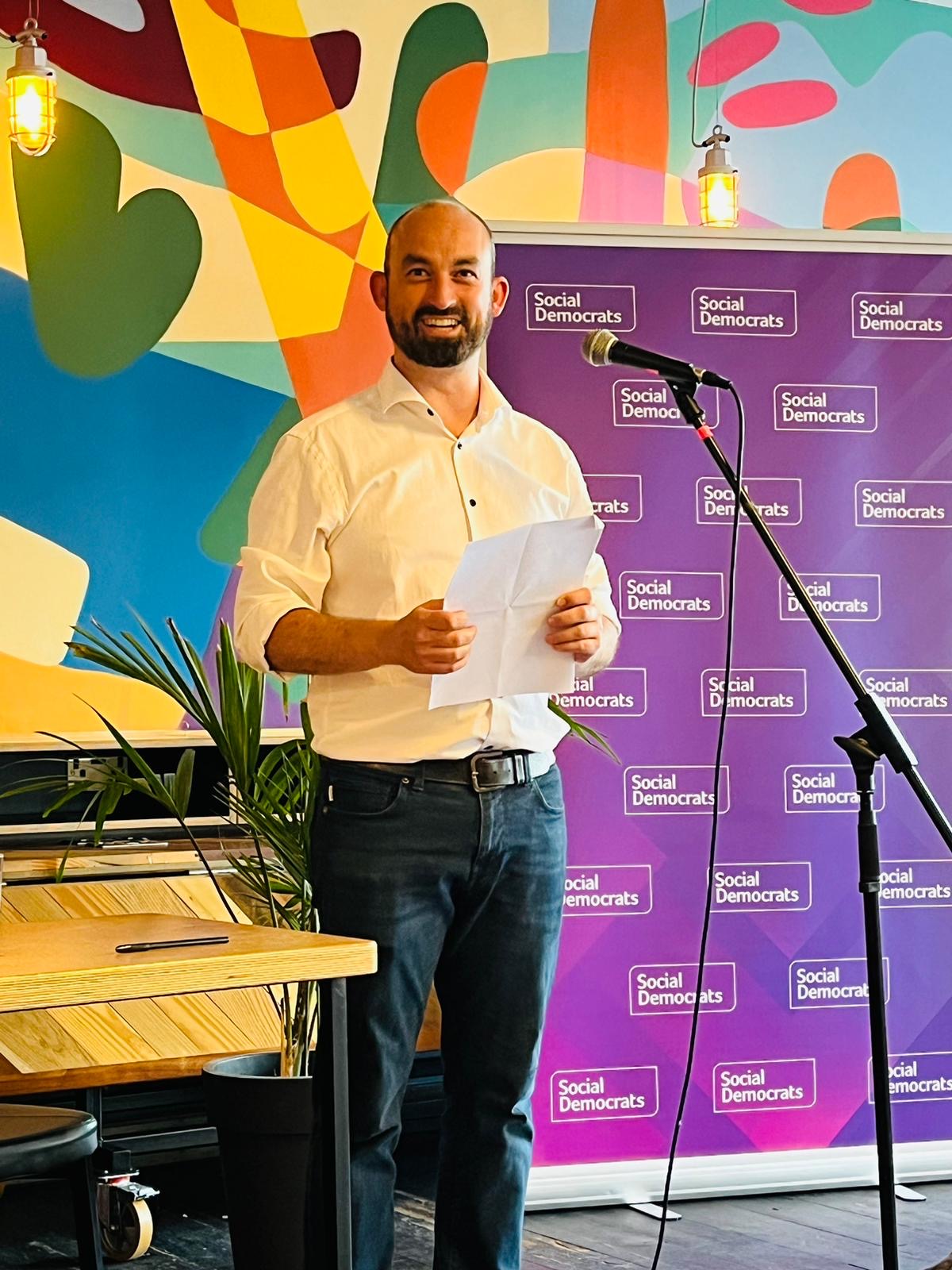
    Social Democrats TD Eoin Hayes will remain a party member following the revelation of his use of blackface in 2009, party leader Holly Cairns announced on Sept. 16.

    The controversy became public on the morning of Sept. 15 when the Dublin Bay South TD released a statement on X apologising for his actions after a news outlet contacted him the evening prior to confirm that they would be releasing pictures of the event.  

    “At a Halloween party 16 years ago, while President of the Student’ Union in University College Cork, I dressed up as someone I greatly admired at the time, US President Barack Obama — whose re-election campaign I went on to work for in 2012. As part of this costume, I wore brown makeup on my face and hands,” Hayes said in his statement.  

    Dressing in blackface is considered by many to be deeply offensive as it has historically been used to promote racist stereotypes.

    “Blackface is part of a very, very long tradition of white performance which by and large ridicules blackness From around the 1830’s, across the 19th and well into the 20th century, white people have dressed up as black people to ridicule them, but also to mobilise different kinds of stereotypes,” Anna-Maria Mullaly, a member of both TU Dublin’s race equity group and the Social Democrats, said.  

    “For instance, black people would be displayed as stupid, as sexually aggressive [and] as lazy in these types of performances.”

    Mullaly added.

    Hayes’ stated that he “didn’t have an understanding of how hurtful [blackface] was at the time” and reiterated that he takes “full responsibility” for his actions and apologises to “any and all hurt” caused by what he did.  

    Mullaly, however, is sceptical of Hayes’s excuse that he did not understand the offensive nature of blackface.

    “An argument has been made in some quarters that it was a different time, or that it was youthful student folly, I really don’t buy that,” Mullaly said.  

    “Tropic Thunder, the movie, came out the year before Eoin Hayes dressed up like this on his way to a party, and there was quite a bit of discussion about Tropic Thunder’s satirical take on blackface, so it was certainly in the news, and he would have been aware of those discussions,” she said.  

    Social Democrats Party leader, Holly Cairns, responded to Hayes’ statement in an interview with RTÉ on September 16th saying she was “hugely disappointed and annoyed about this situation.”

    Cairns later confirmed that Hayes would not face any disciplinary action from the Social Democrat Party as the incident occurred before he joined the organisation.  

    “I want to be clear that it’s not an excuse, but the context of it being 16 years ago is something that I have to consider and I am taking it into consideration,” Cairns said.

    Cairns also stated that Hayes “deserves an opportunity to work hard now and to try to regain people’s trust.”

    This decision riled some members of the Social Democrat Party with the chairman of the party’s Dublin West branch and local election candidate, Luke Daly, citing the decision as one of the reasons that he and his secretary, Jack O’Reilly, would be leaving the party.

    Mullaly seconded Cairns’ sentiment and said that Hayes “should be given the opportunity to follow through now and demonstrate, via action, his actual commitment to anti-racism.”

  • Live News Bulletin

    Live News Bulletin

  • The dangers of AI on mental health

    The dangers of AI on mental health

    By Paul Lee

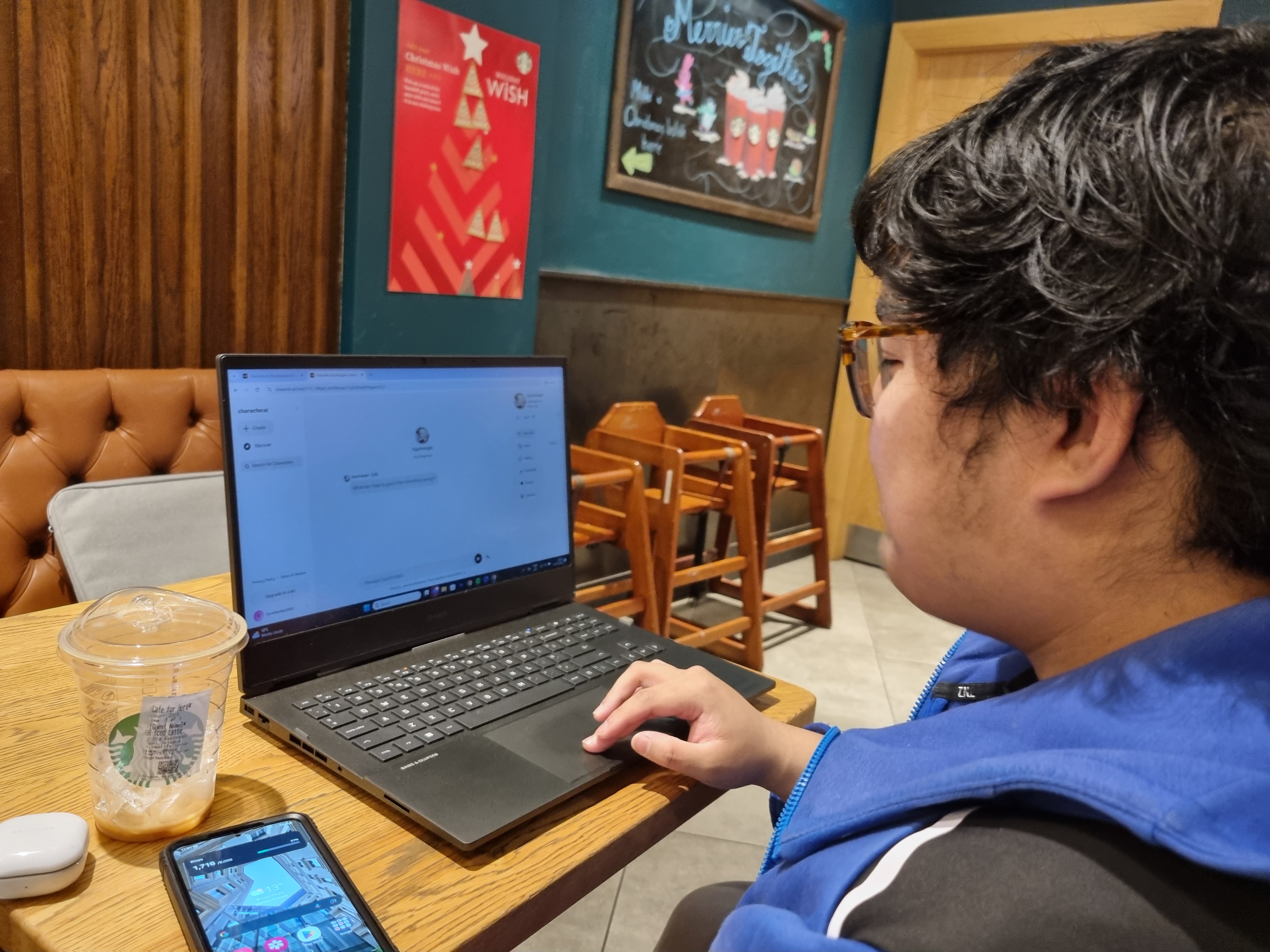
    AI is advancing faster than most people know and is affecting different areas of our lives. In this story, we focus on a case of AI threatening the mental health of one David Santos who discovered AI pretending to be a phycologist when looking for a therapist online. 

    David was on Character AI, a website that allows users to create their own AIs for open-ended chats, whether it be celebrities, historic figures, or, in David’s case, trained professionals from doctors to phycologists. 

  • Lit up for the holidays: Dublin’s festive charm

    Lit up for the holidays: Dublin’s festive charm

    By Sandra Dudkiewicz 

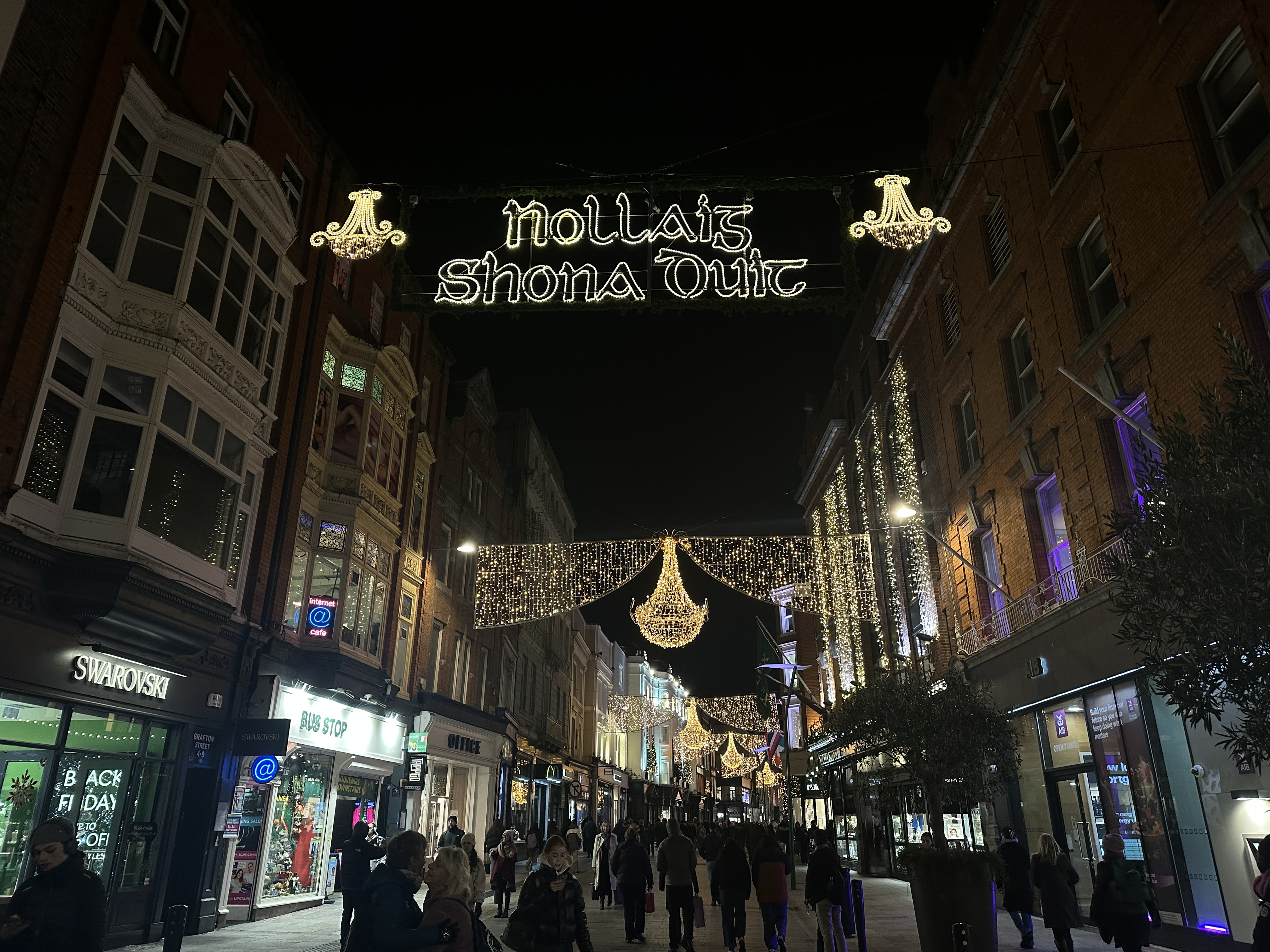
    Dublin transforms into a city of lights during the festive season, with its famous landmarks and pubs glowing in warm Christmas hues. The series of pictures captures the magic of Dublin’s holiday spirit while exploring its evolving relationship with the season. Is the festive cheer arriving too early, or is the city simply embracing the joy we all crave? 

    From bustling O’Connell Street to Grafton Street, and from the famously decorated pubs to the brand-new Christmas markets at Smithfield, Dublin’s festive spirit shines through every corner of the city.

    The Gingerman Pub –Near Trinity College, this historic pub combines its old-world charm with a festive glow, earning its place as one of the most popular Christmas pubs in Dublin. 
    St. Stephen’s Green SS – A centerpiece of Grafton Street, known for its Victorian-style facade and glass domes, this iconic Dublin landmark is beautifully illuminated for the Christmas season. 

    O’Connell Street and Arnotts – Home to the iconic Spire, Dublin’s grand boulevard shines bright. 

    Grafton Street and Brown Thomas – With its sparkling holiday lights, the festive windows of Brown Thomas, and live buskers filling the air with Christmas tunes, Grafton Street captures the lively spirit of Dublin during the holiday season.

    Temple Bar – One of Dublin’s biggest tourist attractions, Temple Bar’s cobblestone streets and vibrant atmosphere are transformed with festive lights, offering a mix of history and holiday cheer for visitors from all over the world.

    Jameson Whiskey Reserve – Steeped in history, this Dublin Temple Bar location offers a glimpse into the city’s whiskey heritage,

    Smithfield Christmas Markets – Set in this charming and historic Dublin neighborhood, the festive markets bring the holiday spirit to life with a Ferris wheel, ice rink, and a variety of stalls. Stoneybatter, known for its rich history and local vibe, becomes a winter wonderland. 

    The Hole in The Wall Pub interior- Situated in Phoenix Park. This historic pub, stretching over 120 meters, is one of the longest in Ireland. Its unique Christmas decorations add to its charm, creating a festive atmosphere.
  • This could be the start of something new

    This could be the start of something new

    By Mene Agbofodoh 

    Who doesn’t love a little bit of retail therapy? 

    There’s been a major surge in Irish clothing brands like Glidersss and HRZN over the last few years trying to get their big break in the fashion industry 

    For Jahk, his story is no different. 

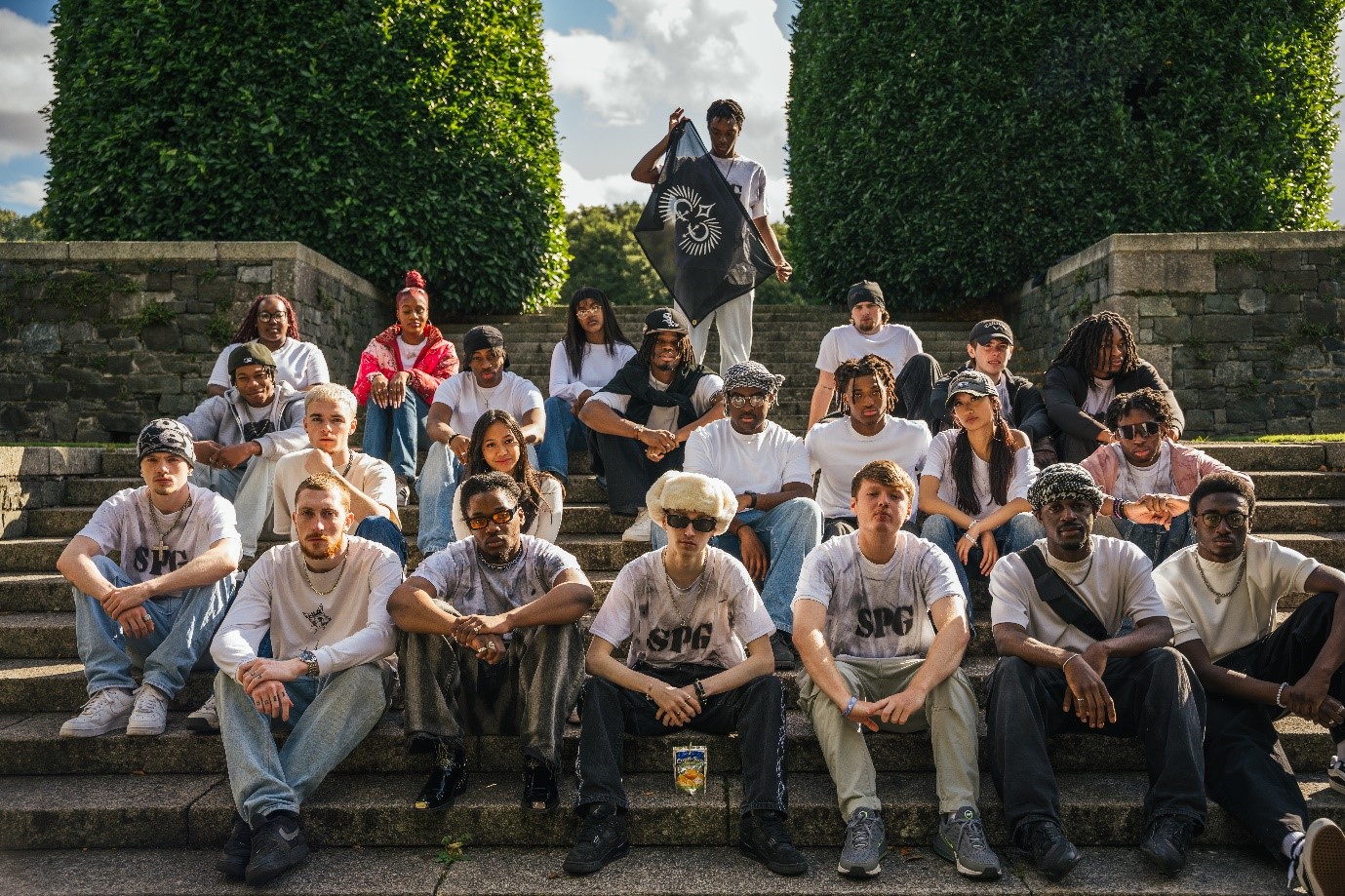
    Jahk is videographer, photographer, music producer and founder of the Irish group SPG. 

    The group is made up of individuals with different talents who use their skills to showcase to the world. 

    SPG are known in the Irish creative scene for their events like Iris part 1 and 2, photoshoots coming from their other page Club Erolos and short films. 

    Since the success of the first photoshoot the group had back in September (This is where the garden shots come from) Jahk has been asked about if SPG are now going into clothing like other established groups in Ireland’s creative scene. 

    The City look to find out these answers.   

  • Inside View of The Irish Music Business: Paul Chaney 

    Inside View of The Irish Music Business: Paul Chaney 

    By Derek Price

    Paul Chaney is an up-and-coming vocalist and musician from Dublin. TheCity.ie caught up with him to hear his views, and experience, and share his tips on being a musician in the music business in Ireland.