Ireland, being known and celebrated for its pub culture is used to a large number of social events being surrounded around drinking alcohol. However, as Christmas time comes upon us, what might be a usual one weekend evening in the pub typically becomes two or three.
Between Christmas parties, family gatherings, twelve pubs amongst every friend group you’ve ever been a part of – the pressure to partake in drinking alcohol is certainly intensified, this time of year.
While Christmas is a well-known time of indulgence, for those trying to steer clear of the negative effects of alcohol – December can be a nightmare.
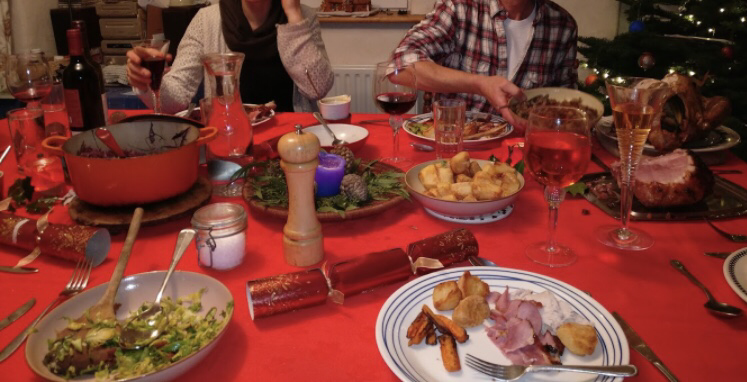
Christmas Day feast. Credit: Molly Quinn
In recent years in Ireland, people are becoming more aware of how alcohol affects their mental, physical and financial state. Alcohol is a depressant which most people are well aware of, but the feel good feeling you get after those first two drinks makes it easy to forget how a couple more will likely make you feel – tired, sick, and often leaving you with a day of fear and lethargy the next day.
In a generation that is much more educated about mental health and how to take care of their wellbeing, there has been a rise in people going sober or limiting their alcohol intake. While making that decision can feel easy while you are tucked away at home, as soon as the social gatherings begin, it is easy to get persuaded into drinking.
In Ireland, it is expected that when you tell somebody you are off the drink, you are bound to be hit with questions as to why, or the classic “ah just have the one, loosen up a bit.” While this is more than likely an innocent joke, it can make Christmas an uncomfortable and anxiety provoking time.
The decision to not drink alcohol can be a really difficult one for some people who may have a complex relationship with alcohol, so being questioned about your choice can make it even more of a challenge.
Guinness lined up in a Dublin 7 pub. Credit: Molly Quinn
It has also become normal that if someone declines a drink or is on the zeros, they are assumed to be either pregnant, or a recovering alcoholic. In a country where alcohol is so engrained in our culture, some people just can’t fathom the idea of being sober, for no reason other than simply not wanting to drink.
Many people fear that if they tell people they do not want to drink, that they will be excluded from social activities, as some people, out of insecurity, are uncomfortable if they are drunk around sober people. It is difficult to manage, as you still want to enjoy the pub and enjoy the festivities – without being swayed into drinking alcohol that you really don’t want to drink.
The recent introduction of more and more alcohol-free options of popular Irish alcoholic drinks, such as Guinness Zero, Heineken Zero, alcohol free wines and even spirits, have been a great sober alternative for those who still want to have a Christmas cheers, without the hangover the next day.
The conversation about the effects of alcohol is more welcomed and people are slowly becoming more comfortable with the thought of limiting their alcohol or occasionally opting for a non-alcoholic option and still socialising.
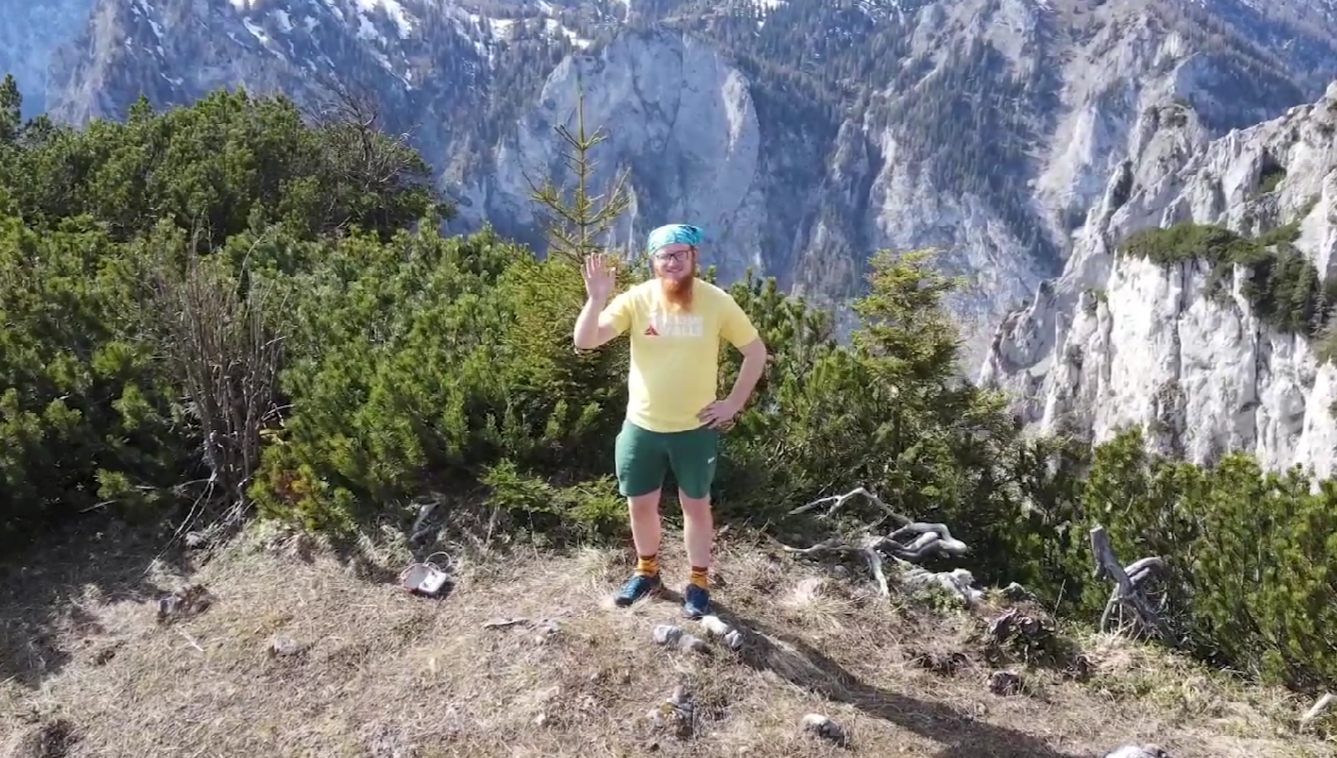
Aidan Sheridan, a 25-year-old from Co. Cavan, decided to take his love of travelling a step further when he explored Europe out of a small caddy van.
Aidan flew from Ireland to Czech Republic in Spring and purchased a van that had been customised into a small but liveable space with a mattress in the back to sleep at night.
His trip ended up lasting for more than 7 months in which he drove through Europe, clocked up over 25,000 kms and visited 10 countries.
For thousands of years, the ocean has been a key part of human life on Earth. From providing us with food, to presenting us with an obstacle to overcome, the ocean is an inescapable part of our existence.
Given that the world’s oceans cover 71% of our planet’s surface and contain 99% of its living space, it at times feels as though we as a species don’t pay enough attention to the deep blue.
However, on the Cooley Peninsula in Co. Louth, the ocean is a crucial part of people’s lives. This may be partly because Carlingford Lough is one of two fjords in the Republic of Ireland, but in this part of the world, the people who live here use the sea as a resource in every way imaginable.
The following images are a showcase of the various ways that the sea impacts everyday life in this part of rural Ireland.
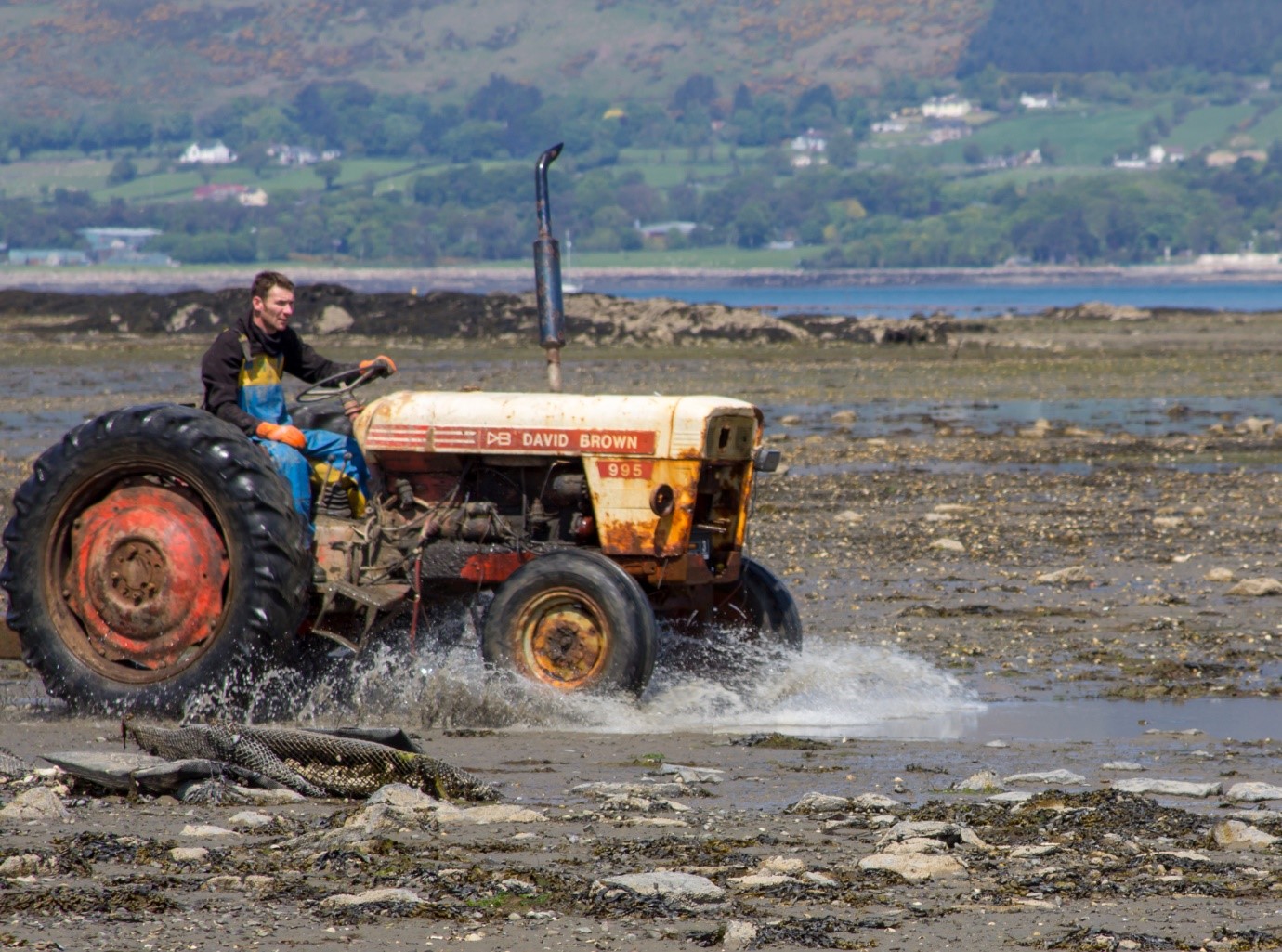
A farmer working to harvest oysters for the internationally renowned Carlingford Oyster Company, which has been operating since 1974. The Carlingford ferry (which actually sails out of Greenore) provides people with a means of transportation between Greencastle and Carlingford. The ferry has been sailing since 2017 and offers an easily accessible route to two different areas of outstanding natural beauty in the shape of the Mourne mountains in Co. Down and Slieve Foye, which overlooks Carlingford. The Carlingford Adventure Centre offers customers a wide range of water sport activities. The adventure centre was founded in 1990 as a windsurfing school and is now recognised as one of the most successful outdoor activity centres in the country.One of the local sailing club members preparing to take a boat out on to the lough as part of the weekend’s activities. The sailing club has many vessels at its disposal and when they’re not out on the water, they’re stored on site at the sailing club. The Carlingford Sailing Club along with the Carlingford Marina provides sailors with a way to connect with their local community via a shared joy of spending time on the sea. The sailing club hosts weekly races from April to October as well as social sailing every Wednesday evening during the summer months of June, July and August. A mountain of salt ready for transportation at Greenore Port which lies at the entrance to Carlingford Lough. HGVs are a common sight on local roads with the Cooley Peninsula being a large transit corridor for goods. The port at Greenore is a bustling hub of imports and exports. The port is Ireland’s only privately owned port, having been bought in 2014 by the Doyle Shipping Group. It has been in operation since 1863 and is the only deep-water port outside of Dublin Port on the east coast of the Republic of Ireland.
Rugby is quickly becoming one of Ireland’s most popular sports – but has often been viewed by many as ‘upper-class’.
This is because a large majority of home-grown professional Irish rugby players have come up through the school system, which is heavily featured by fee-paying schools – particularly those who rose through the Leinster ranks.
The pinnacle of school-boy rugby in the East of Ireland, is the annual Leinster Schools Rugby Senior Cup – which is hotly contested by sixteen teams from across the province.
This has been dominated since its inaugural competition in 1887, by Blackrock College with 71 Senior Cup titles respectively.
De La Salle Churchtown was the last public school to claim Senior Cup glory back in 1985 – an achievement that has become increasingly more difficult to beat, as private schools have swept up every title since.
Back in 2014, the Irish Rugby Football Union (IRFU), appointed former Australian hooker, David Nucifora, as their High Performance Director. Since then, the IRFU have invested heavily in rugby playing private schools across the island with the aim of producing an athlete that is already prepared and has exposure to high intensity and pressure rugby by the ages of 18 or 19.
Schoolboy rugby in Ireland has become noticeably more professional in recent years with how these young players are expected to commit, train and diet, while also balancing their education.
This has put these players in a great position for when they graduate from schoolboy rugby to adult grades, however, the reason for rugby’s reputation as a posh sport is arguably because of these fee-paying schools having more funds at their disposal to dedicate to their school’s team.
This has no doubt played a vital role in many of these schools’ success while also reiterating the belief that rugby is upper-class by many, as the majority of public schools do not have the privilege of this financial backing.
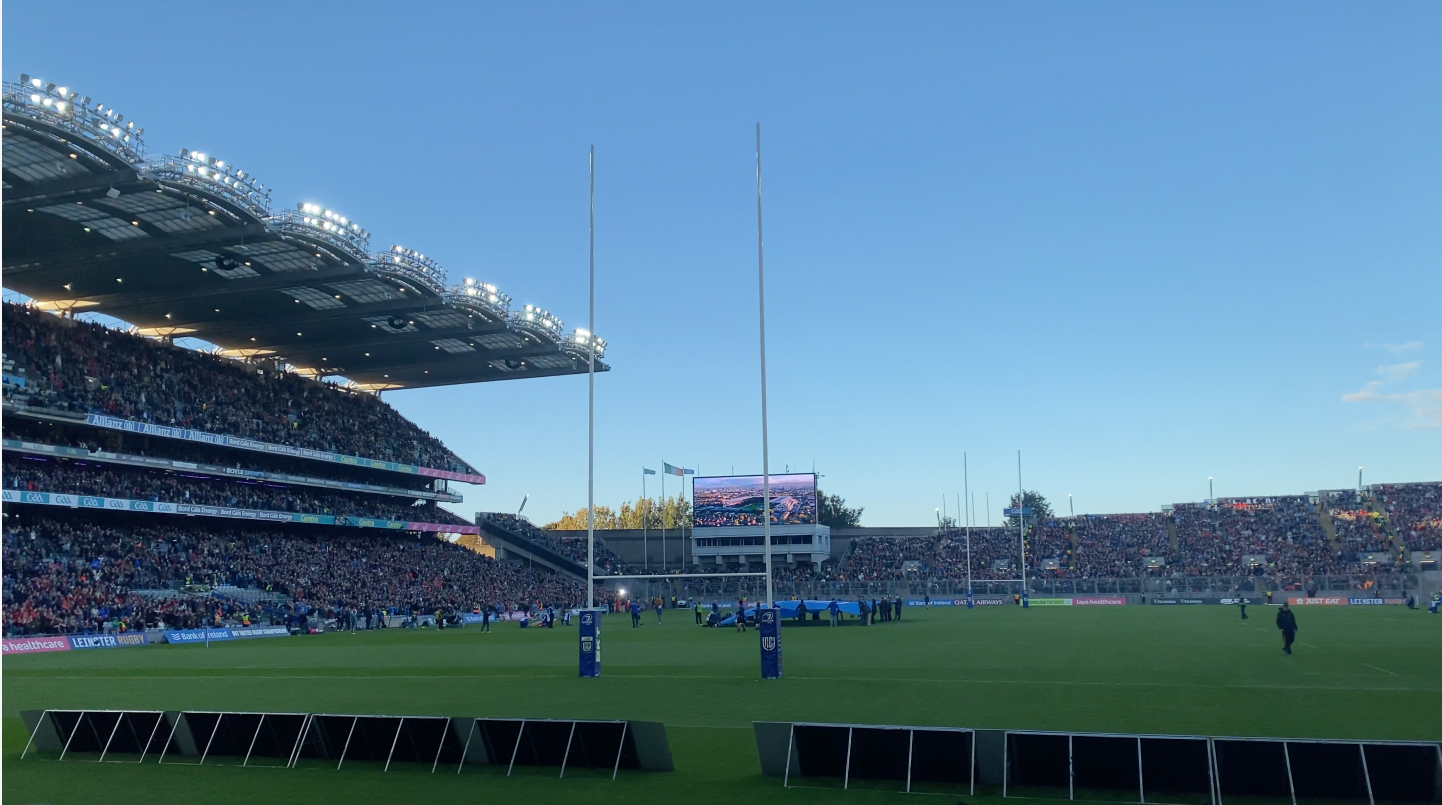
European Champions Cup Final 2023 between Leinster V La Rochelle – Photo Credit: Jamie Ryan
Ryan McCormack, 18, played rugby right throughout his secondary school days with Temple Carrig, a public school is Greystones, and currently plays club rugby for Greystones Rugby club. “Rugby in private schools is such a culture – the players are given so many resources because they can afford to pump as much money into the sport as they want which adds to the idea that it is a posh sport,” he said.
“Blackrock College for example has nine rugby pitches, one of which being an astro turf. They have put so much money into gathering the best coaches and providing players with the best facilities at their disposal. It allows those players to get ahead of the curve but at the end of the day, it is worth nothing unless the player themself is willing to hard work and is determined to make it to the professional rugby scene.” said McCormack.
“I have been to many schools’ games with the likes of Blackrock, Clongowes, St Mary’s, and Belvedere and there are always at least three Leinster staff watching out for talent, but for other public schools’ games, there are very rarely Leinster development officers or scouts in attendance. There are far too many exceptionally talented players who have been overlooked due to where they play,” McCormack further explained.
While it is difficult to argue against the prioritisation of this focus given the results that have been achieved by the Irish team because of this system, many feel that it can appear from the outside looking in to be elitist and excludes young rugby players from reaching a professional level if they came through the club system or the public school system.
While this system clearly produces results for the national squad, it is also heavily catering to Leinster on an inter-provincial front – far more so than Munster, Ulster or Connacht due to the pure quantity of private schools in Dublin particularly.
On the island of Ireland, there are 30 private schools that play rugby with 12 of these being in Leinster, 6 in Munster, 6 in Ulster and 3 in Connacht.
This rhetoric does, however, seem to be slowly changing slightly in that interest in rugby is at an all-time high in Ireland thanks to the recent success of Irish Rugby in international competitions, but also in club competitions such as the URC, the Champions Cup and also in the AIL (All Ireland League).
Jamie Osborne has been one of the most recent examples of a player breaking the mould by rising through the juvenile ranks with his boyhood club, Naas, to now representing Leinster and Ireland but in recent times, playing coming from a non-private school system has been a rare sight.
Irish rugby fan Andrew Jones, 23, said: “It kind of sends a message really, doesn’t it? The best way for a player to get to that level is to go to a private school, which is unfair when you consider that where someone goes to school doesn’t tend to be their choice. As soon as that elitist aspect is brought to anything, there can also sometimes almost be a distaste toward the sport itself in certain areas.”
The IRFU has over the last number of years, been developing a series of strategic plans to promote growth in the game across the country beyond just the confines of just South Dublin and other surrounding areas’ private schools.
The promotion of the game in areas where rugby is not as popular would aid in combatting this ‘posh’ reputation that it currently has, as it would be more freely available for those who want to get involved.
A Q&A with one of Dublin’s latest viral content creators. The City’s Gary Petrov speaks to Dublin’s ‘Mini Mic Gal’ Olivia Spuds about her content creating, her rising platform, how it all came to be, and where she hopes it will all take her.
Allie Sherlock was just 9 years old when she first started playing music.
The Cork native then took to the streets busking just two years after, aged 11.
Since then, the singer songwriter, now aged 19, has gone on to gain an online following of almost 15 million, amassed over 1.5 billion views online, performed on The Ellen DeGeneres Show, the Late Late Toy Show, and at a concert for Queen Elizabeth’s Platinum Jubilee, has completed a sold-out UK and Ireland headline tour, and is now working on releasing her own music and growing herself.
Following a performance of her brand-new single ‘How Love Works’ on RTÉ’s Late Late Show on Friday, November 22, Sherlock spoke with The City about her career so far, and what’s next.
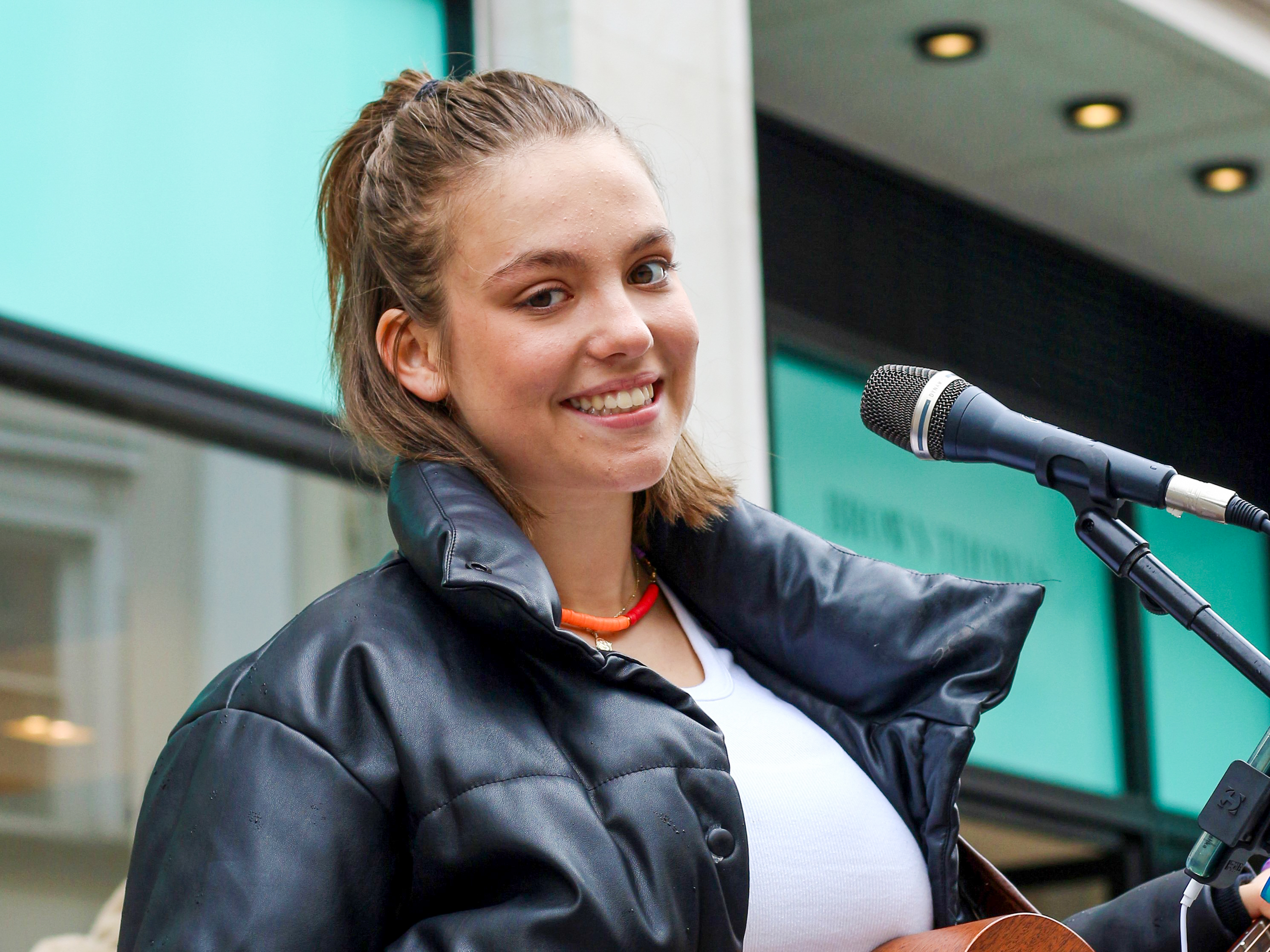
Allie Sherlock poses in front of Grafton Street’s Brown Thomas, a popular spot for buskers – Photo: Liam Murphy
“I started busking because I wanted to perform in front of people,” Sherlock said. “Also, just simply because I loved music.”
“Busking on the street is very unpredictable,” she said. “You never know what can happen.”
Allie says that although her performance on ABC’s The Ellen Show was six years ago, what followed afterwards was still her best day on Grafton Street.
“When I came back from The Ellen Show, I got one of the biggest crowds I have ever gotten,” she said, speaking of the success the show gave her.
“That whole day was crazy. The most amount of CD sales, most tips, most selfies. It was all so crazy.”
Allie Sherlock speaking with Ellen DeGeneres following a performance of Adele’s Million Years Ago. The show estimated 2.1 million views during 2018. Photo: TheEllenShow / YouTube
It’s clear while speaking with Sherlock just how much she loves Grafton Street.
After all, the Cork singer is touring, doing various TV and Radio appearances, topping the Spotify viral charts, but still continues to travel up from Cork to Dublin every weekend for busking.
But why is that?
“I love it,” she said. “I’ll stop when I can’t do it anymore or if I really don’t want to do it anymore.”
“I don’t plan on doing it forever. If this whole music thing works out, I’ll be touring more, charting more, and eventually it will stop, but for now I’ll continue.”
Allie Sherlock during a busking set on Grafton Street – Photo: Liam Murphy
‘This whole music thing’, as Allie calls it, has recently taken off following the release of Sherlock’s debut original single ‘How Love Works’.
The track, co-written by X Factor star Ella Henderson, released in October, has already gained almost 300,000 streams on Spotify, and is currently ranked number one on Spotify’s Viral 50 Irish charts, at time of writing.
Allie says that after all this time of writing songs in her room, with friends, and during writing sessions, she felt that now was the best time to start releasing her own music.
“Over the years I’ve been offered loads of label deals and record deals but never took them because I was always too young or it just wasn’t the right deal, but I’m now with a label and I’m thinking ‘I’m at a perfect age, this is a great deal, let’s do this’.”
“I wasn’t sure what to expect but I’m really happy with how it [the release of ‘How Love Works’] has gone.”
“I don’t let numbers get to me,” Allie said, of both streaming figures and her almost 15 million online followers.
“I never think that ‘oh my god this is so scary’ or that I have all these eyes on me. I just think it’s all crazy how many people decided to follow me, or watch my videos, like over a billion on YouTube is just crazy to me.”
“I’m just out here living my best life.”
‘Out here living my best life’ – A smiling Allie Sherlock plays for crowds on Grafton Street – Photo: Liam Murphy
But what’s next for a 19-year-old who has seemingly already made it?
“Next year will see more releasing and more touring,” Allie said, before hinting at a tour announcement for early next year, followed by an “I don’t know if I can say that.”
“But what I can say is definitely a lot more music and more tour dates.”
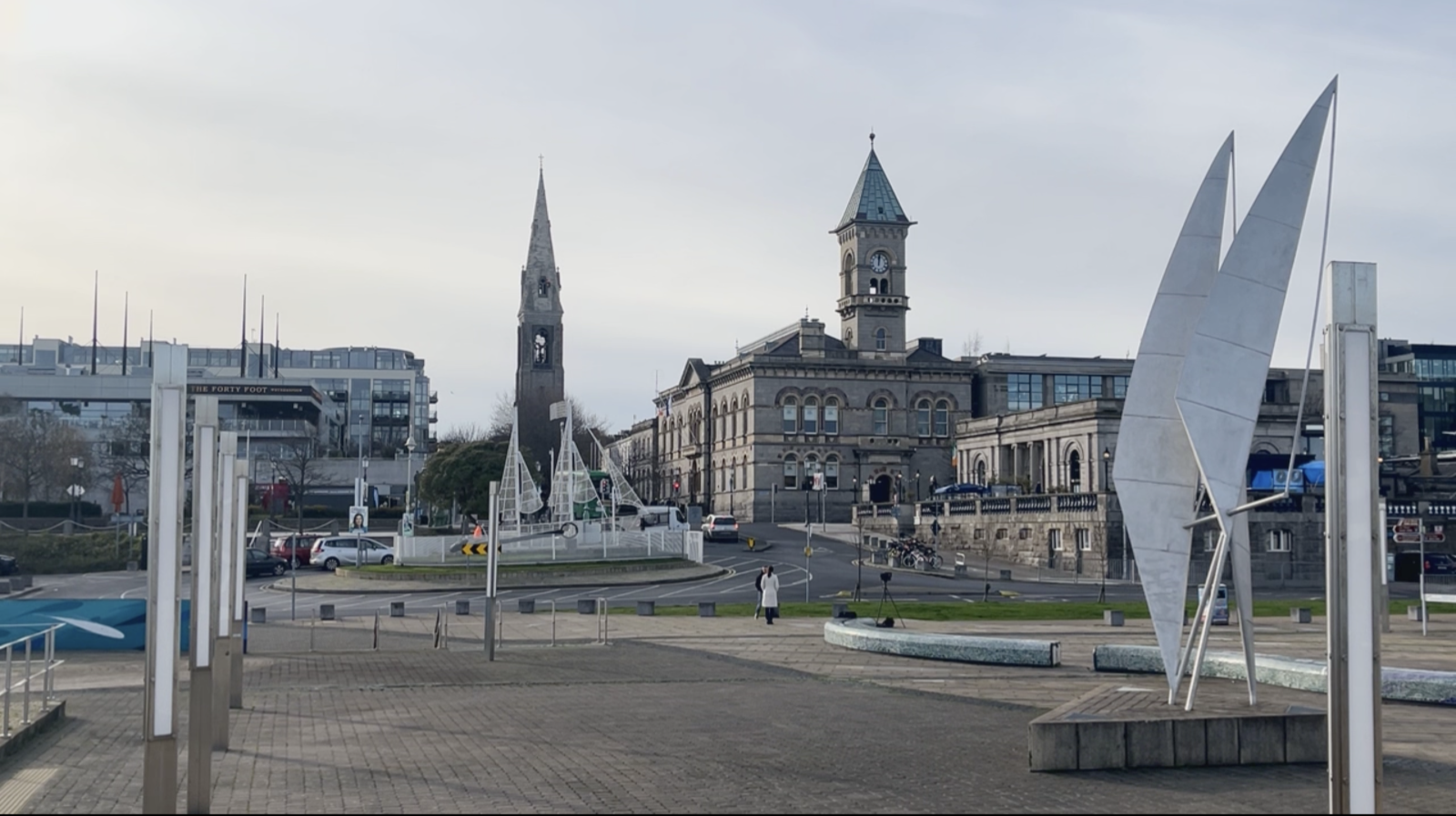
Located on the south coast of Dublin Bay, Dún Laoghaire gained popularity in the Victorian era as a popular tourist destination due to attractions like the East Pier and Ireland’s first passenger railway.
However, in recent years, locals have become increasingly dissatisfied about the lack of shopping and social amenities in the area.
Some buildings in the town, such as the unused Dunne’s Stores-owned building on Upper Georges Street, have been vacant for 20 years.
The City took to the streets of Dún Laoghaire to hear from locals and get their thoughts on their town.
This Friday, November 29th, the people of Ireland will go to the polls for a crucial General Election.
From 7 a.m. to 10 p.m., polling stations across the country will open, and millions of voters will have the opportunity to shape the future of the nation. After 3 weeks of political campaigning, television debates, and electoral manoeuvring, the stage is set for Election 24.
As the country gears up for this significant event, there are some important details every voter should be aware of.
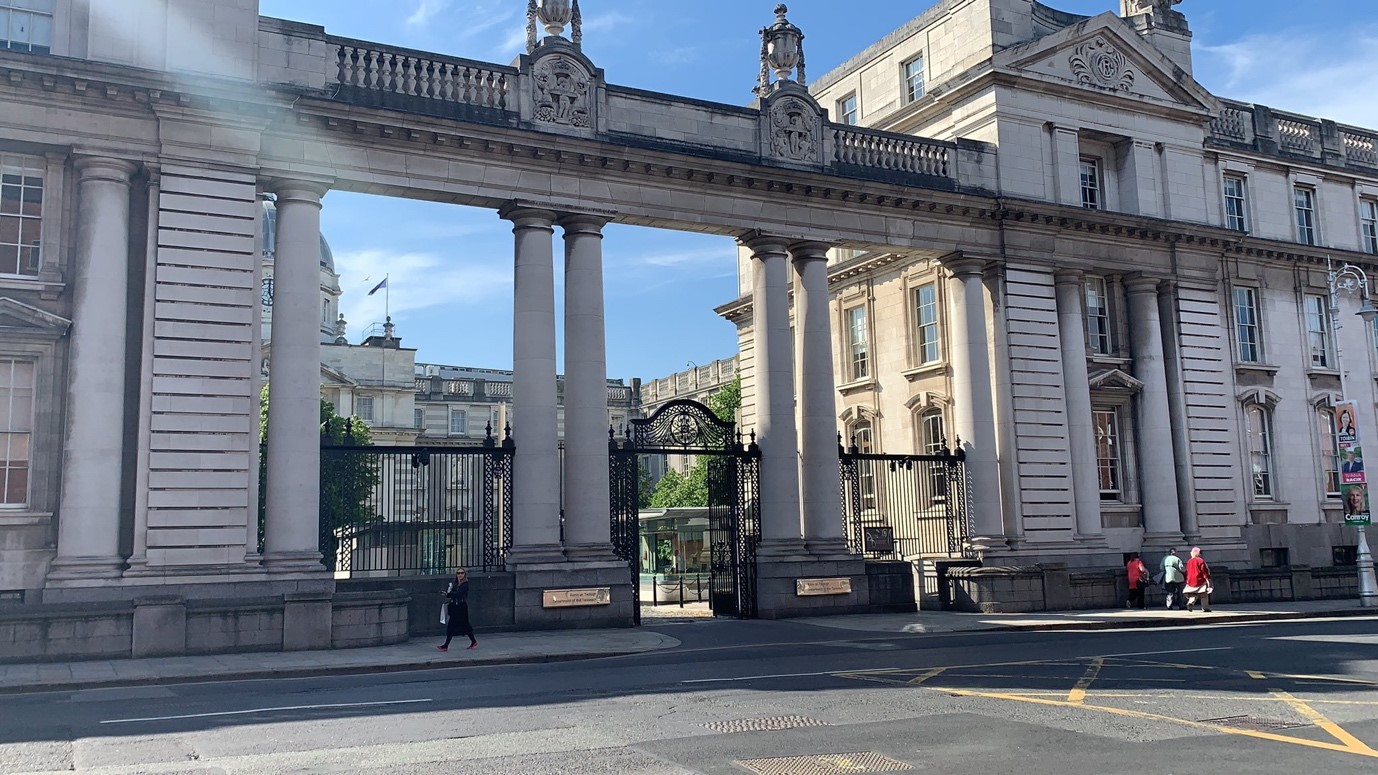
Government buildings – Photo Credit: Jason Quigley
From eligibility to the voting system itself, understanding the mechanics of the election process will ensure voters can make informed decisions when they cast their ballots.
If you are 18 years of age or older on polling day and are either an Irish citizen or a British citizen (residing in Ireland), and you have been properly registered to vote, you are eligible to cast your vote in the General Election.
However, if you have not registered to vote by the deadline earlier this month, you will not be able to participate in this election. Similarly, postal voting registration has also closed.
Voters must present valid identification at the polling station and cast their ballots at their designated locations, which are typically listed on their voter information card.
This year’s election will feature 686 candidate nominations. 246 of the candidates are women, reflecting the ongoing efforts to address gender imbalances in Irish politics. Election 24 will see established political parties such as Fianna Fáil, Fine Gael, and Sinn Féin, as well as a number of smaller parties and independents, battle it out for seats. How these candidates align with the electorate’s views on key issues like healthcare, housing, climate change, and economic policy will be crucial in determining the outcome.
On polling day, voters will use Ireland’s system of Proportional Representation – Single Transferable Vote (PR-STV) to cast their ballots. Clodagh Healy, representative of electoral legislation in North Tipperary explained how the voting system works
Polling Station in Newtown Tipperary gearing up for Fridays election – Photo Credit: Jason Quigley
“This voting system is designed to ensure that votes translate as closely as possible to seats in the Dáil, promoting a fairer and more inclusive result compared to the “first-past-the-post” system used in other countries like the UK and the United States,” she said.
“Under PR-STV, voters rank candidates in order of preference, marking #1 next to their first choice, #2 next to their second choice, and so on. Voters can continue ranking candidates if they choose, but it’s not a requirement. The more preferences a voter expresses, the more they participate in the redistribution of votes during the counting process.”
“In each constituency, there is a multi-seat setup, with typically 3 to 5 TDs (Teachtaí Dála, or Members of Parliament) elected to represent the area. When votes are counted, a quota is established based on the number of seats available and the number of votes cast. Candidates who receive a quota of votes on the first count are immediately elected. However, if no candidate meets the quota, the process becomes more complex. Votes are transferred based on the preferences voters indicated. For example, if a voter’s #1 choice is eliminated because they didn’t receive enough votes, their second-choice preference will then be taken into account. This process, known as the transfer of votes, can continue through multiple rounds of counting until all seats in the constituency are filled. The crucial role of transfers makes the counting process longer and more intricate, but it ensures that election results more accurately reflect voter preferences,” she said.
“Unlike systems like first-past-the-post, where the candidate with the most votes wins, regardless of whether they secure a majority, PR-STV encourages more diverse representation and often results in a broader spectrum of political voices being heard in the Dáil. However, the system is also more complicated, and it typically takes several days for the final results to be determined,” she said.
With 174 seats in total, a party needs at least 88 TDs to command a majority and secure the mandate to govern. This number is a critical threshold in Irish politics, and it means that while a party may win the largest share of seats, they may still need to form a coalition with other parties or independents to form a viable government.
The arithmetic of the new Dáil, with its adjusted constituency boundaries and increased population, adds an element of uncertainty to the equation. Established parties like Fianna Fáil and Fine Gael, while strong, are facing increased competition from Sinn Féin, whose surge in popularity in recent years has reshaped the political landscape. Smaller parties and independents will also play a pivotal role in the negotiations that follow the election.
Housing will be a political hot topic for all political parties. Housing protest at Government buildings – Photo Credit: Jason Quigley
Once the votes are counted, the new government must be formed. This is where the true complexity of Irish politics often emerges. With the introduction of PR-STV, no party in Ireland has been able to achieve an outright majority in recent years, making coalition-building a necessity.
Parties will need to negotiate not only on policy but also on who will take the reins of leadership. The prospect of a new coalition government, potentially involving different combinations of established parties or the inclusion of smaller groups, could lead to a period of intense political bargaining following the election.
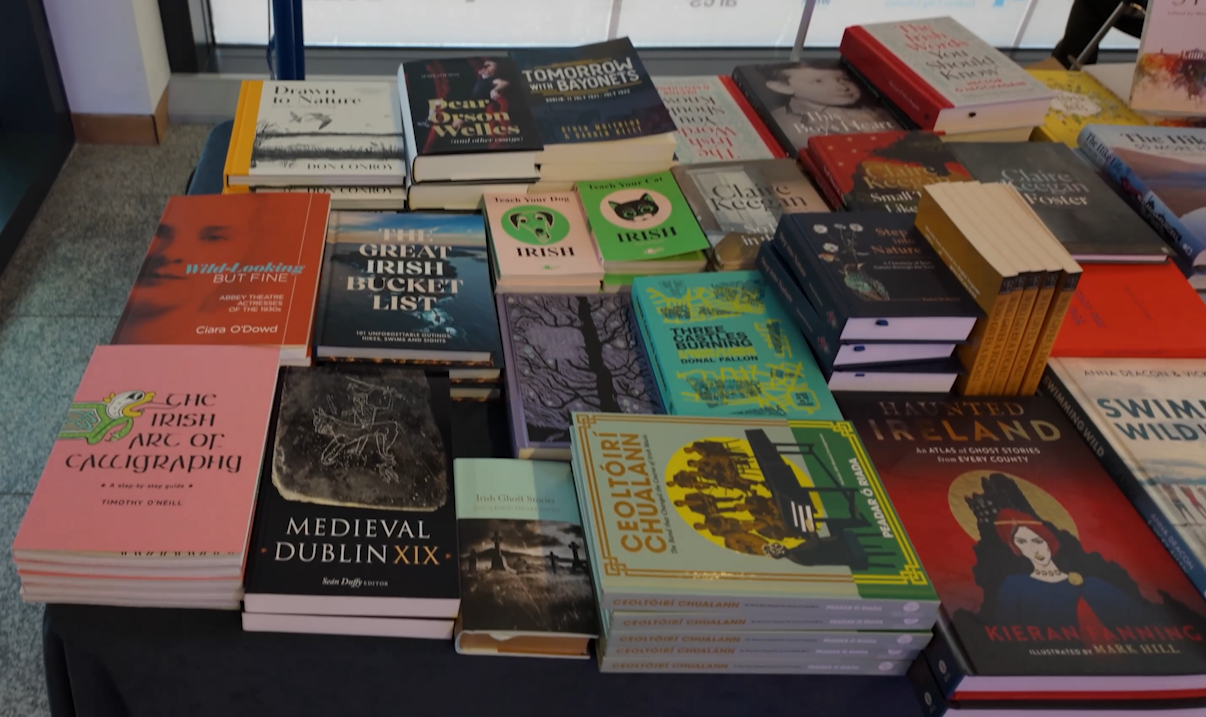
The Dublin Book Festival took place between November 6th-10th this year and provided people with a variety of informative discussions from renowned Irish authors as well as guided tours to learn about some of Dublin’s most famous writers.
The festival takes place every year and is an incredible showcase of Irish literary works and talent.
Below is a video of the experience along with interviews from some of the festival’s attendees.












You must be logged in to post a comment.