Tag: Coronavirus

  • ‘If they want us in power, they’re going to have to do more than greenwashing us’ – Reactions to FF/FG’s letter to the Green Party

    ‘If they want us in power, they’re going to have to do more than greenwashing us’ – Reactions to FF/FG’s letter to the Green Party

    Eamon Ryan, leader of the Green Party (Photo: GreenParty.ie)

    The Green Party is set to hold a teleconference to evaluate their official response to Fianna Fail and Fine Gael’s letter, which answers the 17 questions posed by the Greens regarding policy promises. TheCity.ie’s Kate Brayden speaks to County Clare Green Party councillor Roisin Garvey and Futureproof Clare about the vital Shannon LNG concession, and the 7% emissions target urged by the United Nations.

    In a letter published this week inviting the Greens into further governmental talks, FF and FG wrote that they “welcome the desire of the Green Party to be involved in recovering, rebuilding and renewing Ireland in the aftermath of the COVID-19 Emergency” and respect the “strong policy platform” outlined by the Greens, led by Eamon Ryan.

    Crucially, the two parties stopped short of promising a 7% emissions reduction target by 2030 – despite the fact that the EU have said the minimum reduction needed is 8% to remain outside of the 1.5C temperature increase. The target is based on the 2019 “Emissions Gap” Report from the UN Environment Programme.

    Ireland releases about 60 million tonnes of greenhouse gases each year, roughly broken down into 40 million tonnes from energy (electricity, heat and transport) and 20 million tonnes from agriculture. The country’s current annual reduction is just 3%, with The Climate Change Performance Index ranking Ireland 48th out of 56 countries for our negligent policies.

    In the document, it was written that FF and FG “would like to understand and tease out with you through talks, the specific actions that would have to be taken to achieve” the 7% reduction. 

    “We all need to understand the impact it would have on employment, poverty, agricultural practice, public transport, regional development and on the different sections of society.

    “Considerable work will have to be done to outline where and when further carbon reductions could or should come from given that we will have to significantly reboot and revive the economy,” they wrote. 

    Chair of the State’s Climate Advisory Council, Professor John FitzGerald recently commented that achieving a 7 per cent reduction in annual emissions would be extremely difficult but said: “If you do the groundwork…you could get to it in the second half of the decade.”

    The Greens emphasised the need for a just transition in their 17 point plan, which advocated for a Universal Basic Income, retrofitted public housing, affordable public transport and a significantly improved healthcare system, among others. Major changes in agriculture, public transport and energy would provide the means for the reduction in emissions.

    Despite the estimated €30 billion cost of the Covid-19 pandemic, the chair of the National Advisory Council on Climate Change has affirmed that Ireland needs to prioritise investment in climate action going forward. New research undertaken by University College Cork’s MaREI Centre for Energy, Climate and Marine states that the party’s 7% emissions reduction goal would require “transformative changes” and huge costs, but is a feasible challenge.

    ‘Is the new Green Party emissions reduction target feasible and what would it mean for the energy system?’, written by Hannah Daly, James Glynn & Brian Ó Gallachóir, asserts that the changes could bring significant health, wellbeing, economic and employment benefits to society.

    The Fianna Fáil and Fine Gael leaders committed to enacting climate legislation within 100 days of forming a government, but this legislation could fail to be implemented. The Greens are seeking concrete answers for their detailed questions on exactly how their policies would be enacted should they enter into Government with FF and FG.

    “If they want the Greens in power, they’re going to have to do a lot more than greenwashing us – there’s going to have to be proper commitment,” said Roisín Garvey, Green Party councillor in County Clare. 

    “We’re not tied to five years: Fine Fael and Fianna Fail really need us, because they know that if there’s an election now, they’d be crucified. Now is time to try and get policies we want, not just the promises that we want,” Garvey added.

    County Clare Green Party Councillor Roisín Garvey (Photo: GreenParty.ie)

    “I think Fianna Fail and Fine Gael know that, and they also know that there’s going to be huge fines from Europe if we don’t meet our targets. So I think now is a very good time for us to be in negotiations. We have a much better chance now than when we went in with Fianna Fail in 2008, when there were only six TDs. The climate crisis wasn’t being taken seriously by anybody. 

    “The fact that we have 12 TDs now since the General Election shows that it is an issue – that’s an unprecedented amount. However, FF and FG are just agreeing things in principle to get us into negotiations. But Eamon Ryan’s been around the block before, he’s not naive about it. Those 12 TDs have been in politics for a long time: they’re definitely going to be committed to getting proper timelines.”

    It’s important to note that in 2007, six Green TDs entered Government as the junior party in coalition with Fianna Fail. The party were later decimated four years later, suffering a wipeout in the General Election and losing all six of its seats. The party returned to the Dail in 2016, receiving just over one percent of the vote in local election.

    Today’s Green Party are heavily split over whether to prop up a FF/FG Government, which younger voters categorically don’t want. Younger members and outliers believe that the radical change needed simply cannot happen with FF and FG. The dramatic 2020 General Election, which saw Sinn Féin emerge with 33% of the overall vote, proved that real change is desired following years of homelessness, housing and rent crises and a deeply worrying healthcare system. The Greens are now between a rock and a hard place, facing strife for entering a FF/FG coalition and political backlash if they refuse to. What they choose now could decide the future of the party by turning their youth vote away (possibly to Sinn Féin) – but the climate is on a timer. Could they pass climate action policies with two parties who are notorious for their abysmal apathy on climate justice.

    Shannon LNG: concrete concession or vague promise?

    Stating that both parties are “committed to a pathway to phase out all fossil fuel exploration licenses”, FG and FF also claim to be open to introducing a moratorium on exploration licences for offshore gas exploration. Referring to the controversial Shannon LNG project, which would import dangerous fracked gas from Pennsylvania, the letter states:

    “Both of our parties accept that as we move towards carbon neutrality, it does not make sense to build new large-scale fossil fuel infrastructure such as liquid natural gas import terminals.”

    FF and FG mention that economic activity must be stimulated in the areas which were expecting local development plans, and exploring how strategic investment in the Shannon estuary and port infrastructure could support renewable energy.

    William Hederman of Futureproof Clare, speaking to TheCity.ie, mentioned that zero room for loopholes must be allowed by the Green Party if they want to ensure that no LNG terminals or fracked gas imports will go ahead in future:

    “A crucial first step is for the new government to tell the European Commission that Ireland wants Shannon LNG taken off the EU’s projects of common interest (PCI) list.

    “For Fine Gael and Fianna Fáil to accept that it does not make sense to build LNG import terminals is a huge milestone. It is the result of years of grassroots campaigning, particularly in Kerry, and also here in Clare, that has grown into an international coalition against Shannon LNG,” Hederman continued.

    “However, the language used by Leo Varadkar and Micheál Martin is vague and looks like they are trying to leave wriggle room. We must keep pressure on them to translate this statement into a firm commitment. Building new infrastructure such as this would lock Ireland and the EU into fossil fuels for decades, when we need to be rapidly transitioning to renewables in order to avoid catastrophic climate breakdown.”

    Fianna Fail and Fine Gael wrote that they “would need to have a shared understanding of what is meant by new fossil fuel infrastructure, what type scale does this relate to, and whether this proposed ban would apply to
    State infrastructure or to private sector infrastructure as well.”

    Stating that they would need a “clear understanding” of the State’s powers in this area and the limitations of European law, as well as international treaties, but removing Shannon LNG from the EU’s Projects of Common Interest list is very much possible.

    Extinction Rebellion poster during the 2020 General Election (Photo: Instagram)

    Speaking on the list, Roisín Garvey chastised the two parties on their unwillingness to face the realistic possibilities of climate action policies.

    “Fianna Fail and Fine Gael act like we can’t do that – but sure we all know that’s not true. They shouldn’t play us as fools. FF/FG need us more than ever, because we can bring back jobs, we can save people money in how they run their houses through retrofitting, we can put money into transport instead of cars; this is now a really good time for them to hear us out.

    “We’ve seen it happen in other countries. There have been hugely successful policies in Denmark and Scandinavia and Germany – lots of places have figured out their education, their housing, their transport: we don’t have to come out with these ideas all by ourselves. They’ve been around for years, that’s why the Greens exist, because we’ve all seen it done.”

    The 12 Green Party TDs and two Green Senators will hold a second teleconference meeting this week to evaluate their response to the joint Fianna Fáil and Fine Gael letter inviting the party into formal talks.
  • AS IT HAPPENED: Supermarket sweep — watching the shelves empty at the height of viral stockpiling

    AS IT HAPPENED: Supermarket sweep — watching the shelves empty at the height of viral stockpiling

    STRICT: Currently, queueing outside supermarkets is the new normal, with many outlets only allowing in one shopper at a time and banning children in some cases as Coronavirus continues to spread (Photo: Paul Caffrey)

    During the month of March, the population went on a €363million panic-buying spree. The shops are much calmer now, but queuing outside supermarkets — with stricter controls on how many customers can enter a store at any one time — has become the new normal. In words, pictures and video, TheCity.ie’s Paul Caffrey has been keeping track of the “shopageddon” phenomenon since March 13

    “No sausages. No teabags. No potatoes,” the senior security guard at a north Dublin supermarket boomed with a wry grin to a colleague over his two-way radio.

    The weary-looking herds of shoppers rushing from one aisle to another — just trying to grab what they can — didn’t seem to have registered a word of his worrying summary.

    But that was only the start: there was no bread left and most of the fruit, vegetables and frozen food were gone, too – even though there was a full delivery to this store at eight o’clock this morning. 

    Meanwhile, queues for the checkouts — one family after another with an overflowing full-size shopping trolley — were snaking back into the aisles. 

    It was nearly 6pm on the evening of Friday, March 13 at Tesco Kilbarrack in north Dublin — 31 hours since Leo Varadkar announced a virtual shutdown of the country on account of the global Covid-19 outbreak — and the place was full of people completely ignoring Government pleas not to panic buy. 

    Throughout this large store, which acts as a lifeline to thousands of families and elderly people in the long-established north Dublin areas of Raheny, Kilbarrack, Coolock, Artane and Donaghmede, there was an air of quiet panic. 

    Even though people here were keeping calm and being respectful to others, many seemed grimly determined to buy up everything in sight.

    However, this “emergency” buying wasn’t quite what you might put at the top of your essentials list for what was then expected to be a fortnight of being housebound. At one checkout, a man was hurriedly purchasing exactly 20 Easter eggs and not much else. 

    NEW ORDER: Local councils were quick to create new markings on walkways to reflect the social distancing rules intended to combat the spread of Covid-19 (Photo: Paul Caffrey)

    At 11am on Thursday, March 12, the Taoiseach announced from Washington that all colleges, schools and various other public facilities would close for at least two weeks.
    Up until that moment, students at TU Dublin Aungier Street had been assured by college officials it was largely “business as usual”, with classes proceeding as normal. 

    Everything changed on that Thursday morning, when students were suddenly told to leave the building by 6pm and not return until further notice. 

    Similar to the situation in supermarkets, the college library was gripped by a sense of panic as students anxiously rushed to get the books and other materials they’d need to complete their assignments (not due for months).

    The original worst-case scenario, that the college won’t reopen at all for the rest of this academic year, now looks the most likely outcome. It’s been reported widely that lockdown measures are likely to continue beyond May 5.

    SHUTDOWN: How TU Dublin announced the initial fortnight’s closure
    (Photo: Twitter/TU Dublin)

    At supermarkets across Ireland, the Fine Gael leader’s announcement led to huge queues — despite Business Minister Heather Humphreys pointing out there was “no need” whatsoever to panic-buy as retailers and distributors had a “sufficient supply chain”. 

    “If people go out and buy products that they don’t need to stockpile, they are going to cause a problem,” Minister Humphreys warned on Thursday, March 12. And she tweeted the following day: “Shop as normal.”

    But her advice, echoed by Health Minister Simon Harris, was largely ignored. In scenes that have been echoed the world over, throngs of eager shoppers descended on supermarkets and chemists, even leading to some forced store closures.

    Tesco in Clarehall on Dublin’s Malahide Road was forced to close temporarily on Thursday, March 12 for restocking, while Tesco Liffey Valley reportedly shut down for 30 minutes that day after a big influx of customers. Lidl and Aldi then introduced “product purchasing limits” on selected items.

    Gardaí were placed on alert, with officers told to “patrol the environs of supermarkets and chemists, with a view to providing comfort and reassurance” to shoppers, according to a memo sent by Assistant Garda Commissioner Pat Leahy to rank-and-file members on the night of Thursday, March 12.

    SLICED PANIC: This north Dublin Tesco was fully sold out of bread by midday on Friday, March 13 – but these shelves had been full only three hours earlier (Photo: Paul Caffrey)

    On Friday March 13, my first visit to Tesco Kilbarrack is at 9.30am, when stocks are at healthy levels thanks to an 8am delivery.

    I recognise a friendly local taxi driver who wisely makes straight for a well-stocked bread aisle. By midday, every last sliced pan here will be gone. 

    Normally stationed at the Dublin Airport rank, he’s decided that his normal place of work is a no-go zone due to the Coronavirus outbreak.

    The self-employed middle-aged Dubliner will be out of pocket as a result, but he’s accepting of the situation and even appears relaxed about it. 

    “There’s no way I could work the airport today. They’ll all be coming back from Cheltenham, full of booze and all over each other, then jumping into my car.

    “Not to speak of the people who could be flying in from anywhere in the world. I’ll sit tight for a few days — it’s for the good of our health, after all,” he tells me.

    At a café opposite the Tesco, a cautious barista is very short on customers. Wearing a standard-issue facemask, he’s trying to offload his best fresh pastries for the knockdown price of €2 each.

    This Tesco store nearly ran out of all fruit and veg by the afternoon of Friday March 13, with bananas, cucumbers, lettuce and potatoes all sold out by 4.30pm (Photo: Paul Caffrey)

    When I return to the Tesco itself some hours later, at about 4.30pm, a team of three senior staff is standing near the frozen food section looking suitably grave in a huddle with their arms folded. 

    The bread section is completely cleared out; I’m told all sliced pans were gone by midday — while most of the fruit, vegetables and frozen food has also disappeared. 

    The most senior-looking one remarks quietly to his number that panic-buying in supermarkets wasn’t this chronic even just before the crippling March 2018 snow blizzards that forced us all to stay indoors due to the “risk to health”.

    It took only four days before that extreme weather eased off and life was largely back to normal. 

    The managerial team walk around surveying the empty and near-empty shelves, making notes on their clipboards. Pointing to one well-raided cosmetics shelf, one of the executives remarks: “Those will all be gone by tomorrow.”

    How one newspaper reported the disquiet in our shops in its Friday, March 13 edition
    (Photo: Twitter/Irish Daily Star)

    At the checkouts, an elderly woman queuing just ahead of me with a modest number of purchases in her black and red tartan wheelie bag is bemused by the slightly frenzied atmosphere and crowds of customers surrounding her. 

    “I don’t know what all the fuss is about,” she calmly tells me.

    “Though, I’m just buying for myself. At least this has made them open a few more checkouts than they normally do, but it’s still not enough, is it?”

    Reflecting on the public health emergency at hand, she tells me: “I’m 89, so I’m supposed be in the ‘at-risk’ category, aren’t I?

    “But I’m not letting it worry me. I don’t see why we can’t go about our business as normal — as long as we don’t travel.” 

    Later that afternoon, I call round to my 101-year-old neighbour. She’s exceptionally fit and alert and still leads an active life. I’ve known her since I was a small child and she’s never seemed afraid of anything before.

    Despite no official guidelines having yet been issued for the over-70s, she already intends to stay indoors at all times and is resigned to miss Mass, regular coffee mornings with her friends or any other activities involving the outdoors or groups of people for at least a fortnight.

    Gesturing towards her television that’s switched to standby while we chat, she insists: “I won’t be going anywhere until this is all over. It’s out there somewhere, so I could catch it.”

    DESERTED: Dún Laoghaire town centre at 5pm on the dot on a weekday in March 2020. For decades, this key intersection has been chock-a-block without fail during evening rush hour (Photo: Paul Caffrey)

    Hours after our chat, several parishes around the country start cancelling church services to stop the spread of the virus. Present-day, you’d now find it extremely difficult to find any church holding a service on its premises. However, as reported by TheCity.ie, some priests have been finding ways to connect with the faithful online.

    By the night of Sunday, March 15, this north Dublin Catholic church was in shutdown, with a typed notice on the main doors advising parishioners: “Mass in this church is suspended until further notice.” (Photo: Paul Caffrey)

    And in line with the increase in the numbers of tragic deaths and reported cases of Covid-19 in Ireland — and based on scientific evidence — the Government has since strongly advised over-70s and anyone extremely medically vulnerable to “cocoon” at home.

    This means that people in those at-risk groups should not leave their homes at all, even to go to the shops. However, the Government has confirmed this measure is advisory and not mandatory.

    At midday on Saturday, March 14, I returned to Tesco to find the shelves well stocked again. But, pointing to the bread shelves, the head security guard told me: “If you need any bread, I would get it now.”

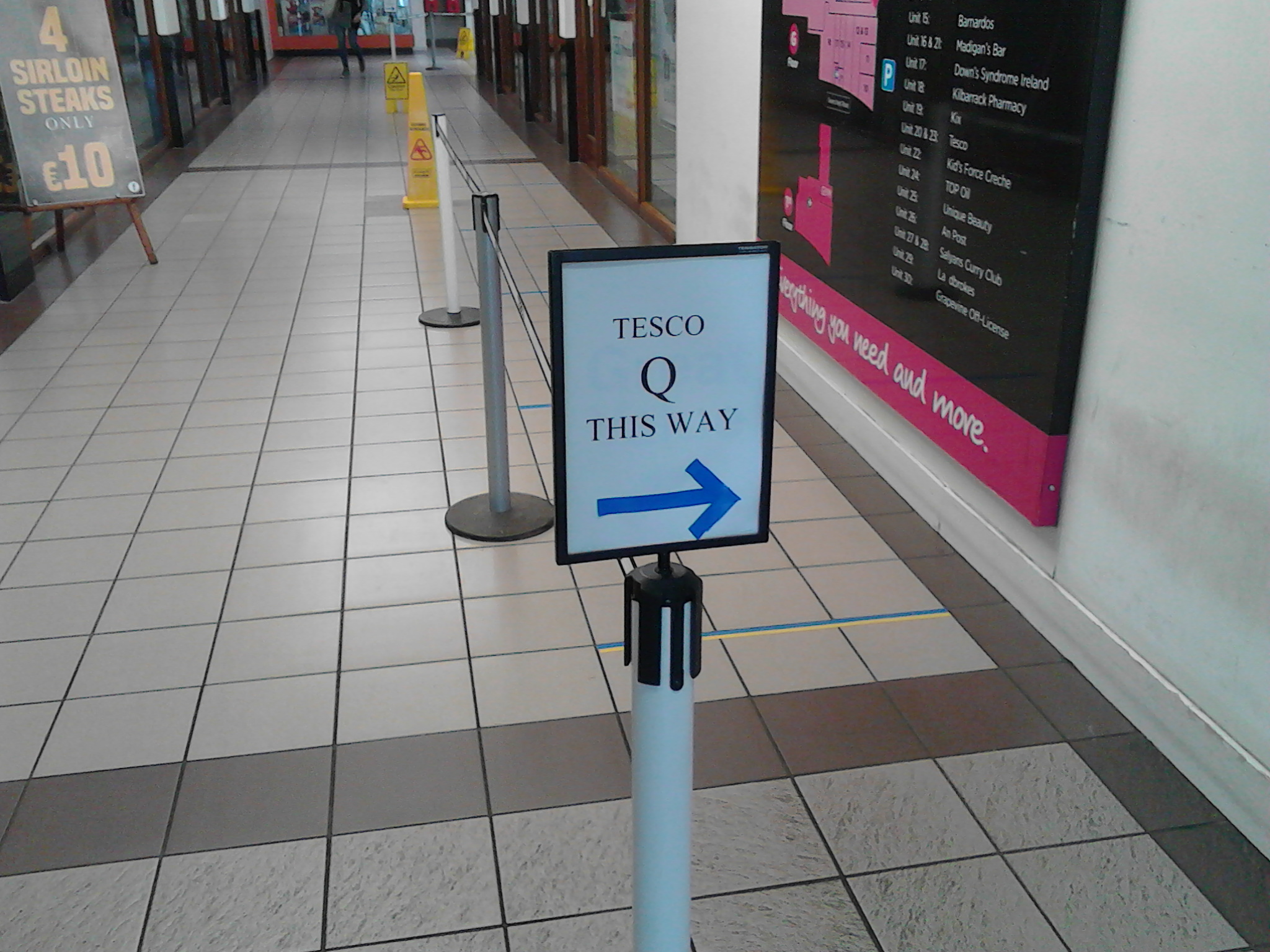
    Present-day at the same supermarket, the numbers entering the premises are being more tightly controlled with customers made to queue outside — and only being allowed in one at a time. This is enforced by in-store security.

    This has made queuing outside supermarkets the norm in April 2020, with families being encouraged to send only one person — or as few as possible — to get the weekly shop. Some supermarkets are reportedly even banning children now.

    On Sunday March 15, all pubs were asked to close until March 29 at the earliest — but not all publicans immediately complied.

    TheCity.ie called to three Dublin public houses on that Sunday evening and while two were closed completely, one was still defiantly doing a brisk trade.

    In the weeks since then, you’d be extremely hard pressed to find any public house open in the capital. But at least one Dublin publican this month started delivering pints and Sunday roasts to his customers.

    How one popular north Dublin neighbourhood pub announced its closure on Sunday, March 15 on foot of Government advice (Photo: Paul Caffrey)

    You can catch up with how “shopageddon” had eased off by March 26 — only for panic-buying to make a return on March 28, the morning after lockdown was announced — in this follow-up video.

    WATCH: ‘The calm before the storm’

    This video made by Paul Caffrey for TheCity.ie documents events of March 26-28 in the supermarkets and on the streets of Dublin

    During a €363million nationwide panic-buying spree in the second half of March, €3.5million was spent on loo rolls alone, according to consumer habits researchers Nielsen.

    Since then, Tesco.ie has asked its customers to shop in store if possible because home-delivery slots have become a “precious resource” that should be set aside for those who need it. The grocery giant has been experiencing high demand for its home-delivery service, with a message on its homepage for registered customers this week warning of low stocks.

    This warning to would-be home-delivery service users appeared on Tesco.ie’s homepage for registered customers this week (Photo: Tesco.ie)

    As of April 28, there are 19,877 confirmed cases of Covid-19 in the Republic of Ireland. There have been a total of 1,159 deaths related to the virus here.

    Last Friday, April 24, Leo Varadkar warned the current lockdown could be extended by weeks if people don’t adhere to the restrictions. 

    All important updates on the virus situation within the State are being posted here on the Government website as they happen.

  • Watch: Life under lockdown –cricketers prepare for a new season

    Watch: Life under lockdown –cricketers prepare for a new season

    Cork Harelquins Cricket Club, June 2018. Photo: Ted Williamson

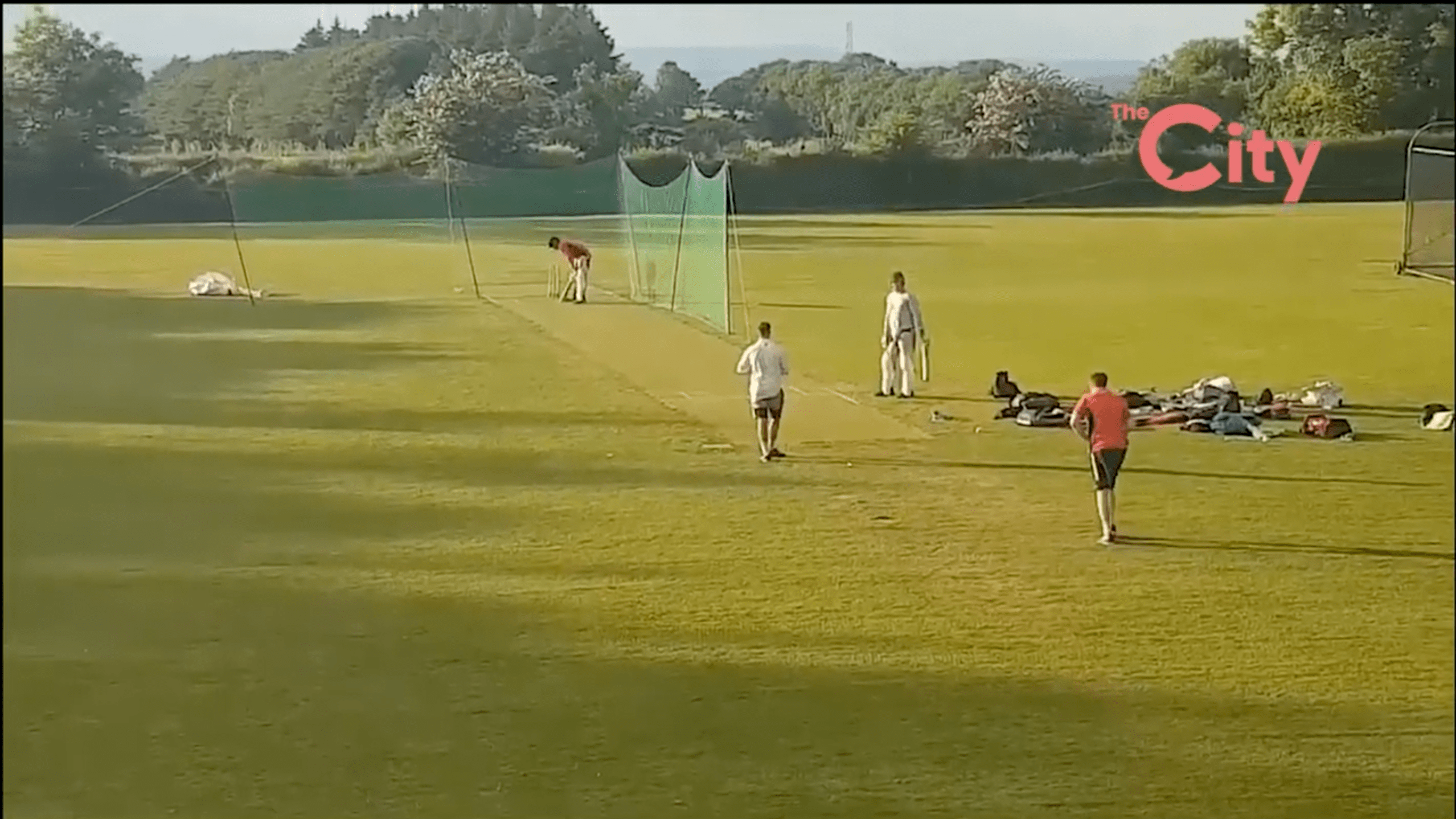
    TheCity.ie reporter and Munster interprovincial cricketer Ruadhán Jones has been looking at how cricket clubs and professional teams are preparing for the season under lockdown. He spoke to Ted Williamson, Munster Red’s interprovincial head coach and coach Cork Harlequins CC, and Kieran Sheffron — Munster’s strength and conditioning coach.

    Sports seasons have been cut-off, curtailed, or simply cancelled as a result of the coronavirus. As we enter the summer months, experts have warned that a return to contact sports is “a long way off”.

    But not all hope is lost. Speaking to RTE, Dr Paddy Considine — a sports economist — said that “there will be a hierarchy. Individual sports will have an advantage, while team sports or contact sports will be under pressure.”

    On top of this, Sport Ireland chief executive John Treacy said that non-contact, outdoor sports will be “a priority” when restrictions are lifted.

    For the likes of the GAA, soccer and rugby, this still makes a summer season unlikely. However, some non-contact outdoor sports have an outside chance of playing a shortened season – this includes cricket.

    As a member of an interprovincial panel, we have to do everything we can to be ready to hit the ground running. But it’s not all about the professionals – clubs are working hard to keep their members involved and active.

    To find out how teams and players are preparing, I spoke to Ted Williamson, head coach of the Munster Reds and coach at his local club Cork Harlequins CC, and to Kieran Sheffron, Munster’s strength and conditioning coach.

    Life under lockdown – cricketers prepare for a new season

  • ‘I think all Christians feel a call to find ways to bridge the social distance we’re enduring’ –  Fr Conor McDonough

    ‘I think all Christians feel a call to find ways to bridge the social distance we’re enduring’ – Fr Conor McDonough

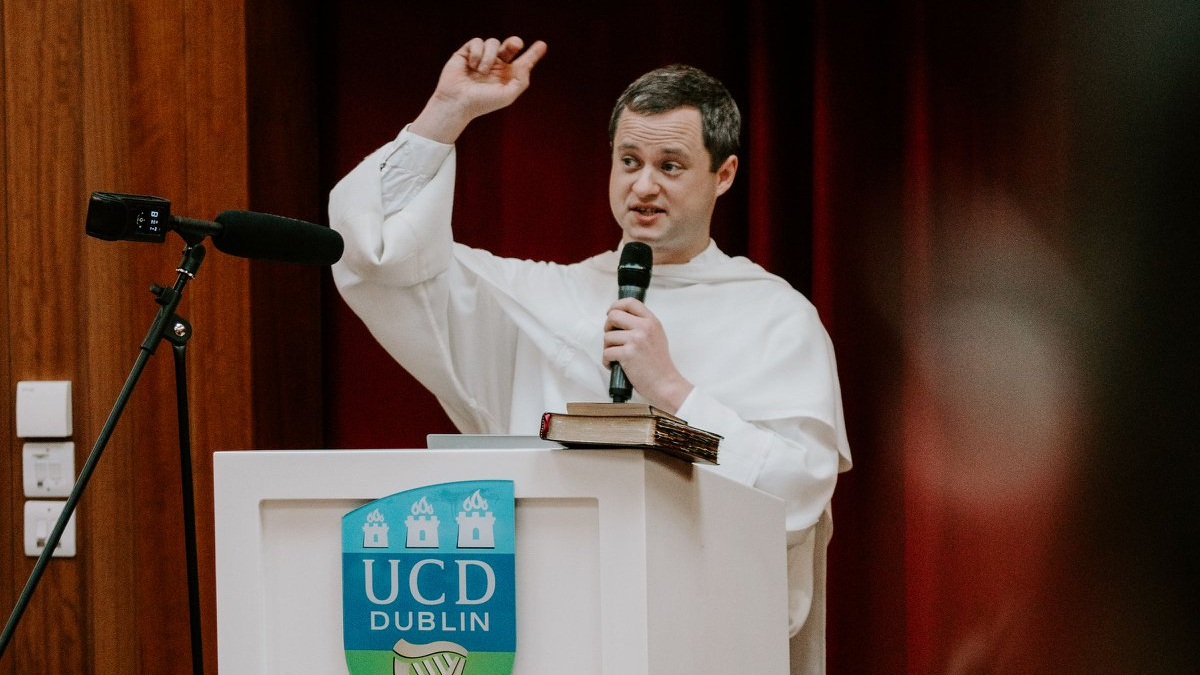
    Fr Conor McDonough giving a lecture at UCD. Photo: Fr Conor McDonough

    TheCity.ie’s Ruadhan Jones hears how priests and lay Catholics have been finding innovative ways to connect with the faithful online.

    Though the long Lent is over, we are still in isolation and masses continue behind closed doors. As a result, how to participate in Church life remains a pressing question for many Catholics.

    Fr Conor McDonough has been particularly active, giving up his Lenten fast from Facebook to join in the fight against the coronavirus pandemic.

    “I think all Christians feel a call to find ways to bridge the ‘social distance’ we’re currently enduring,” he says. “As a Dominican I feel that call particularly keenly: we’re preachers of the Word of God, we’re always looking for open ears and open hearts.

    “Right now, lots of people are in their homes, spending time looking at their screens – which are inevitably filled with bad news. I came back to Facebook to try to counter the bad news with the Good News of Jesus Christ,” McDonough continues.

    “I’ve had lots of positive feedback from people who appreciate being pointed to good online resources. People like the lighter side of things too, stories about community life and the strange things we find ourselves doing during lockdown.”

    Fr McDonough giving a talk as part of a webinar series for Catholic Voices Connect.
    (Photo: Ruadhan Jones)

    As part of his effort, McDonough gave a talk as part of a weekly webinar (online seminar) series called Catholic Voices Connect. His contribution to the series, titled ‘Coronavirus & the Church: keeping connected in a time of crisis’, took place on March 23rd.

    His talk, he explains, is part of his and the Dominicans’ effort to minister to the needs of the faithful, particularly their desire to gather as a community.

    “It’s such a strong instinct for Christians to gather. Jesus gathered groups around him, calling them away from their daily occupations to spend time in his presence.

    “Since then, Christians have continued to assemble, above all for the Eucharist, even at times of persecution, and especially during times of suffering. This is the fundamental reason it’s so painful for Catholics not to be able to attend Mass at this difficult time.”

    While he sees the pain it causes, McDonough says the bishops made the right decision in postponing masses.

    “We know so much more about how infection spreads, and it would be irresponsible and imprudent not to apply this new knowledge to our situation.”

    McDonough draws on his knowledge of the early Church in order to inspire his new, virtual mission.

    “I’m reminded of a moment in the life of St Paul. He had lived and ministered to the community of believers in Ephesus, but then was called to leave them. He gathered the people and told them he was leaving. He encouraged them and consoled them, they all knelt down in prayer and, as Paul left, the little community wept freely (Acts 20:37-38).

    Paul Writing His Epistles, attributed to Valentin de Boulogne.
    (Photo: Wikipedia commons)

    “But even when Paul was absent from his congregations he continued to write letters, and we should have the same attitude. Most ministry will have to be by phone calls, texts, livestreamed preaching and prayer, and social media updates. But this ministry of encouragement is so vital at this time of physical distance.”

    McDonough encourages people to take part in Church life in the ways which are open to them, such as online Masses and adoration. A recent survey found that 27% of respondents had watched mass online.

    “Watching online is definitely a good way to participate in the Mass, and to welcome the presence of Jesus into your home and your heart. It’s not exactly the same as attending Mass, and we naturally feel that lack.

    “But if someone confined to their home but desires and welcomes Christ in prayer, they’re actually living the Eucharist, as union with Christ, in a far more intense way than someone who attends Mass with little faith or love.”

    Churchservices.tv have been offering a selection of masses from Britain and Ireland.
    (Photo: Ruadhán Jones)

    But these are not the only ways we can fulfil our roles as Christians during this difficult time. McDonough sees the current crisis as an opportunity for the laity to remember their call.

    “It’s a good time too to remember the call of the laity to identify and use the particular gifts given to them by the Spirit, and to minister to each other in new ways now that priestly ministry has been interrupted. Here I’m thinking of all the kinds of charitable works being carried out around the country: collecting shopping, walking dogs, even organising bingo!”

    Having spoken about the call outward, McDonough’s last piece of advice is to also take this time as a chance for reflection.

    “It’s important not to be constantly communicating. This time of isolation also gives us the opportunity to be silent, to meditate, to read the Scriptures. These are the deep wells where we’ll draw water for the weeks to come.”

    Though this is indeed a dark time for religious and non-religious alike, McDonough speaks of the need to “let the light of our faith shine brightly on the digital continent”. It is this work that he and many other priests, religious, and laity are attempting to do.

  • ‘The balcony is a place for communication’: Japanese pianist Rie Matsushita on the  Italian music movement

    ‘The balcony is a place for communication’: Japanese pianist Rie Matsushita on the Italian music movement

    Photo: Rie Matsushita

    TheCity.ie’s Ayumi Miyano spoke with the Puglia-based pianist about the spread of live music rippling through Italy at a crucial time in the nation’s history.

    Due to the global Coronavirus crisis, many concerts and live music gigs have been cancelled or postponed. But people are still in need of music during this time, despite the lack of official events, says Japanese pianist, Rie Matsushita.

    Matushita moved to Valenzano, Puglia in 2016 and began enhancing her music career from then until the present day. The culture of Italy has a special place for music, says Matsushita, and brings people together despite social distancing, quarantine and a devastating death rate.

    “In Italy, most apartments, even small ones, have a balcony. Usually people lean out from their balcony and talk with their neighbours. The balcony is sort of a place for communication,” she said.

    Balcony-based culture in Italy. (Photo: Rie Matsushita)

    “People like to sing in Italy. In summer, there is a karaoke competition in our neighbourhood and we sing a song outside. People don’t worry whether they sing well or not. Everyone sings a song out loud naturally here,” Matsushita added.

    This aspect of Italian culture surprises her, since people only do karaoke inside a building in her home country of Japan.

    During the quarantine period, people have been singing and playing instruments on their balcony throughout Italy — this movement initially blossomed among music lovers, but now professional musicians have joined the boom. 

    “Normally, professional musicians don’t often play their music for free because they have pride as a professional. Only when they receive money from the audience do they show their skills, which they have been training for years to master. That’s not only for Italian musicians but for everyone in the world, I guess,” she continued.

    “But now their activities have suddenly stopped because of the Coronavirus. Then, gradually they started to sing and play their instruments on their balcony,” Matsushita added.

    Video: Rie Matsushita

    “Now, everyone who is involved in music — amateurs or professionals —play their music for someone outside of their house. I thought I would be happy to share the music with people who are coincidentally walking under my balcony, and also I can make a video of myself playing to share at Facebook or Instagram.”

    The power of online music

    Why are people in need of music now? According to Deborah Kelleher, Director of the Royal Irish Academy of Music, spoke to theCity.ie that listening to music allows people to “block out the stressful noise and uncertainty that surrounds us”: 

    “I think a pandemic such as Covid-19 shows people how important their music is to them. Music performance enables you to concentrate on one thing – playing or singing,” Kelleher said. 

    During the pandemic, the digital platform has been a favourite among musicians hoping to strike a chord with online audiences.

    “As a national conservatoire for music, we have seen firsthand how keen our students and examination candidates are to keep their music lessons going, even online,” Kelleher commented. 

    Professionals can stream and upload their music onto their website and social media channels. In this digital society, this may not necessarily be a recent trend. However, there is a “newer” movement involving musicians sharing their music videos on particular social media groups while in lockdown, like “Musica contro il Corona Virus”.

    According to Matsushita, this movement allows professional musicians to share their music for free — which they were hesitant to do before the Coronavirus pandemic. However, it’s a “win-win” scenario for musicians and audience members alike for its entertainment value and the online engagement created for the performer’s talent.

    Music — even performances streamed online rather than live concerts — enables us to heal, no matter what is happening around the world.

    “Listening to music also achieves this and can add to our happiness, especially if you choose the music that you love the most and reminds you of good times,” Kelleher said.

  • Struggling with homeschooling? The ‘Maths Eyes’ initiative combines nature trails with education

    Struggling with homeschooling? The ‘Maths Eyes’ initiative combines nature trails with education

    With schools closed, TheCity.ie’s Kate Brayden looks an innovative solution which could help parents cope with teaching maths in everyday settings.

    The Coronavirus pandemic has undoubtedly changed every aspect of our lives, but as self-isolation is leaving much of Ireland stuck indoors the household is particularly affected.

    On top of trying to work from home, many families are expected to educate their children at the same time as holding down a job. It’s a burden that is weighing heavily on some parent’s shoulders.

    While teachers themselves have assigned homework to schoolchildren to keep them busy during the pandemic, one initiative may have the answer for families seeking to balance their daily walks with learning.

    Maths Eyes was created in 2011 by Dr Theresa Maguire – whose motto is ‘everyone has maths eyes, they just need to be opened’. Dr Maguire developed the programme to support the continuous professional development of adult maths tutors in Ireland, and extended the concept of Maths Eyes’ to build confidence in parents within local Irish communities.

    The idea is that people can discover the maths surrounding them in their everyday life. Maths’ Eyes aims to facilitate learning for every type of child, adolescent and adult; especially those who struggle with the standardised curriculum of textbook learning.

    Dr Theresa Maguire (Left), Dr Sheila Donegan (Centre) presenting awards at Maths Week.
    (Photo: Maths Eyes website)

    Their website contains an extensive resource pack for parents, tutors and teachers, filled with ideas on how to allow maths to be expressed creatively using innovative solutions. Building a positive image of the subject is the most important thing to these educators, according to Ciaran O’Sullivan, mathematics lecturer in IT Tallaght’s Department of Mechanical Engineering. Having been a maths educator for 27 years, O’Sullivan was the perfect person to join the Maths Eyes team.

    “The idea is to awaken people to the fact that they use and they know and they’re more comfortable with maths than they might actually first allow,” O’Sullivan told TheCity.ie

    “There was a curiosity campaign, there were just posters put up with queries and questions just to get people thinking. It’s trying to move away from the idea that maths is only in a textbook in primary school.”

    Ciaran O’Sullivan, mathematics lecturer in IT Tallaght’s Mechanical Engineering Dept.
    (Photo: Ciaran O’Sullivan)

    Mental health issues are expected to skyrocket during the next few months, stress levels are set to peak alongside the number of Covid-19 cases, and many will be too busy with caring for family members to focus on their child’s homework Protecting the wellbeing of children is hugely important, as well as aiding their education, but Maths Eyes could be the perfect way to help the family take their daily walk while learning.

    “Firstly, it is very difficult to be at home with children – their parents aren’t their teachers, so that’s always going to make it challenging,” O’Sullivan adds.

    Maypark Maths Trail, supported by TU Dublin and Dublin City Council (Photo: Maths Eyes)

    “I think the way that Maths Eyes can help parents at home is through the development of maths trails and the poster competition. Those resources on the website are there so that the parents could download them and think, ‘Okay, we’re stuck around the house or the garden, but maybe I could do a little maths trail around the house’. All they need for that are Post-it notes,” according to O’Sullivan. 

    The scheme began in Tallaght, and is now supported by Technological University Dublin (IT Tallaght) and the Dublin West Education Centre. Within Ireland, Maths Eyes has active projects in around 200 schools and education centres with nature trails in numerous public parks. It has since been replicated internationally, beginning in Austria. Similar initiatives have also sprung up in England, Scotland, New Zealand, Australia and Washington DC.

    “It’s gained a bit of momentum there, so it must have some benefit for that,” O’Sullivan mentions.

    Community Maths Eyes nature trail (Photo: Maths Eyes)

    “I know myself from doing Maths Eyes sections in various primary schools that the children that engage aren’t necessarily the children that love the textbook type of maths. Once they realise that they can see some kind of normality to it in the sense that there isn’t really a right or wrong answer to a lot of questions, it’s more about the discussion.

    “People can get a way into maths that they hadn’t seen or noticed before. It’s also used in adult education settings as well, and it’s been a very useful tool there for getting people to come back from the idea that they’re not maths people. Once they gain a bit of confidence and success, they’re prepared to push on with their education,” said O’Sullivan.

    The link between socio-economic status, academic attainment, and future earning levels remains worryingly deep. Young people from wealthier backgrounds are more likely to go to college, carry out post-graduate education courses and earn 30% more than their comparator from a disadvantaged background, according to the Higher Education Authority.

    The creativity which the initiative inspires could also have huge benefits for the current generation of kids, as well as the next, who must grow up with the burden of climate breakdown on their shoulders. With highly innovative solutions needed, programmes like Maths Eyes could be the ideal change to our education system to foster ways of thinking outside the box.

    “I view maths as being much more creative than what normal people see it as,” O’Sullivan comments.

    “Even right now – with this horrible pandemic going on – it’s the ability for people to look at what the numbers are, what the numbers mean, what we should be doing, when is the right time to be social distancing; it involves us having to think about much bigger problems than ever before.”

  • What to read in isolation: ‘Where the Crawdads Sing’ by Delia Owens

    What to read in isolation: ‘Where the Crawdads Sing’ by Delia Owens

    New York Times 2018 bestseller ‘Where the Crawdads Sing’, by Delia Owens

    Attempting to focus your mind on literally anything that isn’t related to the coronavirus takes a special sort of superhuman mind control, but the debut novel by zoologist and nature writer Delia Owens had me transported to another world (and another ecosystem) writes Kate Brayden.

    Set in the swamplands of North Carolina during the 1960s, gradually building tension into the 1970s, the American wildlife author utilises the environment to paint a portrait about the cruelty of enforced isolation.

    The tale follows Kya Clark from the age of six up to 25, as she copes with her own abandonment by each member of her family until — at ten years old — she must learn to fend for herself. The swamp takes the place of her guardian, and though she is illiterate, her prowess as a biologist becomes unmatched.

    North Carolina wetlands (Photo: iStock)

    This takes inspiration from Owens’ own childhood in southern Georgia, where her mother used to tell her to “Go way out yonder where the crawdads sing.” Her mother taught her how to hike without stepping on rattle snakes, and not to fear the inhabitants of the ecosystem. Delia went on to spend most of her life in or near true wilderness, and since childhood has thought of the outdoors as a true companion and close friend.

    Flicking back and forth through the timeline, the plot follows the mysterious murder of the town’s golden boy until the final answer is eventually revealed – but only after we witness Kya’s own fight for survival. Bigoted witnesses yearn to blame the murder on the “swamp girl”, with Owens using influences from crime fiction, nature writing and even YA romance to keep the reader consistently entertained. Owens also cleverly uses anecdotes of mating rituals of insects and animals as metaphors for the (usually fairly heartless) behaviour of the novel’s male characters.

    Reese Witherspoon discusses the novel with author Delia Owens (Photo: Instagram)

    As Kya grows, she acquires tricks from the marshlands surrounding her, learning how to fish and hunt in order to garner the cash for food. Later on, she utilises her observations of wildlife and applies them to dating when two boys of opposite backgrounds show an interest in her.

    Despite being viewed as “white trash” and the epitome of a pariah, Kya is underestimated her entire life – learning camouflage to escape the clutches of those who target her.

    The book cuts between the murder investigation and the progagonist’s lonely upbringing, dodging her abusive father while missing her mother and older brother, Jodie. Kya looks to nature for answers to the question of why everyone around her eventually leaves, but finds solace in guidance from a married couple who live in ‘Coloured Town’.

    As a recluse with little vocabulary and a target of ridicule, she can relate to the prejudice ruthlessly handed down to the black people of the town. 

    The compelling character will presumably be spun into a film role in the future, with a star turn by an up-and-coming actress. It was refreshing to read such a three-dimensional character, a fast-paced plot which left room for beautiful writing and a study of racial tensions and social division in a country that has much progress to make to achieve equality.

    In a pandemic which shines a light on the frailty and failure of capitalism in a crisis, the book demands respect for the natural world and its inhabitants. Let it transport you to another era, another landscape and another mindset while you self-isolate indoors.

  • What to read in isolation: ‘Bullshit Jobs’ by David Graeber

    What to read in isolation: ‘Bullshit Jobs’ by David Graeber

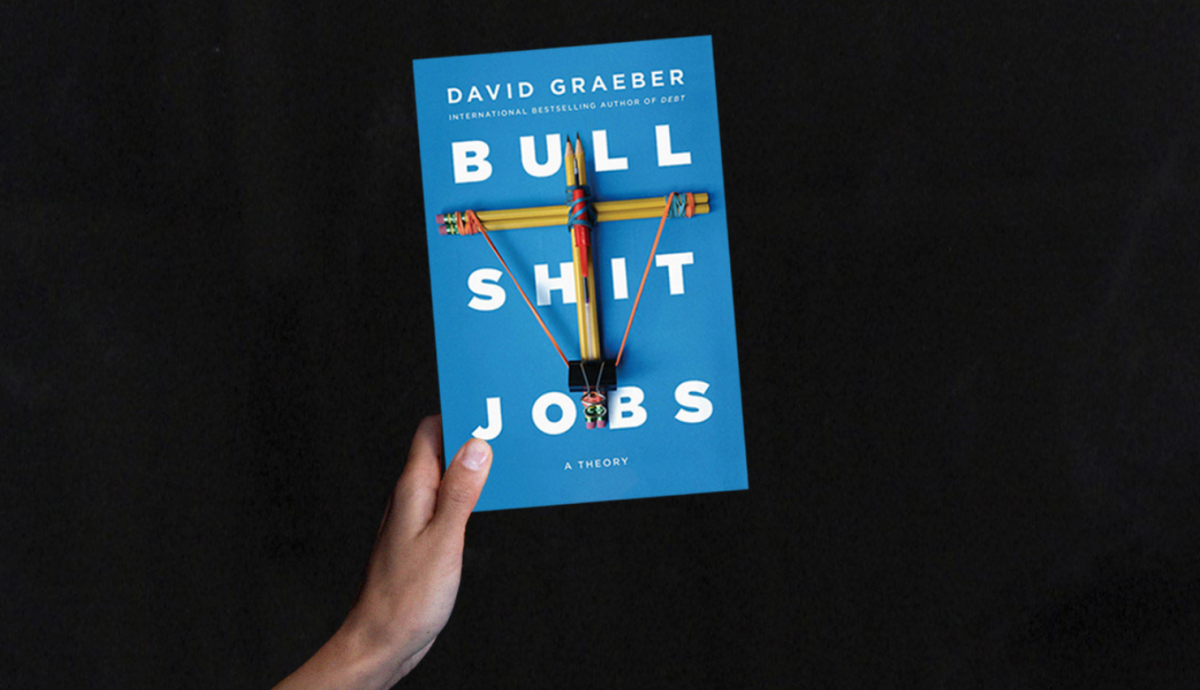
    Bullshit Jobs by David Graeber (2018)

    What book would TheCity.ie’s Cameron Weymes recommend reading while trapped inside during the Covid-19 pandemic? Here’s an alternate view on cog-in-the-wheel capitalism that will grab your attention.

    Anthropologist David Graeber’s 2013 essay, On the Phenomenon of Bullshit Jobs, and 2018 follow-up book, Bullshit Jobs, are worth a revisit during the global coronavirus crisis. 

    According to Graeber, modern capitalism is producing millions of utterly pointless ‘bullshit jobs’ that could be wiped out overnight, leading to little discernible difference within society as a whole.

    Were we to get rid of the unnecessary jobs we keep inventing for ourselves, we would only be working 15 hour weeks, says Graeber.

    “Say what you like about nurses, garbage collectors, or mechanics, it’s obvious that were they to vanish in a puff of smoke, the results would be immediate and catastrophic… It’s not entirely clear how humanity would suffer were all private equity CEOs, lobbyists, PR researchers, actuaries, telemarketers, bailiffs or legal consultants to similarly vanish (many suspect it might markedly improve).”

    David Graeber – On the Phenomenon of Bullshit Jobs

    Technological advancements and increased automation in production should have freed up our time for recreation by now, but instead the private sector has invented jobs to keep us busy and distracted.

    Interviewees include people with job titles such as ‘Portfolio Coordinator’, ‘Assistant Localization Manager’ and ‘Senior Quality Performance Officer’; all of whom consider their professions to be entirely pointless. 

    Graeber is careful to distinguish between a “shit job” (a tough job that is necessary for the functioning of society, such as a bin man) and a “bullshit job” (one that is unnecessary and maybe even harmful, such as a corporate lawyer). 

    Image: Pexels

    As the coronavirus crisis escalates, people all over the world have been increasingly reliant on medical workers, hospital cleaners, delivery drivers and supermarket staff.

    Parents have gained a newfound respect for work done by teachers as they attempt to homeschool their children. In contrast, whether or not corporate lawyers or ‘Portfolio Coordinators’ have been going to work these past few weeks is yet to make a noticeable difference to our lives.

    Maybe Graeber has a point.

  • What to watch in isolation: ‘Lady Bird’ by Greta Gerwig

    What to watch in isolation: ‘Lady Bird’ by Greta Gerwig

    Saoirse Ronan as Lady Bird, the eponymous main character

    TheCity.ie’s resident film guru Ruadhán Jones gives his movie recommendation for some quality quarantine entertainment.

    The darling of the mumblecore Indie genre, Greta Gerwig’s first foray into direction was not one I anticipated enjoying – but here we are! With coming-of-age dramas being two-a-penny, it’s a hard task to keep them novel. But whereas many are navel-gazing, wish-fulfilment, Lady Bird is equal parts amusing, bracing, and surprisingly moving.

    It is a pleasure to watch a film explore a mother-daughter relationship with such depth and sympathy. Whereas most teen films separate the teenage and adult worlds – as though they belong to two different species – Gerwig interweaves their shared dramas. Much of the film is about the eponymous lead, Ladybird (Saoirse Ronan), coming to understand her mother’s love.

    Ladybird is a high schooler in her last year, facing the uncertainty that comes with moving on to college. Self-conscious and restless, her rebellious spirit often leads her astray. But with outlets for her creativity, such as the school drama, she is able express herself more productively. The film touches on many of the tropes you would expect – like first kisses and teenage angst – but each time with a twist that is unexpected, but fulfilling.

    Finally, there are few things more cinematic that a covert love-letter to a particular place. Every artist needs their community. For Woody Allen it’s Manhattan, with Pedro Almodóvar it’s Madrid, for Greta Gerwig it’s Sacramento.

    Sitting on my couch in dreary Ireland, I find it hard to believe that anybody could hate such a sunny, warm city with all that lovely architecture and natural scenery. But the eponymous Ladybird does, or at least thinks she does. Coming to terms with her unrecognised appreciation for her home is just another of the themes that Gerwig subtly interweaves.

    Now available on Netflix, this is a definite must-see.

  • What to read in isolation: ‘Ariana: The Unauthorised Biography’ by Danny White

    What to read in isolation: ‘Ariana: The Unauthorised Biography’ by Danny White

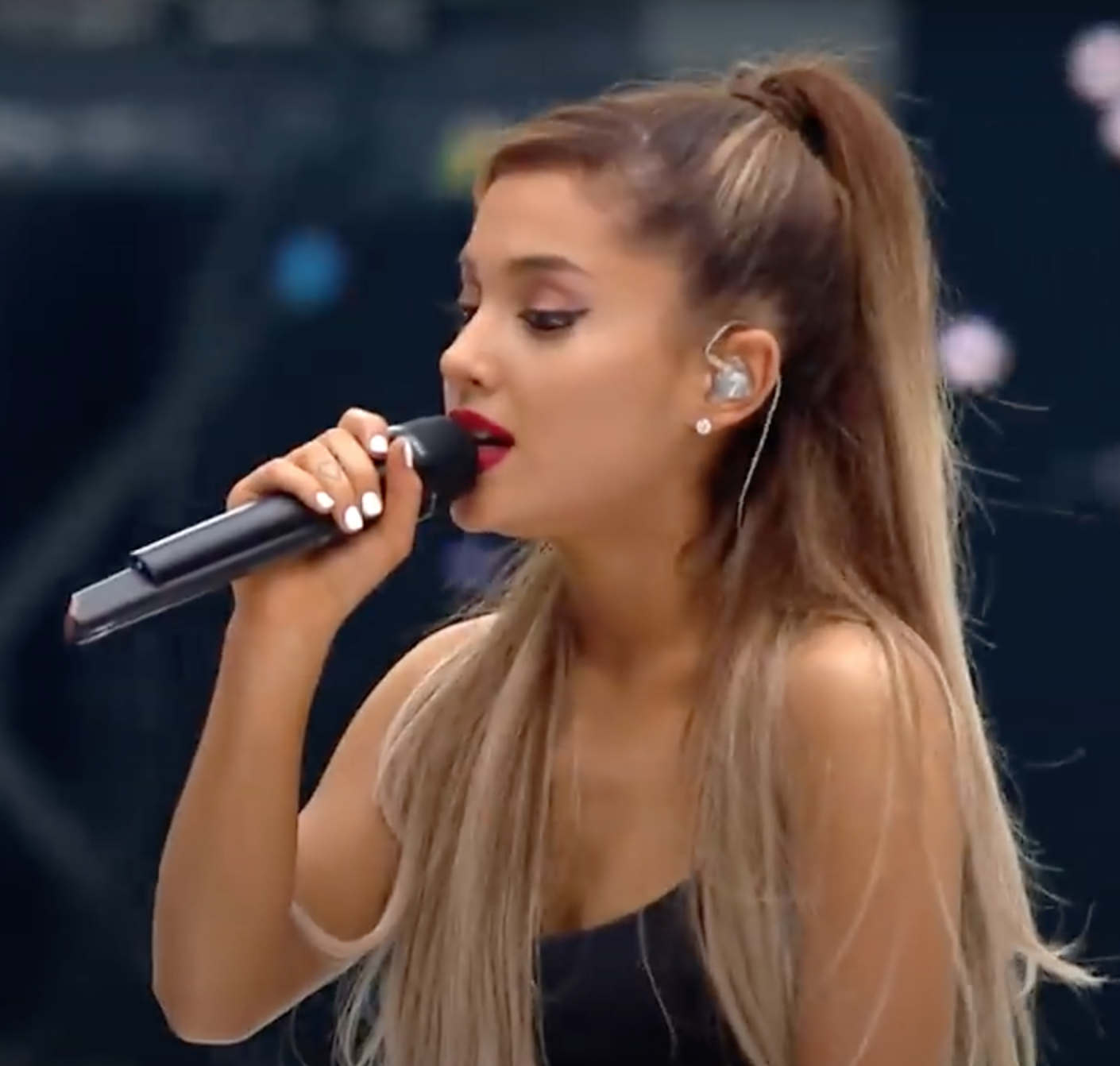
    Ariana Grande on stage at the Capital FM Summertime Ball at London’s Wembley Stadium in June 2016 (Photo: YouTube)

    With a dearth of celebrity news during the pandemic, TheCity.ie’s Paul Caffrey offers up a taste of pop icon Ariana Grande’s (short) life thus far instead — and it’s endlessly entertaining

    Last. week, the brother of the suicide bomber who targeted Ariana Grande’s May 2017 gig at the Manchester Arena — killing children, teenagers and parents — was convicted by a jury for his role in planning and executing the shocking attack. Poignantly, each victim’s name was read to the court as the guilty verdict was announced.

    For the then 23-year-old Grammy award-winning superstar, the night of May 22, 2017 was an incredibly frightening experience. She’d just stepped off stage when a deadly home-made bomb was detonated at the exit of the venue at 10.31pm, killing 22 people and injuring over 200. 

    The singing sensation and former Nickelodeon star was backstage when she heard the explosion and “fell to pieces”, according to Ariana: The Unauthorised Biography, by Danny White. 

    Danny White’s unofficial biography of Ariana Grande. (Photo: Amazon)

    Having initially flown back to the US to recover from her own shock, she impressed even the toughest of cynics by returning to Manchester less than a fortnight later to stage a benefit concert to raise money for the victims of the attack and their families.

    “Even with the concert merely announced, it felt like a healing process had begun,” writes White. 

    But the singer’s first priority on her return was to spend time comforting young victims of the atrocity, both at the Royal Manchester Children’s Hospital and at the homes of some of the affected families. 

    “Her visit touched them deeply, it left one father in tears,” White writes.

    Despite a London Bridge terrorist attack the night before the One Love Manchester concert, the show went ahead on June 4 at Emirates Old Trafford cricket ground — just a 15-minute drive from the Manchester Arena — albeit with heightened security.

    The highly memorable show attended by 50,000 people, with well-known names of British pop performing, earned Ariana praise from highbrow publications around the world, as White outlines.

    Ariana Grande performing at the One Love Manchester concert in 2017 (Photo: YouTube)

    Forbes magazine lauded the pop princess for “so quickly” getting back on stage after the terrorist attack, and for organising a concert that was “a strong testament that the human spirit will endure”, while British newspaper The Independent said the concert was the “proper way to respond to hate”. Even journalist Piers Morgan called her an “admirable young woman”, the book recounts. 

    “A strong testament that the human spirit will endure”

    Forbes magazine’s description of Ariana’s One Love Manchester concert

    Perhaps the most interesting part of this biography is its account of Ariana’s early life. Growing up, she played the French horn and was inspired by artists who were popular well before her time like Whitney Houston and even Judy Garland.

    WATCH: Ariana performs her hit ‘My Everything’ with a school choir at One Love Manchester

    White also details her first “star quality” public performance aged eight as Annie in a community theatre group musical. We’re told how her mother Joan joined the production as a co-star because she felt Ariana was too young to be left alone at rehearsals. 

    At 210 pages, this book is an excellently researched, comprehensive and easy to read overview of Ariana Grande’s life so far, drawn from multiple newspaper reports, books and other sources. The only possible disappointment for fans is that it doesn’t reveal anything new.

    While indeed “packed with fascinating details about the real Ariana” as its blurb boasts, none of these facts were uncovered by the writer himself. Still, a must-have reference book for any fan with a generous additional 16 pages of colour photography thrown in.