Tag: slider

  • The effect of Covid-19 on Mental Health

    The effect of Covid-19 on Mental Health

    By Jane Byrne

    Image: Jane Byrne

    February 29th 2020 marked the first confirmed case of Coronavirus in Ireland. With the pandemic nearly at the two year mark, mental health has plummeted to record lows. 

    Unprecedented challenges such as working from home, health and safety concerns, nationwide lockdowns, financial stress and the loss of loved ones have caused mental health to decline at a rapid rate. Many argued that services were inadequate even before the pandemic and concerns of a mental health crisis are rising with some even dubbing it a ‘second pandemic.’  

    With new restrictions being announced daily, limits on hospitality reintroduced and work from home mandates being encouraged, mental health will continue to decline. 

    The Central Statistics Office began conducting surveys in April 2020 which included the mental well-being of respondents. ‘The Social Impact of Covid-19’ surveys asked people a variety of questions over four different periods of the pandemic. Topics asked included, general mood, feelings of loneliness, government compliance, easing of restrictions, financial situation and the future of the pandemic. 

    Statistician and author Claire Burke notes, “The first Social Impact of COVID-19 survey was undertaken in April 2020 with the purpose of measuring the impact COVID-19 was having on Irish society and how it was impacting different people in different ways.”

    The surveys were conducted at significant points throughout the pandemic. They began in April 2020, when Irish society first endured the impacts of COVID-19. The second survey was in August 2020 when the public were living under Level 2 restrictions. Again, in November 2020 when the people of Ireland were living under Level 5 restrictions with the expectation of returning to some form of normality and finally to February 2021, during the third lockdown. 

    There was no more surveys conducted after this time. This was due to the vaccine rollout and the hope that Ireland had gotten over the worst of the pandemic and resource issues. 

    The survey asked people to rate their overall life satisfaction at that current time. As the pandemic continued, more people began rating their life satisfaction as “low” all or most of the time. The only time an increase in life satisfaction occurred was in August, notably when the public were living under Level 2 restrictions which included ease of travel restrictions and good weather. 

    Data on overall life satisfaction and more can be found here: 

    The implications of the Covid-19 pandemic on mental health
    Infogram


    At every single interval, female recipients were more likely to identify as feeling depressed or down all or most of the time and admitting to having a lower overall satisfaction with life. Female respondents were also more likely to report being extremely concerned about their own health, somebody else’s health and maintaining social ties than male respondents. 

    Image: CSO

    Women aged between 18-34 were most likely to express feelings of loneliness in every interval. This was followed by men in the same category. Whereas people aged 70+ were least likely to report feeling lonely. This is surprising as over 75s were ‘cocooning’ under Government restrictions and were the least likely to be mixing with friends and family or working during these four intervals.

    Mental Health Ireland CEO, Martin Rogan discusses the impact the pandemic has had on people.  

    “Anxiety in the face of an uncertain, unfamiliar threat is a perfectly healthy response, designed to keep us all safe and alert to risk. However, it is not possible for an individual or indeed a community to maintain this level of hyper-vigilance over a protracted time period and this can have a depleting and exhausting effect. Over time this can impact mood and a sense of purpose and can reduce our sense of self-efficacy, self-agency, confidence and hope.”

    This has translated to more people relying on mental health services. “We have seen our online traffic double over the past year and nine months. When the protective Public Health Measures were introduced, isolation and loneliness came to the fore. Other providers have reported to us a rise in Domestic Violence,” explains Rogan. 

    This is mirrored in Spectrum Health’s data. The counselling company recorded that over 75% of their pre-existing in person clients moved to their digital services when the pandemic started. Furthermore, over 90% of clients continued with video or phone counselling for more than three sessions. 

    The pandemic has also brought mental health difficulties to people who otherwise would have never suffered. “Taking away hobbies such as sport caused stress and impinged on the person’s sense of wellbeing and identity. This was an unfamiliar experience for them and many were unsure how to address this new experience or where they could seek support”, Rogan says.

    He continues, “Women are more likely to seek help from friends and family and our society encourages and allows for this, until recently, men were expected to simply ‘get on with it’, be self-reliant and macho and to remain silent and stoic. These stereotypes are hardwired into our social expectations and have profound effects on how people understand and recognise distress in themselves and others.”

    Experts predicted mental health in Ireland would improve overall with the vaccine rollout as life would be able to continue as normal. However, with cases as high as they were pre vaccine, the issue has only been exacerbated. 

    Counselling psychologist Dr Martha Whelan reflects on how the pandemic has affected mental health for her practise.  

    “Since September of this year I have nearly doubled my clientele. A lot of the same issues are arising – depression, anxiety, worry, loneliness and hopelessness.” 

    She explains that a lot of her patients are fearful over case numbers and loosing that sense of normality again. 

    “If the CSO were to conduct more well-being surveys I’m sure they would find the same outcomes of people who are increasingly worried, stressed and lonely.” 

    Dr Whelan’s advice is clear. “Mind yourself by doing something you like, whether that be getting out for a walk a bit earlier for some sunlight or meeting friends, it is important to stay connected to people and get outside when possible.” 

    The surveys shone a light on the drastic effect the Covid-19 pandemic has had on people over the last 20 months. Mental health Ireland has set up a support page on their website which can be found here: https://www.mentalhealthireland.ie/get-support/covid19/

    Alternatively you can call Pieta House 1800 247247 or text “HELP” to 51444, Contact Aware at 1800 80 4848 or supportmail@aware.ie or the Samaritans at 116123 or jo@samaritans.ie. You can also text  “HELLO” to 50808. 
  • Storm Barra is on the way: What do you need to know?

    Storm Barra is on the way: What do you need to know?

    By Ciara Tyrrell

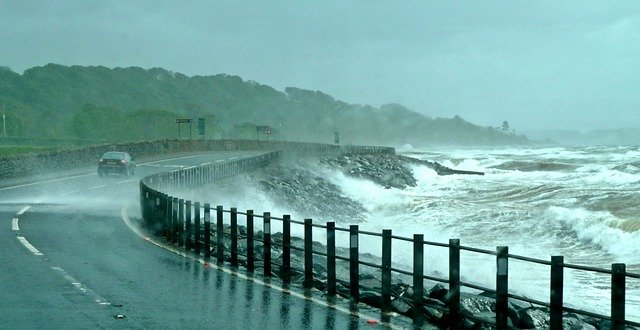
    Met Eireann has issued status red and orange wind warnings ahead of Storm Barra which is expected to hit in Ireland on Tuesday and Wednesday.

    Red wind warnings have been issued for counties Cork, Kerry, and Clare tomorrow due to the fact that there are expected to be wind gusts of up to 130km/h which is expected to cause serious damage.

    Storm Picture by DreamCatcher on Pixabay. License: Creative Common License

    Orange wind warnings are also in place for many western counties and some eastern counties and Met Eireann says on its website that there is a “yellow wind warning covering the rest of the country”.

    The following public safety advice has been advised by the Irish Coast Guard, Road Safety Authority, An Garda Siochana, and Local Authorities:

    –    To stay away from all coastal areas for the duration of the Met Eireann warnings.

    –    All road users should be aware of the hazardous traveling conditions, and only necessary journeys should be taken. Motorists should slow down and be aware of the dangers of fallen trees and debris. High sided vehicles are particularly vulnerable during this time.


    –    As conditions will vary throughout the event, people need to take account of the local conditions and advice from their Local Authority.


    –    The public are warned electricity wires are always live and to never approach them. If you see fallen or damaged wires, keep clear and phone ESB Networks immediately on 1800 372 999 or 021 238 2410.


    –    Should red level warnings be issued, the public are advised to shelter in place for the duration of the warning.

    Tanaiste, Leo Varadkar, had the following advise for the public on the ClaireByrne Live show.

    In terms of Education, Simon Harris, Minister for Further and Higher Education advised that “any third level facility in a red alert or orange warning area should not open tomorrow”.

    If you are the owner of any pets, Dogs Trust and Madra dog rescue are advising to keep the dogs and pets indoors during the storm and if they are in need to go toilet to bring them out on the lead.

    And whatever you do, don’t forget the wise words of Teresa Mannion; to not take unnecessary journeys. 

    To keep up to date with Storm Barra go to met.ie

  • Stepping Stone Forests aims to get rid of ‘green desert’

    Stepping Stone Forests aims to get rid of ‘green desert’

    Shay Galon reports on the Stepping Stone Forests in the Sean Walsh Park, Tallaght, allowing future generations to interact with the biodiversity that exists in a forest.

    Stepping Stone forests are small densely planted forests of native Irish trees. The method of planting these small forests is inspired by the world-renowned botanist Professor Akira Miyawaki. The soil preparation and dense planting ensures that these forests grow and develop extremely quickly. The proposal is to create a forest within the grounds of almost every school in the Tallaght area.

    Many of these are DEIS schools in areas of social and economic deprivation.

    Stepping Stone forests consist of a variety of native Irish trees and shrubs and can be as small as 100sq meters. The soil preparation, dense planting, and extensive mulching means that these small forests grow very rapidly. Using bare root plants and shrubs is cheaper, easier and generates less waste (there are no pots to get rid of). 

    One aim is “to convert open parkland,” which John Kiberdy, creator of the project, coins as a “green desert”, to large areas filled with local greenery and plants to both battle the negative effects of global warming while also allowing schools to learn about biodiversity directly.

    “Where suitable space and conditions exist, we will plant the forests in a horseshoe shape. The space within the horseshoe will give the school children access to the forest as well acting as an outdoor classroom.”

  • 2021: A Royal Year for Meath GAA

    2021: A Royal Year for Meath GAA

    By Dylan Kerrigan

    Dylan Kerrigan is joined by David Rispin from the ‘WeAreMeath’ podcast to discuss Meath GAA’s successful 2021 and the counties aspirations for 2022.

    With the Meath minor team winning their first All-Ireland in 29 years and the Meath ladies winning their first ever Senior All-Ireland title, 2021 can be deemed as one of the most successful sporting years for the county to date.

  • Spinal injuries Ireland fundraising struggle through Covid

    Spinal injuries Ireland fundraising struggle through Covid

    Image by Spinal injuries Ireland 

    By: Christopher Windrum 

    Christopher Windrum reports on how Covid has affected the fundraising capabilities of Spinal Injuries Ireland.  

    In 2019, Spinal injuries Ireland (SII) raised €604,607 in fundraising income. In 2020 it was reduced by 44 percent, when they only raised €339,029 in fundraising income. 

    The main reason why their income dropped was because of Covid, but with the help of government subsidies in 2020 the losses didn’t seem as bad.   

    SII have forecasted for a bigger loss in 2021, because they lost their government subsidies this year, they expected another loss of around € 150,000. That would only leave them with an estimated € 190,000 from 2021. 

    In the graph above it shows the decline in fundraising revenue for SII, there is a steep drop shown in both years after 2019. In 2021, that is an estimated number but SII reckon they lost 56 percent of the 2020 revenue.  

    Mary Dunne who is the operating manager for SII spoke to thecity.ie about some of the issues they have faced with grants this year. 

    “We did actually get help from the government  through the wages scheme and a grant from Pobal. However the Pobal grant put us over the threshold for wages subsided and we are facing a loss for this year.”

    The reason why SII lost some of their government subsidies for the rest of the year was because of Pobal, which is a not-for-profit company that manages charity programmes on behalf of the Irish government. 

    Mary explains how SII have struggled with fundraising since Covid struck .“We had to cancel major fundraisers such as balls, lunches and challenges. We had to adapt to online fundraising such as virtual challenges and an online monthly prize draw.”    

    Fundraisers are how charities like SII normally survive. Mary explains why fundraising is so important for SII.

    “Fundraising helps to pay salaries of specialist community outreach officer teams,to provide educational and activities programmes. Such as sporting and social activities to help reintegration into society.” 

    SII is a charity that provides support to people who have sustained a spinal cord injury and helps their families.

    Mary explains how SII helps people with spinal cord injuries. “We engage with people from time of injury for as long as they need us.  We provide one to one support, a range of services and resources which help people and their families adapt to life after the devastation of a spinal cord injury.”

    “The assistance we provide to each service user is specific to the needs of the person with spinal cord injuries and their families and include one to one support from our community outreach team. We also provide access to our peer support programme, activities and educational programmes.”

    With the pandemic most likely continuing on in 2022, SII will likely still struggle in making money through fundraisers, because the online fundraisers haven’t worked. Hopefully in 2022 SII will have more chances to do more in person fundraisers than last year, but that will be just a hope for them. 

  • Who you gonna call? Ghostbusters Afterlife movie review

    Who you gonna call? Ghostbusters Afterlife movie review

    By Christopher O’Flaherty

    Image via Flickr

    Ghostbusters afterlife is a mix between 1980’s nostalgia and the power of modern cinema. The director Jason Reitman lives up to his father’s original 1984 Ghostbusters movie with this soon to be classic nostalgia trip down memory lane. McKenna Grace steals the show as Phoebe — a young aspiring scientist, the granddaughter of one of the original ghostbusters, Dr Egon Spengler. McKenna Grace does a fantastic job portraying a young child who is not too sure what to do with herself.

    The movie starts off at an excellent pace. Throws you right into the deep end and immediately introduces us to the incredible technology that we will be seeing a lot of in this movie. By the time the first 30 minutes of this movie are up. We have been introduced to all the main characters and developed their relationships with each other. A very hard thing to accomplish but Jason Reitman does a fantastic job not boring us with unnecessary nonsense. We want to see some ghosts being busted. That is what we are here for.

    Now let’s talk about the casting. Logan Kim as Podcast was excellent casting. He’s funny, he’s different all while not being annoying. He has a love for conspiracy theories and mysteries, so it makes him quite the character and he grew to be one of my favourites throughout the film. Podcast and Phoebes friendship is one you love to see blossom through the movie.

    Gary Grooberson, played by Paul Rudd, plays the teacher that teaches summer school. He acts as a sort of help tool for the audience as he explains all the past Ghostbuster tech to the kids, this helps people who have never seen Ghostbusters before understand all the references to the past films. Paul Rudd played the part very well and I only wish I saw more of him in the movie. 

    Trevor was played by The Stranger Things star, Finn Wolfhard. Finn did a fantastic t job playing the teenage brother to Phoebe. He’s embarrassed by his mother, he gets into a little bit of trouble and would do a little too much to impress a girl. 

    Speaking of the teenage girl. Lucky played by Celeste O’Connor is quite frankly. A boring character. Her dad is a cop but there’s never any story there and doesn’t play any major part in the plot. She kind of feels like she’s there so that Finn Wolfhard’s character has a love interest. She’s just very one dimensional. Celeste O’Connor did the best she could with the script she was given. Just comes down to a poorly written character.

     Another poorly written character was Carrie Coon as the mother, Callie. A character with so much potential, but the writing just falls short. Callie is quite frankly dull. She pretends to not know anything about her father for the majority of the film as if she never knew who he even was. She knew exactly who he was but just decided to lie to her kids and have absolutely no idea what’s going on. It’s weird writing and a character with so much potential was wasted.

    Now, the absolute star of the show who really makes this film shine. McKenna Grace as Phoebe. Oh, my days she smashed it. She stole the show with every scene she was in. Her hyper-intelligence really portrays how brilliant she is, but it never comes across as a know-it-all or at all annoying. She was funny, relatable and just amazing. No complaints there, what an amazing actress.

    One of the most loved parts of the original Ghostbusters movies from the ’80s was the action scenes. They were cool, fun and creative. Ghostbusters Afterlife delivers this in spades. Action scenes are exciting and well-directed and incredibly fun to watch. The action starts pretty early on in the movie, at about the 30-45 minutes mark. The best part? The action does not slow down. There is this amazing car chase scene with ECTO-1 that is by far the best action scene in the movie. It is fantastic to see the Ghostbusters with modern-day CGI.

    Ghostbusters is notorious for also being very funny. Ghostbusters Afterlife has its moments. Paul Rudd kills it every time he is on screen with his witty retorts and smart attitude. Logan Kim as Podcast is by far the funniest character. Although comedy is frequent it does leave room for the spookier and more serious side of Ghostbusters.

    I wouldn’t say this movie is scary, but I also wouldn’t say the original Ghostbusters is scary. This movie has more of a creepiness to it. Object floating around the air. Chess pieces move by themselves. Small things that make the movie better while also making sure it’s not pretending to be a horror movie.

    Overall, I loved this movie. I walked out of the theatre only wanting more. It’s a fun, humorous, exciting Ghostbuster’s movie and I cannot wait to see what will be done in the future. If you liked the original Ghostbuster movie from 1984, you’ll love this. If you’ve never seen Ghostbusters before, you will also love it. 

    Final Rating: 8.5/10

  • Irish nurses – Overworked, Underpaid and Emigrating

    Irish nurses – Overworked, Underpaid and Emigrating

    By James Hagan

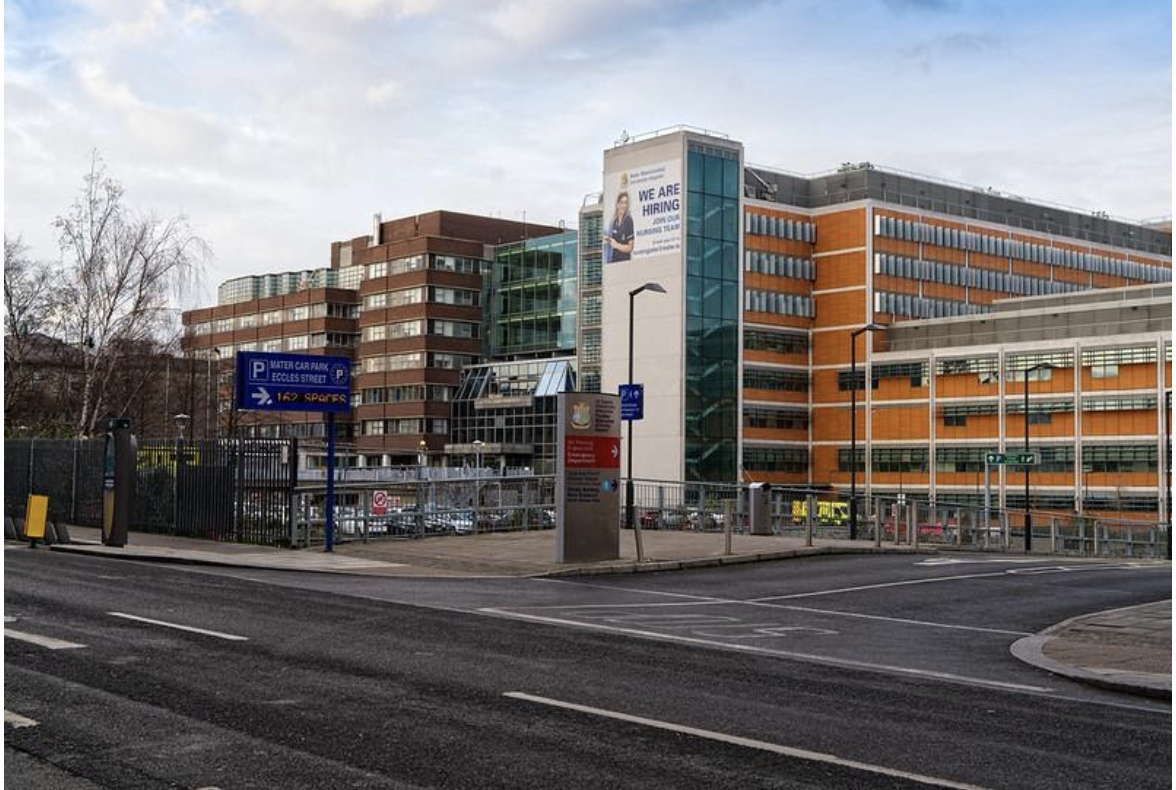
    RTÉ News reported that conditions are getting so dire, a transplant surgery had to be cancelled this month in the Mater due to a lack of ICU beds. (Image via William Murphy, Flickr)

    Irish nurses have been on the frontline of the COVID-19 pandemic, but overloaded work schedules, unsafe work environments and miniscule pay has left nurses going abroad for fairer treatment. 

    Before the Covid-19 pandemic, both training and career nurses in the Irish health service faced a high workload and low wages, and since then these conditions have worsened. 

    RTÉ News reported mid-November that physical and emotional assaults was on the rise in Emergency Departments nationwide. The Irish Nurses and Midwives Organisation (INMO) have asked the HSE to initiate a security review as more cases of physical and verbal abuse come to light. 

    Paul Reid, HSE Chief executive, has since said if security in hospitals needs to improve, that the HSE will provide, yet no official plans have been made yet. 

    The INMO have also heard about concerns of a lack of adequate breaks during shifts and the use of annual to alleviate work overload. Despite staff and union outcry, conditions remain the same. 

    The Irish Independent reports that a spokesperson for the Saolta Universal Healthcare Group, a group established by the HSE, “regret” the pressures their hospital’s staff are facing but assures that hospital groups are recruiting nationally and internationally to reduce staff workload. 

    Recent protests held at both Leinster House and Mayo University Hospital since the beginning of November have highlighted issues that have been campaigned about for years by nurses’ advocacy groups and unions, yet remain unresolved.

    The City spoke to Irish-based nurses about their current experience in nursing in Ireland. Nurse’s names have been changed for employee confidentiality. 

    When asked about their thoughts on nurse’s wages, Bea, a student nurse in the Mater Hospital, explained that student nurses aren’t paid. “We’re not paid as student until we get an internship, which then is only minimum wage” she said. “Staff are overworked and underpaid. Staff shortages causes a major strain on the system. This makes it dangerous for nurses and for patients.” 

    Jay, who works as a clinical research nurse in the Dublin Neurological Institute, said his current role is the best work environment he’s been in. Yet he had to leave tertiary hospital work from getting burnt out. 

    “Being in such a high-pressure environment brought out a lot of toxicity in the people. There were always issues with management’s treatment of staff. Patient to nurse ratios were at times unsafe. It put an enormous amount of stress on the nurses to ensure patient safety in unsafe environments.”

    The INMO was unavailable for comment.

    Some nurses have decided to emigrate in order to find better work environments. The City spoke to Irish-trained nurses Louise, Isabelle and Lydia, about life as a nurse in Australia compared to Ireland. 

    The City: How has career nursing been since moving to Australia?

    Louise, who has been working in Australia for 2 months, says the differences between nursing work environments is obvious, and Australia offers a higher quality of life. 

    “The pay is double what I got at home for far less responsibility, and I never worry about coming in the next day. We’re given company cars with petrol and tolls paid for. The opportunities to explore different specialities are far broader; there is much less red tape involved” she said. 

    Lydia, who has been trained in nursing for 5 years, says the work is more efficient and conditions are better. 

    “Plenty of staff are available, shifts are only 8 hours and are more manageable this way. I feel much safer in my environment and don’t dread going into work at all, at least yet anyway!”

    The City also asked the nurses about the effectiveness of nurses’ right advocacy groups, protests and marches in aiding their work conditions. 

    Bea, Mater Hospital: “In a way, yes. There was a strike for payment to students working during the pandemic, but overall, I feel they’ve not had much impact.”

    Jay, DNI: “I think demonstrations and unions have a function to help fight for nurses’ rights. It’s a great way to show solidarity. Personally, I think that for substantial changes to be made, we need representatives in spaces where decisions about healthcare delivery and legislation are being made.”

    Isabelle, Australia: “Advocacy groups are beneficial for support in your work life. However, any protest or strike I have been a part of has felt unnoticed.”

    Louise, Australia: “I think they’re a good place for nurses to support each other and realize we are not alone. Yet (all nurses) can’t all out strike at once – if we do, people will die. None of us want patients to suffer any further and we couldn’t do it knowing avoidable deaths occur.”

    Lydia, Australia: “They can be very effective yet nursing agencies don’t hold out long enough to achieve results. I feel like they chicken out if a strike is going on too long or before a strike starts and then we don’t see the results we want. While the government has announced the continuation of student nurses’ pandemic payment plan, along with a 12.5% annual raise in 4th-year nursing internships, demonstrations continue to occur in protest of work environments and may continue to drive nurses abroad for more accommodating careers.”

  • ​​94 Rough Sleepers found in the Dublin Region

    ​​94 Rough Sleepers found in the Dublin Region

    By Ciara Tyrrell

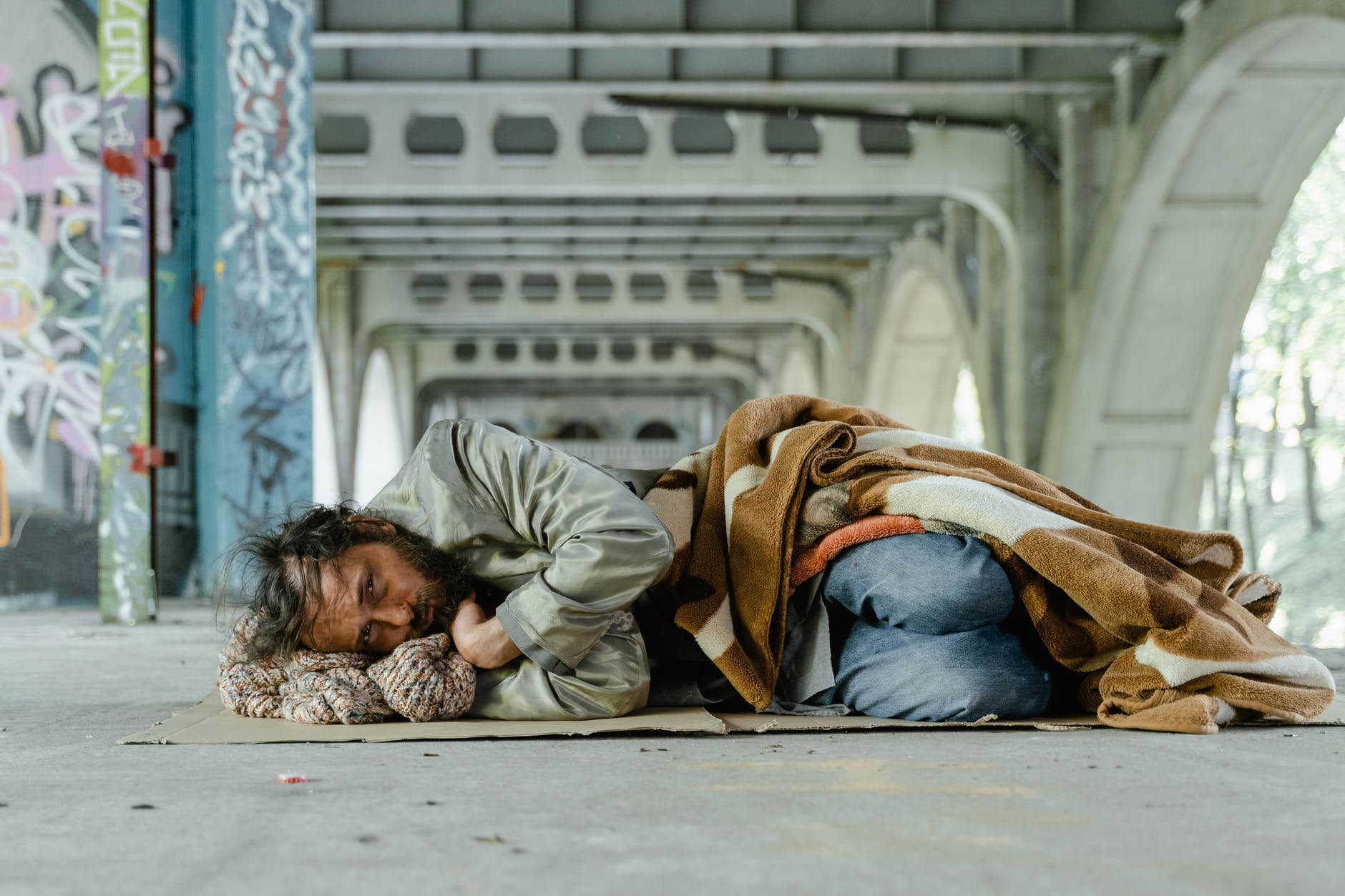
    The Dublin Region Homeless Executive (DRHE) arranged for a full regional assessment of people sleeping rough in Dublin.

    According to Lisa Harpur from the DRHE, “Over the week of October 25th to 31st October 2021, our outreach team, Dublin Outreach, provided by Dublin Simon Community, targeted the entire Dublin Region intensively to engage in a full county wide assessment of people sleeping rough. In advance of the count, we were in contact with the 4 Dublin Local Authorities  to ensure that the teams were fully informed about any individuals who were known to be rough sleeping, particularly in isolated areas.”

    A total of 94 individuals were met over the week, which is a 25% reduction on the 125 people that were rough sleeping in the April count in 2021. Eleven of the individuals found in the April count were also found in the October count.

    Out of the 94 individuals found by the team, 82 were found to have active PASS records.

    A PASS is the shared bed and case management tool used by homeless services which shows that these people have been assessed as homeless by a Local Authority.

    The other 12 individuals were known by the Dublin Simon Outreach team.

    There were 65 males and 17 females recorded out of the 82 individuals with PASS records. The youngest recorded individual was only 19 years of age according to Dublin City Councils media release, while the eldest individual was found to be 68 years of age. The majority of the count tended to be Irish, male, and aged between 26-45 years of age.

    Back in April 2021, 110 people were recorded rough sleeping with 65 people having tents and 45 people who did not have tents. Although the number of PASS rough sleepers has decreased to 82 individuals this October it was discovered that 37 people were to have tents while 45 people were found without tents.

    In October’s count, 83% of rough sleepers were Irish citizens, 10% had European citizenship, 4% had non-EU citizenship and 3% of the citizenship remained unknown.

    Compared to April, the percentage of Irish citizens didn’t change from 83%, nor did the percentage of EU citizenship. Non-EU citizenship was down by a percent at 3% while the total of unknown citizenship stood at 4%.

    During the week of the count, the team also kept count of the usage of emergency accommodation of the individuals. Twenty-nine people used the emergency accommodation on the night of engagement by the team.

    Thirty-five people used the emergency accommodation over the assessment week and 43 of the individuals used the emergency accommodation within the 3-month period before the assessment week. Sixt-six people used the emergency any time prior to the assessment week.

    Lisa Harpur said that the count takes place twice yearly and that last November (2020) the DRHE “began an alternative and more comprehensive approach over the course of 7 days and this is the method we will continue with. The next count will take place in Spring 2022.” Lisa also mentioned how “ultimately, we want people to be safe and come into shelter and stay in emergency accommodation and these counts give us the opportunity to engage further with individuals who are sleeping rough.

    “It is very difficult to address underlying health and addiction needs unless services can engage with a person experiencing homelessness.  The purpose of collecting this information is to best tailor our response to their needs.”

  • Pints? There’s an app for that

    Pints? There’s an app for that

    By Luke Gillis

    Pubs who introduced phone apps for customers to order drinks

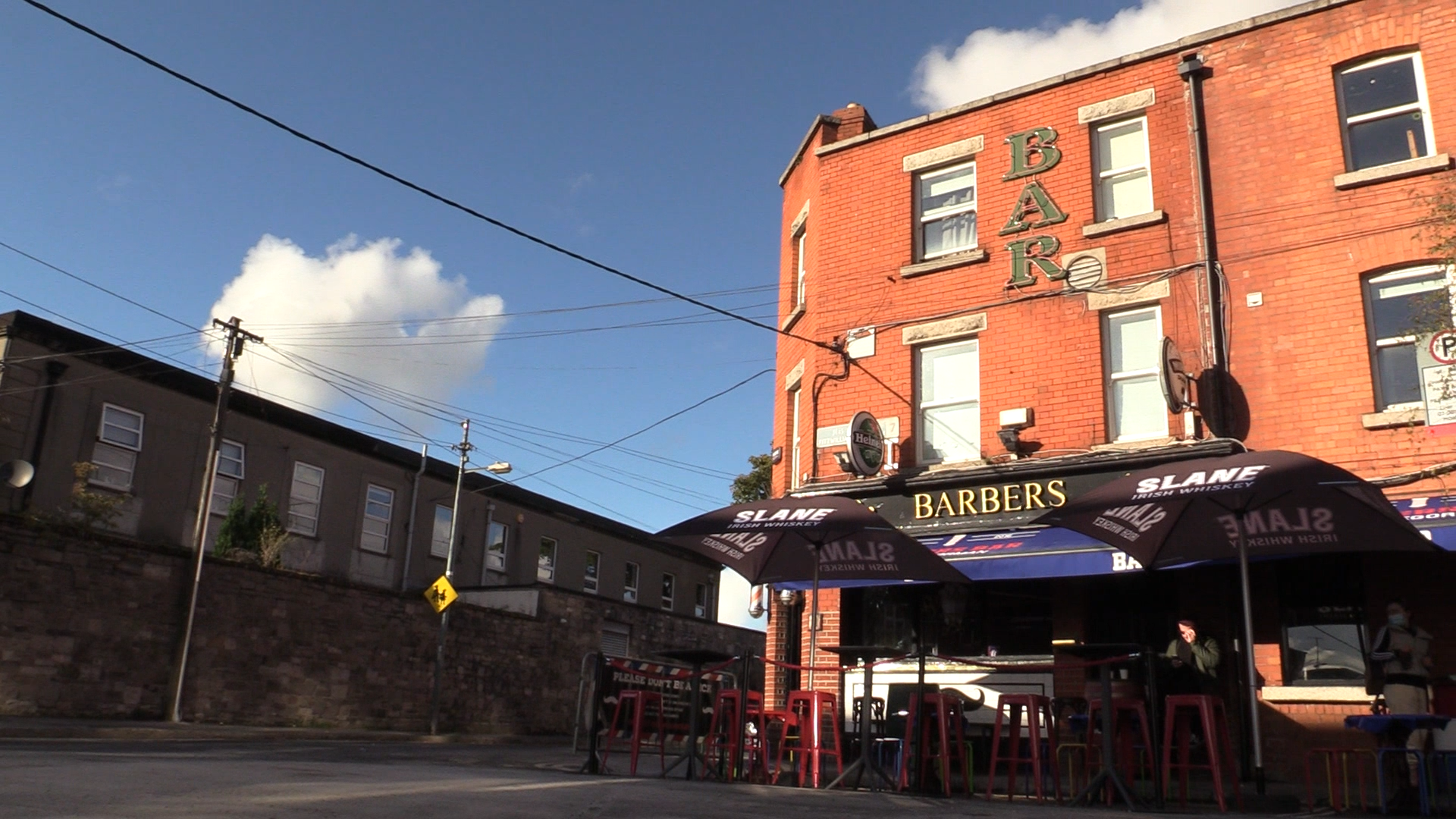
    Barbers Pub in Grangegorman who introduced an app to help their customers order food and drink indoors

    Due to Covid-19, many pubs were looking to introduce new and creative ways to go about service their customers during the pandemic. Such examples include investing heavily in beer gardens and hiring more staff to efficiently navigate table service.

    One of the more advanced ways pubs tried to up efficiency during Covid is through the use of their own phone apps for customers to order their food and drinks from and have them delivered right to their table.

  • The National Archives: An Appointment with History

    The National Archives: An Appointment with History

    By Eoin Glackin


    The Irish delegation at the signing of the Anglo-Irish Treaty December 6, 1921, now in the care of the National Archives. Seated from left, Arthur Griffith, Eamon Duggan, Michael Collins, Robert Barton. Standing from left are Robert Erskine Childers, George Gavan Duffy, and John Chartres.

    When standing at the entrance to The National Archives I felt slightly out of my depth. My wandering mind had conjured up the notion of a dusty place for academics and historians, with an almost Freemason-like exclusivity.

    Within seconds of being inside the reading room, the main area open to the public, I saw a man unassumingly approach the desk. He told the archivist that his brother-in-law had been a very successful competitive Irish dancer and was wondering was there any information on him and his dancing career. The archivist answered him straight away with a helpful, “Let’s have a look.” The would-be family historian and, by osmosis, myself were instantly set at ease by the affable archivist. That is the mission of the National Archives after all: to offer the public an insight into the dustiest corners of Irish history. You will find anything from forgotten family wills to treasures like the original Anglo-Irish treaty, signed 100 years ago on Dec 6th 1921 by historical icons such as Michael Collins and Winston Churchill. Here the devil is not in the detail, Ireland is.

    Signatories of the Anglo-Irish Treaty 1921, image courtesy of The National Archives

    In conversation with one extremely personable archivist, Elizabeth McCoy, about the type of things the archive holds, she brought something startling to my attention. It was an artefact from such a dark occurrence in recent Irish history that I was shocked to have never even heard of it.

    The Cavan Orphanage fire of 1943 saw 35 young girls and one elderly cook lose their lives in St. Joseph’s Industrial School, run by the nuns of the Poor Clares. There was ample time to safely evacuate but out of fear of the girls being seen by the fire fighters in their night dresses, the nuns instead locked them in a hard-to-reach dormitory on the top floor. Some girls who fled on time survived but the majority, following the nun’s orders, met a gruesome and unnecessary end.

    Elizabeth produced folder after folder of documents connected with the tragedy. I found myself losing an hour or more reading through the transcript from the official inquest in 1943. I found myself in awe and horror at the official attempts to exonerate the nuns, into whose hands the care of these poor children was entrusted.

    There is not even a permanent monument to the victims in Cavan town and it seems only a few articles have popped up over the years in national press to little attention. There in my hands, however, was a direct link to the facts of that tragic night.

    That was the profound moment of my visit to the National Archives, the realisation that I was standing in a library unlike any other. It is a library where every word in every book adds up to one grand, ongoing tale. It is the story of our shared national identity in which we all play a part, generation to generation.

    If you are curious to pay a visit to the National Archives on Bishop St. Dublin 8, be sure to bring two forms of photo ID and a proof of address. Once you present those items you are instantly given a “reading card” with your membership info and you are set. 

    Due to current COVID-19 protocols, you must book a slot ahead of your visit. New slots are made available every Friday morning at 9am from http://www.nationalarchives.ie

    The service is completely free and a right to every citizen, so take advantage. What piece of the great Irish story can you unearth?