Tag: health

  • Are Instagram filters affecting your health?

    Are Instagram filters affecting your health?

    By Paula Bowden

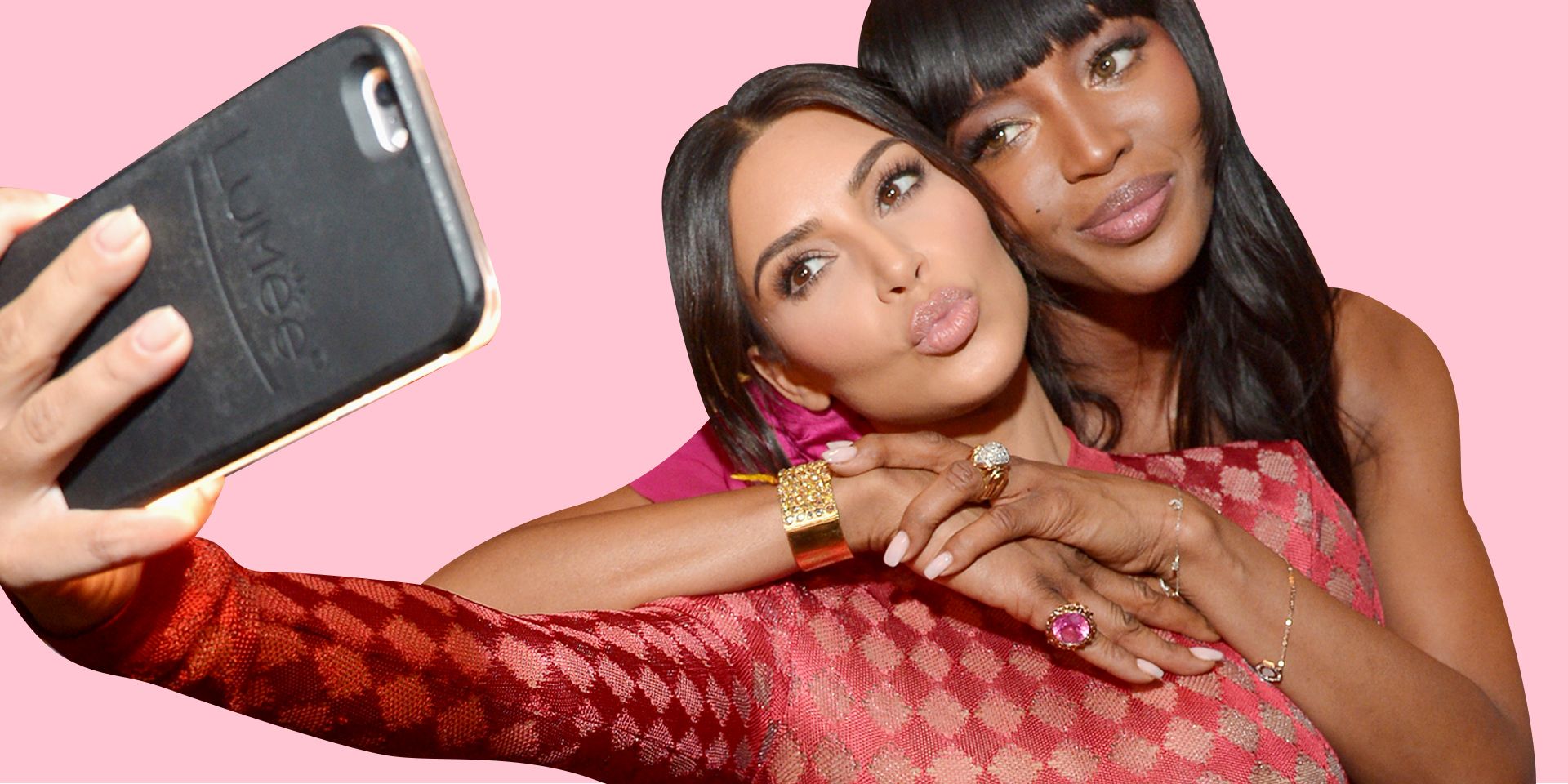
    Filters. They’ve pretty much been around since the dawn of social media. Whether it’s a touch of sepia tone or the much loved dog-ears filter, you’d be hard pressed to find a social media user that hasn’t used a filter at some point. However, while the primitive filters of the past have simply changed the brightness and tone of an image, today’s filters offer users the opportunity to change their face shape, lengthen their legs and even make themselves appear slimmer, no tricky software required.

    For many, filters are still a simple bit of fun but for some users, they offer up a dangerous comparison, and can have damaging effects on self-esteem, leading to a warped self-perception.

    In 2018, Dr. Tijion Esho, coined the phrase “selfie dysmorphia” – the phenomenon of people requesting cosmetic procedures to resemble their filtered social media image. While previously, Dr. Esho and his counterparts were used to clients presenting pictures of celebrities for inspiration, a growing number of people are now taking their own selfies to the cosmetic surgeon and looking to make their own filtered images a reality.

    While one may laugh at the initial absurdity of this idea, Mellissa McKeon (24) said her decision to get lip and cheek fillers four years ago was largely based on a desire to look more like her online presence in real life.

    “When I was 20, I went on a date with a guy who I had met online and he basically flat out told me that I didn’t look like my social media pictures. He played it off as a joke, but it devastated me and made me completely question the way I looked and my confidence.

    “when an app gives you that opportunity to change the thing about yourself that you hate, well I obviously jumped at the chance”

    “I think from a young age I’ve always had confidence issues and my lips were always something I was really self-conscious about, I’ve always felt they were flat and just unattractive. So naturally, when an app gives you that opportunity to change the thing about yourself that you hate, well I obviously jumped at the chance, but I took it a step further and tried to create that look in real life.

    “I will say, looking back at all my pictures from my very early 20s and the fact that they look nothing like me. It makes me sad to look back because I was so unhappy.”

    With little or no self-esteem and a severe hatred of her own body, Melissa spent three months receiving treatment for body-dysmorphia and depression, learning how to change the obsessively negative way she thought about her appearance.

    “It’s not like you’re ever completely cured,” said Melissa. “But I do treat myself better now, I’m kinder to myself and I don’t use social media as much which helps.”

    Last month the social media giant, Instagram, announced a ban on so-called plastic surgery filters from their platform as they look at reviewing the terms of their wellbeing policy.  

    One of the filters in question, dubbed fix me, mapped out lines on the users face giving indication of where a plastic surgeon might nip and tuck to create the perfect face, while another filter plastica gave users inflated lips and higher cheek bones, showing them what they might look like if they went under the knife.

    “We’re re-evaluating our policies – we want filters to be a positive experience for people”

    In a statement, Instagram said: “We’re re-evaluating our policies – we want filters to be a positive experience for people.” They added that while they were re-evaluating their wellbeing policies they would be removing all effects from the gallery associated with plastic surgery and stopping any further approval of similar new effects as well as removing current effects that are reported to them.

    The fix me and plastica filters.
    Credit: DANIEL MOONEY/INSTAGRAM

    Spark AR, the augmented reality platform that creates the filters, also released a statement on their Facebook which said: “We want Spark AR effects to be a positive experience and are re-evaluating our existing policies as they relate to well-being. While this happens we’re removing all effects associated with plastic surgery from the Instagram Effect Gallery.”

    These changes follow on from a recent ban by Instagram on posts that make “miraculous” claims about weight loss and are linked to a commercial promotion.

    As well as this, Instagram also said that it would begin hiding promotions for cosmetic surgery and other diet products from under 18s. The new policies will also be applied to Facebook, which owns Instagram.

    Barry Murphy is communications officer for the eating disorder association of Ireland, Bodywhys. He spoke to thecity.ie about the role that social media can play when it comes to mental health.

    He said: “I suppose one of the challenges around social media is that it can heighten that sense of comparison maybe that we didn’t have many years ago, where we took all of our social queues in an offline context or in a peer context and obviously social media has kind of shifted a lot of that over.

    “It’s become 24 hours a day, seven days a week potentially, but is there a simple answer to what effect this is having? I don’t think any one study or piece of research could really give you a succinct answer on that.”

    “There’s a lot of information coming out now that social media is not particularly detrimental to youth mental health”

    Barry continues: “I think when we’re talking about young people and technology we always have to ensure that that conversation is constructive and nuanced. We also have to remember that social media has not replaced traditional risk factors such as bullying or trauma. Social media has not superseded traditional risk factors in any way, they are very much still core.

    “There’s a lot of information coming out now that social media is not particularly detrimental to youth mental health,” said Barry. “It’s a little bit of a mixed picture.”

    Bodywhys can be contacted on 01 210 7906 or alex@bodywhys.ie.
  • The over 40 baby boom

    The over 40 baby boom

    By Paula Bowden

    The over 40 Baby Boom

    The geriatric mother. It’s a title that most women would take offence to, but it’s one that’s being applied to more and more Irish mothers as we see an increase in the number of Irish women having babies in their 40s. A baby boom of a very different kind.

    The latest vital statistics report from the Central Statistics Office (CSO) captures the changing age profile of Irish mothers as we see a decline of 52.8% in the number of women under 20 having babies between 2006 and 2016 and an increase of 5.1% in the average age of mothers in Ireland for the same time period. The average age of first time mothers in Ireland now stands at 32.7 years-old.

    But perhaps most shocking of all, is a doubling in the number of women over 40 having children. In 2006, 2,824 babies were born to mothers over the age of 40, and in 2016, this number rose to 4,379. That’s an increase of 55.1% over a single decade. Traditionally, older mothers were far from ‘the norm’ in Ireland, but the latest information from the CSO suggests a change in attitude towards child bearing among Irish women.

    Credit: Paula Bowden

    In 1993, there was an important shift in the age structure of fertility. Prior to this, the age-specific fertility rate was highest among women aged 25-29 (the age-specific fertility rate refers to the number of births per woman within a certain age range). In 1993, for the first time, the highest fertility rate was among women aged 30-34 and in 2016, the highest fertility rate remains in this age bracket. So what has happened to cause such a shift in this particular demographic?

    “The introduction of reliable oral contraceptives in the early 1960s transformed fertility behaviour among women”

    Dr Siobhan MacDermott, Lecturer in the School of Nursing & Human Science at Dublin City University (DCU), spoke to Thecity.ie.

    “A woman’s age at childbirth has risen gradually since the early 1960s,” said Dr MacDermott. “In Ireland, we see that the average age of mothers has risen to 32.7 years, that’s an increase of 5.1 years from 2006, but a similar trend of late fertility can be seen across most of the developed world.

    “The introduction of reliable oral contraceptives in the early 1960s transformed fertility behaviour among women in many modern societies. It facilitated women remaining in education longer and pursuing longer term careers.

    “Many studies have linked women’s increased education, such as University degrees, to a significant shift in later ages of childbearing. And a lot of this is attributed to the difficult balance between student and maternal roles.

    “Those with higher education are generally pursuing careers with greater authority so they may postpone having kids until they are more established on their career path,” said Dr MacDermott.

    “Much of the evidence suggests that a woman’s fertility begins to decline significantly at 32 years”

    “Lifestyles have also changed significantly over the past decade in the developed world and women are enjoying their freedom and independence and so naturally, we’re seeing a postponing of having children.”

    Credit: Pa

    “Much of the evidence suggests that a woman’s fertility begins to decline significantly at 32 years and further declines at 37 years. Ireland has a higher than average proportion of women in their 40s giving birth for the first time (3.4% versus the EU average of 2.8%) and with this, comes an increased risk of pregnancy and childbirth complications.

    “Issues such as age related increase in infertility, longer than expected waiting times to get pregnant. Interestingly, age and male fertility is an under researched area. However, studies do show an increase in the rate of miscarriages and more incidences of new-born disorders related to older fathers.”

    “You can’t get away from the fact that age and maturity tends to bring about an emotional stability and a psychological strength”

    The general recommendation for women is that having children earlier helps to avoid health complications and makes for an easier pregnancy. But are there psychological benefits to having an older parent?

    “Several studies in recent years have examined the impact of late parenting on child behavior and some studies have reported that children of older mothers tend to have fewer behavioral, social and emotional difficulties,” said Dr MacDermott.

    “This kind of follows the premise that issues such as quality of home environment, social support, and readiness for pregnancy and parenthood may contribute to better behavioural outcomes for children. Older mothers are also considered less likely to adopt punitive measures with their children and so their children may have fewer behavioural, social or emotional difficulties.”

    “You can’t get away from the fact that age and maturity tends to bring about an emotional stability and a psychological strength, not to mention financial security,” said Dr MacDermott.

    “Overall, while studies show that late parenthood and parenting style of older parents appears to contribute to better behavioural outcomes for children, there is undeniable increased risk for infertility and obstetric complications.”

  • The diets preventing heart disease

    The diets preventing heart disease

    By Megan Gorman

    Different Diets

    In the last few years, diets such as vegetarian and vegan have become much more popular. For instance Bord Bia recently estimated that 8% of the Irish population are now vegetarian, while 4% are vegan. Another diet that has become popular is ‘flexitarian’ which means people limit the amount of meat or diary prodcuts in their diet.

    There are a lot of questions surronding the hype of these diets. The main question a lot of people ask is Which diet is the best for me? To know the answwe to this questions, you must know what each diet entails. The vegan diet is devoid of all animal products, including meat, eggs and dairy. People choose to follow a vegan diet for various reasons.

    These usually range from ethics to environmental concerns, but they can also stem from a desire to improve health. Foods that most vegans eat are tofu, tempeh and seitan; these provide a versatile protein-rich alternative to meat, fish, poultry and eggs in many recipes.

    If cutting out dairy products doesn’t sound like something you could do then a verertarian diet is more likey the option rather than veganism. People choose to follow a vegetarian diet for a variety of reasons that are similar to a vegan diet. A vegertarian diet involves eating plenty of fruit and vegetables and starchy foods such as bread, cereals, potatoes, and whole grain where it is possible. There are alternatives to meat and fish, these are foods like quorn meat and kidney beans. And also some dairy foods or alternatives such as fortified soya milk and yoghurts.

    Research indicates that vegetarian/vegan diets compared with traditional meat eating diets are typically lower in saturated fat and have higher intakes of fruit, vegetables, wholegrains and fibre. This may be why vegetarian and vegan diets are associated with lower risks of heart disease, high blood pressure, type 2 diabetes and obesity.

    Dr. Kevina Cardiff, Dietitian and Nutritonist at Pure Nutrition gave me advice on all things diets “The most beneficial best evidenced based diet for all is the Mediterranean diet. This diet is based on wholegrains, fish including oily fish, nuts, seeds, olive oil. There are many papers and studies on this diet supporting it’s many health benefits.

    “This diet is cardioprotective, supports gut health and reduces risks of development of diseases such as diabetes among many other benefits”.

    There is a lot of information on the number of different diets but it isn’t as simple as saying all plant based diets are good and the diets that include meat are bad – A bad diet is possible no matter which one you follow. But a lot can be said for taking steps towards a more plant based way of eating.

    Dr. Kevina Cardiff had this to say about veretarian diets “My main issue with vegetarian diets is only that people do not follow them correctly, failing to take sufficient protein and overeating on carbohydrate and saturated fats often in place of protein foods. Many young people take up this diet without appropriate dietary advice from a dietitian at a time when they are vulnerable nutritionally due to growth requirements”.

    Choose a diet that fulfils your requirements and needs.

  • Are bigger muscles worth the life-threatening effects?

    Are bigger muscles worth the life-threatening effects?

    By Andrea Byrne

    The last decade has seen a complete transformation of the fitness industry in Ireland. Our country is now filled with commercial gyms, boxing clubs, training academies and smaller, private gyms. However, with this surge in health and training, there is now more pressure for men and women to feel like they must look a certain way, causing them to consider using steroids.

    In Ireland, the sale of anabolic steroids is governed under the the Misuse of Drugs Acts 1977-2018. It is illegal for them to be sold in gyms, online or anywhere outside of a pharmacy.  According to http://www.health.gov.ie, article 12 of the principal regulations deals with the documentation which must be received by persons supplying controlled drugs e.g. pharmacists, pharmaceutical wholesalers etc.

    A public information campaign to raise awareness of the potentially serious side effects and health risks of using unprescribed anabolic steroids has been put in place by the Health Products Regulatory Authority (HPRA). The campaign ‘Zero Gains’ was developed in light of growing evidence of an increased use of anabolic steroids for body enhancement as well as new research showing a significant lack of awareness of the serious health complications posed by these products.

    The Health Products Regulatory Authority ‘Zero Gains’ campaign
    Photo Credit – HPRA.ie

    Dr Lorraine Nolan, Chief Executive of the HPRA, said that anabolic steroids can result in a range of serious health side effects, many of which can be life-threatening with long-term use. 

    “The HPRA believes that the usage of anabolic steroids has been increasing in Ireland in recent years as the volume of illegal anabolic steroids detained by authorities increased ten-fold between 2015 and 2017,” said Dr Nolan.

    “Growing evidence ranging from the increasing levels of illegal products detained by the HPRA each year, as well as needle exchange figures and a number of tragic deaths highlighted in the media in recent times, point to a growth in non-medical use in Ireland.”

    “The HPRA…detained 449,411 dosage units of illegal anabolic steroids”

    Dr Lorraine Nolan Chief Executive of the HPRA

    Dr Nolan continued, “The HPRA states that, in 2017, working in conjunction with An Garda Síochána and Revenue’s Customs Service, it detained 449,411 dosage units of illegal anabolic steroids, compared to 109,006 units in 2016 and 38,049 in 2015.”

    Dr. Nolan added: “Our research highlights the social pressure on young people to look a certain way. Young men are seeking to gain muscle and bulk up, and whilst use of illegal steroids was previously associated with competitive bodybuilding and enhanced sport performance, nowadays usage appears dominated by the desire to have the perceived perfect body image. 

    “The research outlined in the launch of Zero Gains showed that 3 in 4 adults feel social media, TV shows, magazines and websites are pressurising young adults to look a certain way.”

    Anabolic androgenic steroids have two main modes of action in the body, one being androgenic effects, which are generally considered to be similar to testosterone (masculinisation) and anabolic effects, which are associated with protein building in skeletal muscle and bone.  Men and women may appear healthy on the outside using anabolic steroids but according to Dr. Nolan, this isn’t always the case.

    “The real story is that non-medical use of anabolic steroids can have devastating, long term and life threatening side effects”

    Dr. Lorraine Nolan Chief Executive of the HPRA

    “We believe there are no gains from using substances that have been shown to cause a range of physical, psychological and emotional damage when misused,” said Dr Nolan. “The real story is that non-medical use of anabolic steroids can have devastating, long term and life threatening side effects.”

    In discussion with Psychologist Susan Eustace about the effects social media may have when taking anabolic steroids, she said: “We know social media plays a significant role in triggering and maintaining many forms of self-harm and damaging behaviour including steroid use.

    “Platforms and sites using images appear to be particularly influential as they act as potent triggers for steroid users, for those not currently engaging in the behaviour, and for those who are attempting to give up or stay away from steroids. Social media also amplifies the influence of unhealthy gym culture which can be a major promoter of steroid use.”

    “We know social media plays a significant role in triggering and maintaining many forms of self-harm and damaging behaviour including steroid use”

    Psychologist Susan Eustace

    Speaking to Kyle Mullen, an Irish influencer with over 27 thousand followers, he discussed his experience in the fitness industry and whether he has ever felt pressured to use anabolic steroids.

    “No, I personally have not felt pressured, however, I’ve thought of using them, every single male gym goer does. I would say that some do feel pressured by some influencers as often times the lads with the best physiques get the followings and the fame so I’m sure lots feel that they need to use them if that’s their goal. For myself, however, I don’t feel those same pressures as I know of the negatives drugs can bring.”

    Photo Credit: Kyle Mullen Youtube

    Even though Mullen doesn’t take steroids himself he knows many others who have.

    “Yes I know a lot of people all using to gain for different reasons,” said Mullen. “Whether it’s keeping up appearances for social media, for competitive reason or only for personal goals in fitness … it’s easily noticeable in physical changes, the mental/ emotional changes vary from minor to dramatic depending on the person and the amount they are taking but yes some are noticeable.

    “From my understanding it’s very very easy to get your hands on them. However, as it is illegal and unregulated a lot of the time you don’t know what you are getting.

    “A lot of people get sold essentially nothing, they think they are on steroids but have been sold water or whatever the concoction may be. But yes, they are very easy to get, no harder than booking a hotel or flight online.”

    “They are very easy to get, no harder than booking a hotel or flight online”

    Fitness influencer Kyle Mullen

    A recent RTÉ Investigates series found steroids being sold for as little as €40 for a six-week course which could produce dramatic physical and psychological results. During the course of their investigation they found these products being supplied and sold in car parks, on Irish classified websites and outside gyms.

    “The HPRA’s Zero Gains campaign aims to inform and discourage people from using anabolic steroids,” said Dr Nolan.  “And from buying these products online or from other illegal suppliers, where it is believed many of these products are sourced.”

  • Is red meat really that bad for you?

    Is red meat really that bad for you?

    By David O’Farrell

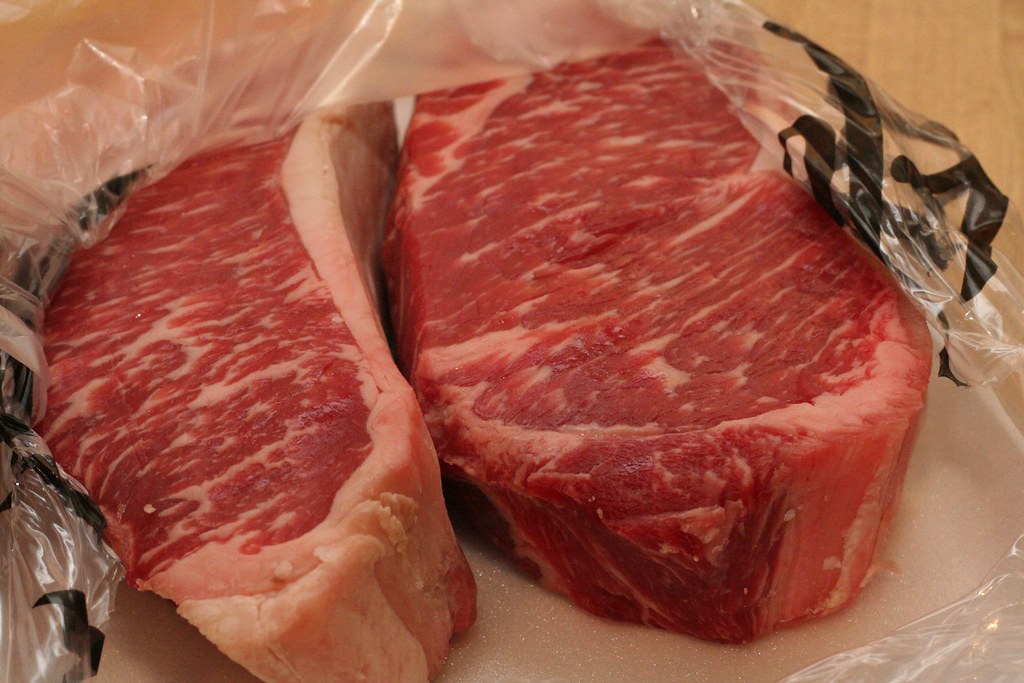
    For many years now, public health bodies in Ireland have been encouraging people to eat less red meat, due to it being a potential cause of diseases such as cancer. However, a recent report carried out by a group of international scientists suggests that eating less red meat may not be beneficial at all.

    Led by Dalhousie University and McMaster University, both in Canada, the results of the report claimed that if 1,000 people cut out three portions of red meat over their lifetime there would be seven fewer deaths from cancer in that group. The report also found that cutting out red meat over an 11 year span, would lead to just four fewer deaths from heart disease

    The report also claimed that if 1,000 people ate three fewer portions of red meat every week for 11 years, there would be six fewer cases of type two diabetes.

    TheCity.ie spoke to dietitian Aisling Piggot of the British Dietetic Association to get her take on the report.

    “Red meat is not wholly good or wholly bad”

    “We are constantly bombarded by mixed messages around red meat, which is really confusing and conflicting for the public. The recent review explores the overall risk and examines current evidence. We need to be aware that the link between red meat and health isn’t simply black and white,” said Piggot.

    “Red meat is not wholly good or wholly bad. It is rich in iron, often affordable (depending on cut) and enjoyed by many of us. On the other hand, if red meat was our only source of protein, I would be encouraging other sources and balance.”

    Other public health officials have criticised the report, with Harvard scientists claiming it undermines the public’s trust in science, as previously we have been told to steer clear of red meat for health benefits. The report is also likely to create a stir amongst environmentalists with regards to the high amount of greenhouse gases that beef and lamb farming tend to produce. However, scientists say that this is slowly changing with advancements in farming methods around the world.

    In Ireland alone, 87,000 tonnes of red meat is consumed every year. That is approximately 19kg per person. So what is the right amount to be eating?

    “Personally, I would suggest one to two portions of red meat per week”

    “This is very much dependent on the person,” said Piggot. “Personally, I would suggest one to two portions of red meat per week, should you choose to eat it and it fits in with a healthy diet. However, I am always keen to promote the benefit of home cooking and avoiding processed meals.

    “This report doesn’t change my outlook, but I would encourage readers not to take the report as indicating they should eat red meat to excess.”

    Piggot says that there is no magic answer as to what the correct amount of red meat is to eat. “The idea of food being wholly good or wholly bad really appeals to us as a society. Unfortunately, all food has its place in our diet, and a sensible approach to enjoying our food is key!”

  • “Menstruation is not a choice” – new committee to tackle period poverty

    “Menstruation is not a choice” – new committee to tackle period poverty

    By Megan Gorman

    The government has set up a committee to deal with the issue of period poverty. The new committee, which has been set up by the Health Minister, is chaired by the Department of Health.

    Period poverty is not something that is mentioned or talked about so therefore not many people may know it is a thing. Period poverty is an issue where girls and women struggle to afford sanitary products. This is happening everywhere all over the world.

    Earlier this year, Health Minister Simon Harris committed to taking action on free sanitary products in all public buildings in Ireland to make girls and women feel comfortable and safe. This is one step towards taking action on the issue.

    In a press release Simon Harris spoke of the first step of this journey. “Period poverty is a global challenge but I believe Ireland can be a leader in this regard. Menstruation is not a choice. Women are facing significant costs for looking after their health and I am pleased we are taking steps, with my colleagues in Government, to address this area.” 

    The decission for this committee to be set up was a result of a survey that was done last year. The survey included more than 1,100 young girls. The survey stated that half of females aged 12-19 in Ireland have experienced issues paying for sanitary products.

    The Oireachtas passed a motion calling on the government to provide free sanitary products in all public buildings in Ireland. By passing this motion it has allowed the Health minister to set up the committee to solve the period poverty problem in Ireland. The motion which was tabled by the Oireachtas women’s caucus, is aiming to have sanitary products stocked for free in schools, universities, hospitals, Direct Provision centres, garda stations and prisons.

    Deputy Catherine Martin, who is part of the National Women’s Council, had this to say about the issue on the motion page of the Oireachtas website “The average woman will have 507 periods from age 12 to 51. In Ireland, sanitary products can cost from €2 to €6 per pack, with the average pack containing 10 to 15 pads or tampons, and that a 12 pack of pain relief tablets costs between €6 and €10. Most women and girls will have 13 periods a year, with some using up to 22 tampons and/or towels per cycle leading to an estimated annual cost of €208 for sanitary products and pain relief, costing €8,100 over a lifetime”

    As according to the World Health Organization’s constitution the motion has called on the government to provide a wide range of safe and affordable sanitary products in all public buildings and also for menstrual education to be viewed as a human rights context

    Menstruation happens all over the planet, in every country every day, yet it is almost taboo to discuss it. The only sanitary product provided for free in most bathrooms across the world is toilet paper. For most of us period poverty is not an issue but it is a matter that needs urgent action and attention.

  • PrEP programme to be introduced in Ireland by November

    PrEP programme to be introduced in Ireland by November

    By Luke Toomey

    Taoiseach Leo Varadkar, Health Minister Simon Harris and Health Promotion Minister Catherine Byrne have announced that a HIV PrEP (pre-exposure prophylaxis) programme will begin from November.

    The programme will initially be rolled out in a limited number of clinics and will expand in 2020 following Minister Byrne’s announcement that €5.4 million is being made available in Budget 2020 for the full roll-out of a “world-class” PrEP programme in Ireland.

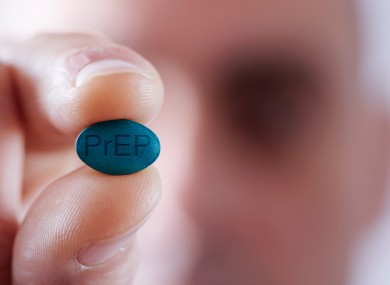
    PrEP is a pre-emptive oral anti-retroviral medication for HIV-negative people to reduce their risk of getting HIV through sex or sharing needles. The combination of tenofovir and emtricitabine (sometimes known as truvada) is proven to be 92-99% effective.

    To date, PrEP has been prohibitively expensive and has only been available to buy in Ireland on prescription at a price of over €400 a month for the brand-name medication, and around €100 for the generic equivalent.

    “To date, PrEP has been prohibitively expensive and has only been available to buy in Ireland on prescription”

    “The budget announcement of a PrEP programme for Ireland in 2020 is welcome although long overdue,” said Noel Donnellon, member of ACT UP Dublin, a group committed to ending the HIV crisis. ACT UP Dublin reformed in 2016, following the dramatic spike in HIV diagnoses.

    Photo Credit: Dept of Health

    HIV diagnoses reached a record high last year, with 531 cases in 2018 according to figures released by the HSE. The number is an 8% increase from figures in 2017. However, many experts are keen to point out that this rise is also related in part to an increase in the number of individuals getting tested.

    “We will be carefully monitoring the roll-out, but we are concerned at the continuing underfunding of sexual health services that are needed to underpin a successful programme,” said Donnellon.

    Those eligible for free PrEP, will need to get a drug payment scheme (DPS) card. There is no means test for a drug-payment scheme card but it does require a PPS number.

    “For decades we have confined conversations about HIV to the shadows. Those living with HIV have felt stigmatised and shamed”

    Minister for Health Simon Harris highlighted the importance of reaching this milestone.

    “For decades we have confined conversations about HIV to the shadows. Those living with HIV have felt stigmatised and shamed,” he said.

    “Today, all that changes. From next month, the State will introduce a PrEP programme and confront the increase in cases of HIV in a real and practical way.”

    Dr Fiona Lyons, Consultant in Genitourinary and HIV Medicine, GUIDE Clinic, St. James’s welcomed the imminent availability of PrEP without charge to those at risk of acquiring HIV.

    “PrEP is an important part of the HIV prevention jigsaw puzzle that together with other HIV prevention interventions, should reduce the number of new HIV infections in Ireland,” she said.

    “I also welcome the announcement by the Government of the roll out of a PrEP programme which includes resources to support services to implement PrEP. This is crucial to successful PrEP implementation. I would like to thank everyone who has worked so hard to make this happen.”

  • Meal Inspo and Eating Habits: 62% of Irish People are overweight or obese

    Meal Inspo and Eating Habits: 62% of Irish People are overweight or obese

    In 2017, Health Ireland (HI) conducted one of the largest social surveys in Ireland in recent years. They looked at general health and health behaviour. In their findings, they discovered that 62 percent of people are overweight or obese. To add to these shocking figures, only 49 percent of people who are obese or overweight are trying to lose weight.

    In today’s modern society, convenience food is needed due to the fact that everyone is too busy to cook. But at what point does this become too much? Only over a third of Irish people, 37 percent, admitted they eat their five portions of fruit and vegetables daily.  

    We spoke to Sorcha Hanway, the founder behind the healthy, wholesome and aesthetically gorgeous Instagram page @my_happy_plate_ which encourages people to get back in the kitchen and fall in love again with cooking.

    Where did it all begin?

    “I thought that the way to lose weight was to eat really clean and only eat steak, turkey burgers, broccoli and rice. I didn’t understand that healthy food could be tasty. I just started cooking and experimenting and it became so much fun. The more I cooked, the more experience I got, the more creative I became. Then it became a challenge how can I make something yum or how can I use something that was going off so I can eliminate waste.”

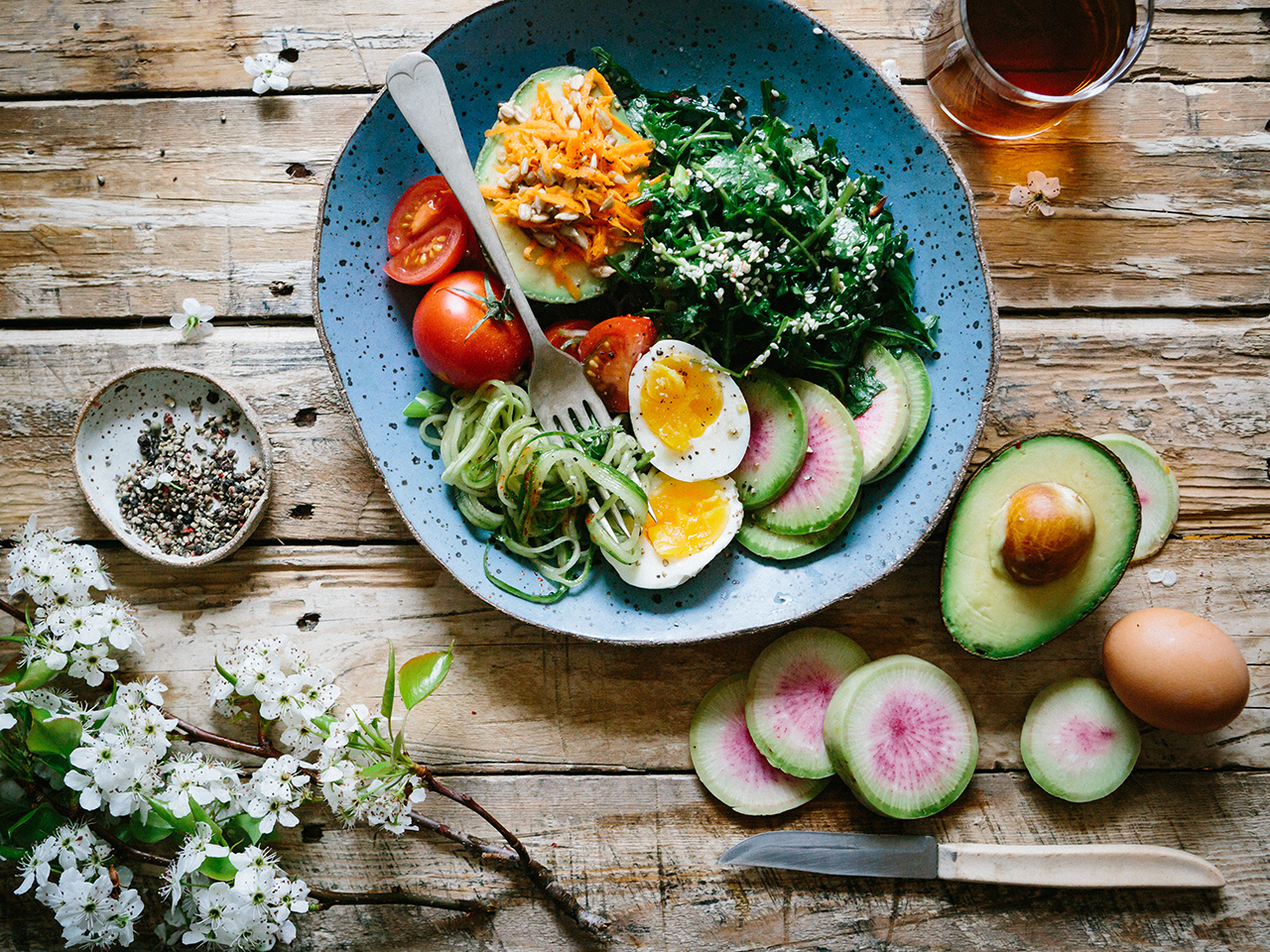
    Food1

    Why did you set up the page?

    “I didn’t want to share it on my own page anymore but I didn’t want to make a food page. I felt I didn’t have the confidence but then one day I just thought I’d do it. I got great feedback and it just encouraged me to keep going. Knowing I had an audience and knowing how demanding Instagram is, it just encouraged me to cook loads.”

    What are the benefits of @my_happy_plate_ for you personally?

    It’s such a hobby for me like such an outlet. When I am cooking in the kitchen it’s like I go into a state of flow. I am so mindful in the kitchen. It’s like a form of meditation for me, it totally gets rid of anxiety. It’s so easy and healthy to do knowing you’re saving money and not eating badly.”

    Where did you get the inspiration for @my_happy_plate_ ?

    “I was inspired by the Body Coach because I liked to do things quickish and each meal I made had me buzzing to do something new. I always had cooking on my mind and how I could turn an everyday item into something different and inventive. It was a game of unlocking whopper taste. A collection of Instagram pages helped me conceptualise dishes and my general knowledge and flair for cooking.”

    Have you had any cooking disasters?

    “I tried blending beetroot into pancake mix to make it pink and it was so horrible I wanted to cry. So it’s all about experimentation but you won’t discover whopper stuff unless you are bold.”

    Food2

    What do you think about modern-day eating habits?

    “I think with modern-day eating habits, people are in a very fixed mindset. They don’t realise that eating healthy isn’t that hard and once you make the transition, after a few days it becomes like the bible. Just like anything the more you practice the better you get at it. Once you start seeing how much you save money and how much better you feel, how you can jump out of bed, how much energy you have, you feel so much better.”

    What steps do you think people can take to change their eating habits?

    “Change their mindset. You know it’s not expensive to eat healthy, everything I make is easy, it’s not hard.  Get a cookbook, an easy one like Lean in 15 by The Body Coach and just practice, practice, practice. If you’re picky, try have open mind.”

    What tips would you recommend?

    “Oh, definitely spices. I cook with spices every day. They transform a meal. You can turn a plate of veg to a plate of yumminess by making them spicy. Also if you want to eat healthy to lose weight, get tupperware, batch cook something and put it in the freezer and then you don’t have to worry for the rest of the week.”

    Check out Sorcha’s Instagram page here for meal inspiration.

  • Ninety percent of horses seized in Fingal were euthanised last year

    Ninety percent of horses seized in Fingal were euthanised last year

    Figures obtained under the Freedom of Information Act show that almost 90 percent of horses seized in 2017 in the Fingal County area were euthanised.

    These figures show that 139 of 155 horses taken in around the Fingal area were euthanised with only fourteen being reclaimed by their owner and two horses being rehomed.

    To deal with horses in public places, Fingal County Council use by-laws that were created under the Control of Horse Act 1996 and came into effect on the 12th January, 1998 led by the DSPCA.

    These by-laws are in place to regulate and control the horse population in the Fingal area and create procedures for the impounding and disposal of unlicensed horses.

    According to these by-laws any person keeping a horse in a control area must have a license that costs up to €31.25 (Licence holders must be over 16 years of age), a horse passport and suitable accommodation for the horse.

    Horse-stats-2017

    Fingal County Council said: “When horses are seized they sometimes have to be euthanised when they are not claimed and it isn’t possible to rehome them.”

    In terms of prevention and looking for solutions to this problem they said that “there are education programs run by the Department of Agriculture as well as initiatives such as Horse Projects and the DSPCA also pursue many initiatives to alleviate this problem.”

    Independent councillor Francis Timmons has spoken out on the issue before suggesting that fewer horses be available to the public. “It’s really to look at what can be done, obviously we want to try and limit the amount of horses being euthanised. Part of that will be to limit the amount of horses that are available,” he said.

    The Animal Welfare Convention took place in 2018 under the Department of Agriculture, Food and the Marine where a new Animal Welfare Strategy Consultation Document was presented and submissions from members of the public were invited.

  • ‘It’s a remarkable early Christmas present for all the families involved’

    ‘It’s a remarkable early Christmas present for all the families involved’

    A temporary autism unit for St Peter’s College in Dunboyne has been approved for September 2019.

    The approval for this comes three years after it was initially accepted, but delays led to frustration for families campaigning to have the services made available locally.

    Orla Fagan Gormally spoke to TheCity.ie about her Facebook post and ensuing campaign which garnered enough support for the fast-tracking of the unit.

    “I posted to my page publicly with very little hope it would be open on time. I had such a good reaction from the community I decided to start a petition, along with four other parents who needed the unit on board,” she said.

    “We had two local councillors to help, Maria Murphy and Damien O’Reilly, along with [TDs] Regina Doherty and Thomas Byrne. I want to thank the LMETB, these councillors, TDs, and the principal of St Peter’s for making this a reality,” she said.

    It will take a year for the unit to get up and running, but St Peter’s plan to accommodate the five children in an existing space until then.

    “It’s a remarkable early Christmas present for all families involved,” said Fagan.

    A spokesperson for the Department of Education and Skills spoke to TheCity.ie regarding the development.

    “A permanent four classroom ASD Unit has been approved. The delivery has been devolved to Louth and Meath Education and Training Board. To meet the immediate need [September 2019] temporary accommodation is being provided,” said the spokesperson.

    In another similar case regarding a service in Dublin City for adults with autism, information under the Freedom of Information Act 2014 showed there was a delay for the Botanic Horizons service from October 2016 until February 2017.

    This delay was due to a conflict involving Dublin City Council over the requirement for a disability toilet. The council felt it was required but the architect deemed it unnecessary due to the ‘independent mobility of the service-users’.

    Minister Finian McGrath opened the Botanic Horizons service in Glasnevin in February 2017.