Tag: Sport

  • Streaming the way forward in new technology phase for sport

    Streaming the way forward in new technology phase for sport

    With a lot of sport being played currently behind closed doors, there is an increased clamour to allow people to still watch the local team they support. This has placed a large emphasis on streaming and technology to continue to allow sports to be broadcasted to those that want to watch them. Andrew Blair White talks about how these changes are affecting sport.

    Photo taken by Rose De Dan. Sourced from Flickr.

    Heatley Tector is the owner of HBV Studios, who have been involved in the streaming of All Ireland League Rugby games from St Mary’s College, Naas RFC and Young Munster. “It’s a very exciting time to be broadcasting sport as there is a lot of demand for it,” he said. “A lot of these local clubs want to give a chance for members and regular visitors to watch their home games live and try to replicate being at the ground like they normally would. 

    “It is our job to then go ahead and produce a good service so that the viewer will enjoy and feel good value for getting to watch the game in their home.”

    The numbers watching these local games are big with the AIL, GAA and League of Ireland all bringing in good viewing figures. The ‘Watch LOI’ campaign has allowed a lot of season ticket holders of local teams the opportunity to watch every game left in the season after the year was put on hold initially back in March. Since resumption, the streams have been very popular with people anxious to watch their local club and anxious to feel like they are back involved within their own club. 

    Tector added: “It is the way the world is going these days – there is a lot more technology present and it leads to more matches being streamed. 

    “The last few years, we have been broadcasting cricket coverage all over Ireland and now we are looking to branch out into other sports. We have got some rugby and also are looking to get into some hockey after this lockdown eases. This is exciting as it broadens what we can offer to each individual client, and we are looking to impress every single client that we work for. That is always our aim.”

    However, broadcasting of games at a high level is not cheap. The majority of local clubs are having to rely on donations or good will from members to fund the chance of streaming games. This is a big ask in some local clubs but the good heart of an awful lot of people is showing through in these difficult times. Sponsors of leagues and of teams have stepped up to the plate brilliantly in the last few weeks, making sure that streams can be performed and that entertainment can therefore be provided. It’s a great environment when it works well, with everyone benefiting from the pictures and getting that feeling of normality with watching their local club on the weekend – no matter what the sport.

    With the current restrictions potentially lasting for another while longer, there doesn’t seem to be a great chance of fans attending games very soon. Instead, clubs will have to be creative, they will have to try their best to show games to their fan base and more. Perhaps people will be in need of Heatley Tector and HBV Studios, they need a broadcaster to provide quality content. 

    It’s changing times at the moment, and streaming is the way forward for sport. 

  • Introduction of yellow sliotar is not a major worry for Kerry manager Fintan O’Connor

    Introduction of yellow sliotar is not a major worry for Kerry manager Fintan O’Connor

    Gavin Dalton speaks to Fintan O’ Connor in relation to the incoming yellow sliotar rule for the approaching intercounty championships. 

    Photo taken by Mary Gherlihy. Sourced from Flickr.

    Kerry’s Senior Hurling boss Fintan O’ Connor feels the introduction of yellow sliotars is just another new feature to this year’s championship that intercounty squads will learn to adapt to. 

    The GAA’s announcement on Friday last week regarding the introduction of yellow sliotars for the forthcoming intercounty championship is one that has left many in the hurling world rather bemused. Stars Joe Canning and Brendan Maher have been outspoken in recent days, highlighting their confusion at what has been seen as a somewhat rash decision by many. 

    Although aware it will be a shock to many who are so used to the traditional white sliotar, speaking to The City Dublin, O’Connor believes it will be a positive change in the long run. 

    “In fairness to the players, it can be hard to readjust to new changes at first,” O’Connor said. “I heard Joe Canning saying he’s been using a white sliotar for 28 odd years, and to suddenly become accustomed to a yellow sliotar in just two weeks is certainly challenging. 

    “In saying that, it’s just the look is going to be different. I’m presuming the weight will be the same, so I don’t think there’ll be any major problems with the change once the players become more familiar with it. It’ll probably be a change for the better. They’ll be able to chip the ball and tell it’s speed and make it easier for hawkeye to access whether it’s a score or not, so all these factors will come as a positive going forward.”

    With substantially less preparation time for squads prior to the approaching championship than in years gone by, when asked if the timing of the of the alternative sliotar introduction was right or whether it had been implemented hastily, O’Connor added: “ Perhaps you could say it’s been a bit rushed, but I think the whole thing has been a bit rushed so I feel sorry for those involved from that point of view.

    “Everything has been a bit crammed into a couple of weeks, and maybe the introduction of yellow sliotars may have been rolled out over a couple months had the GAA had time to do that, so I suppose they just wanted to get it out there for 2020. Due to the nature of the championship this year, maybe they’ve been left with no choice.”

    With preparations for Sunday’s Allianz League Division 2A Final against Antrim underway for O‘Connor and his team, the Blackwater Community School man is aware of the stress involved with the changes his players and intercounty squads nationwide have had to become accustomed to— the yellow sliotar just another on a list of alterations.

    “From the GAA player’s point of view, I suppose the lads are in such a different environment to where they were last year getting ready for the championship,” O’Connor explained. “It’s very difficult for them coming to training and not being able to sit down and have their meal after and travelling alone in cars for example – it’s probably a stressful enough time for all intercounty hurlers at the minute. As Brendan Maher was saying about the sliotar change, it’s hard this year anyway with all the things going on to have another thing thrown at you. 

    “But at the end of the day whether it’s a yellow or white sliotar, all panels, coaches and managers, like they’ve been doing with all the protocols, will just get on with it.”

  • Watch: Boxers eager to return to the ring after Covid-19 lockdown

    Watch: Boxers eager to return to the ring after Covid-19 lockdown

    TheCity.ie’s Kim O’Leary has been looking at how professional and amateur boxers are continuing their work-outs at home during the Covid-19 lockdown. Kim spoke to Ireland’s youngest female pro-boxer Katelynn Phelan and her father/trainer Paddy Phelan, who are hoping to be back in the ring sooner rather than later

    The coronavirus has hit the sporting world hard over the last few weeks, with many contact sports like GAA, basketball, soccer and cricket seeing their seasons cancelled. It’s also been a major blow for the rising stars on the Irish boxing scene, with the Irish Athletic Boxing Association (IABA) postponing all championships, competitions, clubs shows and tournament due to take place this summer.

    However, there may be some good news on the horizon, with recent talk about boxing returning in June in a series of behind closed doors shows that would be shown on live TV. It is understood that Ireland’s boxers are determined to prepare for the rescheduled Euros as well as the postponed Tokyo Olympics, which is expected to take place in the summer of 2021.

    To find out how boxers and boxing clubs are preparing for a potential return to boxing later in the year, I spoke Ireland’s youngest female professional boxer, Katelynn Phelan from Kildare Town, and to her father Paddy Phelan, who is also a trainer at St Brigid’s Boxing Club in Kildare Town.

    Katelynn comes from a family of highly respected boxers and her brother Allan Phelan is the current featherweight pro.

    It’s been an impressive year for Katelynn as she recently won her first ever bout at the ‘Celtic Clash’ boxing tournament in February against Bulgaria’s Borislava Goranova, winning all four rounds in a decision at The Devenish Complex in Belfast.

    Now with the lockdown measures still in place due to covid-19, Katelynn says that she is still training at home.

    “I plan on getting myself an Irish title by the end of the year.”

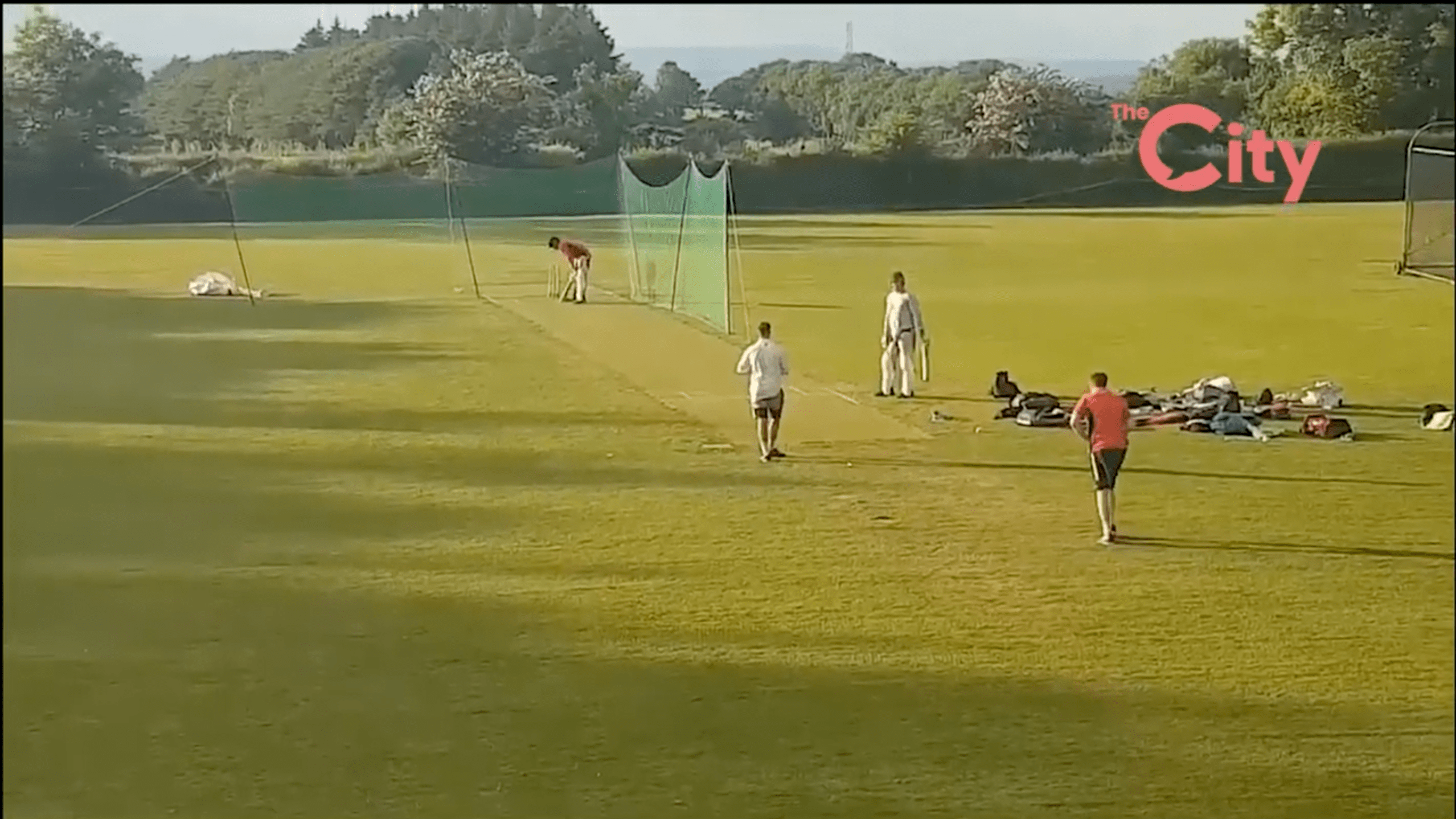
  • Watch: Life under lockdown –cricketers prepare for a new season

    Watch: Life under lockdown –cricketers prepare for a new season

    Cork Harelquins Cricket Club, June 2018. Photo: Ted Williamson

    TheCity.ie reporter and Munster interprovincial cricketer Ruadhán Jones has been looking at how cricket clubs and professional teams are preparing for the season under lockdown. He spoke to Ted Williamson, Munster Red’s interprovincial head coach and coach Cork Harlequins CC, and Kieran Sheffron — Munster’s strength and conditioning coach.

    Sports seasons have been cut-off, curtailed, or simply cancelled as a result of the coronavirus. As we enter the summer months, experts have warned that a return to contact sports is “a long way off”.

    But not all hope is lost. Speaking to RTE, Dr Paddy Considine — a sports economist — said that “there will be a hierarchy. Individual sports will have an advantage, while team sports or contact sports will be under pressure.”

    On top of this, Sport Ireland chief executive John Treacy said that non-contact, outdoor sports will be “a priority” when restrictions are lifted.

    For the likes of the GAA, soccer and rugby, this still makes a summer season unlikely. However, some non-contact outdoor sports have an outside chance of playing a shortened season – this includes cricket.

    As a member of an interprovincial panel, we have to do everything we can to be ready to hit the ground running. But it’s not all about the professionals – clubs are working hard to keep their members involved and active.

    To find out how teams and players are preparing, I spoke to Ted Williamson, head coach of the Munster Reds and coach at his local club Cork Harlequins CC, and to Kieran Sheffron, Munster’s strength and conditioning coach.

    Life under lockdown – cricketers prepare for a new season

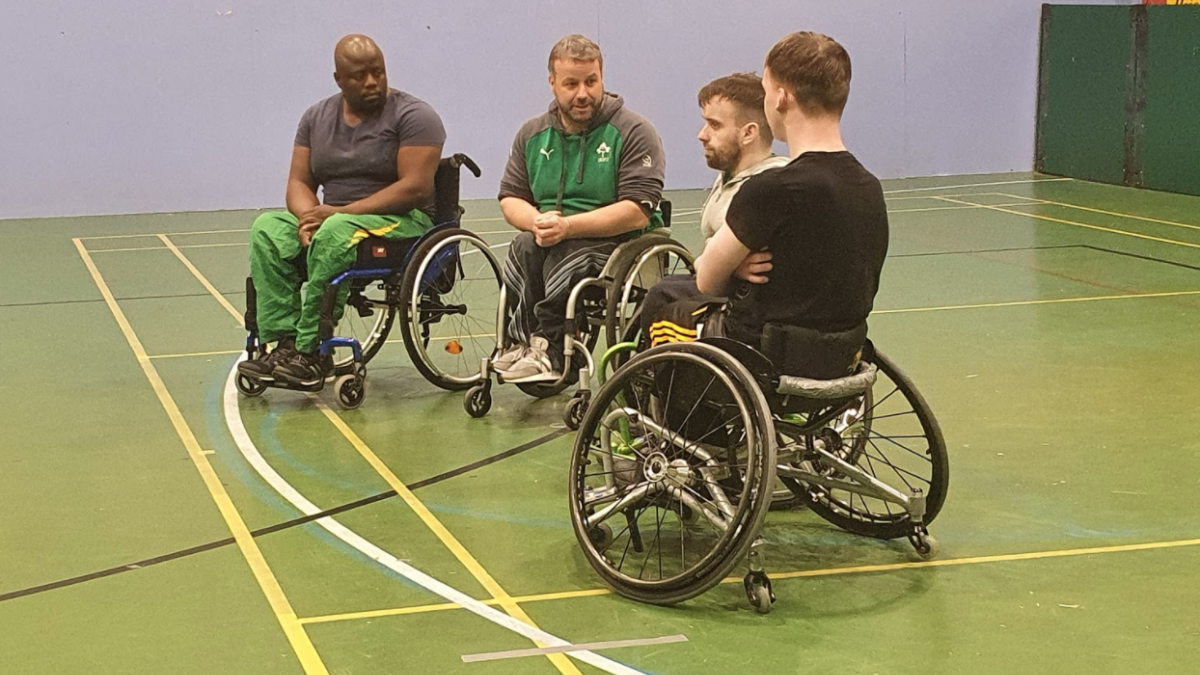
  • Watch: Sport and COVID-19 – Disability activist Oisin Putt on life without wheelchair basketball and the influence of his coach

    Watch: Sport and COVID-19 – Disability activist Oisin Putt on life without wheelchair basketball and the influence of his coach

    With the coronavirus pandemic still ongoing, Ireland is still trying to find a way of coping with the lockdown restrictions as well as harnessing anxieties about our loved ones. The absence of sport and leisure in our lives has not gone unnoticed, but missing out on group physical activity can be especially hard for those with disabilities in the country.

    We decided to spend some time with the Ballybrack Bulls – Loughlinstown’s wheelchair basketball club, with the Irish Wheelchair Association‘s experienced Mark Barry as their coach. The Bulls are full of competitive spirit, and the emphasis is most certainly on doing their local community proud – with Barry’s help.

    After participating in the 1992 Barcelona Paralympics, the coach has more than enough skill to help the teams progress through the Irish Wheelchair Basketball League, but his input is about more than just winning games and scoring baskets. For the players, the social aspect, the independence and the positive boost on mental health are an imperative part of the sport.

    Oisin Putt, the 17-year-old wheelchair athlete and disability rights advocate, speaks to Kate Brayden about how he has coped without wheelchair basketball in his life as a result of COVID-19, which has halted all gym and sporting activities. With the Paralympics as his ultimate goal, Putt hopes to return to training as soon as possible. Putt and Barry go back years, with the coach inspiring the teenager to pursue his sport with passion.

    “He’s a stellar basketball player – I wouldn’t want any other coach.”

  • ‘Instead of focusing on war, there’s now something fun for our youngsters to think of’ – the rise of Afghan cricket against the odds

    ‘Instead of focusing on war, there’s now something fun for our youngsters to think of’ – the rise of Afghan cricket against the odds

    Afghan reporter Diva Patang poses for a photo at the 2019 Cricket World Cup. Photo: Diva Patang

    By Cameron Weymes

    Despite enduring over 40 years of conflict, Afghanistan is currently ranked seventh in the world in T20 cricket.

    Cricket has only become popular in Afghanistan since the 1990s, when Afghan refugees played the sport while living in Pakistan.

    The Afghan team qualified for their first Cricket World Cup in 2015 and beat Ireland to qualify for the 2019 tournament.

    The team has also beaten established cricketing nations such as Bangladesh, Sri Lanka and the West Indies in one-day internationals.

    The effect of the team’s success on people back home has been massive.

    Cricket in one of Kabul’s parks. Photo: Cameron Weymes

    “Instead of focusing on the problems in the country such as war there’s now something fun for our youngsters to think of,” said Diva Patang, a reporter for the Afghan news station RTA.

    “Children now have role models that are examples for themselves. When you ask youngsters in Afghanistan who they want to be when they grow up, most will say one of the international players such as Rashid Khan or Mujeeb Ur Rahman,” she added.

    The Afghan constitution states that the country is home to 14 ethnic groups, the main ones being Pashtun, Tajik, Hazara and Uzbek.

    According to Diva, when the cricket team is playing the whole country is behind them, regardless of ethnicity.

    “Everyone supports them. President Ashraf Ghani even cites the cricket team as an example of Afghans being able to work together.”

    “All over the country you’ll find children playing cricket at school and on the streets,” she said.

    Street cricket in Kabul. Photo: Cameron Weymes

    The recent Afghan presidential election saw a turnout of less than 25% and took five months to declare a winner. 

    In addition, the Afghan government has been sidelined from the peace talks between the US and the Taliban, which resulted in agreement in late February.

    For the Afghan people, fatigued by war and politics, cricket is a welcome break.

    “If you tweet something about Afghan politics and something about Afghan cricket, you will see the difference in interest levels among the people,” said Diva.

    “For Afghans cricket means a lot. If there is something wrong with the cricket, they take it personally. There will be anger and demonstrations.”

    “There’s interest in other sports in Afghanistan, but cricket is number one,” she added. 

    Irish rivalry

    Afghanistan will play Ireland in India in a three-part T20 international starting on March 6, 2020 at the Greater Noida Sports Complex Ground, India.

    The teams are very familiar with one another having played 26 times at one-day internationals, winning 13 each. 

    However, it has been more one-sided at T20, with Afghanistan winning 12 of 15 encounters between the two.

    “Lately Afghanistan has been very successful against Ireland. The Afghan team has become very familiar with the Irish team and their tactics so I think Afghanistan is in a good position,” said Diva.

    “Our team has spent a lot of time in India and familiarised themselves with the hot weather. Speaking to the players myself, they say they are very keen and I think it will be a good match to watch,” she concluded.

    Flying kites during Newroz celebrations in Kabul. Photo: Cameron Weymes
  • The life and times of an esports commentator

    The life and times of an esports commentator

    By Dave Stapleton

    When writing about anything related to the topic of esports, I always run into the same dilemma… do I, or do I not, waste the first time explaining what esports are exactly? One part of me says: “Surely the industry is established enough now that there’s no need for the explainer anymore?” Some of esports most prominent stars, such as Tyler “Ninja” Blevins, are recognised as modern global icons. Or perhaps the fact that some of the biggest brands and sports franchises in the world are investing in it, like Coca Cola or the Golden State Warriors, is enough to justify that I no longer need to explain what it is, but that’s when I remember.

    Ireland and esports do not mix. However, that’s a whole other story.

    Let’s hear what it’s all about from Irish esports commentator, Mitch McBride “Well, when people outside of the industry ask me what my job is, I always hesitate,” Mitch said. “I guess I always first explain what esports is, by comparing it to soccer. In soccer, two teams compete against each other as part of a spectacle collectively enjoyed by an audience.

    “Imagine that audience still exists, but the teams have been replaced with people sitting at computers on a huge stage, playing against each other in a video game. That’s esports. Meanwhile, just like in a soccer broadcast, there’s some person talking over the match to enhance the viewing experience. That, is my job.”

    Mitch is a 21-year-old who lives in Meath but spends a large amount of his time travelling across Europe to different esports tournaments, where he provides live commentary over matches. He tells me he’s just returned from an event in Ukraine, called the WePlay Masters. He said: “So this was a tournament for a game called Counter Strike: Global Offensive (CS:GO), a first person shooter. I was there for three days as part of the broadcast team, commentating on live matches as well as providing analysis in between games.”

    The event was the culmination of an online month-long league, boasting a prize pool of €90,000. Due to the prize pool size and the skill-level of teams attending, the WePlay Masters would be unofficially classed as a Tier 2 event, according to Mitch. “It had some really strong teams there, but none of the world’s best. That’s because the prize pool is relatively small in the current ecosystem for this particular game.” Top tier esports events can boast massive purses rivaling that of some traditional sports. The International, a yearly tournament for a popular real-time strategy game called Dota 2, boasted a crowdfunded purse of over €27 million in 2019.

    Credit: WePlay! Masters

    That’s not to say the WePlay Masters wasn’t watched; the live crowd was huge and “one of the most enthusiastic” Mitch has ever worked in front of. The event was also broadcasted live on popular streaming platform Twitch, where thousands of fans tuned in to watch the action. One of the highlights of the event was the organisers decision to run it as a themed event, which proved a hit for both fans, and the broadcast team: “This event had a wacky theme where the broadcast team, dressed up as train conductors, stood on a train-themed stage where they guided the audience on their journey.

    “It was a really unique and fun experience, and that’s something esports can do differently than traditional sports. Although closed environments and licensed leagues have formed, there’s still a lot of room for companies to run tournaments for big titles, all while incorporating unique ways to enhance the viewing experience. If you’re a business and you want to get involved in esports, no problem. Contact me and we can run a tournament in a swimming pool with a €200,000 prize pool.”

    Mitch was a mathematical science student in TU Dublin but decided to drop out just before his second year in order to pursue his esports career.  One would think that trying to explain this decision to his family would be a challenge, but Mitch mused that he’s “really lucky” as his family were quite open to the idea. “They saw me progress from earning a couple of euros online, into a full-time gig. Invitations to fly around Europe and work on big stages followed too, which is when I knew it was time to go all-out with this. So, when I broke the news to my parents, they were really encouraging and supportive.”

    I asked Mitch about the precarity of working freelance, a concept all too often associated with freelance in any industry. “When I first started off, like any other freelancer, most of my time was spent looking for opportunities and tournament organisers to work with. I still spend quite a lot of time searching events, introducing myself to new contacts to continue to build my network – but I’m lucky enough to be in a place where I’m receiving a healthy amount of interest in working with me.

    “I even turned down a couple of full-time job offers that were really enticing, but I didn’t want to limit myself to one brand or one game. I enjoy being able to commentate a variety of games and events as it keeps it fresh for me.”

    One of the biggest challenges Mitch faces as an esports commentator, is the inability to organise his schedule in advance. “To be honest, there’s no such thing as a normal week for me. One week I could be working up to 12 hours a day, halfway across the world. The next week, I’m in my room commentating on an online league.

    “I know what I’m doing for two weeks of this month, but outside of that everything is a question mark. One of the biggest downsides of this job is the scheduling; most events and jobs only come in last minute, so it’s hard to plan in advance.” Mitch feels this makes it harder to have a good work/life balance. “It definitely impacts me being able to spend time with family and friends. If I can’t say for certain if I’ll even be in Ireland in two weeks’ time, its next to impossible to commit to any sort of plans outside of work.”

    Despite this downside, Mitch said he doesn’t take any of it for granted. “I’m in a really privileged position that many others would love. Sure, some things in the industry could be done better, but most of my complaints are superficial. Making a solid living off esports was the dream for me, and that’s where I am now.”

  • 20×20: Does the vision for improvement and empowerment in women’s sport extend countrywide?

    20×20: Does the vision for improvement and empowerment in women’s sport extend countrywide?

    By: Mark Donlon

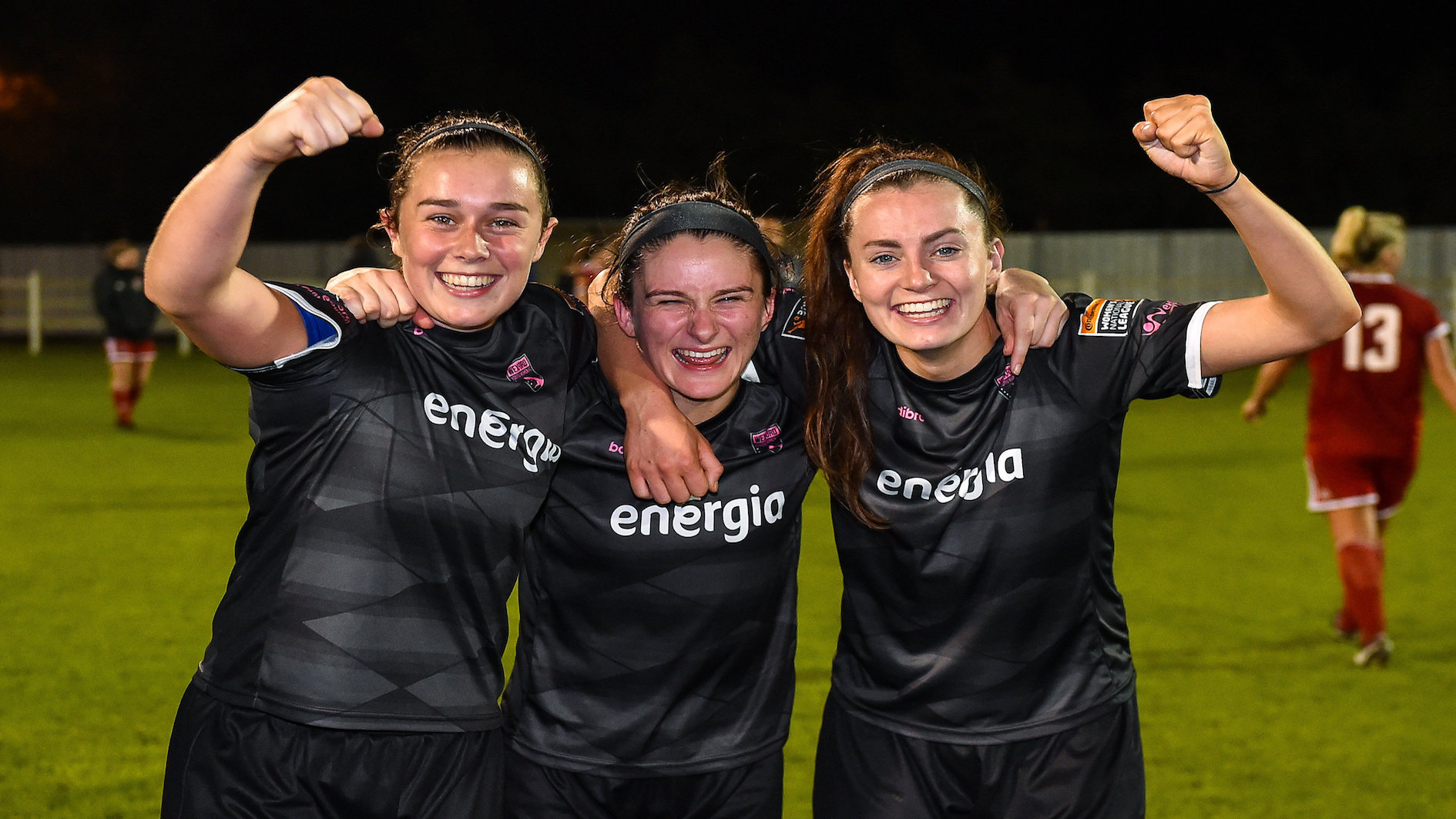
    As the 20×20 campaign that aims to improve attendance in Irish women’s sport takes flight, the rewards have been reaped across many sports. Wexford Youths Women, is a more local success story which happened away from the encouragement of the national campaign.

    The 20×20 campaign looked to cast a broader light on women’s sport in Ireland and bring it to a bigger, more engaged Irish audience. Since its inception, the fruits of its labour have ripened considerably, most notably the record attendance at this years’ ladies all-Ireland decider between Dublin and Galway, which attracted 56,114 spectators.

    Another sea change occurred in hockey, where the ladies’ team, needing a draw or better to help secure Olympic qualification, put themselves in a great position with a 0-0 stalemate against Canada. The more affirming take away from that night at Energia Park, however, was the fact that 6,137 fans had come out in support. A record attendance for a women’s team international game.

    And so, the 20×20 campaign has been rightfully appraised by many. At a national level, media coverage of women’s sport is on the rise, availability of tickets to the proverbial agnostics has increased, and as a result more support is being injected into these sports. When this happens, the quantities of those aiming high and striving for sporting success in women’s games shoots up, as does the overall quality of the games they compete in.

    The question, however, is how this trickles down into the more localised clubs and teams?

    The Wexford Youths Women are back to back FAI Cup champions, the side have never been in better shape. Those two Cup successes were preceded with another which came in 2015. And sure, they have the showpiece occasions to look forward to as a result of their successes, but is this reflected in their fiscal situation? Must the players be progressive and shrewd off the pitch as well as on it, even in 2019?

    Ray Noonan, Treasurer at Wexford Youths WFC said: “Our men’s and women’s teams are at opposite ends of the spectrum.

    “Our women have been at the top of the pile, while our men have languished at the bottom of the First Division.”

    But, despite the greater successes, achieved by the women’s team, this golden era has been punctuated with the same problems when it comes to funding.

    “As regards gate receipts, despite the comparison in success, our women’s team games would still be very poorly attended, you’d probably be talking around 100 people] at Ferrycarrig Park for a women’s game, and still between 250-300 for a men’s game,” explained Noonan.

    Noonan alludes to the cost of attending, while men’s games are charged a €10 admission, women’s games cost just €5. This gulf in gate income, despite the varying degrees of on-field successes, have put an increased onus on players themselves to fundraise. And with women’s attendances still lower, they have burdened the responsibility up to now.

    Kylie Murphy in action at the Champions League Qualifiers in Lithuania earlier this year. Photo Credit: FAI Media.jpg

    “We would be reasonably well funded by UEFA, but that doesn’t exclude the need for more funding. Up until now, the basic requirements for a women’s team player would be to raise €500 per annum,” he said.

    “There’s probably an inequality there in the sense that the senior men’s team wouldn’t be asked to fundraise.”

    And so, the successes on Wexford’s Youth Women on the field has yet to result in an easing of a financial burden off it. There is however change being noticed within the club which is encouraging. 

    Noonan said: “When we’ve looked ahead to our budgets for the 2020 season, in our planning, we have estimated that the women’s commercial income will pass out the men’s in the next year.”

    “As the women’s team becomes more successful, raising commercial funds becomes easier,” he continued.

    On the balance of everything within the Wexford Youths story, it can be said that their blueprint for on-field success can only be sustained if the national 20×20 plan extends the intentions of its own blueprint to the smaller clubs making big moves.

  • Water Polo – struggling to stay afloat

    Water Polo – struggling to stay afloat

    By Peter McKenna

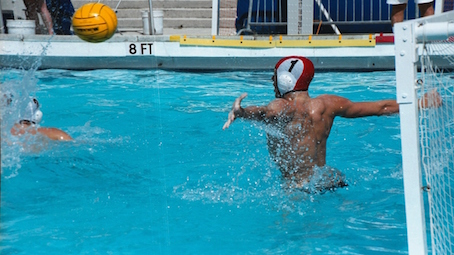
    Water Polo is a highly physical and demanding sport and has frequently been cited as one of the toughest sports to play. In a 2016 Irish Times article, about the five toughest sports at the Olympics, Water Polo is cited as the fourth toughest below decathlon, marathon and boxing.

    The game is simple in theory, it is made up of four quarters in which the opposing teams try to score goals in the net on the opposite side of the pool. The team with the most goals at the end of the game wins. The teams are made up of six field players and one goalkeeper. 

    The field players are involved in both offensive and defensive roles. Water Polo is typically played in a pool of around two metres so that players cannot touch the bottom, however this is not always the case.  The game is thought to have developed as a sort of rugby played in water.  It was played in lakes and rivers in the beginning of the sport, before strict rules and regulations were implemented.

    The games’ origins can be traced back to Scotland in the late 19th century through the pioneer William Wilson. However, as the game gained popularity and notoriety with the formation of the London Water Polo League, it has since expanded, becoming particularly popular in parts of Europe.  

    Ben Lawlor is a junior Irish Water Polo player and due to his family’s association with the game, became involved in the sport from a very young age. He spoke to TheCity.ie about Water Polo and how sport does not enjoy mainstream status.

    He said: “It’s not really a mainstream sport. Swimming would be more popular than it really. Swim Ireland would focus on promoting swimming more so than Water Polo, but they contribute to an extent.

    “For our club’s subscriptions, we would have to do our own fundraising, it’s expensive to rent pools for training, and there’s not many in Ireland let alone Dublin.”

    When asked about the structure of the Irish Water Polo leagues, it was evident that although not being a mainstream sport it is still very competitive in the country.

    Ben explained: “At senior level there’s three different divisions. Division one would be the most competitive, division two is still very competitive. Then division three is sort of for older people that still enjoy playing it, master of the game sort of thing.

    “In Dublin, there’s only two fifty metre pools in UCD and the National Aquatic Centre. Getting time there is difficult and obviously expensive so we train twice a week out in the National Aquatic Centre doing a two-hour session. Another night a week we train in Trinity pool which is a smaller pool.”

    Funding and facilities seem to be somewhat of an issue when it comes to Irish Water Polo, and Ben said this could be due to the status of the sport in Ireland.

    “I’d like to see it being promoted more. I’ve always tried to introduce it to my friends. It’s a good sport, it’s hard and physical. I think if more people know about it, it could be more popular, the thing is not many people know what it is.

    “In Ireland, it’s an amateur sport. I’ve played for the Irish junior team and I’ve played varsity. I haven’t played senior yet, but I know those guys don’t get paid and train five days a week.  Ireland aren’t in the European first division, they’re in the second. I would like to see Water Polo grow, but without the funding it’s really hard and were not a big country either.”

    Ben explained that it was his family legacy within the Irish Water Polo scene that encouraged him to get involved in the sport.

    “A long time ago my Dad and his dad used to go down to the Dun Laoghaire baths and basically his Dad started playing water polo down there. That’s really how my dad got involved so from a very young age I was swimming and from there I was thrown into the sport.

    “When I was playing under 16s, there’s a trophy- the Leinster cup trophy. All the teams in Leinster play each other and its knockout so we got to the final.  The trophy is named after my grandad in honour of his contributions to the sport and at the time my dad was coaching the team, so to win that back was huge. It was a big celebration for the family.”

    Aside from the fact that the sport doesn’t receive the same funding as other water sports, Ben explained why he continues to compete: “I play for the love of it really. I’m playing competitively for the Junior team and the varsity team at the moment, so my goal is to make the Senior team in the next year or two. 

    “The last time our club Sandycove won the Senior Irish cup was maybe 20 years ago and the likes of Vincent’s and Cathal Brugha would be some of the big teams in the game at the moment.”

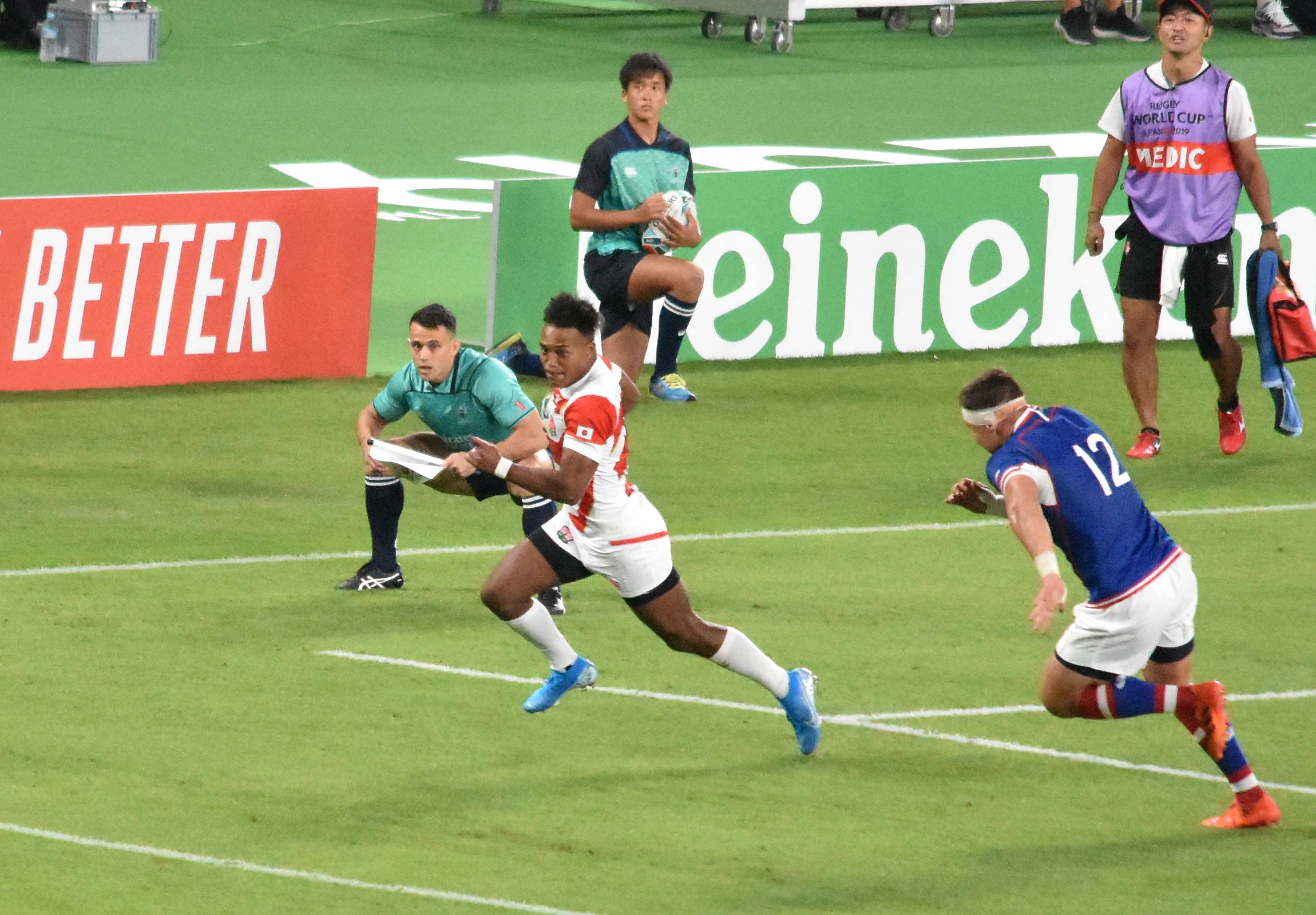
  • The 2019 Rugby World Cup dream team – according to the stats

    The 2019 Rugby World Cup dream team – according to the stats

    By David O’Farrell

    The Rugby World Cup concluded this month after South Africa lifted the trophy for the third time, following a dominant display over England. For the boys in green, it was a disappointing tournament after a near perfect 2018. Yet again, they stumbled at the quarter-final stage, and it’s hard to know when they will ever get past this hurdle. The only thing left to decide on is the ‘dream team’ of the tournament. TheCity.ie looked at who would make that ‘dream team’ if it was solely down to the statistics.

    15. Beauden Barrett (New Zealand)

    Three Barrett brothers ended up playing for the All Blacks at the world cup, but one stood out in particular. Beauden Barrett topped the runs made table with 86 at an average of 17.2 per game and managed second place in terms of clean breaks with 12 at an average of 2.4. He also managed to chip in with 18 points for his troubles and made a massive 460 metres in his five games. Barrett beat 24 defenders through the tournament and even though you could argue that the switch to full-back didn’t work as New Zealand only finished third, he is still the golden boy of his generation.

    14. Makazole Mapimi (South Africa)

    Normally a left winger but, such are his remarkable statistics, it’s impossible to leave Mapimi out of this team. He managed 30 points in total with six tries at just over an average of one per game. He also made 12 clean breaks, highlighting the sheer pace that this South African winger possesses. It was a tough call to leave out his teammate, Cheslin Kolbe, but going simply by the statistics, Mapimi was the much more clinical of the pair. He made a whopping 395 metres and also made 33 tackles at a success rate of 87%.

    13. Manu Tuilagi (England)

    It’s an all-England centre partnership with Tuilagi occupying the outside role, after his 15-point haul in his country’s run to the final. Tuilagi played five times in the tournament, making 191 metres through 41 carries. He was solid in defence with 30 tackles at a moderate success rate of 75%. The standout performer for his country in their semi-final win against the All Blacks, his performance set the tone in that game following his early try.

    12. Owen Farrell (England)

    A standout performer in the English backline scoring 58 points and the second highest in the tournament, Farrell wasn’t only influential from the kicking tee. He also made 59 tackles over 100 metres with his 36 carries. His penalty goal success rate was impressive at 86% and he also made 97 passes, showing his creativity in midfield. Undoubtedly, Farrell will be disappointed with his side’s performance in the final loss to South Africa, but he can be proud of how he performed individually in the tournament.

    11. Josh Adams (Wales)

    Adams performed exceptionally well on the statistics front and if we were solely judging it off the data, he should have been the player of the tournament. Wales’ standout performer on the left wing scored an impressive 35 points in his seven games and with those seven tries, he heads the tries scored table. Adams also averaged 2.57 clean breaks per game with a total of 18. He leads that account too. He made 60 runs across the campaign and made a total of 390 metres. Wales had a very good tournament overall eventually losing out to New Zealand in the bronze match, but they probably couldn’t have done it without the flair of this winger.

    10. Handre Pollard (South Africa)

    The ice-cool Pollard led his country to glory via his boot scoring an impressive 69 points across the tournament, and topping the points scored table. He averaged 11.5 points per game and his most impressive performance came in the game that mattered most; the final where the South African scored six penalties. He had an 80% penalty conversion rate and made 164 metres across his six matches. Without Pollard, South Africa would have been lost. The unlucky ones to miss out here were New Zealand’s Richie Mo’Unga and Japans Yu Tamura, who averaged an impressive 10.2 points across his five games.

    9. Faf De Klerk (South Africa)

    It’s an all-South African half-back partnership and it’s obvious why. Pollard and De Klerk performed exceptionally well through the tournament and were massive players behind their nation’s success. Klerk was unmissable with his long, blonde locks and was the king of the box kick, with 36 in the quarters and semis alone. His tactical kicking was so effective in what was, in truth, not a great tournament for the scrum-halves. He made 247 passes, 76 metres and managed to chip in for a try. An honorary mention must go to Japanese scrum-half, Yutaka Nagare, for his effort in keeping Japans game being played at 100mph.

    8. Kieran Reed (New Zealand)

    At 34 years old this was Reed’s third Rugby World Cup, and yet again he managed to show us why he is one of the best players of this generation. He made a massive 69 tackles at an average of 13.8 per game with a 90% success rate. As the third highest tackle maker of the tournament, he made a menace of himself in the middle of the pitch, carrying the ball 50 times while making 95 metres. The New Zealander captained his country in superb fashion and showed the world why he is one of the best leaders in the game’s history.

    7. Pieter-Steph du Toit (South Africa)

    The Stormers flanker had an exceptional 2019 and was recently crowned the World Rugby men’s 15’s player of the year and it is easy to see why. He was a key cog in the South African pack with an impressive 61 tackles at an average of 12.2 per game. With an 85% tackle success rate, he was part of the scrum that demolished the English pack in the final. His defence was really strong, and he managed one try from his 27 carries. He also made two clean breaks and stole a lineout for good measure. A brilliant all-round display with the stats to back up his performance.

    “They are the 15 men that deserve to be on the ‘dream team’ for this year’s rugby world cup and it will be interesting to see how many of them actually make it.”

    6. Pieter Labuschagne (Japan)

    One of the hosts’ most consistent performers, Labuschagne was a pillar in the Japanese back row managing 68 tackles at an average of 13.6 per game. His tackle success rate of 94% made him a key figure of the Japanese defence and he also carried 39 times, making 169 metres. He was a standout performer for the hosts which saw them top Pool A after a couple of famous wins over Ireland and Scotland.

    5. Alun Wyn Jones (Wales)

    Another standout tournament for Wales’ most capped player. Wyn Jones led his country in style to a fourth-place finish and on a personal level, he didn’t do too badly either. He was the tournaments leading tackle maker with 79, averaging 13.16 per game. His tackle success rate is also one of the highest at 92%. He managed to win nine lineouts along with a couple of steals and made 36 carries. Another outstanding tournament for the Welsh lock.

    4. Maro Itoje (England)

    It’s an all Northern Hemisphere affair for the second row, as Itoje joins his Lions counterpart. Itoje made 71 tackles during the tournament, bettered only by Wyn Jones, but he had a higher match average at 14.2. His tackle success rate was also very impressive at 92%. Like Wyn Jones, Itoje was unable to get on the scoresheet but he did manage a respectable 31 carries while making 54 metres. He won a notable 22 lineouts, which included two steals, and highlighted himself, once again, as one of English rugby’s brighter prospects for the future.

    3. Kyle Sinckler (England)

    Although his final involvement ended after two minutes due to injury, Sinckler was certainly the standout prop of the tournament and not just on the statistics front. He was the key to his country’s scrum success in the early rounds, and when he came off in the final, the English scrum fell apart. Sinckler made 31 tackles with an 89% success rate. Displaying consistency in attack, the prop had 33 carries, making 43 metres while beating two defenders. He also managed to chip in with a try in the quarter-final against Australia.

    2. Julian Montoya (Argentina)

    Although Los Pumas would have been disappointed not to make it out of the ‘group of death’, hooker Julian Montoya can be proud of his displays at number two. He managed to score four tries, at an average of one per game while also having a 94% tackle success rate. He managed 13 carries and was a very solid performer for what must be said was a below par Argentinian team.

    1. Keita Inagaki (Japan)

    A real presence in the set-piece, Inagaki was one of the key performers in his nations run to the quarter-finals. Thriving on the fast-flowing rugby that Japan played, he managed 48 tackles with an 89% success rate. His attacking stats weren’t bad either carrying the ball 30 times and making over 40 metres. He also managed to score a try against Scotland, after a great team move, to seal his country’s place in the quarter-finals.

    They are the 15 men that deserve to be on the ‘dream team’ for this year’s rugby world cup and it will be interesting to see how many of them actually make it. Unsurprisingly, there are no Irish players included after their disappointing campaign which ended in a quarter-final hammering to the All Blacks.