Author: The City’s Newshound

  • Is Ireland’s creative class being destroyed by third-level education? Introducing: The Dublin Yuccie.

    Is Ireland’s creative class being destroyed by third-level education? Introducing: The Dublin Yuccie.

    We live in an age where investing in yourself means going to college.

    It’s about grabbing a piece of paper, posing for a picture with an awful blue background, posting that treasured picture on Facebook with a sappy ‘I did it!’ caption and anticipating the incredible amount of likes you’ll get. Shut up — you’ve been there. We’ve all been there. It’s a certain rational, inherent pride interlaced with ‘I did what they told me to do. I went to college, I was hungover for half of it, but I met the societal demand of getting a degree! Now where’s my graduation present?’ (However, I do prefer the question: where’s my job?)

    In saying that, are colleges and universities all that they’re cracked up to be? Is it really the step that will catapult the youth of Ireland into a prospective, financially comfortable future? No. It’s not. Your degree has actually become meaningless with the number of people entering third-level — education is no longer a valued, sought-after achievement for the mind. It’s a social demand. A demand that won’t necessarily give you the lemons to make the best lemonade. The realistic sting of that proverb is in fact more citrusy than lemons itself. Because the reality is there is no lemonade — not any time soon.

    According to the CSO, third level student numbers increased by 105 per cent between 1990/91 and 2003/04. Ireland has long been telling itself that we have a highly educated workforce. That is indeed true — but what happens when the quality of education is outmatched by the quantity of education?

    As society is aggressively demanding young people to go to college, a certain inferiority is placed on those who choose not to go. People who choose the paths of apprenticeships, fashion, entrepreneurship, and construction are now being forced to disregard these trades and creative crafts. These non-academic choices have now been made academic by colleges and universities offering courses which take these practical talents and attempt to theorise them.

    College courses in America include Harry Potter Literature in Ohio State University and Underwater Basket Weaving in Reed College, which is respectively a play on the absurdity of obscure college courses anyway. Princeton once offered ‘Getting Dressed’ — a course offered exclusively to freshmen. Being able to dress oneself, an activity we learned when we were three years old, was actually a college course. Mind you, the class was more than just daily sessions on how to get dressed in the morning with the light actually on (which, I must attest is difficult) — it was about using fashion as a medium to study history and the understanding of individuality. Which is interesting. But is it theoretical? Academia is separate from practical and technical applications. But nowadays? There’s definitely some blurred lines.

    Fortunately, we haven’t cloned the same lucrative programmes in Ireland — but we have, however, contributed to this concept of adding what is not academic to academia, paradoxically, changing the simple definition of academia itself.

    Ireland’s top courses that have added theory to practicality include: Fashion Design in Griffith College; Aircraft Maintenance and Operations in UL; Culinary Arts in D.I.T; and Popular Music: Drums, in CIT. Griffith College’s course content for Fashion Design says, ‘nurturing your design and creativity is [their] main objective for this course.’ Here is a clear example of how third-level institutions are changing the level of academia — ‘nurturing your design and creativity’  — ‘nurturing’ — what are they doing, feeding the models? Who feeds models?

    When did the capitalisation of theorising design and creativity become so popular? When society subconsciously brainwashed us with Uncle Sam posters demanding us to head to third level. And when institutions capitalised on this, seeing a flush of currency signs in front of them. Curbing college courses to suit the non-academic evidently seems to be profitable but, in essence, it destructs the creative class. This isn’t to say the creative class shouldn’t be made academic, but it should be standalone for its own ingenuity, surely?

    Retaliating against this attack on the creative class, the Millennium Generation have eagerly fought back. A new tech-savvy, creative-minded breed is now dominating the urban scene; The Yuccie — an acronym for ‘young urban creatives’. It is the Yuccies who are running their own businesses spearheaded by rampant social media usage, slamming monopolisation and greed and trading it in for creative ideas. Ideas are what bolster them to establish  their identities and businesses — not an obscure college course that objectifies craft and creativity by teaching something that may be generally regarded as inherent.

    One of these Young Urban Creatives, Michelle Martin, studied ‘Visual Merchandising, Styling and Display’ in DIT.

    Michelle, who has established her own personal styling service in one of the high street’s most successful stores, says, ‘There is only so much you can be taught about what colours complement each other, what shapes attract the eye and how to manipulate the eye path. As much as they teach you about the “rules” — they don’t really exist. No matter how much you’re taught in college, it will not prepare you for the real thing.’ When a graduate who has turned her creativity into a successful business doesn’t comprehend the theorising of creative arts into academia, it begs the question: are there fields that third-level institutions can’t successfully manipulate into academics?

    If it’s anything that defies the general monopolisation of things, it’s the Yuccie.  The person who values their creativity before anything else. Evidently valuing it a lot more than colleges do.

    But no matter how strong the Yuccie may become, it seems like they’re up against the untouchable regime of third-level education, and the irrevocable societal demand of grabbing that scroll, and posing for that photograph.


    by SHANE DEVEREUX

    (Photo: getref.com)

  • UCD200’s ‘lad culture’ incites questions about society and technology

    UCD200’s ‘lad culture’ incites questions about society and technology

    Last week, UCD’s newspaper, The College Tribune, reported about the UCD200, which has sparked a national conversation among the public on what we refer to as ‘lad culture’.

    This issue is ongoing and ever present in our society, and most certainly not confined to universities. Felicia Garcia, a PhD student from the Department of Anthropology, NUI Maynooth, wrote her thesis on ‘Coping and Suicide Amongst ‘the Lads’: Expectations of masculinity in post-traditional Ireland.’ Here she writes being a ‘lad’ is ‘a status that by traditional standards ended after adolescence, when boys became men. However, as adolescence extends into adulthood, the status of ladhood becomes a more permanent position.’

    The National Union of Students in Great Britain define lad culture as a masculine group or pack mentality residing in sport and heavy alcohol consumption and banter, which is often sexist, misogynist and homophobic.

    Apps such as Snapchat, Whatsapp, and Facebook are increasingly utilised as platforms for sharing and posting videos and images. As a result, it has become a regular activity among young Irish people to send and receive ‘nudes’.

    Whatsapp,  a free message app that lets us form ‘whatsapp group chats’ with our friends, allows multiple individuals to be involved in constant conversation, complete with photos and videos.  The Tab.com recently wrote an article ‘Which guy in the Whatsapp chat are you?’ One of the possibilities here is ‘The Sket’. The description for this person? — ‘Boys look at the tits on this one. Dean’s deeply misogynistic views generally float under the radar. If anything you would think he loves women. But after you’ve heard him vividly, and emotively, describe the perforations of the anus of the 2 out of 10 he ‘slewed’ last night. There’s no doubt.’

    Although the article means to be  humorous, its expression is undoubtedly misogyny. It further denigrates feminism and reiterates this ‘lad culture’ that is so damageable to our society.

    The 200 students at UCD, shared the photos not on Whatsapp, but through a Facebook group.  The College Tribune reported that a first year student outlined her understanding of the group: ‘with around 200 Ag science lads involved, all from different years, where they shared stories about girls they had sex with, shared the girls’ nudes, and then posted the girls’ Facebook pages where they’d all rate them out of ten.’

    Rachel O’Neill is a 21-year-old student in UCD whose Facebook post about ‘toxic lad culture’ has gone viral.

    She spoke to the Ryan Tubridy Show on RTÉ Radio 1 about the common activity of sending nudes and also about the equally common activity of boys sending them onto their friends. The most shocking part of the interview came from the response of the listeners.

    Screen Shot 2016-02-10 at 18.28.41
    Rachel O’Neill’s Facebook post. 

    The first three texts into the show came from women, all of whom condemned the action of the women who took nudes in the first place without even mentioning the wrongdoing of the male students.

    One of the texts read: ‘Are the women in UCD so naïve by sending out nude pictures of themselves? This is plain daft. Don’t believe that the guys won’t share.’

    Another said: ‘We are judging these girls, it’s only their own fault. When will girls get back to respecting themselves? If you don’t respect yourself no one else will. Grow up.’

    O’Neill compared this ‘victim blaming’ to saying it’s a granny’s fault if she gets mugged because she shouldn’t be going out in the first place.

    For O’Neill, all of this comes back to the issue of consent, something that should be taught to everybody from a young age in primary school.

    The UCD Student’s Union has now announced plans to follow in Trinity’s footsteps and to introduce mandatory sexual consent workshops for students.

    Watchyourspace.ie shared six things you need to know about sexting, here it states that sharing someone’s nude selfies without consent or permission is illegal.

    The investigation of the UCD200 is currently ongoing, however, the investigation is promulgating differing opinions on women’s bodily autonomy and sexuality. It has incited opinions within society where women do not have to apologise for either of these elements. However, the opposing argument also exists, arguing that nude pictures and the freedom of individuals to share these, should be contained.

    by JENNY MOONEY

    (Photo credit: Shumpei Sano)

  • & Other Stories announces Dublin opening

    & Other Stories announces Dublin opening


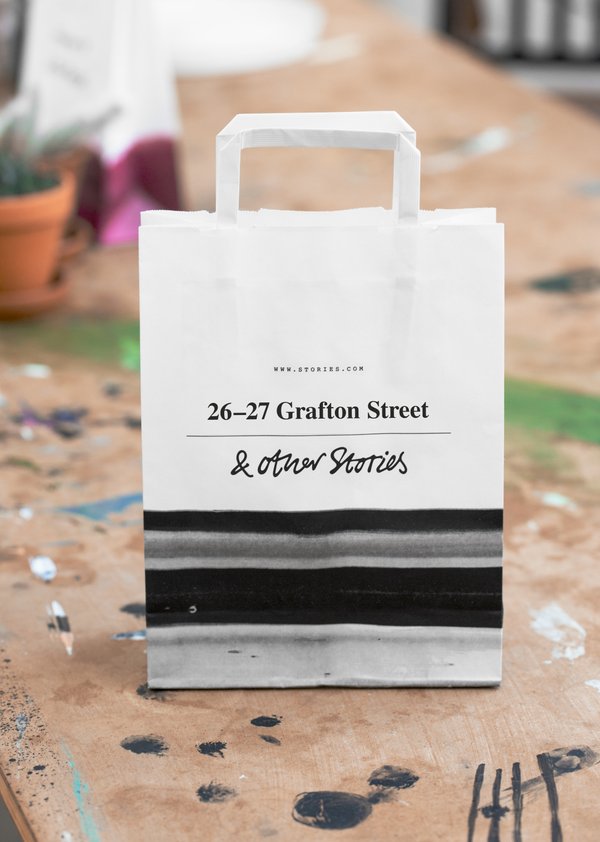
    Scandi-style brand & Other Stories has just announced plans to open its first Irish store on Dublin’s Grafton Street this autumn.

    Part of the H&M Group, the women’s fashion label will open a three-level shop as part of the Swedish company’s continuing expansion in the Irish retail sector.

    Since the opening of the Irish flagship H&M store – and its sister store COS – in 2014, Irish fashionistas have got a taste for Scandinavian style and are ready to welcome this new venture with open arms.

    Launched in 2013, & Other Stories is a purportedly social media driven brand, influenced more by blogger and street style than the prescribed fashions of the catwalk.

    Despite being a relatively new retailer, & Other Stories has made a name for itself with bloggers and celebrities alike for its minimalist designs and affordable price tags.

    Selling everything from make-up to lingerie, the store has already developed a reputation for interesting design collaborations, and controversial marketing campaigns directed by the likes of Lena Dunham.

    Using the sartorial marriage of Scandinavian and Parisian design, & Other Stories provides both simple and tailored designs that – the brand claims – allow the wearer to develop her own personal style or “story”.

    Since it starting shipping to Ireland in 2014, & Other Stories has become something of a fashion staple, squeezing its way into the wardrobes of any self-respecting Irish fashion girl.

    However with the Irish store on the horizon, now might be the time to give those wardrobes a much needed spring clean to make room for the new arrival.

    by IONA SHEARER


  • German train crash – what we know so far

    German train crash – what we know so far

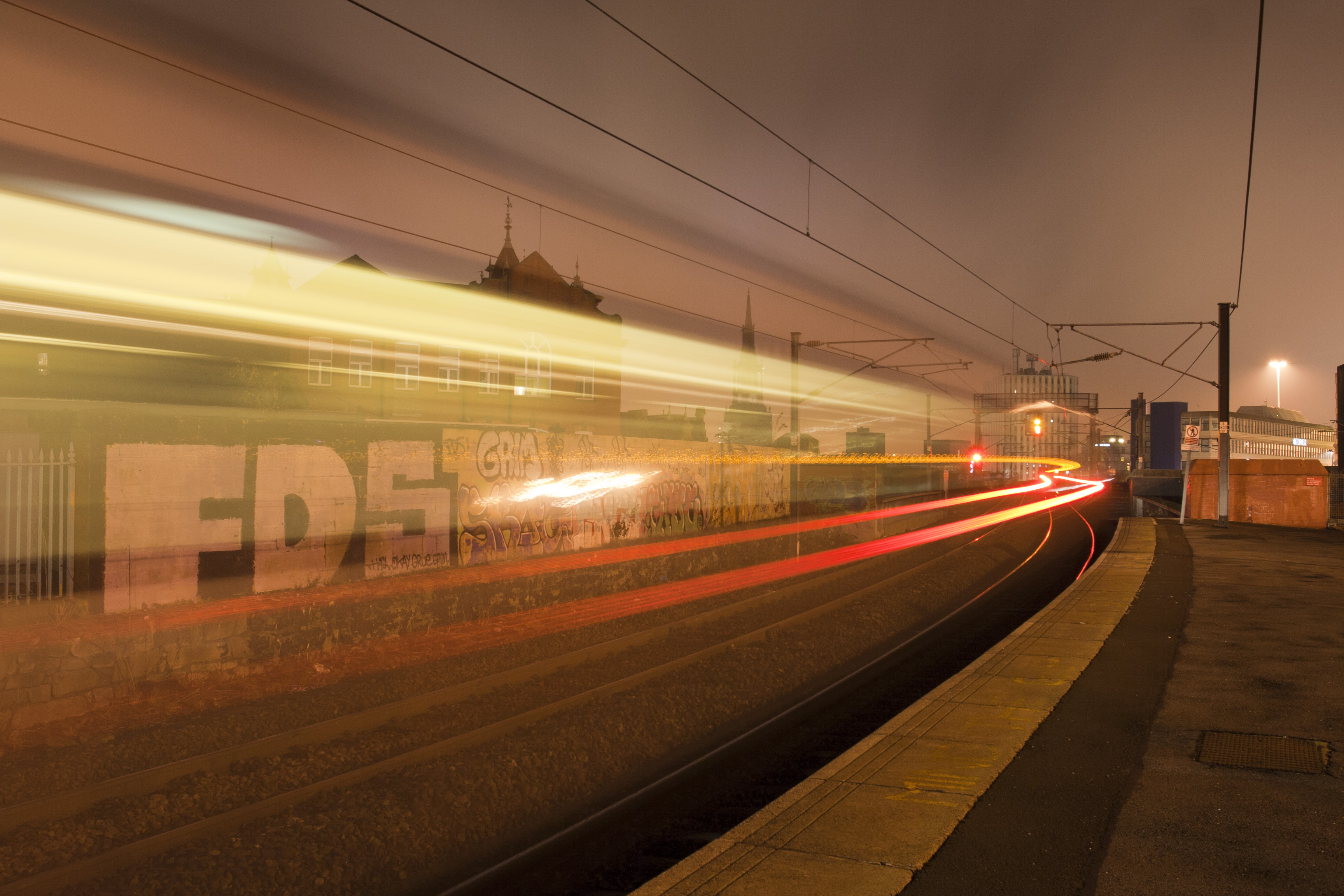
    Two trains crashed this morning in Upper Bavaria, leaving nine dead and about 180 injured, authorities say.

    The head-on crash happened around 6:45AM local time (5:45AM GMT) near the popular spa resort Bad Aibling, 60 km (37 miles) southeast of Munich.


    Margaux-train (2)

    (Photo by @BILD)


    The two trains crashed on a bend, both driving 100 kph (62 mph). According to Transportation Minister Alexander Dobrindt, it made it difficult for the drivers to see each other and apply the brakes on time.

    About 500 emergency service workers have been working on the site for hours, some by helicopter, to free as many casualties as possible.

    It is the most severe train accident in Bavaria since 1975.

    German Justice Minister Heiko Maas took to Twitter to comment on the crash: “Really awful news from #badaibling. Our thoughts go to the victims and injured. Thanks to the rescue workers.”

    Russian President Vladimir Putin made a statement, sending his condolences: “The catastrophe, with many injured and sadly also killed, brings grief to Moscow.”

    by MARGAUX NADLER

    (Photo byapwbATTACK)

  • Paul O’Connell – The Munster man’s finest moments

    Paul O’Connell – The Munster man’s finest moments


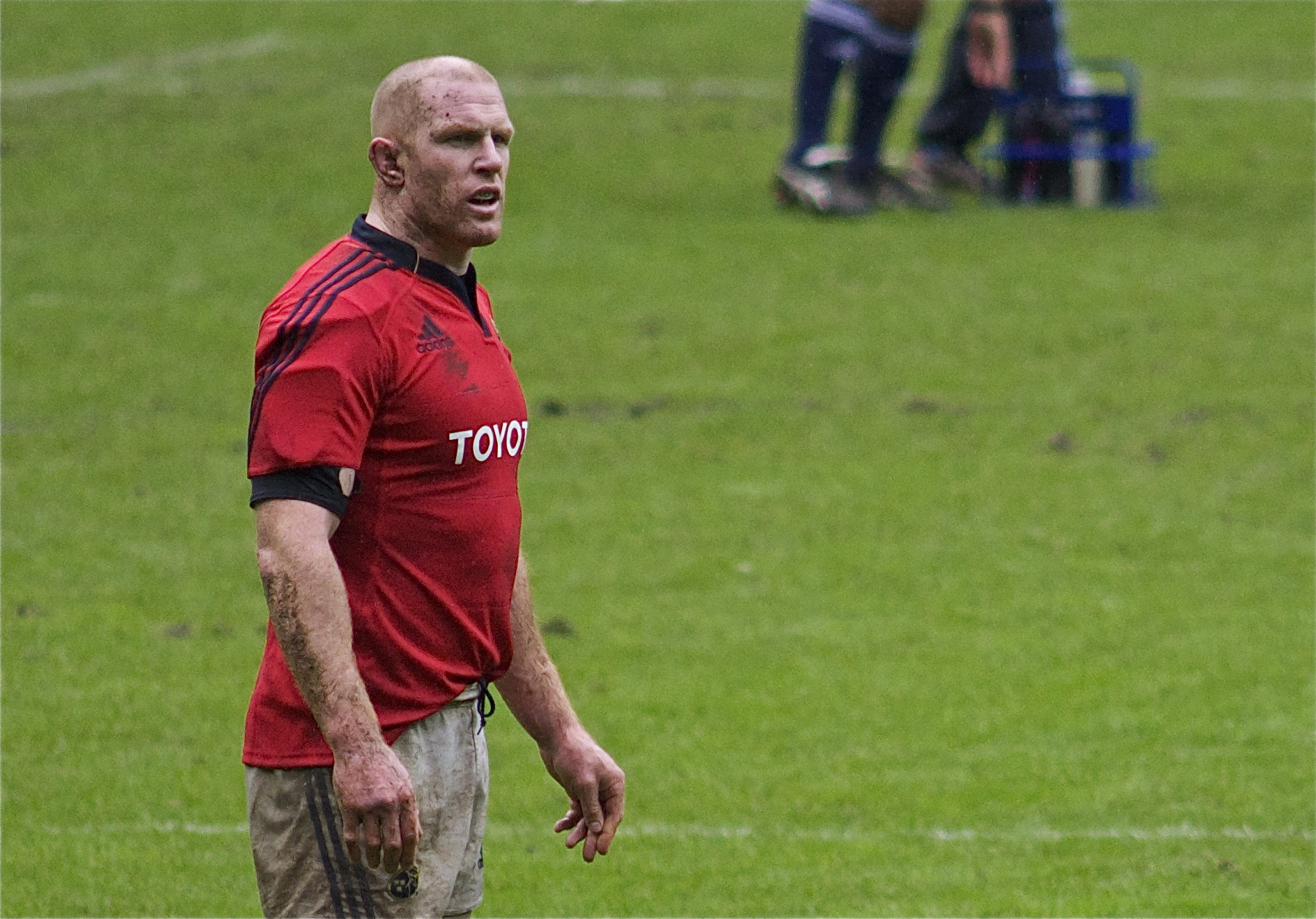
    On Tuesday 9 February rugby fans all over Ireland woke up to the news that Irish legend Paul O’Connell had retired from the game. In a statement O’Connell said, ‘It is with deep regret that I have decided to retire from professional rugby following medical advice. I would like to take this opportunity to thank all at Rugby Club Toulannais for their understanding and support over the past few months.’

    O’Connell is considered one of the giants of Irish rugby, with a playing career that spanned fifteen years. Throughout his illustrious career O’Connell made 108 appearances for the Irish national team and also a whopping 174 appearances for his province, Munster. O’Connell led Ireland to the World Cup last summer, where he picked up an injury during Ireland’s victory over France. This was the beginning of the end for O’Connell as he never played a game after this.

    Here at The City, we decided to pay homage to the former Ireland captain by looking at defining moments of his career.


    17 August 2001: Munster debut


    17 August 2001, O’Connell made his Munster debut in a Celtic League match. Munster won the game 25-22. This was the first game of the competition and Munster subsequently went on to win their pool. After topping their pool, Munster went all the way to the final only to be defeated by Irish rivals, Leinster. Not a bad first competitive competition for O’Connell.


    3 February 2002: Ireland debut


    O’Connell made his Ireland debut on 3 February 2002 in a Six Nations game against Wales at Lansdowne Road. He marked his debut with a try, but later admitted to not remembering the entire first half due to a head injury: ‘I scored a try but I don’t remember it. I went to tackle Craig Quinell and he knocked me clean unconscious with his elbow.’


    25 May 2002: First Heineken Cup final


    The Heineken Cup was Europe’s major club rugby competition, and in his second year as a professional player, O’Connell made an appearance in the final. Although this was a great milestone for the young second row, it turned out to be a bad experience as his Munster side were defeated by Leicester Tigers. This was not to be O’Connell’s last experience of Heineken Cup finals as the Munster man went on to win two Heineken Cups.


    October/November 2003: First World Cup


    O’Connell was part of Ireland’s 2003 World Cup squad. The Limerick champion played in five games, including Ireland’s quarterfinal defeat to France. O’Connell went on to represent Ireland in three more World Cups.


    27 March 2004: First Triple Crown


    Previous to 2004, Ireland had not won the triple crown in 19 years. O’Connell helped Ireland to break their near-20-year hoodoo, putting in a stellar display against Scotland to ensure Ireland won the silverware.


    14 May 2005: O’Connell inspires Munster to the last ever Celtic Cup title


    The last ever Celtic Cup took place in 2005, with the final being played at Lansdowne Road. The game was contested by Munster and Llanelli Scarlets, with Munster coming out on top by a scoreline of 27-16.


    25 June 2005: First Lions appearance


    The Lions is a prestigious team selected from the best Home Nations players, and O’Connell was selected to be part of the Lions 2005 tour of New Zealand.  O’Connell made his Lions debut against New Zealand on June 25 2005, but unfortunately for the Irish man the game ended in defeat. He also went on to play in the second and third matches of the tour.


    19 March 2006: O’Connell’s second Triple Crown


    O’Connell played a pivotal part in Ireland’s Triple Crown victory in 2006, lining out in the second row in a dramatic 24-28 victory over bitter rivals England at Twickenham.


    2006: Nominated for International Rugby Board Player of the Year


    In 2006, O’Connell’s form earned him worldwide recognition as he was shortlisted for International Rugby Board Player of the Year. Also shortlisted were Dan Carter, Richie McCaw, Chris Latham and Fourie Du Preez. Unfortunately, O’Connell missed out, and the award went to New Zealand’s Richie McCaw.


    20 May 2006: Heineken Cup glory


    Paul O’Connell won his first Heineken Cup in 2006 as part of the Munster team that defeated Biarritz 23-19 in the Millennium Stadium in Cardiff. Munster had previously lost the final in 2000 and 2002, with O’Connell playing in the 2002 final.


    2007: Six Nations


    In 2007, Ireland played France in the first ever Rugby match played in Croke Park. O’Connell was the captain on the day. During this Six Nations championship, O’Connell picked up the man of the match award following Ireland’s historic 43-13 victory over England at Croke Park. Ireland ended up finishing in second place as France took home the title.


    2007: World Cup


    The 2007 World Cup was a disappointment for both Ireland and O’Connell, as following defeats by Argentina and France, Ireland bowed out of the competition. This is generally considered the lowest point of O’Connell’s illustrious career.


    July 2007: Munster captaincy


    In July 2007 O’Connell replaced Anthony Foley as captain of Munster.


    24 May 2008: second Heineken Cup victory


    O’Connell captained Munster to Heineken Cup glory on 24 May 2008. This was O’Connell’s second Heineken Cup victory as Munster just edged out Toulouse 16-13. The game took place in the Millennium Stadium in Cardiff where only two years previously O’Connell won his first Heineken Cup.


    21 March 2009: Six Nations and Grand Slam glory


    Ireland won the Six Nations Championship in 2009 and also their first Grand Slam in 61 years by defeating Wales by two points in Cardiff. O’Connell’s performance was central to Ireland’s victory, as his ability to steal the Welsh lineout resulted in Ireland enjoying vast amounts of possession. Yet another happy day for O’Connell at the Millennium Stadium.


    21 April 2009: British and Irish Lions captain


    Not only did O’Connell captain both Munster and Ireland, he also earned the right to captain the British and Irish Lions during their South African tour. Although the tour was largely considered to be a failure, it was still a great honour for O’Connell to be chosen as the captain of the prestigious team.


    28 May 2011: Magners League glory


    O’Connell added more silverware to his cabinet by captaining Munster to a 10 point victory over Leinster.


    30 December 2011: Ireland captain


    30 December 2011, it was announced that O’Connell would captain Ireland in the 2012 Six Nations championship. Unfortunately for Paul, he received a knee injury against France mid-way through the competition which ruled him out of the remainder of the Six Nations.


    20 April 2013: yet another Lions tour


    This would be O’Connell’s last ever Lions tour, and he captained the side in their first game against Barbarians due to the absence of Sam Warburton. Unfortunately, the Munster legend picked up an injury in the first test against Australia which ruled him out of the rest of the tour.


    15 March 2014: Six Nations champion


    Despite missing the opening game of the 2014 Six Nations, O’Connell went on to captain Ireland to yet another Six Nations championship. O’Connell played an integral role in Ireland’s two-point victory over France in Paris to give Ireland the title.


    21 March 2015: Six Nations champion


    Once again, O’Connell captained Ireland during the 2015 Six Nations championship. During this competition, O’Connell earned his 100th Ireland cap during a 23-16 defeat to Wales. Ireland went on to win the championship for the second year in a row, and also O’Connell’s second victory as captain of the side.


    2015: World Cup


    Prior to the start of the World Cup it was announced that Paul O’Connell had signed for French side Toulon, and would represent them following the World Cup. Once again, O’Connell was Ireland’s captain, but could not prevent his Irish side’s elimination against Argentina in the quarterfinal stage. O’Connell suffered a hamstring injury against France and was subsequently ruled out of the remainder of the competition. It was the last game of rugby the Munster legend would play.


    9 February 2016:  O’Connell announces his retirement
    Following medical advice, Paul O’Connell retired from professional rugby. O’Connell won an impressive 14 titles during his playing career and retires with the reputation of being one of the game’s’ greatest ever players.


    by CHARLIE REDMOND

    (PHOTO CREDIT: mopictures. Photo Source: Flickr)

  • The 88th Academy Awards: #OscarsSoAmerican?

    The 88th Academy Awards: #OscarsSoAmerican?

    Margaux Nadler weighs in on the controversies surrounding the nominated categories  in the Oscars. 

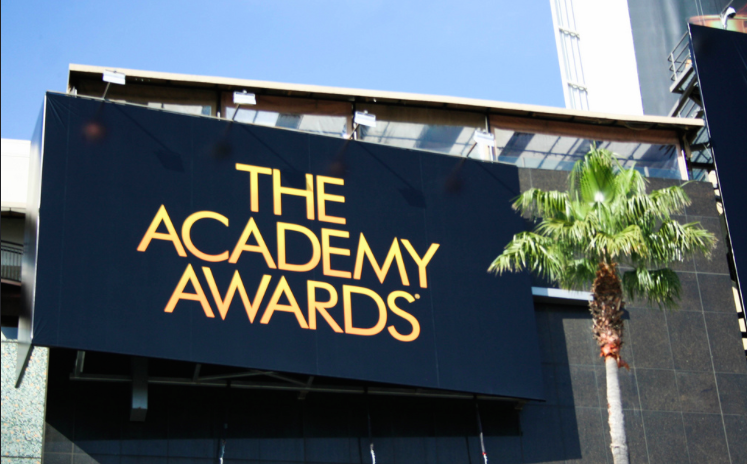
    On February 28th, the 88th Academy Awards will take place in Los Angeles, bringing together all the biggest names in the film industry under one roof.

    Since last year, the Oscars have been linked to a worldwide controversy. The #OscarsSoWhite hashtag is criticising the lack of diversity in the best actor categories, where all 20 nominees are white. Before 2015, it had been 17 years since a similar situation occurred. In response to that, many representatives of the industry including director Spike Lee and actors Will Smith and Jada Pinkett Smith have decided to boycott the award show. LGBT groups have also made a statement with Sir Ian McKellen stating that there has never been an openly gay man who has won an Oscar for Best Actor.

    There is also another form of discrimination we could mention: what about non-American actors? Though the Oscars is an American award show, it is not written in the eligibility rules that acting nominees have to be American citizens, whereas other regional award shows like the European, Asian or African Film Awards clearly do. In 1997, Helen Hunt, an American actress, won Best Actress in a Leading Role for her interpretation of Carol in As Good As It Gets. However, she was competing against four British actresses – Helena Bonham Carter, Julie Christie, Judi Dench and Kate Winslet. The odds, in this case, were not in favor of an American actress — but Hunt bet these odds, regardless.

    Among over 300 Oscar winners, only 24 were European.

    The only exception are British actors, who have won about 50 acting awards since 1928. But other groups like French-speakers, German-speakers, Scandinavians or Mediterraneans have been under-represented, and no one seems to object to that. It is the same for the Irish: only three Irish actors have won an Oscar. But this might change as two of the actors nominated for Best Actress and Actor in a Leading Role – Saoirse Ronan for her role in Brooklyn and Michael Fassbender for his role in Steve Jobs – are of Irish nationality.

    This does not only apply to European actors. Asian and African actors have collectively won six Oscars.

    Coming back to the #OscarsSoWhite controversy, many actors have declared that the lack of diversity in the award show is only a small part of the dilemma in the movie industry. When asked on which side he stood regarding the debate, George Clooney said that he agreed that there should be more diversity, but that the problem was part of the bigger problem as black actors are not given enough opportunities to star in award-winning movies. Maybe this could be applied to other ethnicities as well?

    Let’s hope to see some change in the years to come, but for now we will be rooting for our fellow European nominees.
    BY MARGAUX NADLER.

    (Photo Credit: Rachel Jackson. Photo Credit: Flickr).

  • CDC announcement curbs women’s alcohol usage

    CDC announcement curbs women’s alcohol usage

    Iona Shearer discusses women’s bodily autonomy and medical bureaucracy. 

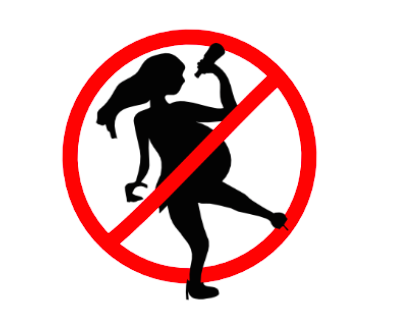
    The Centre for Disease Control’s (CDCs) recent announcement that sexually active females of childbearing age should not drink alcohol unless they are taking birth control has caused an impressionable disturbance to women’s bodily autonomy.

    According to the CDC’s research, up to 1 in 20 school children in the U.S are affected by Foetal Alcohol Syndrome and – as around half of pregnancies in the US are unplanned – this advice has come as a bid to prevent women from accidentally exposing their developing child to alcohol.

    Although some studies claim that the odd glass throughout pregnancy will do no harm, recently published research from the U.K’s National Institute for Health and Clinical Excellence has said there is no safe level of alcohol consumption for anyone.

    However, some sceptics believe that the increasing restrictions placed on expectant mothers – bearing in mind that humans have been successfully reproducing for thousands of years – are just another attempt by governments to try and control women’s actions.

    Telling a woman not to drink in case she is pregnant is akin to telling her not to go outside in case she gets raped, or not to cross the road in case she gets hit by a car. Objectively, these are all sensible pieces of preventative advice, but they also infringe on women’s personal freedom – something that is arguably more worrying than the dangers these suggestions are trying to prevent.

    In a time when abortion rights are such a contentious issue and women’s rights to bodily autonomy are constantly being compromised, having advice like this widely publicized is concerning. In the U.S particularly, people are increasingly obsessed with the welfare of the unborn; with right-wing governments pushing legislation that bans abortion, defining a child’s personhood as beginning two weeks before conception, and making internal ultrasounds mandatory for expectant mothers.

    As such, one has to wonder how long it will be before some pro-life crackpot starts demanding that women must prove their contraceptive status before they can purchase alcohol. Before we know it, women in the U.S will be needing to wave their pill packets and I.D at liquor store cashiers before they can get their gin fix.

    Not that we should advocate drinking during pregnancy, but the notion that women should change their lifestyle to allay fears about what may or may not be, borders on ridiculous. There are a number of reasons why sexually active women of childbearing age might not want to take birth control, and nothing but abstinence is 100 per cent effective. Synthetic hormones carry with them a number of side effects both physical and psychological, and to say that a woman who refuses to subject her body to these has no longer the right to a drink is nothing other than sexist.

    So like most advice, it’s prudent to take the CDC’s announcement with a large pinch of salt. However, make sure to be aware of what’s going on in your body, because if there is one thing that is important when medical bureaucracy tries to tighten its grip on women, it is to show that we can be trusted with our own bodies and our own decisions.
    BY IONA SHEARER

    (Photo Credit: Chris MurtaghImage sourced: Flickr)


  • ‘Every 21 hours, there’s a rape on American campuses’

    ‘Every 21 hours, there’s a rape on American campuses’

    Jenny Mooney reports on the statistical information revolving around sexual consent in light of Trinity College’s introduction of sexual consent classes for incoming Freshers in September, 2016. 

    Trinity College are introducing mandatory sexual consent classes to incoming Freshers in Trinity Hall accommodation from September 2016.

    Similar classes have been introduced in the University of Oxford and University of Cambridge  in previous years.

    The classes were passed due to increasing concern over a student union’s survey which stated that one in four female students have had a non-consensual sexual experience.

    These statistics seem to be fast following the American University ‘rape crisis.’

    A survey commissioned by the Association of American Universities, and released in September 2014, says that 27% of female college seniors reported having experienced some form of unwanted sexual contact since entering college.

    According to the U.S Department of justice, rape is the most common violent crime on American College campuses.

    Every 21 hours there is a rape on an American campus, according to the Crisis Connection National College Health risk behaviour survey.

    The definition of sexual consent, when read, seems like an easy and clear definition to understand and practice — ‘Sexual activity requires consent, which is defined as a voluntary, positive agreement between the participants to engage in specific sexual activity’ — according to Women’s Crisis Centre, North Western University.

    However, when drinking is involved, which undoubtedly in college is frequently the case, the lines sometimes seem blurry.

    This situation is exemplified when a student from Oxford, spoke about her experience in her sexual consent class. She told The Guardian that, ‘I was pretty drunk and so was he. We kept kissing and he pulled down my pants and was touching me. Details began getting fuzzy and I’m not sure what happened after that. I remember waking up hours later to a dark, quiet house without my skirt or pants on. We had sex, I’m sure of it, but it wasn’t something I agreed to. Or did I?’

    The sexual consent classes will allow both male and female students to discuss these issues in a controlled environment.

    BY JENNY MOONEY

    (PHOTO CREDIT: Wolframburner. Photo source: Flickr).

  • The City’s preview of the RBS Six Nations Championship

    The City’s preview of the RBS Six Nations Championship

    Sports Editor, Charlie Redmond, takes a quick grasp of the Six Nations Championship and discusses what we can expect when it kicks off on Saturday, February 6th. 

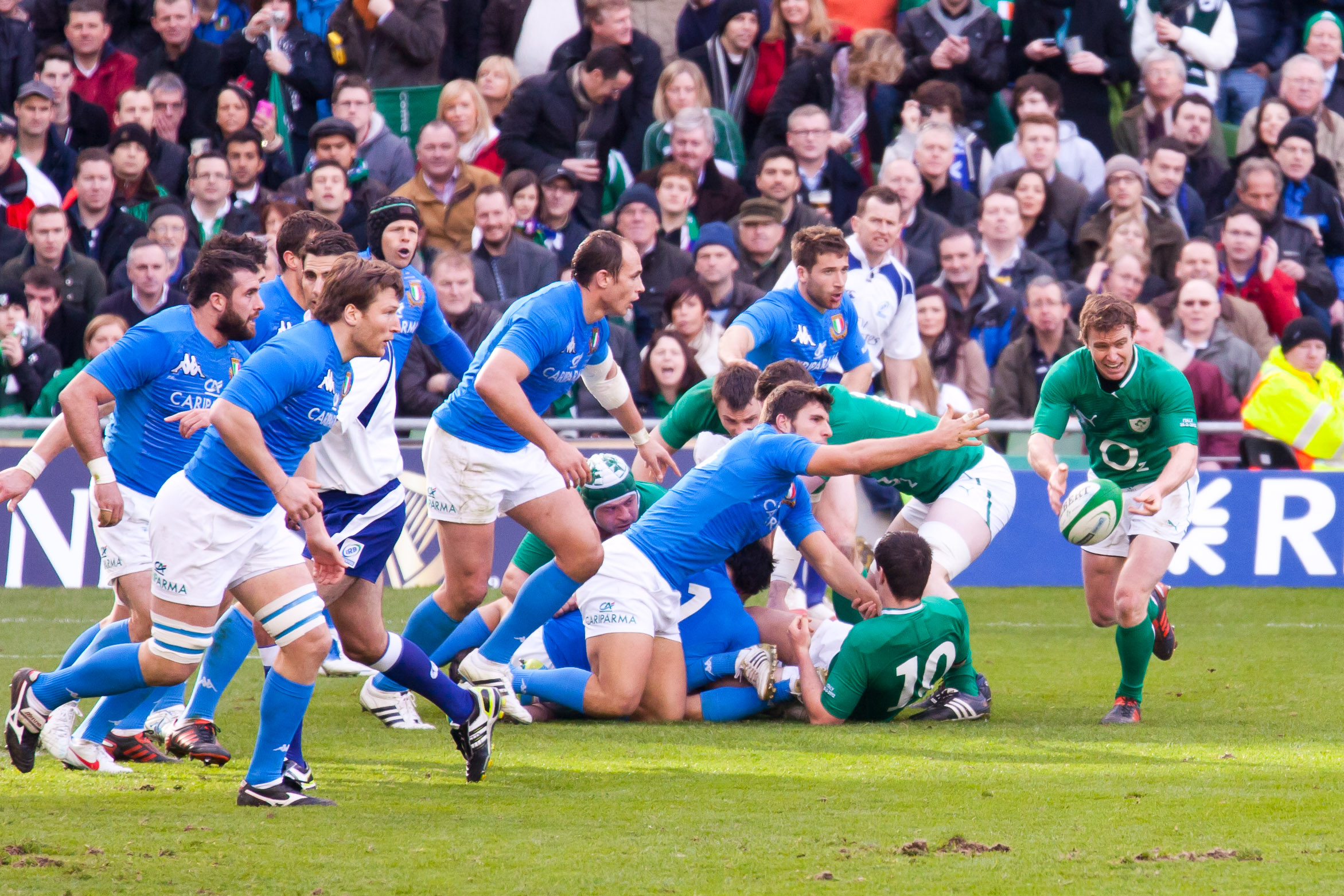
    Tomorrow sees the return of competitive international rugby, with France and Italy set to kick off the annual Six Nations Championship. The Six Nations Championship is a competition played by the six main powers of European rugby; England, Scotland, Ireland, Wales, France, and Italy. The competition has been played in some shape or form since 1883 (as the Home Nations Championship), and Ireland are the current Champions of the prestigious rugby competition.

    Due to the increasing standard of rugby throughout the continent, the competition has become far more closely fought, with the traditional whipping boys proving themselves capable of toppling the strongly backed favourites of the competition, with the most recent example being Italy defeating France 23 – 18 in last season’s edition of the competition.

    The City previews the six teams taking part in the competition and evaluates their chances of lifting the famed Six Nations Championship Trophy.

    Ireland

    The current champions, Ireland, have won the previous two editions of the competition and are hoping to complete a historic third successive title. This will be a new beginning for the Irish team as former captain and stalwart Paul O’Connell retired from international rugby following Ireland’s quarter final exit of the World Cup at the hands of Argentina. O’Connell’s retirement sees Rory Best fill the Munster man’s shoes, becoming the captain of the Ireland team.

    Ireland did not live up to their billing during the World Cup but their Six Nations credentials cannot be doubted. Ireland are the current holders, have won the previous two editions and on paper have a very young and talented side. The major setback for Ireland is that Leinster back Luke Fitzgerald has been ruled out of the competition with a foot injury, which he picked up at an open training session at The Aviva Stadium last Friday. Tommy Bowe, Iain Henderson and Peter O’Mahony will also miss the competition.

    Captain : Rory Best

    Coach : Joe Schmidt

    Strengths : Ireland’s main strengths undoubtedly lie in their back row and centre positions. Ireland are blessed with world class players such as Sean O’Brien, Cian Healy, Jamie Heaslip, and Rory Best.  If Joe Schmidt can keep these players fit and mould them into a team they will have a very strong chance of retaining their title.

    Weaknesses: Ireland’s main weakness will be the fact that Paul O’Connell has retired from the team. The Munster hero was an inspiration on the field and put in countless mammoth displays for Ireland. With his retirement, Ireland lose vital experience and leadership. Their key challenge will be quickly adapting to life without Paul O’Connell.

    Betting: Ireland are currently 4/1 with Paddy Power to win the championship outright.

    England

    England will enter the Six Nations in good stead, as domestically English rugby teams are competing at a very high level in European competition, which bodes well for their national team. Five of the Eight Champs Cup quarter finalists are English teams. England finished second in last years competition and are looking to go one better this year following the appointment of Eddie Jones as Head Coach.  England are historically one of the most successful European rugby teams having won the World Cup in 2003. They have also won twelve Six Nations Grand Slams. With one of the most well structured Leagues in European rugby, England have a constant conveyor belt of young talent and will be hoping to take advantage of that this year.

    Captain : Dylan Hartley

    Coach : Eddie Jones

    Strengths: England now have a very well drilled coach in Eddie Jones who will bring diligence and structure to the English set-up. Jones helped coach Japan to an Asian Championship in 1996 and was also the assistant coach of the South African team which won the 2007 World Cup.

    Weaknesses:  England played poorly in the World Cup on home soil so therefore many of the games pundits are wary of England’s ability to deal with high quality opponents. England were dumped out of the World Cup in the group stage, which damaged their reputation greatly.

    Betting: Paddy Power have installed England as favourites for the competition at the short price of 13/8.

    Wales

    Wales go into The Six Nations with perhaps the best squad of the competition. Their World Cup chances were dashed by a string of injuries to key players, but with these players returning from injury, Wales look like a force to be reckoned with. Wales were in the hunt for last year’s title up until the last day but ended up finishing in third place. Warren Gatland, Wales coach, will be hoping his side can continue their growth since last Autumn’s World Cup. Dan Biggar excelled during the World Cup and Welsh fans will hope that the out half’s stock continues to rise during this competition. Welsh veteran Alun Wyn Jones was also nominated for World Rugby player of the year, highlighting the quality of players that Warren Gatland has at his disposal.

    Captain : Sam Warburton

    Coach: Warren Gatland

    Strengths: At this moment in time Wales posses one the most talented number 10’s in world rugby. Dan Biggar’s ability to keep score from dead ball opportunities is vital for the Welsh as it means that you can never rule them out of a game. The 26-year-old has already scored 209 points in 39 games for Wales.

    Weaknesses: Whilst Wales are notoriously difficult to score against, they need to be able to score more tries in order to win the Six Nations. They rely heavily on Dan Biggar to kick points. The fact that Wales lost out on second place last year by points difference stands testament to this.

    Betting: Paddy Power currently place Wales as second favourites at 9/4.

    France

    Who knows what to expect from France? Occasionally brilliant, more often than not average. However, on their day they are capable of beating anyone. France have failed to finish higher than fourth in the last four editions of the competition and this is something which new coach Guy Noves will be hoping to change. France will miss the experience of Thierry Dusautoir but Guy Noves has assembled a fresh, young squad to contest this year’s Six Nations Championship. Gone are the days when the French were the team that everyone feared, but Guy Noves’ side are most definitely dark horses to win the Six Nations.

    Captain: Guilhem Guirado

    Coach: Guy Noves

    Strengths: It can only get better for France. As previously mentioned, they failed to prosper in the recent past, so therefore there is a lack of expectation on the French team. This could very well see them flourish and really challenge this year. France also have a lot of talented individuals such as Wesley Fofana and Guilhem Guirado, and it will be interesting to see if Guy Noves can somehow weave a team out of these seasoned stars and the vast quantity of young blood he has drafted into the squad.

    Weakness: France were humiliated by New Zealand in the World Cup, so it goes without saying they have evident problems. Wesley Fofana will miss France’s opener against Italy and France will miss him. France seemed far too open at The World Cup and this is something that Guy Noves will have to remedy fast if France are to concede less.

    Betting: Paddy Power have given France a slightly flattering 11/2 chance of winning this year’s title.

    Scotland

    Scotland are the least successful of the home nations and had an absolutely terrible Six Nations last year, finishing dead last. Scotland earned the wooden spoon having lost all 5 of their games and conceded a whopping 128 points in the process. This being said, Vern Cotter’s men came extremely close to beating Australia and earning themselves a World Cup semi-final spot, but were denied at the last minute. This World Cup loss may have been hard to take, but it showed that the Scots had improved dramatically under Vern Cotter’s guidance. If Scotland’s World Cup performance is anything to go by, this could well be the year the Scots show the rest of Europe what they are made of.

    Captain: Greg Laidlaw.

    Coach: Vern Cotter.

    Strengths: Vern Cotter has assembled a side that are capable of truly challenging their opponents. Their back row is full of energy and pace, and their out-half’s kicking ability means they will find themselves playing in dangerous areas of their opposition’s half. Greg Laidlaw is both a star internationally as well as domestically for his club side, Gloucester. He can propel the Scottish side with his excellent leadership qualities.

    Weaknesses: Scotland concede far too many points. In the last Six Nations they conceded 128 points and during the World Cup the conceded a further fourteen tries. If Scotland are to improve they need to limit the amount of scoring chances they afford to their opponents and tighten up their defence.

    Betting: According to Paddy Power Scotland have an outsider’s chance at 11/2.

    Italy

    Italy joined the competition in 2000 and have thus far failed  to win a Six Nations Championship. They are seen as the perennial whipping boys of the competition, but the Italians are growing stronger year after year. Last year’s victory over France shows that Italy are capable of defying the odds. However, Italy aren’t entering the Six Nations in good form. They had a dismal World Cup and they are missing various players through injury. Italian club sides, such as Treviso, are getting more attention on the European scene but this is not translating into success for their national team. This will be a tough Six Nations for Jacques Brunel’s men who will be hoping to avoid the wooden spoon for a second consecutive year. Italy have gotten the wooden spoon ten times in the last sixteen years.

    Captain: Sergio Parisse

    Coach :Jacques Brunel

    Strengths: Sergio Parisse, their key player and captain, has returned from injury so this will come as a great boost for The Azzurri. Italy are also known for having a dogged defence and a tenacious pack, so if they can frustrate their opponents they may be able to earn themselves a few points in this year’s competition.

    Weaknesses: Italy have an aging squad. Italy’s key player, Sergio Parisse, is now 33. Their squad’s age shows true as Italy tend to concede crucial scores in the last quarter of games which eliminates any chance of victory. Italy also tend to to switch off at the end of the competition, heavy defeats to both Wales and England in their last matches of the previous two Six Nations stand testament to this.

    Betting: Italy are complete outsiders, with Paddy Power granting them odds of 500/1.

    BY CHARLIE REDMOND

    (PHOTO CREDIT: Jason Miller. Sourced through Flickr)

  • RTÉ’s ‘Project 500’ helps to engage student electorate

    RTÉ’s ‘Project 500’ helps to engage student electorate

    The launch of ‘Project 500’, a new digital initiative by RTÉ News Online, will see a change in landscape for nominated election candidates in the run up to the general election.

    The platform will allow candidates to create a one-minute broadcast to appeal to their own constituency.

    This new project allows voters to be informed of candidates policies in an efficient, visual form, where the electorate can access nominated candidates’ videos via the RTÉ News Online App, the News Now channel, and rte.ie/election.

    Implementation of this project will expect to see more engagement with the electorate, especially the young demographic, who can access and understand the political landscape through their smartphones and personal computers.. Labour TD Dominic Hannigan has told The City that ‘it’s a worthwhile project and gives [candidates] the opportunities to reach people who [they] may not see otherwise.’ Dominic commented that many people aren’t home when candidates canvass to homes.

    This project is a welcoming aspect in that it is prepares for the student electorate, who since #MarRef, have changed the electorate with a large voter registration and endeavours for activism on social issues. The USI have registered over 80,000 new student voters in the past two years.

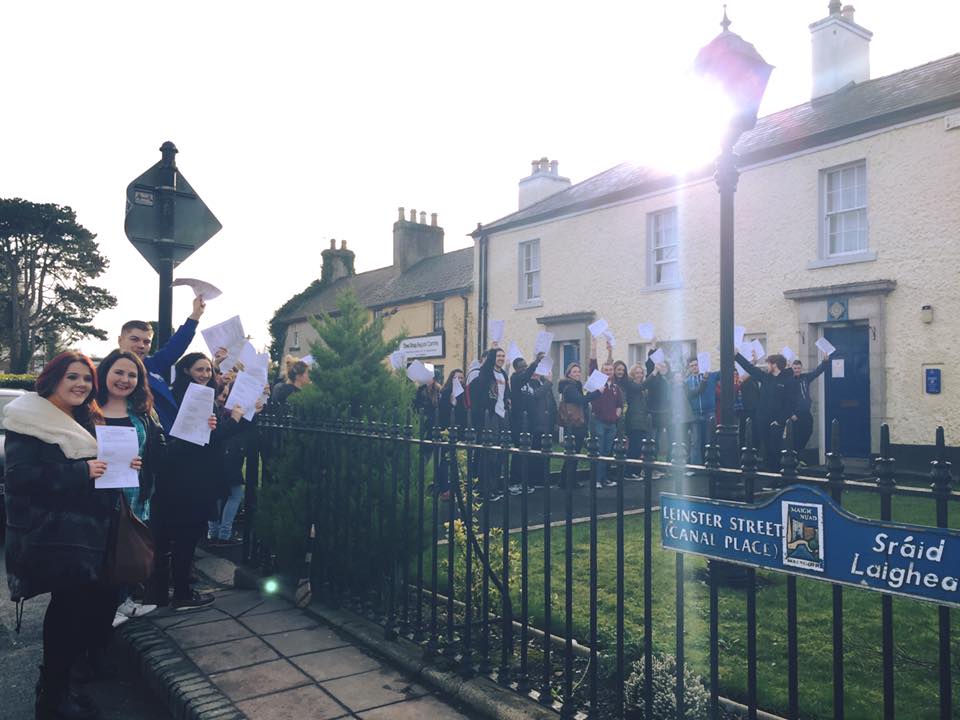
    On the announcement of the general election taking place on the 26th February, droves of students queued up at Garda stations across the country today to register to vote. Dillon Grace, V.P for Education in Maynooth University’s Student Union, who partook in the voter registration for students told The City that, ‘Maynooth students are now independently, and with the aid of their SU, seeking to register to vote in elections and engage with the political process. A stark contrast to the situation prior to May 22nd.’

    In the run up to the election, students are gearing up to register, and RTÉ’s project has allowed for students not living in their home constituencies to view their nominated candidate’s policies. Both these elements will combine to see the electorate expand with both registered and informed students in the coming election.
    BY SHANE DEVEREUX