Tag: dublin

  • Celebrating Day of The Dead “Dia De Los Muertos” in Dublin

    Celebrating Day of The Dead “Dia De Los Muertos” in Dublin

    Dia De Los Muertos or the Day of the dead is a Mexican holiday that honors those who are no longer with us.

    Here in Dublin several events celebrated the occasion.

    The City covered the different events and explained what the occasion is all about.

  • Dublin Tattoo Convention 2025

    Dublin Tattoo Convention 2025

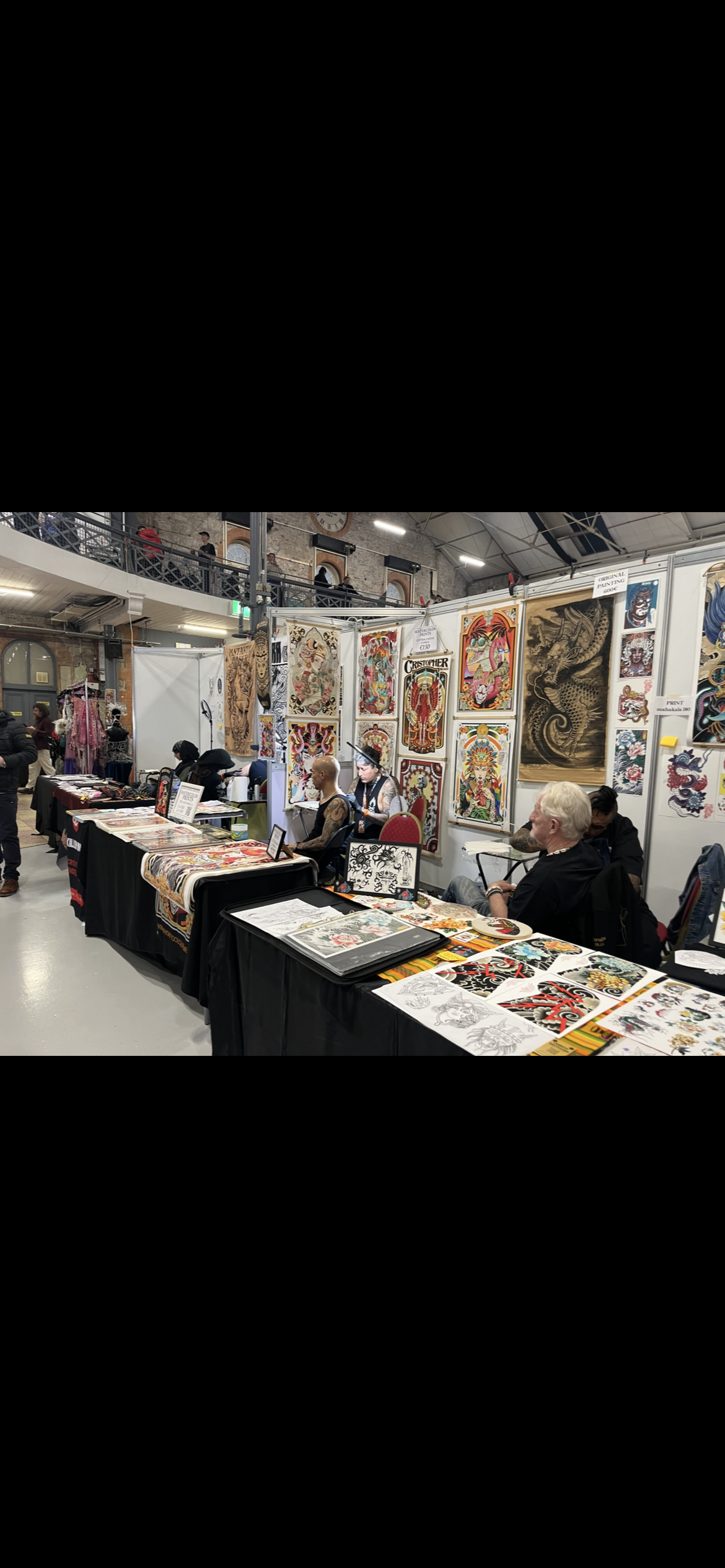
    Since it’s change of ownership in 2021, the Dublin Tattoo Convention has expanded to showcase over 250 artists from all across the globe.

    Taking place from Oct. 24 to Oct. 26 in the RDS Main Hall, the convention hosted thousands of visitors and had a variety of live performances, competitions and art displays.

  • The Sea oh the Sea – the joy of wild swimming

    The Sea oh the Sea – the joy of wild swimming

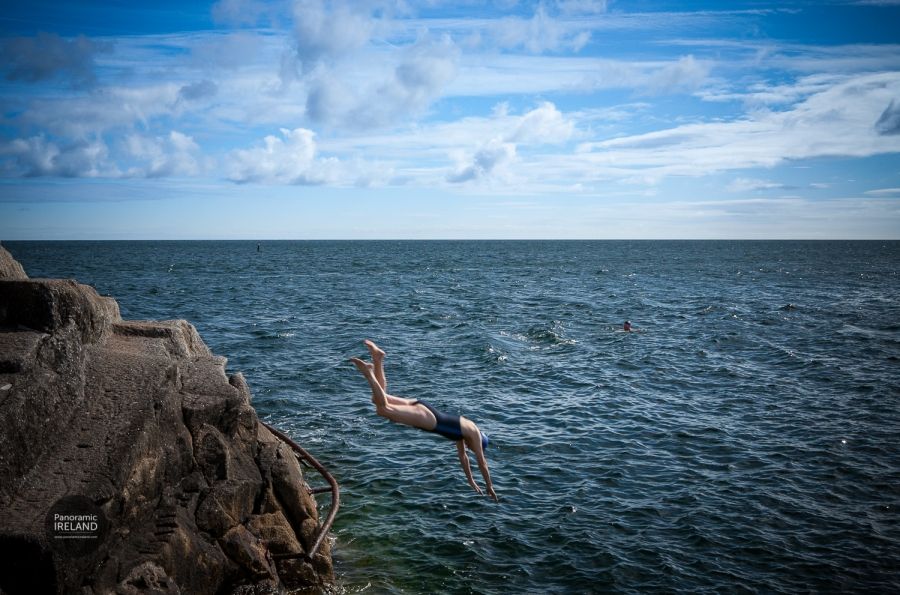
    A sunny Sunday in autumn and the sea is still warm in Sandycove. Its a ritual for many people who have the time to make swimming a part of their routine. Some people shared their thoughts with me.

  • Closure of Claire’s Accessories in Ireland

    Closure of Claire’s Accessories in Ireland

    Only a small number of Claire’s accessories stores will remain open in Ireland following a recent filing for bankruptcy. 

    Claire’s accessories, an international high-street chain known for its earrings, hairbands, and the ultimate accessories store for young girls, is closing its doors. The retail giant will have a reduced presence in local shopping districts, but several stores remain around the country. 

    The company originally filed for bankruptcy in August 2025 and is now in its final stages of closing its doors, with sales of up to 20% and more off certain items. 

    Investment firm ‘Modella Capital’ saved the company from bankruptcy.  However, many of Claire’s stores across the country are still facing closure, leaving the high streets with vacancies to fill, which may not seem enticing to buyers in the current economic climate. 

    “Some of the other shops around town are closing, the ones in the Ilac shopping centre and Santry are closing, but we never had any intention to close,” said a sales assistant from the St. Stephen’s Green Shopping Centre branch, who did not wish to be identified. 

    Some of the other Claire’s stores outside of Dublin, which will be closing, include branches in Limerick, Drogheda, and Mullingar. Counties such as Limerick will be left with zero Claire’s stores following their closure.  

    According to the sales assistant at the St. Stephen’s Green branch,“We’re actually hiring for staff at the moment.” 

    The St. Stephen’s Green branch, which remains up and running in the City Centre is of significant size and certainly will make up for the closure of their Ilac Shopping Centre branch. 

    The appearance of the shop may indicate that they are closing due to huge reductions on items, but The City was told the sale is standard procedure at this time of year. Claire’s branches facing closure are clearly marked with ‘CLOSING DOWN SALE’ signs.  

    Photo: Alison Gussago 

    The closure of such a prominent high-street brand shows that regardless of popularity, retailers need to constantly be adapting to consumer demands to survive in this economy. With the influence of social media, young girls are no longer interested in the products that were popular among their age demographic 10 years ago. 

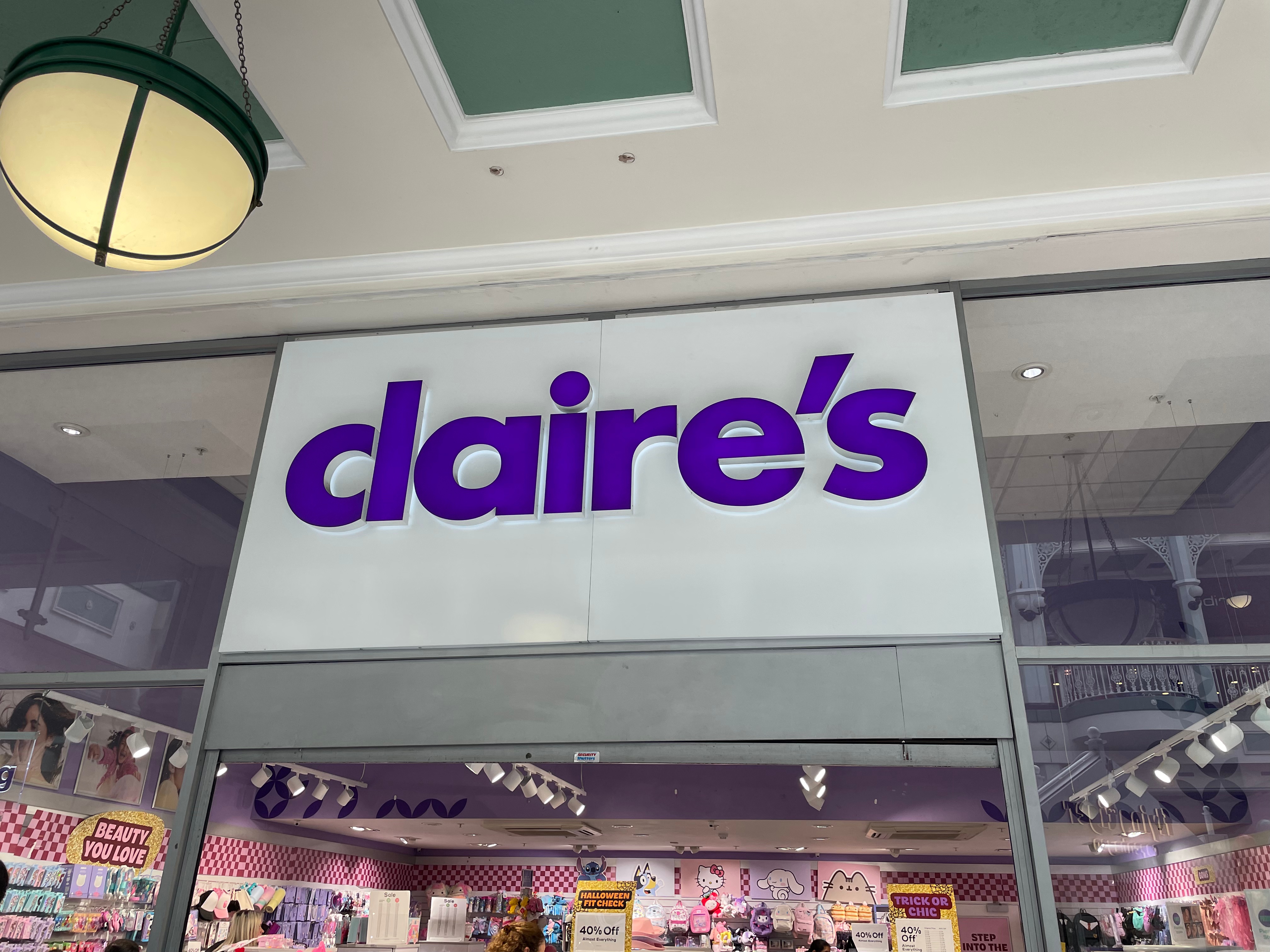
    As seen from the picture above, Claire’s has had the same iconic purple branding for many years. However, is the target market looking for something more grown-up, like the products they see their favourite influencers and Tik Tokers using? 

    The closure of the store is another representation of how the cost of living is affecting businesses in Ireland. Despite Modella Capital buying out several of Claire’s stores across the UK and Ireland, there is still a large number of people working in branches which are due to close down who did not have their job saved by the investment firm. 

    With the closure of such a significant high-street chain leaving an empty space in the iconic Ilac Shopping Centre, there will be a challenge to fill the vacancy with a store that entices the public. 

  • Green light for Airport Viewing Area 

    Green light for Airport Viewing Area 

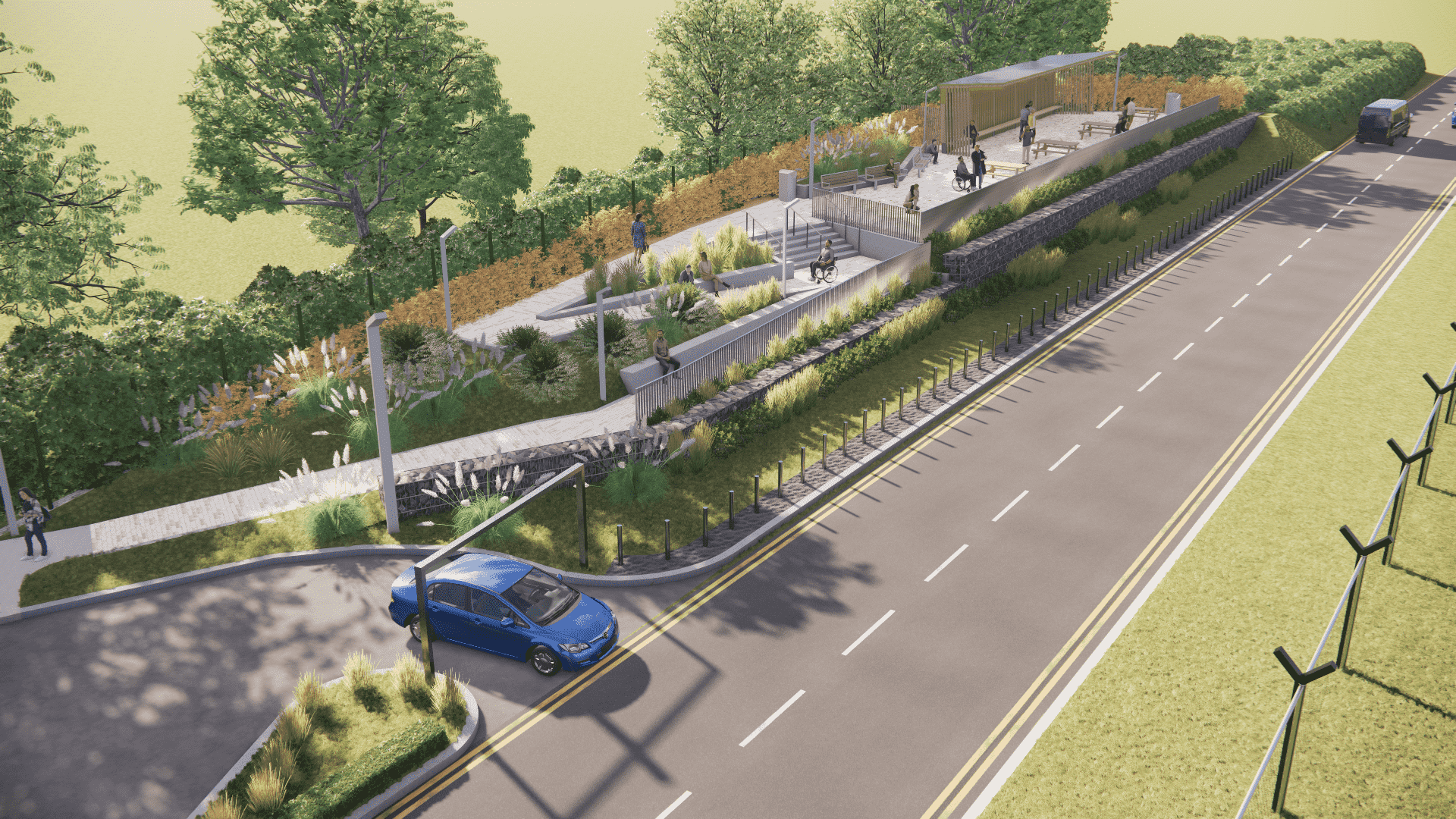
    An Coimisiún Pleanála (APC) has given the Dublin Airport Authority the green light to build a new runway viewing platform on the Old Airport Road. 

    The plans for a dedicated viewing area will finally meet the demands of plane spotters across Ireland, who have been calling for such a facility for years. 

    The current viewing area, known as ‘The Mound’, is a simple dirt hill with a cleared space for people to park. This makes for a dangerous viewing area, as there is a ditch behind it with no protection. 

    Plane spotters risk falling into the ditch or slipping trying to climb ‘The Mound’ when the ground is wet. 

    The current airport viewing area, known as “The Mound”. (Image from Google Street View).

    Plane spotting has always been a popular activity, and ‘The Mound’ is regularly full of parked cars watching the comings and goings of Ireland’s busiest airport. 

    The plans include an elevated viewing platform with views of the south and crosswind runways.  

    The platform will feature solar powered lighting, and a sheltered viewing area with seating. 

    There will be picnic benches and the platform will be accessible to persons with reduced mobility (PRM). 

    There will be upgrades to the parking arrangements, with plans for 22 spaces.  

    Two of these will be dedicated to PRMs, while another two will be family-friendly parking. 

    There will also be spaces for people to park their bikes. 

    A dedicated airport viewing area is something that Dublin lacks compared to its European counterparts. 

    Across Europe, many airports have dedicated viewing areas, either within the terminal or alongside runways or taxiways, that have plenty of facilities to provide people with a safe space to enjoy the view.  

    A statement from the DAA described the project as a “gamechanger”, saying, “For decades, “The Mound” has been an informal gathering point for families and enthusiasts to watch aircraft arriving and departing Dublin Airport.” 

    Kenny Jacobs, CEO of DAA, said, “This is good news for local families and the many aviation fans who love watching aircraft at Dublin Airport.” 

    “The new, free‑to‑access viewing area will be safer, more comfortable and more accessible, with clear views of both runways,” Jacobs said. 

    “Once we’ve worked through the planning conditions, we’ll progress delivery, fully funded by daa, and keep the community updated on timelines so people can enjoy a proper plane‑spotting experience at ‘The Mound’ for years to come,” Jacobs added.

    The viewing area is sure to make a great addition to Dublin Airport, offering a welcoming, accessible, and family-friendly space for people to plane spot. 

  • Senator Tom Clonan, a man on a mission

    Senator Tom Clonan, a man on a mission

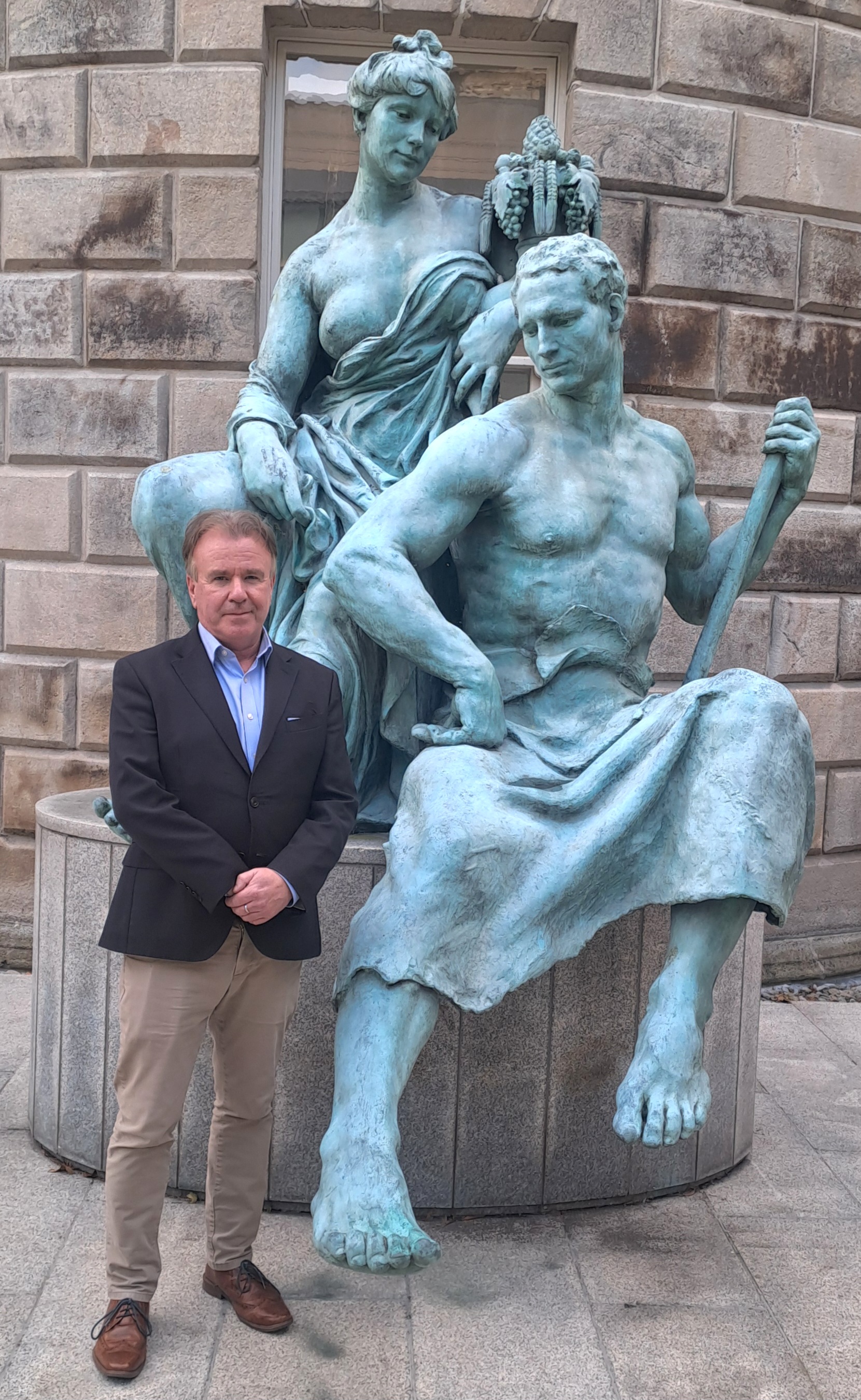
    Photo: Mary Phelan

    Senator Tom Clonan – retired army captain, security advisor, member of Seanad Eireann, author and carer

    Tom Clonan is a busy man. He started his working life in the Army. He later became an academic, lecturing in the School of Media at TU Dublin.  From 2001 to 2016 he was the Irish Times security analyst and since then has been an analyst for The Journal.ie.

     He was elected 3 yrs ago as an independent senator from a constituency of over 100,000 Trinity graduates from all over the world.

    The issue of disability rights is close to Clonan’s heart. He has recently drafted two important bills.

    “The first is to give disabled citizens the legal right to services, supports, therapies and surgeries that are set out in their assessment of needs, said Clonan.”   These socio-economic rights exist in every other jurisdiction in the European Union and in the UK.

    “In many ways we are 30 to 50 years behind the rest of Europe in relation to fundamental legal rights for disabled citizens. The reasons for this are historical. When the state came into being in the 1920s the catholic church played a central role in carrying out many functions in our society, such as education and medicine, whereas issues around disabilities were often dealt with in congregated settings by the catholic church.  This aspect of care was seen through the prism of charity.”

    He hopes to bring this Bill to its final stage by christmas and then seek to have it introduced into the Dail.

    “As a single lone independent senator and as a member of the opposition, I am very proud to bring a bill to completion.  I’ve learnt a lot”.

    The second bill is more complex. It is called the disability personalised budget bill of 2024. The plan is to progress this, so disabled people will have autonomy over the means of support they need to fulfil independent fulfilled lives.  “Due to cultural and historical reasons, we are outliers and behind Europe in this regard”.

     Even though today the religious orders no longer have the same level of control in society, the idea of charity compliance and conformity troubles Clonan. They have now been replaced by ‘for profit’ corporate care providers, which Clonan says is “an appalling vista” as they are still seen through the prism of charity, as the family, not the constitution, is considered the primary carer. We have chosen a very poor model due to our post-colonial catholic past.

    “The Government is not listening to us. They listen to the financial sector, construction, big pharma and hospitality, but don’t listen to us because their views are framed by charity. They seem rather surprised when disabled citizens and carers like myself speak out because we are supposed to be happy with what we are given”.

    Many of the disabled have major obstacles to overcome. They are living in enduring poverty or are enduring homelessness or suffering from sub-optimal care from not getting spinal surgery, occupational therapy, and speech and sports therapy.

    There are a number of disabled persons organisations run by disabled persons. However, they are not Government funded, so the government is reluctant to deal with them.  “They prefer to deal with more established corporate care providers, which is wholly inadequate”. 

    “It’s a bit like the Government dealing exclusively with IBEC and refusing to deal with trade unions. It is hostile to the idea of socio-economic rights for the disabled.  They don’t believe they are worth it and see it as a matter for charity.”

     Besides his interest in disability rights, he has a firm commitment to Ireland’s neutral status and is lobbying very hard to maintain the “triple lock” which the Government is trying to get rid of.

    “It is intimately linked to our neutral status, and this is a very dangerous situation for Ireland. The Government is not modifying or amending it but removing it completely, and once it is gone the government can send any number of troops to any part of the world by a simple majority.”

    “In the absence of the triple lock, we should have an explicit constitution on neutrality like in Switzerland and Austria, so decisions to send our troops anywhere would be tempered by what’s set out in our constitution”..

    Whereas I trust the democratic process, I don’t necessarily trust the decision makers.

    “Governments make mistakes, the current debacle concerning the Presidential election is one example”, said Clonan.   Ireland is completely defenceless in air, ground, maritime and cyber domains.  We need to invest in our own defence”. “If the government insists on removing the triple lock, I will table amendments to propose alternative safeguards to protect Irish citizens, particularly Gen Z and Gen Alpha, who have already been very badly treated in terms of their right to housing and homes”.

    As far as he is concerned, the concept of future peacekeeping is gone. “It is now peace enforcement”.  

    “We are coming under pressure from our European partners”. The government believes this view would be good for research and development and financially attractive in terms of foreign direct investment. They have agreed to sign up to a package of weapons investment of nearly one trillion dollars over the next 5 to 10 years”.

    He is adamant that more money needs to be spent on houses and the fundamental rights of disabled citizens, as very little has been done to address these issues in the budget.

    In 1996 he did a PhD on how women were treated in the army.  It looked at the discrimination and systematic sexual violence against female personnel. Military authorities alleged that he falsified the findings.

    He was subjected to whistleblower reprisal, isolation and character assassination. He is the only person to have been sanctioned for his enquiry findings.  In 2021 The Women of Honour from the army came forward and made fresh disclosures of sexual violence against them while serving in the Defence Forces.  

    Finally, Micheál Martin set up an independent group enquiry, which vindicated his findings in 2023.   

    His hopes for the future? That more money is spent on health, climate change measures and housing.   

    Does he have any down time?

    .

    “Apart from work and raising a family, I’m a full-time career. I have no hobbies or interests.  It is simply not possible. This is the case for most carers”.

  • “The people are your employers” – Former Labour party TD Eithne Fitzgerald

    “The people are your employers” – Former Labour party TD Eithne Fitzgerald

    Politicians come and go; some remain elected for years while others serve in government for a short term, and there are those who persist. The third could be said for former TD Eithne Fitzgerald, who ran for national office seven times.  

    Eithne Fitzgerald was a former Labour party member and a TD who served in the south Dublin constituency from 1992 to 1997. 

    Fitzgerald first joined the Labour Party when she was a college student in 1967 which fueled her interest in the field of politics. “I joined both the UCD branch and the one in my local area,” Fitzgerald said noting that back in the day “students were able to be in both a college branch and a local branch in their constituency” which for her was the south Dublin constituency branch.  

    Fitzgerald then left the Labour Party when she graduated in 1970 and worked in the civil service in the Department of Finance. “As the civil service must be politically neutral, I resigned from the Labour Party,” she said.  

    Eithne Fitzgerald worked in the Department of Finance for two years until she got married in 1972, she then lost her permanent job due to “the marriage bar still being in force for married women up to July 1973,” Fitzgerald explained. 

    After six years of not having a permanent job, she decided to put her name forward for city council candidate for the Labour Party in the 1979 local elections. “At that stage, Dublin County Council had no women members… I felt strongly that women’s perspective needed to be articulated in the council.” Fitzgerald wanted to discuss issues like play facilities for children, and the construction of streets and footpaths for people pushing prams and buggies. She eventually won that year’s election, the first time that she was elected for local office. 

    Fitzgerald was one out of 4 women who got elected to the local government that year. “It was considered kind of a big breakthrough and traditionally… there were 36 members of the county council, and four of us were women, and we came into a council that had no women,” she said.  

    Years in local office inspired her to go further in her career, and in 1981, she and a fellow councilor ran for election to the Dáil. That year she wasn’t successful in being elected but that didn’t stop her from running. “I ran in February of 1982…1987…1989…” Fitzgerald said. She then rejoined the Labour Party in 1986. 

    Despite losing several times she did not lose hope and ran again in 1992. 

    “My fifth attempt at running for the Dáil was in 1992, where I topped the poll not only in the constituency, but received the highest vote in the country of any candidate that year. I was an overnight success on my fifth try!” said Fitzgerald  

    Fitzgerald didn’t lose hope as this was what she wanted. “I felt I could make a difference, and I suppose having trained as an economist and having worked inside the public service, I knew how to make change,” she said.  

    Being part of the Dail presented her with more opportunities and challenges, like in 1993 when she had a dual role, she was appointed as minister for finance, and she also worked in the newly formed office of the Tánaiste.  

    Freedom of Information 

    One of Eithne Fitzgerald’s first pieces of legislation during her time working in the office of the Tánaiste was the freedom of information (FOI) legislation, which she and her fellow TDs wrote from scratch in 1992. 

    Fitzgerald was asked to write the legislation of the FOI as “it was a big part of the manifesto. The Labour Party’s manifesto was about putting justice into economics and trust into politics. That was the phrase that was used,” she said.  

    In writing the FOI they’ve had to take into consideration the British Official service act which was the preceding legislation before the FOI. “I knew that in changing this, that it wouldn’t work unless there was legislation behind it. You don’t change your culture overnight unless there are some strong guardrails,” Fitzgerald said.  

    During this time, they have reviewed several legislations from other countries which were used as models in forming the Irish version of the FOI. They spoke with several politicians worldwide who were involved in creating their country’s FOI.  

    Together with her team, they did thorough research on countries that have implemented their FOIs. “To do the nuts and bolts of the legislation, was a pure joy. It was delightful to do it. I was able to get my teeth into some research and there was less opposition to it,” she said.  

    In creating the legislation there was opposition to it as the FOI will be allowing the public to access vital information. “A lot of stuff that had to be dragged into the light,” Fitzgerald said.  

    The Fianna Fail party originally didn’t accept that there would be a Freedom of Information act but said that it should just be considered. Fitzgerald and her team took this as an opportunity to further their research and push through with the legislation.  

    “What we wanted to see was the practice change towards automatic publication of what should be published,” she said.  

    The first legislation of the Freedom of Information Act was first approved in 1997. “My proudest achievement is the Freedom of Information Act,” Fitzgerald said.  

    End of an Era 

    In 1997 Eithne Fitzgerald ran for the Dail elections for the sixth time but unfortunately, she lost her seat.  

    At this time there were two local issues that affected Fitzgeralds’ campaign “One would have been my support for the travelers, and the second one was about a school in Knocklyon in County Dublin,” she said.  

    Fitzgerald once again tried to run for national government in 2002, but she failed to garner enough votes to be re-elected.  

    After her seventh run she decided to throw in the towel and move on from politics.  

    Eithne Fitzgerald, though not in politics, is still in public service; she is currently working for the National Disability Authority.“I love the work, and I love the job,” she said.  

    Reflecting on her journey as a politician, Fitzgerald learned that

    “I suppose the people are your employers. They can vote you in with a big vote. They can vote you out with another vote. That’s democracy. It’s very personal when it happens, but you get on with life and there is a life after politics”

    -Eithne Fitzgerald 


  • The Runner taking on Dublin Public Transport 

    The Runner taking on Dublin Public Transport 

    By Aidan O’Boyle 

    Daniel Toal is a Dublin runner who can run faster than the Luas. Kind of. 

    His YouTube channel Craic and Kilometres shows him take on unique challenges while exploring Ireland’s finest trail running destinations as well as doing the country’s best and worst races. 

    Since Toal started the channel 5 months ago, he’s amassed over 1,740 subscribers, with his videos gaining over 138k views. 

    Toal has been running for six years, taking it seriously the last four and more recently got into trail running about two years ago.  

    Speaking to TheCity, Toal said: “Ireland has such stunning landscapes and trails, and I really wanted to share that with people. Starting the channel with those POV trail races felt like the perfect way to kick things off.”  

    Toal remarked that he always had a “huge passion for running” and loves watching running content. However, he felt like there wasn’t much Irish running content. 

    “I felt like there wasn’t much Irish running content out there. That really motivated me to start my own channel and share fun races and crazy challenges in Ireland,” he said.  

    Toal was also inspired by popular Swedish runner Goran Winblad who he watches regularly. “My favourite running YouTuber would definitely be Goran Winblad.” 

    Toal’s most viral video ‘I Raced Dublin Bus to the Airport (POV)’ highlighted just how slow Irish transport can be. Toal races the number 16 bus from O’Connell Street to Dublin Airport. 

    “I got the idea from using that bus myself to get to the Airport. I thought to myself I’d easily beat this running! It took about an hour to drive 11.5km but it felt like an eternity.   I also thought it could be a fun challenge for runners and also non-runners.” he said. 

    “I knew it would be a bit too easy if I didn’t have any rules.” 

    “So, I put a couple of rules in for myself, ‘I have to stop at all the traffic lights, slow myself down, and follow the exact route’,” he added. 

    In an enthralling watch Toal leads the bus at many stages, with his friend Niall on the bus watching giving us a rather amusing view of Toal trying his heart out to beat the bus to the airport. 

    Ultimately, after sitting at traffic lights for five to six minutes of the run, Toal arrived at Terminal 1 at 55:57, which was heartbreakingly close to the Dublin Bus arrival time of 54:10. 

    The video got a great reaction, with 1.5k likes and many comments praising Toal for his great effort. 

    Many comments exclaimed how it showcased just how bad our transport can be at times. “Really sums up the inept public infrastructure in this country,” said one viewer. 

    Another user said: “You can see why we really need that metro to the airport now haha, well played anyway, amazing video”, while another suggested that Ryanair CEO Michael O’Leary should watch the video. “Send this to Michael O’Leary when he says Dublin has adequate airport transit…” 

    Toal said the video had a great impact on his following. “My YouTube channel doubled last month from racing Dublin Bus.  ‘The Irish Independent’ and ‘Dublin Live’ got in contact with me which also helped to boost the video.” 

    He agreed with many of his followers on Dublin’s transport issues. “The transport isn’t great in Dublin compared to other major European cities. I wanted to highlight that during the race to the airport with Dublin Bus.” 

    A week later he took on the Luas, racing from Connolly train station to Heuston train station, and to his delight comfortably won. 

    “I ran the lights when the roads were safe. I thought that was going to be difficult, but I ended up overtaking another Luas on the way. It was much, much easier than I thought.” 

    Toal doesn’t plan on stopping anytime soon and he happily told me he has a few more transport challenges lined up. “I want to take on the E1 Dublin Bus from Dublin city to the airport, and I’ll also take on the dart for a few stops around the city.” 

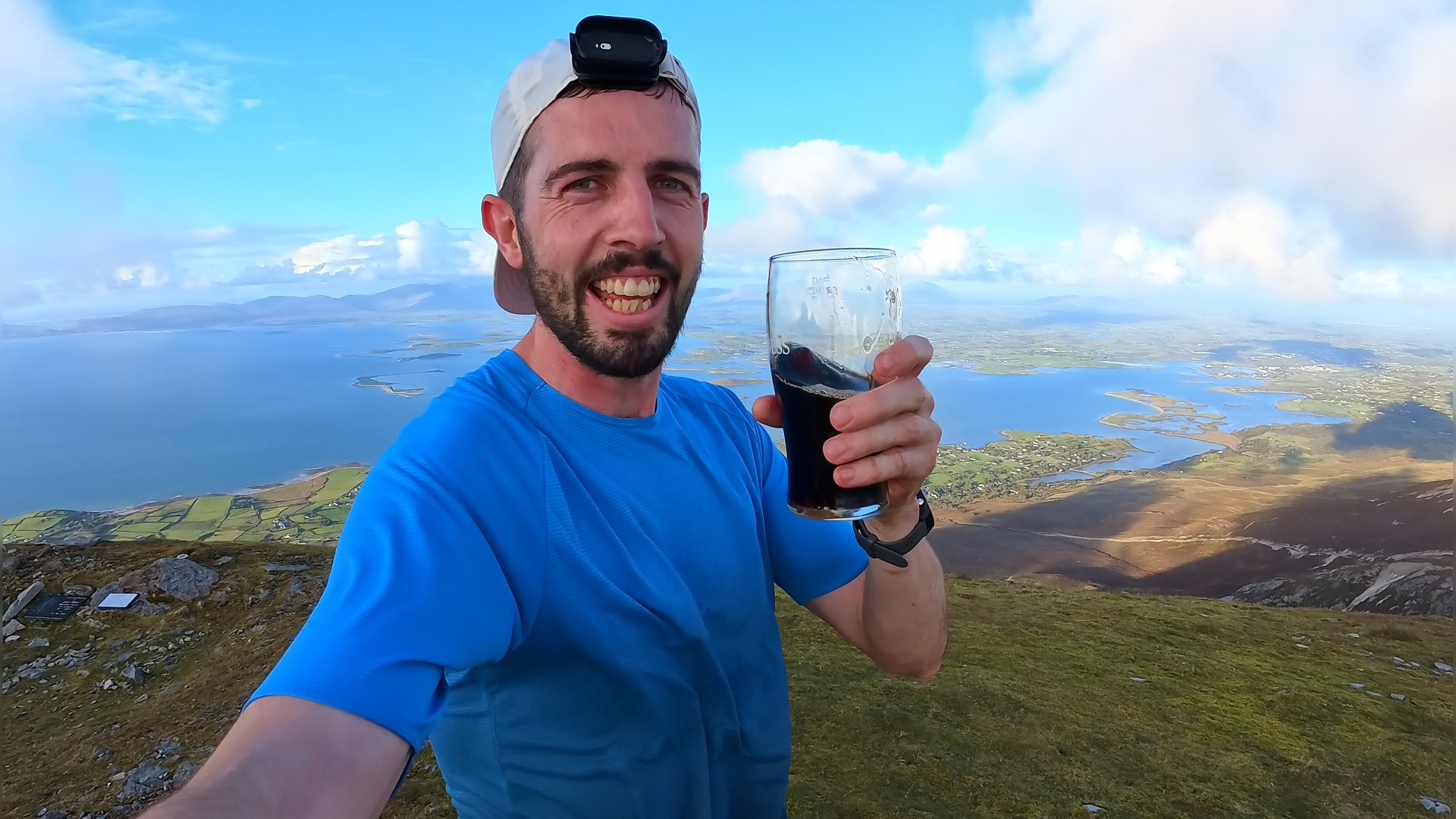
    Toal’s enthusiasm is clear in all of his videos but none more than his video a few weeks ago ‘Can a Pint of Guinness Survive Croagh Patrick

    His infectious energy is shown clearly in this video with his quick-witted responses to fellow hikers a staple of the video. 

    One of the first interactions shows this when a passerby exclaims “Is that a pint of Guinness fair play to ya”. Toal’s prompt response is “I swear to God it was water when I started”, which draws a laugh from the bemused lady. 

    Seeing all the positive reactions to Toal’s absurd but great challenge makes it a wholesome and enjoyable watch.  

    So, it was no surprise that when I asked Toal what his favourite video to record was, he was quick to say: “ ‘Can a Pint of Guinness survive Croagh Patrick’ was definitely my favourite to record, everybody along the way had funny reactions and was cheering me on.” 

    There’s a notable absence of “hate” comments under any of Daniel’s video which is a nice change to the sometimes toxic nature of social media comment sections. 

    When I quizzed Daniel, he agreed saying “I haven’t really paid attention, it’s been mostly positive comments.” 

    His channel is an example of the positivity online creators can bring to our screens. 

    To finish off our chat I asked Toal his favourite moment since making the channel and his response sums up the character he is. “I’ve a small channel but I love the impact it’s having, people have come up to me to say they’ve starting trail running because of the channel or it’s helped them get back to running again, so I love that I can inspire some people.” 

  • ‘The Dublin Sparky’: Wiring Up Social Media, One Job at a Time

    ‘The Dublin Sparky’: Wiring Up Social Media, One Job at a Time

    By Daniel Keegan 

    Known on social media as ‘The Dublin Sparky’, Eoghan Ó Conghaile is a Dublin-based electrician who has merged two of his biggest passions to propel his career.  

    With the use of modern technologies, he creates content that consists of sparky tips, product reviews, and video themes, such as “A Day in the Life of an Electrician,” all of which are intended to educate apprentices while showcasing his passion for content creation. 

    In just three months, he has amassed an audience of over 10,000 followers across various social media platforms, with some of his videos gaining over 100,000 views.

    (Credit: YouTube – The Dublin Sparky) One of Eoghan Ó Conghaile’s videos 

    A key aspect of Ó Conghaile’s filming process is the use of Meta Ray-Bans. These glasses appear to be ordinary Ray-Ban glasses; however, they are equipped with tiny built-in cameras that record footage at eye level. This allows him to capture what it’s like to be an electrician. 

    Ó Conghaile explains how his inspiration to purchase the glasses came while travelling. He was in Australia when he heard of someone recording themselves playing golf with the glasses and posting their videos on social media. The idea of using the technology in his working environment came to him immediately – this was the moment ‘The Dublin Sparky’ was created. 

    “I bought them in Australia, and at the time that I came back to Ireland, I don’t think you could buy them. So, I think I was the first person in construction to have them”, Ó Conghaile said. 

    After he came home and resumed his job, he started recording his activities while ‘on the job’. He describes how simple the technology is to use and how quickly he can create and edit his videos. 

    “The footage goes straight into your phone, and then you put it into a video editor, chop it up, and send it out. I’m so quick at it. I can get through a video in half an hour leisurely”, he said.

    (Photo Credit: VisionExpress) Meta Ray Ban Glasses 

    He has received largely positive feedback since posting on social media, especially amongst younger apprentices and fellow electricians. He laughs that his phone is becoming bombarded with electrical queries from apprentices and others involved in the trade. 

    “I get electrical questions all the time, and it’s getting to the stage where I have to turn my phone on ‘do not disturb’ when I’m going to bed,” he said. 


    “The apprentices I work with love the videos. They watch what I am doing and learn something because the content tries to be educational,”, he added. 

    Sitting back and sipping his tea, Ó Conghaile reflects on the ten years since he decided to pursue a career in electrical work. This journey has been filled with challenges, but it has also included experiences that he believes have been crucial to his success. 

    He says that getting a college degree or other traditional career options didn’t align with his interests and ambitions, so he decided to pursue a trade instead. 

    “I finished school and did an okay Leaving Cert. I then went to Maynooth for three weeks and knew straight away that college wasn’t for me,”Ó Conghaile said. 

    “I was doing computer science, and the first lecture was linear algebra. At that point, I knew I was going to be gone,” he added. 

    He chuckles about his life right after leaving college, working at a nearby supermarket, and unexpectedly receiving an apprenticeship offer through his uncle, who was working on a site. He adds that he had no intention of entering a trade.  

    “I never wanted to be an electrician. Never thought about it,” he said. 

    Fast forward to now: his career is thriving, and his social media following is only going one way. However, initially, not everything went to plan. Due to filming constraints on his previous employers’ work sites, ‘The Dublin Sparky’ channels were temporarily halted.

    (Credit: YouTube – The Dublin Sparky) A Day in the Life of an Electrician

    After being told that filming was not an option, he took a gamble by moving companies, as he was not willing to let his passion for showcasing his trade creatively be stripped away. 

    “My last company was like, ‘you cannot and never will do that [record] on any of our sites again’, he said.  

    “This led me to put up a post on TikTok looking for work, and because I built up a bit of a following, less than half an hour later, I had about 15 job offers.” 

    “So, I moved companies and now my new boss lets me do whatever I want. He’s getting free promotion, so he’s happy and pushes it, “he added. 

    It has proved to be a gamble that has paid off. Shortly after he began posting again, he received sponsorship offers from well-established electrical companies. 

    “CEF Tallaght were the first to reach out to me. Snickers Workwear also got in touch with me, so stay tuned for that,” he said. 

    Ó Conghaile’s passion for filmmaking pre-dates his ‘Dublin Sparky’ days, as he reveals that he has been making travel videos for several years. 

    “What a lot of people don’t know about me is that I’ve been making content for about five years. Every time my girlfriend and I go away, I make a travel video. There’s a whole bank of videos that no one knows about,” he said. 

    Additionally, he admitted that ‘The Dublin Sparky’ page is currently just a side hustle, but he hopes something greater could emerge from it and potentially become his primary job. 

    For now, though, he is delighted to continue creating content while working on his trade – scratching his itch for practical trades work and creative digital work. 

    “For me, this is the jackpot. This is the gold at the end of the rainbow,”, he said. 

    “I get to film what I’m doing at work, which I love anyway, and then get to blend it with making videos, which I love.” 

    “I’m getting paid to do it, but I would do it anyway,” he added.