
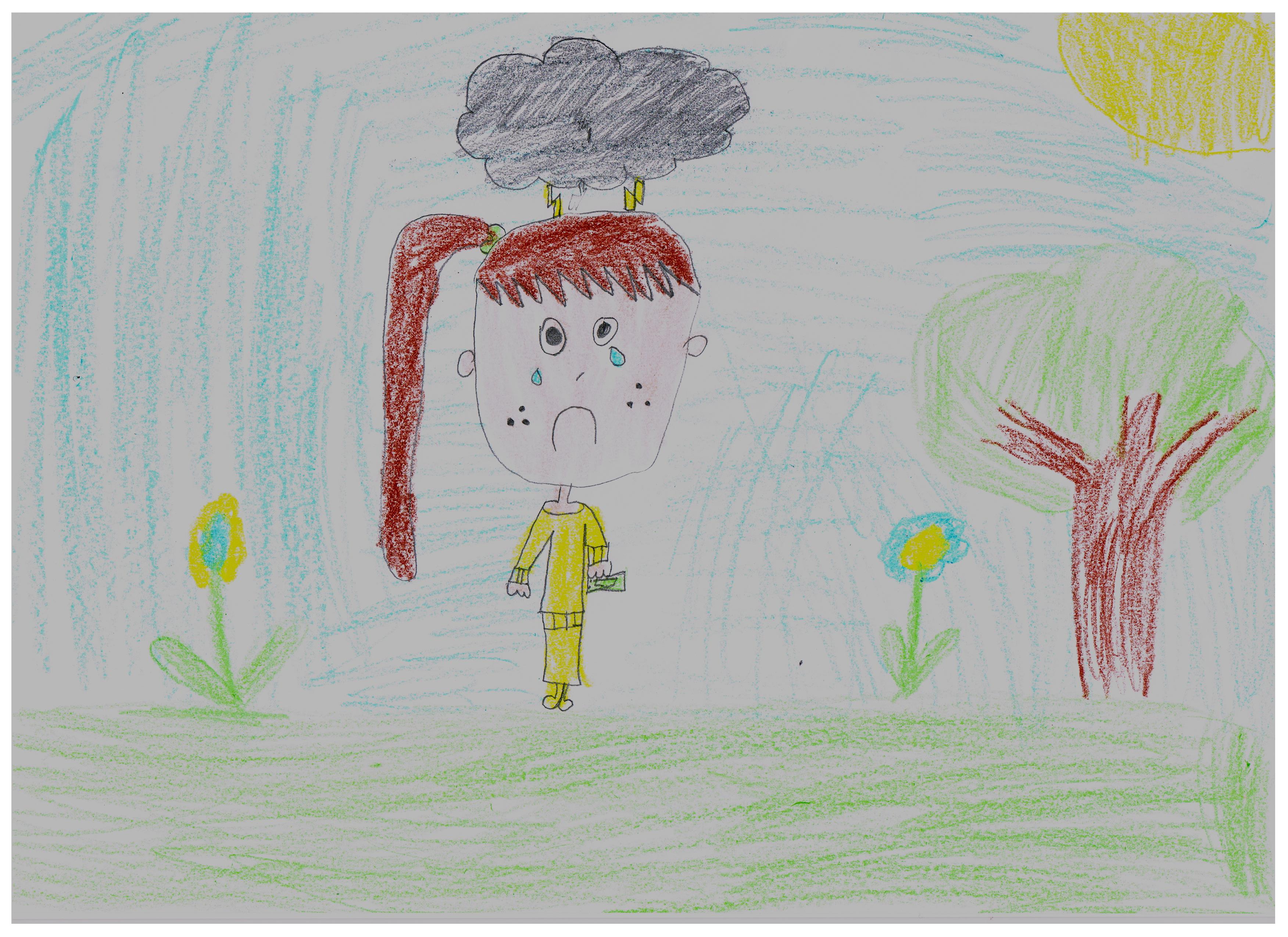
As another chat app raises fears about online harassment of children, it’s clear that parents, teachers and young people must work together to challenge this behaviour. Eimear Dodd reports
Tag: news
-
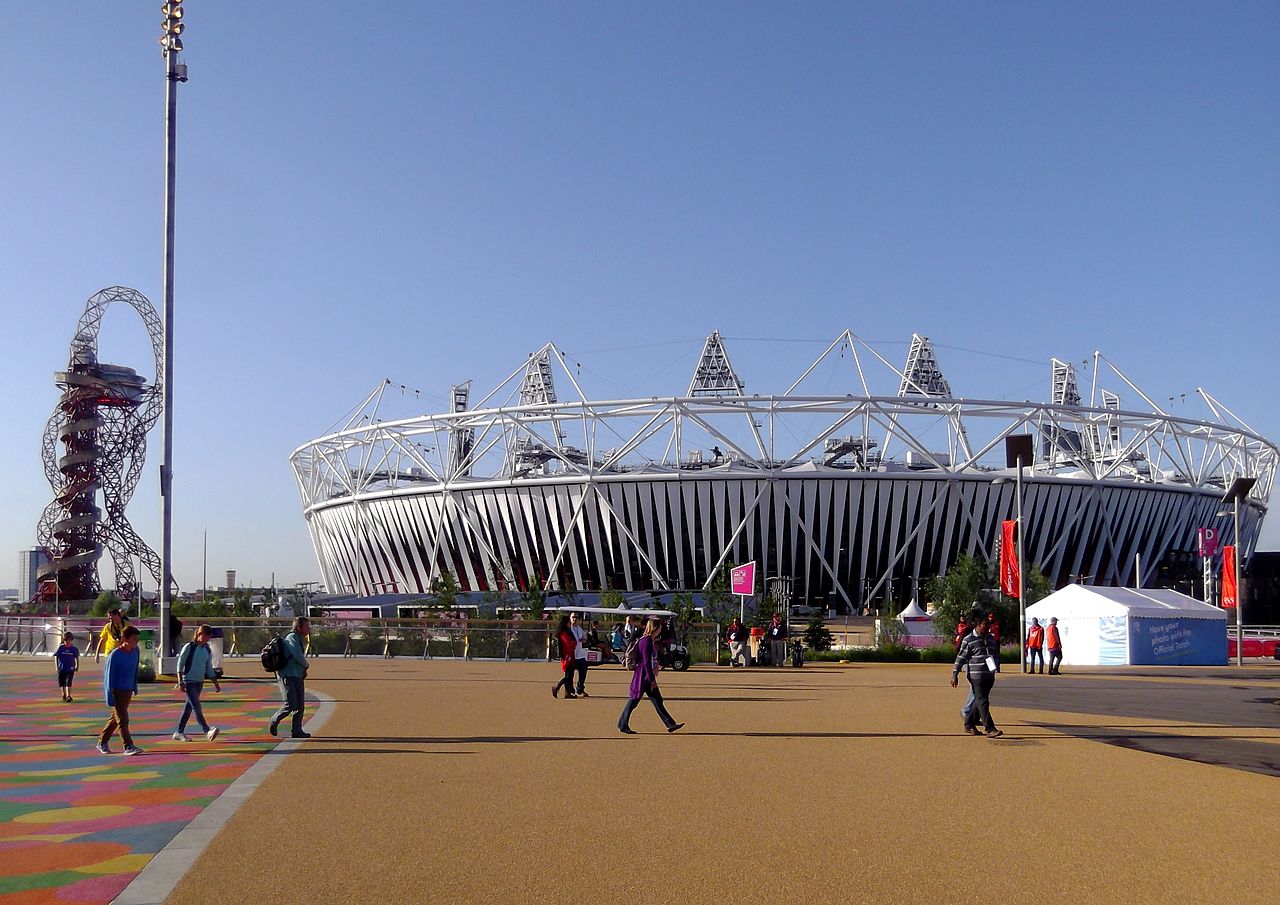
Going for Gold: Past, Present and Future of the Olympics
In advance of the awarding of the 2024 Olympic Games, Cormac Murphy profiles the two contenders and looks at some of the controversies of previous Games
-
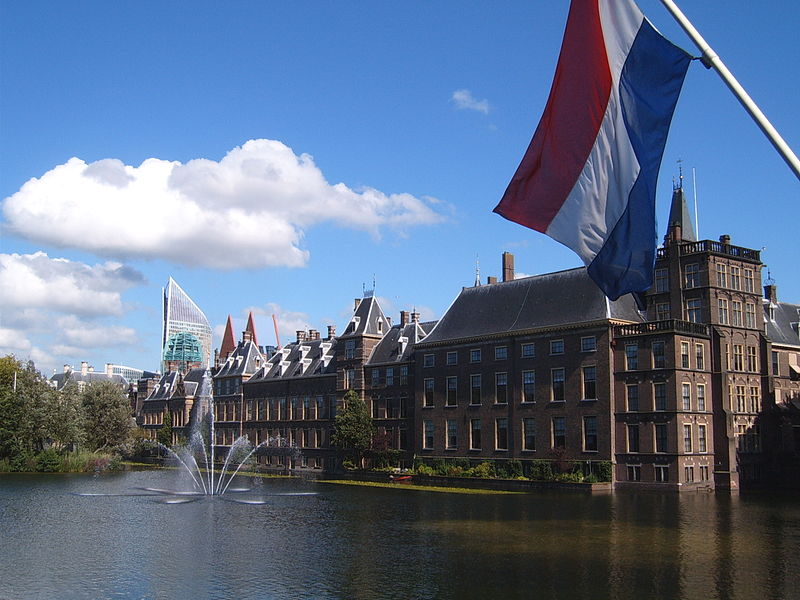
Lost in the Wilders(ness)
Cormac Murphy examines the significance of the recent Dutch elections and considers whether populism has reached its limits in Europe.
Swept up in a sensationalist frenzy, one of the most anticipated and fiercely contested elections in Europe produced, at best, modest electoral success for the far-right.
Dutch voters defied earlier predictions that suggested Geert Wilders’ Party for Freedom (PVV) was on course to snap up thirty or more seats in a parliamentary election dubbed “Europe’s quarter final” by incumbent Prime Minister, Mark Rutte.
The seemingly high importance of the election in the run-up to further European elections in France (Europe’s “semi-final”) and Germany (Europe’s “final”) sparked a storm of international media attention.

Geert Wilders campaigning in Spijkenisse. Image by Peter Van der Sluijs via Wikimedia Commons Branded as a pivotal battle for populism in Europe, the PVV managed to increase their share of seats from twelve to twenty.
With 13% of the vote, they are now the second largest party in The Netherlands.
However, this is significantly lower than earlier indications suggesting a thirty seat win.
Furthermore, their second place showing was barely ahead of the next largest line-up of parties. The Christian Democrats and Democrats 66 came in joint third, with nineteen seats each.
They are also distant second, being paled by Rutte’s People’s Party (VVD) which won thirty three seats — thirteen seats more than the PVV.

Image by Cormac Murphy Negotiations to form governments in The Netherlands are notoriously drawn-out and difficult.
According to Bloomberg, since 1945 the average time taken has been seventy two days — a process that, if repeated, would take us well past the French presidential and parliamentary elections scheduled this year.
Coalition talks are currently underway to forge a future government between the VVD, D66, the Christian Democrats and GroenLinks. The PVV will not be included however.
Locked out of power as others unite against him, the final tally is not even Wilders’ best electoral outcome — falling short of the 2010 election results.
Considering the electoral wind-down for Wilders, was the heavy media coverage justified and do these elections have a wider significance for Europe as a whole?
Unravelling the Far-Right
Speaking to The City, Gavan Titley, a senior lecturer at Maynooth University who specialises in media studies of race, racism and multiculturalism in European politics said:
“The relationship between results [in different European countries] are often overemphasized and are generally much more complex, involving very particular national issues.”
However, he stated a common theme among the far-right in Europe is their ability to bring the issue of national identity into the spotlight – stating the Dutch election became a “question of Dutch identity”.
Despite Wilders being locked out of power, Titley says the election was in fact “ a dual victory for the far-right” and cited that the PVV not only managed to increase its share of seats from the previous election but also managed to shift political discourse to one that was “openly racist.”
https://twitter.com/GavanTitley/status/842303000274194432/photo/1
When asked about the fractured nature of proportional representation and the thresholds many far-right political parties fail to advance beyond, he emphasized that power is not defined solely as “executive or governmental”:
“Far-right parties have the ability to shape the news agenda and change the political culture of a country – even if they can’t take office and be involved in the decision making.”
When questioned about the future of the far-right and whether Wilders’ PVV would attempt to ‘de-demonise’ the party to broaden their appeal, he stated:
“There is no incentive for [Wilders] to defuse his language” — as he is able wield a strong degree of influence, without entering government.
The bigger European picture
The Brexit referendum and Donald Trump’s presidential win shook established politics during 2016.
Scattered in-between these two earthquake results were a series of smaller, yet emblematic elections.

Heinz-Christian Strache, head of the Freedom Party of Austria. Image by Thomas Prenner via Wikimedia Commons On December 4 2016, Austrians went to the ballot box for a second time to elect their president. While the role is purely ceremonial, Austria’s tight presidential race reflected a shifting political tide.
The far-right candidate Norbert Hofer lost to Alexander Van Der Bellen (The Greens) in the end — with it came a sigh of relief but, nevertheless it was a close call for an already embattled EU.
The same day, Italians took to the polls to vote on a constitutional referendum, which if passed, would have granted the Italian government a broader range of powers.
Populists in the country rallied behind a no vote and a no vote it was.
Following the vote Italian Prime Minister, Matteo Renzi resigned and Italian populists rejoiced.
Speaking to Time. Alfonso Bonafede of the Five Star Movement stated “Our victory shows that Italians have also said ‘no’ to the austere and destructive policies of the European Union and to the diktats of Germany. It’s about time to ask Italian voters, through a new referendum, whether they want to stay or leave the euro-area.”Fast forward a few months and all eyes were focused on The Netherlands.
Writing in The Guardian, prominent Dutch political scientist and lecturer, Cas Mudde criticised excessive media coverage of the Dutch Election – claiming the international media declared The Netherlands “the bellwether” of European politics despite lacking a winner takes all system.
In hindsight, the media may have offered Wilders an overtly ample platform.
However, given the bigger German and French elections on the horizon and a string of past close calls across Europe, the coverage was understandable.
Contagion from the Right
Despite negligible gains for the PVV, the most noteworthy result of the elections was a general move to the right.
Aping Wilders’ inflammatory language towards immigrants, Rutte made a series of strongly worded statements towards minorities in The Netherlands.
Demarcating a greater distinction to his rival, Rutte wrote an open letter in January stating that “The solution is not to tar people with the same brush, or insult or expel whole groups, but to make crystal clear what is normal and what is not normal in our country.”
“If you reject our country so fundamentally, I’d prefer you leave,” he added.
Another feature of the election was a highly charged diplomatic dispute between The Netherlands and Turkey, which threatened to blow the Dutch elections apart, just days before voters took to the polls.

The Turkish Foundation in Amsterdam. Image by Persian Dutch Network via Wikimedia Commons Turkish efforts to hold political rallies and campaign for a Yes vote in the upcoming Turkish constitutional referendum backfired when Turkish officials were banned from The Netherlands.
Mevlüt Çavuşoğlu, Turkey’s Foreign Minister urged all Turkish citizens in The Netherlands to protest outside the Turkish consulate in Rotterdam as a response.
Despite the fiery rhetoric and explosive escalation of the incident, it did not aid the far right in the Netherlands. Instead, Rutte’s hard-headed handling of the affair boosted his appeal among Dutch voters.
https://twitter.com/geertwilderspvv/status/840668970483122178/photo/1
Wilders attempted to exploit the diplomatic rift by portraying Turkish immigrants as a fifth column. The tweet above translates as “Four decades, open borders, mass immigration, preservation of culture, zero integration, dual nationality…. This is the result.”
A similar sentiment echoes across Europe as mainstream parties scramble to keep their grip on power.
Angela Merkel who welcomed over one million migrants into Germany in 2015 has made several political U-turns.
In a seemingly desperate attempt to prevent voters straying to the fledgling, far-right Alternative for Germany (AfD) party, Merkel has spearheaded a burka ban as well as revoking her open doors policy to incoming asylum seekers.
She has faced several state elections in the last year that have witnessed AfD gains at the expense of her own Christian Democratic Union (CDU) party.
With the larger federal elections scheduled for September this year, Merkel may find herself struggling to retain her position as German premier.
One down, two to go: Three of the far-right contenders who are to contest elections this year. Marine Le Pen – France (left), Geert Wilders – Netherlands (centre) and Frauke Petry – Germany (right)
Conclusion
While Dutch voters may not have been as discouraged with their political system as previously thought, it is undeniable that the mainstream victory in this election came at a cost.
Much of the centre-ground was ceded — highlighting and perhaps, partially validating some of Wilders’ positions in the eyes of the electorate.
On 25 March, EU Leaders gathered to celebrate the 60th anniversary of signing of the Treaty of Rome. Considering Britain’s departure, and a surge in populist Eurosceptic politics, it is unclear if the union will last another 60 years.
With more elections on the horizon, Europe will have to brace itself once again. Will Le Pen take the Elysee in May and deliver a fatal blow to the EU, or has the dust settled for the populist right?
Either way, the issue of national identity is rising to the forefront of many EU countries’ political agendas — aided and abetted by a far-right holding their feet to the fire.
A Netherlands’ exit from the EU, or ‘Nexit’ has failed to materialise, but with Marine Le Pen promising a ‘Frexit’ in the upcoming French elections, anything is possible, even if her chances at victory are improbable.
Time will tell who wins and how much the mainstream will mimic populist politics in an attempt to regain its appeal. Even if far-right efforts at power prove unattainable, their ability to influence the broader political spectrum is abundantly clear.Featured Image by Markus Bernet via Wikimedia Commons
-
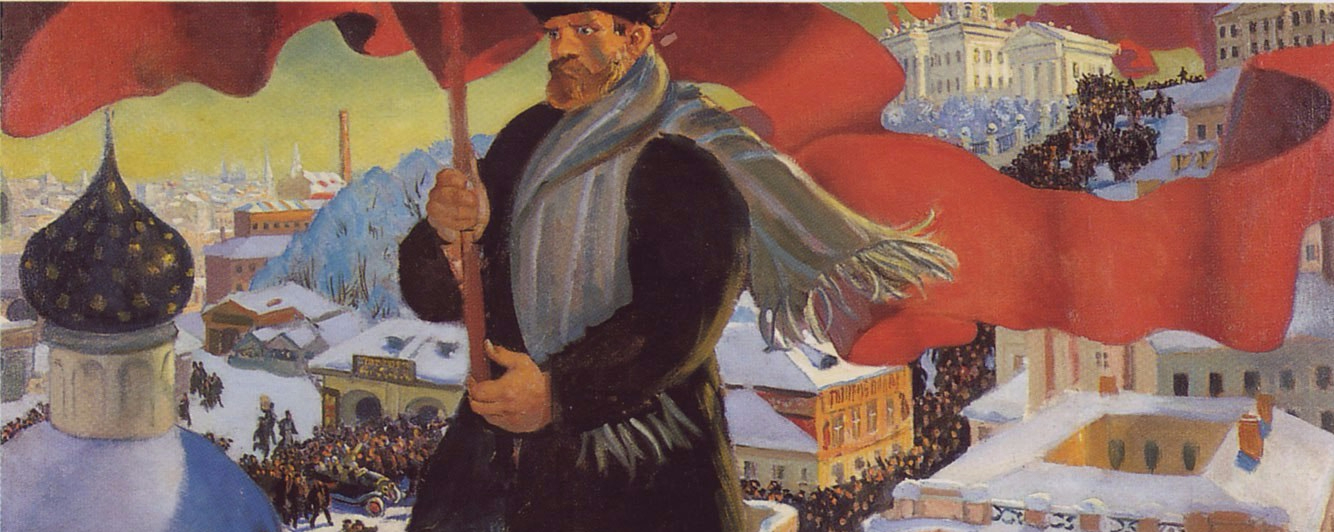
The baggage of history: Dublin commemorates Red October
Dublin City’s commemoration of the 100th anniversary of the Bolshevik Revolution has divided opinion. Zuzia Whelan finds out more.
-
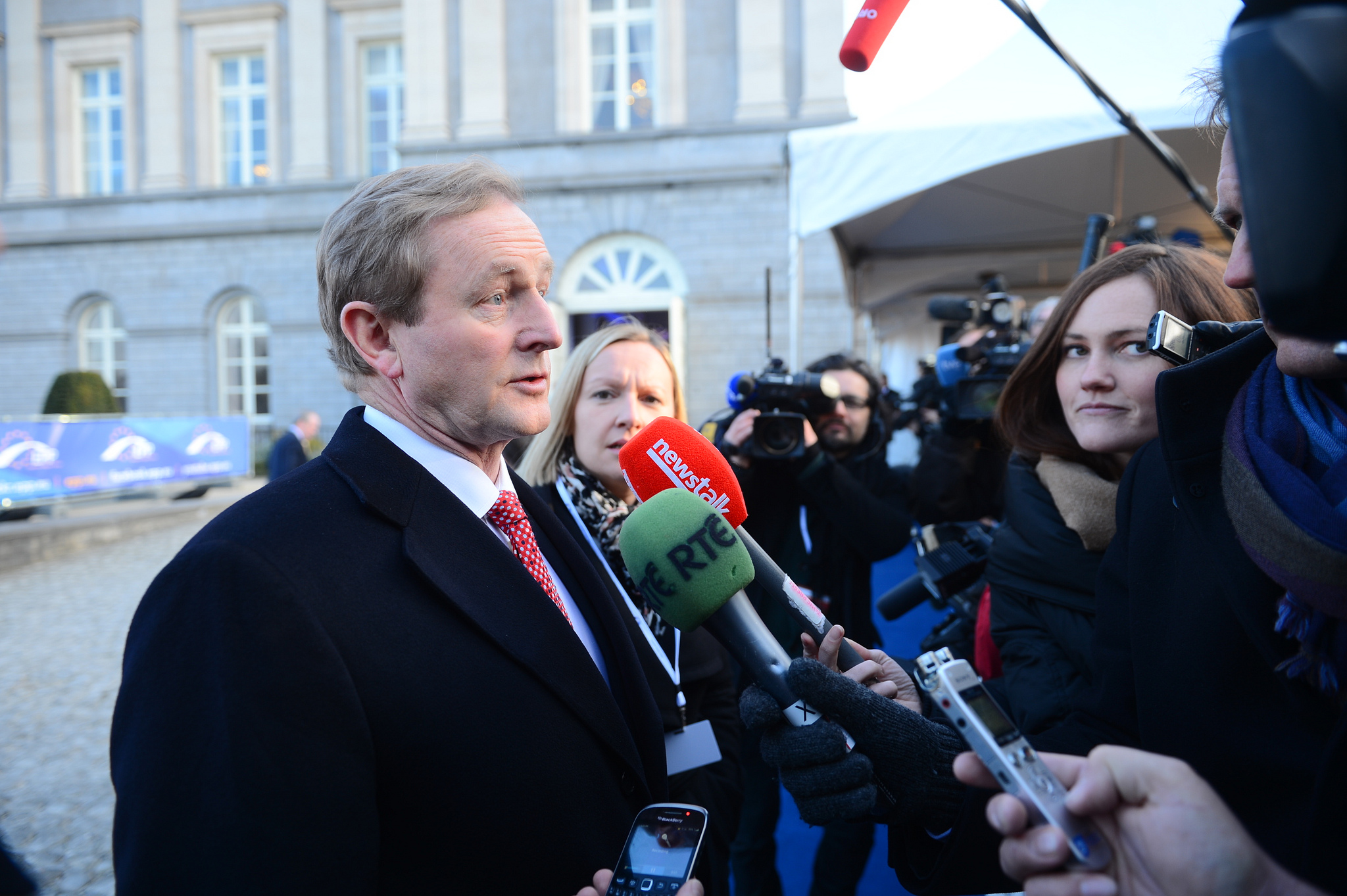
Kenny announces referendum to allow Irish citizens abroad to vote in presidential elections
Aoife Loughnane looks at the Taoiseach’s newly unveiled referendum plans and explores what this will mean for the Irish diaspora.
-

Soaring to new heights
Cheap, efficient and durable – Eimear Dodd learns more about the commercial uses for drone technology.
-
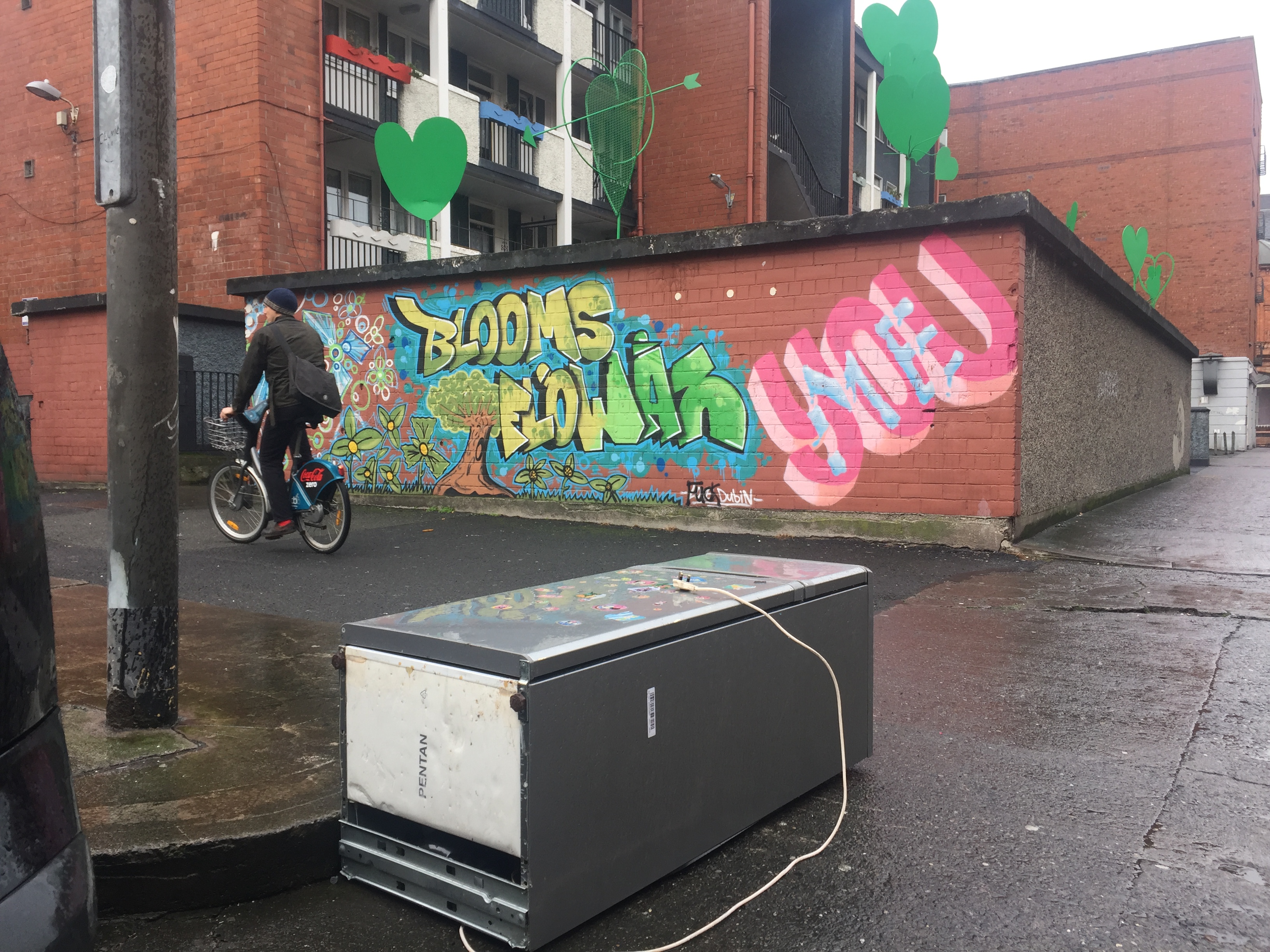
Litter louts still a problem in Dublin city
James Carroll sniffs around the dirty business of illegal dumping in Dublin.
The law is being flouted in Dublin by some businesses, as two-thirds of litter fines are going unpaid.
Anti-litter campaigner Cieran Perry, a member of Dublin City Council, said that rubbish is being dumped and littered on the streets of Dublin at a distressing rate. “The number one reason is, the will is not there to enforce it,” he said.
“We have a litter problem in Dublin,” Perry adds. “If you go to a lot of places in and around the city, you see a lot of dumped bags.”

Litter on the streets of Dublin, image by James Carroll The figures of unpaid fines, and the lack of will behind them, are distinctly clear to see. “There is no detailed breakdown as to why those fines were not paid,” Perry said.
“If management were serious about tackling the litter and illegal dumping, they would have gone through the figures and seen where it is happening. They haven’t done the basic analysis to see where the fall down is.”
On the spot fines for littering is €150 and the council spends €300,000 cleaning chewing gum and another €500,000 a year on cleaning graffiti.

Litter on the streets of Dublin, image by James Carroll. An example of the law being disregarded and the council not being on top of matters was in 2015, when, according to Perry, 70 fines were issued to a pop-up shop, Halloween HQ, for illegal postering. “None of the fines were paid,” he said.

Rubbish on the streets of Dublin, image by James Carroll “No other legislation would be breached like that. If you were towed for illegal parking, you would not write to the council saying I do not respect your authority, it just does not happen.”
According to Perry, Halloween HQ last year again put up posters illegally. The council knew the premises, identified the offender but did not pursue the fines.
“I regularly asked about how the progress of the 70 fines was going,” Perry says. He says the council has responded by saying “they could no longer release that info because of data protection”.
Perry says Halloween HQ is not the biggest offender, but is an example of the lack of interest in tackling the problem.
The main problem for the council is businesses leave their waste outside, at the wrong time of the day, so waste sits idle on the streets outside the premises. Waste must be off the street between 10am and 5pm.

Litter on the streets of Dublin, image by James Carroll “Usually how the council find illegal dumpers is by finding letters with their addresses in the bags but recently dumpers have become more canny,” Perry said.
Initiatives that the council have installed to deter the public from illegal dumping have generally worked.“When there is an initiative started, the figures stand out a mile,” he said.
CCTV have been installed in areas such as Glenvale in Lucan, Church Lane in Rathfarnham and Russel Square in Tallaght.
Audio messages have also been installed in areas to tell dog owners to clean up after their pets in parks in Palmerstown, Tallaght, Walkinstown, Wellington and Greenhills park.
In a road that is local to councillor Perry, bags are dumped in the exact same spot every day and collected, unofficially, every day.

Litter on the streets of Dublin, image by James Carroll. “What has become the norm on this road, in particular, is as new people move in, they see what is happening and assume it is a collection service,” he said.
“I’ve seen people do this in broad daylight and clearly they must feel that they are not illegally dumping.”
Perry believes there is no incentive not to dump because there is little chance of being caught: “If you are caught, there is a one in three chance of being fined.”

Litter on the streets of Dublin, image by James Carroll. In Dublin Central 691 fines were issued by five litter wardens in 2015. That’s fewer than 140 fines per warden, approximately one fine every second working day.
Some 465 prosecutions were taken, but there were only 47 convictions.
-

Bussing it to bankruptcy: is insolvency Bus Eireann’s final destination?
With Bus Eireann in financial meltdown, Cormac Murphy investigates the wider impact it could have on its competition and customers.
-
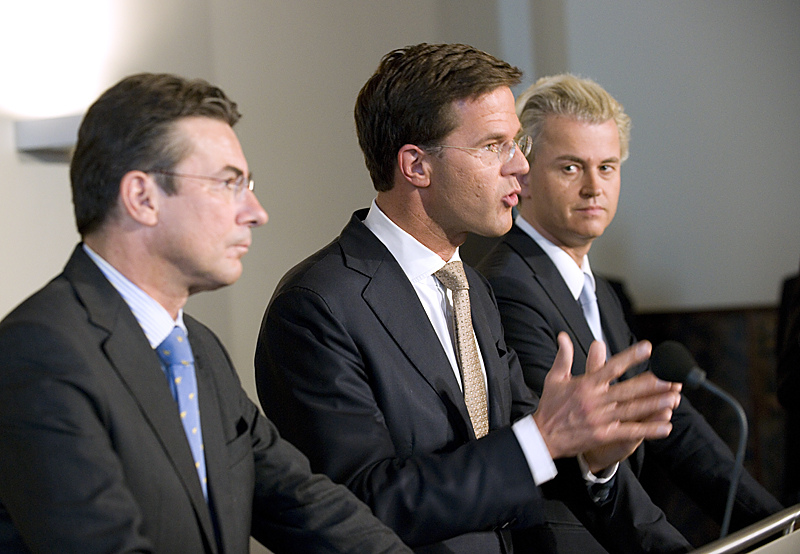
Dutch (dis)courage: after Brexit and Trump will the Netherlands be the next political domino to fall?
With Dutch elections less than a month away, Cormac Murphy probes the political atmosphere that may cause fresh upset across a struggling post-Brexit EU.
-
A helping hand or a cleanup act?
As the government publishes the Misuse of Drugs (Supervised Injection Facilities) Bill 2017, Louise Carroll hears both sides of debate over whether Ireland should welcome its first injecting facility.
You must be logged in to post a comment.