Author: The City’s Newshound

  • Bees, Trees and World Oxygen 

    Bees, Trees and World Oxygen 

    By Derek Price

    Planet Earth could be in serious danger of losing its main oxygen source.  

    With the Amazon rainforest continually being felled for its timber and cattle grazing at an alarming rate (since 1988, humans have destroyed an area of the rainforest roughly the size of the American State of Texas), what can Ireland do to try to offset and remedy this huge loss of oxygen- producing plants?  

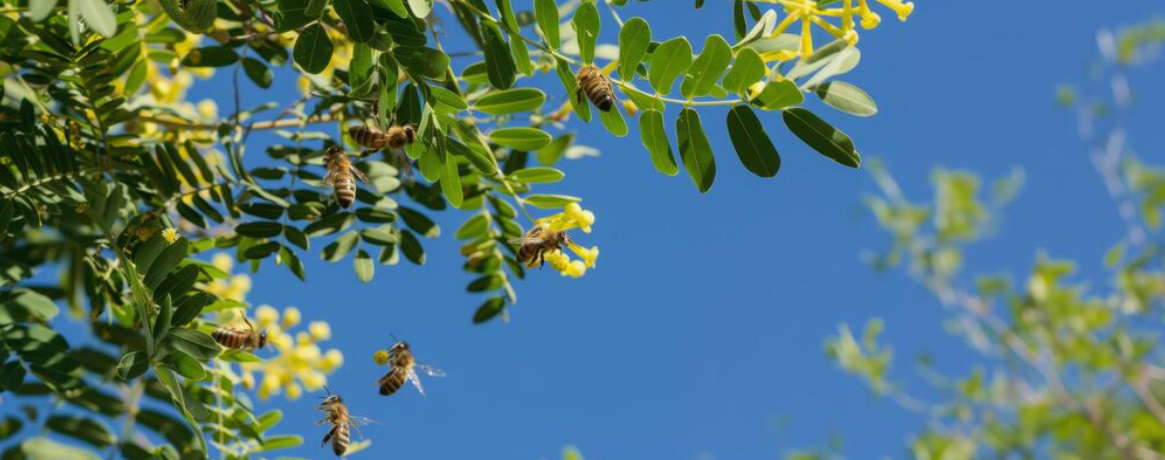
    To say it is important for people to support the growth of trees, which support pollinating insects in Ireland and elsewhere, may seem like an understatement. Pollination, and having the right native trees and plants, which contribute to the ecosystem being in balance – is a vital part of nature.  

    If tree planting is knocked out of balance by human activity, it could have a devastating effect, resulting in the extinction of bats, bees, and other pollinating insects, and hence the plants that rely on them. Also, certainly, birds may be affected. This could have a domino effect, which could eventually lead to the extinction of the animal kingdom, which of course includes our own species, human beings. 

    It has been reported in the Irish Times by Ella McSweeney, that a third of all bee species in Ireland will be extinct by 2030.  

    Hanna Backmo, a beekeeper in Ireland, recently told Louise Walsh in the Irish Times, “It’s been a bad year for honey, but the native honeybees are real survivors. Two years ago, because of lack of rain, we had the worst summer in 30 years for honey production. Last year was excellent but, unfortunately, this year doesn’t look too good,” she said. 

    Orla Farrell is the project leader for the Easy Treesie organisation, whose objective is to plant and grow a million trees in Ireland by 2030. The City asked Orla her opinion on some important environmental issues currently happening in Ireland. 

    Orla Farrell, the Project Leader for the Easy Treesie. (courtesy of https://easytreesie.com)


    Do you think that Irish County Councils giving away thousands of Hawthorn, Mountain Ash and other trees natural to Ireland ahead of National Tree Week every year is a good idea? 

    Orla: “A super idea. Easy Treesie and Crann do this regularly. The members of the public are thrilled to get such a donation. We ask them only to take them if they have space and if they are going to plant them immediately. The Easy Treesie project is all about planting trees wherever we can find a corner or little spot, to put them. It is vital as a Climate Action.” 

    Do you think the public are made aware enough about the possible extinction of bees and other insect pollinators in the Irish media? 

    Orla: “Everyone my age remembers insects at the windows and on car windscreens in profusion in our youth. I was doing a tree-athalon in Sligo on Monday, discussing Yeats’ poem where ‘Moths like stars were flickering out’. Does that happen now? I don’t think so. On the day that Michael D. Higgins called for action on the extinction event that was happening during his address at the Biodiversity Conference in Dublin Castle, the report was only on page 6. The front page had the usual stories.” 

    I see you have a campaign to plant one million trees by 2030. I see this as a great objective, and I hope it is achieved. You are now halfway to that target. Do you think you will get that number planted by 2030? 

    Orla: “Yes. All we need is public land. This has been the only slow part of the project. Councils are not yet familiar with our project, so we are really happy Derek, that you are writing about our initiative. Once word gets out about how we are experiencing such success (500, 011 trees at present), we think they will find us space local to the children. We are also open to planting on a really mass scale where children have to travel to the site, though local is our preferred option where the children can easily watch the trees grow.”  

    At the end of the day, it may be preferable in the long run, for people around the world to choose to get active, and instead of preaching to the Brazilian and South American governments, plant their own trees, woods and forests, which would make a solid positive difference, to ensure planet Earth will continue to produce plenty of oxygen for many more years to come. 
  • WARRIORS GYM  LAUNCH MUAY THAI EVENT ‘FRIDAY NIGHT FIGHTS’

    WARRIORS GYM LAUNCH MUAY THAI EVENT ‘FRIDAY NIGHT FIGHTS’

    By Eric Cundelan

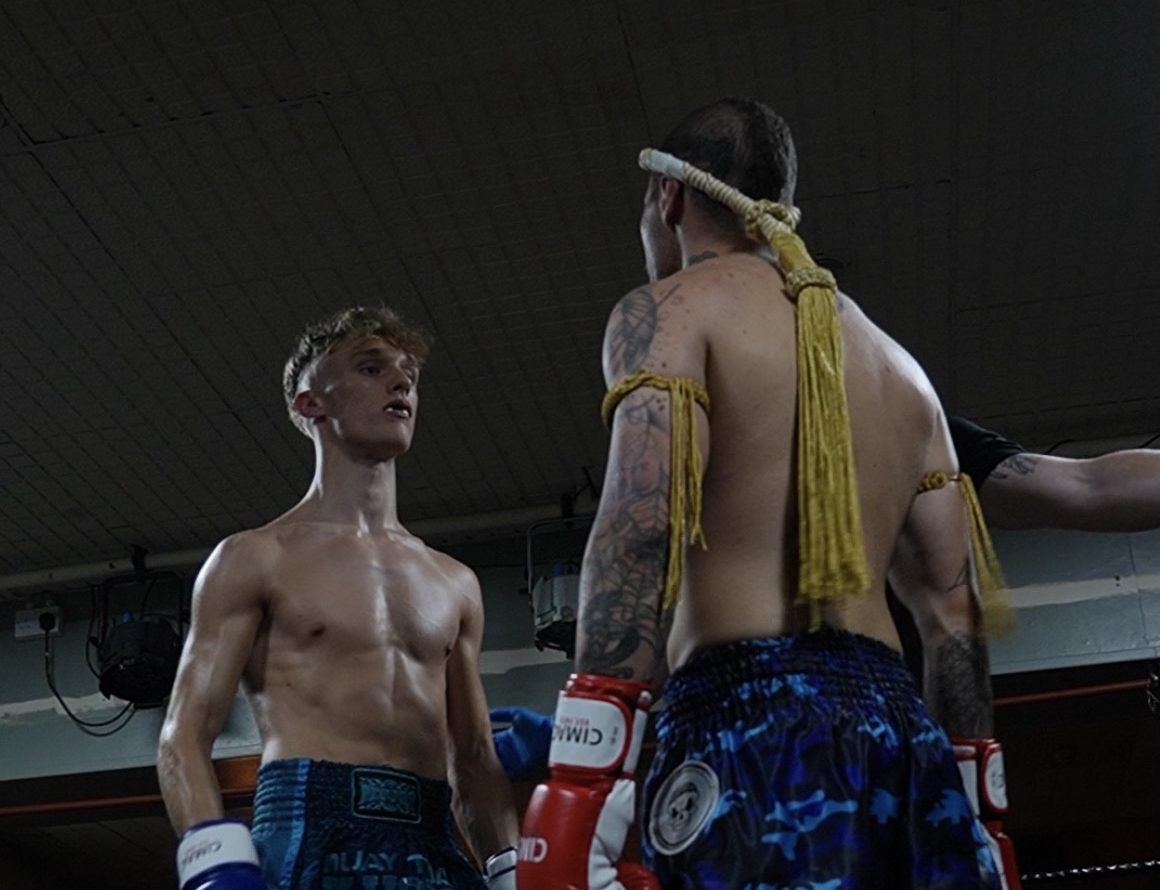
    ‘Friday Night Fights’ was launched by professional fighter and head coach of Warriors Gym, Cian Cowley. 

    ‘Friday Night Fights’ aims to bridge the gap between amateur and professional Muay Thai in Ireland by creating an amateur event with the atmosphere of a bigger show – the walkouts, the lights, DJ and bar, and the crowd. The aim is to showcase Irelands best up-and-coming talent, giving them a platform where they can develop their skills.

    Muay Thai, which translates to Thai Boxing, is a combat sport originating from Thailand. In Muay Thai a fighter will use all their limbs; kicks, knees, punches and elbows to outscore his/her opponent, earning it the title ‘The Art of Eight Limbs’. 

    Amateur fighters will usually compete for a spot on the undercard of the bigger shows such as WMO Fight Series, or Deliverance in Belfast. To get their experience, up-and-coming fighters will compete on interclubs, which are competitions that are usually held inside gyms. 

    “Interclubs are just glorified spars, whereas Friday Night Fights provides that whole atmosphere of a Muay Thai show, but on a smaller scale,”, Cian told The City. He believes it’s very important for amateur fighters to get a taste of what these shows are like to compete in. 

    On Friday September 20th, 46 up-and-coming fighters made the walk to the ring in the Sallynoggin Inn, South Dublin. 

  • Students in Ireland Struggling with Rising Rent and Limited Accommodation 

    Students in Ireland Struggling with Rising Rent and Limited Accommodation 

    By Jamie Ryan 

    Yugo Student Accommodation – Photo Credit: Jamie Ryan 

    The student accommodation crisis in Ireland has been an on-going issue for the past few years. 

    Every year, a new batch of students from across Ireland are accepted into universities, in which it is not an option for them to commute – along with returning students who are also actively seeking out accommodation for their upcoming academic year.  

    Kerry Ann-Darcy, 22, a recent graduate of Maynooth University, but originally from Dundalk in Louth, struggled each year during her time in university to seek accommodation.  

    “It’s not easy to find student accommodation in general, especially when there is a ‘first come, first serve’ general booking forum for on-campus accommodation,” Darcy explained.  

    “The university was not helpful and suggested that alternative accommodation could be found on a website called ‘Student Pad’ but that was it. But on Student Pad, the landlords are extremely picky with terms such as gender specific, academic year specific, course specific, degree specific and so on. 

    “Even once I did get accommodation, there were issues with it. My landlord had a table and chair for us in the dining room at the house viewing but had it removed for when I moved in and he told me that I ‘was imagining that there had been one there’. 

    Yugo Student Accommodation – Photo Credit: Jamie Ryan 

    “He complained and gave out to me because we had access to a bedroom, bathroom and kitchen – although that’s what I was paying him for but that’s the bare minimum. In third year, my landlady said that I had to be finished in the kitchen before 6pm but some of my classes only finished at that time,” Darcy added. 

    Back in 2022, the Minister for Further and Higher Education at the time, Simon Harris, made calls to homeowners living nearby to universities to rent out any spare rooms that they may have in their house to students – as a result of the severe lack of student accommodation to supply the high demands.  

    This alternative, however, does not necessarily end up costing students less as research carried out by the USI (Union of Students in Ireland) in February found that students are paying an average of €660 across the country to live in digs, with just 43% of those students given full access to the room, seven days per week. 

    This same study also found that of those surveyed, 59% said that they chose to live in digs as a result of being unable to find an alternative.  

    Antrim native Caitlin Procter, 19, was unable to attend university this year due to the lack of student accommodation available.  

    “After being accepted into multiple courses, I wasn’t even able to accept any of them because I couldn’t find anywhere to live,” she explained.  

    “I was really annoyed and frustrated about it so I sought elsewhere for digs but was still unsuccessful and unfortunately I can’t afford to commute two and a half or three hours per day to and from Belfast and Sligo,” she said.  

    This is a situation that unfortunately, too many students and university hopefuls find themselves in each year and it appears to be getting worse and worse.  

    Ardcairn House Student Accommodation – Photo Credit: Jamie Ryan 

    Dylan Downes, 22, a former student at the University of Limerick, originally from Wicklow, was living in digs for his first year in third level education as the commute between Wicklow and Limerick twice each week was unfeasible.  

    “I felt that living in digs was my only choice to be honest. I got an apartment with some of my friends for the following year, but I really felt that I probably lost out on the social aspect of college in first year,” Downes explained. 

    “My commute to and from college each day was around forty-five minutes, which is obviously better than three hours but even still, when you’re paying €700 per month for a room, it is disheartening, and I sometimes felt pretty isolated. 

    “Thankfully, my accommodation search in second year was far less stressful because one of my friends had already reserved an apartment for the following year and offered me the other room with him, in many cases looking for accommodation is more about who you know than anything else in my experience,” he said.  

    The student accommodation crisis is a direct result of the greater housing crisis that Ireland has been dealing with for the last decade. 

  • SPECIES Goth Festival in Leitrim Will Return 

    SPECIES Goth Festival in Leitrim Will Return 

    By Derek Price.

    Plans are underway for the return of the SPECIES Gothic and Industrial arts and culture festival to County Leitrim after a short absence.  

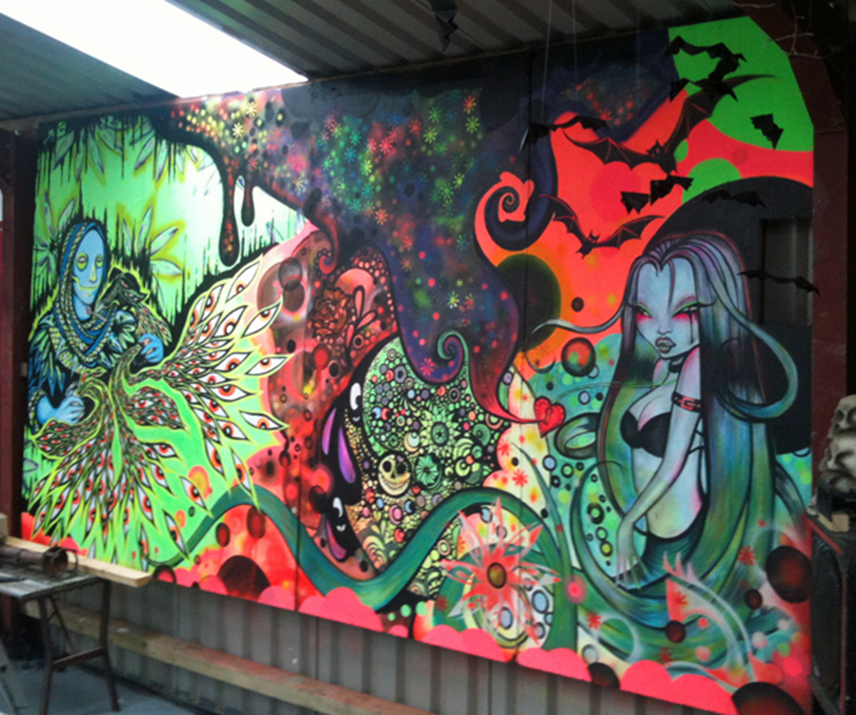
    SPECIES is a yearly festival that takes place in the Iron Mountains in County Leitrim. The festival is organised and run by Ilíocht O’Brien and his wife Harriet at their mountain home, and it features a vast array of Irish talent from both sides of the border, and abroad. The festival venue site has a very striking appearance with psychedelic coloured spiritual (but fun) murals mixed with Halloween images dotted around the venue. The first SPECIES festival was held during the May bank holiday weekend in 2015. 

    Now, over at An Dómhan Ilíocht, as Mr O’Brien calls it, they are busy preparing for the next Gothic and Industrial arts and culture gathering.  

    On the subject of the SPECIES festival return, Ilíocht said: “We are taking a break from hosting festivals up here while we are working on upgrading the site. SPECIES will return when we are ready, and at that time we will advertise extensively, and hope to re-unite all the beautiful weirdos up here!” 

                 Psychedelic looking mural on site at SPECIES (above). (Photo: Derek Price) 

                The Great Hall band and DJ performing area at SPECIES. (above). (Photo: Derek Price) 

    A colourful wall mural at the venue. (above). (Photo: Derek Price) 

    Dublin duo Freak Control onstage. (above). (Photo: courtesy of Kilian McLiam) 

    DJ Syrinx (above). (Photo: Derek Price) 

    Outdoor scenery at SPECIES. (above). (Photo: Derek Price) 

    There is a big selection of vendors at the festival, selling all types of wares like clothing, furniture throws, and various kinds of fun bric-a-brac and knick-knacks. (above). (Photo: Derek Price) 

    Cute cuddly items on sale at the stalls. (above). (Photo: Derek Price) 

    SPECIES revellers keep warm well into the night (above).  (Photo: Derek Price) 

    A view from the camping area (above). (Photo: Derek Price) 

    Species spooky environment with appropriate mysterious figures (above). (Photo: Derek Price) 

    Ilíocht,- the festival organiser, on the right, with a friend. (above). (Photo: Derek Price) 

  • HSE Safer Nightlife Programme Promotes Safe Festival Culture at District X 

    HSE Safer Nightlife Programme Promotes Safe Festival Culture at District X 

    By Sadie Murray 

    The highly anticipated debut of District X Festival took place last weekend in Kildare, with HSE teams making headway amongst the crowd. 

    The festival is the result of a collaboration between popular venues District 8 and Index and is the first of its kind in Ireland. The organisers had a strong emphasis on harm reduction measures, working closely with the HSE to create a safer festival environment.  

    There were spaces throughout the festival provided by the HSE for harm reduction outreach teams and ‘back of house’ drug checking as part of their Safer Nightlife Programme.  

    The Safer Nightlife programme was launched by the HSE in 2022 in response to the evolving drug landscape in Ireland. This campaign involved the development of tailored resources, media awareness and an outreach drug service to support people at events, including four festivals over the summer of 2024.  

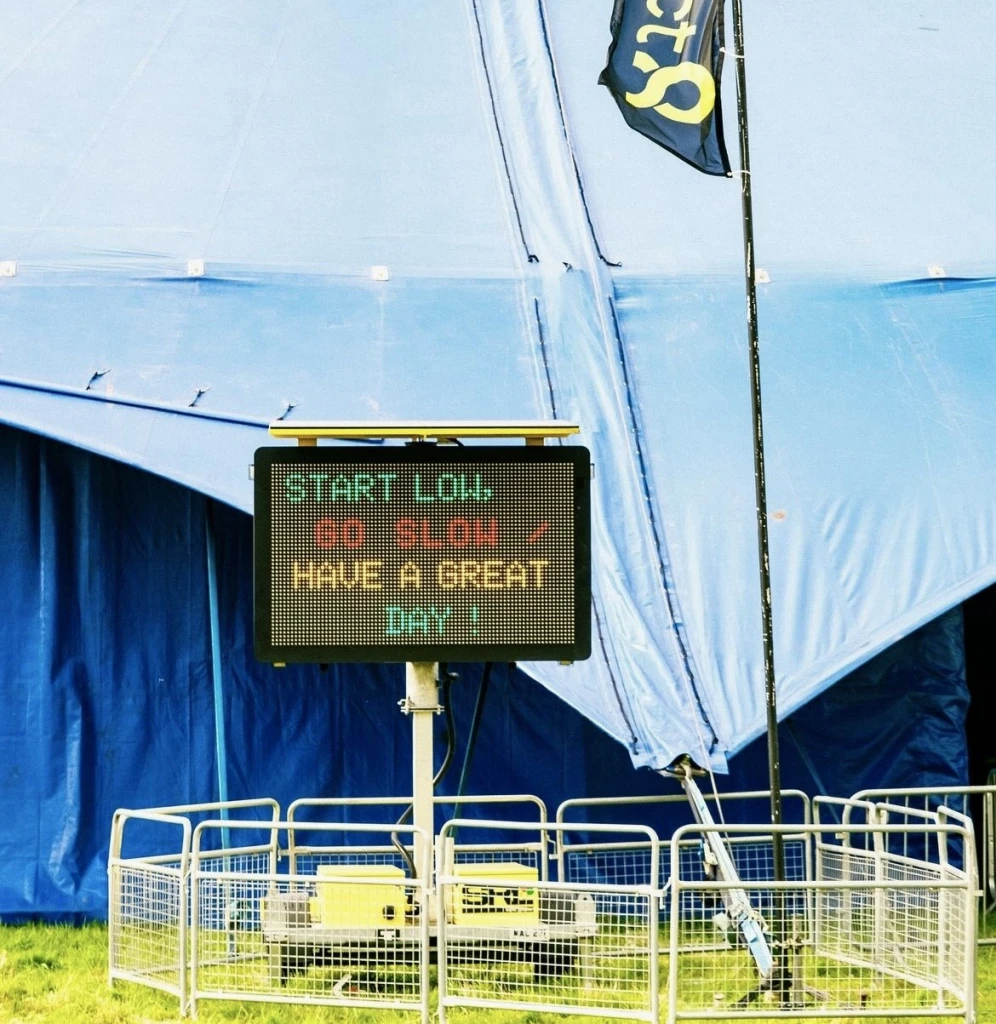
    The initiative has been successful in reaching festival goers. Karen O’Grady, from the HSE said, “Based on discussions at events this summer, we feel our message is reaching people, more and more people are reporting that they are aware of trends and are applying harm reduction measures like “start low, go slow.” 

    Photo Credits: http://www.drugs.ie/festivals  

    This is a key message from the HSE, to start low and go slow, meaning that if someone chooses to take drugs they should start with a small dose and pace themselves.  

    When the HSE’s festival campaign first began, there was a fear of Garda interference with the spaces. Karen O’Grady said:, “There is less fear of engaging with us now, people who come to the service see that it is not monitored and feel safe discussing use and surrendering drugs with us. 

    “We will continue to create awareness of drug trends and try to engage with more people to build trust,” said O’Grady.  

    Surrender bins were provided throughout the festival for people to submit drugs for analysis. The service relies on people surrendering drugs for harm reduction purposes- the more drug samples people provide, the more the HSE will know about what is in circulation. This process helps the HSE to issue alerts and spread awareness around particularly risky substances.  

    The ‘back of house’ approach means that the sample is destroyed upon analysis and the person will not be contacted directly with the results. If anything noteworthy is found, this information is broadcast on social media and on screens at events. 

    This HSE initiative was introduced following recommendations from the Government Emerging Drug Trends and Drug Checking Working Group, which examined nightlife environments including festivals.  

    The review identified these as risk-taking settings that can provide the HSE with more opportunity to engage with groups not typically presenting to traditional addiction services. 

    Photo by Sadie Murray 

    Karen O’Grady said:, “The overall aim of the programme is to engage with and support festival attendees in a non-judgemental way on the topic of substance use and related health issues that emerge in nightlife spaces. The programme is based on a harm reduction ethos to inform and support people to amend behaviours to help minimise harms caused by substance use.” 

    The development of a drug safety culture within festivals is crucial with an increasingly volatile drug market and substance abuse epidemic. 

    A recent report from The European Drug Report 2024 found that Ireland had the highest instance of drug deaths in the EU, with more than four times the average number of fatalities. The report showed that Ireland had 322 drug-related deaths in 2020 — 97 deaths per million people, compared to the EU average of 22.5. 

    The HSE’s core message is that it is safer not to use at all and that the drug market is currently very volatile. For those who do choose to use, it is advised that they stay up to date with drug trends and alerts on the HSE site and to follow harm reduction messages. 

    Photo from HSE’s Drugs.ie campaign 

  • Vigilante Maestro Brings the Rage to the Soundhouse 

    Vigilante Maestro Brings the Rage to the Soundhouse 

    By Mene Agbofodoh

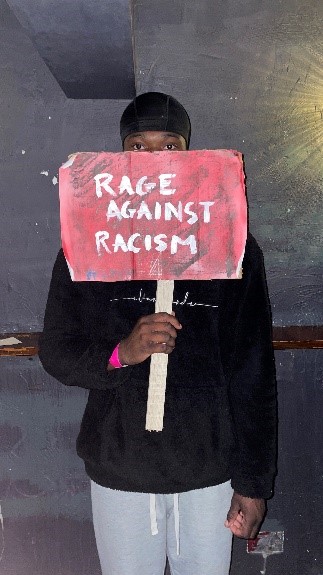
    The Vigilante Maestro also known as Fortune Igiebor brought the rage against racism to the Soundhouse on the 19th of September. 

    Fortune Igiebor is an emerging creative talent known for his work in visual arts, particularly in music and mixed media. He focuses on themes like identity, culture, and the experiences of Black people in Ireland and beyond. 

    The Soundhouse is home to many hip hop and rap concerts in Dublin. Not too long ago, the venue held the first-ever IRIS event from the collective, SPG with which Fortune Igiebor has collaborated in the past. 

    The show was titled Rage against Racism as that is the genre Mr Igiebor’s music reflects the most. “Rage Against Racism is a call to action for all who believe in the fundamental values that define the Irish spirit: kindness, inclusivity, and the unwavering belief in the dignity of every human being,” he said. 

    “Ireland has always been a land of welcomes, where communities are built on the foundations of solidarity and shared humanity. We are a nation that knows the pain of discrimination, the struggle for equality, and the joy of standing together in the face of adversity. At a time when hate seeks to divide us, it is more important than ever to reaffirm our commitment to these values and each other.” said Mr.Igiebor. 

    The event was free of charge and instead, attendees were asked to support the charities the event was hosted for, Doras and NASC, the two charities that help to fight for the rights of migrants in Ireland. 

    “We could have charged maybe €10 or €15 for the tickets but we decided to let the people decide how much they want to put into it, we have a lot of people in the Irish music scene right putting on events and as a performer myself I know sometimes not everyone has the money to spend to go to these concerts. That was one of the reasons why the event was also free of charge.” 

    “After dropping the Love Rage and Vigilante Maestro EP, the opening track ‘Scorching Sun’ which was inspired by the Dublin Riot that happened back in November, I started seeing more anti-immigration protests around the country and wanted to do something for the community because you see the Vigilante Maestro is someone who believes he is a man of the community something like a Robin Hood.” 

    The atmosphere in the Soundhouse was powerful, there was a sense of unity and understanding among the attendees at Rage Against Racism. 

    Nealo, an Irish artist kicked off the show with Under the Weather from his ‘All the Leaves are Falling’ album, which set the tone for not only his set time but for the night. 

    He continued his set with songs like ‘Tears You Cry’ and ‘You Can’t Go Home Again’ however the song that moved the audience the most was ‘What Colour Would Our Friendship Be’, the song from the vocals to the melody was enough to sway people to tears. 

    Nealo, performing at the Rage Against Racism Concert. Credit- Mene Agbofodoh 

    Celaviedmai brought the energy and stage presence with her performance, her performance was immersive and all-around good vibes.  

    Celaviedmai is an Irish rapper and singer known for her energetic performances and versatile style, blending elements of hip-hop, grime, and dancehall.  

    She has gained attention for her powerful lyrics, often touching on themes like identity, race, and personal empowerment. She raps primarily in English but incorporates her cultural influences into her music, giving her a distinctive sound in the Irish and international music scene. 

    Her rise in popularity reflects the growing diversity in Ireland’s music scene, and she’s seen as a pioneering voice, particularly for women in Irish rap. 

    She performed some of her songs from her recent EP ‘Issa New Era’, and hearing songs like ‘Break Me Down’ and ‘Reckless’ being performed live really added to the overall atmosphere. Celaviedmai had the whole place jumping and screaming her lyrics, she had the crowd going and it led to a great transition to the night’s main attraction, Mr. Igiebor. 

    If there is one thing to expect from a Vigilante Maestro performance, there is going to be energy and mosh pits, and for the people who were at the event, there was that and more. 

    Mr. Igiebor never fails to get the crowd going, creating chants for the people to say, from coming down from the stage to performing hit songs like ‘Leechers’ and ‘Paris at The Metro’. 

    Mr. Igiebor left the night off with the chant ‘Nobody’s free till everybody is free’ and that statement was repeated louder each time by the audience, thanks were given and the amazing night with a great cause came to an end. 

    As for what is next for the Vigilante Maestro, Mr. Rage Stage Three is currently in the works, it needs to be handled with care. 

    “Stage three will show Mr. Rage (myself) in a completely new light, something that has been teased but never shown”. Fortune said. 

    Headline Image; Credit- Mene Agbofodoh 

  • Dublin City Council Clamping Down on Parking 

    Dublin City Council Clamping Down on Parking 

    by Molly O’Reilly

    Credit Molly O’Reilly 

    In Ireland’s busiest city, full of life,  

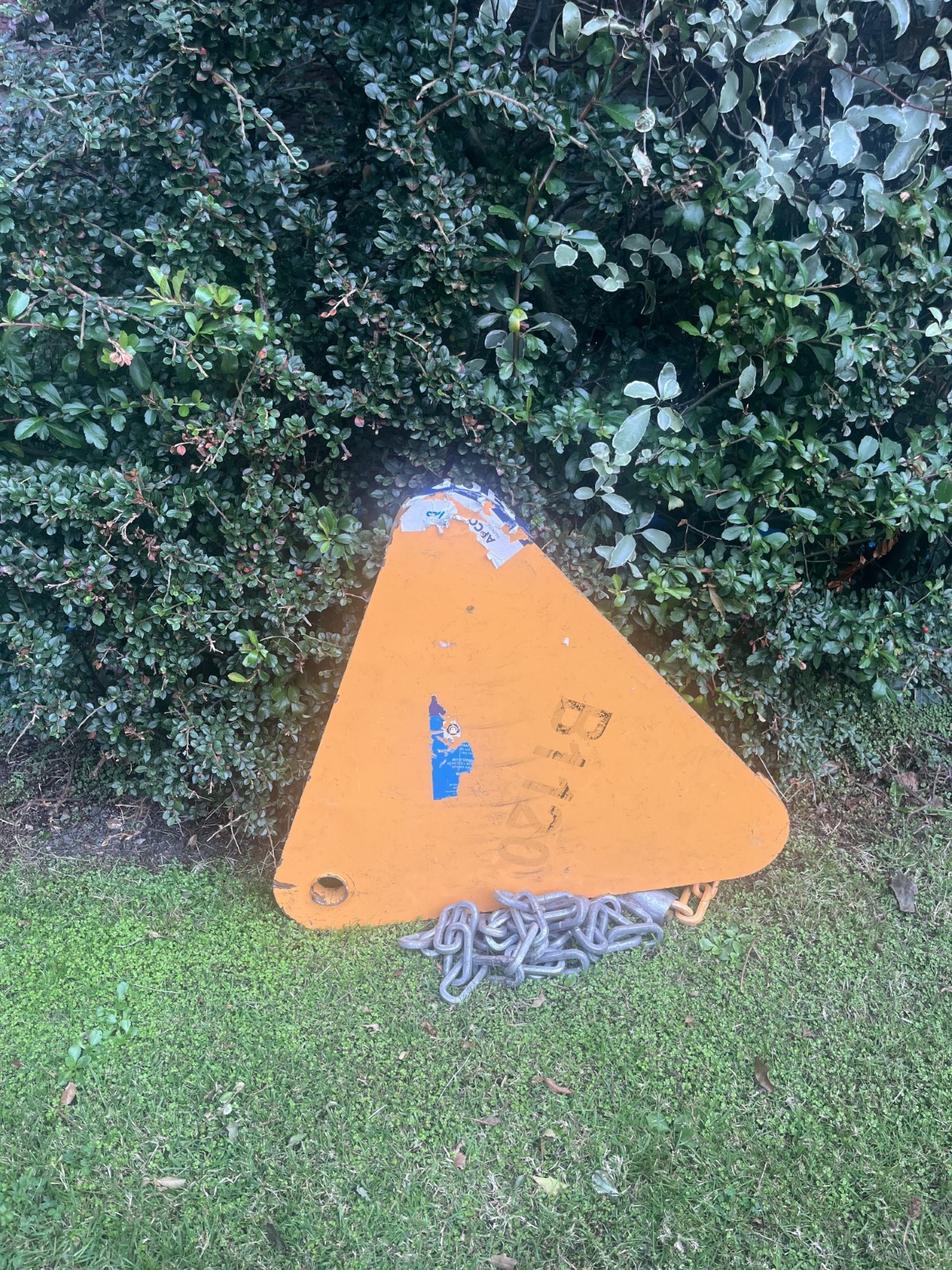
    As the epidemic of clamping down on cars becomes rampant around the Capital, there are three things guaranteed in life in Dublin; death, taxes and clamping.  

    It is no secret that the housing crisis has seeped into student life in Dublin, resulting in many in neighbouring counties commuting to college or having to find accommodation for the academic year. 

    Despite the argument there are plenty of transport to use or places to “pull in,” many Irish students have been left lost and have had no choice but to fork out a sum to release their car from the shackles of the clamper. 

    The fee for clamping is a release fee of one hundred and twenty-five euro, which is operated by Dublin Street Parking (DSPS). 

    However, if the release fee is not paid within the 24 hours of being initially clamped, not only will your car be towed away to the city car pound, but there is also a fee of 250 euro and an additional 35 euro per day according to the DSPS website.  

    Dublin City council has released the statistics for clamping of cars around the city from 2022 with a total number of clamps of 40,732 excluding invalids (disabled parking badges out of date is an example of an invalid) 

    Credit Millie Storey 

    Although the reasonings behind the clamping may seem obvious, there can be virtually nowhere for people to park even when paying elevated levels of rent for accommodation. 

    For instance, in private accommodations and estates it is not an unusual sight to see a car with a registered parking ticket clamped. 

    Dublin City Council provide an appeals process that must be submitted within 60 days from the original day the car was clamped. 

    One Dublin driver, who did not wish to be named, had their car clamped last year whilst it was parked on a private estate in Dublin. Not only was their car the only one clamped on the street, but without their knowledge it was moved from Cabra to Stoneybatter.  

    Is this Dublin’s latest trend amongst students? 

    Marese Masterson, originally from Leitrim, who studies in Maynooth said her car is a necessity during her time in Dublin for her work as an intern. Masterson drives to work five days a week and says the lack of parking is taking a toll on her finances. 

    “They even clamp in Supervalu in Ranelagh, there is barely any street parking just loading bays and clearways. I have gotten clamped twice, said loading bay and once got clamped at 7 in the evening,” she said. 

    “The parking price per hour is extortionate for students- example twenty euro a day, very unfair as this leads to students unable to pay the ticket, which in hand leads to clamping.” 

    Masterson is not the only student feeling the pinch. Elli Duggan from Kilkenny recently studied social care in TU Dublin Grange Gorman and lived in student accommodation in Phibsborough. Her car was a necessity for her work placement as well as getting to and from her job in Kilkenny.  

    “In my student accommodation of 400 students there were only 8 parking spaces available, which were 50 euro a month, I would have to park on the North Circular Road.” 

    According to DSPS website, clamping can occur when a park has expired by as little as ten minutes.  

    The City.ie asked the DSPS to comment on allegations that   clamping was excessive around Dublin. They declined to comment but said further contact can be made with those in higher management or an FOI (freedom of information) application can be made. 

  • What it Takes to Win the Toughest Offshore Sailing Race in the World 

    What it Takes to Win the Toughest Offshore Sailing Race in the World 

    By Luke Hurson 

    “It would be the equivalent to winning an Olympic gold medal in what we do.” 

    Irish skipper Tom Dolan became only the third non-French sailor to win the ‘Solitaire du Figaro’, one world’s most prestigious yacht races on September 12.  

    Image credit: La Solitaire du Figaro Paprec Instagram 

    La Solitaire du Figaro Paprec is renowned as the toughest single handed multistage offshore sailing race in the world, with the finish positions for the race calculated on cumulative time. 

    “Three legs they call them, so three separate races between six and seven-hundred miles. We leave on a Sunday and get in on a Thursday, so we’re at sea for four days on our own and then we try to rest and recover as much as we can and then we go again the following Sunday. We do that for three weeks straight,” Dolan said. 

    The Mullagh man secured victory on the 55th edition of the race aboard his boat, the ‘Smurfit Kappa-Kingspan’. He finished ninth in the first of two stages but went on to win the second 515-mile stage and then finished 7th in the third and final stage but had already done enough to clinch the overall lead. 

    Dolan grew up on a farm in Mullagh, on the border of Meath and Cavan where he developed a keen interest in boats from a young age. 

    “When I was young, I used to love pirate movies, I used to make boats out of cardboard boxes,” he said. Dolan explained that this caught his father’s attention, and so they decided to buy a boat. 

    “We went up to Boyle in Roscommon and bought this little wooden boat. We used to go out on Lough Ramor in Cavan and float about a bit, I suppose that’s how I got the taste for it.” 

    He stopped sailing during his teenage years as his friends were more interested in football than boats. Despite this, whenever he sailed, he felt it always came naturally to him. 

    “My mother sent me to Dublin on a holiday for a week and I went to a sailing school out in Dún Laoghaire, I remember being good at it,” he said. 

    The 37-year-old first heard about La Solitaire when working for a boat racing association called Glenans in Cork. 

    “There used to be a lot of French volunteers that would come over and work during the summer. A buddy of mine started telling me about this race that he was going to try to do when he went back to France and he started showing me videos on YouTube. I remember thinking that ‘this is mad’, and ‘how do the skippers do all of this stuff on their own especially for so long?” he said. 

    Image credit: Tom Dolan Skipper Instagram 

    He decided to move to Concarneau, France in 2011 due to the lack of accessibility for sailing in Ireland. 

    “I wanted to learn more about boats and sailing. I wanted to be a technician on sailing boats. I never thought I’d end up being a skipper and definitely never thought I’d end up winning it, (La Solitaire). I first landed in France 12 years ago, so I’ve spent a third of my life there almost,” Dolan said.  

    The multiple stage race is an extremely challenging task. “It’s very intense because the level is so high and all the boats are the same, so there is always someone beside you. You’re continuously competing and you’ve no help. If you hurt yourself, you’ve got to patch yourself up, there’s no manager on the sidelines or substitutions, you’re completely on your own,” he said. 

    After spending so much time by himself, Dolan finds the return after the race a shock to the system. 

    “When you get in, there’s all these cameras and people throwing champagne and it’s a bit of a shock. You miss being on your own actually.” 

    Time is still needed for Dolan to fully process his big win. “It’s a bit weird, devoting 12 years of your life to something and now it’s done, I have to take it in and enjoy the moment for a bit.” 

    He hopes to return to Ireland for a trip to visit family in the near future. 

  • The Rise of Road Deaths and the Fall of Speed Limits: Have our Roads Become More Dangerous? 

    The Rise of Road Deaths and the Fall of Speed Limits: Have our Roads Become More Dangerous? 

    by Katie Shadlow 

    As the number of road fatalities in 2024 goes up, the speed limit goes down, but will this be enough to keep people safe on our roads? 

    As of September, according to An Garda Síochána, Irelands national police and security service, the amount of road deaths recorded has been a total of 132. 

    Of the 132 deaths, 52 of these deaths have been drivers, 29 have been passengers, 17 have been motorcyclists, 22 have been pedestrians, eight have been pedal cyclists, and three have been e-scooter drivers. 

    The number of road deaths this year has yet to surpass last year’s number of road deaths, which came to 184, but as we look at previous year’s numbers and the already rapid growth of road deaths this year, we can see that these statistics show no sign of slowing down or decreasing. 

    Between 2022 and 2023, there was a 19% rise in road deaths and fatal road accidents, with the rise in road deaths between 2021 and 2022 also being 19%. 

    Looking at these statistics, we can only hope that the same pattern does not follow in 2024. 

    The hope for safer roads for Irish people was not lost when significant decreases in road deaths were recorded over the last 2 decades, seeing a 55% road death drop from 1997 where 472 people lost their lives on Irish roads, versus in 2010 when this figure dropped to 212. 

    Source: Leitrim Observer 

    As quickly as the number of road deaths decreased, the rise started again.  

    From 2018 on, when recorded road deaths were at the lowest since 1945 at only 138 deaths, the numbers slowly started increasing until 2020, when we see a low of 130 road deaths and fatal collisions.  

    The Covid-19 lockdown is likely to play a big role in the decrease in road deaths for 2020. 

    Since then, the number has yet again been increasing, and precautions have been put in place as of 2024 to combat these rising numbers, but will they be enough?  

    A reduction in Ireland’s national speed limit will begin to take effect in November of 2024. 

    Mary Bolger from Blessington in County Wicklow was involved in a road accident when a drunk driver hit her vehicle in a head on collision just outside the town in 2004..  She questions whether the new lower limit will make a difference.”The problem is the people – if they didn’t mind the speed limit before they won’t mind it now,” she said. 

    Blessington seen a reduction in its speed limits both in and surrounding the town as far back as May. 

    Source: Irish Times. Photograph: Keith Arkins 

    “I know in my case anyway it wasn’t the speed that was the problem – drink driving has become second nature to far too many people from small towns – rural parts,” Mary explained 

    Junior Minister at the Department of Transport James Lawless has said it is the ‘intention’ from November the limit on local roads will fall to 60kph from 80kph. 

    Further limit drops will follow in the new year and are expected to include a fall on national secondary roads from 100kmh to 80km/h and from 50km/h to 30km/h in built-up areas. 

    “It’s definitely a step in the right direction though, so I suppose we can only wait and see how much good it does us,” Mary added. 

    Most road accidents have been recorded in Tipperary and Dublin so far in 2024. Drivers can only hope to see a change in this with the introduction of lower speed limits. 

  • Local Opinion Split Regarding Government Plans to Extend Carlingford-Omeath Greenway

    Local Opinion Split Regarding Government Plans to Extend Carlingford-Omeath Greenway

    by Ethan McDonagh

    Despite vocal protestation from locals regarding the proposed extension of the Carlingford-Omeath ‘Greenway’ there are those who are in support of the project. The existing trail in Co. Louth provides residents and tourists with a publicly available trail for both cycling and walking. 

    The proposal to extend the Greenway is part of the National Development Plan (NDP) 2021-2030 which is advertised by our current government as being a major benefit with the announcement document stating, “the investment planned under the NDP will result in increased GDP, employment and wages out to 2030.” 

    However, what these government documents don’t show is the localised impact of projects and the direct effect, whether positive or negative, they have on small communities. 

    Map of existing greenway. Source: Carlingford Tourist Office 

    Built along the old Dundalk Newry & Greenore railway line the Greenway, which opened in 2014, is subject to a government proposal under the NDP whereby the existing route will be extended from Carlingford to Dundalk.  

    The announcement has been met with a lot of vocal opposition from locals who have taken to constructing signs saying ‘No to Greenway’ at several points along the proposed route.  

    As the project would be placed on or near people’s homes and land used for agricultural purposes there has been a lot of resistance from people who believe the extension of the Greenway would only be detrimental to them and their livelihoods.  

    Many of the older residents in the peninsula have bad memories of government involvement in the area when the foot and mouth disease broke out in 2001 leading to the forced killing of farmer’s livestock and eradication of the local wild deer and goat population.  

    One homeowner in the locality, who wished to remain anonymous, is annoyed by the lack of proper consultation with locals surrounding the whole process. They spoke of “farmers who are going to have their fields cut in two, so they won’t be able to get cattle from one side to the other.” 

    “A friend is going to have the greenway going through her already very small garden which she is very upset about. I also don’t understand all of the proposed route and why some of the route can’t be on some of the quieter roads, they said. 

    Sign in resident’s garden opposing the greenway extension: Photo by Ethan McDonagh

    However not all local reaction is negative, with one local shop owner Aaron Farnon saying: “As a local person who has been working in Carlingford for the last six years I believe that the greenway will greatly enhance the business opportunities and the footfall in Carlingford.” 

    With a lot of Carlingford’s businesses being largely tourism- based and thus highly seasonal, Mr. Farnon believes that: ”The greenway gives people more of an initiative to go to Carlingford during the summer months and weekends and see the beauty that the village holds as well as giving local businesses and small shop owners the opportunity to showcase their offerings and bring people in to support them in these hard times.” 

    Optimism and support are a commonly shared sentiment among business owners in the region with David Hanlon, owner of a Carlingford bike hire company, stating: “The new proposed Dundalk to Carlingford Greenway will be the greatest infrastructure investment in Cooley in decades. It will create a safe passage for our kids and families to cycle and walk safely off the busy, truck laden, roads of the Peninsula.  

    “It will have massive health benefits for the people of the peninsula as it will encourage a lot more people to get out for walks and cycles, reducing obesity and mental health problems by building lifelong healthy habits. Finally, the Greenway will create hundreds of ancillary jobs through tourism to the area, just look at places like Waterford and Mayo. Louth County Council needs to work with landowners to find a pragmatic approach to getting a route agreed with minimum impact.” 

    Conversely, what is outlined on the government website for the proposal is that “The R173 Regional Road connecting Dundalk with Carlingford, along with other regional and local roads in the study area have no provision for pedestrians and cyclists.” 

    One of the stated goals of the greenway extension would be to change this with a key goal of the NDP being to “recognise the importance of active travel not only in reducing carbon emissions, but also in achieving other national strategic outcomes such as compact urban growth and balanced regional development.” 

    The website also states that the proposed greenway meets the seven appraisal headings identified in the Department of Transport’s “Transport Appraisal Framework” from June 2023; transport user benefits and other economic impacts, accessibility impacts, social impacts, land use impacts, safety impacts, climate change impacts and local environmental impacts.